From engineered planks that handle dim living rooms to solid hardwood you can sand across decades, the right light wooden floor depends on where you plan to install it and how hard that space will work.
A hallway with stairs needs a plank that matches the stair nose cleanly, while a bedroom with built-ins calls for something quiet that lets the cabinetry stand out.
1. Minimalist Light Wooden Floor
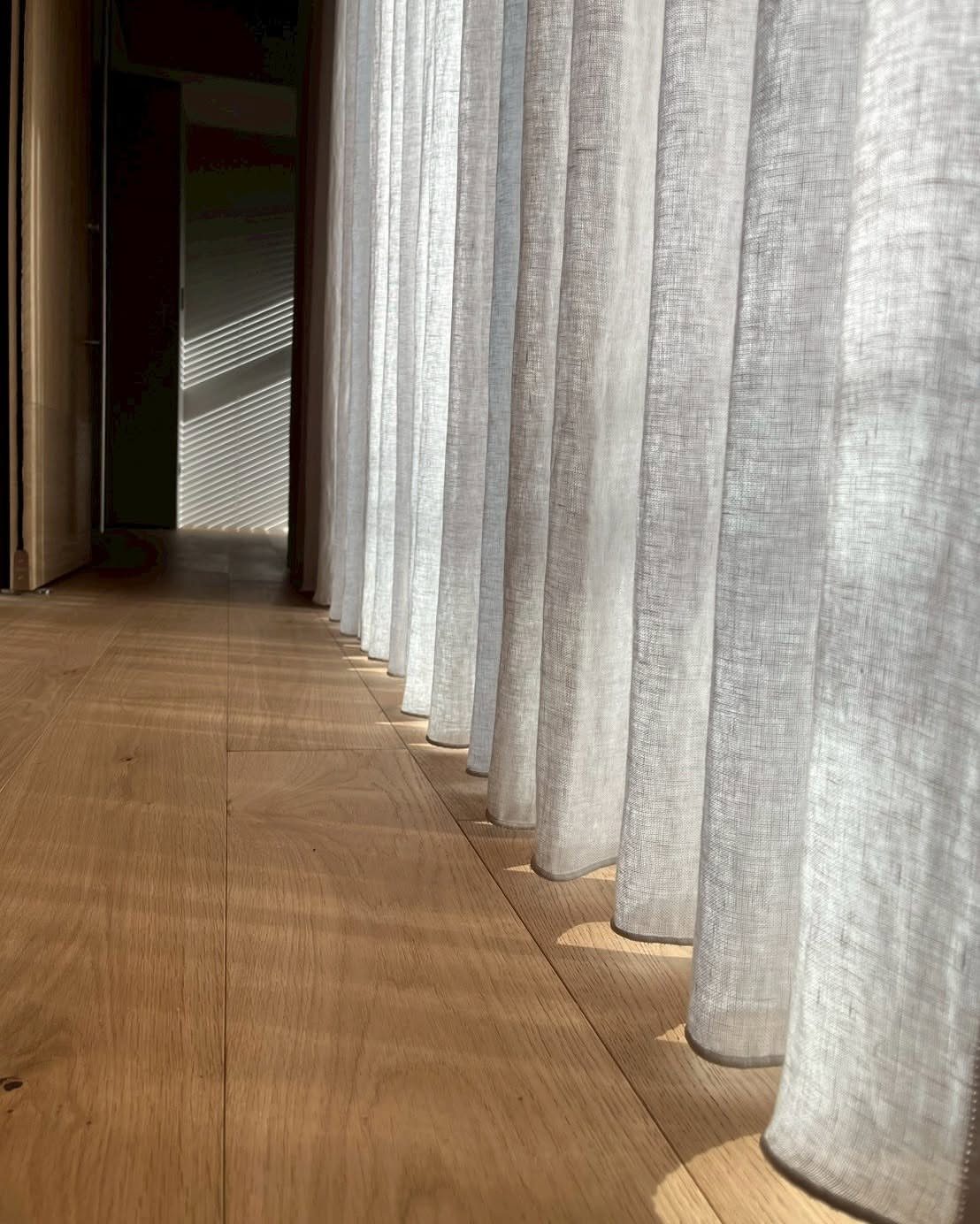
A minimalist light wooden floor works almost like a blank wall: it recedes enough to let your furniture and art do the talking.
I have seen the same pale oak read as Scandinavian, Japanese, or even slightly industrial depending on what sits on it.
Boards that stay fairly uniform in tone keep the look clean; heavy grain or knots pull toward rustic, which fights that direction.
Pair it with walls in soft white or a whisper of grey, and the floor still feels warm without competing. If you rent or redecorate often, this is the forgiving base to build around.

Genuine French Oak Construction: Crafted from authentic French Oak, offering natural elegance and character.

Planks click together easily, no glue or nails needed.

Streak-Free - Specifically formulated to clean finished hardwood floors without streaking or dulling
2. Oak Light Wooden Floor
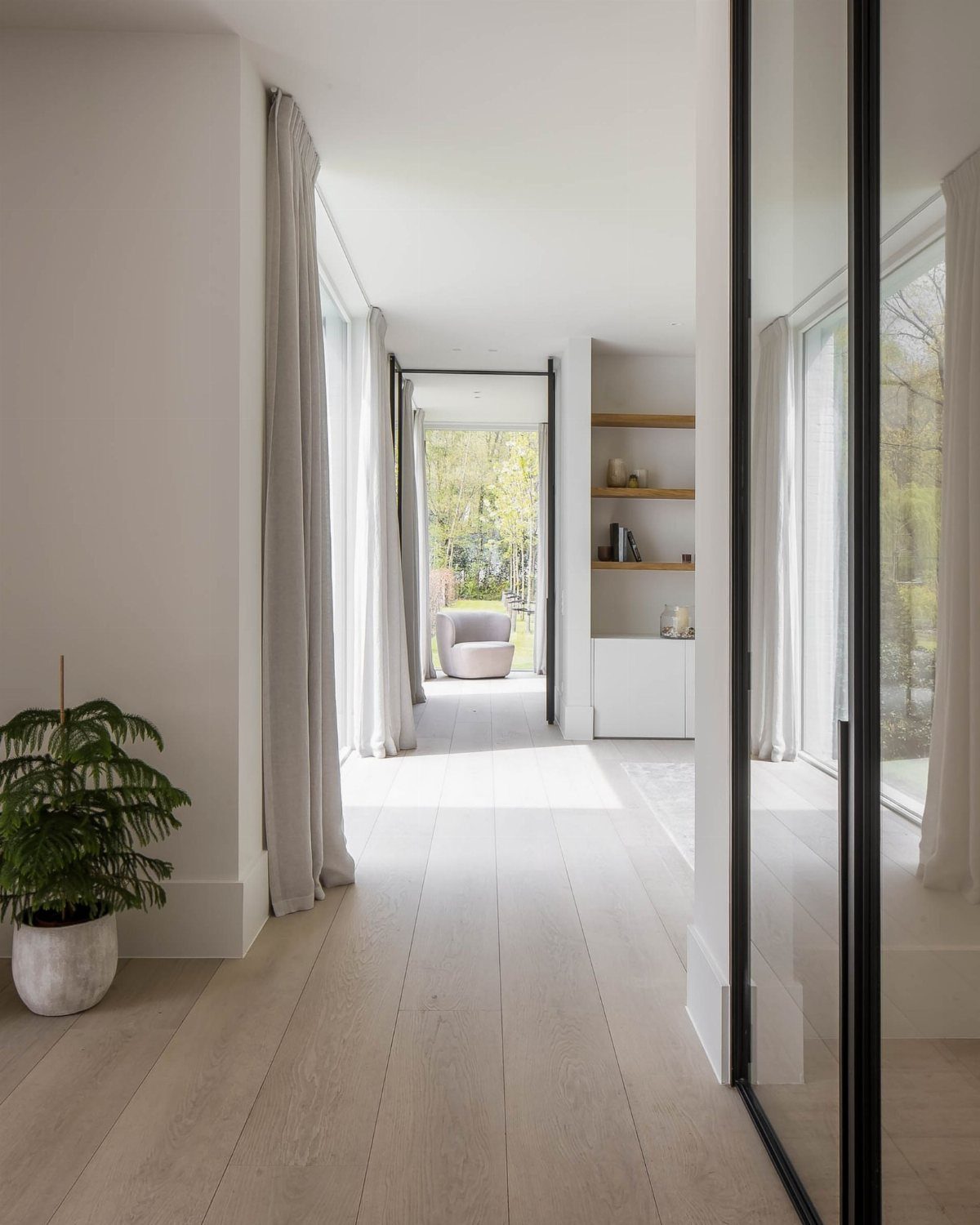
Oak carries more grain than maple or ash, so it hides the small dents that come with dogs, kids, or dragging chairs. Maple runs smoother and paler, almost creamy, which looks refined until the first scratch catches light.
Ash splits the difference, with a subtle grain that takes stain evenly if you want to shift warmer later.
I would walk samples through the actual room at morning, noon, and evening before deciding; the same oak reads yellow under old incandescents and flat under LEDs. Your existing trim color matters too.
A cool white baseboard can make warm oak look muddy.

PROFESSIONAL WOOD FLOOR RESTORER: Restores wood floors, leaving them with a beautiful glossy finish

ALL FLOORS RESTORER: Designed for all floor types, including unwaxed, polyurethane-finished hardwood, laminate, vinyl & tile

Instant Glossy Wood Floor Shine: Instant Shine & Glossy Finish Achieve a smooth, glossy finish with just one coat of Wood Cleaner. Instantly refresh dull wood surfaces and bring back a clean, vibrant look with minimal effort
3. Solid Hardwood Light Wooden Floor
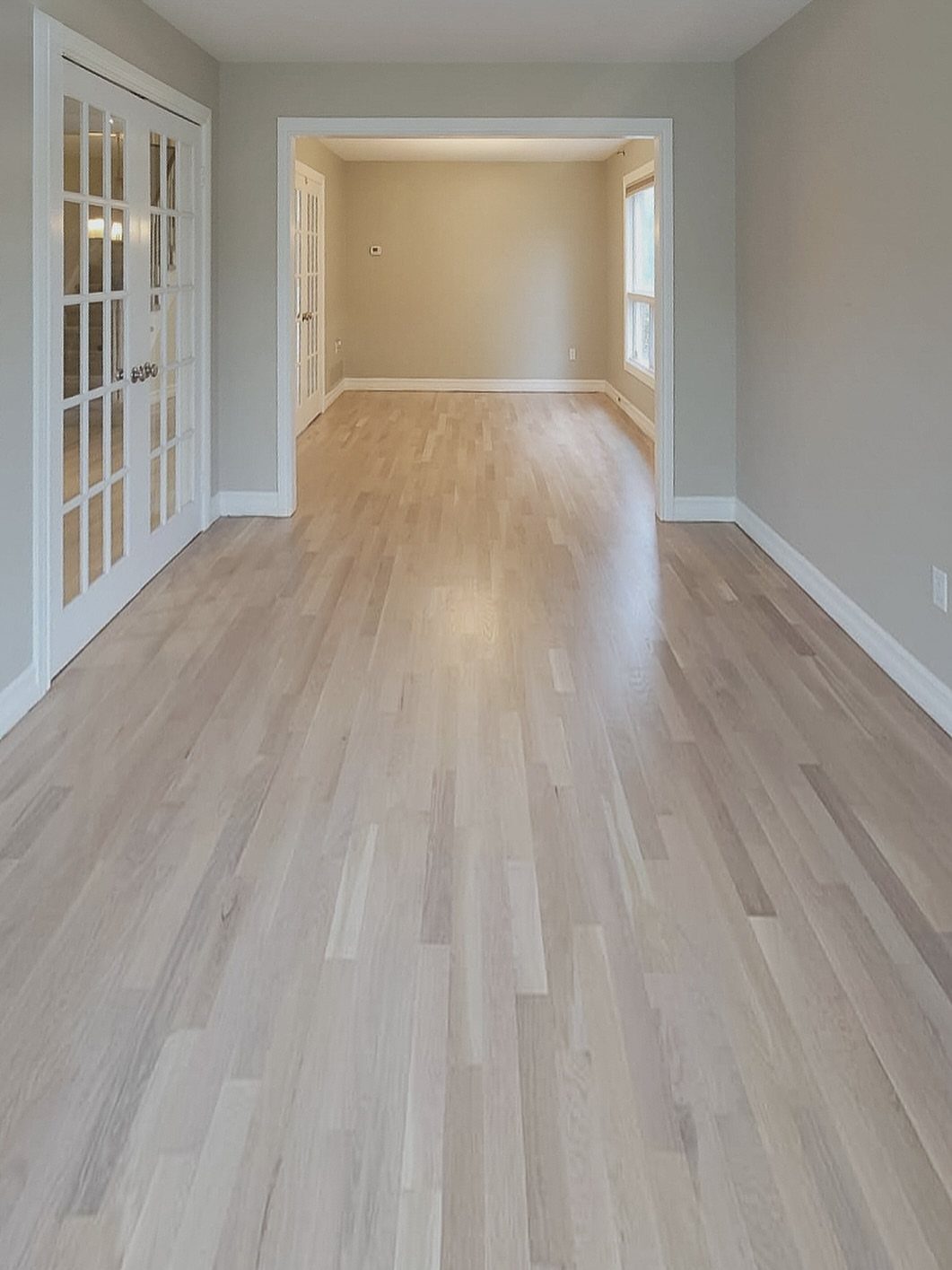
Solid hardwood is thick enough to sand down across decades, which is why old houses still carry original floors. Engineered wood, with its thinner wear layer, offers two or three refinishings at most, though it handles humidity swings better.
For a household that tracks in mud, drops pots, or hosts dance parties, that sand-and-refinish option pays back. Installation is nailed, not floated, so you need a plywood subfloor and a budget for labor.
Check your joist spacing too; wide planks over loose centers can bounce or squeak.

Tips:Due to the different screen materials of different devices, the color of the product you see and the actual product may be inaccurate. Color appearance may vary due to screen calibration, lighting conditions. Please refer to the actual product

【Premium Thickened Vinyl Flooring Roll】Experience our 1.5mm thick vinyl flooring roll with 5 layers for enhanced quality. It's non-slip, non-fading, and provides thermal insulation. Measuring 23.6" x 393", it covers 64 sq ft without snap-lock installation, making it hassle-free and stylish.
【Premium Thickened Vinyl Flooring Roll】Experience our 1.5mm thick vinyl flooring roll with 5 layers for enhanced quality. It's non-slip, non-fading, and provides thermal insulation. Measuring 23.6" x 393", it covers 64 sq ft without snap-lock installation, making it hassle-free and stylish.
4. Light Wooden Herringbone Flooring
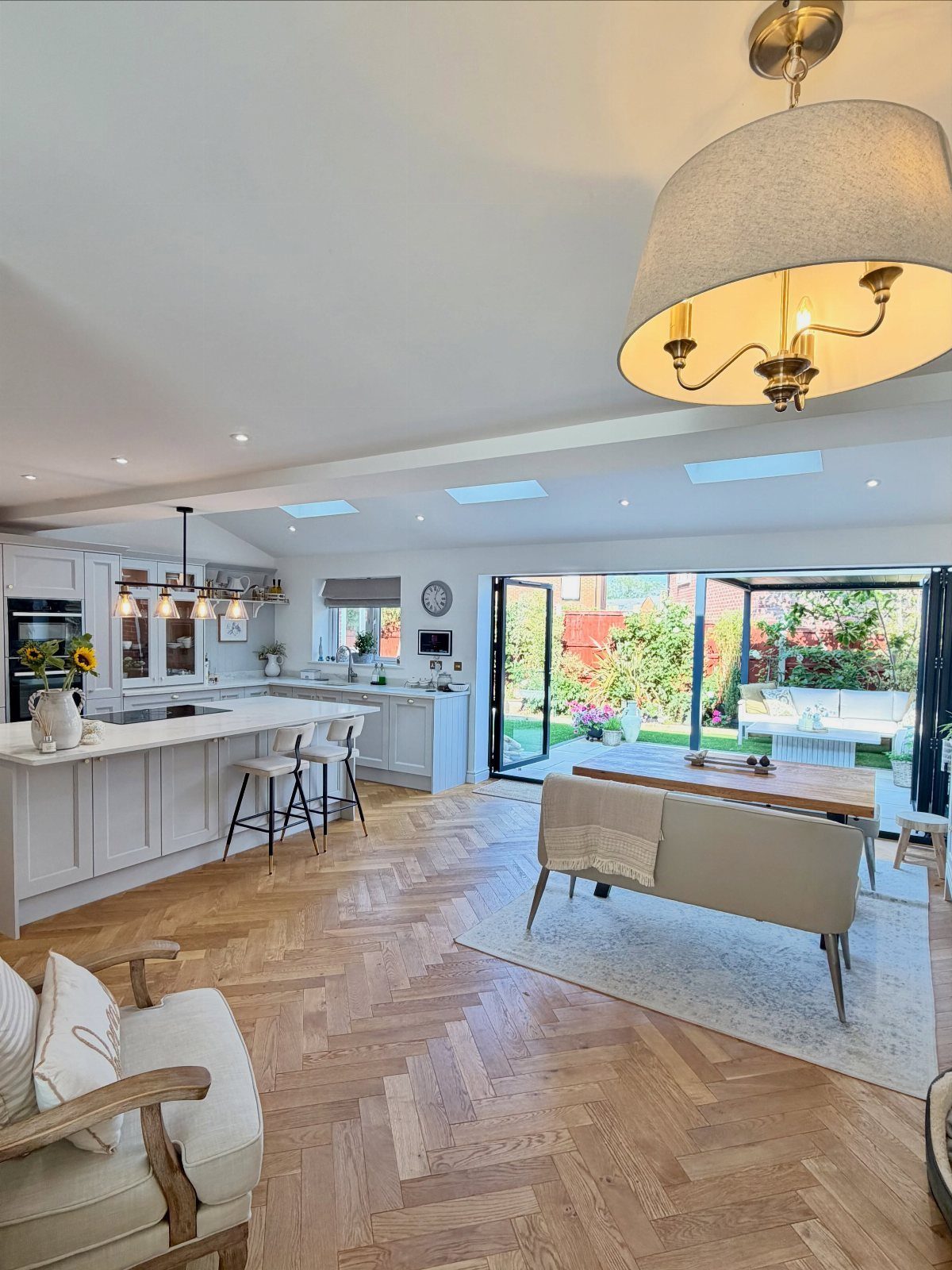
Herringbone reads formal without trying hard, which makes it a smart move for the one public room where you want some drama.
The pattern runs diagonal, so every board gets cut on both ends; waste runs higher than straight plank, and installation takes noticeably longer.
I would not attempt this as a first DIY floor unless you have patience and a very good miter saw. A room with this pattern looks finished even with sparse furniture.
Keep the rest simple: plain walls, uncluttered sightlines, and let the geometry carry the design weight.

REALISTIC WOOD LOOK: Featuring luxury wood-grain texture, micro-bevel edges, and HD film prints, these luxury vinyl planks perfectly replicate real hardwood floors with a fraction of cost of wood flooring.
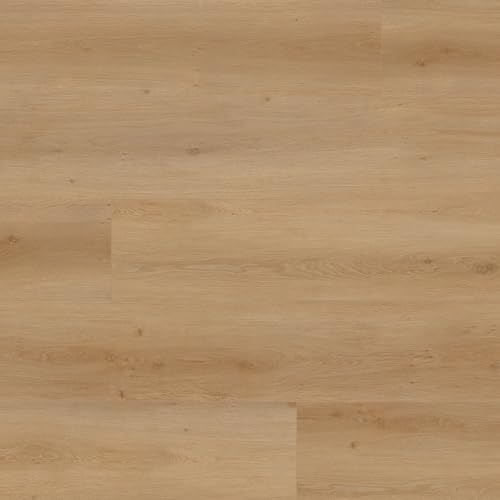
100% Waterproof & Ultra-Durable Construction: Premium rigid-core vinyl planks with a 22 mil wear layer resist scratches, stains, and spills for kitchens, living rooms, bathrooms, and high-traffic areas

REALISTIC WOOD GRAIN: Vinyl plank flooring features a natural wood flooring look with clear grain texture, helping create a clean wood floor style for everyday home spaces
5. Geometric Light Parquet Flooring
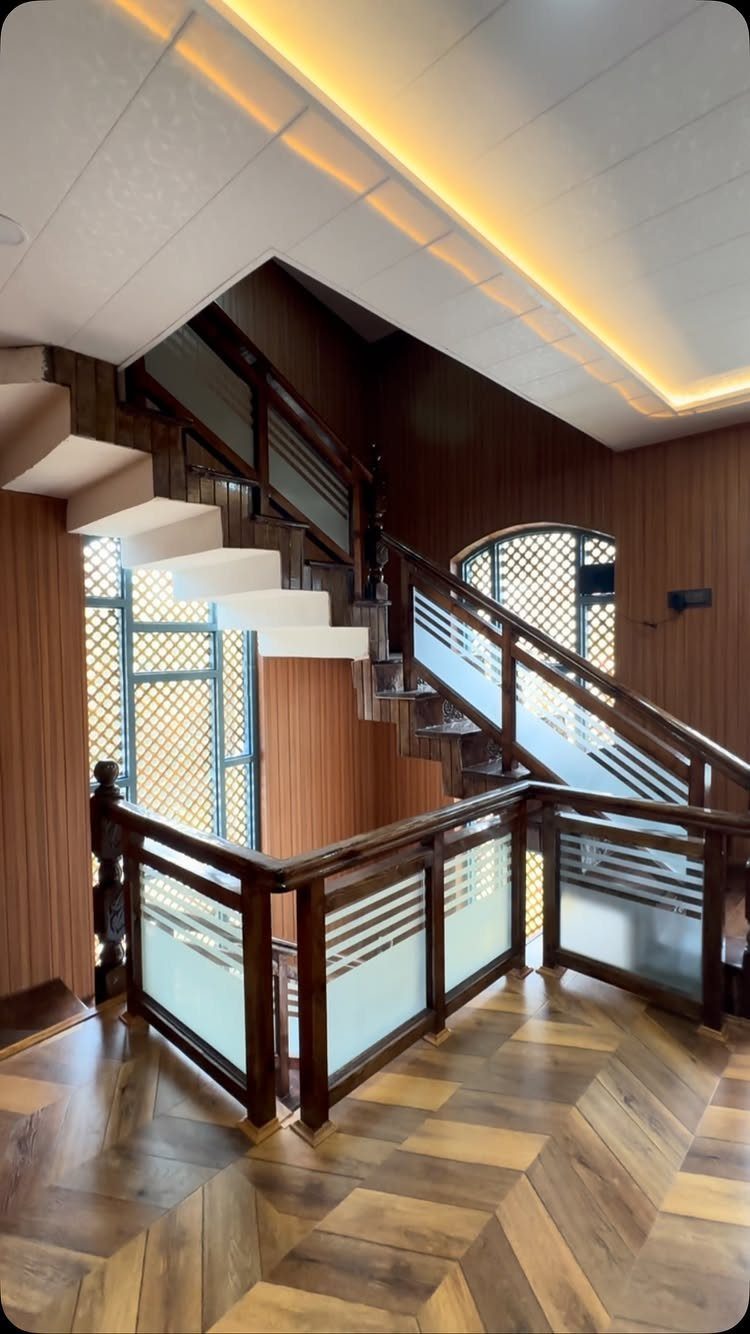
Geometric parquet turns a transition space, a landing, or a small foyer into something worth the pause. I would limit this to a zone you cross rather than one you live in, since busy patterns tire faster than plain plank.
For a budget version, consider vinyl or laminate in a similar print laid in a powder room or entryway.

Non-Slip Stair Treads: OJIA non-skid stair treads feature reliable anti-slip rubber backing, ensuring they stay securely in place on your stairs and making every step safer for kids, elders, and pets. Note: Not carpet, these stair treads are more like printed rubber mat
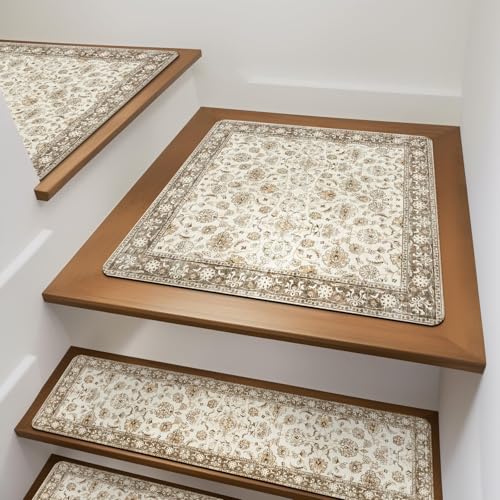
Non-Slip Stair Treads: OJIA non-skid stair treads feature reliable anti-slip rubber backing, ensuring they stay securely in place on your stairs and making every step safer for kids, elders, and pets. Note: Not carpet, these stair treads are more like printed rubber mat

Vintage Floral Rug: The distressed floral design combines a softly aged look with elegant floral details and a framed border pattern. The muted color palette adds warmth character and visual texture while blending naturally with traditional transitional and farmhouse-inspired interiors.
6. Light Wooden Plank Flooring
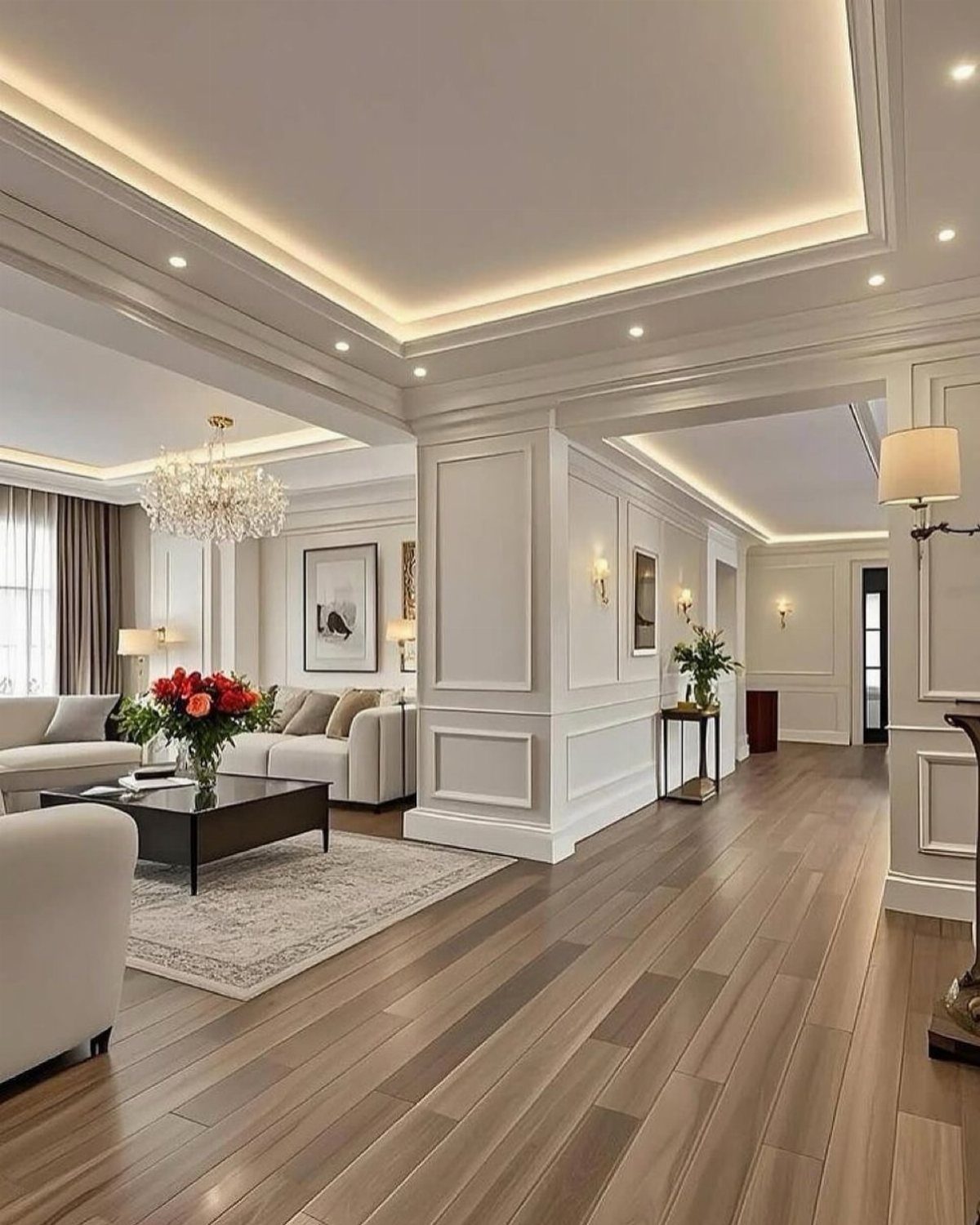
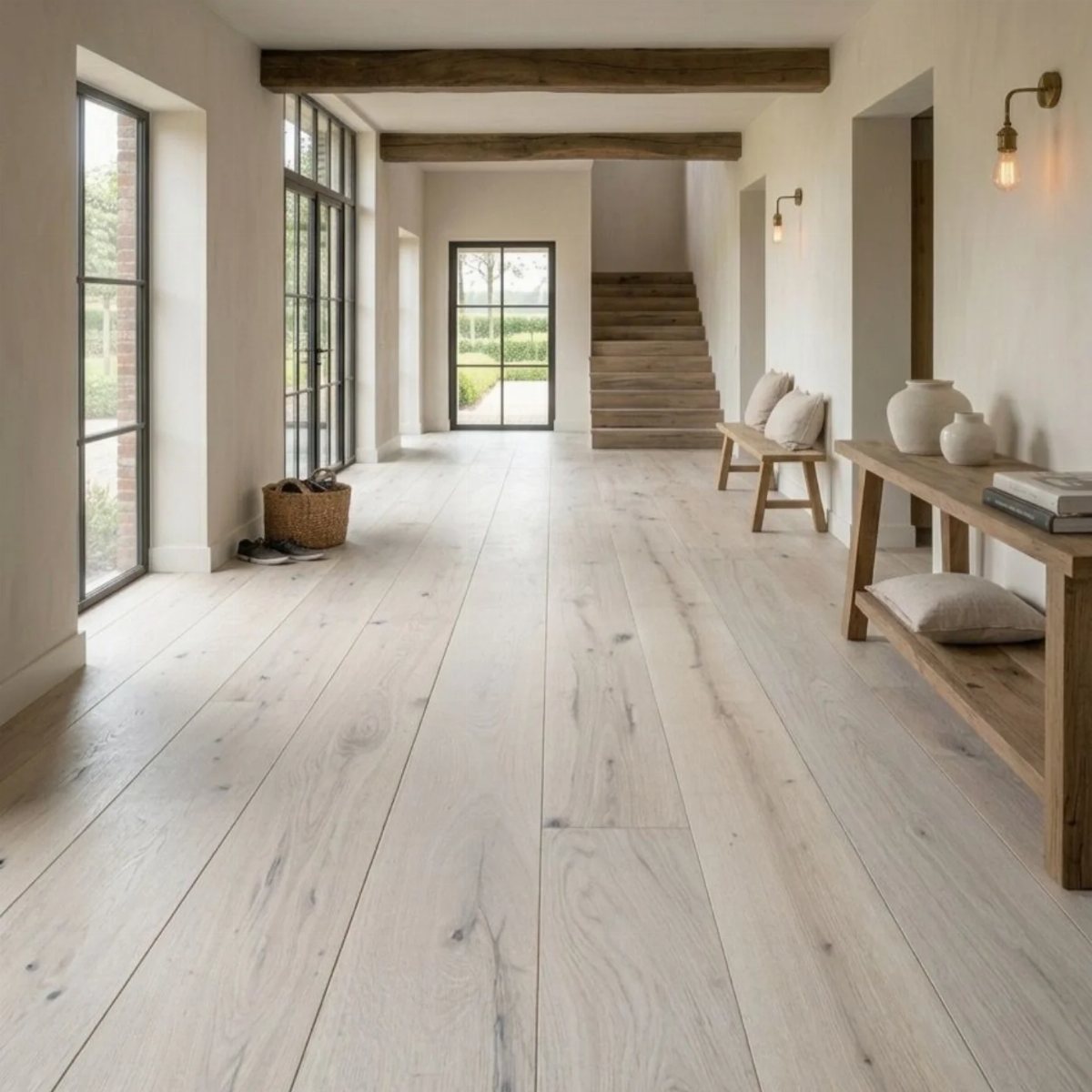
Wide planks stretch a small room visually and show off the wood’s character in long, uninterrupted runs. Narrow boards would have felt busy, almost like the strip flooring common in postwar houses.
Stability takes a hit; wide boards expand and contract more with humidity, so engineered construction often makes sense here even if you wanted solid elsewhere. Check your climate and your AC habits before committing.

Light, airy, and inviting, with soothing tones in a wider plank format sets a trendy vibe to any room

Specialized Designed: The office mat is designed with a unique rattan-like woven pattern. It is easy to lay flat. This specially designed mat could be matched your surroundings. Perfect for a variety of environments including offices, computer rooms, gaming rooms, bedrooms, and study spaces.
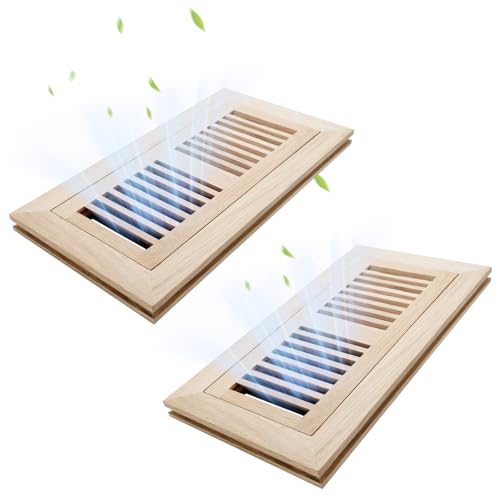
PERFECT FIT GUARANTEE: Designed for 4"x10" duct openings with 6-3/4"x12-5/16" overall frame dimensions - specifically engineered for 3/4" thick hardwood floors with tongue and groove installation
7. Light Wooden Floor in Living Room
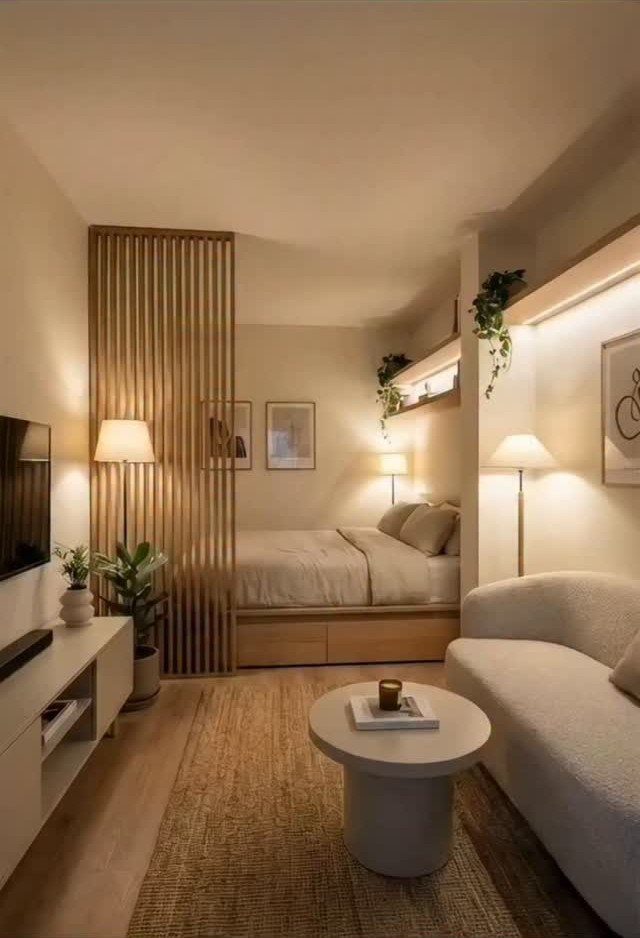
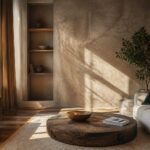
A light wooden floor in the living room does the heavy lifting when the space is small or the windows face north.
The paler tone throws daylight back into the room instead of swallowing it, so a studio or a railroad flat feels wider than its walls say it should.
For this look, an engineered plank with a matte lacquer stands up to the traffic better than solid oak, and it costs less per square foot.
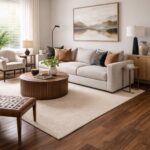
The visible setup pairs it with a low sofa and a textured rug that leaves plenty of the grain showing; that ratio matters more than the exact rug.
I’d skip the high-gloss finish here. It catches every footprint and every slant of afternoon sun.

High-Gloss Care for Wood Floors and Furniture Helps enhance shine and reduce the appearance of fine scratches on wood surfaces. Forms a protective finish that helps resist wear, scuffs, moisture, dust, and everyday stains. Leaves a smooth, non-greasy surface designed to maintain good traction and make cleaning easier.

Complete Repair Set: Our laminate floor repair kit includes 12 commonly used shades of wood fillers and 8 universal colors of markers, with included 3 brushes, 1 scraper, 1 mixing palette, 1 sponge, and 2 sheets of sandpaper make repair work more convenient and efficient
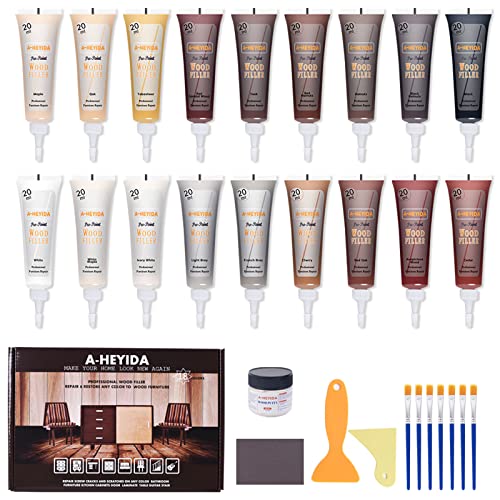
Wood Vinyl Floor Repair Kit: 31 piece laminate floor repair kit includes 18 unique colors of resin wood repair fillers, 1 sandpaper, 1 wood putty, 7 brushes, 2 plastic scrapers and 1 disposable glove. According to the instructions provided, you can repair floors and furniture by yourself, no need to hire a professional, saving you time and money. This is an easy solution to repair scratches and stains on wooden furniture and floors in your home
8. Light Wooden Floor in Bedroom
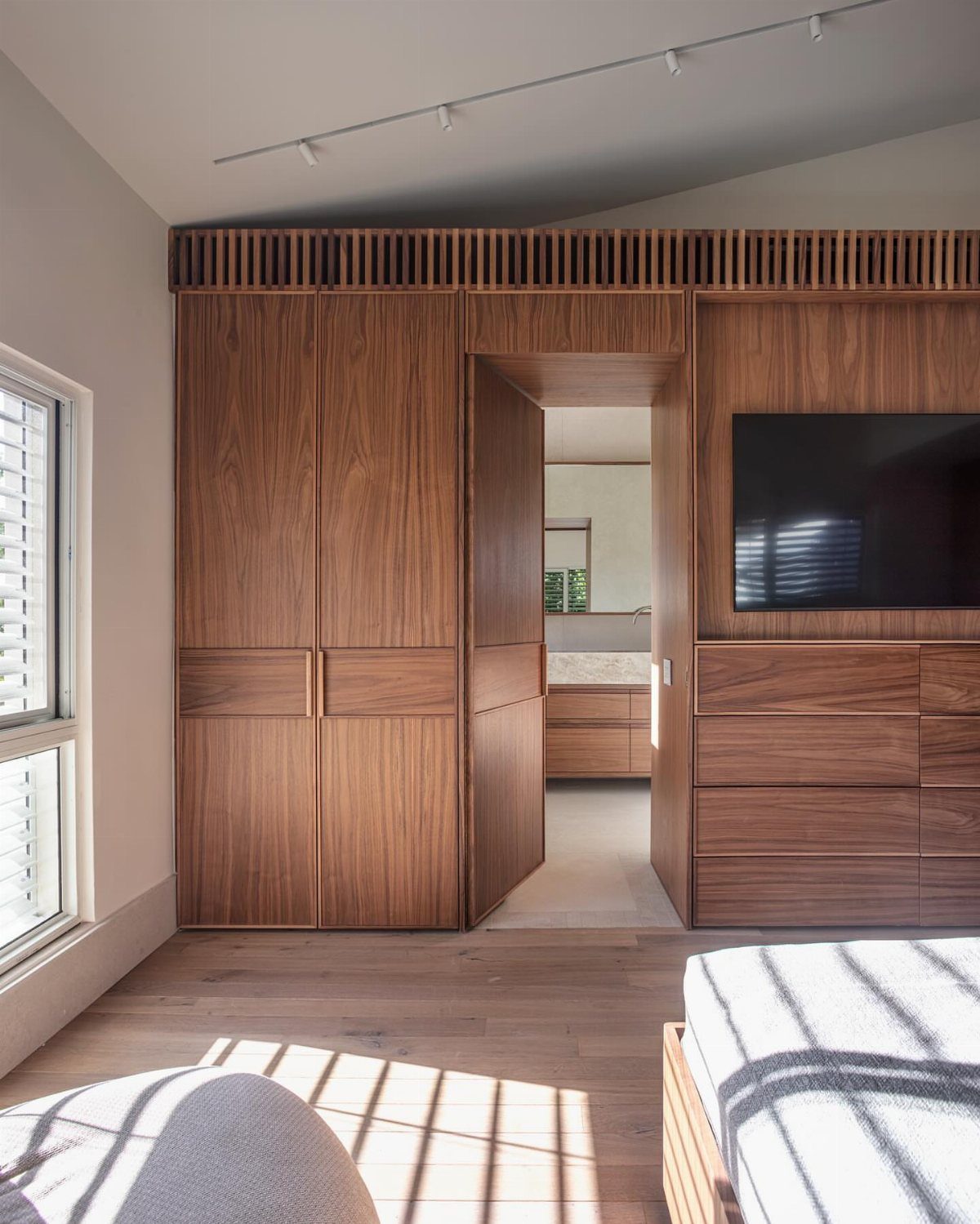
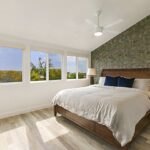
Striped morning light across bare floorboards is the bedroom version of this idea. The visible room uses walnut built-ins against the pale plank, which only works because the floor stays quiet and lets the cabinetry carry the weight.
A bedroom takes less abuse than a hallway, so solid hardwood becomes practical here if the budget allows it.
The real decision is how much floor to cover: a rug under the bed keeps the first steps of the day warm, but leaving the planks bare around the edges preserves the airy feeling that probably drew you to this search.
Check your subfloor before you order. Older homes shift, and a plank that looks level at noon can creak by midnight.

【Natural Oak Wood Texture with Warm Tone】 Featuring a warm light natural oak tone with natural brown oak grain lines and realistic tree knot details, this vinyl flooring replicates the look of solid hardwood planks. The embossed surface mimics real wood's tactile feel, while the multi-plank design with subtle dark seam lines creates an authentic hardwood floor look. Perfect for adding bright, cozy warmth to any room.
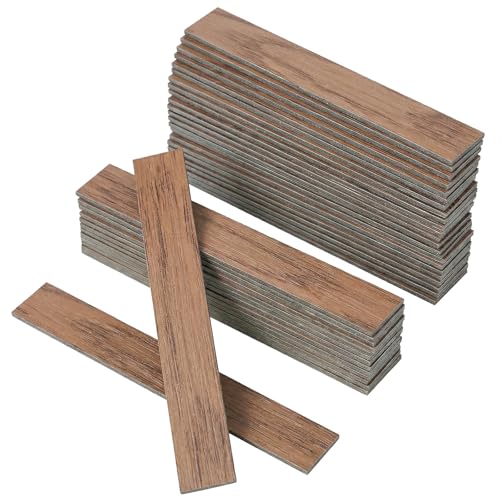
Ample Quantity For Miniature Projects: You will receive 40 pieces of light brown miniature wood doll house flooring in this package. This sufficient quantity allows you to freely cover your desired space and fully enjoy the DIY process of building your room boxes or dioramas. Intended for professional diorama crafting and adult decorative modeling only; recommended for users aged 14 years and up

3.0mm Reinforced Build | No Furniture Dents & Long Service Life: 3.0mm structure (1.0mm foam cushion + 0.2mm matte wear layer) beats thin 1.5mm flooring. Anti-indent design stops permanent dents from heavy furniture, scratch & abrasion resistant for heavy foot traffic. Ideal for houses, apartments, cafes, offices, hotels and libraries for years of stable use without frequent replacement
9. Light Wood Floor in Hallway and Stairs
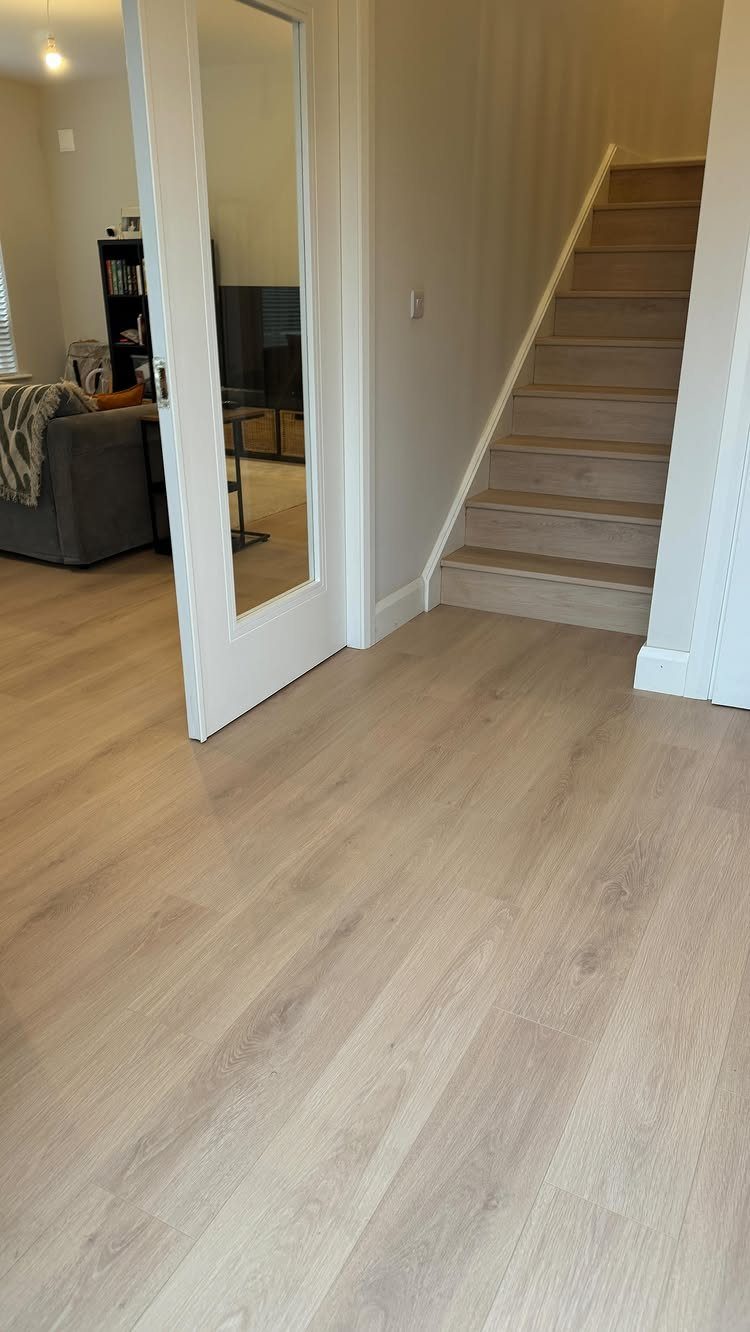
Running the same light plank from hallway to stair tread is the trickiest install on this list and the one that pays off most in a narrow house.
The visible example uses a wood-look laminate, which is how you keep the color consistent where solid hardwood would price itself out.
The nose of each stair is where most people trip up. Laminate needs a matching stair-nose molding, and the color match is never perfect under daylight from a landing window.
Order samples and look at them at the time of day your stairs get the most sun.
For a split-level or a townhouse where the entry is dim, this is the move that makes the whole vertical house feel like one continuous space instead of a stack of boxes.

【Light Natural Oak Wood Grain & Thickened Material】 Our peel and stick floor tile features a light natural oak base with fine natural oak grain lines,ring-shaped patterns,subtle color transitions,making it a premium wood peel and stick floor tile choice.Composed of wear-resistant layer,high-definition wood grain print layer,thickened vinyl substrate layer,and strong self-adhesive backing – provides excellent stability and durability,ideal for long-lasting waterproof vinyl flooring applications.

Good Adhesive: Mysflosy peel and stick vinyl flooring planks use strong adhesive, which can hold the planks to flat ground firmly; Good performance on bedroom, bathroom, laundry room, kitchen hallway and etc.

Waterproof & Easy to Clean — Waterproof surface resists spills and humidity; simply wipe with a damp cloth. Ideal for kitchens, bathrooms, laundry rooms, pet areas, offices and more
Caring for Light Hardwood Floors
Sweep or vacuum light hardwood floors often; grit is what scratches the finish over time. For the regular upkeep, a mop that’s just barely damp does the job; soaking wet is where you start running into trouble.
For scuffs or minor wear, spot-treat with a matching maintenance oil or lacquer rather than refinishing the whole room. Light tones hide dust better than dark stains, so the floor looks cleaner between rounds than you might expect.

MANY STYLES & SIZES: Select your preferred size and color from the options menu. Proudly customized to your specifications in the USA with high-quality imported materials.
Vintage Floral Rug: The distressed floral design combines a softly aged look with elegant floral details and a framed border pattern. The muted color palette adds warmth character and visual texture while blending naturally with traditional transitional and farmhouse-inspired interiors.

Non-slip Stair Treads: OJIA non-skid carpet stair treads feature reliable anti-slip rubber backing, ensuring they stay securely on your stairs and making every step safer for kids, elders, and pets. Suitable for smooth surface stairs made of wood, marble, glass, tiles, and more
Decorating Tips
Light wood floors let you push the walls in either direction. Dark furniture against pale plank adds depth without closing the room in; soft textiles do the opposite, pulling the space toward warmth.
Plants read especially well here, the green jumping against neutral ground. If the rest of your palette stays quiet, the floor becomes the steady base that lets art or a single bold wall carry the moment.
Sustainability Considerations
Look for FSC or PEFC certification if you want the timber traced to managed forests.
Certain light wood floors come with indoor air quality labels, something to weigh if you’re prone to headaches from new materials or there’s a toddler making contact with every inch of the floor.
The zero-waste claim on timber use is harder to verify yourself, but certification at least narrows the field to mills that document their chain.
Installation Tips
A floating install over a level subfloor is within reach if you are handy and patient. Glue-down or batten-mounted systems demand more precision, and any underfloor heating adds a layer you do not want to guess at.
Let the boards sit in the room for a full acclimatization period before you start; skipping this is how gaps and warping happen.
Uneven subfloors or complex layouts are where I would call a pro rather than fight the floor for a week.
Frequently Asked Questions
Are light wood floors still in style?
Yes. Pale oak and ash have stayed current across Scandinavian, Japanese, and industrial interiors because they function as a neutral base rather than a statement.
The same floor reads differently depending on what furniture sits on it, which keeps it from feeling tied to one passing trend.
What color is a light hardwood floor?
A light hardwood floor sits somewhere between pale blonde and warm honey, though the exact tone depends on the species.
Maple goes almost creamy, ash tends toward a faint yellow-to-cream cast, and white oak will take a stain anywhere from natural pale to soft gray.
The same board shifts under different bulbs, so morning and evening light in your actual room matters more than the sample alone.
Is a lighter or darker wood floor better?
Lighter floors suit small rooms, north-facing windows, or anyone who wants daylight to bounce back into the space. They also hide dust and small scratches better than dark floors, where every speck shows.
Darker floors add depth and formality but need more frequent cleaning to look kept.
What are some types of light wood flooring?
Oak, maple, and ash are the common choices. Oak carries more grain and hides dents well; maple runs smoother and paler but scratches show faster; ash splits the difference with subtle grain that stains evenly.
Engineered versions handle humidity swings better than solid, and herringbone or parquet patterns add visual interest in public rooms.