Modern wall treatments run from a Saturday with a miter saw to a full installation you do not get back in a single weekend, and from painted MDF to wine cork you collect yourself over a few months of dinner parties.
The deciding factor is whether you own the wall or merely patch nail holes later; renters will live inside a different set of choices than someone ready to commit.
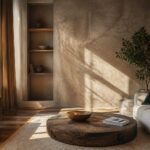
A single backlit slab in an organic panel, thin enough to skip structural reinforcement, proves how far the category now stretches beyond paint.
1. Wood Paneling
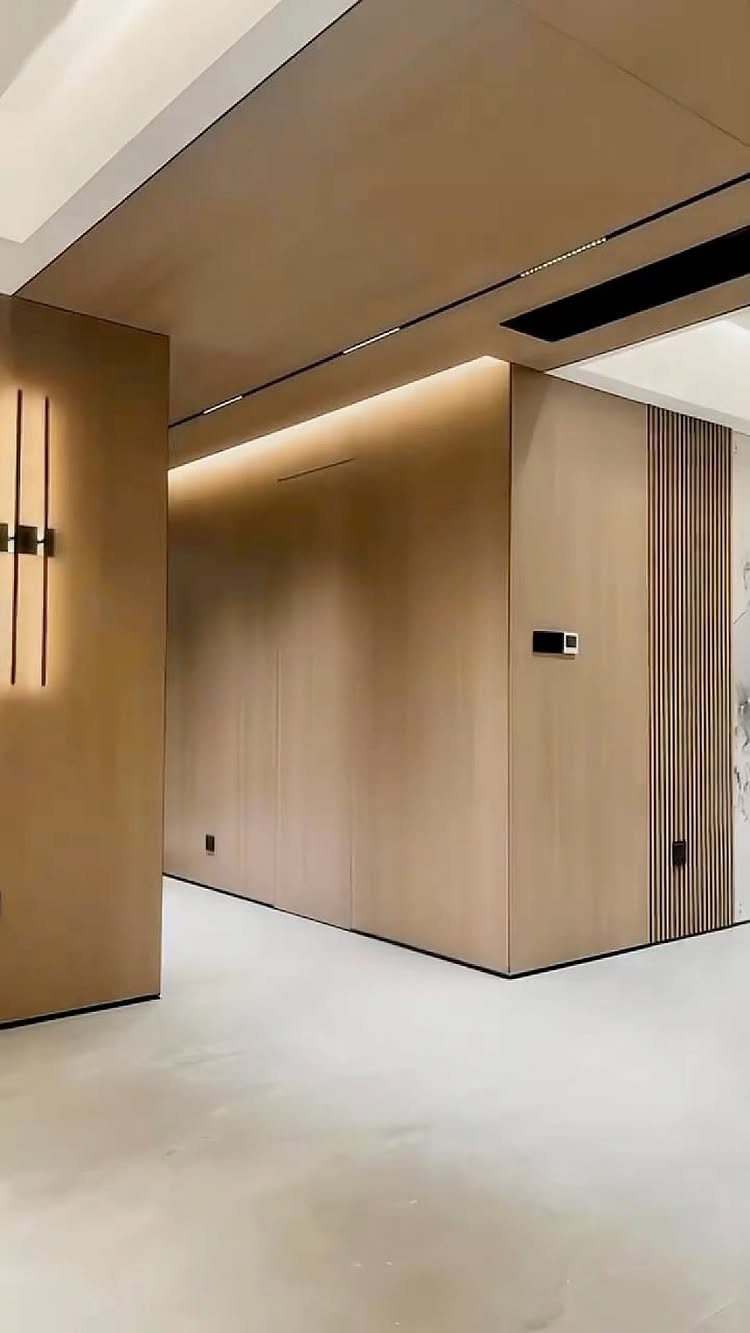
Vertical boards running floor to ceiling warm up spaces that read too flat or too white, and the grain itself does the decorating.
Paint it, stain it, or leave it bare: a sheer wash of green over pine keeps the texture visible while shifting the mood entirely, and horizontal placement in a dark stain reads more loft than lodge.
Tongue-and-groove goes up fast, though an oversized chevron pattern takes patience and a saw you trust. For a weekend project, stick to straight runs on one wall.
Best for renters who can patch nail holes later, or owners ready to commit. Skip it if your trimwork is already busy; the boards will fight it.

High-Quality Wall Panels: Our acoustic panel set is crafted with high-density polyester fiber, premium medium-density fiberboard, and a solid wood veneer. This combination provides an elegant look, superior sound damping, and excellent sound deadening, significantly improving room acoustics

Superior Acoustic Performance: It is designed to provide excellent noise-cancellation capabilities, making it ideal for use in homes, offices, studios, and other spaces where acoustic quality is a priority
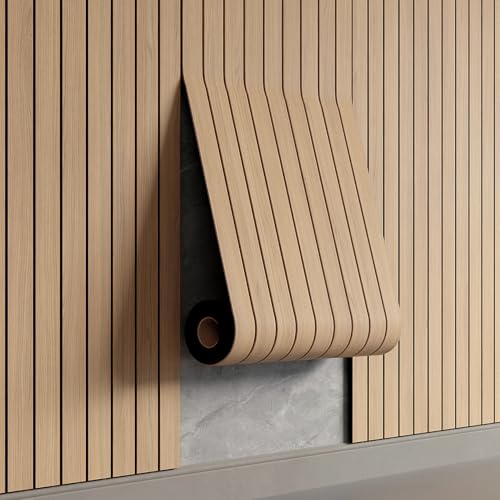
Effortless Peel & Stick Installation--Enjoy hassle-free setup with our self-adhesive PVC slat panels! Just measure, peel off the backing, and press onto any clean, flat surface—no tools or expertise needed. Perfect for DIY beginners and quick home makeovers.
2. Marble-Effect Wall Panels
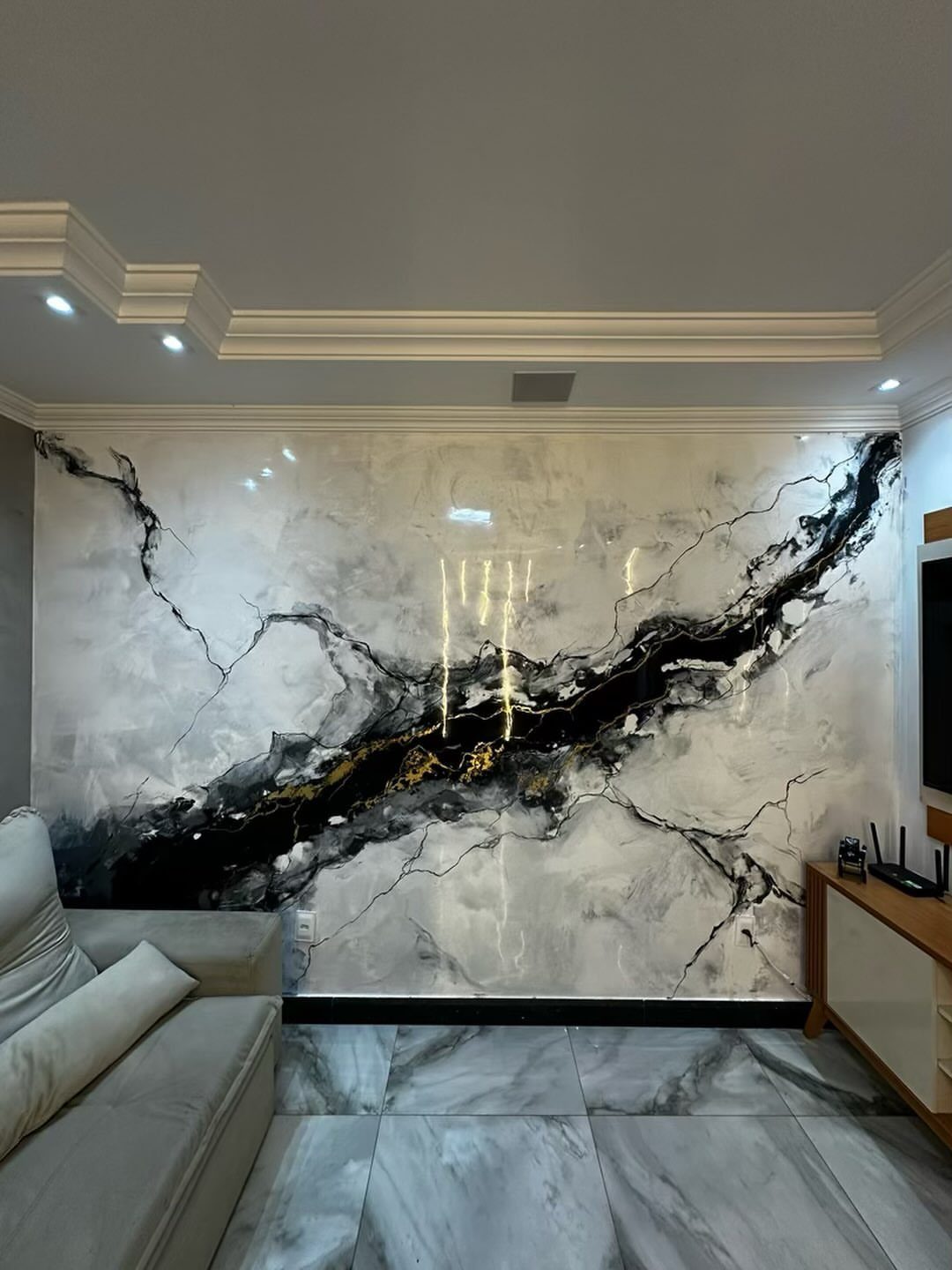
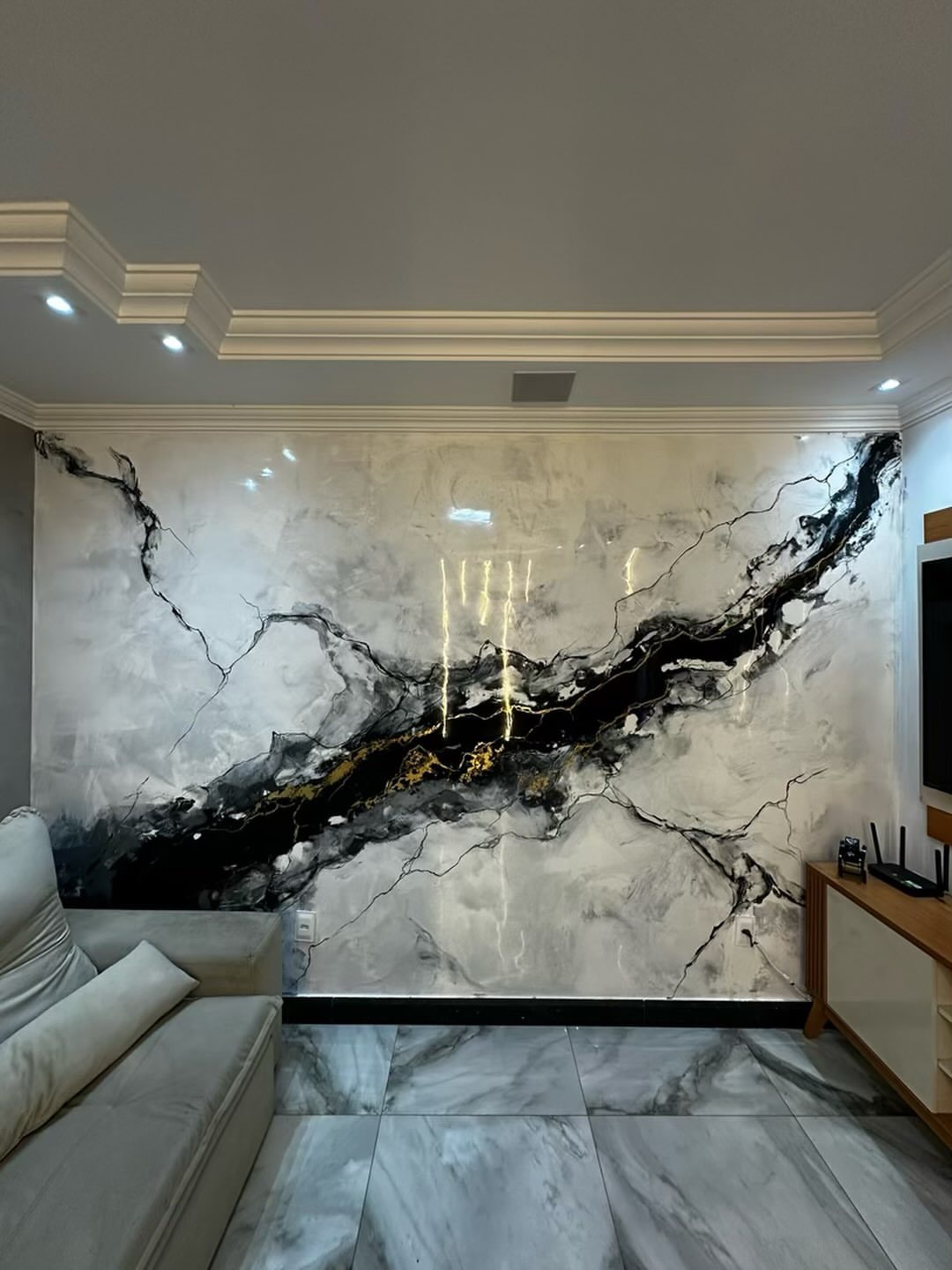
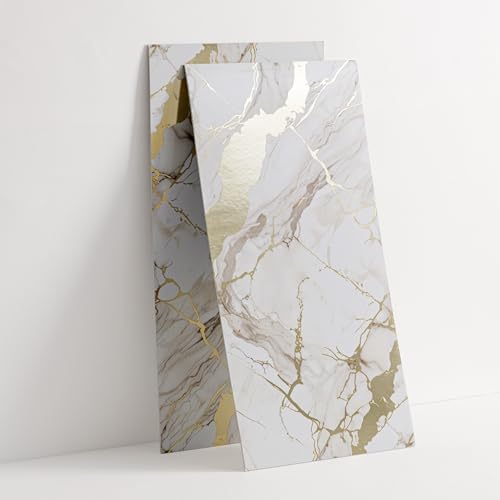
High-gloss panels with veined patterning give you the drama of stone slab without the weight, the sealing, or the price tag of real Calacatta.
The panels work especially well where light hits directly: the reflection doubles the sense of depth and bounces daylight deeper into a room.
Install them behind a fireplace, as the backing to built-in shelves, or on a single wall where you want the room to stop and look. Most systems lock together with a click, though the seams need alignment you cannot rush.
Best for spaces that already have some polish. In a room full of hand-me-downs, the wall starts to look like it wandered in from somewhere else.

[MATERIALS]: The wall planks are made of laminated wood plus pine with authentic grains and knots. This process delivers unmatched stability that resists warping and cupping. Each plank showcases genuine wood grain, rich pine scent, and unique character.
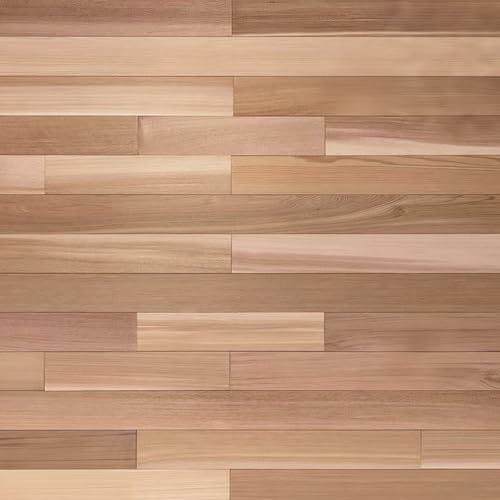
Package Includes: One box includes Canadian red cedar boards of various lengths, ranging from 12 inches to 55 inches, covering a total of 21 square feet
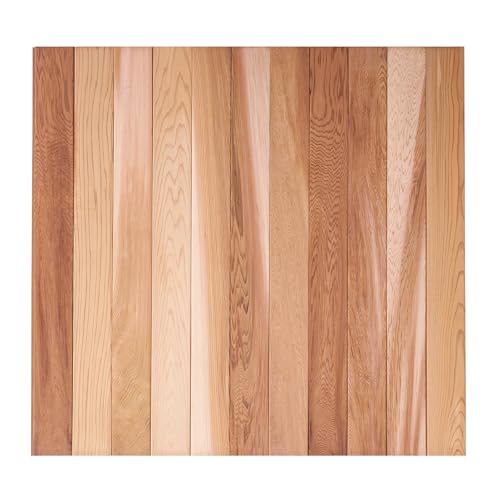
½" SOLID CEDAR — 50% THICKER THAN STANDARD WALL PLANKS: At 12mm (nearly ½ inch), these panels are substantially thicker than the ¼" boards commonly sold online. Thicker wood resists warping and cupping in humid environments like bathrooms and saunas, holds nails, staples, and construction adhesive more securely, and delivers the solid, architectural feel of real woodwork — not a surface veneer that flexes under your hand.
3. Feature Wall
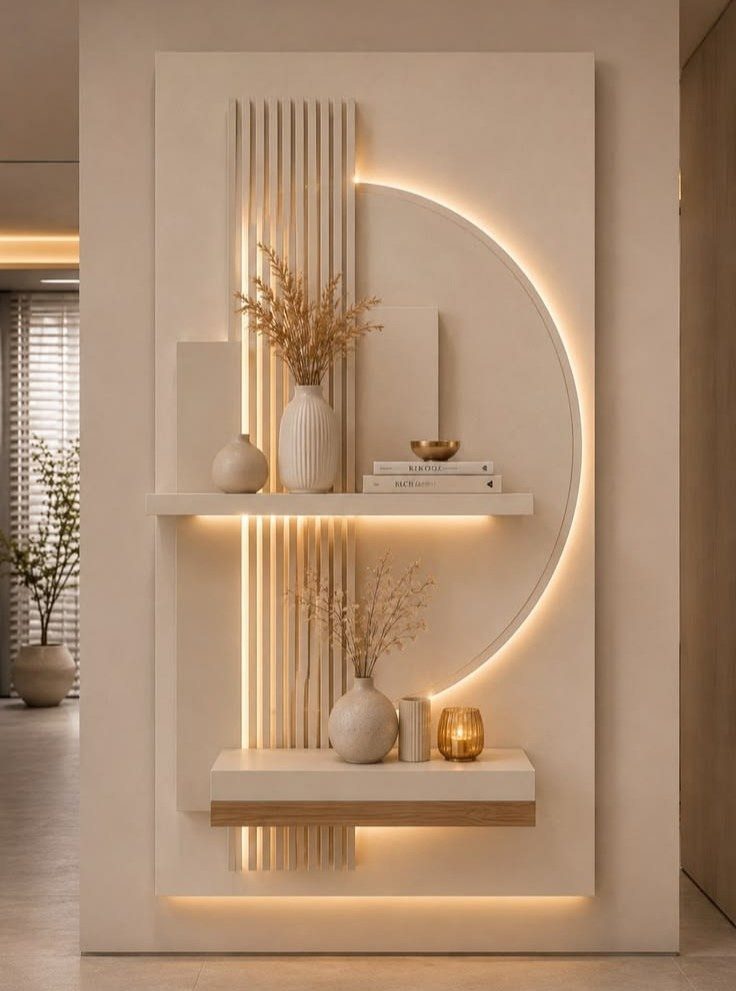
One wall carrying all the visual weight frees the other three to stay quiet, which keeps the room from closing in.
Backlit curves and slatted wood give you architecture without demolition, and the glow does the work of both art and lamp.
Paint, wallpaper, or paneling all work; the choice depends on what problem you are solving. Flat color in deep black adds depth to a boxy dining room where the ceiling feels low.
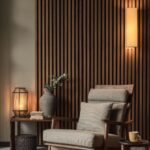
Slatted wood with integrated light hides a wall you cannot change and turns it into the reason people look.
Plan the wiring before you plan the pattern. A feature wall with no power nearby is just a wall.
“There are no hard rules when it comes to accent walls—there are simply too many variables to ever say ‘never,’” explains Cindy Smith, the cofounder of Smith Interiors in Charlotte, North Carolina.
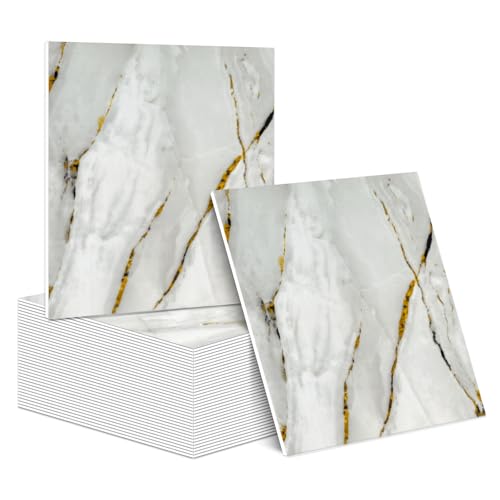
Quick Peel and Stick Design: Featuring a self-adhesive backing, these tiles install quickly and smoothly. Simply peel and stick, and press firmly into place. Designed for straightforward installation, typically requiring only one person

Elegant Marble Look: Achieve a luxury marble look without the expensive renovation. These peel and stick wall panels have a realistic design to easily refresh your space. They are perfect as interior decoration and can be removed cleanly from most surfaces
【Size】20 Pieces 23.6x11.8in (38.7 Sq. Ft. Coverage)
4. Wainscoting
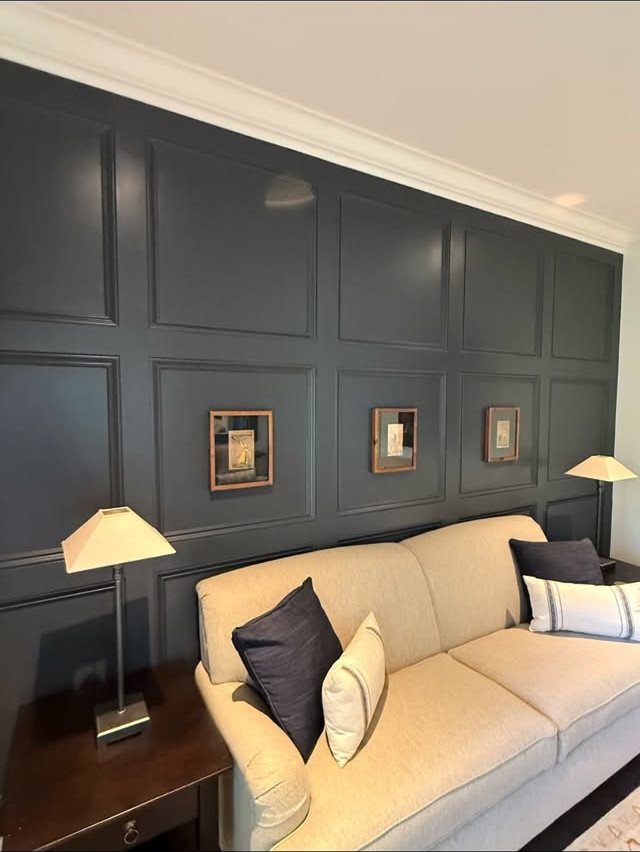
Grid paneling that runs the full height of the wall reads as wainscoting grown up: the same layered construction, the same shadow lines, but scaled for rooms with ceilings high enough to carry it.
Paint it charcoal or navy and the moulding becomes texture instead of trim.
Traditional half-height wainscoting in beadboard still works in bathrooms and entries, and MDF panels keep the cost low enough to cover a hallway without eating your whole project budget. Start with 1×3 poplar and a level you check twice.
Best for walls with something to hide: uneven plaster, old wallpaper seams, the ghost of a removed radiator. Smooth new drywall does not need it.

Geometric Art: Bring your minimalist vision to life with clean lines, cool tones, and bold style. Embrace the art of abstraction—a timeless trend where classic geometry meets modern expression. Design your contemporary space with ease, one panel at a time.

Captivating LED Wall Art: Illuminate your walls with soft, ambient backlighting. The built-in USB-powered LEDs cast a warm glow that highlights each geometric line, creating a cozy yet modern atmosphere perfect for evening relaxation.

UNIQUE WALL DECORATION: Elevate your home decor with our premium wooden hexagon wall decor. Made from high-quality basswood, these wall stickers bring a natural and inviting feel to any room. The different colored panels blend seamlessly, creating a visually appealing and layered effect on your walls.
5. Wallpaper
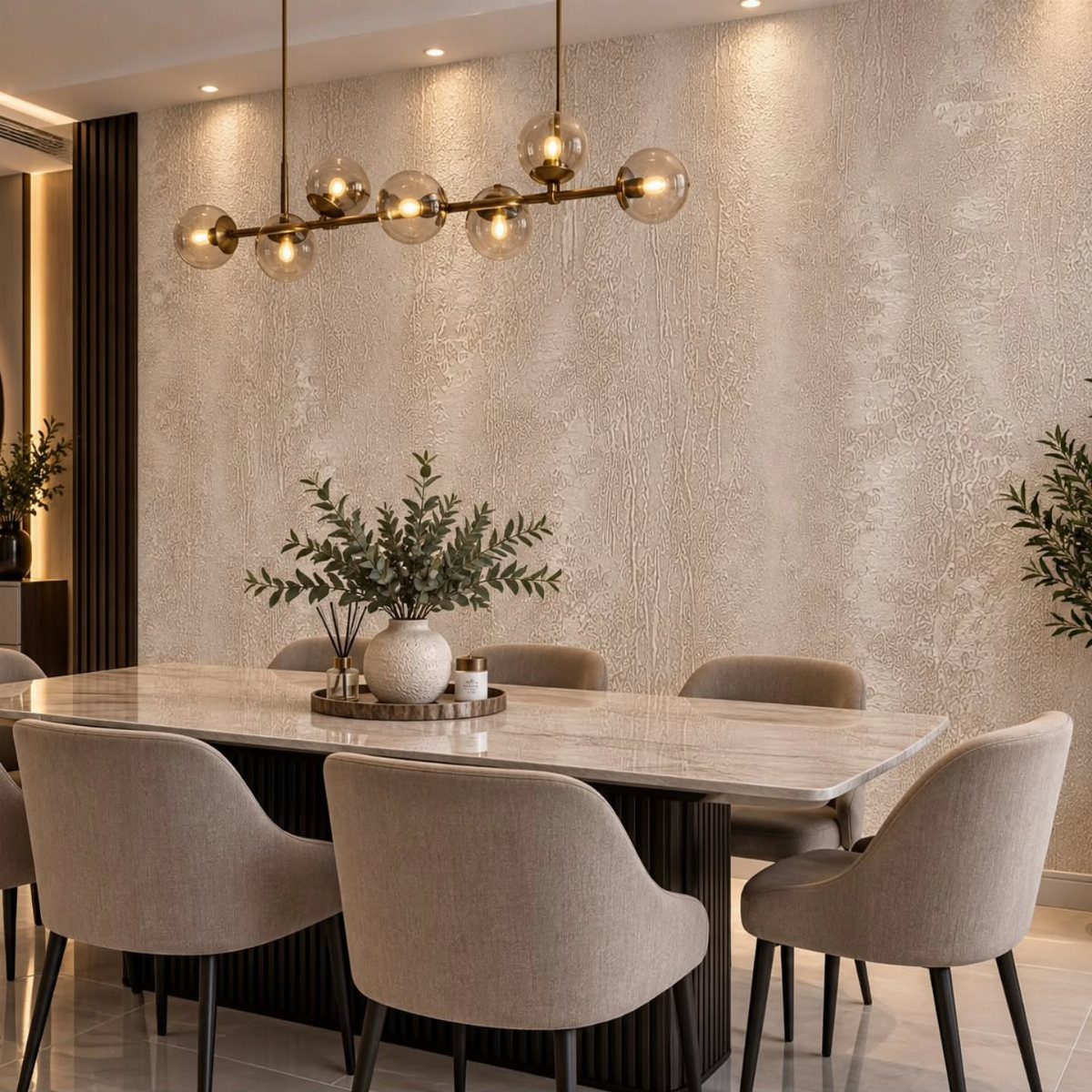
A single wall of textured paper gives you the impact of a mural without the commitment of paint-by-number precision. Bold patterns belong on one wall only; all four and the room starts to hum.
For full coverage, choose something quiet enough to live with through a lease or a slow renovation cycle.
Textured papers hide wall imperfections that flat paint broadcasts. Subtle relief wallpaper catches light from a chandelier without shouting for attention.
Application is not fast. A standard roll covers a patch of wall; a feature wall takes a few rolls and a full Saturday.
Renters should check whether their lease allows it, or invest in the removable kind that peels clean before it ages out.

Black LED Linear Lighting Kit: The LED light strips measure 4" x 4" and are available in various lengths, including 10 inches, 16 inches, 20 inches, 24 inches, 30 inches, 36 inches, and 40 inches. Each configuration can accommodate 6 to 8 parallel LED wall panel lights, allowing for customized layouts in any space.
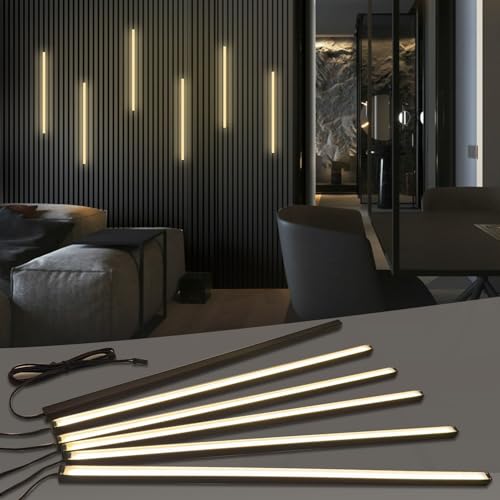
𝐅𝐮𝐬𝐞𝐝 𝐁𝐥𝐚𝐜𝐤 𝐂𝐨𝐥𝐥𝐞𝐜𝐭𝐢𝐨𝐧: This wall panel lights set Includes 6-piece of 16-inch 12V black LED strip lights. These slat wall lights feature black aluminum profiles, matte black diffuser covers and 3.1m black extension cables for flexible wiring. The 𝟎.𝟒-𝐢𝐧𝐜𝐡 𝐰𝐢𝐝𝐞 all-black wall panel LED lights seamlessly blends into slat panel gaps, easy to conceal and ideal for decorative black, matte black, gray oak, teak and black walnut wood slat wall panels etc. (𝐍𝐨𝐭𝐞: 𝐈𝐏𝟑𝟎 𝐍𝐨𝐭 𝐖𝐚𝐭𝐞𝐫𝐩𝐫𝐨𝐨𝐟 𝐖𝐢𝐫𝐞𝐝 𝐋𝐢𝐠𝐡𝐭 𝐒𝐭𝐫𝐢𝐩 𝐡𝐞𝐢𝐠𝐡𝐭: 𝟎.𝟒". 𝐏𝐚𝐧𝐞𝐥 𝐭𝐡𝐢𝐜𝐤𝐧𝐞𝐬𝐬 ≥𝟎.𝟒𝟑" 𝐢𝐬 𝐫𝐞𝐪𝐮𝐢𝐫𝐞𝐝 𝐟𝐨𝐫 𝐟𝐥𝐮𝐬𝐡 𝐢𝐧𝐬𝐭𝐚𝐥𝐥𝐚𝐭𝐢𝐨𝐧.)
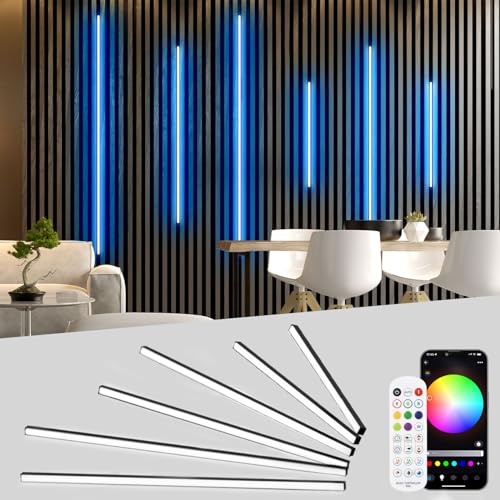
6 Pcs RGB Black led recessed lights for acoustic panel: The black acoustic panel LED Strip measures 0.394 * 0.394 in and is available in various lengths, including 16 in, 24 in, and 36 in. Each configuration accommodates six parallel led panel lights. The LED strip's input cable is 2 M/6.56FT , allowing for more flexible wiring options. The black smart recessed lighting is particularly suitable for acoustic panels, slat wall panel, wooden acoustic panels, cabinet and shelf lighting
6. Stone Cladding
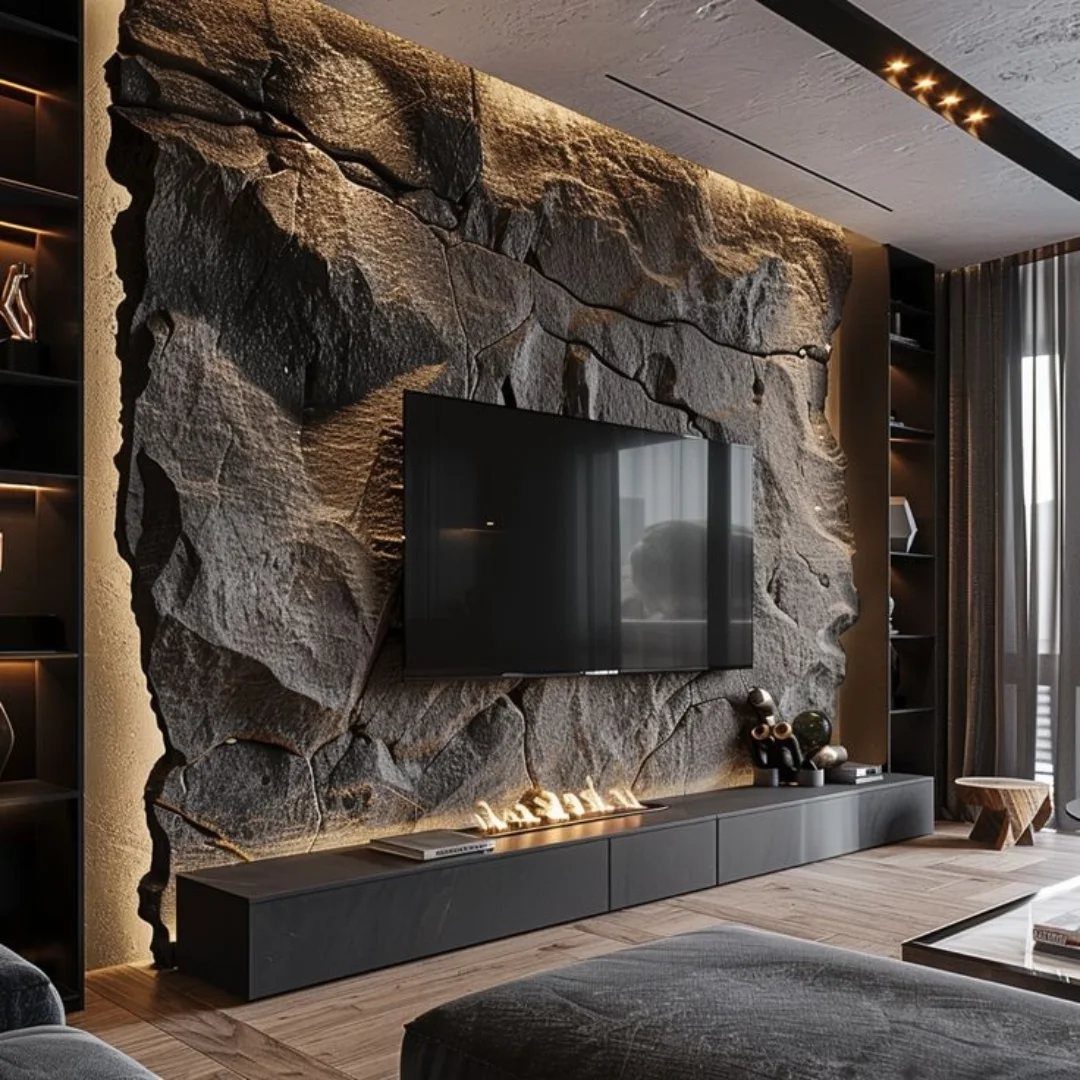
A single backlit slab turns a wall into a lantern, and the texture reads as luxury even when the material is porcelain stoneware rather than quarried stone.
The panels are waterproof, stain-resistant, and thin enough to install without structural reinforcement, which real stone often demands.
Use it where you want permanence: an entry wall that greets you daily, a backsplash that sees splatter, the face of a fireplace that throws heat and soot.
Dark cladding works when the room has enough white and warm wood to keep it from going cave-like.
Porcelain costs less than natural stone and wears harder, though the surface feels cooler to the touch. Best for homeowners planning to stay; the installation is not a weekend you get back.

Modern and Elegant Design - The wood slat wall panels have been carefully designed to effortlessly transform any space, enhancing the surroundings both visually and acoustically. The wood panels help to create an environment that is not only quiet but beautifully contemporary, soothing and relaxing. Furthermore, our slat wall panels can be installed horizontally or vertically and cut to any shape allowing for creativity and a unique look to fit your aesthetics.
Effortless Peel & Stick Installation--Enjoy hassle-free setup with our self-adhesive PVC slat panels! Just measure, peel off the backing, and press onto any clean, flat surface—no tools or expertise needed. Perfect for DIY beginners and quick home makeovers.

High-Quality Wall Panels: Our acoustic panel set is crafted with high-density polyester fiber, premium medium-density fiberboard, and a solid wood veneer. This combination provides an elegant look, superior sound damping, and excellent sound deadening, significantly improving room acoustics
7. Box Moulding
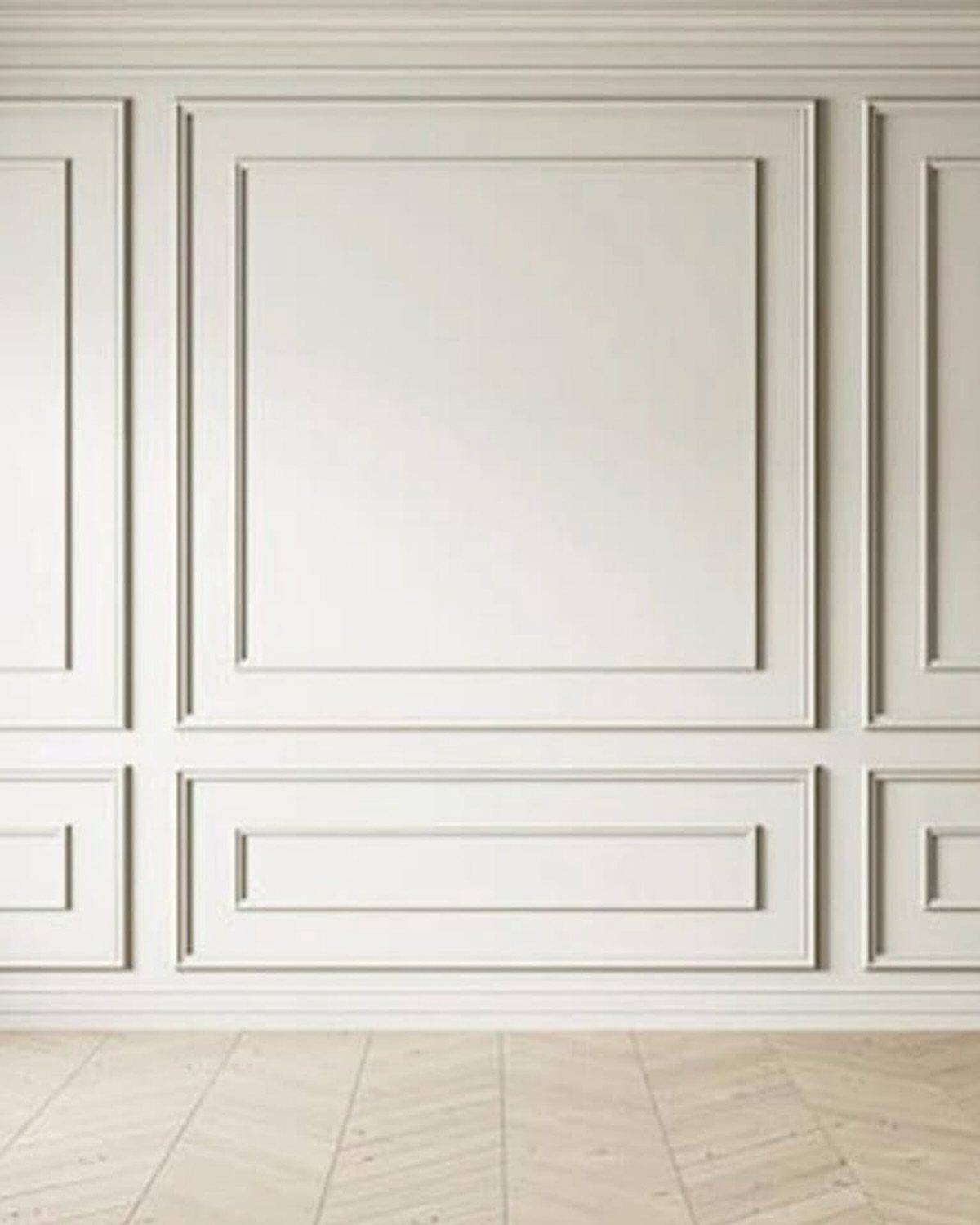
Box moulding turns flat drywall into architecture you can read from across the room.
The frames break up large walls without demanding a different color or material, which keeps the cost in trim boards and patience rather than a full renovation budget.
Running the frames floor-to-ceiling works best in rooms with taller ceilings; anything lower and the vertical lines can feel crowded.
I like to paint moulding and wall the same shade when the room already has strong elements elsewhere, or go two tones apart when the wall itself needs to become the feature.
A mitre saw and a nail gun handle the cuts and attachment. Caulk every seam before painting, or the shadows will find every gap by afternoon light.

1. Each panel is hand-selected absence of defects, offering a clean, sophisticated aesthetic ideal for modern and high-end interiors.

[MATERIALS]: The wall planks are made of laminated wood plus pine with authentic grains and knots. This process delivers unmatched stability that resists warping and cupping. Each plank showcases genuine wood grain, rich pine scent, and unique character.
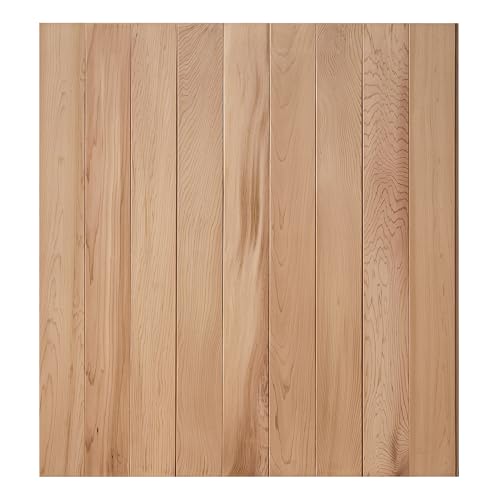
½" SOLID CEDAR — 50% THICKER THAN STANDARD WALL PLANKS: At 12mm (nearly ½ inch), these panels are substantially thicker than the ¼" boards commonly sold online. Thicker wood resists warping and cupping in humid environments like bathrooms and saunas, holds nails, staples, and construction adhesive more securely, and delivers the solid, architectural feel of real woodwork — not a surface veneer that flexes under your hand.
8. Geometric Wall Panels
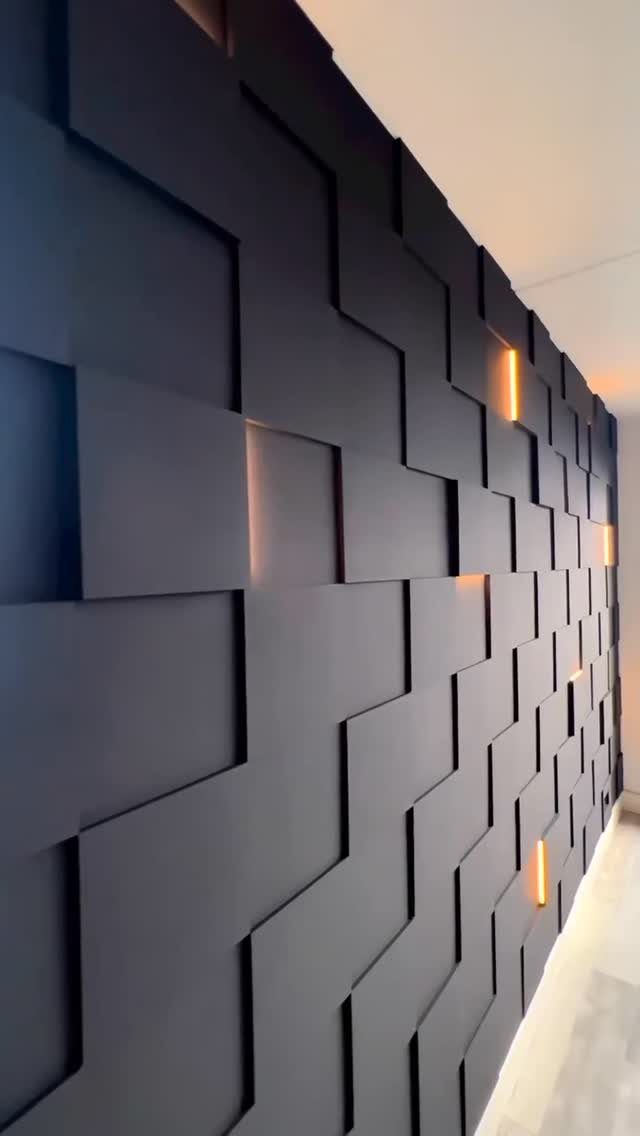
Overlapping rectangles with light leaking from behind them give a wall the depth of sculpture without sacrificing floor space. Built-in LEDs should run warm: cool white reads as office signage, while warmer tones feel like evening even at midday.
Hexagon or chevron layouts work the same way if rectangles feel too orderly for your room. Either pattern needs a gap for the light to pool properly, and a dimmer switch is worth adding.
The panels themselves can be MDF painted matte, or hardwood stained if the budget stretches.
This treatment suits a wall that faces the room’s main seating, since the shadows shift as you move. It trades away the option to hang much art; the wall is the art.

【Exquisite Marble Tiles】:This White Gray tile sticker has been thickened based on the original style, and now has a thickness of 2.5MM, which is thicker and more durable.Engineered for durability, these waterproof wall panels are resistant to water and heat, making them ideal for waterproof and kitchens. Designed to maintain their beauty over time, these panels offer a lasting decor solution.Transform your space with these peel and stick wall tiles featuring a sophisticated marble-inspired design (not real marble tiles).(Not suitable for use on floors and in high humidity shower rooms.)

【Sophisticated Marble Design】:Transform your space with these peel and stick wall tiles featuring a sophisticated marble-inspired design (not real marble tiles). Perfect for enhancing washroom walls, kitchen backsplashes, or accent walls, these tiles deliver a high-end look without the high cost.(Not suitable for use on floors and in high humidity shower rooms.)

【Size】 60cmx30cm (about 23.6x11.8in) per panel, totally 10 panels, 19.4 Sq. Ft. Coverage. Thickness about 2.42mm.
9. Gallery Walls
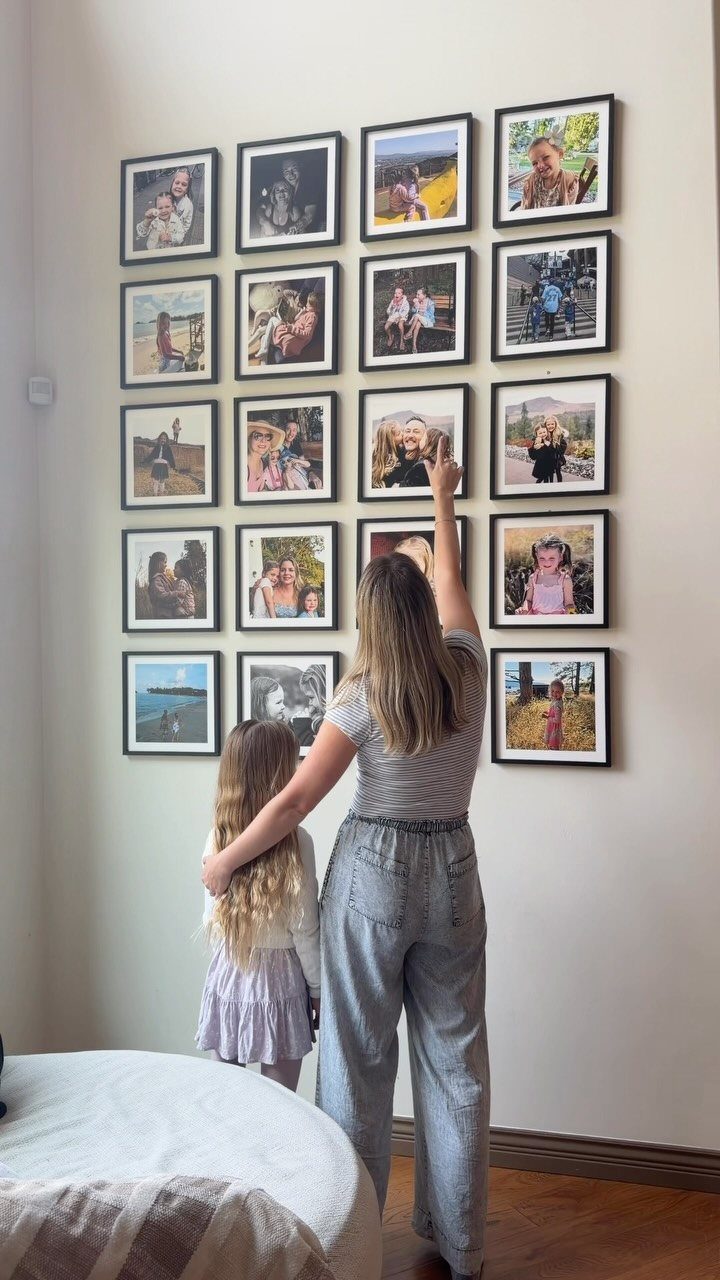
A gallery wall lives or dies on the spacing, not the frames.
Identical black frames and matching photos are one valid move, but mixing frame widths, art sizes, and even a shallow shelf for small objects keeps the eye moving longer.
I start with the center frame at eye level and build outward in a loose rectangle rather than tracing a strict line. Paper templates taped to the wall save the holes; live with the layout for a day before committing.
Picture lights, as one designer used in a dark New Jersey hallway, turn a passageway into a destination. The downside is wiring or battery swaps.
For renters, a single ledge with leaned frames avoids anchors entirely.

Music Sync & Vibrant RGB Effects: Experience dynamic lighting that reacts to music, with 16 million colors and 200+ modes via the MeRGBW app. Perfect for gaming, parties, and ambient decor—built to last over 30,000 hours without flicker or fade.
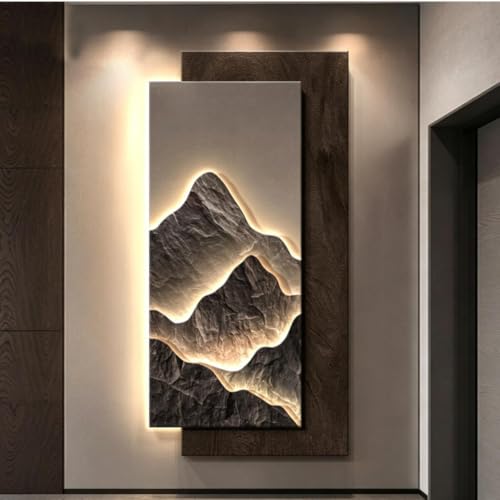
3D SANDSTONE RELIEF: Textured mountain landscape art lights for wall adopts double-layer staggered panel design. Real sandstone embossed surface delivers stunning stereo visual effect, ideal modern ambient lighting decoration for entryway, hallway and foyer

[ULTIMATE CONTROL] Hexagon light panels can be controlled in three ways, including app control, wire control, and remote control. With the app, you can unlock more functions without touching, turn it on or off, change color, speed control, music synchronization, and choose from 16 million colors and more than 200 modes to decorate your home.
10. Leather and Suede Panels
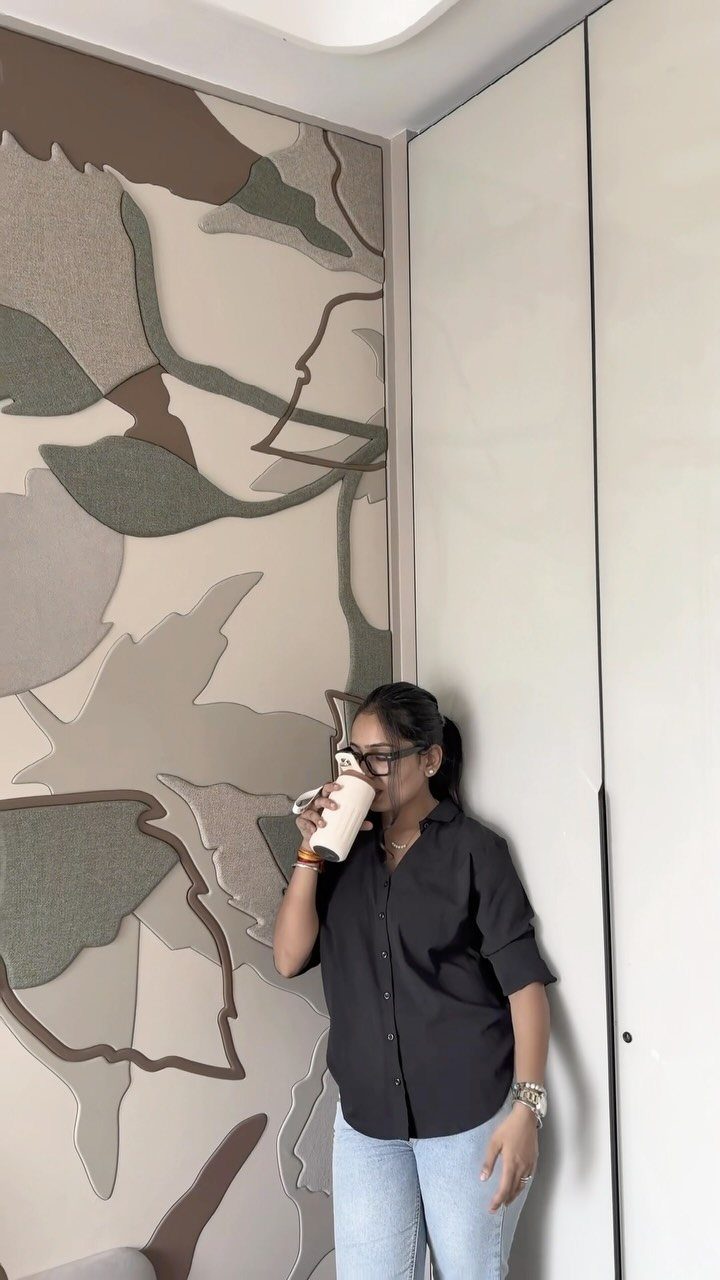
Leather and suede on a wall read as quiet luxury because they absorb sound as well as light.
Embossed panels show one approach; stitched panels or wrapped niches are others if you can source a saddle maker or upholstery shop willing to work vertical.
Real hide needs conditioning every few years and stains if you look at it wrong.
Faux leather panels from a commercial supplier give most of the effect with a damp-cloth maintenance plan, which is why I specify them for home offices or rental bedrooms where richness matters more than pedigree.
Warm neutrals against white cabinetry work; so does chocolate brown in a room with existing wood tones. What fails is high-gloss anything nearby, which makes the leather read as plastic.

𝑪𝒖𝒔𝒕𝒐𝒎 5𝑪𝑪𝑻 𝑪𝒐𝒎𝒇𝒐𝒓𝒕 𝑳𝒊𝒈𝒉𝒕𝒊𝒏𝒈: These slat wall lights offer 2700K, 3000K, 3500K, 4000K and 5000K to...
11. Floating Shelves
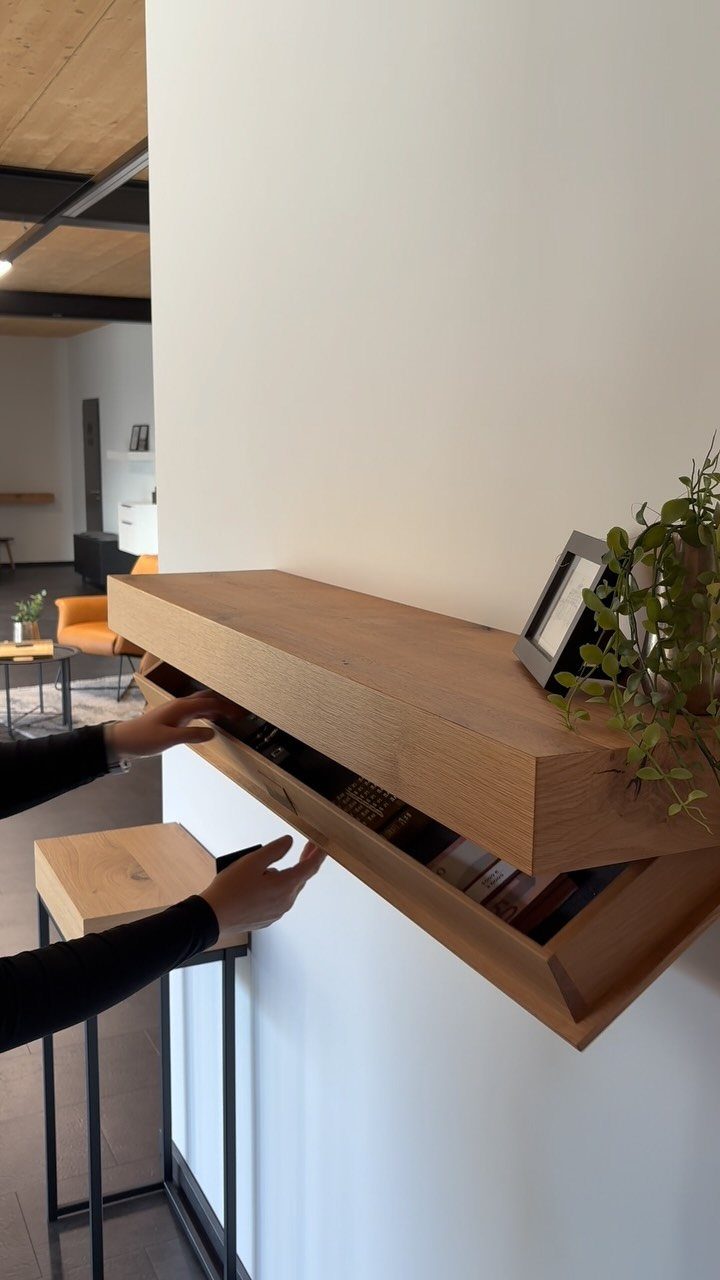
Shelves that hide a drop-down compartment behind a hinged face turn storage into a small performance. The mango wood shows grain variation and distressing that reads as found rather than finished, a good match for rooms with other natural materials.
Solid wood shelves this deep, roughly 10 inches, need a stud or heavy-duty toggle at each bracket point; the invisible hardware is the whole point, so visible sag undoes the effect. I limit each shelf to 15 pounds unless I hit framing.
Mixing many shapes works in larger spaces, but a single repeated profile looks more intentional in small rooms.
Use them for books you actually pull down, plants that tolerate indirect light, or nothing at all if the wall needs breathing room.
12. Exposed Brick
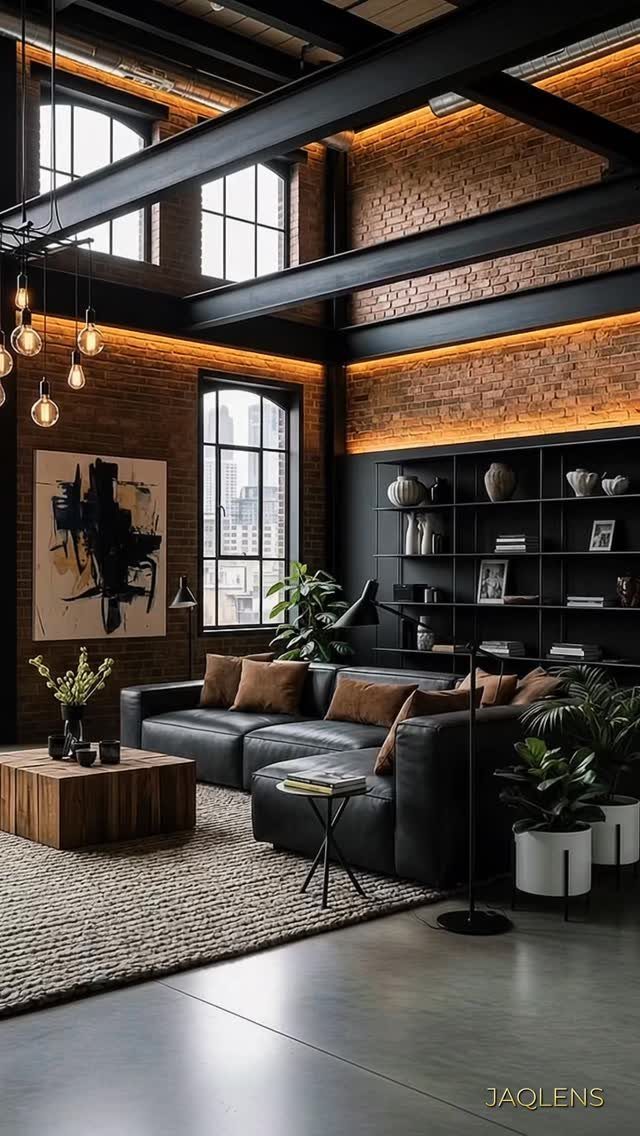
Exposed brick carries the weight of old factories and converted lofts, which is why developers charge extra for it and why wallpaper replicas exist for the rest of us.
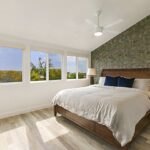
Preserved brick with black steel framing carries weight that faux versions rarely match; the irregular mortar and slight color variation are what signal the real thing.
If you have original brick behind plaster, uncovering it is demolition, not installation: score the plaster, chip carefully, and seal with a matte masonry conditioner that darkens the tone slightly but prevents dusting.
Faux brick panels in MDF or polyurethane install with construction adhesive and cut with a standard blade; the giveaway is uniform color, which real brick never has.
I would fake it in a bedroom where the industrial edge needs softening with textiles, and preserve the real only where the architecture supports the story: high ceilings, large windows, original floors.
13. Bamboo Style Slats
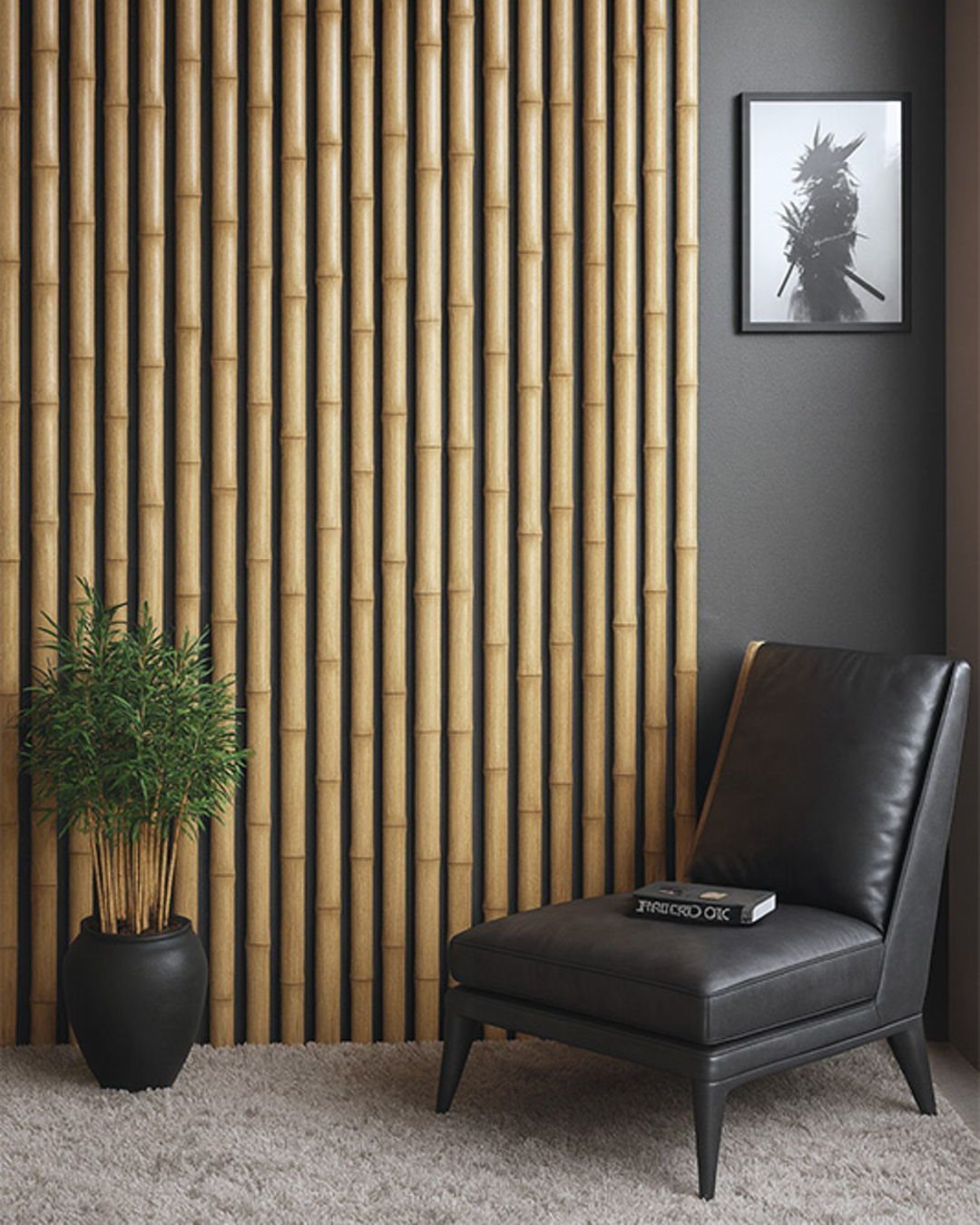
Bamboo slats turn a flat wall into something that reads like furniture. Mount the slats on a dark wall and the deep tone does the work of hiding shadow lines; you skip the step of painting the whole room first.
The gap between poles traps sound before it bounces, which matters more than most people think until they try a video call in a glass box.
For a home office, that dampening keeps voices from carrying to the rest of the house.
Pressure-fit mounting works if you rent; a simple track at top and bottom holds the poles without drilling deep. Faux versions cost less but do not absorb sound.
14. Backlit Organic Wall Panels
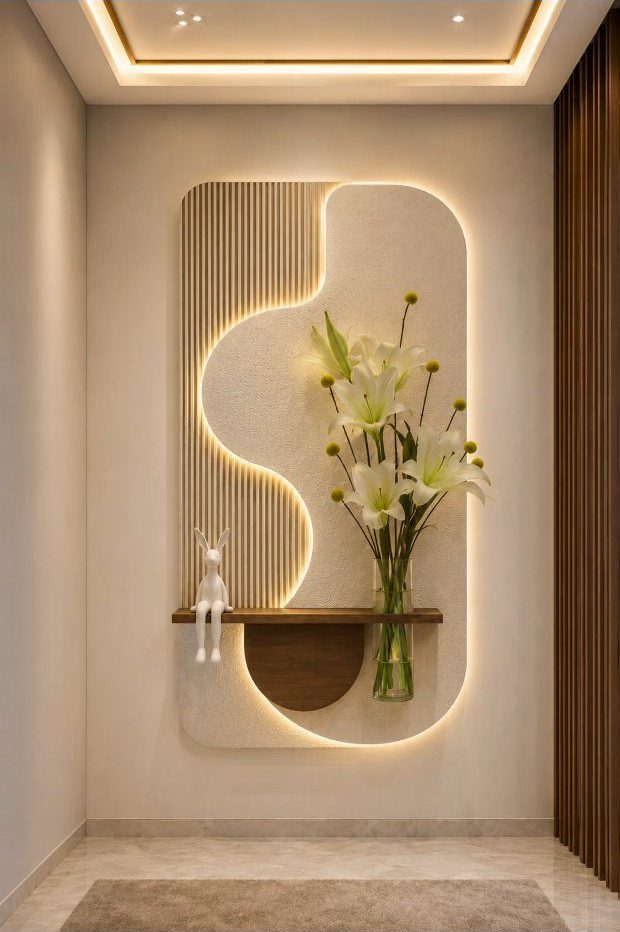
A backlit curve turns a hallway into somewhere you pause instead of pass through. The light source sits behind the panel itself, so the glow comes from within the shape rather than washing down from above.
The construction is simpler than it looks: a plywood frame follows your curve, LED strip tape faces inward toward the backing, and the front panel diffuses the light.
Plaster texture on one side, slats on the other, gives you two reads from one installation.
Dimmer is not optional. At full brightness this reads like a hospital corridor; dimmed low it becomes a nightlight for the whole wing.
Custom fabrication runs high. A workable budget version uses prefab semicircle panels and adds your own lighting channel behind.
15. Wine Cork Feature Partition
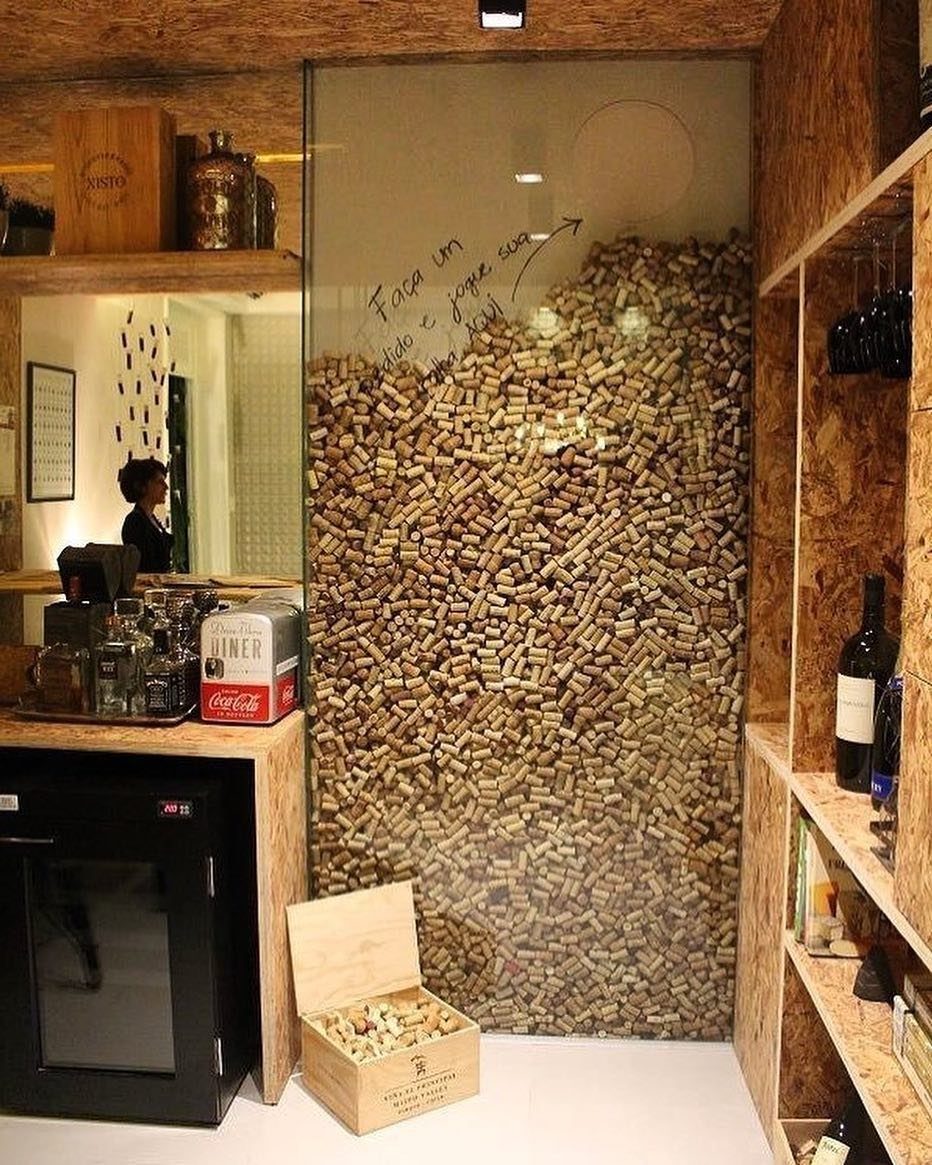
A wine cork partition is the rare wall treatment that accumulates meaning as you live with it. A floor-to-ceiling glass panel lets the corks read as texture from across the room and as individual memories up close.
You need a channel at top and bottom to hold the glass, plus enough depth for the panel to stand proud of the wall behind.
The corks themselves are free if you drink wine, though a panel this size takes years of ordinary consumption to fill. A restaurant connection speeds this up.
The glass must be tempered, and the weight needs real structural support. Do not hang this from standard drywall anchors.
Leave one face open as you fill it, or the last cork will never fit.
Creative Wall Treatments
Flat paint is the starting point most people know, but limewash, plaster, and clay-based finishes add movement without adding objects. The surface itself becomes the interest, catching light differently from hour to hour.
Wallpaper has moved past powder rooms. Hand-painted murals, oversized botanicals, and graphic geometrics now wrap entire rooms or sit framed inside moulding.
Ceilings are fair game too; the vertical plane stops being the limit.
Fluted panels and reeded wood run vertical lines that slow you down in a hallway or frame a dining table without needing anything hung.
Art-forward approaches blur where wall stops and artwork starts. Painted arches, color-blocked shapes, and custom murals read as bespoke without requiring a collector’s budget or square footage.
The permission here is to experiment with the surface itself, not just what hangs on it.
Budget-friendly Options
A single roll of peel-and-stick paper or a few decals can turn one wall into the whole story, no demolition required.
Floral themes, geometric patterns, or even a blown-up family photo adhere directly; a city skyline above a couch reads as personal without reading as permanent.
Combine them with furniture and textiles you already own rather than treating the wall as a standalone statement.
Murals run cheaper than wallpaper and install faster. A recessed wall behind a bed, for instance, becomes a natural focal point where a mural costs less and takes less time than papering the same area.
Both approaches suit renters who need to reverse the change at move-out, or anyone mid-project who wants visual payoff before the full budget clears.
Layering Techniques
One material on a wall makes a statement. Two materials, placed with intention, make a room feel assembled over time rather than installed in a weekend.
Pair stone cladding with floating shelves in a matching warm tone, and the wall reads as built-in architecture rather than applied surface. The stone provides permanence below; the shelves bring in objects that change with seasons.
Paint the moulding to match the paper’s background and the frame recedes; paint it two tones apart and the grid becomes the feature.
Backlit organic panels behind bamboo slats layer light, shadow, and actual depth. The slats diffuse the glow so the source stays hidden; the curve behind them gives the eye somewhere to travel.
The risk is busyness. Each layer needs a reason: one solves a problem, the other adds interest.
Reverse that order and the wall competes with itself.
DIY Possibilities
Wall treatments sit at a sweet spot where the skill required is often less than the patience required. A family can handle a weekend project without subcontracting every step.
Murals install faster than full wallpaper jobs and need less precision at the seams.
Decorative coverings beyond standard paint finishes, intricate detail, and texture all fall into weekend-project territory. An accent wall, a DIY headboard, or a living room feature works as an entry point.
The actual barrier is usually starting, not executing. Measure twice, order materials once, and block a full Saturday without scheduling anything after.
The common mistake is treating a 6-hour job as a 2-hour job and rushing the final third, where the visible work lives.
Frequently Asked Questions
What is the latest trend for walls?
Creative wall treatments that add texture and personality are trending right now. Slatted wood, geometric panels, backlit curves, and stone-look porcelain are showing up in more rooms than plain paint.
The move is toward walls that do something: absorb sound, bounce light, or give the eye a place to rest.
What are some modern decorative wall options?
Wood paneling, stone cladding, and geometric designs are solid modern options. Vertical boards warm up flat white spaces.
Porcelain stoneware panels give you stone drama without structural reinforcement. Backlit geometric shapes, rectangles or hexagons layered so light slips through the gaps, give a wall dimension without projecting into the room.
What are the trends for wall panels in 2026?
Textured and sculptural wall panels are gaining ground. Hexagon and chevron layouts join rectangles as standard choices.
Most panels going up now are MDF in matte paint or hardwood with a stain, and the LED strips tucked inside run warm white instead of that clinical blue-cool tone.
A dimmer switch is becoming standard, not optional, since full brightness reads like office signage.