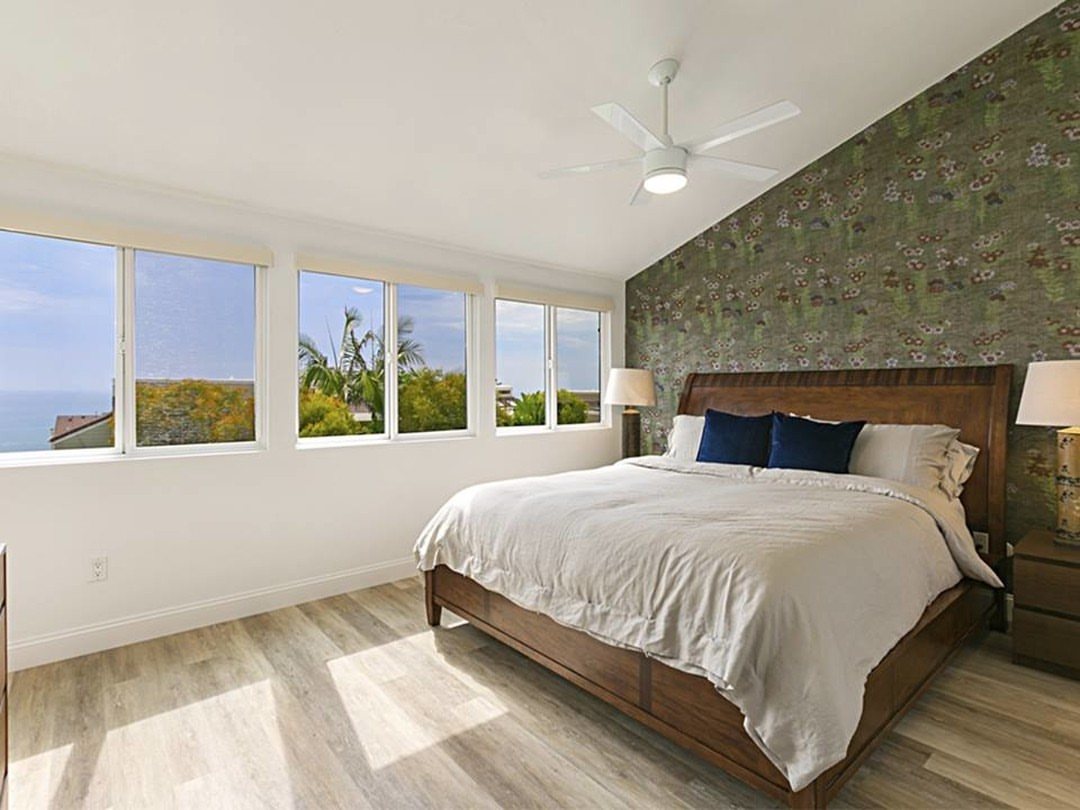
The vinyl flooring that looks like wood in this list runs from $2.71 a square foot up to the premium you’d pay for custom plank widths and factory-ordered colors.
What picks one style over another is the room you’re working in and how much light it gets: a north-facing galley kitchen needs a different tone than an open living space carrying three rooms, and the options below cover everything from rigid core to herringbone to dark, light, warm brown, and grey planks.
That $2.71 figure is for Sherwood Maple rigid core, cork-backed and waterproof enough for kitchens and baths without a tear-out, and it sits at the low end of the range that runs up to premium herringbone and matching stair installations.
1. Rigid Core Vinyl
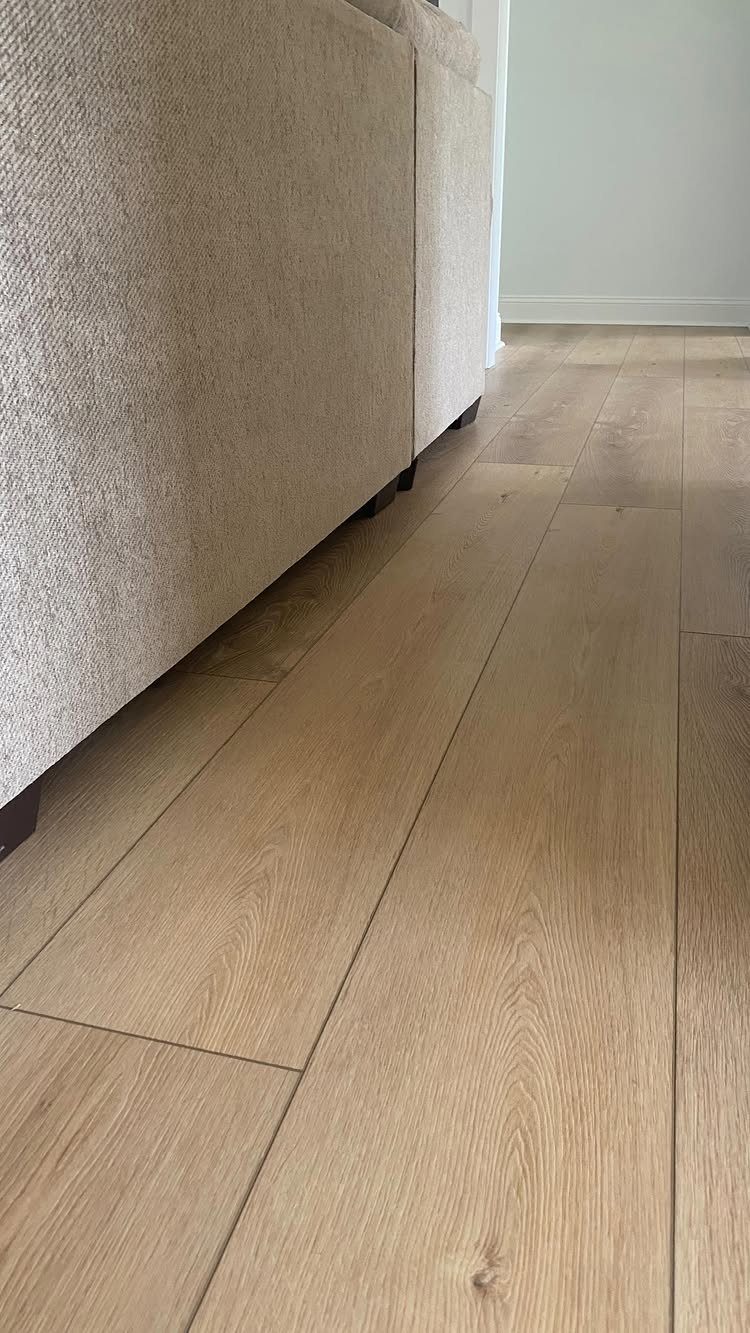
Rigid core vinyl handles the reality of dogs, kids, and dropped pots without the panic that hardwood brings. The cork-backed planks lock together over most existing floors, so you can skip the tear-out.
At $2.71 a square foot for lines like Sherwood Maple, the math works for a whole-house redo on a tight weekend. Waterproof core means kitchen spills and bathroom humidity won’t bubble the edges.
I’d put this in any house where life happens faster than caution.
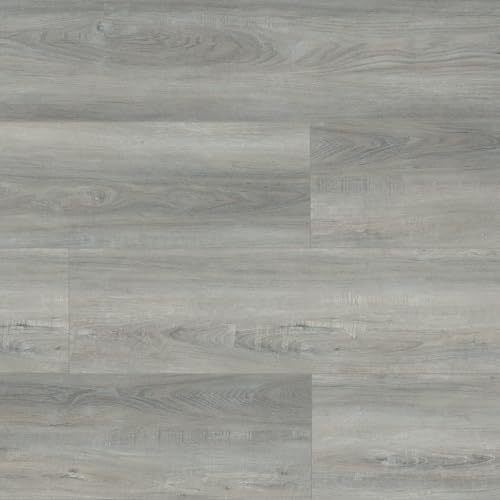
【Designer Styles】:The 3D printing embossing technology of dotfloor flooring captures the true texture of natural materials with 99% realistic visuals. From warm neutrals to bold statement tones, the variety of colors allows you to achieve a customized look without breaking the bank.

Stylish - Authentic wood looking and grain texture, adding timeless feature for your home
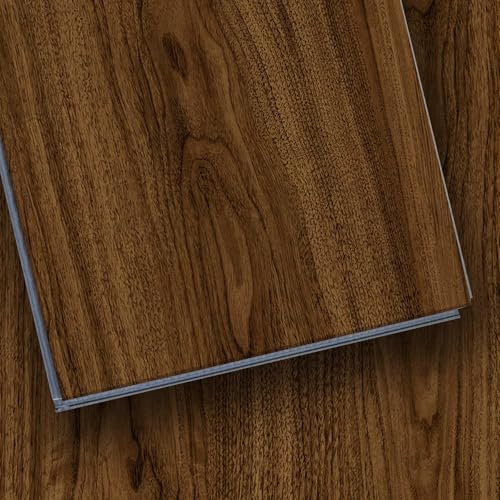
【Ultra-Durable & Pet-Friendly】With a 0.3mm wear layer tested over 15,000 abrasion cycles, this luxury vinyl plank flooring resists scratches, dents, and spills. Ideal for busy homes with pets and kids, it stays beautiful for years even in high-traffic areas.
2. Wood-Look Vinyl Flooring
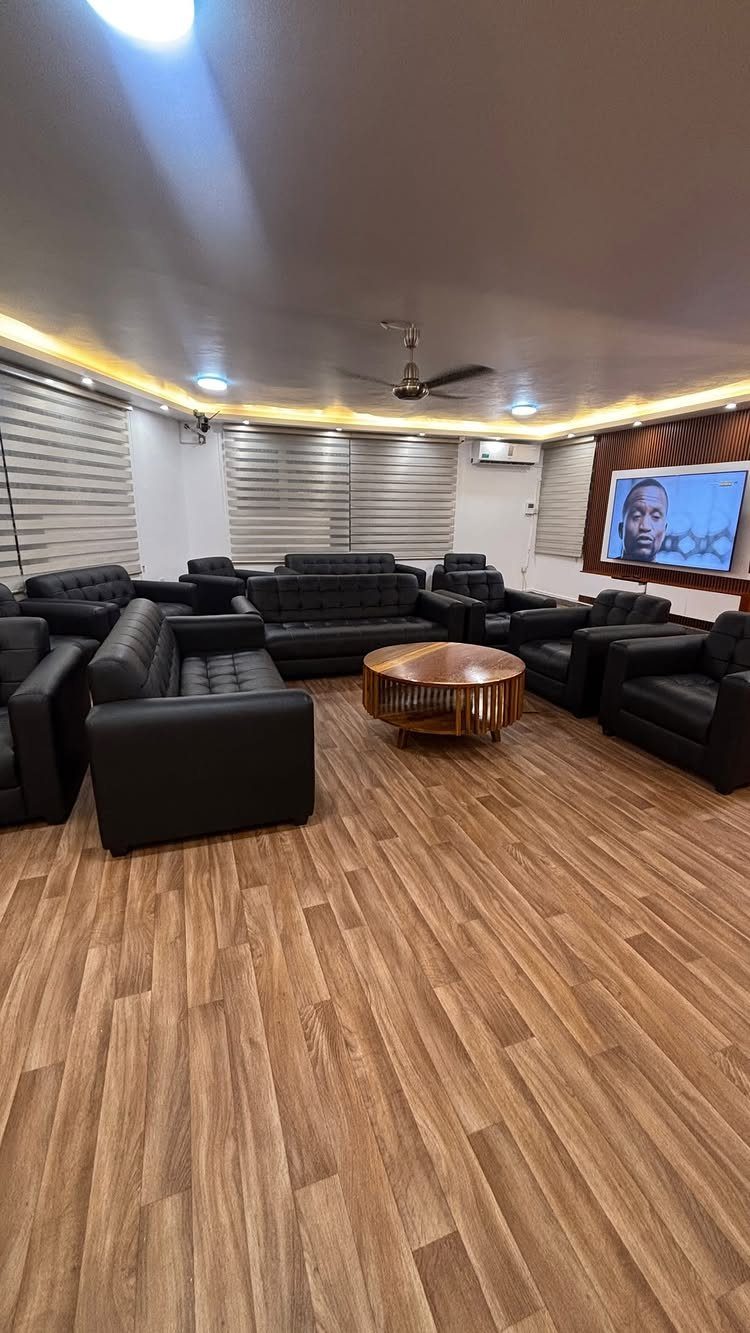
The best wood-look vinyl now carries embossing that matches the printed grain line for line, so light hits the texture the way it would real oak.
What separates convincing from cheap is the bevel: pressed edges cast tiny shadows between planks, breaking up that telltale sheet-flooring flatness. Check samples under your actual lamps, not the store’s overhead LEDs, because color temperature changes everything.
Matte finishes hide dust better than gloss; high variation in the print pattern keeps a large room from looking like a repeating graphic.
Vinyl flooring with realistic hardwood looks is a trend here to stay.

🏠DETAILS: 15.8x78.8 Inch, total 8.65 sq.ft (40cmX2m) Made of durable thin vinyl, thickness: 0.015 In (0.4MM). Peel and stick wood planks vinyl flooring roll, brown shiplap planks color. Waterproof. Removable.

EASY TO INSTALL: Can be installed Above grade, On grade, or Below grade. Use the loose lay method for a more flexible installation or glue down to practically any existing surface, including wood, tile, stone, concrete, and vinyl.

Realistic Wood Look: Get the authentic look of real wood with grain texture. These floor planks blend seamlessly into any decor style, adding a touch of timeless elegance to your home.
3. Realistic Wood Grain Textures
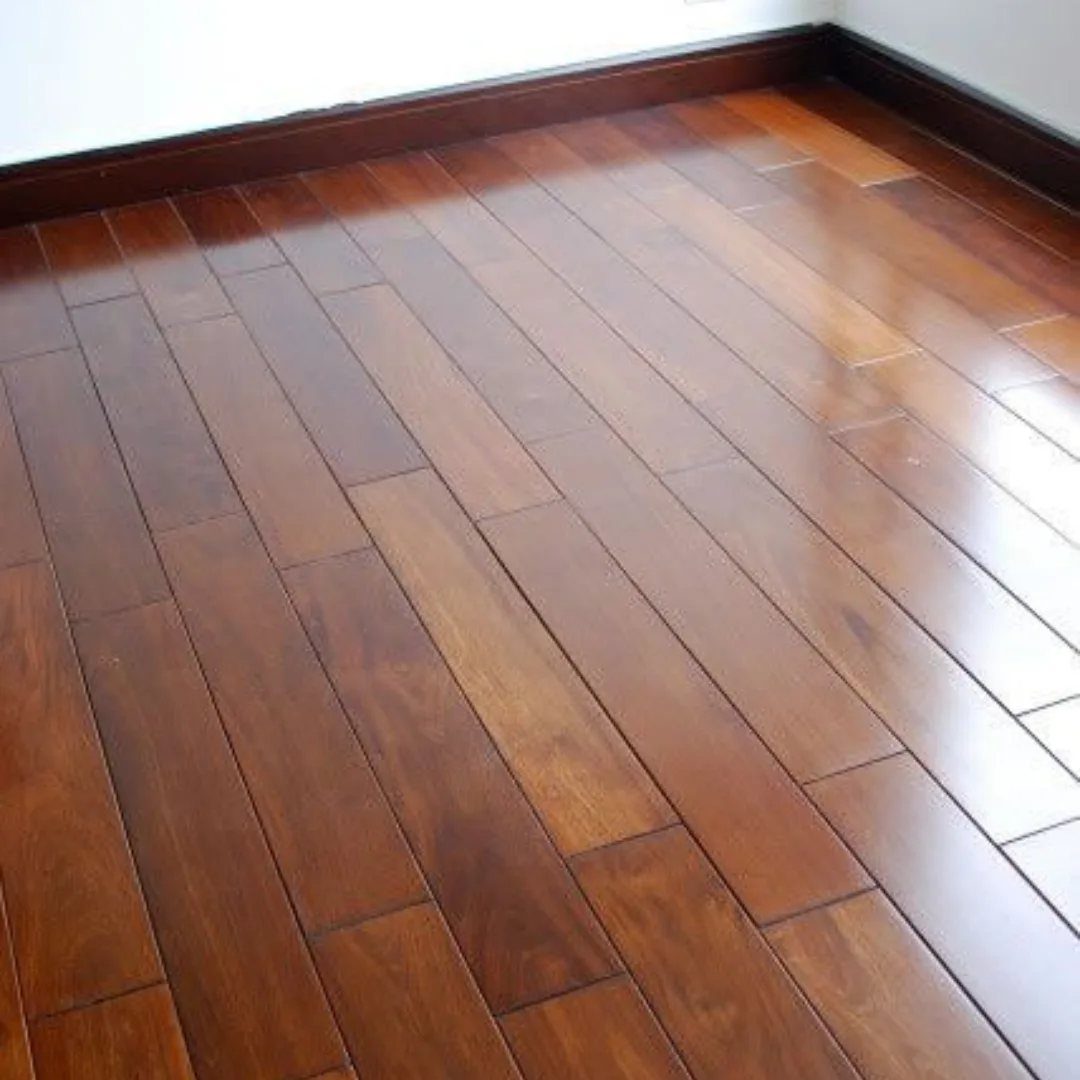
Glossy planks with dark grain against white trim read as intentional contrast, not imitation. The realism comes from irregularity: knots that don’t repeat, color shifts that follow no pattern, texture you can feel under a fingernail.
Embossed-in-register texture costs more but sells the effect at entryways where guests pause and look down. Standard grain designs ship fast; custom plank widths or colors need a factory minimum and patience.
For a rental or first home, grab the stock patterns and spend the savings on a thicker wear layer.

【Roll Convenience】:Floor tile planks Increase size and thickness, width 15.74 inches, length 78.7 inches, thickness 1.6mm, making it easier to cover floors. If there are cutting or pasting errors during use, an additional 3% -6% of the planned quantity can be prepared.(Before purchasing, please carefully check the product size and measure the required size before purchasing enough size)

Oak Wood Louvered Medium finish floor register

Fit for duct opening size: 4" x 12", overall size: 5-1/2" x 13-9/16". Please kindly read size information in listing picture before you make decision to buy this floor register. Please install the oak floor register in the meanwhile of your new flooring installation. If you install the oak floor register into your current duct opening, Please ask a skillful carpenter to help you.
4. Herringbone Pattern Wood-look Vinyl
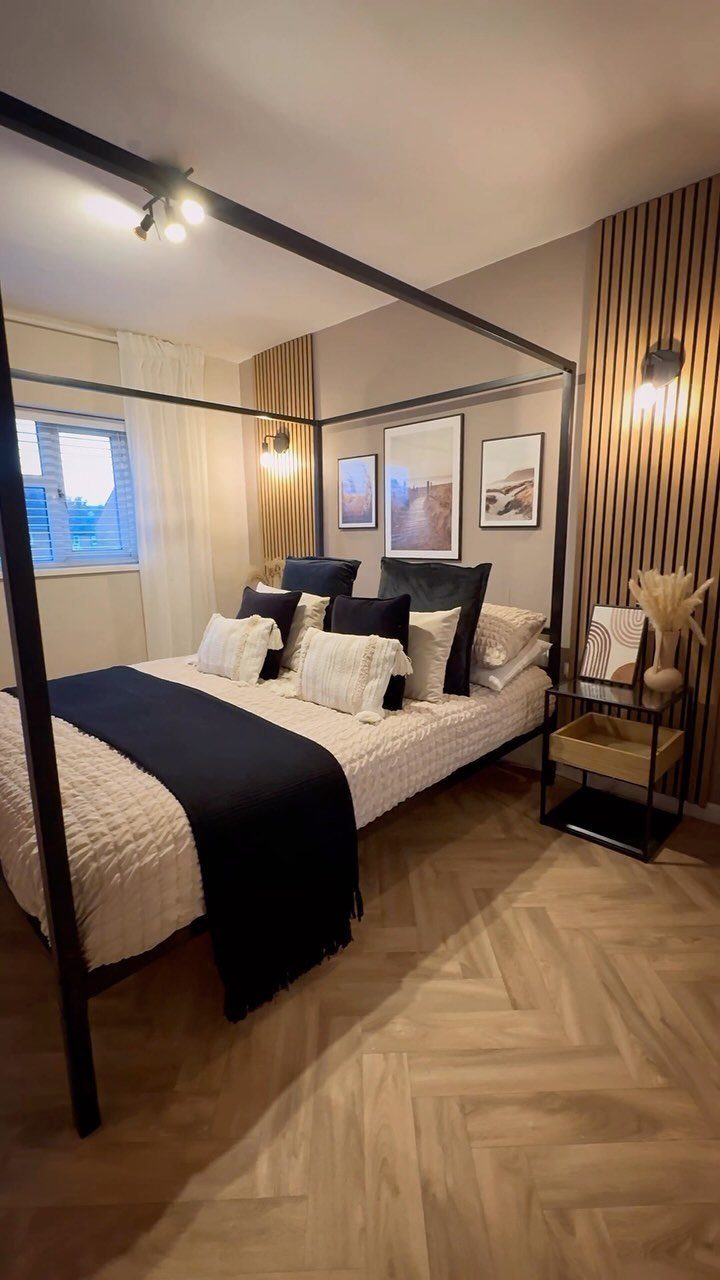
Herringbone eats more material per square foot and demands patience at the cuts, but the finished floor reads as designed rather than installed.
The pattern works best in smaller rooms where the eye travels the full zigzag without tiring: bedrooms, entries, powder rooms.
Start with a true center line and dry-lay two full rows before locking anything down; the angle drifts fast if you eyeball it. Light tones keep the busyness in check.
I’d skip this for open-plan spaces unless you want the floor to dominate every other choice.

Chic Design & Wood Texture - Classic herringbone pattern with realistic wood grain texture, combining classic charm with the rustic beauty of natural wood, add a touch of earthy warmth to your interiors.

Retro Tiles: Retro Floor Tiles give you the expensive hand-painted look without the cost or installation mess. These beautifully designed tiles recreate fresh and inviting patterns that will look stunning in any room. No messy glue or adhesives needed.

【Premium Thickened Vinyl Flooring Roll】Experience our 1.5mm thick vinyl flooring roll with 5 layers for enhanced quality. It's non-slip, non-fading, and provides thermal insulation. Measuring 23.6" x 118", it covers 19 sq ft without snap-lock installation, making it hassle-free and stylish.
5. Light Wood-look Vinyl Planks
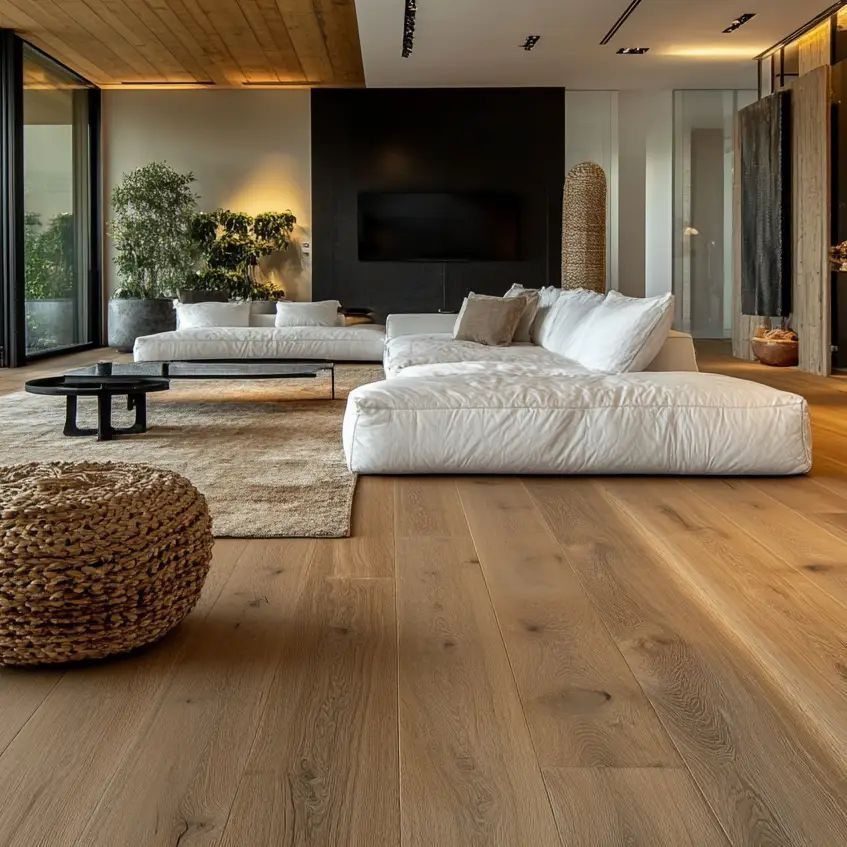
Blonde and beige planks bounce daylight deeper into rooms that face north or sit shaded by porches, which makes them the default for modern builds with big glass and white walls.
The lighter the tone, the more forgiving of pet hair and dust, though scuffs show faster than on mid-tone browns. Pair with warm metals and woven textures to keep the palette from reading as sterile.
High-variation prints add the grain depth that cheap light vinyl often lacks; hold two samples side by side and choose the one that looks least uniform.

double-faced mallet with non-slip rubber grip help absorb vibration. Constructed of cast iron with bright chrome plating, the hammer is equipped with the hardness of 90±5 HAS. Double-faced solid rubber head delivers a softened, positive strike. The mallet head is 1-3/8 inch in diameter. The length of whole mallet is 10.3inch

43PCS Laminate Wood Flooring Installation Kit Includes: 1pc rubber hammer mallet; 1pc flooring pull bar; 1pc tapping block; 40pcs spacers.

High-strength fiberglass handle mallet with non-slip rubber grip help absorb vibration. Double-faced solid rubber head delivers a softened, positive strike. The mallet head is 40 mm in diameter(other brands usually is 25mm).No any issue about the head of mallet fell apart and handle bent
6. Warm Brown Vinyl Planks
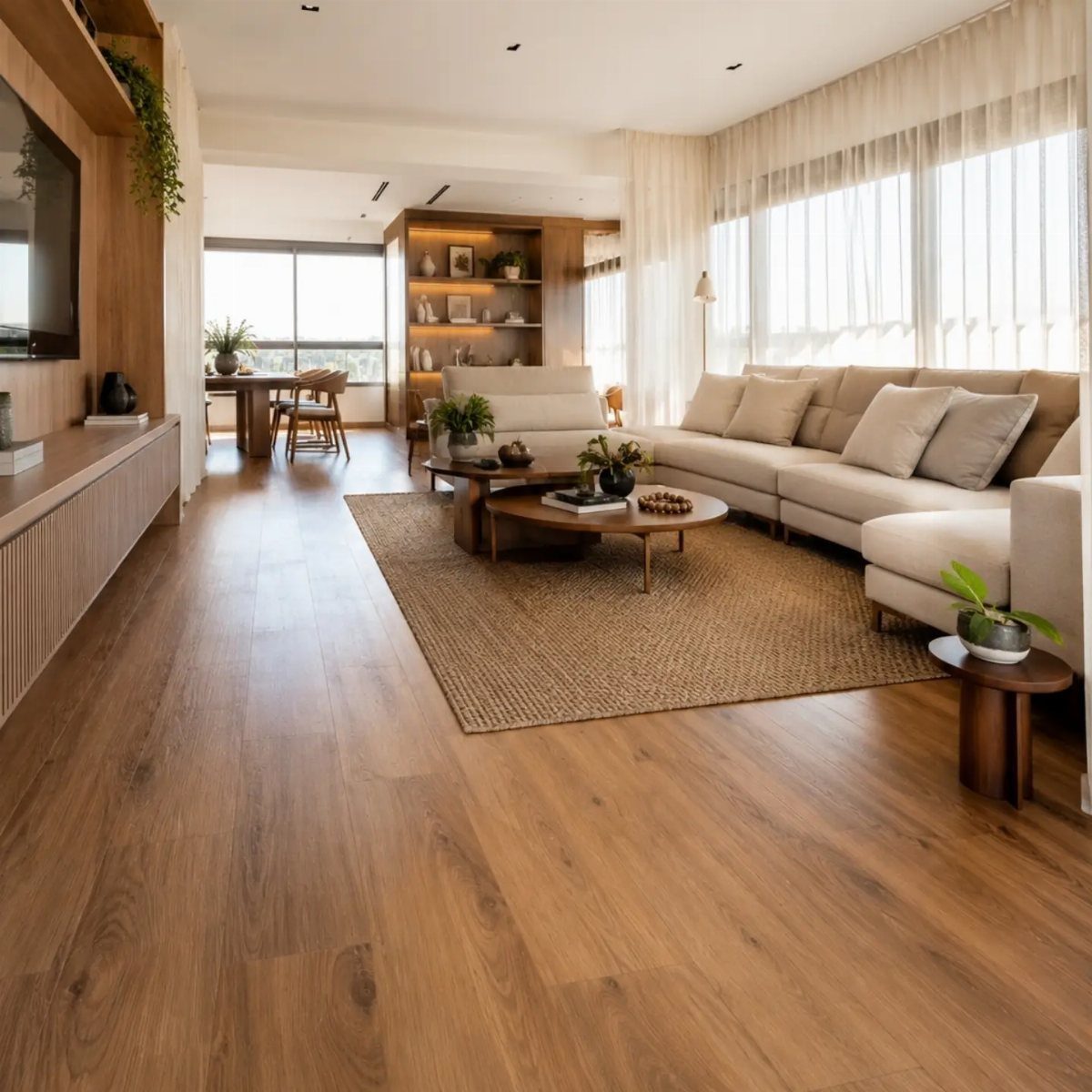
Warm brown sits in the middle of the trend map right now: not the dated orange-red of early laminate, but a muted walnut or honey oak that plays with both vintage and contemporary furniture.
This tone bridges old and new in a first home where pieces come from a mix of eras. Wide planks minimize seams and suit open plans; narrower boards read more traditional.
In kitchens and baths, the same color in LVT construction handles moisture without the warping that threatens real hardwood. The coziness is the point: this is the tone for rooms where you actually sit down.

Stylish - Authentic wood looking and grain texture, adding timeless feature for your home

Stylish - Authentic wood looking and grain texture, adding timeless feature for your home
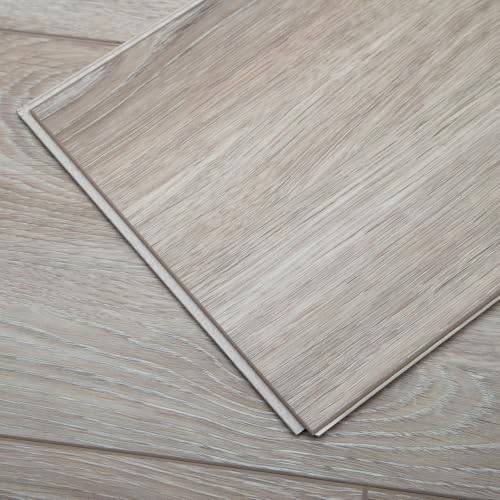
【SPC Material】Rigid stone-plastic composite core; 100% Waterproof, resists dents and impacts; Won't expand or contract with temperature changes.
7. Matching Vinyl Plank Stairs
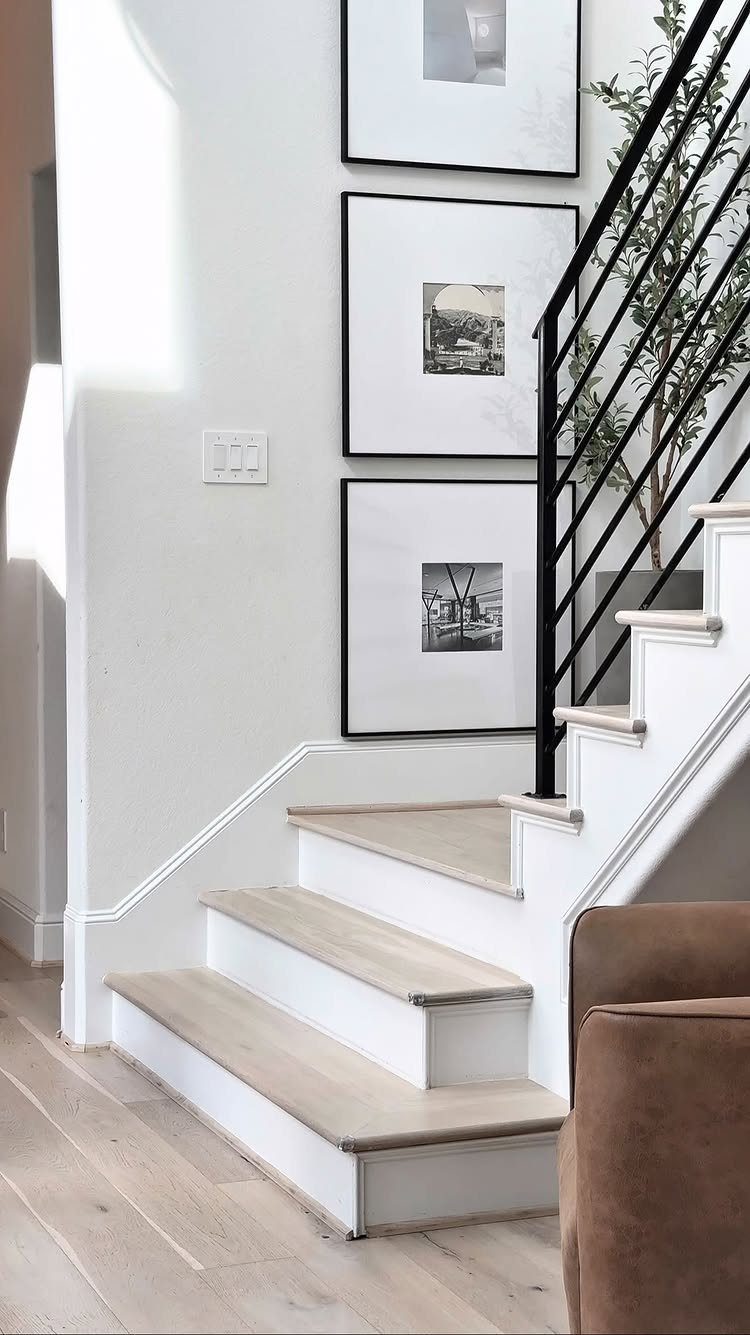
Stair treads in the same vinyl plank as your floor pull the whole story together. Order from the same dye lot so the boards match across the run and the landing.
Most manufacturers sell matching stair-nose molding that caps the front edge and hides the seam where tread meets riser.
White risers against the wood treads keep the look clean and a little coastal, though painting them to match your trim works too.
Check that your plank is rated for stair use; the wear layer needs to handle the traffic, and the locking system has to survive the cut.
This suits anyone opening up a split-level or finishing a basement stair. The alternative, carpeted stairs with wood floors below, always reads as a budget stopgap.

𝐍𝐎𝐓𝐄: Since the length of the peel and stick floor tile wood look is 36Inch (91.44cm), we ship them on a roll to avoid damages. But this bending during shipping will not affect the installation, or you can kindly place heavy objects on the wood vinyl flooring planks for two hours before installation.

𝐍𝐎𝐓𝐄: Since the length of the peel and stick floor tile wood look is 36Inch (91.44cm), we ship them on a roll to avoid damages. But this bending during shipping will not affect the installation, or you can kindly place heavy objects on the wood vinyl plank flooring for two hours before installation.

【Size and Coverage】 Each peel and stick floor tiles measures 36 x 6 inches with a 0.05-inch thickness. One pack of 36 vinyl flooring covers up to 54 sq.ft., making stick on floor tiles a budget-friendly flooring solution. Packaged flat to prevent warping or damage, our flooring tiles arrive intact and ready for immediate installation.
8. Dark Wood-look Vinyl Flooring
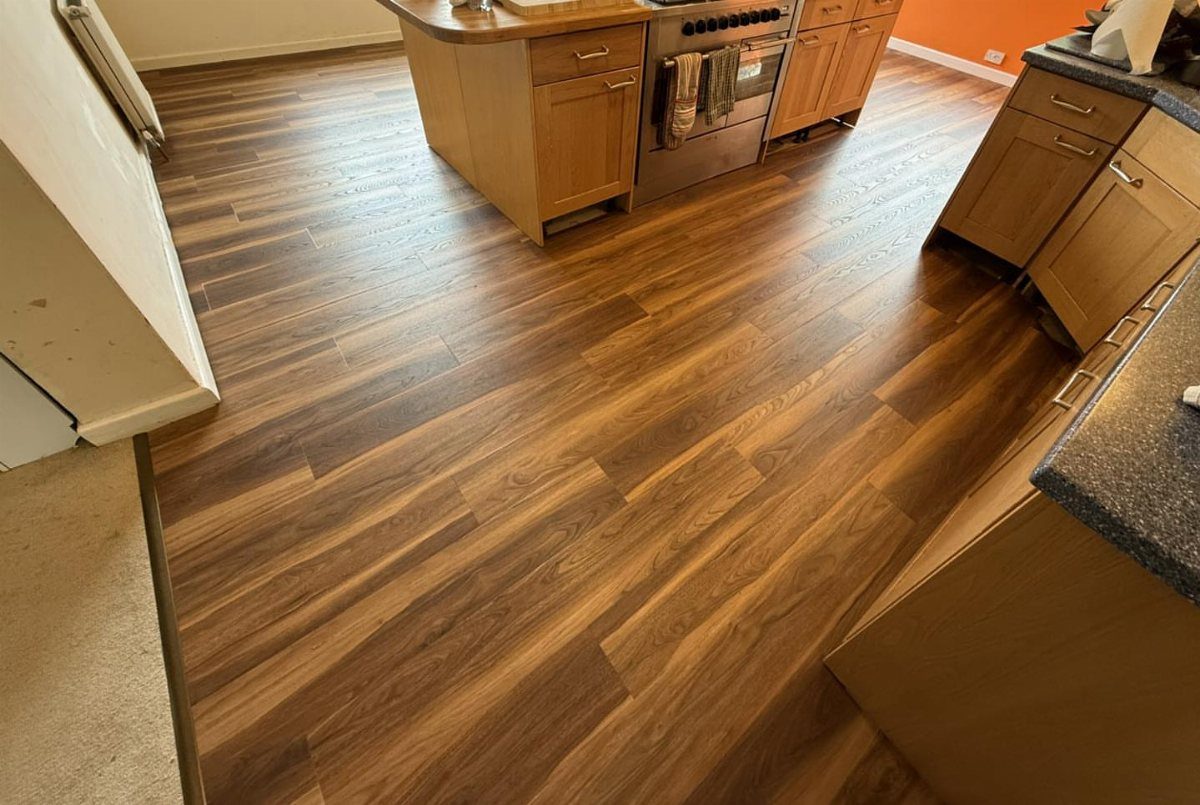
Dark planks read as intentional in a kitchen with natural wood cabinets, not as a mismatch, because the grain direction and tone family talk to each other.
The risk is going too dark in a room with limited natural light; under overhead fixtures alone, the floor can swallow itself and read as flat black.
I’d want at least one window or a light wall color nearby to bounce some contrast back up.
This floor suits north-facing rooms that get consistent cool light, or spaces where you want the floor to feel like furniture rather than background. In a closed galley kitchen with no windows, I’d step down to a mid-tone brown instead.

【Roll Convenience】:Floor tile planks Increase size and thickness, width 15.74 inches, length 197 inches, thickness 1.6mm, making it easier to cover floors. If there are cutting or pasting errors during use, an additional 3% -6% of the planned quantity can be prepared.(Before purchasing, please carefully check the product size and measure the required size before purchasing enough size)
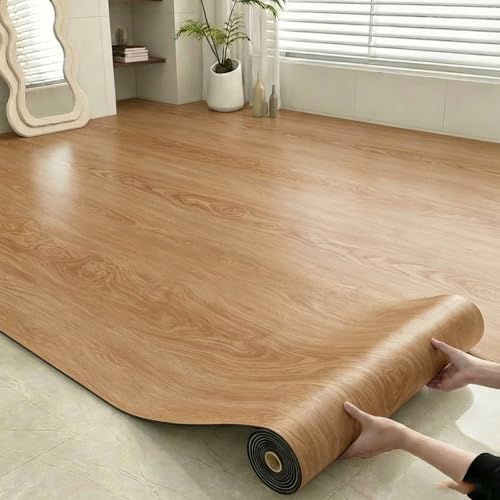
【Roll Convenience】:Floor tile planks Increase size and thickness, width 15.74 inches, length 78.7 inches, thickness 1.6mm, making it easier to cover floors. If there are cutting or pasting errors during use, an additional 3% -6% of the planned quantity can be prepared.(Before purchasing, please carefully check the product size and measure the required size before purchasing enough size)

For duct opening size: 4x10 inch. Overall size: 11.38 x 5.51 inch. Please kindly read size chart in listing carefully before you buy it.
9. Grey Wood-look Vinyl Planks
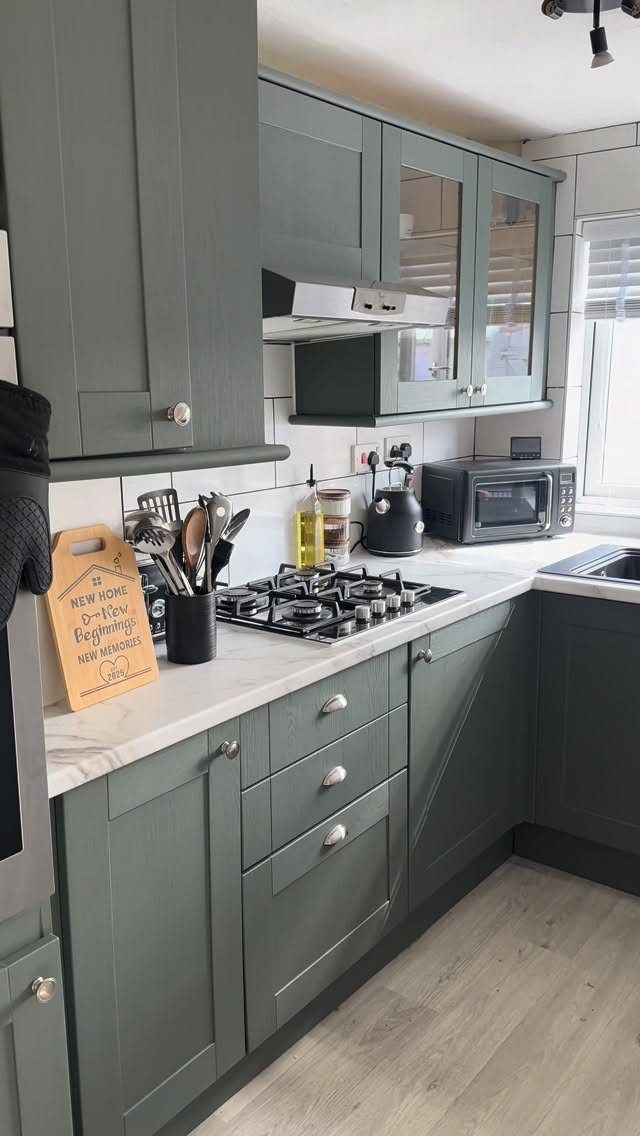
Grey wood-look vinyl sits right where modern kitchens are headed: clean, a little Scandinavian, not trying to pretend it’s century-old oak.
Sage cabinets work because both colors are muted; pair this floor with a saturated green and it starts to feel like a showroom set.
The undertone matters more than the grey itself. Some run purple in certain light, others read green or flat concrete.
Order samples and live with them across morning and evening before you commit.
This is the floor I’d pick for a first home with open living space that needs one continuous material to carry three rooms.
It shows dust less than dark brown and pet hair less than medium oak, which is not nothing on a weekend cleaning schedule.

Realistic Visual Effects: SULSUMIC flooring faithfully replicates authentic wood grain and natural hues, offering a look and feel that rivals solid wood. It instantly elevates your home’s aesthetics, creating a warm and comfortable living space

Nexus Wood Look Floor Planks: Transform your floor for a low cost and no hassle with the Nexus Vinyl Floor Planks. Our planks can be used in any room in your home from the foyer to the bathroom. No messy glue or adhesives needed. Includes 10 vinyl planks.

Flexible & Break-Resistant Construction: Our vinyl planks are highly durable, unlike brittle ordinary floor tiles. They can be freely bent and trimmed, and will not crack or break during installation.
Installation Ease
The floating system needs only a level surface and a gap at the walls for expansion; no nails, no glue, no curing time.
Glue-down methods suit commercial traffic or rooms where heavy appliances will sit still for years. That route needs more prep and a troweled adhesive, but the floor won’t shift under a refrigerator.
Basements, kitchens, baths, and entryways all take vinyl without the grade-level restrictions that limit hardwood.

high-strength mallet with non-slip rubber grip help absorb vibration. Double-faced solid rubber head delivers a softened, positive strike. The mallet head is 1 3/8 inch in diameter(other brands usually is 1")that can provide more powerful force.The handle is made of fiberglass will not break, fell apart and handle bent.The whole mallet is 11 inch long and weighs 0.89lb

【Floor Tools】- Package include: 1x heavy duty pull bar, 1 x vinyl rubber tapping block, 1 x double faced and reinforced rubber hammer, 1 x protective foam keen pads and 30 x wedge spacers. This flooring installation kit is suitable for 7-15mm (0.28-0.6inch) laminate flooring

Upgraded laminate flooring tools: The Saker Flooring Installation Kit offers more comprehensive tools than other kits on the market. you can increase efficiency by at least 30%.One kit is all you need to complete your flooring installation. The sturdy tapping block helps install the flooring and ensures tight joints. Two types of spacers create even gaps between walls, while the pull bar works in tight spaces, such as near walls, corners, or closets. When combined with the rubber mallet, it solves various installation challenges.
Maintenance Requirements
You can skip the sanding, sealing, and refinishing that real wood demands. Sweep or vacuum when grit accumulates, damp mop with mild cleaner when footprints show.
That is the full routine.
Abrasive scrubbers, wax, and harsh chemicals all damage the wear layer, so skip them. Furniture pads under chair legs and a mat at the entry door prevent the scratches that real hardwood would need a pro to buff out.
Clean spills when they happen; the waterproof surface buys time, but standing liquid still finds a way through seams eventually.
Design Versatility
Blonde, beige, and natural tones work well in modern, minimalist rooms that need to feel open and light. Deeper browns warm traditional spaces and layer well with mixed furniture eras.
High-variation planks with contrasting knots and color shifts add depth that reads as genuine hardwood character rather than a flat print.
The embossing and register-matching technology now catches light the way real grain does, so the effect holds up at entryways where people pause and actually look down.
Moisture Resistance
At minimum, vinyl resists water; many lines are fully waterproof.
That distinction matters in basements, bathrooms, laundry rooms, mudrooms, and kitchens, the spaces where traditional hardwood swells, warps, and stains the first time a pipe leaks or a kid overflows a tub.
Engineered hardwood handles humidity better than solid plank but still isn’t waterproof. Some manufacturers now offer treated hardwood with water resistance, but vinyl starts at that baseline without the upcharge.
The synthetic core doesn’t care about concrete subfloors or seasonal humidity swings. In a first home with limited budget for repairs, that stability is worth more than the prestige of real wood in rooms where water actually lives.
Frequently Asked Questions
What is vinyl flooring that looks like wood called?
Wood-look vinyl flooring, or luxury vinyl plank (LVP) when it comes in individual boards. Luxury vinyl tile (LVT) covers the same look in different formats, and rigid core vinyl adds a stiffer composite center for busy houses.
All three use printed layers and textured embossing to pass for oak, maple, or walnut at a glance.
What is the downside to vinyl flooring?
The main tradeoff is resale perception in some markets, even though the material itself handles water and wear better than hardwood.
Dark planks can read as flat black in rooms with no natural light, and herringbone or custom plank widths need extra material and patience. For most first homes and rentals, the practical wins outweigh those limits.