The ideas below cover everything from picking a species to laying the boards yourself, so you can decide where to stop and where to bring in help.
A continuous run through an open layout needs the subfloor dead level from room to room, or the boards will eventually show every dip.
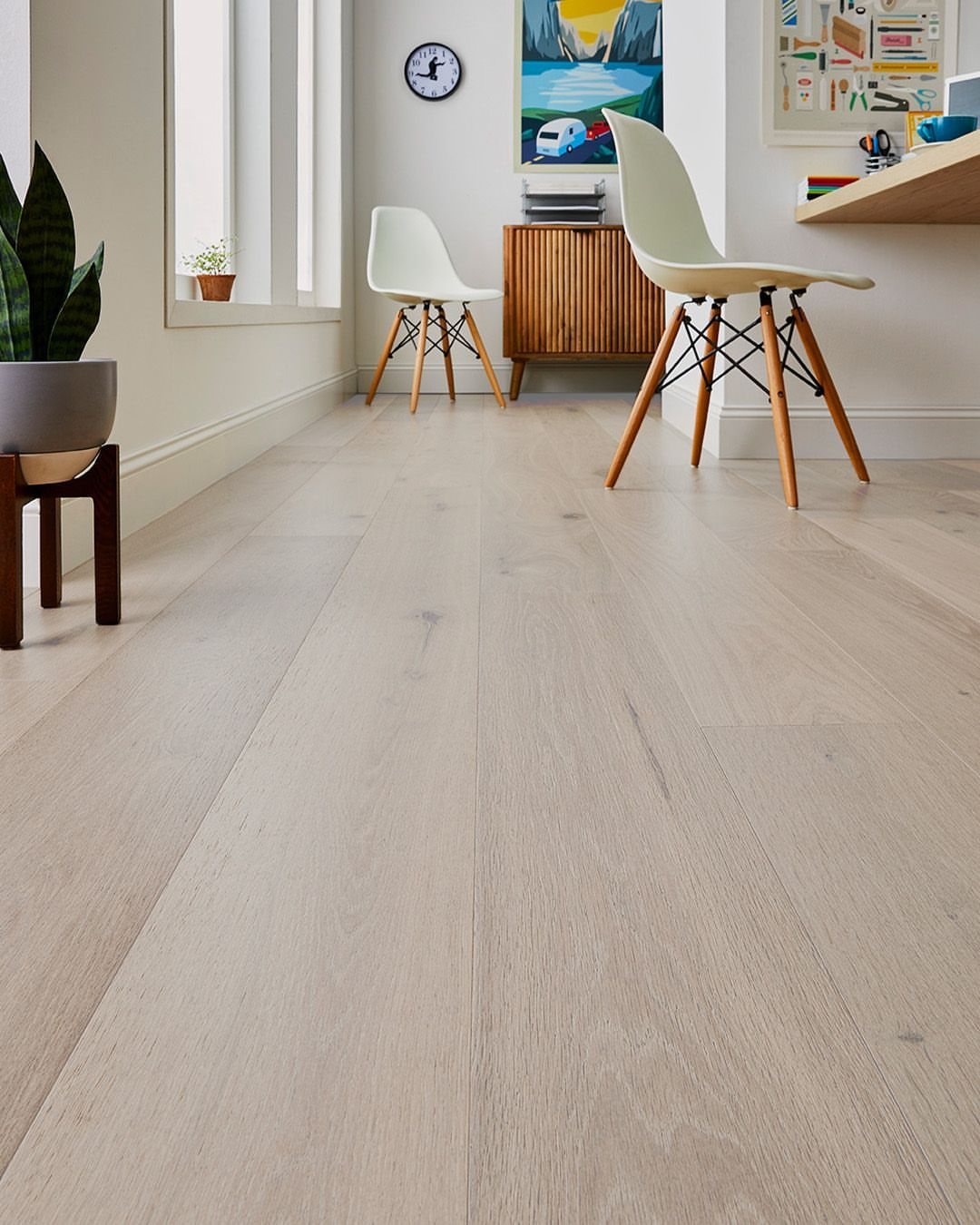
1. Light Hardwood Floors
Light hardwood floors are the quiet workhorse of a busy house. They take a beating from dog nails and moving furniture, then sand down smooth when you are ready.
Pick a tone warm enough to hide dust between cleanings but pale enough to bounce light into a hallway that gets none.
I would check the sample boards at morning, noon, and evening before deciding. The same plank reads yellow under old bulbs and flat gray by a north window.
If your walls change color every few years, a mid-tone natural oak forgives more than a trendy bleached finish that locks you into one look.

Use on wood, cork, tile, resilient, and other hard surface floor coverings.

Bright and Natural Oak Finish: Featuring a clean, airy oak wood grain texture, this self-adhesive waterproof vinyl plank flooring brings a sense of spaciousness and Scandinavian-inspired warmth to any room. Perfect for modern, minimalist, Scandinavian, coastal, or farmhouse decor styles in your kitchen, bathroom, bedroom, or living room.

Gap-Lines Disappear Fast: Fill floor gaps, dark seams, narrow joints, and exposed edges on wood floors. Fill, smooth, and turn unsightly floor lines into a seamless finish for homeowners, renters, and DIY floor touch-ups.
2. Wide Planks
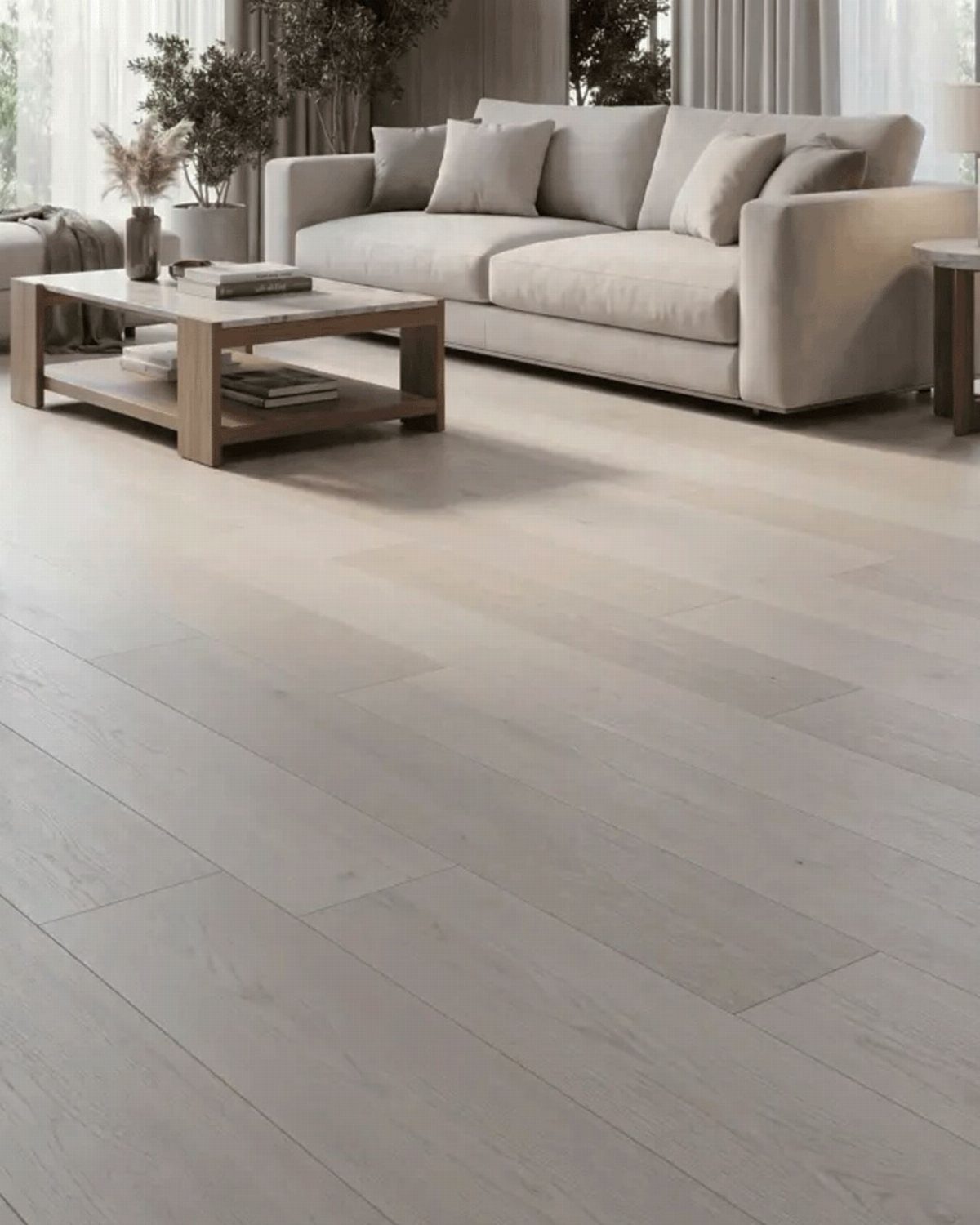
Wide planks cut down the seam lines that chop a small room into smaller pieces. Fewer boards mean fewer gaps catching grit, and the eye travels the full length of the grain instead of stopping at every joint.
The width that works depends on your space more than your taste.
In a small room, planks that are too wide can look like a runway laid wrong, while the same boards in an open living area feel grounded and deliberate.
Check your subfloor too; wide boards need a flatter surface than strip flooring, and leveling runs the bill up fast. If your budget is tight and your room is small, a mid-width plank splits the difference without the install headache.
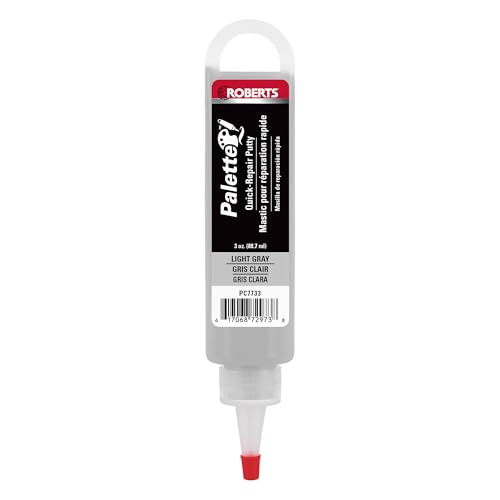
Ideal to fill gaps, nicks and scratches on wood, laminate and vinyl flooring

【Light Grey Oak Wood Grain & Thickened Material】 Our peel and stick floor tile features a light cool grey base with natural white oak grain lines,and subtle knot details that flow naturally,making it a premium wood peel and stick floor tile choice.Composed of wear-resistant layer,high-definition wood grain print layer,thickened vinyl substrate layer,and strong self-adhesive backing – provides excellent stability and durability,ideal for long-lasting waterproof vinyl flooring applications.

𝐄𝐟𝐟𝐨𝐫𝐭𝐥𝐞𝐬𝐬 𝐃𝐈𝐘 𝐈𝐧𝐬𝐭𝐚𝐥𝐥𝐚𝐭𝐢𝐨𝐧:Achieve a seamless upgrade with our peel and stick floor tiles. No grout, glue, or special tools needed. Simply peel the self-adhesive backing and stick the vinyl flooring directly onto clean, smooth subfloors. Easily trimmed with scissors for a perfect fit around corners and edges. The flexible planks allow for custom splicing patterns, making it the ultimate renter-friendly and easy flooring to install solution for any DIY enthusiast
3. Light Wood Floors with Light-colored Walls
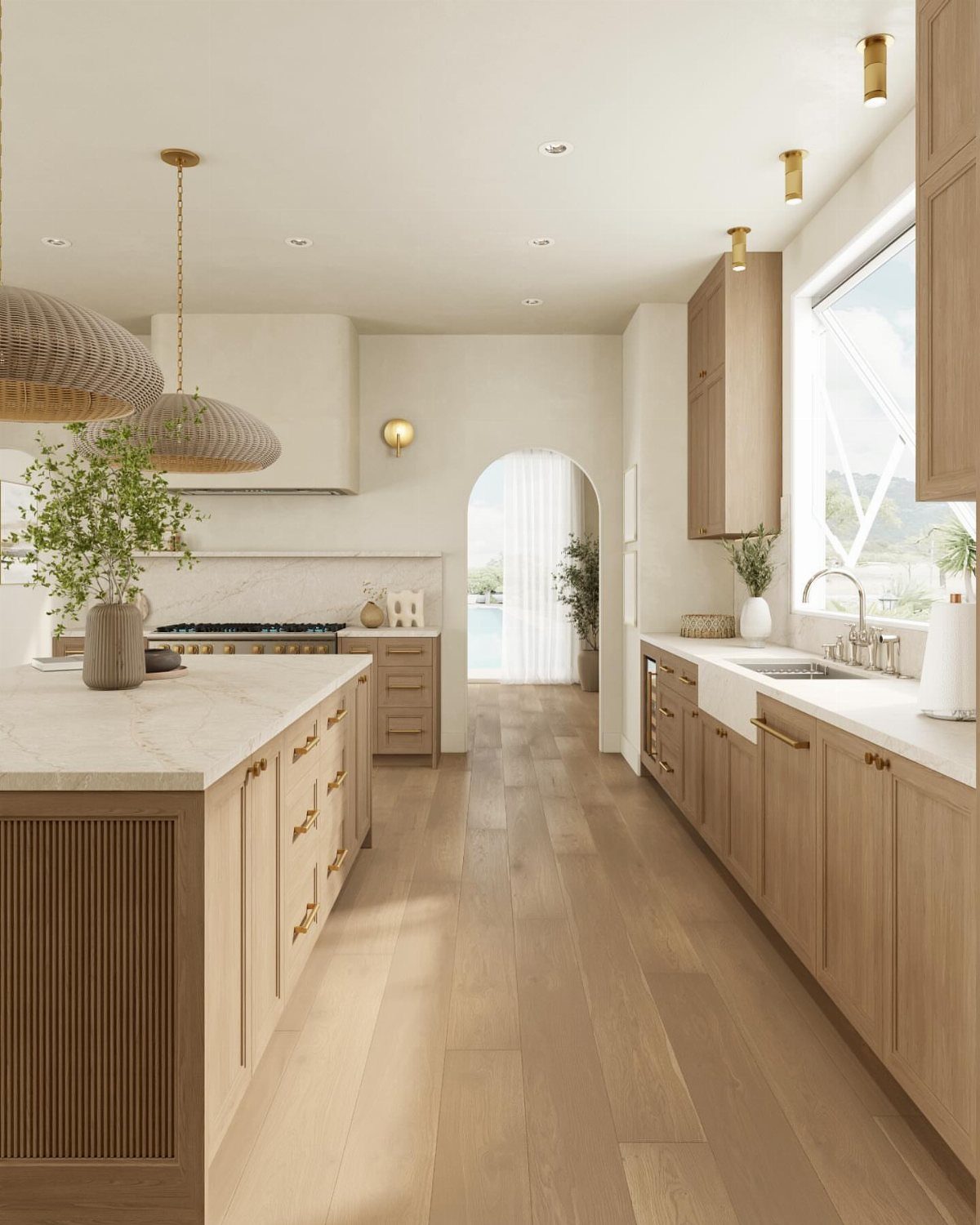
Pale floors against pale walls can go sterile fast, or it can go calm and gallery-like. The difference is usually the trim and the temperature of the white.
I have seen warm cream walls with cool white baseboards look like a mistake, and the same room saved by switching to a single white throughout.
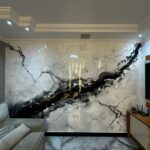
If your floors read pink, your walls should too, even if only by a hair. A single dark element, like the marble veining or a black faucet, keeps it from floating away entirely.

Planks click together easily, no glue or nails needed.


4. Rugs with Light Wood Floors
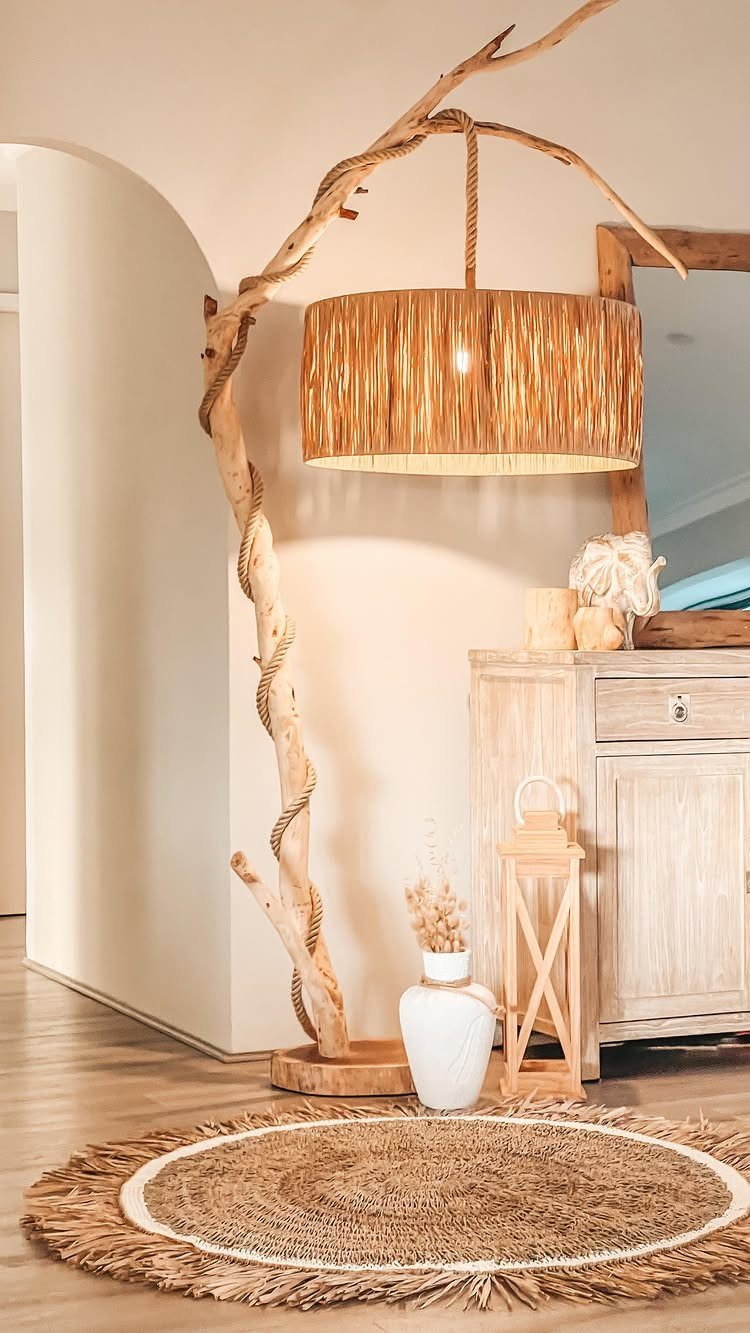
A rug on light wood is where you add the softness the floor itself cannot give.
Jute or a flat-weave wool works best here; thick shag hides the grain you paid for and traps dust in a house with pets or kids.
The size matters more than the pattern. In a living area, the sofa and the front legs of every chair should land on the rug, or the piece looks like a postage stamp.
In a hallway, a runner that leaves some wood showing on each side frames the floor instead of covering it.
For a rental where you cannot change the floors at all, a large natural-fiber rug is the cheapest way to warm up a bad color the landlord chose.

Upgraded Waffle Desgin: This boho bath mat is power-loomed with upgraded yarns-Integrating decoration and durability. The heavier and thicker threads are applied to make sure the pattern will be more solid and compact- NEVER OUT OF SHAPE!

Rug measures 22 x 60" (approximately 0.5" thick), made of durable 100% Jute, a shiny vegetable fiber spun into coarse threads.

Machine Washable & Easy Care – This washable cotton rug can be vacuumed, shaken, or machine washed on a gentle cycle with cold water. Cotton material may shrink or wrinkle after washing. If needed, use low heat ironing to restore shape
5. Light Wood Floors with Dark Cabinets
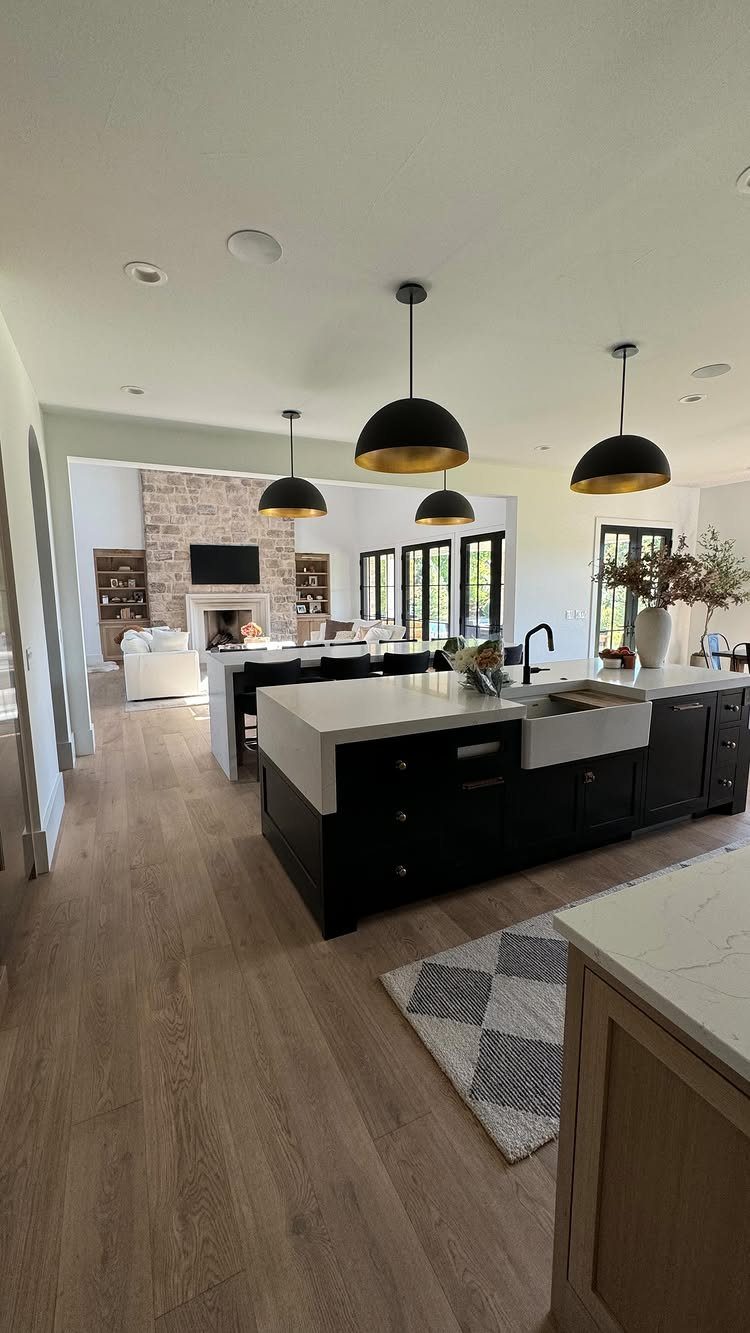
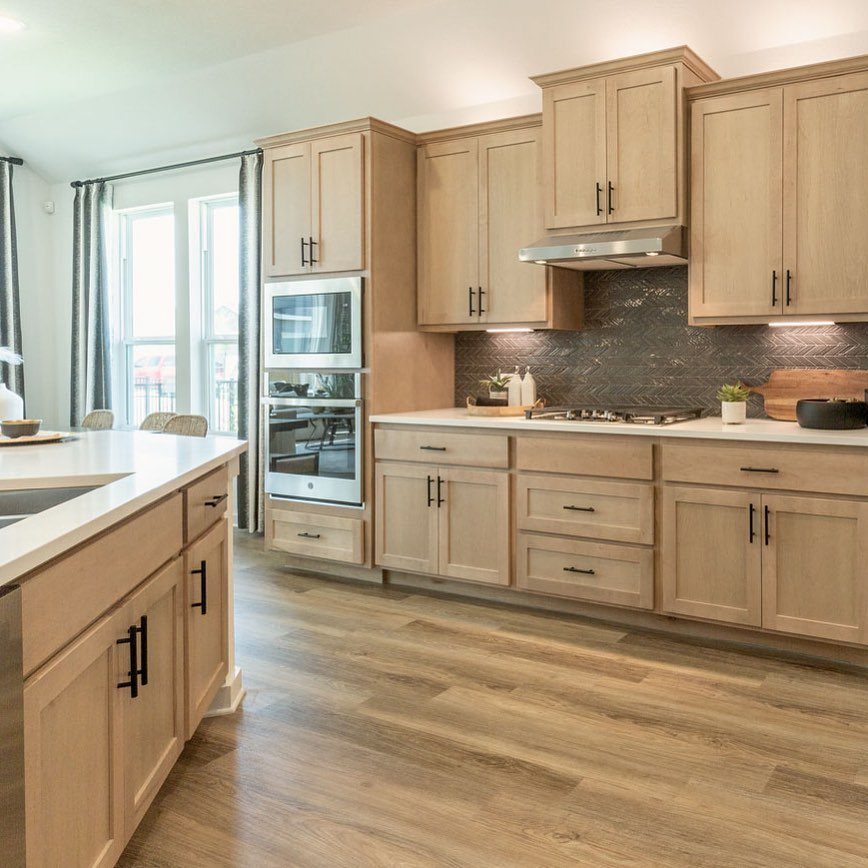
Dark cabinets against pale floors is a high-contrast move that reads modern because it is deliberate, not because it is safe. The risk is the kitchen feeling like two rooms colliding.
The bridge is usually the countertop. I would keep the backsplash quiet too; this is not the place for patterned tile fighting for attention.
Pendant lights that repeat the cabinet color up high make the contrast feel planned from the floor to the ceiling.
If your cabinets are a softer charcoal rather than true black, the same formula holds but the room breathes a little easier.

Use to fill and level surfaces prior to the installation of carpeting, vinyl floor tile, floor sheeting and more

Ideal to create expansion gaps around the perimeter of floating floors

Heavy-Duty Construction:Made from steel, the flooring jack tool is designed to withstand significant force without bending or breaking. The handle is designed for comfort and leverage, allowing the user to apply significant force without excessive strain
6. Light Wood Floors with Wood Accents
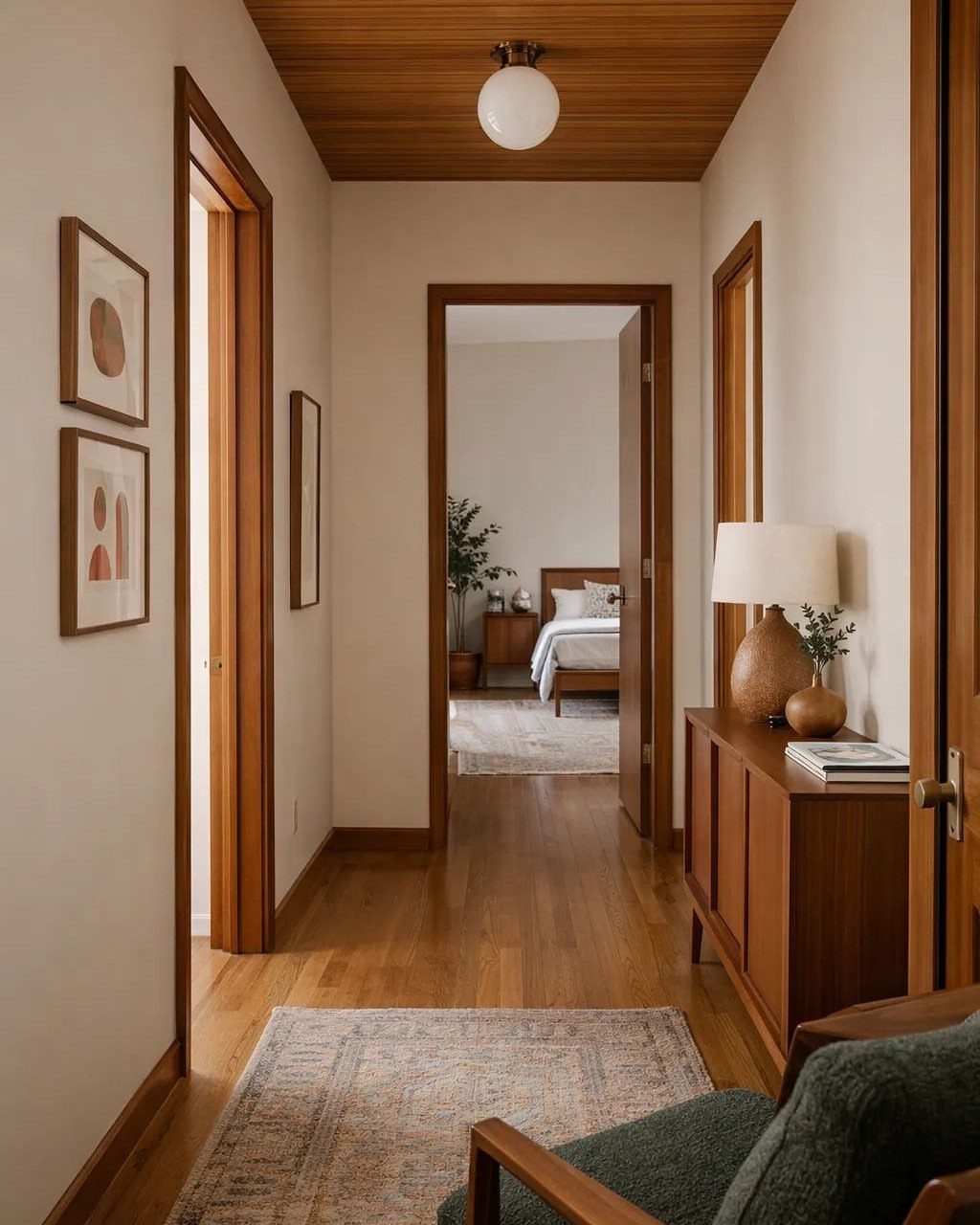
Too much wood in one space turns into a sauna or a cabin, unless the tones are related but not matched.
A hallway works when the ceiling is a shade darker than the floor, the doors carry that same darker note, and the sideboard sits somewhere between.
The mistake is buying every piece in the same species and stain, then watching it all flatten into one brown plane.
If your floors are new and pale, let older wood trim keep its aged patina rather than sanding it to match. The variation is what keeps a long corridor interesting to walk down.
For a house full of existing woodwork you cannot change, a floor that is lighter than all of it, not the same, usually looks intentional where matching looks like a failed attempt.

✅ HOLDS LIKE IT’S PART OF THE WOOD: Fills nail holes, cracks, chips, dents, broken corners, and chipped wood edges, then cures rock hard. SGS-tested to 9,325 PSI compressive strength, harder than most structural lumber. Built for wood repairs that need to hold shape without shrinking, sinking, cracking, or pulling away.

Refresh Your Furniture! Mohawk Fil-Stik wood filler wax stick helps to repair scratches, gouges, and other imperfections in wood furniture, cabinets, trim, and more

KIT INCLUDES our most powerful wood repair compounds, so you can repair all levels of damage to wood furniture by yourself. Includes 12 touch up fillers, 8 touch up markers, 1 wood putty, 1 beewax, 2 brushes, 2 sandpaper, 1 sponge and 1 scraper
7. Inlay Border Detailing
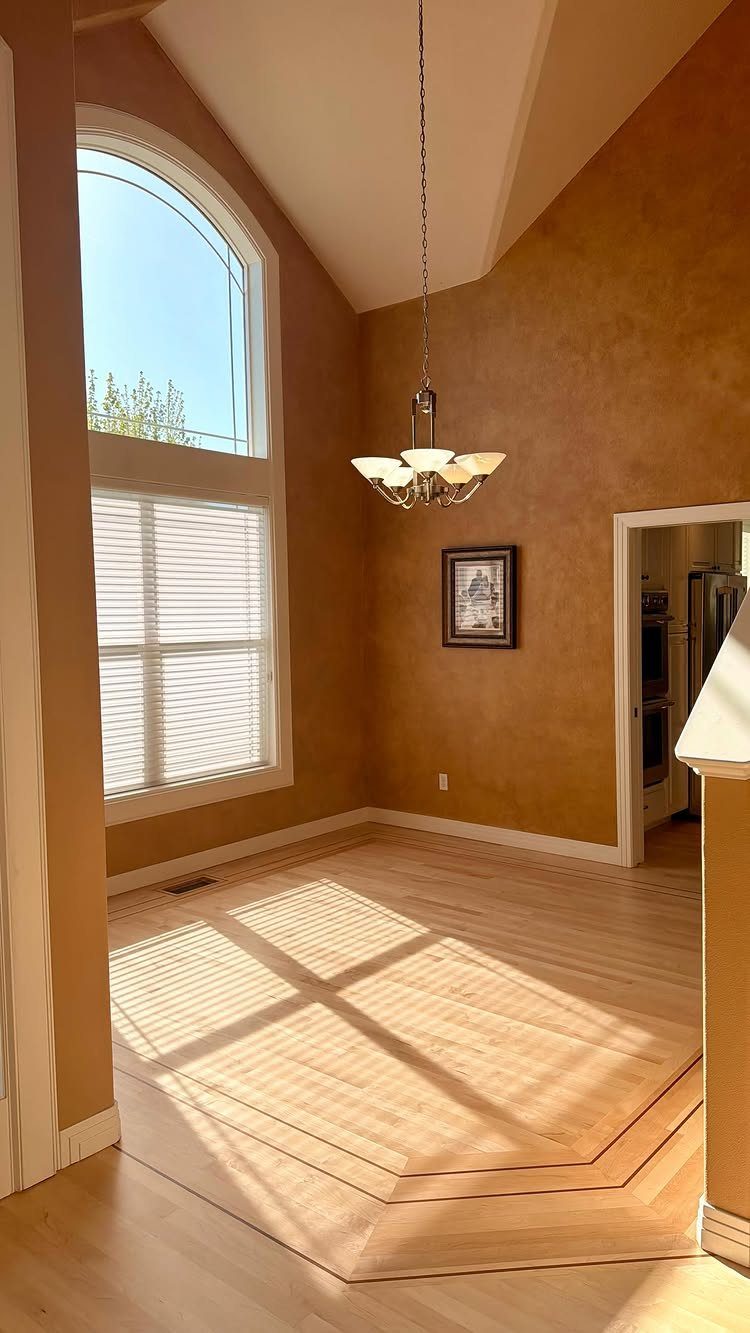
A thin strip of darker wood tracing the room’s edge turns ordinary floorboards into something intentional.
The border needs enough clear floor between it and any wall to read as a frame rather than a mistake. In smaller rooms, skip it entirely; the eye has nowhere to rest.
For the inlay itself, rift-sawn oak against plain-sawn maple gives contrast without clashing grain patterns, or go subtle with two tones from the same species.
This is weekend work only if you’re comfortable with a router and have a straightedge long enough for your longest wall. Otherwise, a flooring contractor charges for precision, not material.
I’d put the money here only in a room where people stand still long enough to notice floors: dining room, formal entry, maybe a reading corner. In a hallway you race through, it vanishes.
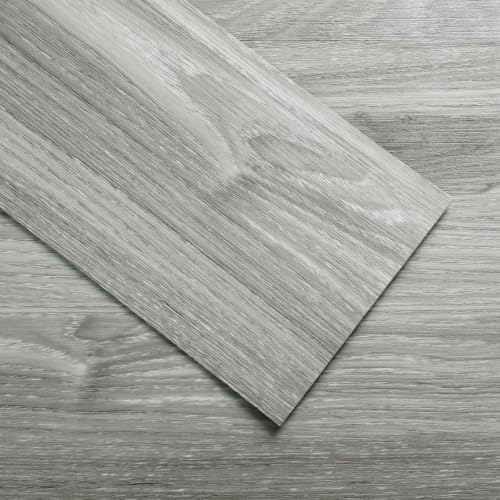
REALISTIC WOOD GRAIN: Vinyl plank flooring features a natural wood flooring look with clear grain texture, helping create a clean wood floor style for everyday home spaces

Includes: (1) The Original Tibet Almond Stick wood scratch remover in protective tin packaging (0.02 oz). Helps hide surface scratches, watermarks and water stains on wood flooring, wood furniture, wood surfaces and antiques

NON-SLIP TEXTURED GRIP SURFACE - Designed with a textured non-slip surface to help improve traction, stability, and control during yoga, Pilates, stretching, meditation, and floor workouts. Helps keep hands and feet securely positioned throughout every pose and exercise.
8. Glossy Finish Light Wood Floors
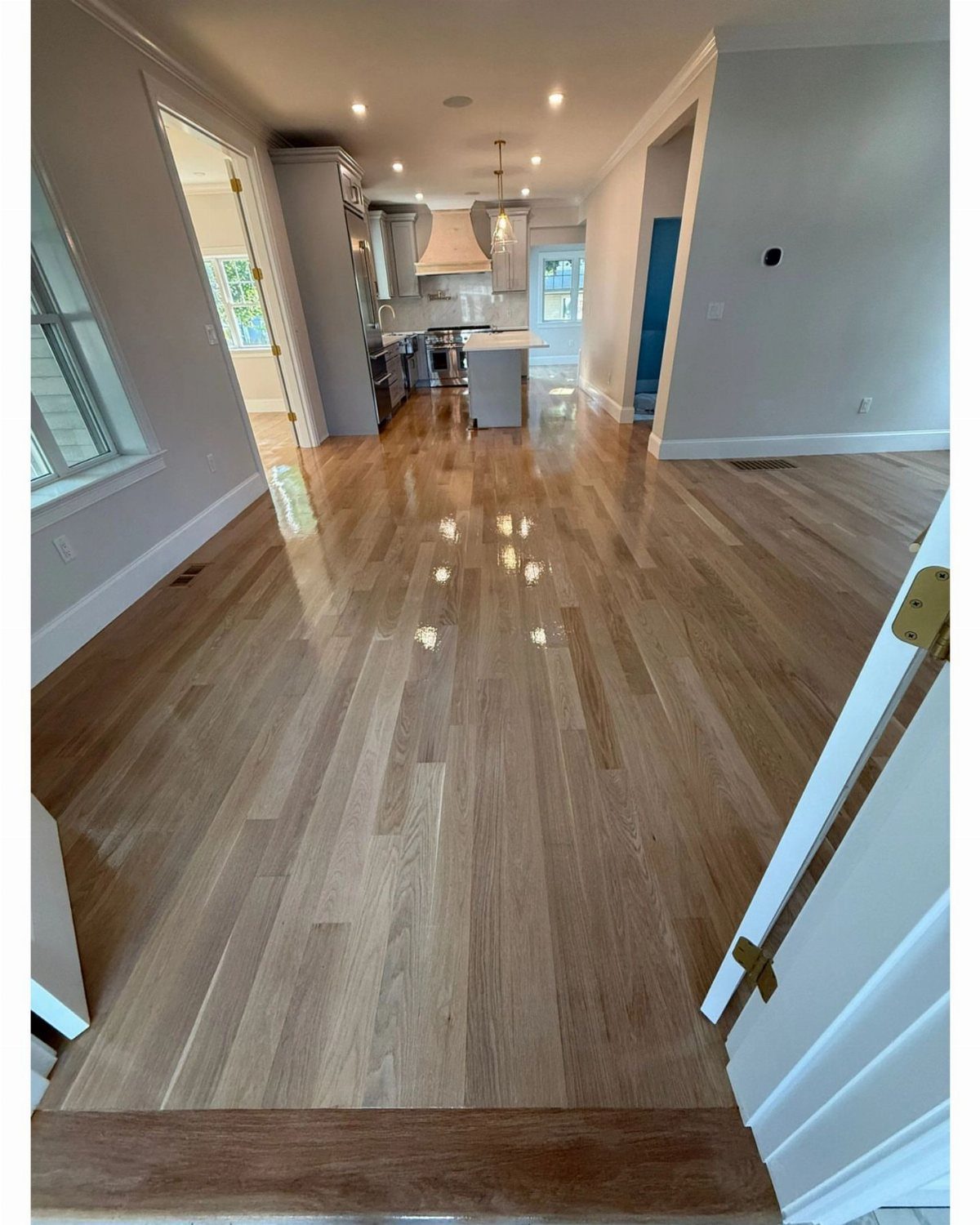
Gloss bounces light around a window-starved hallway or a north-facing kitchen better than any pale paint.
Every footprint, every dropped crumb, every scratch from a chair slide announces itself on a surface this reflective. I’ve watched a friend with two dogs and glossy oak lose a chunk of each morning to touch-ups before work.
Matte hides; gloss reveals.
For households that can keep it clean, the finish suits modern spaces where the floor acts as a secondary light source.
In homes with small children or heavy traffic, I’d drop to satin and use the gloss budget on larger windows instead.
Re-coating every few years keeps the shine from dulling to a tired halfway state that looks neglected rather than intentional.

💍 Massive Storage Capacity for Various Jewelries: This spacious jewelry armoire organizer features 120 earring slots, 36 earring holes, 98 ring slots, and 36 necklace hooks. The interior includes 5 storage shelves, 2 drawers, 1 bracelet rod, and 1 brush pouch to keep all treasures organized without tangling.

100% WATERPROOF SILICONE SEALANT: Forms a continuous waterproof barrier around flooring perimeters, expansion gaps, transitions, molding, and trim

Streak-Free - Specifically formulated to clean finished hardwood floors without streaking or dulling
9. Open-concept Layout Flooring
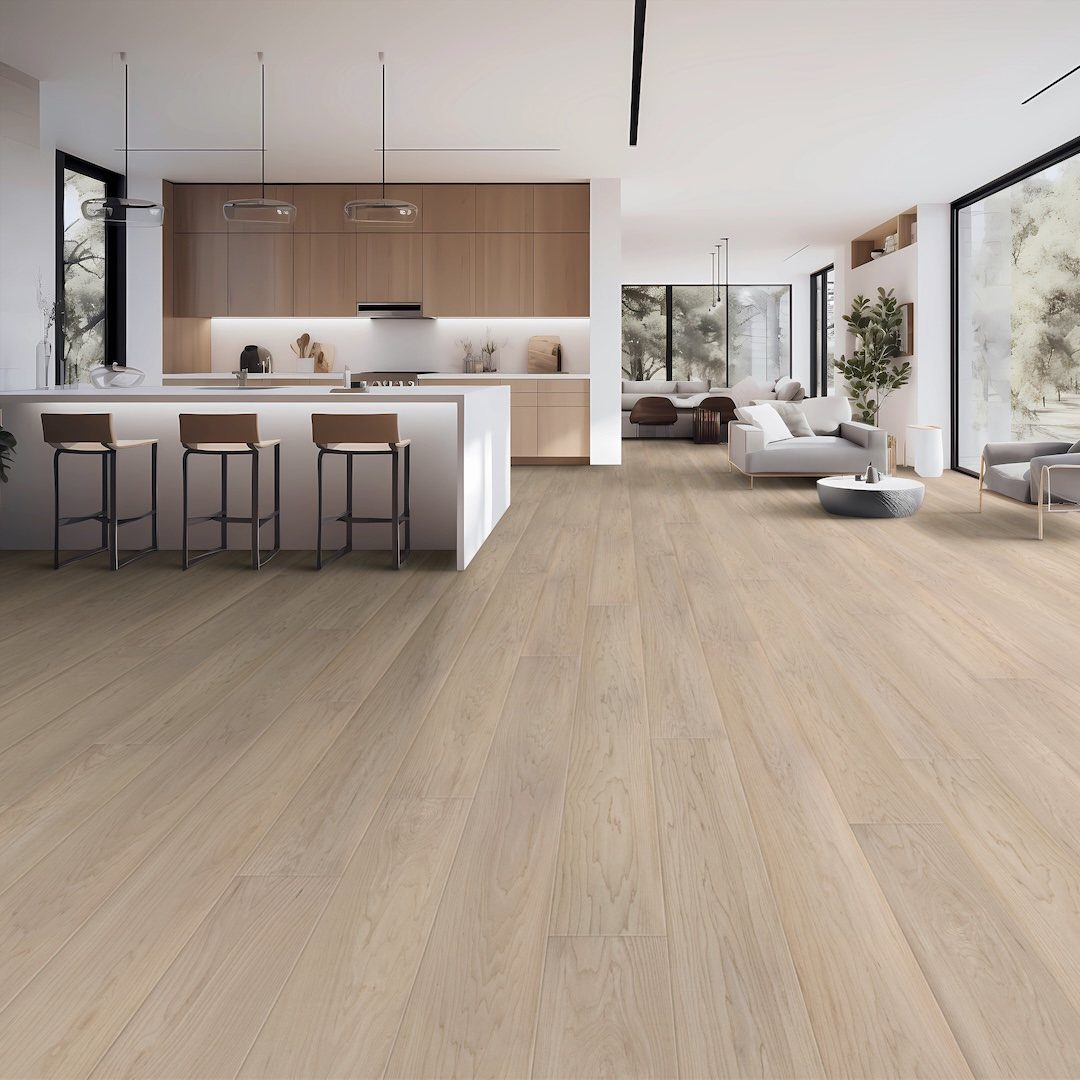
Running the same planks from kitchen through living room without a threshold strip does what walls used to do with sledgehammers: it claims the whole area as one room.
Continuous flooring demands serious subfloor prep. Any height variation between rooms, even an eighth inch, telegraphs as a bounce or a crack over time.
I check with a long level and plane down high spots before the first plank goes in.
Expansion gaps at the perimeter stay hidden under baseboards, but they need to be wider than in a closed room; check the manufacturer’s spec for long runs.
This layout suits anyone knocking out walls between kitchen and living space. If you’re keeping the rooms separate, the continuous run reads as a missed opportunity rather than a choice.
What you get is spatial, not material; you’re buying the feeling of square footage you already own.

Product Details: Size: 5' x 7' (60"x84"); Thickness: Rug: 0.19 in; Edge: 0.38 in; . Note: Please ensure door clearance is over 0.4" to avoid jamming. Thick edges may lift, use a smaller non-slip pad to reduce tripping risk

✅ HEAVY DUTY HOLD, INDOOR AND OUTDOOR - Reinforced web mesh double sided carpet tape heavy duty install your carpet tiles, rugs, runners, vinyl, laminate, turf, indoor outdoor carpeting, rubber or carpet squares so they will have a long lasting hold. One 2 in x 90 ft (30 yd) covers up to 220 square feet.

DURABILITY: Our jute rugs are the perfect solution for any busy family; They are handmade yet their heavy natural fibers make them durable and resistant to slippage; Their rough cross-weave textures mean they're built to last
10. Natural Grain Matte Wood Planks
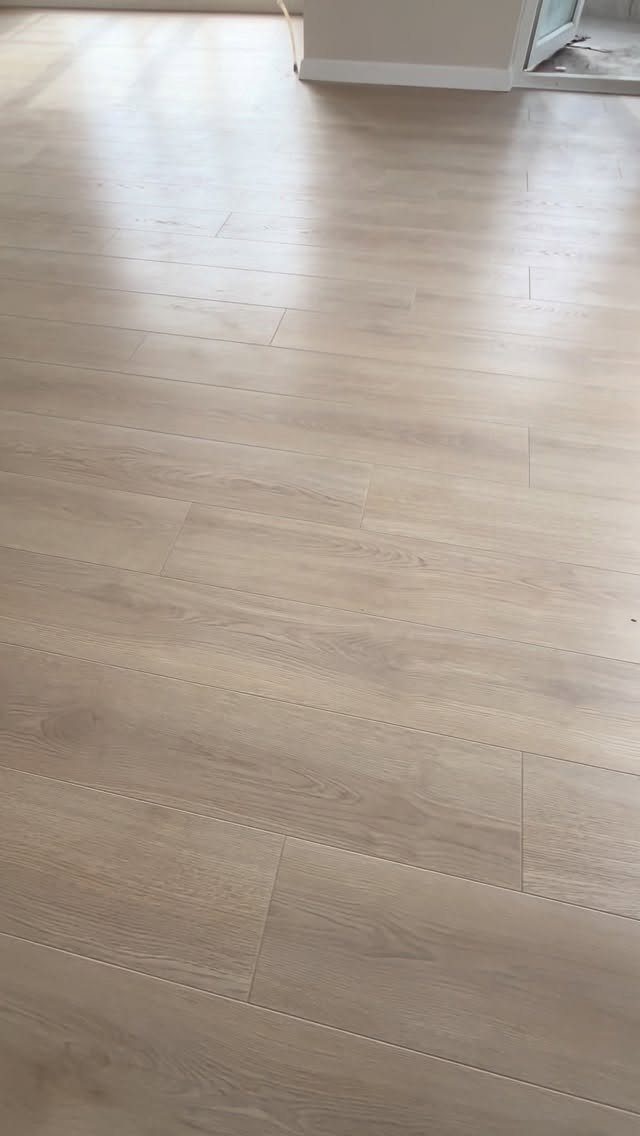
Matte finish keeps that texture tactile; you see the wood’s history without the floor demanding attention.
Oak, ash, and beech each carry grain differently. Oak gives you the strongest pattern, almost striped; ash runs quieter and more uniform; beech sits between with a subtle figuring that shows only in angled light.
For this look, I’d pick ash in a small room where busy grain would close the walls in, oak where the space can handle the drama.
Ultra-matt lacquer resists coffee rings and heel scuffs better than oil, though oil deepens the color over years in a way some owners prefer.
Re-oiling on schedule is the commitment; skip it and the floor goes thirsty and gray in traffic paths. For a rental or a first home with enough other projects, lacquer buys you time you will need.

【Elegant Finish】Achieve a sophisticated marble effect with a high-gloss colored sand finish. This floor coating creates a luxurious, smooth surface with a unique texture pattern that is perfect for any space

1/4 INCH & 1/2 INCH DESIGN: The flooring spacers include 1/4 inch and 1/2 inch gaps from the wall, can provide an appropriate expansion gap between the floor and the wall, to avoid damage.

【UPGRADED DESIGN】 Providing a 1/4 inch & 1/2 inch gap of the floor from the wall. Only one set of tools can meet different gap requirements. The special triangle design is stable and doesn’t need to be taped to the wall during your installation, also assures less damages on Floors because it provides the proper expansion spacing for most wood flooring.
Benefits of Light Wood Floors
Light wood floors earn their place in a house that changes hands or changes looks.
The pale tone reads current across decades without pinning you to one era, and a surface this smooth collects less dust than carpet while giving pet dander and pollen nowhere to hide.
For resale, buyers see a floor they can live with immediately rather than replace before moving in.
The practical side matters more in daily life. Spills sit on top of a sealed plank long enough to grab a cloth, and a quick pass with a soft broom handles what a vacuum needs attachments for.
I’d still check the finish type; lacquer buys you years of indifference, oil asks for attention on a schedule you have to keep.
Choosing the Right Wood Species
White oak runs warm with a grain you notice up close but that quiets at middle distance, which is why it reads Scandinavian in wide planks.
Maple stays smoother and more uniform, almost creamy, with a hardness that resists the dents a dropped pot leaves in softer woods.
The species matters less than the cut and the finish, but starting with the right base color saves you from fighting the wood’s nature with stain.
Installation Tips
A level subfloor is the part you cannot fake. Wide planks telegraph every high spot and hollow as a bounce underfoot or a gap that opens in dry weather.
For strip flooring, a careful homeowner with a straight wall to start from can manage.
Wide planks punish small errors in a way narrow boards forgive, and the locking systems on engineered wide boards still need that flat base to engage properly.
If your subfloor is old plank or concrete with waves, a professional install pays for itself in the floor you do not have to listen to creak.
Maintenance and Care
Regular care for light wood floors is mostly removing what grinds the finish away. Dust and grit act like sandpaper under shoes; a soft broom or a vacuum with the beater bar lifted handles this daily.
For wet cleaning, the mop should read damp, not wet, and the cleaner should match the finish type, oil or lacquer, rather than whatever is on sale.
Spill timing matters more than product choice. Water left on lacquer seeps at the seams; on oil it darkens the wood before you notice.
The right maintenance product for the specific finish matters more than grabbing whatever’s on the shelf, since spot-treating a worn patch with the wrong oil turns one dull area into a visible repair.
Re-coating on the manufacturer’s schedule beats waiting for the finish to fail.
Frequently Asked Questions
Are light wood floors still in style?
Yes. Light hardwood floors have held their place because they adapt to almost any wall color or furniture style you bring in.
The pale tone bounces light into dark hallways and small rooms, which never stops being useful.
What are some options for light hardwood flooring?
Oak, ash, and beech are the main species to consider. For finishes, matte lacquer resists coffee rings and scuffs better than oil, though oil deepens color over years in a way some prefer.