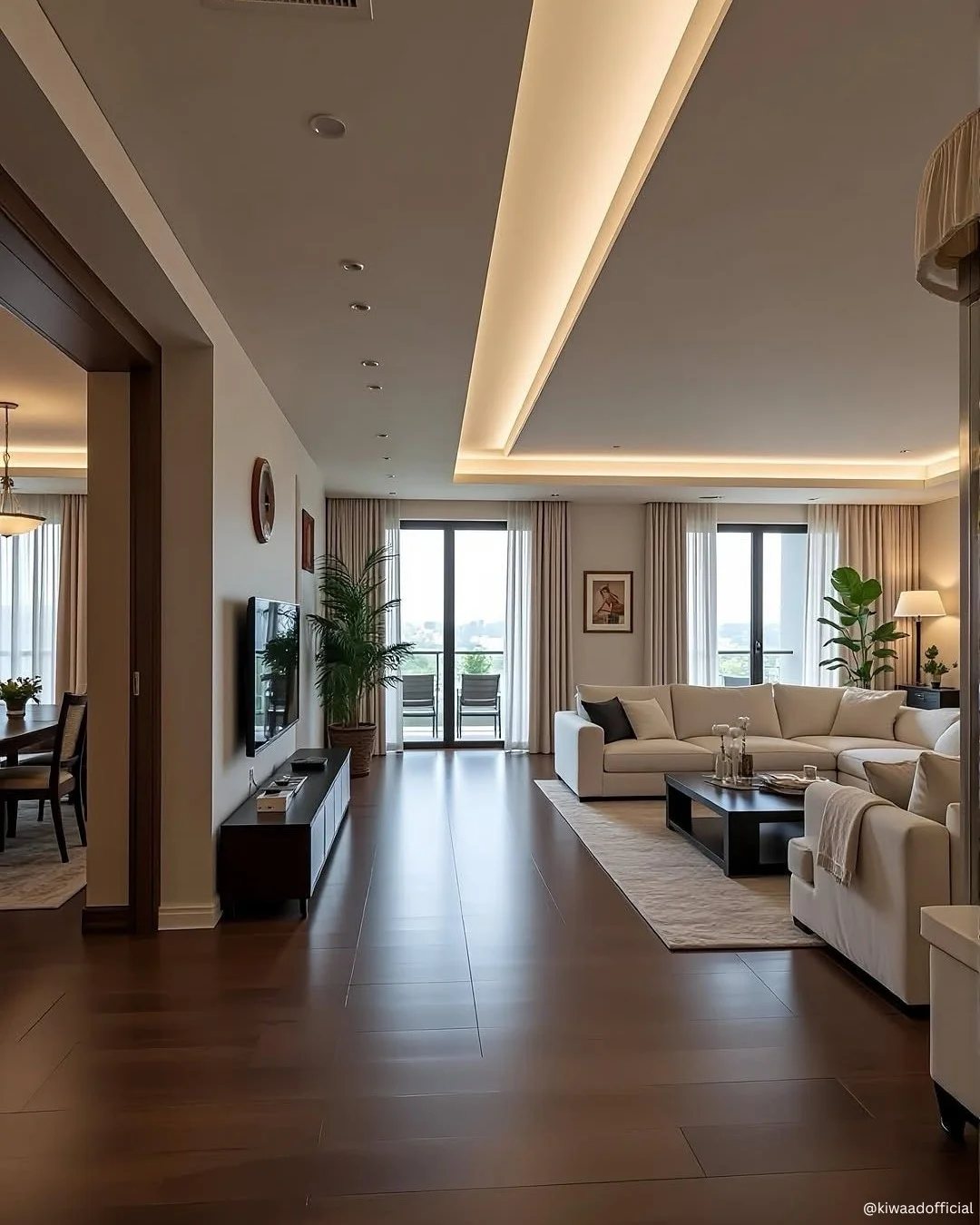
Wood floor colors run from near-black oak that swallows light to bleached planks pale enough to widen a small room, and the shades between them matter more than the names on the samples.
The deciding factor is how much maintenance your household actually tolerates, since dark gloss shows every scratch and pale finishes forgive them.
1. Dark Hardwood Floors
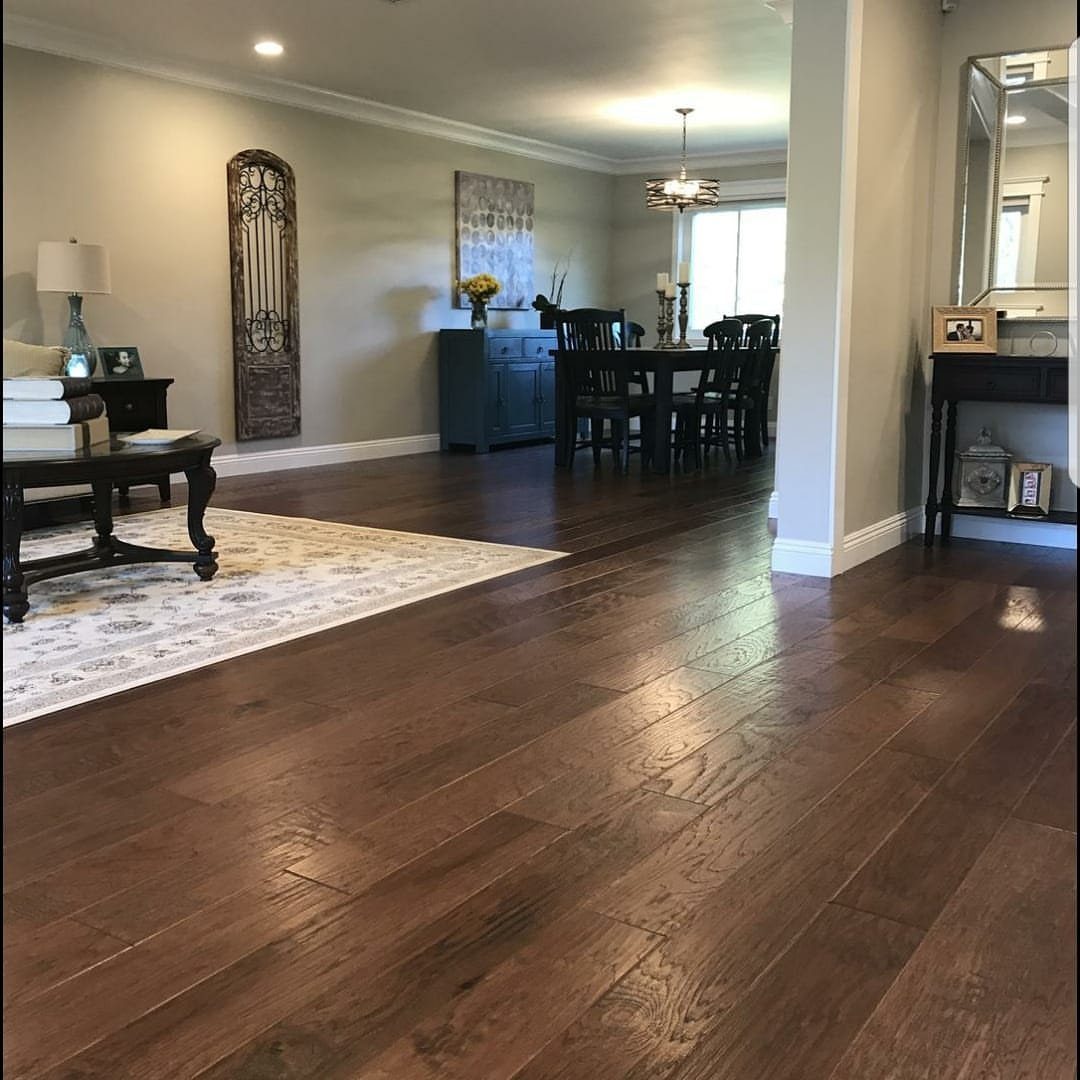
Dark hardwood floors carry the weight of tradition without feeling dated. The gloss catches light across wide planks and pushes walls outward visually, especially when you keep trim and furniture lighter to build that contrast.
Dark floors need more frequent cleaning, and every scratch shows. Dust sits on the surface, scratches read as white lines, and dark pet hair blends in while everything else shows.
I’d reserve this for rooms that see regular sweeping, not the entryway that collects gravel from boots.
If your space runs small, the depth can swallow square footage. Pair it with low-profile furniture and wall colors in the cream-to-taupe range.
Hartco’s Blackened Oak in a low-gloss finish dials back the mirror effect if full shine feels like too much.
There’s no better way to make wood floors feel elevated than by adding a dark stain. When contrasted with a light wall, a dark floor helps to make the room feel brighter and taller.
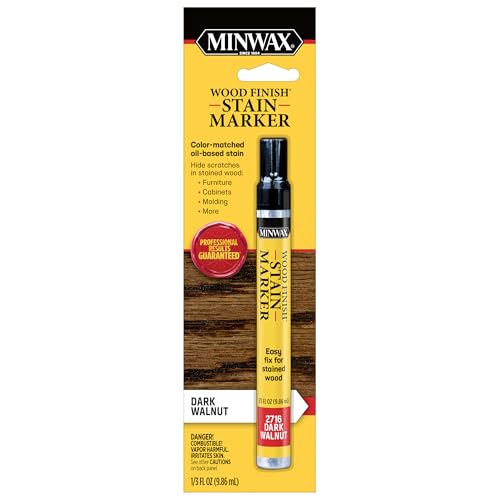
EASY TOUCH-UP – This Minwax Wood Stain Marker is great for quick and easy touch-ups of common nicks and scratches on wood items. It’s also ideal as a stain pen for small hobby and wood craft projects, or to add decorative touches to larger wood projects.

KIT INCLUDES our most powerful wood repair compounds, so you can repair all levels of damage to wood furniture by yourself. Includes 12 touch up fillers, 8 touch up markers, 1 wood putty, 1 beewax, 2 brushes, 2 sandpaper, 1 sponge and 1 scraper

Set of 3 Furniture touch-up markers: Light Brown, Medium Brown and Dark Brown
2. Whitewashed & Light, Airy Hues
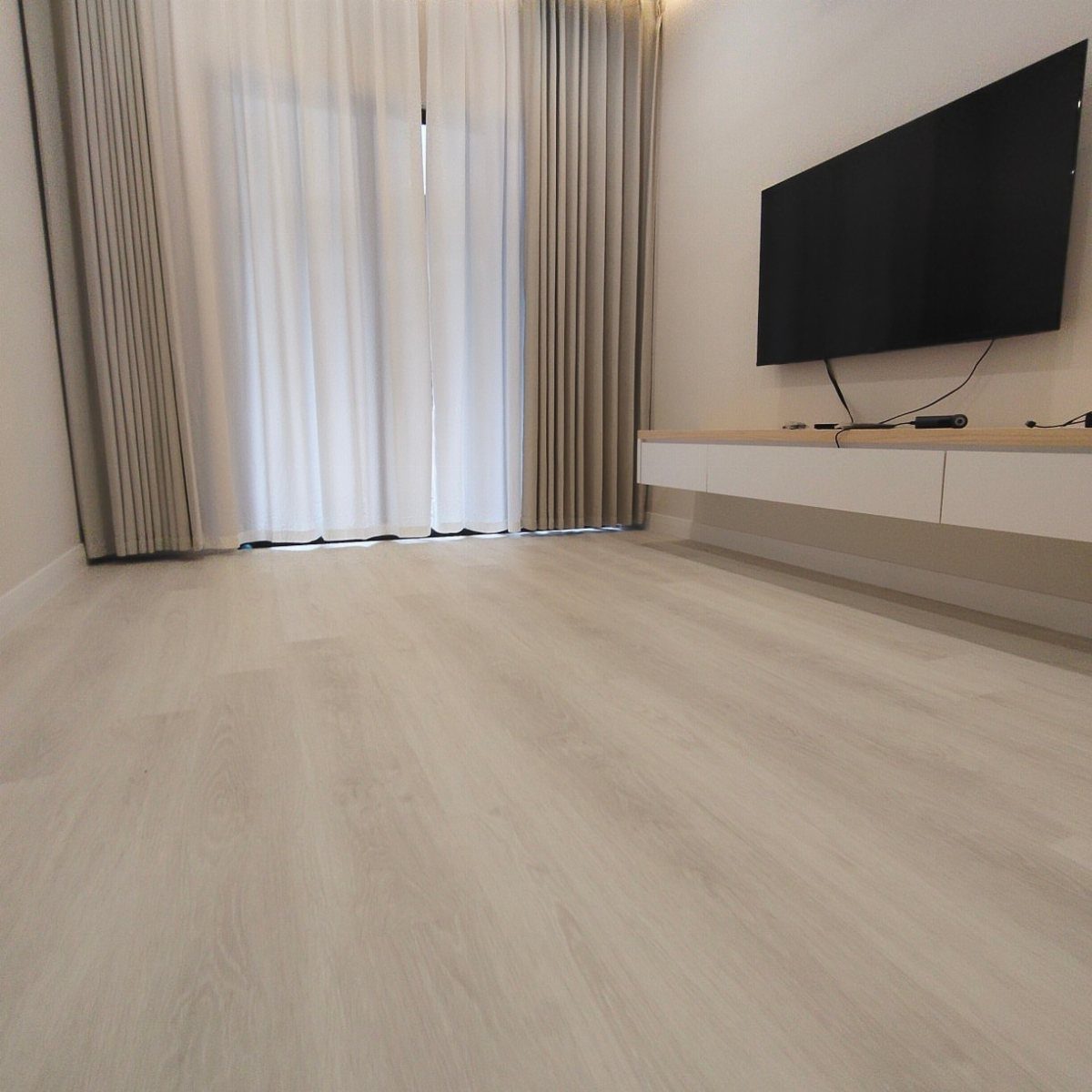
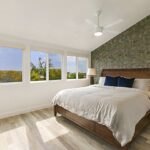
Whitewashed floors bounce light around a room like a secondary window. The finish reads coastal or Scandinavian depending on what you pile on top, and it forgives the scuffs that darker floors announce immediately.
Small rooms gain the most here. Pale planks merge with white walls and stretch the floor plane toward the curtains.
Layer in darker furniture afterward; the contrast builds itself without you forcing it.
Cool or warm palettes both work, which matters if you tend to swap throws and art seasonally. Bleached oak holds that flexibility.
Check your actual daylight before committing: north-facing rooms can slip toward clinical without enough sun to warm the tone.

🏠 Wood flooring: Thickness is 0.06inch (1.5mm). Size 12x12 inch included 4 Tiles, made of vinyl. Light brown beige tan Laminate wood flooring, waterproof, removable, groutable, non slip, no special tools needed.

Timeless Elegance: Parquet flooring adds a touch of sophistication and warmth to any room with its intricate patterns and rich wood tones.

【Suitable Size】:Peel and stick floor tiles each pack measures 36"×6" (1.5sq. ft.) to ensure adequate coverage,with its affordable price and high quality experience, this wood pinstripe floor tiles will be a good choice for your room decoration
3. Natural Oak
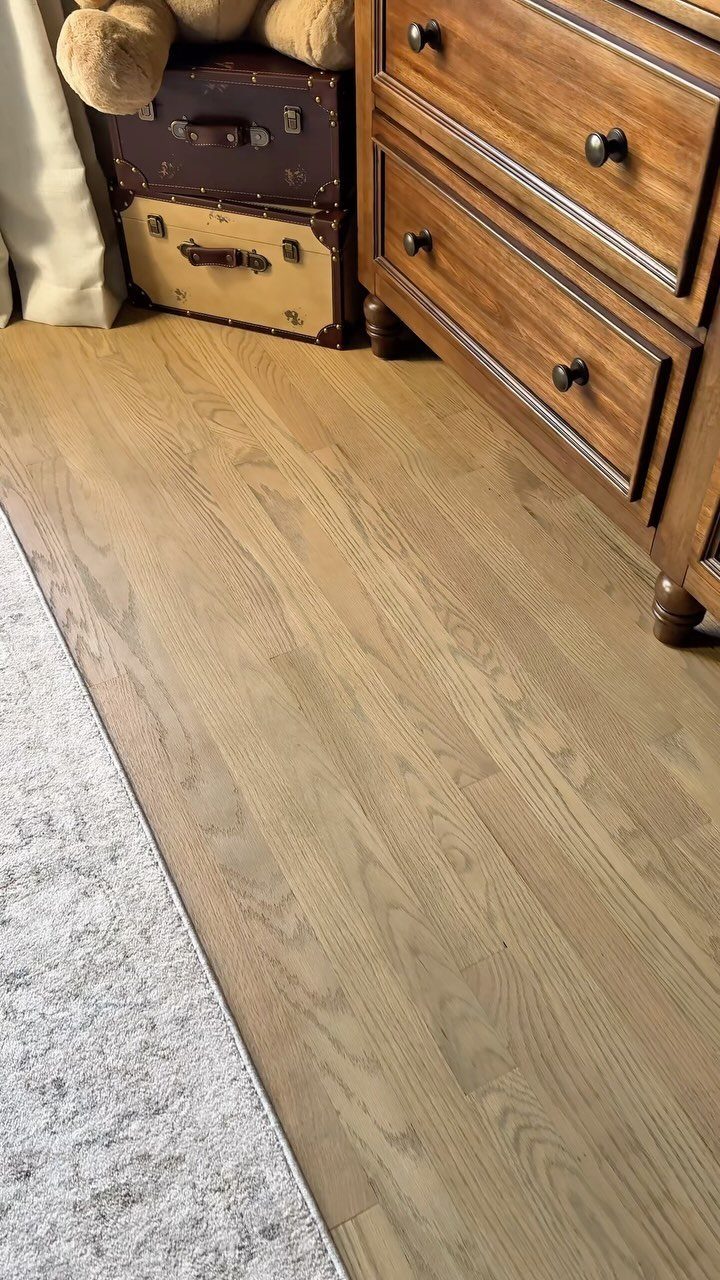
Natural oak sits in the middle of every decision you don’t want to make. The golden tone warms a room without dictating wall color, and plank width shifts the mood more than stain ever could.
Wider boards read casual, narrow ones traditional; alternating widths add movement if you want something between.
Light reflectance is the practical win. Oak brightens corners that darker floors would absorb, useful in rooms with single-window light or heavy furniture.
Natural oak holds its own against white rugs and vintage pieces without competing for attention.
For something calmer, skip the geometric shapes trending in commercial spaces. Stick to standard planks in a straight run.
The material does enough.

Luxurious Wood Look & Timeless Design: Featuring realistic wood grain texture and elegant finishes, these luxury vinyl planks bring natural warmth and sophisticated charm to any room, elevating your home decor with a timeless aesthetic.

Use on wood, cork, tile, resilient, and other hard surface floor coverings.
【Suitable Size】:Peel and stick floor tiles each pack measures 36"×6" (1.5sq. ft.) to ensure adequate coverage,with its affordable price and high quality experience, this wood pinstripe floor tiles will be a good choice for your room decoration
4. Gray Hardwood Flooring
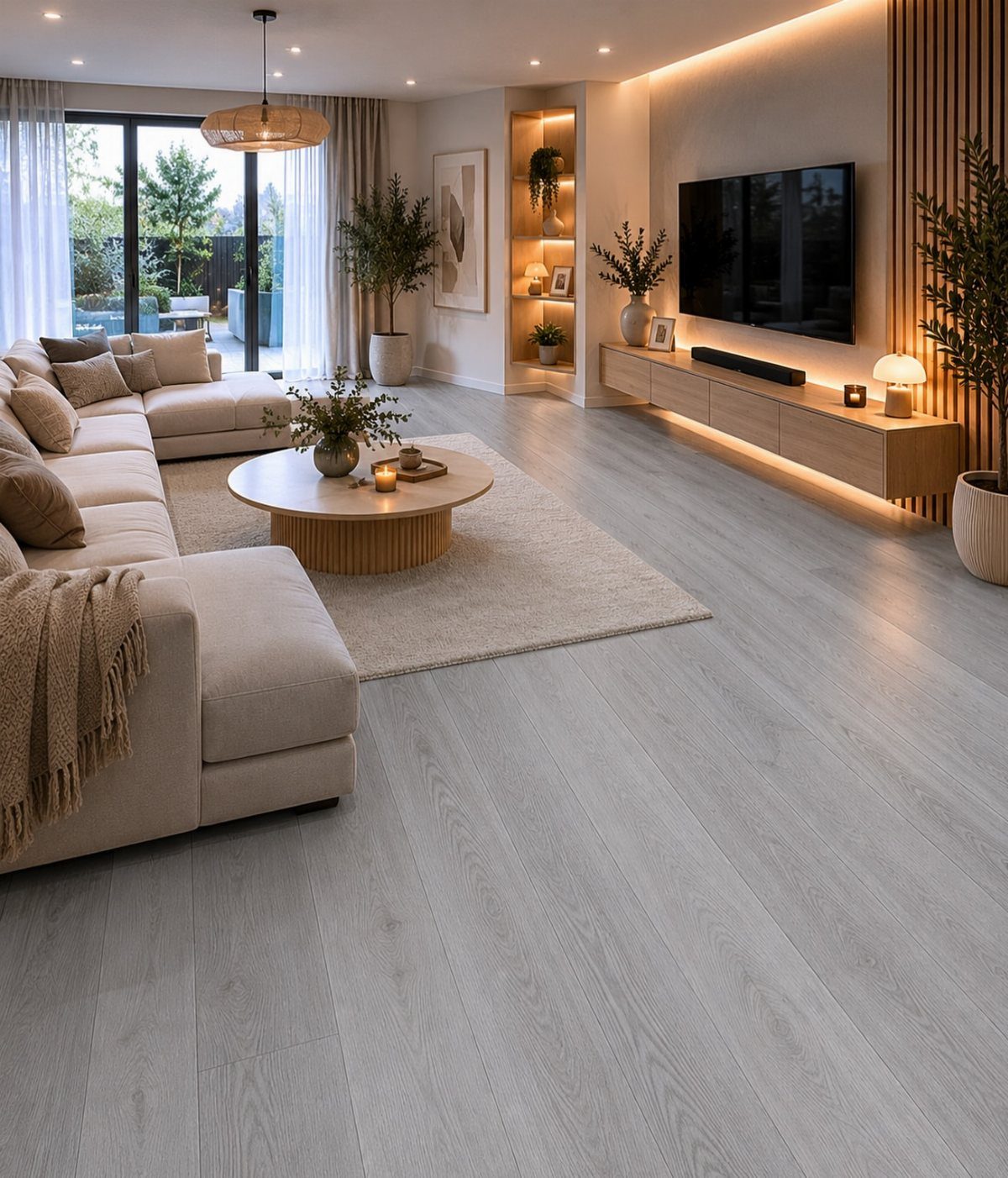
Gray hardwood threads modern and classic without committing fully to either. The tone runs toward greige, warm enough to avoid the concrete-cold version that dated itself fast.
Mullican’s Harbor Mist or the marble-toned White Oak give you two temperatures of the same idea: one steely, one sandy. Both let you change wall color later without clashing, which matters if you repaint every few years.
The vinyl plank option, Shaw’s Fresh Pine at 5mm, handles basements or kitchens where solid hardwood warps. Engineered or vinyl belongs anywhere that sees water; solid oak is better saved for living spaces above grade.

This product is not a floor cleaner

This product is not a floor cleaner

HARDWOOD FLOOR REVIVER – Minwax Low Gloss Hardwood Floor Reviver quickly and easily renews the beauty of hardwood floors that are dull, scratched, or show signs of wear.
5. Warm and Earthy Mid-Brown Shades
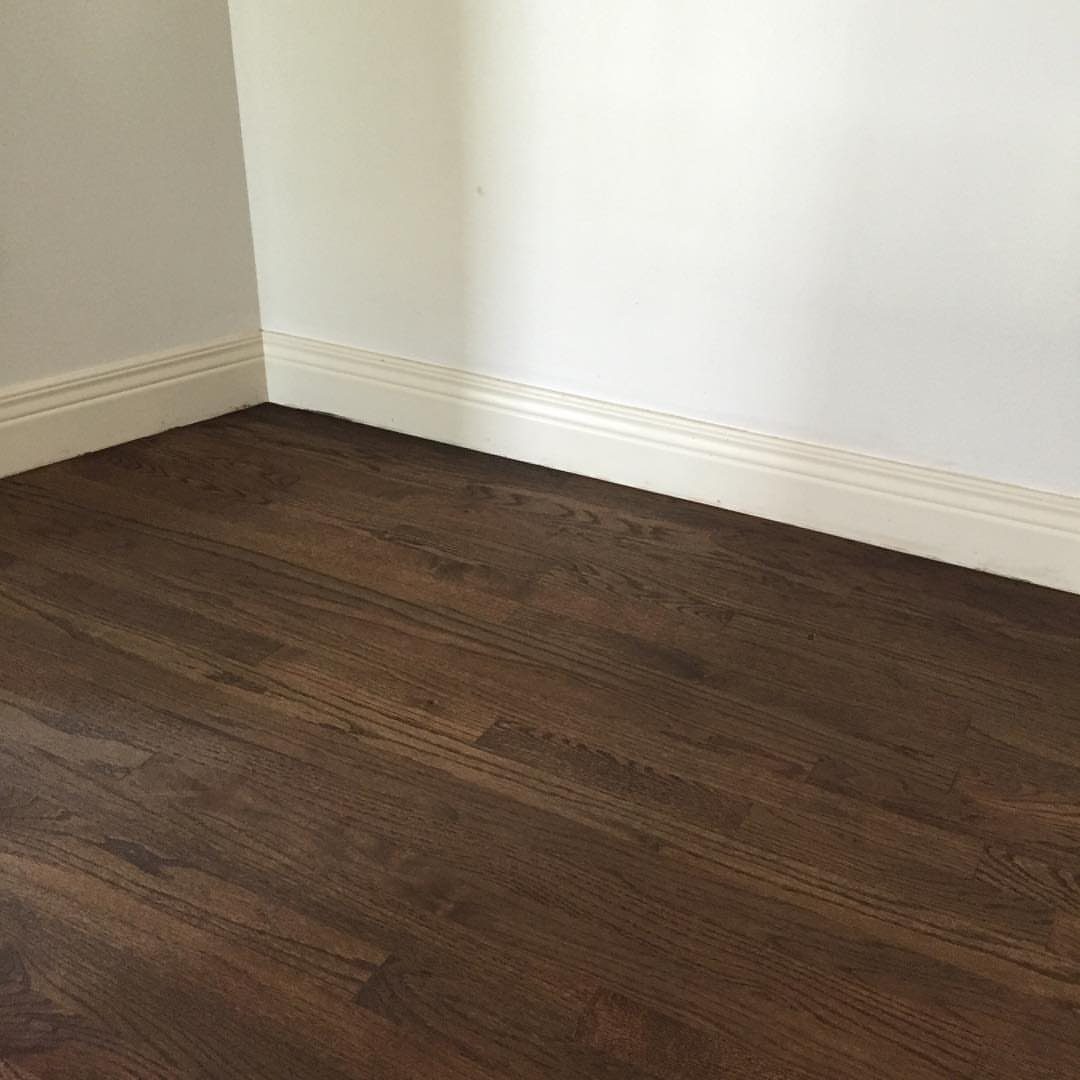
Mid-brown tones like honey or chestnut hide the life a floor actually lives.
Dust, grit, and the odd scuff sink into the grain instead of advertising themselves, which means less time with the microfiber mop and more tolerance for busy entryways.
The shade bridges contemporary and traditional without the effort gray sometimes takes. Natural palettes, warm whites, and the muted greens that keep trending all sit comfortably against it.
The floor against crisp baseboards defines the architecture without shouting.
This shade takes heavy foot traffic and still looks pulled together. If you want depth without the maintenance demand of near-black, this is the compromise that doesn’t feel like one.

Standard Size: Sold per single panel with measured size: 52 inch width by 108 inch length. Each panel has 8 elegant metal grommets, inner diameter of grommet is 1.6", fit well with standard or decorative curtain rods

Standard Size: Sold per single panel with measured size: 52 inch width by 63 inch length. Each panel has 8 elegant metal grommets, inner diameter of grommet is 1.6", fit well with standard or decorative curtain rods
Standard Size: Sold per single panel with measured size: 52 inch width by 96 inch length. Each panel has 8 elegant metal grommets, inner diameter of grommet is 1.6 inch, fit well with standard or decorative curtain rods
Impact of Color on Space
Wide planks laid lengthwise along the room’s longest wall pull the eye outward and give even a tight space more breathing room. A gloss finish pushes that further by bouncing what daylight you have.
Dark floors in a small space aren’t a dead end. Keep walls in grays, whites, or blues; paint ceilings and baseboards white.
Light area rugs, minimal furniture, and mirrors recover the square footage the floor took. One flooring color carried through every room also builds flow that reads as more space than any single room holds.

Plastic lattice design floor grate, oak brown

Superior Quality: Made of good quality and flexible PVC material, this floor transition strip is highly durable and abrasion-resistant for its special printing surface.
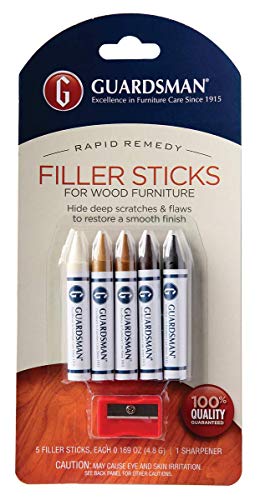
Keep your wood furniture looking new with our furniture repair kit, including 5 color blends of wood filler sticks and 1 sharpener for quick and easy repairs; touch up surface scratches or blemishes and fill in scuffs on your wooden furniture
Maintenance Considerations
Matte finishes on light floors hide the scratches and dents that come with kids and pets. The casual look fits an active household without demanding daily attention.
Dark floors do hide dark pet hair better than pale planks, which matters with a dark-haired dog.
Dust shows up fast on pale boards, and every scratch opens light against the grain, so the same finish that brightens a room also asks for a quicker sweep schedule. Higher gloss amplifies every mark.
Medium tones split the difference. They don’t expand space like light colors or add the drama of dark, but they forgive daily grit better than either extreme.

Crafted from high-quality hardwood, the Kingston European White Oak Engineered Hardwood Flooring guarantees unmatched durability and resilience

Bright and Natural Oak Finish: Featuring a clean, airy oak wood grain texture, this self-adhesive waterproof vinyl plank flooring brings a sense of spaciousness and Scandinavian-inspired warmth to any room. Perfect for modern, minimalist, Scandinavian, coastal, or farmhouse decor styles in your kitchen, bathroom, bedroom, or living room.

Crafted from high-quality hardwood, the EFUS European White Oak Engineered Hardwood Flooring guarantees unmatched durability and resilience
Balancing with Existing Decor
Warm floors sit naturally against earth tones in furniture and textiles. Cooler grays pair with metal, glass, and the cleaner lines that read as modern without trying.
The undertone matters more than the shade itself. A honey floor against cabinets with the same warm base feels intentional; the same floor against ash-toned trim fights itself.
Check your existing wood tones, fixed elements first, then paint, then what you can move.

Genuine French Oak Construction: Crafted from authentic French Oak, offering natural elegance and character.

𝐄𝐟𝐟𝐨𝐫𝐭𝐥𝐞𝐬𝐬 𝐃𝐈𝐘 𝐈𝐧𝐬𝐭𝐚𝐥𝐥𝐚𝐭𝐢𝐨𝐧:Achieve a seamless upgrade with our peel and stick floor tiles. No grout, glue, or special tools needed. Simply peel the self-adhesive backing and stick the vinyl flooring directly onto clean, smooth subfloors. Easily trimmed with scissors for a perfect fit around corners and edges. The flexible planks allow for custom splicing patterns, making it the ultimate renter-friendly and easy flooring to install solution for any DIY enthusiast

【Light Natural Oak Wood Grain & Thickened Material】 Our peel and stick floor tile features a light natural oak base with fine natural oak grain lines,ring-shaped patterns,subtle color transitions,making it a premium wood peel and stick floor tile choice.Composed of wear-resistant layer,high-definition wood grain print layer,thickened vinyl substrate layer,and strong self-adhesive backing – provides excellent stability and durability,ideal for long-lasting waterproof vinyl flooring applications.
Frequently Asked Questions
What is the most popular wood floor color?
Medium brown tones sit at the top, especially natural oak. The shade adapts to nearly any wall color and furniture style without demanding attention, and it hides the dust and scuffs that lighter or darker floors announce immediately.
Gray and greige run close behind for modern homes, while white, black, or burnt orange stay rarer choices for specific aesthetics.
What are the trendy hardwood floor colors for 2026?
Warm honey and caramel tones are moving up, alongside light natural oak that reads close to raw wood. The shift runs away from cool gray and high-gloss finishes; wider, longer boards carry the same warmer direction.
White oak still dominates what flooring suppliers stock, with the National Wood Flooring Association putting it at 63% of member businesses last survey.
What color floors never go out of style?
Medium brown and natural oak stay timeless because they bridge traditional and contemporary without forcing a single direction. Honey and warm amber tones adapt as furniture and wall colors shift around them.
Matte and satin finishes help too, since high gloss dates itself faster than the color underneath.