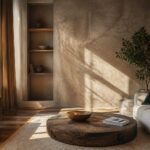
Wood floor textures run from factory-cut end grain blocks to sun-bleached wide planks with visible gaps, and the deciding factor is how much attention the floor itself should draw.
A hero shot with dramatic reflection demands dark polished planks; background flooring that needs to disappear calls for straight oak grain that stays polite under furniture.
The 267 PBR-ready options in Poliigon’s herringbone subset alone show how much range sits inside this single material choice.
1. Oak Wood Floor Texture
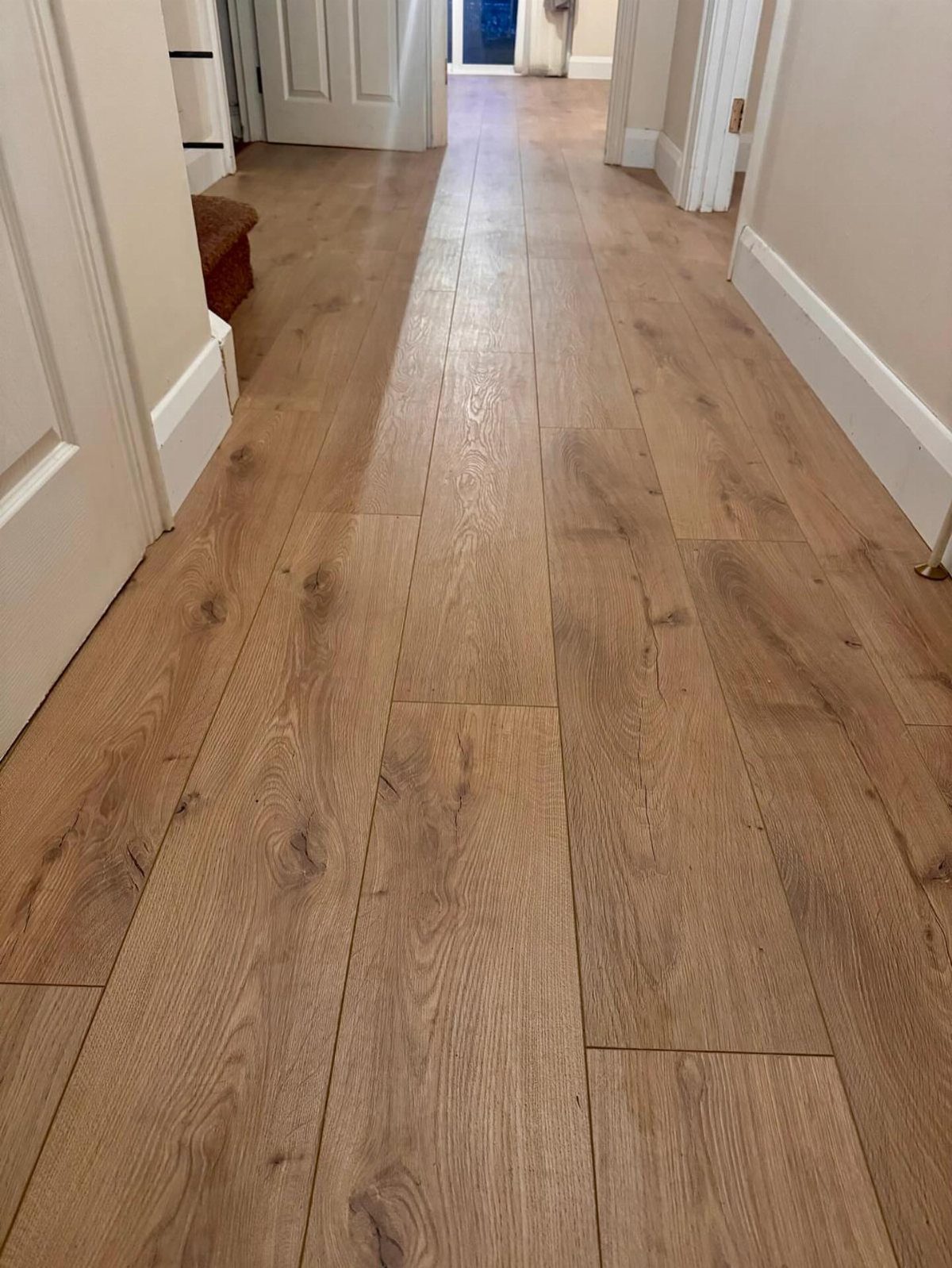
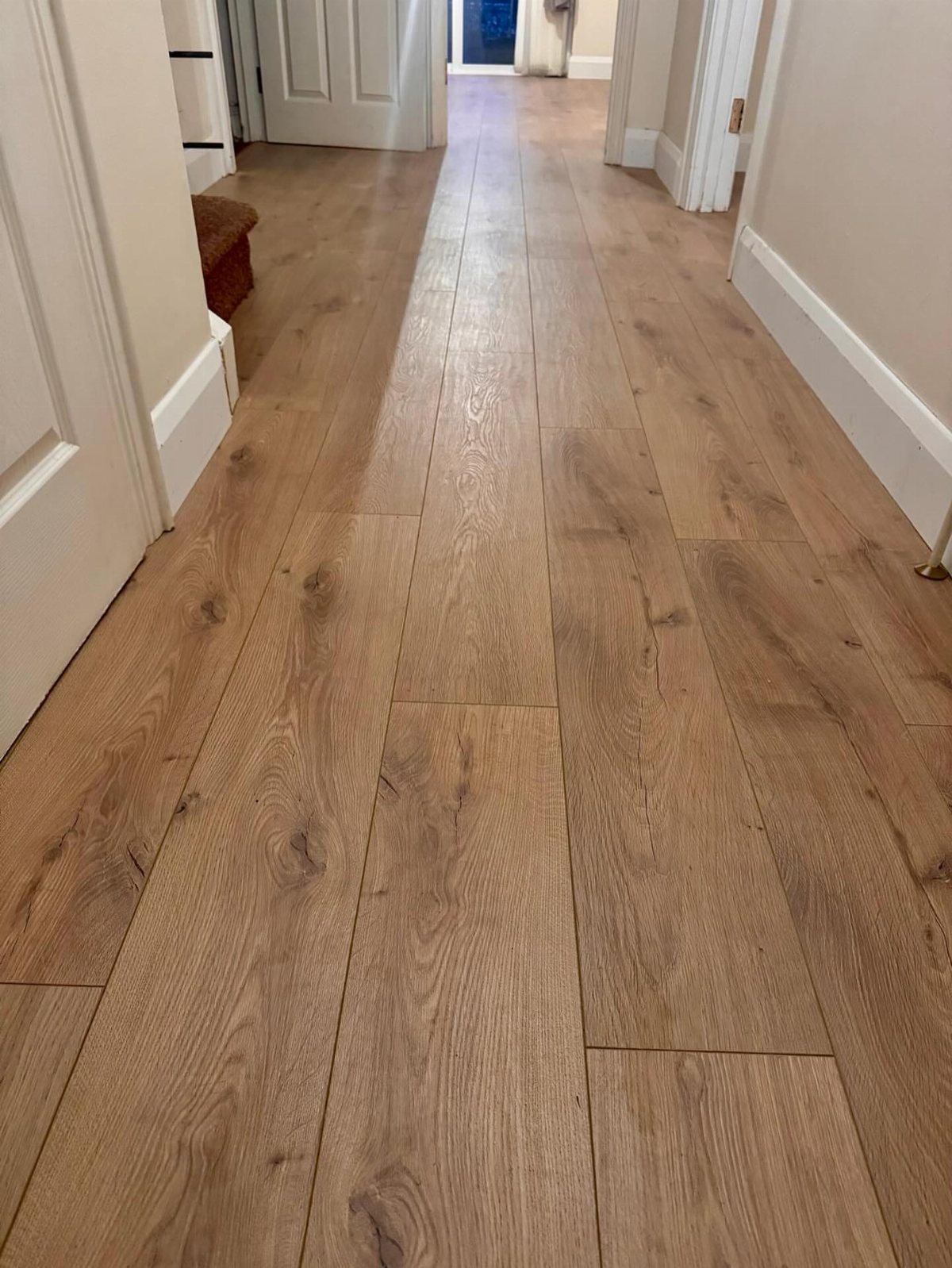
Oak grain runs straight enough to tile cleanly but keeps enough character that a rendered floor reads as real wood, not plastic.
For designers working in 3D, the six-floor bundle from Oak Wood Floors Texture gives species options beyond just oak: walnut for warmth, ash for cooler modern spaces, each with grain density that photographs differently under render lights.
Pick by what your scene already contains. Heavy grain competes with busy upholstery; fine grain disappears under warm tints.
Knots add age; clear boards read new construction. Test at your intended scale, a floor texture stretched wrong looks painted, not plank.
Best for: projects where the floor needs to recede politely, not announce itself.

Gap-Lines Disappear Fast: Fill floor gaps, dark seams, narrow joints, and exposed edges on wood floors. Fill, smooth, and turn unsightly floor lines into a seamless finish for homeowners, renters, and DIY floor touch-ups.

【Suitable Size】:Peel and stick floor tiles each pack measures 36"×6" (1.5sq. ft.) to ensure adequate coverage,with its affordable price and high quality experience, this wood pinstripe floor tiles will be a good choice for your room decoration

Safe, non-flammable water-based formula
2. Parquet Floor Textures
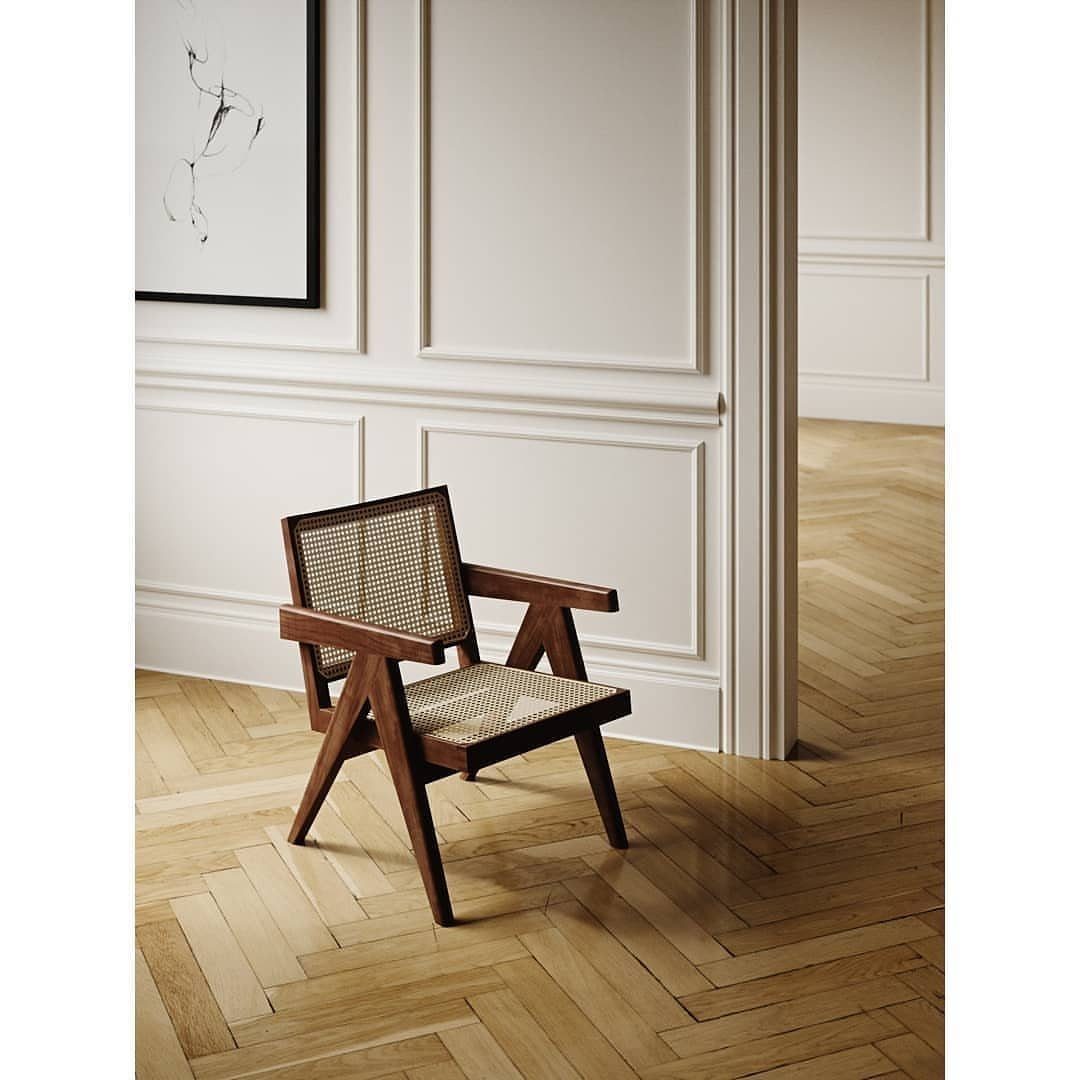
Parquet rewards the extra geometry work. Chevron points the eye down a room’s length; herringbone moves light in a quieter ripple that works well in smaller spaces.
Gloss finishes bounce render light dramatically, matte stays readable in darker corners.
The pattern size matters more than most expect. Small blocks feel vintage European, large ones go contemporary.
A glossy herringbone in a narrow hallway, like the visible setup, needs careful UV mapping; the angle change at every joint shows seams instantly.
Budget check: parquet textures often cost more per square foot equivalent because each block needs unique variation. For a single hero shot, worth it.
For background flooring, consider whether standard planks read fine at final resolution.

Chic Design & Wood Texture - Classic herringbone pattern with realistic wood grain texture, combining classic charm with the rustic beauty of natural wood, add a touch of earthy warmth to your interiors.

Timeless Elegance: Parquet flooring adds a touch of sophistication and warmth to any room with its intricate patterns and rich wood tones.

3. Old Wood Textures
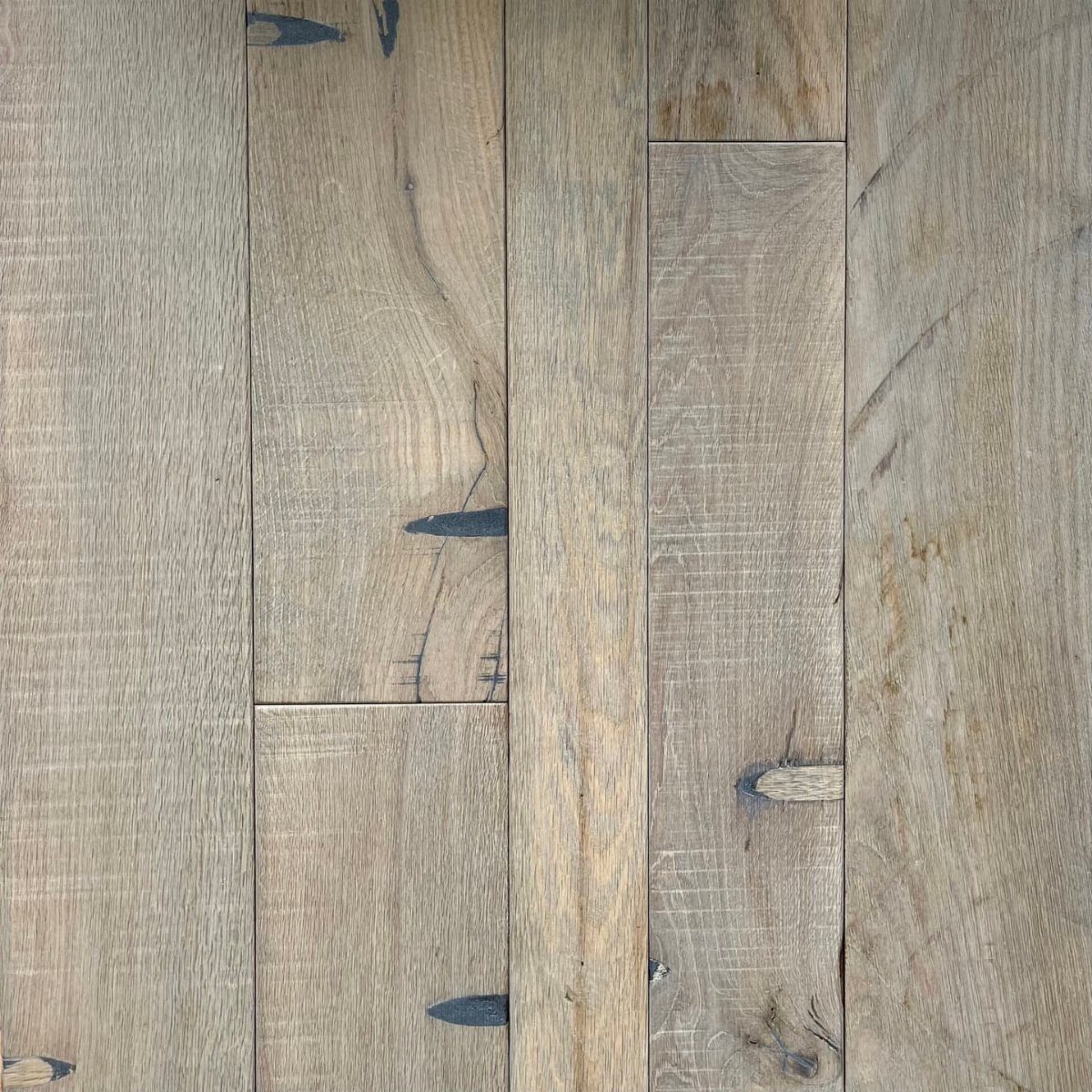
Weathered wood saves a render from too-new perfection. Saw marks, patch repairs, and cracks that collect shadow do the aging work so the rest of the scene can stay clean.
For designers: moss and heavy rot are available variations, but use them sparingly. A little wear reads lived-in; too much reads neglected.
Knots and grain variation matter more than color for selling realism; greyed tones shift with lighting, dense grain structure holds.
Check your reference photos against the texture at final scale. What reads as subtle grain in a 4K preview turns to noise on a small screen.
4. End Grain Block Flooring Texture
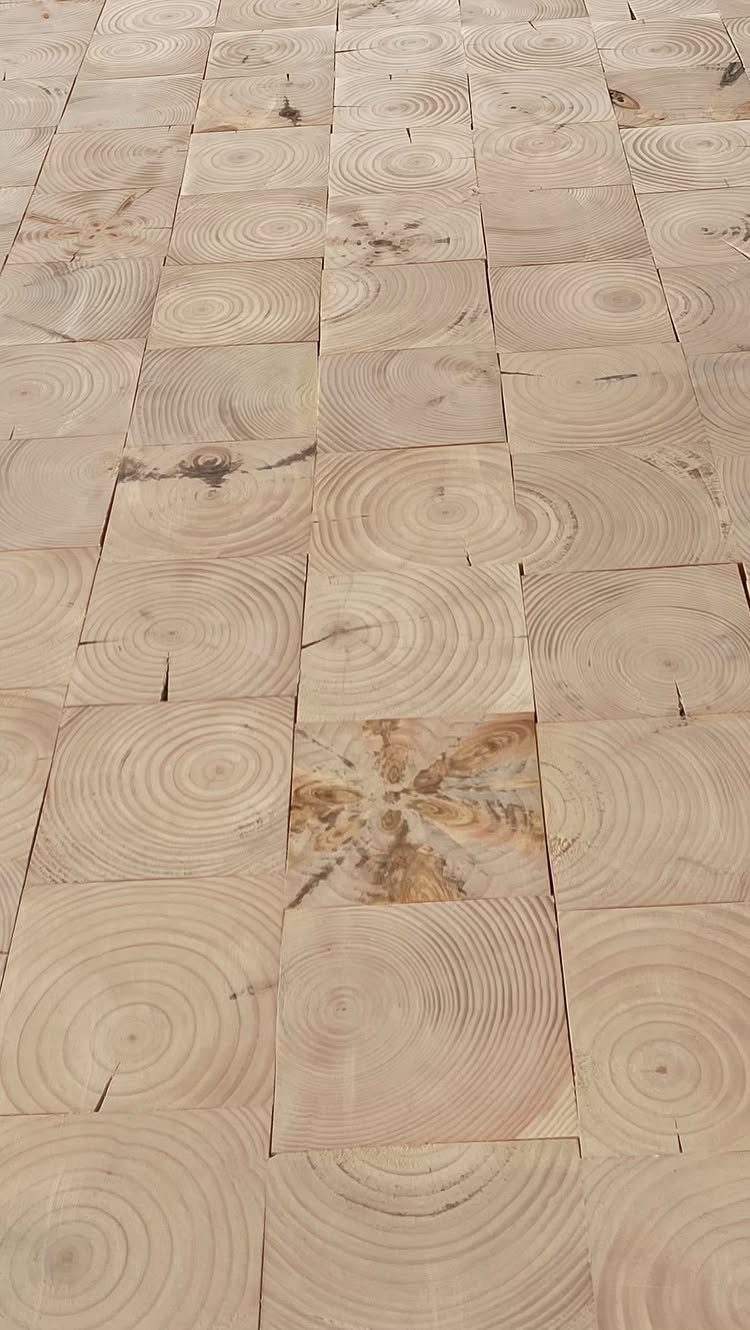
End grain blocks show tree rings face-up, a factory floor tradition that reads industrial without trying hard. The circular patterns catch light differently than long grain; each block becomes a small highlight pool.
Setup takes patience. Blocks need consistent spacing, and the ring orientation randomizes naturally or looks mechanical fast.
Light end grain keeps spaces feeling larger than dark end grain manages in tight rooms.
Render note: concentric rings need enough resolution per block or they blur to mush. For close-ups, bump maps matter more here than on long plank textures.
Budget extra memory; the unique surface per block adds up.

🪵 Authentic Reclaimed Barnwood: Made in the USA from 100% genuine, naturally weathered barn wood salvaged from American farms and homesteads.

🪵 Authentic Reclaimed Barnwood: Made in the USA from 100% genuine, naturally weathered barn wood salvaged from American farms and homesteads.

HIGH-QUALITY UPGRADE TO OUR SBC Wood Grain / Exqusite Barnwood Roller Set! This Weathered Pine & Old Common Wood Plank Set are much Larger Rollers, Made with the strongest polyurethane in the industry by a lot! SUPERIOR Durability and Unmatched Quality.
5. Dark Polished Plank Texture
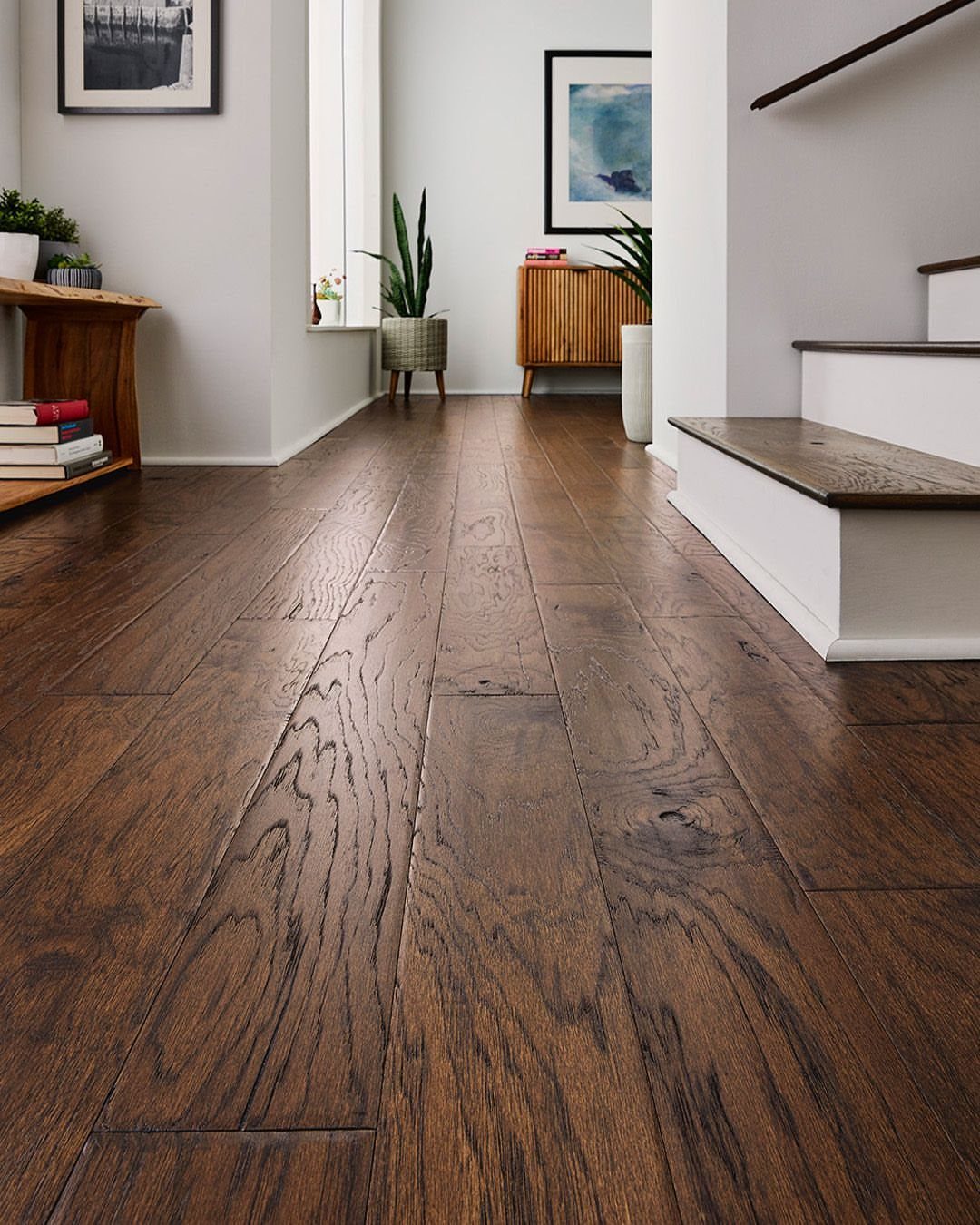
Dark polished planks absorb light and throw back reflection; windows and white walls double in the floor surface and stretch a narrow hallway. That reflection does as much work as the grain for selling the material.
For renders: dark wood needs something to reflect or it dies flat. A hero object on a polished floor gets automatic grounding from the bounce.
Without planned lighting, though, the same floor turns featureless black.
Maintenance reality, if translating to real materials: every scratch shows. In a render, that is controllable; in life, it is weekly buffing.
Clean grain direction helps, since wild grain would fight the polish line and read as messy.

1.Background Materials:Upgraded Polyester Fabric Tapestry is Lightweight,Soft and Fade-resistant.Durable and Reusable Material with Good Wrinkle Resistance,Easy to Clean and Maintain for Long Term Use.
1.Background Materials:Upgraded Polyester Fabric Tapestry is Lightweight,Soft and Fade-resistant.Durable and Reusable Material with Good Wrinkle Resistance,Easy to Clean and Maintain for Long Term Use.
1.Background Materials:Upgraded Polyester Fabric Tapestry is Lightweight,Soft and Fade-resistant.Durable and Reusable Material with Good Wrinkle Resistance,Easy to Clean and Maintain for Long Term Use.
6. Light Wood Herringbone Flooring
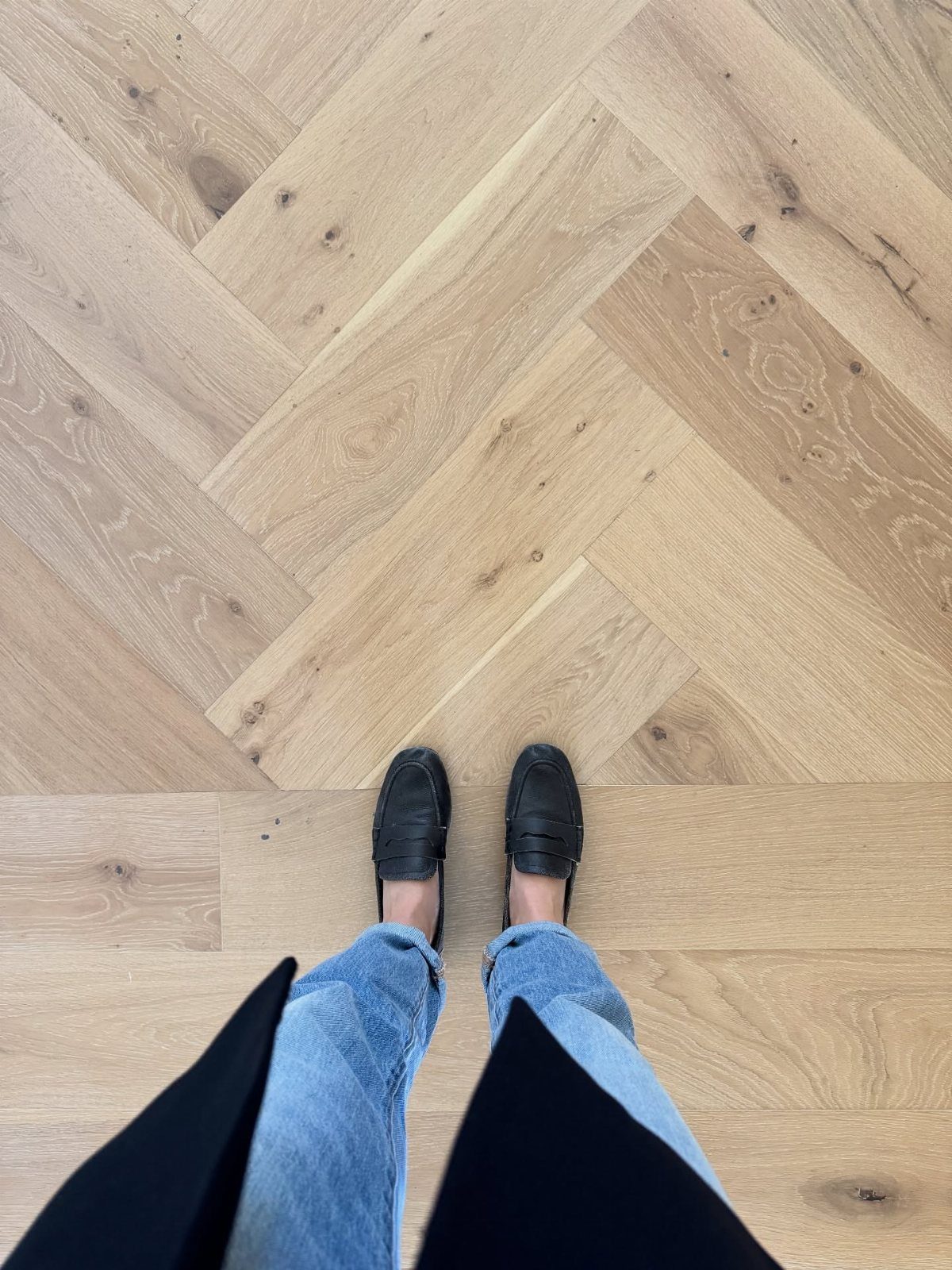
Herringbone at this scale, with boards this light, reads Scandinavian or downtown loft depending on what sits on it. The photo’s casual stance, jeans and loafers, gives scale without trying: a person grounds the pattern size instantly.
For 3D work: herringbone needs precise geometry or it looks broken. The zig draws the eye to every misalignment.
Light tones forgive less than dark; shadows between boards read as dirt, not depth.
Poliigon’s 267 wood flooring textures include species that cover this range; the herringbone subset tends toward oak and ash in their lighter grades. PBR-ready matters here, the angle changes need accurate roughness response or the pattern flattens.
Best for: spaces where the floor is the quiet architecture, not the statement piece.

Easy preparation

Waterproof & Easy to Clean — Waterproof surface resists spills and humidity; simply wipe with a damp cloth. Ideal for kitchens, bathrooms, laundry rooms, pet areas, offices and more

One 9" Sample Piece of Hurst Hardwoods European French Oak Unfinished Engineered Hardwood Flooring
7. Light Natural Wood Planks
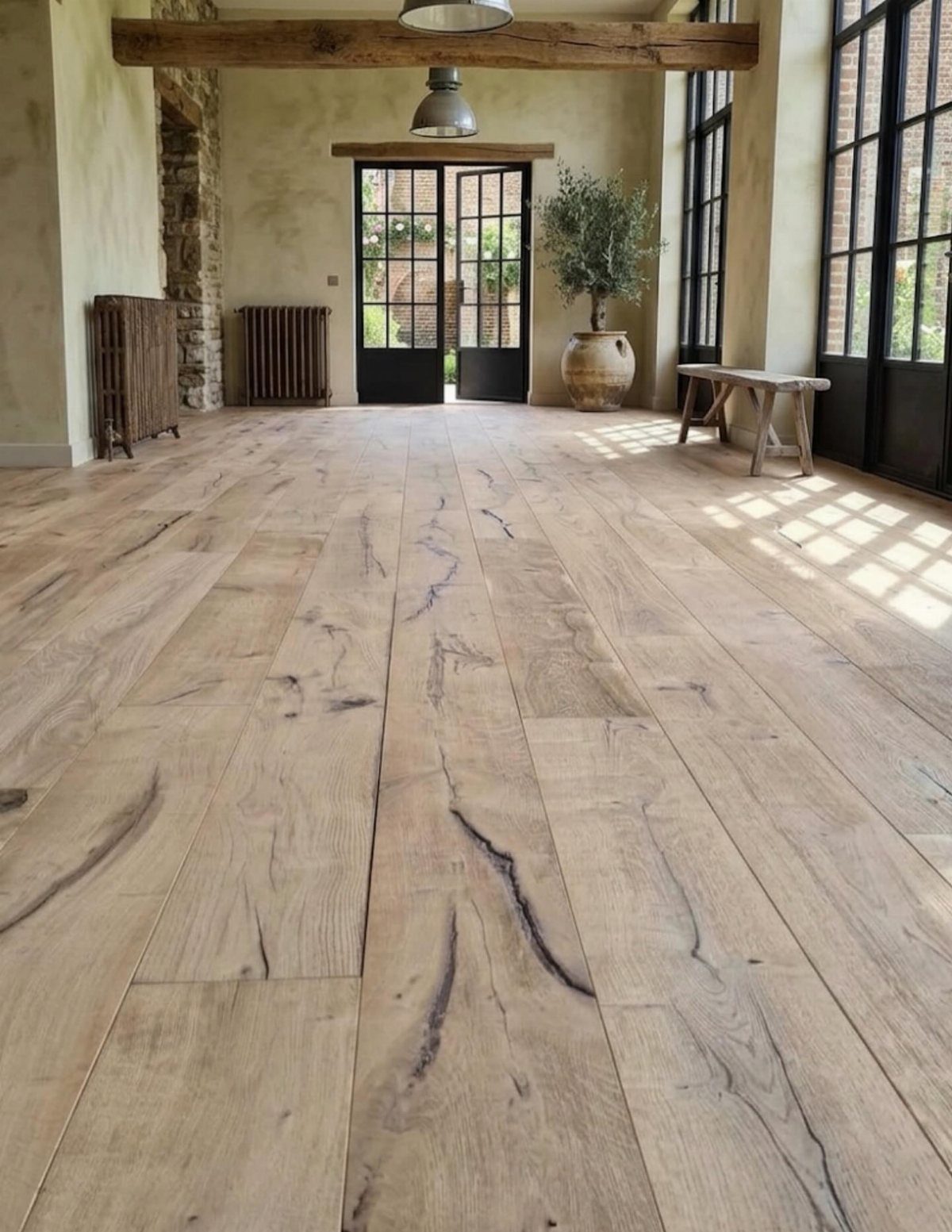
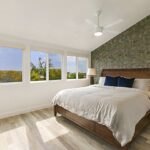
Wide planks with the grain left visible give a room the sense of having been built from what was already growing nearby.
The gaps between boards darken slightly with age, which is part of the look rather than a flaw to fix.
This suits render work or physical installs where the floor needs to read as lived-in and unfussy. The knots and cracks are features; sanding them away defeats the purpose.
For digital work, photograph your own boards at a raking angle to catch the surface irregularity, or source scans that include the slight height variation where planks meet.
White oak takes stain toward ash if a project needs to stay lighter than pine tones, and the grain definition still comes through.
Pine itself dents easily, which is accurate to the style but worth knowing before you spec it for a high-traffic scene.
A practical note: the wider the plank, the more important the expansion gap at edges.

High-density premium fabric: Crafted from polyester fabric fiber, this photography backdrop is soft, non-reflective, durable, ironable, lightweight, and portable. All edges feature secure seam-locking for tear resistance.

Texture & Durability: Want to refresh your space fast but tired of peel and stick floor tiles that look fake or peel up after days? This one delivers realistic texture and stays put. With upgraded matte craftsmanship, the vinyl flooring replicates authentic wood grain to fit any home decor. and its high-quality multi-layer reinforced PVC makes it 100% waterproof, flame-retardant, scratch and abrasion resistant

Compatibility Across Platforms
Textures that list Blender, 3ds Max, Unity, Unreal Engine, SketchUp, and Cinema 4D in their specs save a step when a project moves between programs.
A floor texture built for one renderer’s PBR setup often needs remapping for another; ones that ship with multiple format options skip that rework entirely.
Check whether the download includes both standard and UDIM layouts if your scene uses either. Switching mid-project because the texture only came in one layout costs more time than the download saved.
Quality Assurance
A wood texture only tiles cleanly when the edges line up pixel for pixel. A 4K preview can hide a half-pixel offset that turns into a visible seam when tiled across a large floor.
Test at the scale you intend to render, not at thumbnail size.
A diffuse-only wood texture flattens under studio lighting; the same scene with proper roughness and normal response reads as actual finished lumber.

100% Genuine Reclaimed Wood – No faux finishes or manufactured distressing. These planks are naturally aged for a truly rustic, farmhouse look.

🪵 Authentic Reclaimed Barnwood: Made in the USA from 100% genuine, naturally weathered barn wood salvaged from American farms and homesteads.
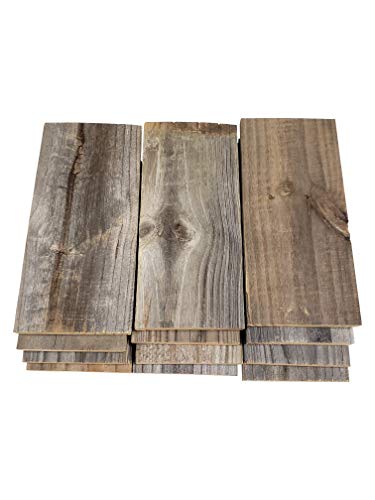
Wider planks - This is a 12 pack and these measure approximately 5.5"x12"x0.5"
User-Friendly Access
Browse collections by finish and species rather than scrolling thumbnails. Grey oak reads completely different from natural, oiled, or white oak, so filtering by finish first keeps you from scrolling through pages of wrong tones.
Beech, teak, birch, plywood, and spruce each have their own typical use; knowing which you need before opening previews keeps the selection focused.
Instant download matters when you’re mid-render and the current floor isn’t working. Bookmark the exact species and finish that matched your last project; wood tones repeat across jobs more often than you’d expect.
1.Background Materials:Upgraded Polyester Fabric Tapestry is Lightweight,Soft and Fade-resistant.Durable and Reusable Material with Good Wrinkle Resistance,Easy to Clean and Maintain for Long Term Use.
1.Background Materials:Upgraded Polyester Fabric Tapestry is Lightweight,Soft and Fade-resistant.Durable and Reusable Material with Good Wrinkle Resistance,Easy to Clean and Maintain for Long Term Use.
1.Background Materials:Upgraded Polyester Fabric Tapestry is Lightweight,Soft and Fade-resistant.Durable and Reusable Material with Good Wrinkle Resistance,Easy to Clean and Maintain for Long Term Use.
Variety of Finishes
Oiled finishes read warmer and softer under render light, with slight variation where the oil sat heavier in the grain. Lacquered surfaces give harder reflection, more mirror, less depth.
Natural unfinished wood shifts with every light change in a scene, which is accurate to real bare boards but harder to control.
For a floor that needs to read as recently installed, lacquered oak in a light grade carries that signal. For age without damage, oiled finishes darken at edges and seams first, which is how actual wear develops.
Frequently Asked Questions
Where can I find free wood floor textures?
Materials of the World and similar sites offer free downloadable wood textures, including flooring, planks, and end grain options. Poliigon carries paid PBR-ready wood flooring textures, with 267 options covering oak, walnut, ash, and other species.
Free textures get the job done for a rough mock-up, but the paid ones earn their keep when you’re lighting a scene close and need every plank edge to stay sharp.
What type of wood flooring is popular now?
Oak stays the default for its balance of character and flexibility, with walnut trending for warmth and ash for cooler modern spaces.
Herringbone and chevron parquet patterns have moved from European traditional to contemporary standard, especially in lighter tones that read Scandinavian or loft-style.
Wide planks with visible grain and gaps that show age are also holding steady for anyone after a lived-in look.
What are the types of wood textures?
For render work, you’ll find seamless and non-seamless options, plus PBR-ready files that include roughness and bump maps for accurate light response.
Oak comes in grey, natural, oiled, or white, and the lighter woods like beech, birch, and pine each read differently under room light.
High-resolution textures matter most for close-ups where grain structure needs to stay readable; lower-res files blur to noise at small scales or tight shots.
What are the different types of wood-style flooring?
Straight plank flooring, including oak and dark polished styles, covers most applications and tiles cleanly. Old or weathered wood adds saw marks, cracks, and patch repairs that age a scene without making it look neglected.