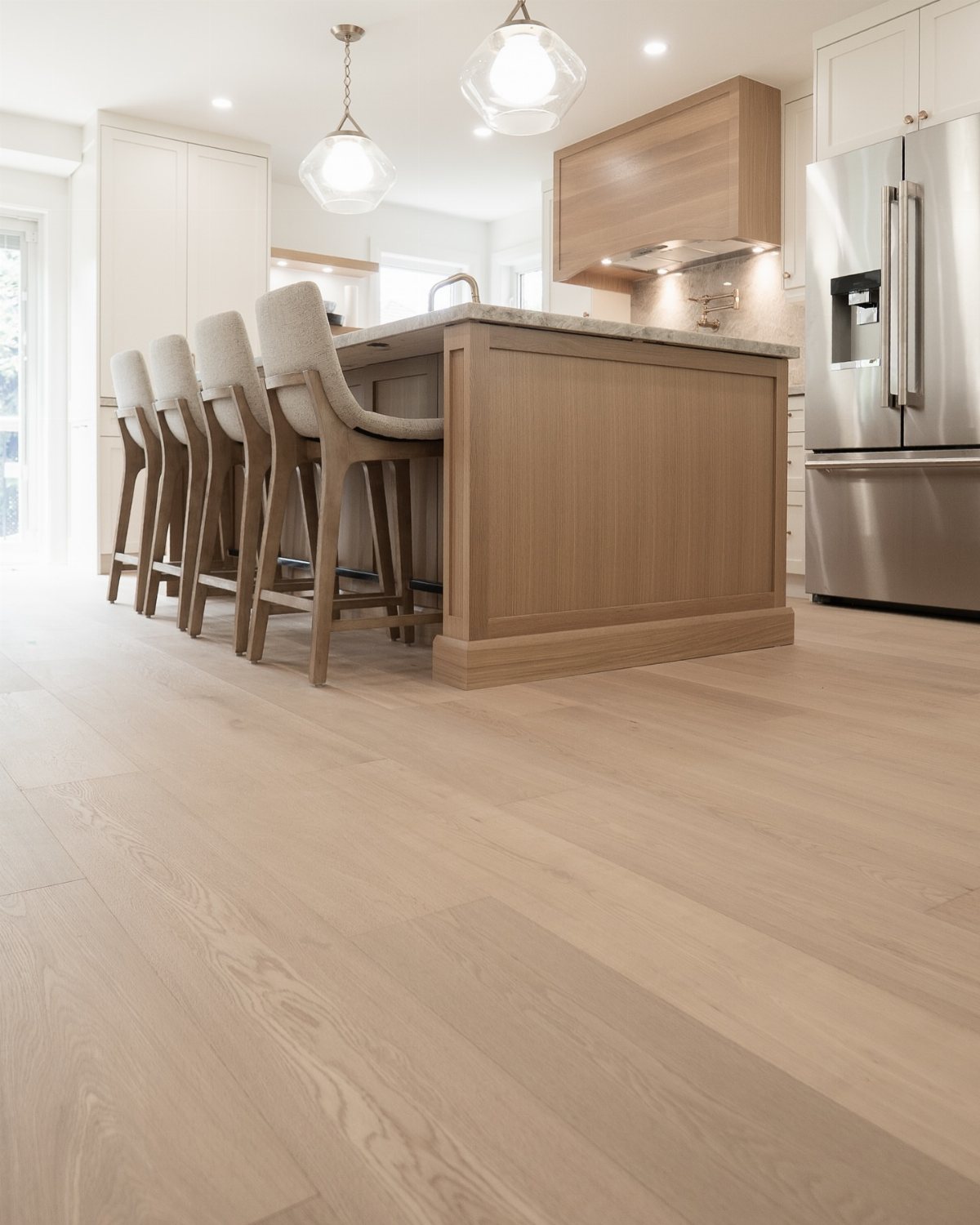
Light oak floors run from quiet wide planks that fade into the background to herringbone that does the work of a rug, and the deciding factor is how much attention you want the floor itself to demand.
Glossy finishes reflect daylight aggressively but punish every footprint, while matte surfaces hide the scuffs of daily traffic with twice-weekly sweeping.
The 15% extra material herringbone requires for cuts is the kind of real cost that separates a weekend project from one that bleeds into the next.
1. Light Wood Floors
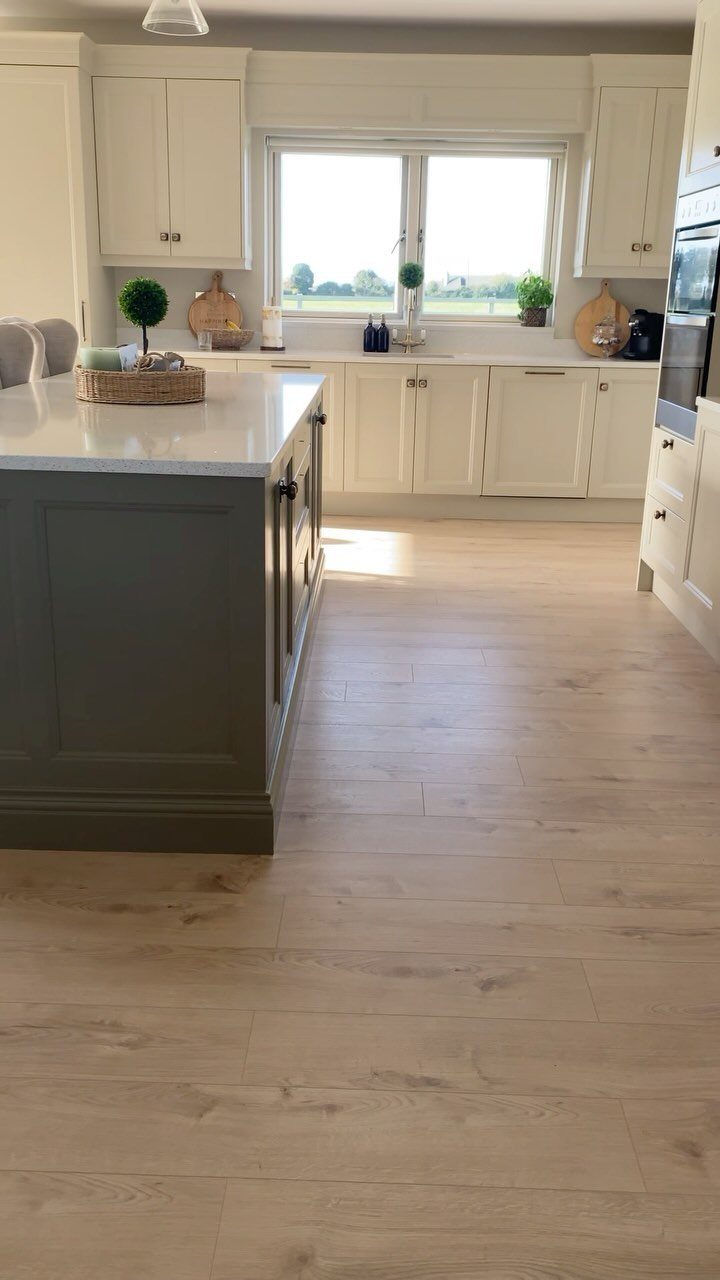
Light wood floors bounce daylight around a room better than anything darker, which is why I keep recommending them for small living rooms and galley kitchens where windows are the only source of light.
The paler tone hides dust and the scuffs that come with actual life; I sweep mine twice a week and it passes for clean. Furniture matching gets simpler too, since pale oak sits quiet behind almost any color.
Solid oak can be sanded and refinished when the wear finally shows, and engineered versions hold up fine for 20 to 30 years if the wear layer is thick enough.
Best for: renters who want their security deposit back, and first-home owners who need one floor choice to carry the whole house.

Use on wood, cork, tile, resilient, and other hard surface floor coverings.

Tips:Due to the different screen materials of different devices, the color of the product you see and the actual product may be inaccurate. Color appearance may vary due to screen calibration, lighting conditions. Please refer to the actual product

REALISTIC WOOD GRAIN: Vinyl plank flooring features a natural wood flooring look with clear grain texture, helping create a clean wood floor style for everyday home spaces
2. Light Oak Herringbone Flooring
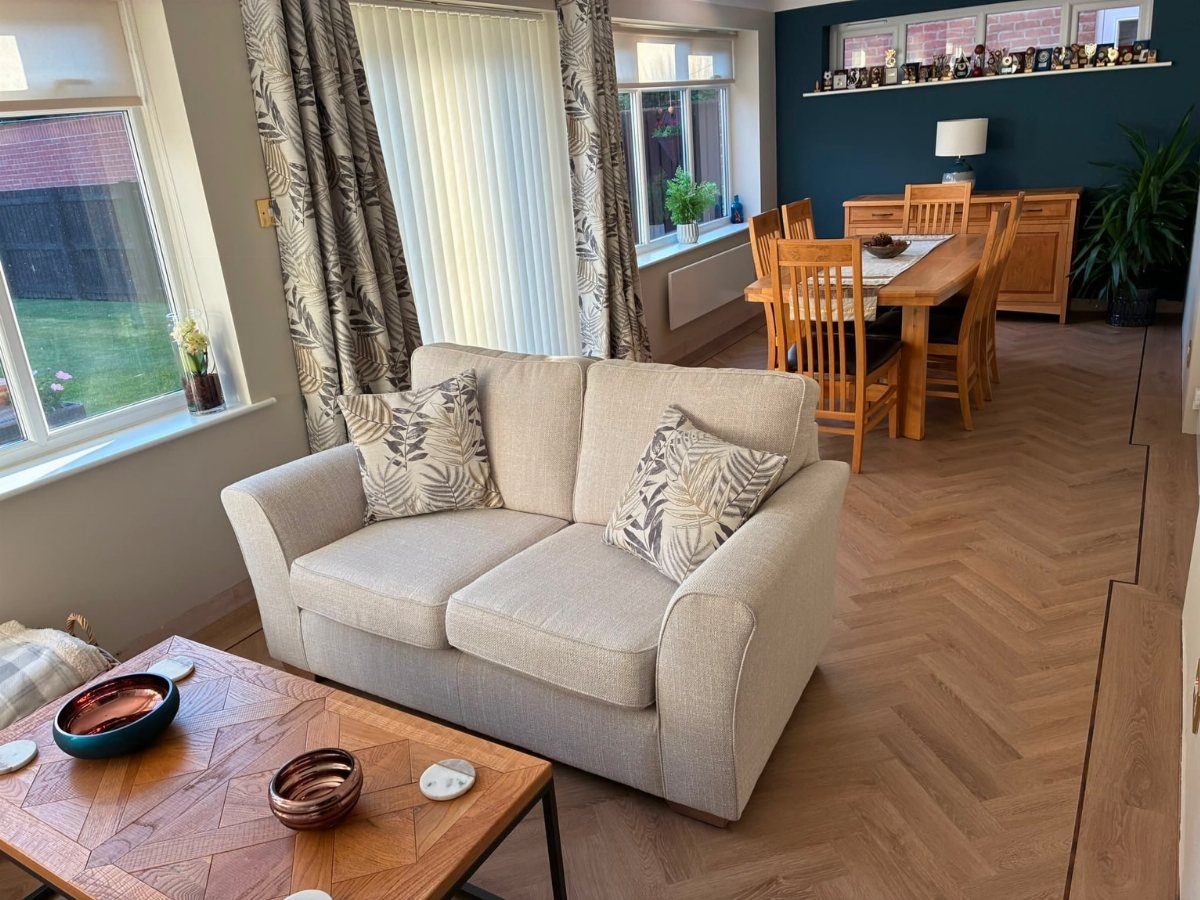
Herringbone reads as intentional in a way straight planks do not, and light oak keeps the pattern from feeling like a hotel lobby. The zig-zag layout eats more material than standard installation, so order roughly 15% extra for cuts and borders.
Engineered herringbone handles the angle stress better than solid wood, and a 15mm thickness with 120mm width is common for residential jobs.
I have seen it run wall-to-wall in open plans where the living and dining areas share one floor, and the geometry does the work of a rug without the cleaning hassle.
Best for: someone who wants one statement piece that is still underfoot.
3. Glossy Light Oak Floors
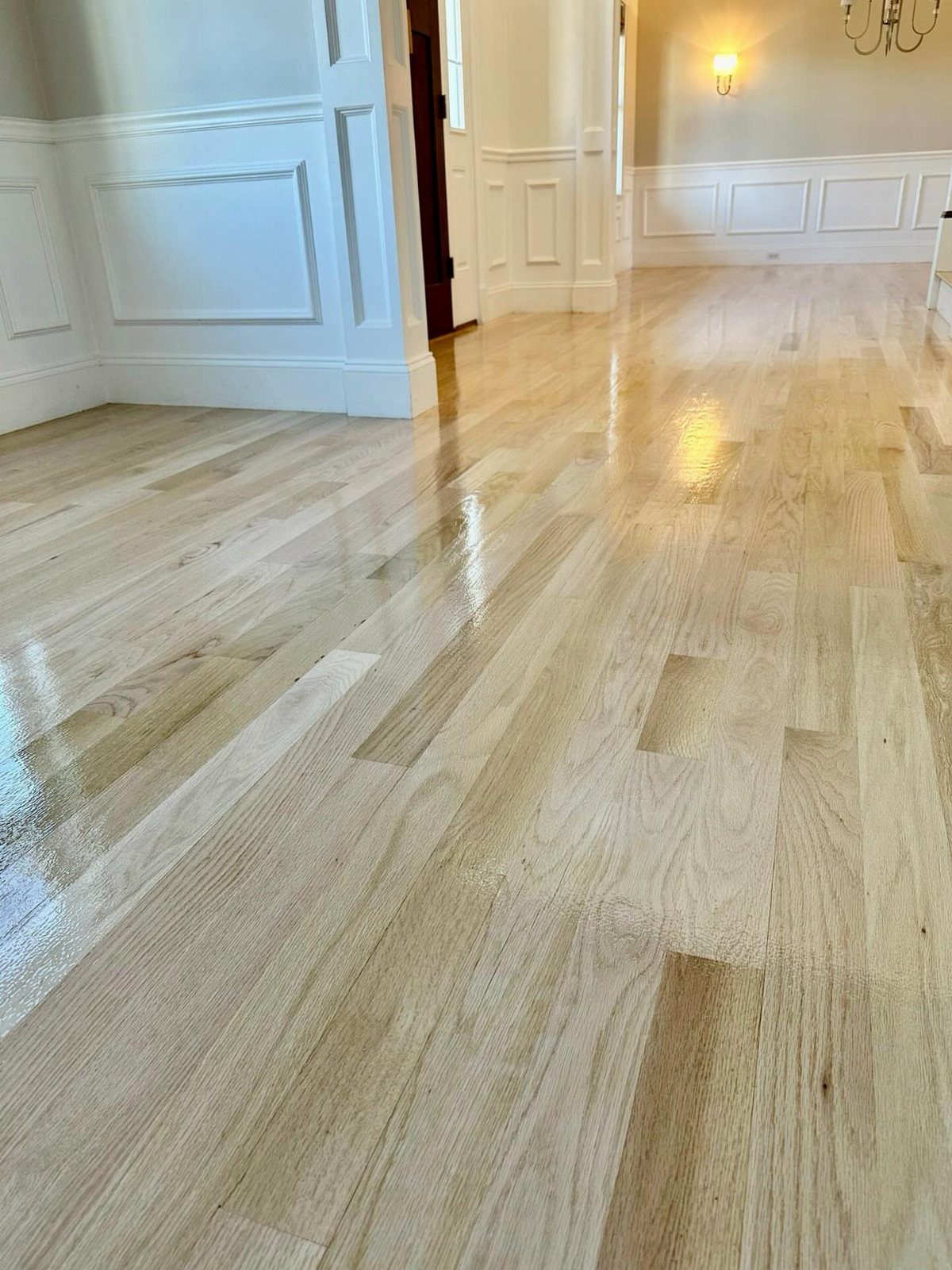
Glossy light oak reflects light like a mirror, which sounds good until you notice every footprint and the hair your dog sheds between breakfast and dinner.
The shine comes from the topcoat, not the wood itself, so a high-gloss polyurethane is the usual route, though some prefinished planks ship with it baked on.
I would not put this in a front hall or anywhere shoes hit wet; the glare and the maintenance both multiply with traffic.
In a low-use bedroom or a formal sitting room that sees wine more than muddy boots, the effect is genuinely bright.
Check the slip rating if you are considering it for a kitchen; glossy plus spills is a combination that has sent me reaching for the ice pack.

POLYSHADES WOOD STAIN – Minwax PolyShades is an oil-based wood stain and poly in one. It enhances wood grain by combining beautiful, rich color and long-lasting polyurethane protection in one easy step.

DURABLE CLEAR SATIN FINISH – Minwax Hardwood Floor Sealer works well for any hardwood floor and is ideal for light-colored woods & stains. It does not amber over time. The self-crosslinking technology provides a tough floor finish.

4. Wide Plank Light Oak Floors
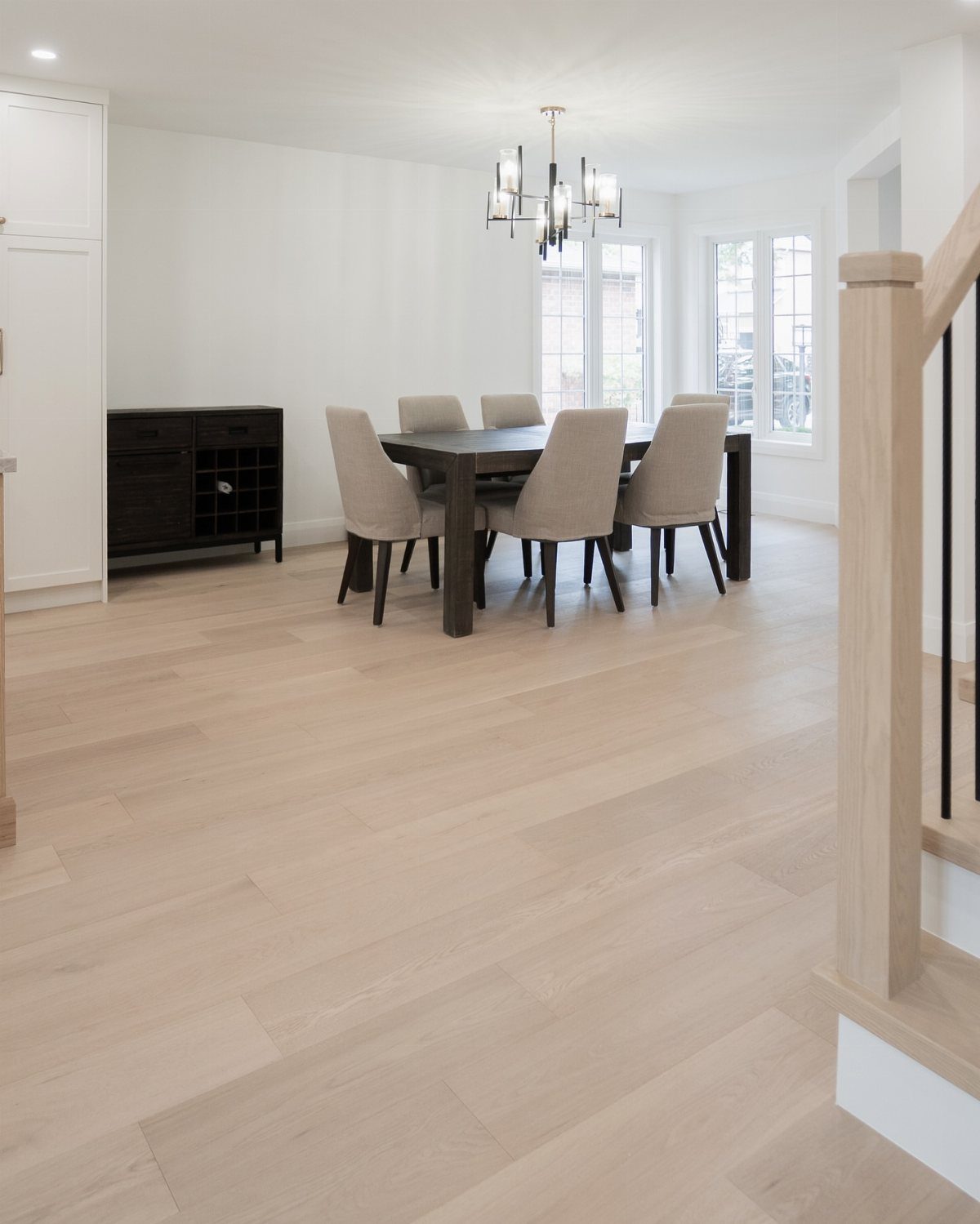
Wide planks, 240mm and up, make a room feel larger because there are fewer seams breaking the floor into stripes. Long boards mean fewer end joints and a calmer look across an open plan.
Light oak wide plank works with white walls and dark furniture both; the floor becomes the neutral ground that lets other pieces move in and out.
Engineered construction at 15mm handles the width without the cupping that solid wood risks across heating seasons.
Cost jumps with width since each board is more timber and fewer mills stock the size.
Order a sample and walk on it in socks before you commit; the scale changes how a room feels underfoot in a way photos cannot quite transfer.

𝐇𝐞𝐚𝐯𝐲-𝐃𝐮𝐭𝐲 𝐅𝐥𝐨𝐨𝐫𝐢𝐧𝐠 𝐑𝐨𝐥𝐥: Engineered with a premium 1mm thickness, this vinyl roll is significantly more substantial than standard decorative stickers. Weighing 3.0 lbs, its heavyweight construction ensures the material stays flat and provides a durable, professional-grade finish that easily withstands high-traffic area wear

【Fully Assembled Required】 Requires full assembly from basic parts, enjoy the hands on fun. Detailed installation instructions included for easy start.
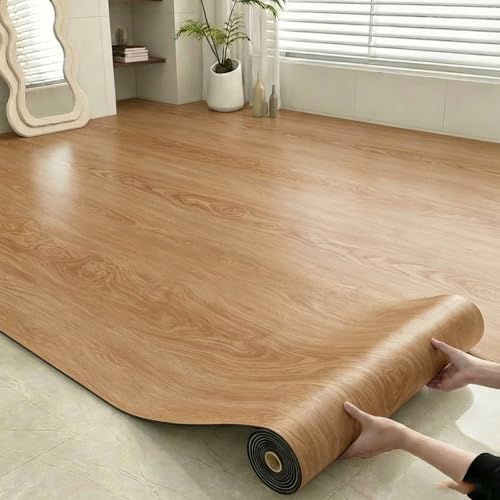
【Roll Convenience】:Floor tile planks Increase size and thickness, width 15.74 inches, length 78.7 inches, thickness 1.6mm, making it easier to cover floors. If there are cutting or pasting errors during use, an additional 3% -6% of the planned quantity can be prepared.(Before purchasing, please carefully check the product size and measure the required size before purchasing enough size)
5. Cleaning and Mopping Light Oak
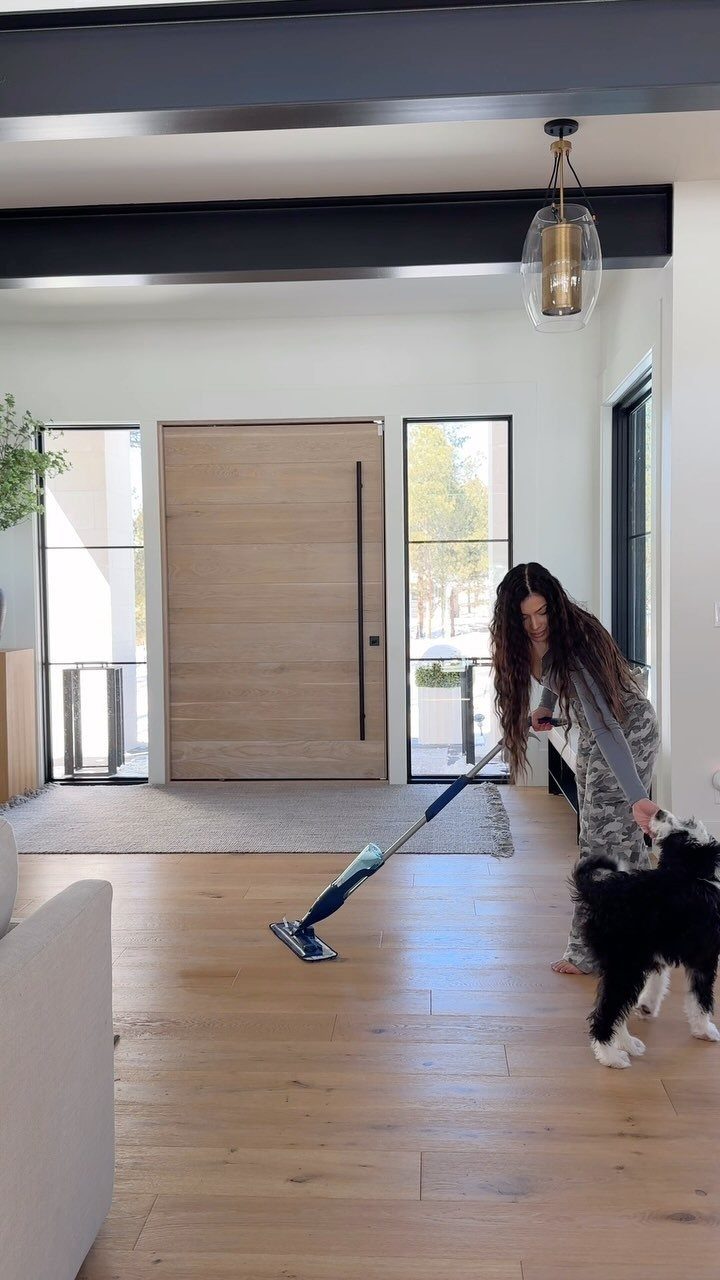
A spray mop with a dedicated wood cleaner is the tool I actually use, not the bucket and wringer my mother had.
Light oak shows water spots if you leave pools sitting, so the spray-and-wipe motion matters more than the product brand.
I go over high-traffic paths twice a week and hit the whole floor monthly, which keeps grime from grinding into the grain. Avoid anything that says "shine" or "polish" unless you want to build a waxy film that attracts dust.
If your dog tracks in mud or your entryway sees winter salt, keep a microfiber cloth by the door and hit the spots same-day.
The finish on engineered and solid oak both holds up longer when the mess does not sit.

Safe, non-flammable water-based formula

POLYSHADES WOOD STAIN – Minwax PolyShades is an oil-based wood stain and poly in one. It enhances wood grain by combining beautiful, rich color and long-lasting polyurethane protection in one easy step.

Oak Wood Repair Kit: Our wood furniture & floor repair kit includes 6 wood fillers, 1 wood putty, 1 wood polish wax, 2 brushes,1 sandpaper, 1 scraper, 1 sponge, 1 palette. A complete wood repair kit can help you repair all levels of damage to wood furniture by yourself easily.
Choosing the Right Wood Species
Oak grain runs from moderate to heavy, which helps hide the scuffs and scratches that pile up in hallways, kitchens, and anywhere people actually walk. The pattern gives a floor personality without fighting the rest of the room.
Ash runs softer and creamier than oak, with a quieter grain that reads as more contemporary. Beech sits between the two, offering subtle warmth without the pinkish cast that can turn dated.
For a classic Scandinavian feel, oak is the usual pick; for something that feels a little more cloud than timber, ash is the better direction.
Grain pattern matters as much as color when you are living with a floor for 20 years. Order samples of all three and lay them where the morning light hits, not just under the store fluorescents.
Surface Treatments
Ultra-matt lacquer keeps the sheen low so the floor stays quiet behind whatever furniture or paint you put with it. The surface looks almost untouched, which suits modern spaces where the floor is meant to recede.
Oil pulls more life out of the grain, and you can refresh patches yourself instead of sanding the whole room. When traffic paths start looking tired, another thin coat revives the surface without a full sand-and-refinish job.
That matters in a house where you plan to stay put.
The tradeoff is maintenance rhythm. Lacquer asks less of you day to day; oil asks less of you when the years have piled on.
I would pick oil for a home I own and lacquer for a rental I want to hand back in good shape.
Lifestyle Considerations
Children and pets change what a floor needs to survive. Claws click, toys drop, and grit gets tracked in at a volume a childless household rarely matches.
In that environment, oak’s harder grain pattern earns its keep, and a lacquered finish resists the moisture from spilled sippy cups better than oiled wood.
Allergy concerns point toward finishes that do not trap dust or off-gas heavily. Some light wood floors carry indoor climate labeling for this reason; the certification is worth checking if someone in the house reacts to new materials.
The wear layer thickness on engineered planks becomes more critical with dogs. A thin veneer might not survive one sanding, and heavy traffic from paws will eventually demand that option.
A thick wear layer matters more than a slightly prettier species if the house has kids and a dog.

Transparent stain finish

Transparent stain finish
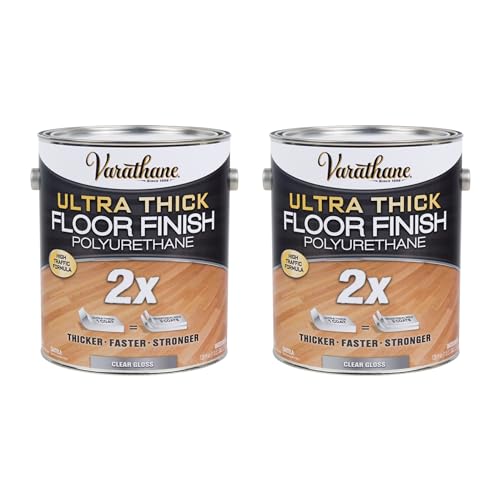
Self-leveling polyurethane for floors allows for 2 coats instead of traditional 3-4 coats
Sustainability of Wood Floors
Responsibly managed forests supply much of the light oak on the market now, with FSC or PEFC certification backing the claim.
The certification is not decoration; it tracks chain of custody from standing timber to finished plank, which matters if you are building sustainability into your project list.
Some mills now use every scrap, burning offcuts and sawdust for heat instead of sending them to landfill. That efficiency does not change how the floor looks underfoot, but it changes the math on replacement rate and forest pressure.
Indoor climate labeling is a separate certification worth watching for. It tests for emissions and air quality impact, which is relevant in a sealed modern home where the HVAC runs tight.
The floor is a large surface area; what it releases, you breathe.
I would check for both certifications before ordering, not after the pallets arrive.

【Click-Lock DIY Installation – Fast & Tool-Free】 Install your vinyl flooring in minutes with our precision-milled click-lock system—no glue, nails, or special tools needed. Ideal for DIY homeowners looking for easy flooring upgrades in any room including living rooms, bedrooms, and rentals.
【Roll Convenience】:Floor tile planks Increase size and thickness, width 15.74 inches, length 78.7 inches, thickness 1.6mm, making it easier to cover floors. If there are cutting or pasting errors during use, an additional 3% -6% of the planned quantity can be prepared.(Before purchasing, please carefully check the product size and measure the required size before purchasing enough size)

【Fully Assembled Required】 Requires full assembly from basic parts, enjoy the hands on fun. Detailed installation instructions included for easy start.
Frequently Asked Questions
What color is a light oak floor?
Light oak floors sit in the blonde-to-beige range, pale enough to bounce daylight around a room but still warm enough to show oak’s grain.
Natural stains keep the tone closer to raw wood, while some planks lean cooler with gray undertones.
Are light oak floors timeless?
Yes. Light wood floors have stayed current because they maximize daylight and adapt to almost any furniture color or wall paint.
The pattern matters too; herringbone light oak reads as intentional without feeling like a trend, and straight planks stay quiet enough to outlast changing styles.
Is light oak the same as natural oak?
Not exactly. Natural oak usually means the wood is finished without stain, so the color depends on the species; white oak runs cooler and paler, red oak carries warm, pinkish undertones.
Light oak is a deliberate pale tone, sometimes achieved with a light stain or bleach, and it can be applied to either species to push the color brighter than raw wood alone.
Are light wood floors still in style?
Yes. They keep showing up in new builds and renovations because they make small rooms feel larger and match easily with both white walls and dark furniture.
Will light wood floors show dirt or scratches more easily?
Lighter tones actually hide dust and scuffs better than dark floors, which is why I sweep mine twice a week and it passes for clean. The paler color camouflages the marks that come with actual life.
How do light wood floors compare to laminate or carpet?
Real wood gives you a floor you can sand down and refinish once the surface starts looking tired, something laminate and carpet won’t let you do.
A quality engineered board with a thick wear layer will take you through two or three decades of normal use.
The grain in real oak breaks up dust and dirt in a way printed laminate patterns don’t, and you are not living on top of a synthetic layer.