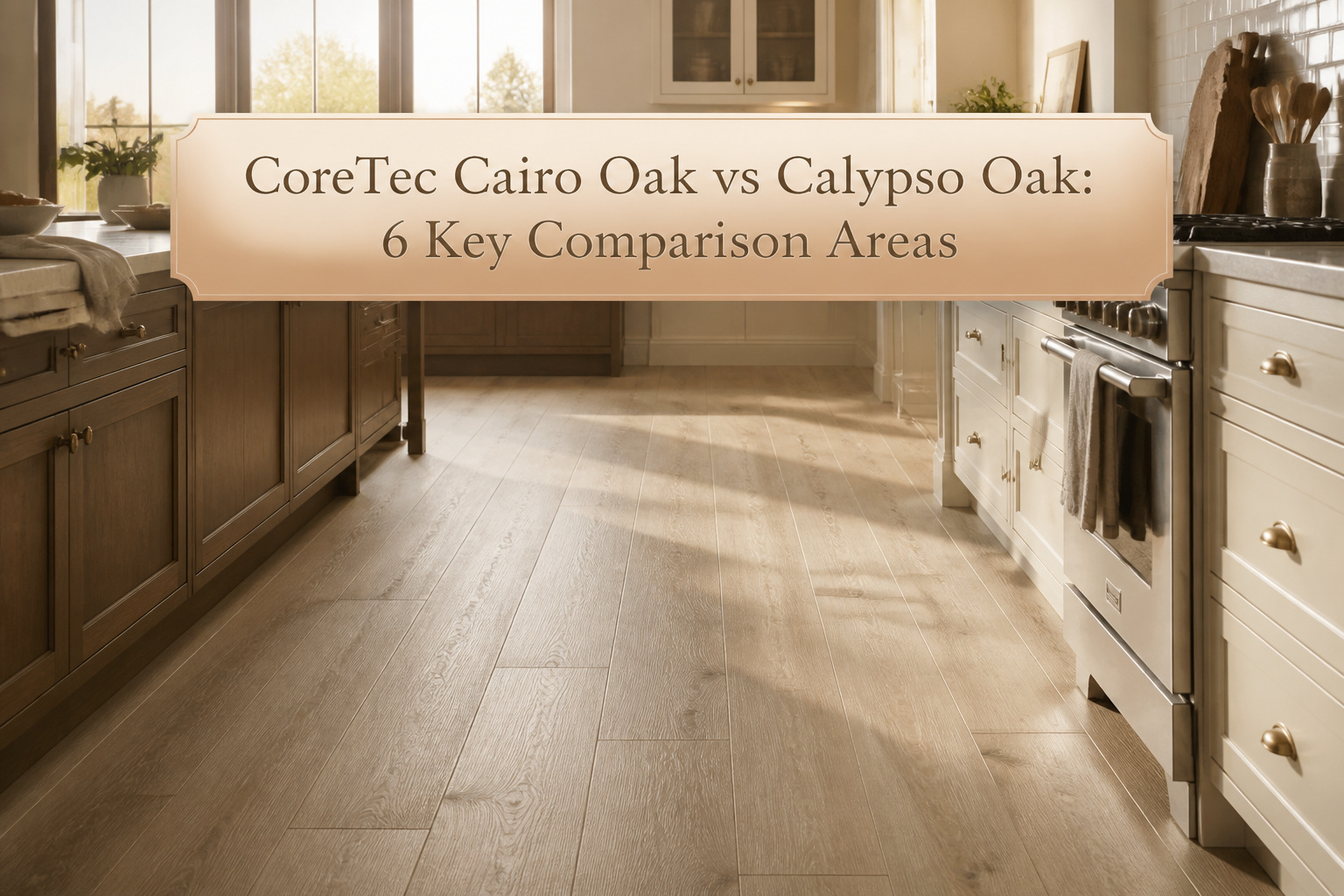
Cairo Oak wins for heavy traffic and open floors, but only if you can live with a firmer step underfoot. Its 9" × 73" planks and rigid SPC core shrug off impacts that would dent softer floors.
Calypso Oak flips the choice for anyone who stands long hours in kitchens or walks barefoot at home, trading that toughness for a warmer, quieter 8 mm WPC cushion.
Collection and Core Type
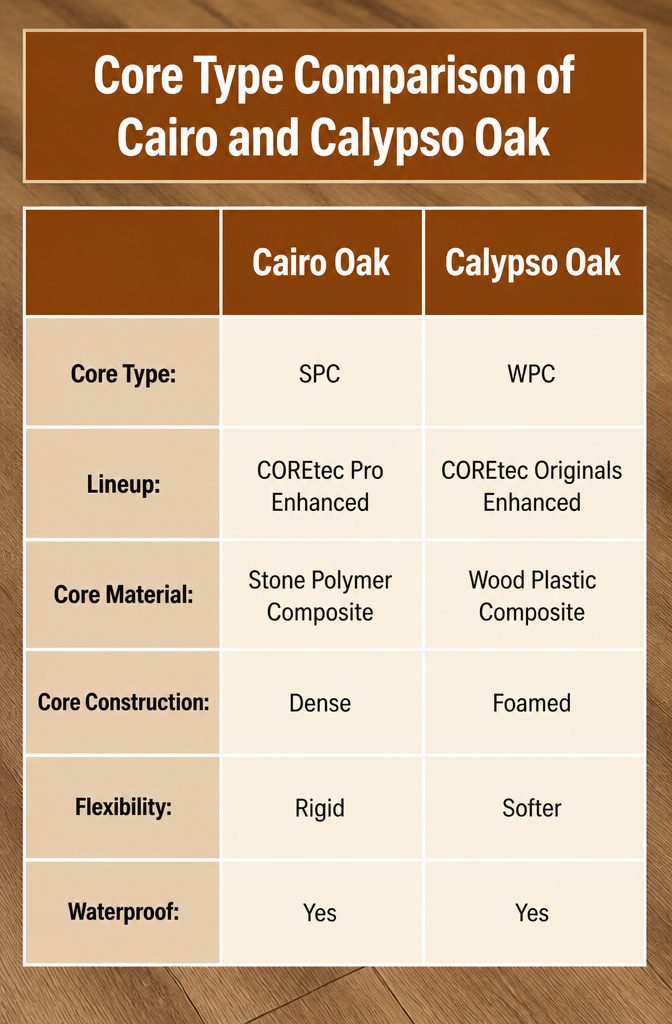
Cairo Oak sits in the COREtec Pro Enhanced lineup with an SPC (Stone Polymer Composite) core; Calypso Oak lives in COREtec Originals Enhanced and runs on WPC (Wood Plastic Composite).
That line between Pro and Originals is the split you actually shop.
SPC packs limestone heavy into its mix. The result is a stiff, dense plank that refuses to flex under impact or temperature swings.
WPC pulls wood pulp into a foamed core, giving Calypso Oak a softer, warmer step and less clatter underfoot. Both carry the same waterproof guarantee, so kitchens, bathrooms, and basement installs are fair game for either.
If you are choosing between them, you are really choosing what matters more in daily use: the dent resistance of a stone-heavy rigid core, or the cushioned give of a wood-based one.
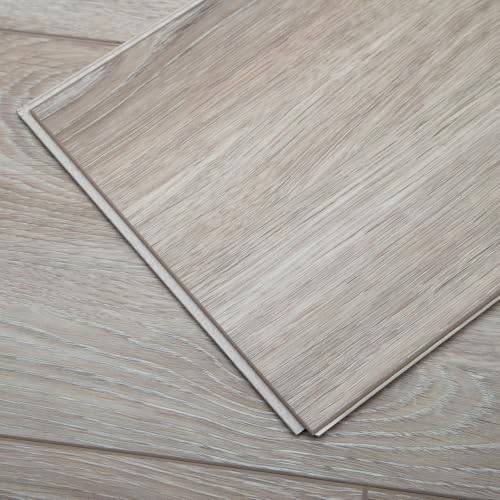
【SPC Material】Rigid stone-plastic composite core; 100% Waterproof, resists dents and impacts; Won't expand or contract with temperature changes.
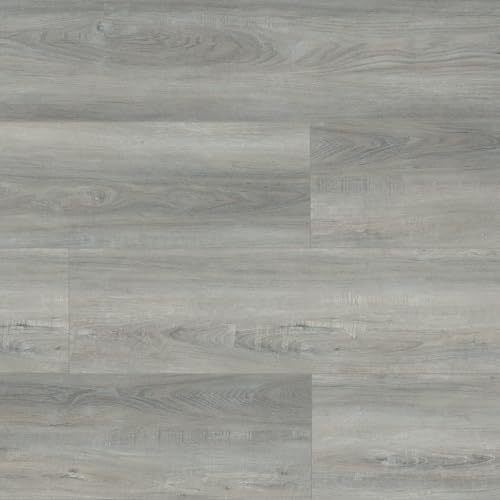
【Designer Styles】:The 3D printing embossing technology of dotfloor flooring captures the true texture of natural materials with 99% realistic visuals. From warm neutrals to bold statement tones, the variety of colors allows you to achieve a customized look without breaking the bank.
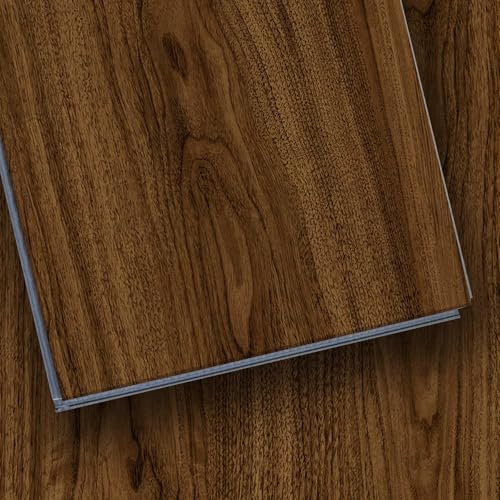
【Ultra-Durable & Pet-Friendly】With a 0.3mm wear layer tested over 15,000 abrasion cycles, this luxury vinyl plank flooring resists scratches, dents, and spills. Ideal for busy homes with pets and kids, it stays beautiful for years even in high-traffic areas.
Plank Size and Coverage
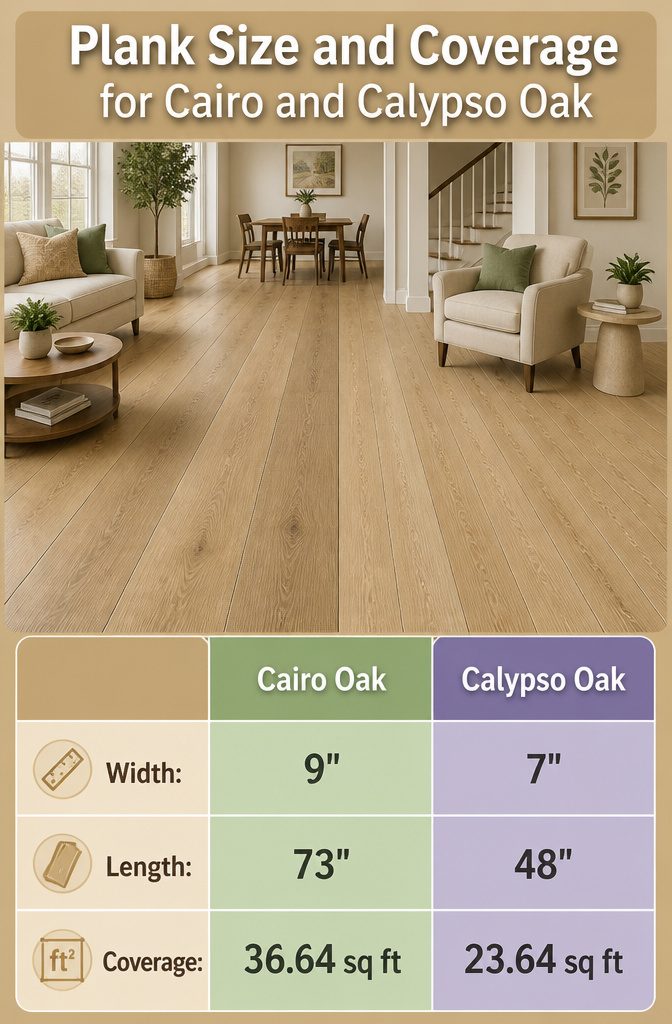
Cairo Oak runs 9" × 73" planks with 36.64 sq ft per carton, while Calypso Oak ships at 7" × 48" with 23.64 sq ft per carton. That size gap changes both how the floor looks and how fast it goes down.
| Attribute | Cairo Oak | Calypso Oak |
|---|---|---|
| Plank width | 9" | 7" |
| Plank length | 73" | 48" |
| Square feet per carton | 36.64 sq ft | 23.64 sq ft |
Wider, longer planks mean fewer seams across the same floor area, which reads as more expansive and contemporary in open-concept spaces. The eye travels farther without interruption.
For installation, fewer planks per room equals fewer cuts and less time on your knees; a contractor covering a large main floor will move faster with Cairo Oak.
Calypso Oak’s more traditional dimensions suit smaller rooms where oversized planks could feel forced, and the lighter carton is easier to haul up stairs or maneuver in tight spaces.
The carton math matters too: roughly 1.5 Calypso cartons cover what one Cairo carton handles, so you’ll break open more boxes, shuffle more pieces, and manage more waste with the smaller plank. For a DIY weekend, that friction adds up.

[Realistic Wood Grain with DIY Options]: With a super realistic wood grain appearance and various color options, these tiles meet personalized decorative needs. They are versatile enough for use in homes or commercial spaces, suitable for shop decoration, rental renovations, and RV flooring projects.

100 sq. ft. Coverage – Ideal for single-room installations and small renovation projects.

6mm Thick with Realistic 3D Wood Visuals** Experience the authentic beauty of wood, enhanced by a generous 6mm thickness that creates deep, realistic plank bevels and a texture you can feel. This premium, substantial profile provides a solid underfoot experience that far surpasses thin vinyl floors, adding undeniable luxury to any room.
Thickness and Underfoot Feel
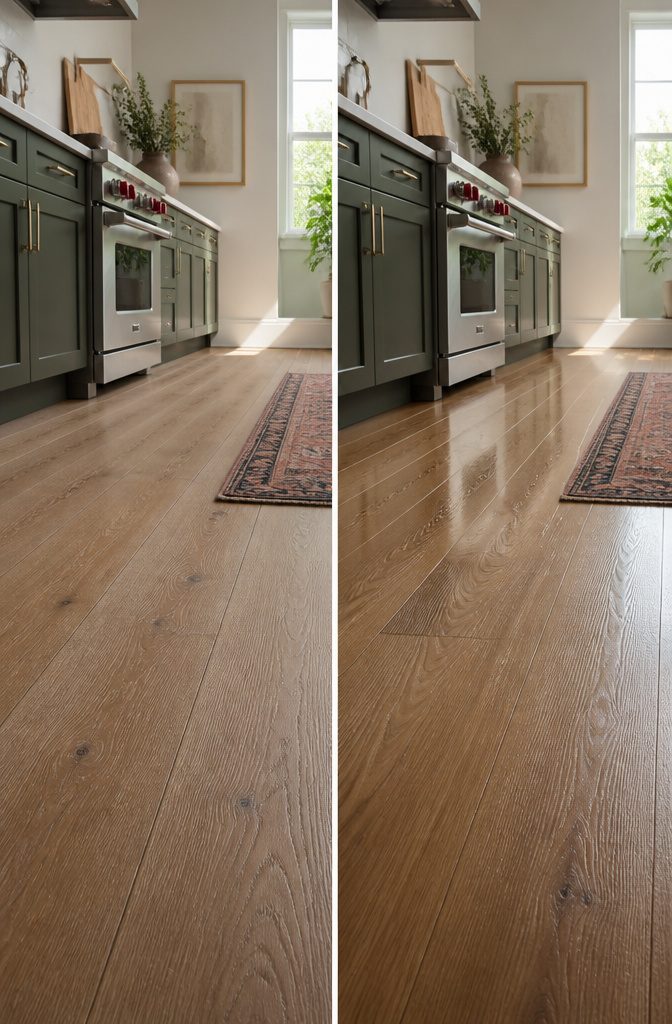
Cairo Oak measures 5.2 mm and carries a firmer, more solid feel underfoot, thanks to its dense SPC stone-polymer core.
That slim profile sits close to the subfloor, giving it the hardness of a surface built to shrug off dropped pans, heavy furniture, and rolling chairs.
Calypso Oak, by contrast, comes in at 8 mm with a WPC wood-plastic core that is thicker and foamed, producing a softer, warmer, more cushioned experience that quiets each step.
The difference in comfort for standing and walking comes down to how thickness and core type work together.
The stone core in Cairo Oak resists concentrated loads but transfers more of that hardness back to your feet and joints over long stretches at the stove or sink.
Calypso Oak’s thicker, foamed WPC core absorbs more impact and provides more give, which many homeowners prefer in kitchens, living rooms, and bedrooms where they spend hours on their feet.
Owners on Reddit mention that installers sometimes flag the 5.2 mm plank as a concern, though the worry tends to focus on perceived thinness rather than documented failures.
If your space sees constant action and heavy traffic, Cairo’s rigidity is the safer bet; if you prioritize comfort for daily living, Calypso’s cushioned build wins out.
100% Waterproof & Ultra-Durable Construction: Premium rigid-core vinyl planks with a 22 mil wear layer resist scratches, stains, and spills for kitchens, living rooms, bathrooms, and high-traffic areas

Premium Design-Led Aesthetic: Authentic wood visuals in extra-wide 9” x 72” planks deliver a high-end, modern finish that elevates any space. Enhanced-Beveled edges for a clean, seamless look.

𝐄𝐟𝐟𝐨𝐫𝐭𝐥𝐞𝐬𝐬 𝐃𝐈𝐘 𝐈𝐧𝐬𝐭𝐚𝐥𝐥𝐚𝐭𝐢𝐨𝐧:Achieve a seamless upgrade with our peel and stick floor tiles. No grout, glue, or special tools needed. Simply peel the self-adhesive backing and stick the vinyl flooring directly onto clean, smooth subfloors. Easily trimmed with scissors for a perfect fit around corners and edges. The flexible planks allow for custom splicing patterns, making it the ultimate renter-friendly and easy flooring to install solution for any DIY enthusiast
Durability and Wear Layer
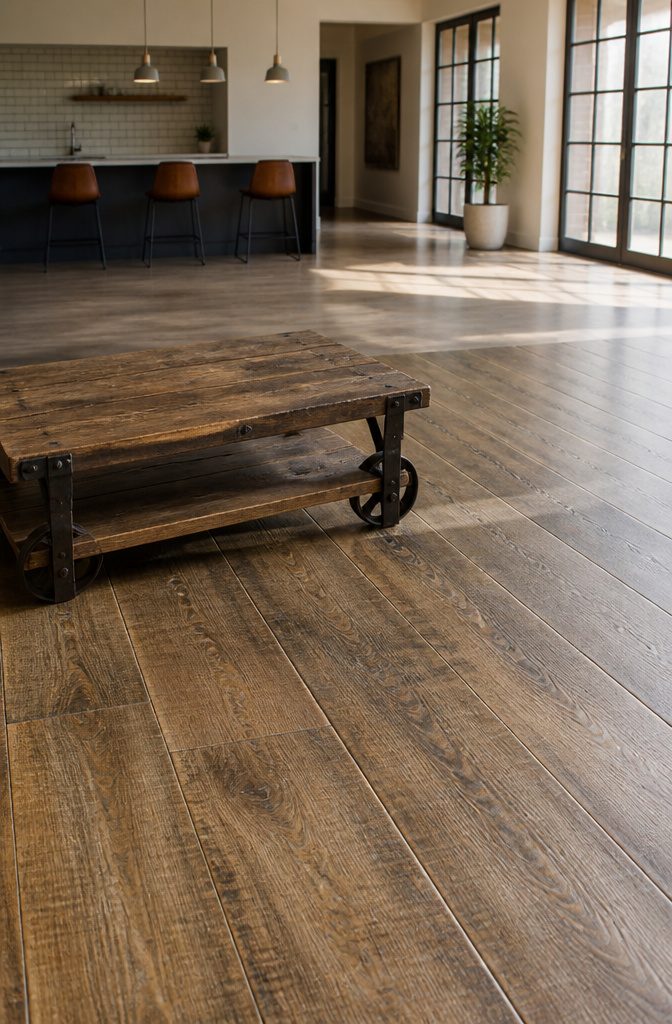
Both Cairo Oak and Calypso Oak carry a 20 mil wear layer and a limited lifetime residential warranty, so the baseline protection is identical no matter which side of the coretec cairo oak vs calypso oak debate lands in your home.
Where they split is in what happens underneath that wear layer.
Cairo Oak runs on a rigid SPC core, which translates directly into dent and impact resistance.
Drop a cast-iron skillet in a busy kitchen or wheel a loaded utility cart across an open-plan living area and that dense stone-plastic composite absorbs the hit without showing the story afterward.
It is the plank you install when you know the floor will take abuse.
Calypso Oak takes the comfort route with a cushioned WPC core, softer and warmer under bare feet, yet it still holds up in pet households.
Scratches from dog claws and the daily grit tracked in by active animals do not phase the 20 mil surface. The tradeoff is deliberate: slight give underfoot in exchange for marginally less rigidity against heavier point impacts.
If your household runs loud and heavy on dropped objects, Cairo Oak wins. If you want morning warmth for bare feet and your pets do most of the traffic, Calypso Oak’s resilience is plenty.

100% Waterproof WPC – Great for Kitchens, Basements & Bathrooms

【Non-PVC】:Unlike SPC flooring, dotfloor's innovative hybrid wood flooring uses a novel composite wood base that is free of PVC and harmful gases. It's safe for children and pets to play on, making it suitable for children's rooms, bedrooms, bathrooms, and more.

【SPC Material】Rigid stone-plastic composite core; 100% Waterproof, resists dents and impacts; Won't expand or contract with temperature changes.
Color and Aesthetic
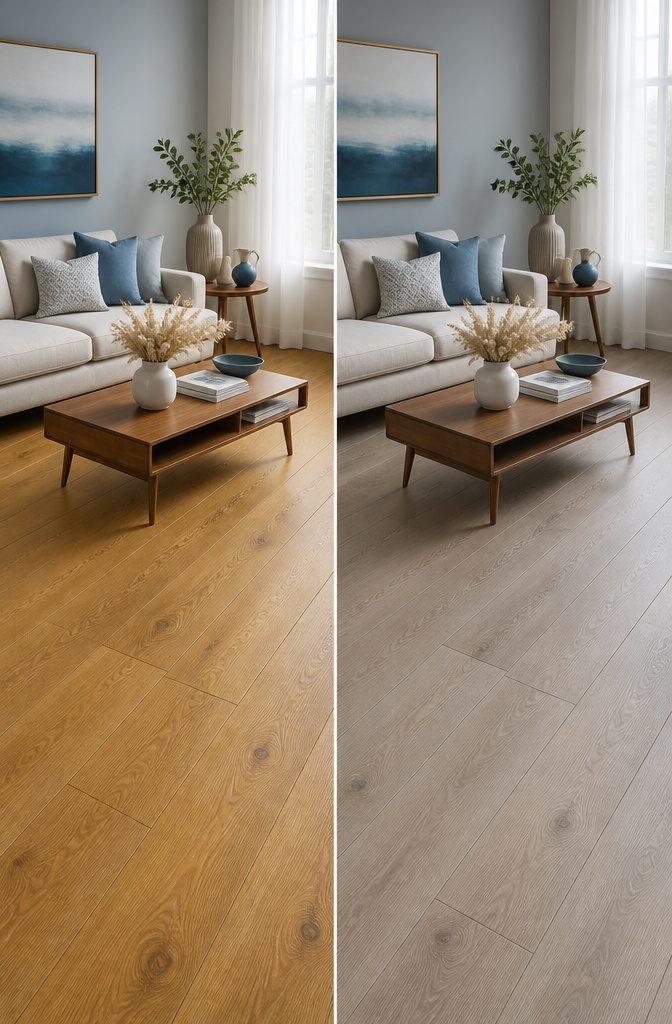
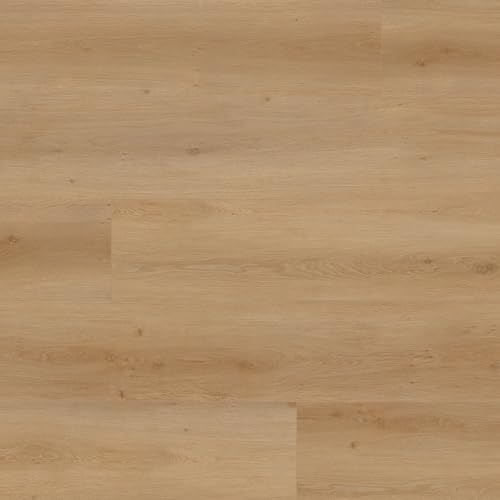
Cairo Oak carries warm golden undertones with subtle grain movement, a transitional look that bridges modern and classic décor without leaning hard in either direction.
It pairs naturally with grounded palettes and open floor plans where you want the material to feel like an anchor rather than an accent.
Calypso Oak sits lighter and cooler, a coastal-inspired oak with an airy, relaxed presence. The plank runs 7" x 48" and uses enhanced bevels at the edges to add definition and a more realistic wood-plank shadow line.
That brighter surface reads contemporary and works well with the quiet luxury trend, Scandinavian minimalism, or modern coastal schemes built on breezy whites and soft blues.
Both planks stay inside traditional wood color territory, just at different temperatures. If your walls and furnishings run warm, Cairo Oak will feel intentional; if you are chasing a brighter, more casual mood, Calypso Oak is the easier fit.
Neither demands you commit to a dominant trend, neither fights the other for attention in a mixed-material room.

NON-SLIP CARPET PROTECTION: Our rugged 27-inch x 12-foot runners protect deep-pile carpet from heavy traffic, rolling chairs, dollies, messes, and daily wear and tear, with long built-in grippers that prevent slipping, sliding, and bunching
Ultimate Damage Defense: Resilia Embossed Wide Rib Runner offers superior protection against scratches, spills, and wear, making it perfect for high-traffic areas like kitchens, entryways, garages, hardwood, tile, vinyl, and a range of hard surfaces

Marble Pattern Peel-and-Stick Ease: This Marble Pattern self-adhesive vinyl flooring roll features a realistic high-end aesthetic. simply remove the backing, align and press for a seamless DIY installation. it transforms spaces in hours without professional help, delivering a polished, luxury look at an accessible price.
Installation Options
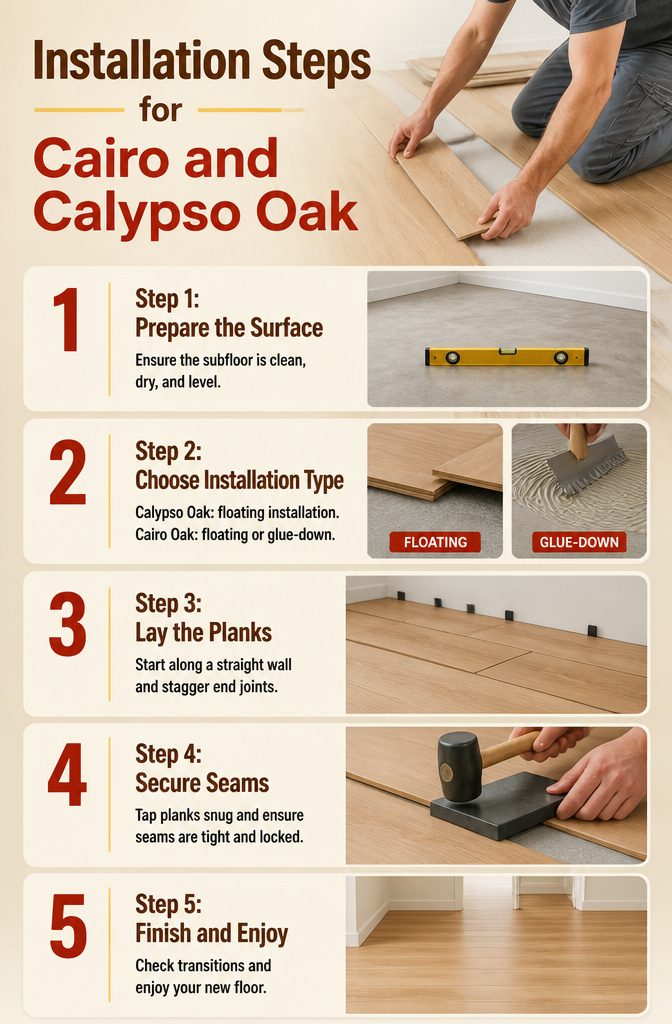
Calypso Oak’s thicker WPC planks are built for floating installation, which is the standard method for cushioned vinyl cores.
The added thickness that makes it softer underfoot also means the planks can feel less forgiving during layout, and professional installation is sometimes recommended to handle the heft and keep the seams tight across the 7" × 48" format.
Cairo Oak, with its rigid SPC core in 9" × 73" planks, offers more flexibility: it can go down as a floating floor or with glue-down application. The larger, stiffer planks stay flatter during placement, so DIYers often find the floating route manageable.
Either product can be installed without a pro, but both reward experienced hands with cleaner transitions and tighter lockups, especially in rooms with irregular walls or multiple doorways.

Sample Dimensions & Details: Each plank measures 29.5 in. x 5.9 in., and the sample pack includes 2 individual planks. This option allows you to evaluate the texture, thickness, and appearance of the material within your own space before committing to a full-sized project.

【Ultra-Durable & Pet-Friendly】With a 0.3mm wear layer tested over 15,000 abrasion cycles, this luxury vinyl plank flooring resists scratches, dents, and spills. Ideal for busy homes with pets and kids, it stays beautiful for years even in high-traffic areas.

【Ultra-Durable & Pet-Friendly】With a 0.3mm wear layer tested over 15,000 abrasion cycles, this luxury vinyl plank flooring resists scratches, dents, and spills. Ideal for busy homes with pets and kids, it stays beautiful for years even in high-traffic areas.
Waterproofing
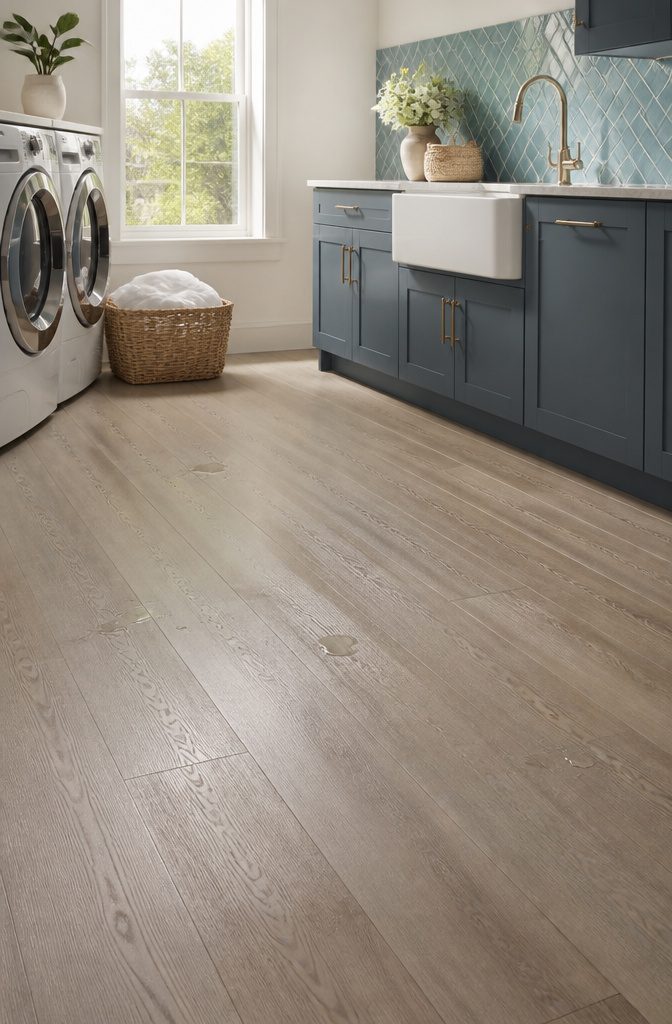
Both Cairo Oak and Calypso Oak carry 100% waterproof construction that holds up in kitchens, bathrooms, basements, and laundry rooms.
Water sits on the surface rather than warping or buckling the core, so either choice removes the usual anxiety about spills, splashes, or tracked-in rain.
This is a shared strength, not a point of separation.
The waterproofing comes from the same COREtec core structure in both lines, backed by an attached cork underlayment that adds warmth and sound reduction while keeping moisture from below at bay.
Kid and pet messes wash off without the swelling or staining you’d expect from wood or laminate.
If you are deciding between these two floors, look elsewhere for your tiebreaker. The waterproofing is already settled.
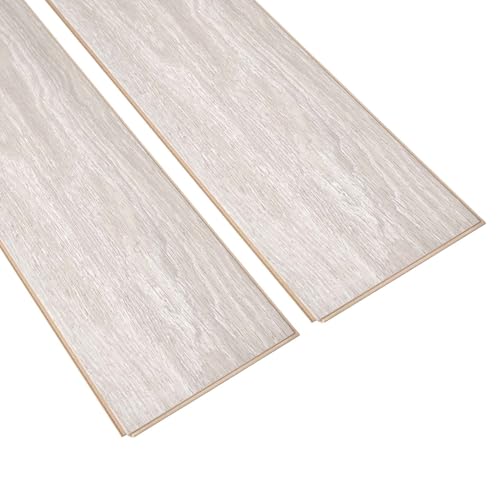
6mm Thick with Realistic 3D Wood Visuals** Experience the authentic beauty of wood, enhanced by a generous 6mm thickness that creates deep, realistic plank bevels and a texture you can feel. This premium, substantial profile provides a solid underfoot experience that far surpasses thin vinyl floors, adding undeniable luxury to any room.

🏠DETAILS: 15.8x78.8 Inch, total 8.65 sq.ft (40cmX2m) Made of durable thin vinyl, thickness: 0.015 In (0.4MM). Peel and stick wood planks vinyl flooring roll, brown shiplap planks color. Waterproof. Removable.

[Realistic Wood Grain with DIY Options]: With a super realistic wood grain appearance and various color options, these tiles meet personalized decorative needs. They are versatile enough for use in homes or commercial spaces, suitable for shop decoration, rental renovations, and RV flooring projects.
Maintenance
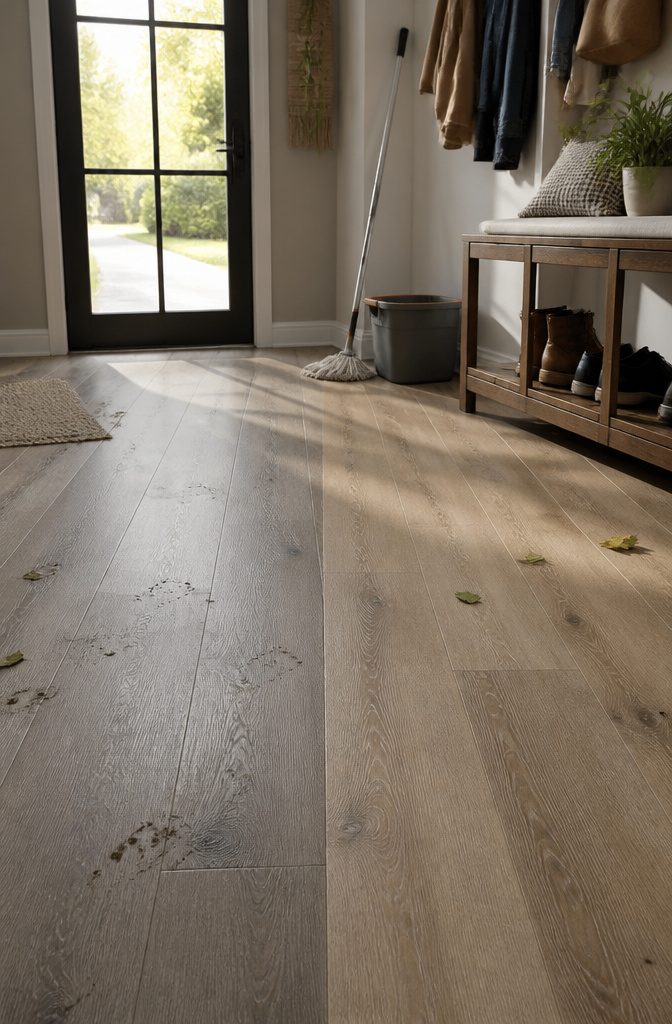
Both COREtec Cairo Oak and Calypso Oak keep daily upkeep about as simple as flooring gets.
A regular sweep or vacuum clears grit before it scratches the 20 mil wear layer, and a damp mop with plain water handles spills and tracked-in dirt.
Neither plank ever needs sanding, sealing, or refinishing, so you can skip the specialty cleaners, rejuvenators, and waxes that hardwood demands.
The SPC core construction in both lines resists stains rather than absorbing them, which means most messes wipe off without scrubbing.
Pet accidents, kitchen splatters, and muddy paw prints all clean the same way: lift the solids, mop the residue, move on.
The attached cork underlayment stays sealed beneath the plank, so there is no separate underlay to trap moisture or degrade over time.
Your real choice here is not maintenance burden but maintenance feel. Cairo Oak’s textured grain can hold slightly more dust in the grooves, so you may notice it needs a quick pass more often in bright light.
Calypso Oak’s smooth finish shows streaks and water spots more readily after mopping, which rewards a well-wrung mop. Either way, the time and products involved stay minimal.

Tivoli Wood-Look Floor Planks: Transform your floor for a low cost and no hassle with the Tivoli Vinyl Floor Planks. These planks can be used in any room in your home. No messy glue or adhesives needed. Includes 10 vinyl planks.

6mm Thick with Realistic 3D Wood Visuals** Experience the authentic beauty of wood, enhanced by a generous 6mm thickness that creates deep, realistic plank bevels and a texture you can feel. This premium, substantial profile provides a solid underfoot experience that far surpasses thin vinyl floors, adding undeniable luxury to any room.

EASY TO INSTALL: Can be installed Above grade, On grade, or Below grade. Use the loose lay method for a more flexible installation or glue down to practically any existing surface, including wood, tile, stone, concrete, and vinyl.
Which to Choose
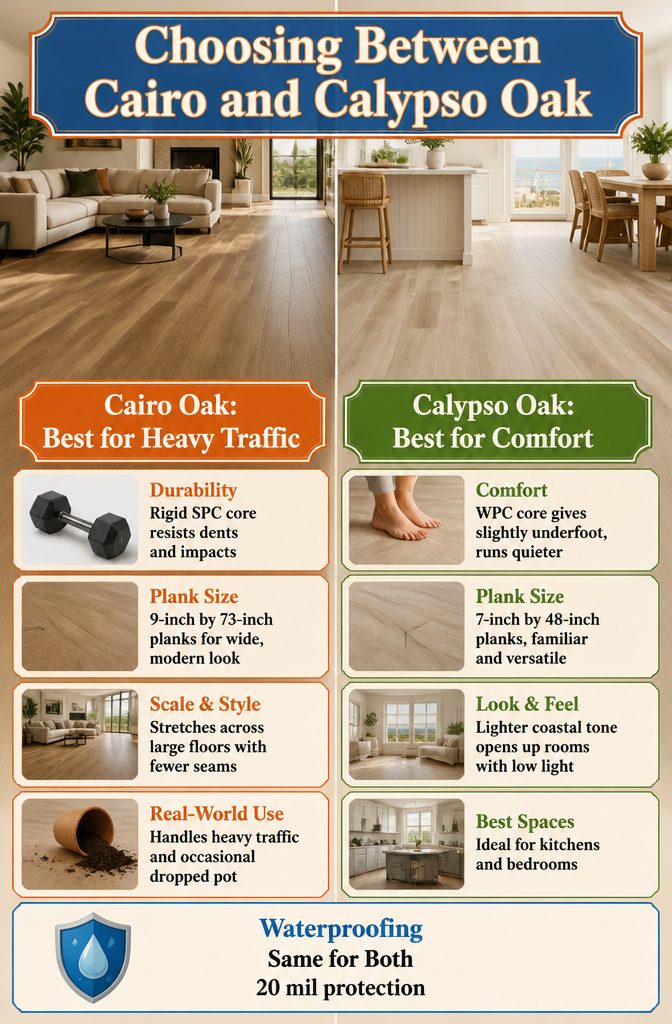
If your home sees heavy traffic, wide open rooms, or the occasional dropped pot, Cairo Oak is the harder-working choice.
Its rigid SPC core shrugs off dents and impacts better than cushioned alternatives, and those 9-inch by 73-inch planks stretch across large floors without the busy seams of smaller boards. The effect reads modern and intentional, less pieced-together.
Calypso Oak wins on livability. The WPC core gives slightly underfoot, runs quieter, and holds warmth better for spaces where you stand long or walk barefoot, kitchens and bedrooms especially.
Its 7-inch by 48-inch planks feel familiar and versatile, neither oversized nor cramped, and the lighter coastal tone opens up rooms that lack natural light.
Neither demands a compromise on waterproofing or wear layer. Both carry the same 20 mil protection, so the split comes down to how you use the space, not how long the floor lasts.
Pick Cairo Oak when toughness and scale matter most; pick Calypso Oak when comfort and classic proportions do.

10MM thickness Flooring: 8mm Real Waterproof Black core + 2mm blue EVA underlayment. High-toughness surface resists scratches, dents, stains, and daily spills. Perfect for busy households, kids, pets, and high-traffic areas like hallways & entryways. Maintains beauty even under heavy daily use.

LUXURY WPC VINYL PLANK FLOORING – Premium 9" x 60" extra-wide planks create a sophisticated, high-end wood-look floor for modern interiors.

【Designer Styles】:The 3D printing embossing technology of dotfloor flooring captures the true texture of natural materials with 99% realistic visuals. From warm neutrals to bold statement tones, the variety of colors allows you to achieve a customized look without breaking the bank.
Frequently Asked Questions
Which is more durable, Cairo Oak or Calypso Oak?
Cairo Oak has a slight edge in durability because of its rigid SPC core, which resists dents and heavy impacts better than Calypso Oak’s cushioned WPC core.
Both share the same 20 mil wear layer and waterproof guarantee, so surface protection is identical. The difference shows up when something heavy drops or when furniture gets dragged across the floor.
Are Cairo Oak and Calypso Oak from the same COREtec collection?
No. Cairo Oak belongs to the COREtec Pro Enhanced collection, while Calypso Oak sits in the COREtec Originals Enhanced collection. That Pro versus Originals split is what separates their core types, plank sizes, and overall feel underfoot.
Can I install COREtec Cairo Oak myself?
Yes, Cairo Oak is generally manageable for a DIY install because its rigid SPC core and large 9" × 73" planks stay flat and lock together cleanly during floating or glue-down application.
Calypso Oak’s thicker WPC planks can feel less forgiving, so pros sometimes recommend hiring out that job. Either way, experienced hands give tighter seams and cleaner transitions around doorways and corners.
What is the most popular color of COREtec flooring?
Warm oak tones like those in Cairo Oak and Calypso Oak consistently rank among COREtec’s best sellers, with dealers reporting over a million square feet of Cairo Oak moved in a single year.
The broader trend favors realistic wood looks in neutral to warm palettes that work across open floor plans. Individual popularity varies by region and current interior design trends.
What are people saying about COREtec Calypso Oak flooring?
Homeowners and installers praise Calypso Oak for its softer, warmer step and quieter sound underfoot compared to rigid SPC alternatives. Some Reddit users note that its 8 mm WPC core feels more comfortable during long stretches of standing.
The lighter, coastal tone also gets mentioned as a brightener for rooms with limited natural light.
Is COREtec Cairo Oak a good flooring?
Cairo Oak is a strong choice for busy households and large open spaces where dent resistance and wide plank scale matter most.
Its SPC core shrugs off heavy impacts, and the 9" × 73" format creates fewer seams for a more expansive, contemporary look. The 20 mil wear layer and waterproof construction back it for long-term residential use.
Does COREtec Calypso Oak need underlayment?
No separate underlayment is needed because Calypso Oak comes with attached cork backing that provides warmth, sound reduction, and moisture protection from below. That built-in layer is part of both the Originals Enhanced and Pro Enhanced lines.
Just float or glue the planks directly over a clean, level subfloor.