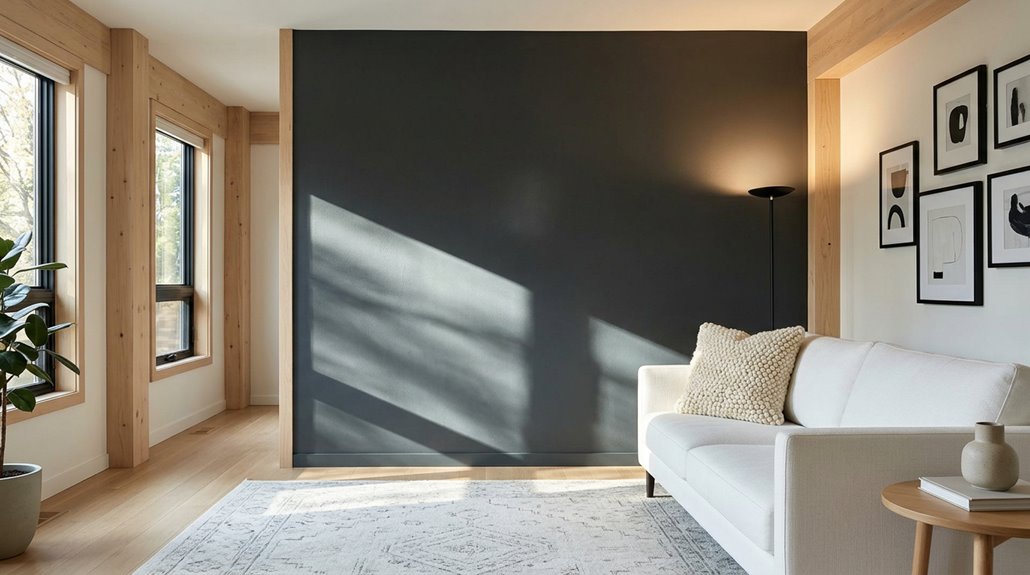
Accent walls are still in style, though the approach has evolved. Placement matters most. The key is choosing the right wall, such as one behind a bed, facing an entrance, or anchoring a fireplace, then balancing it with neutral surroundings. This strategy produces intentional results rather than dated ones. Start with these fundamentals to achieve the desired effect.
Why Designers Still Say Yes to Accent Walls
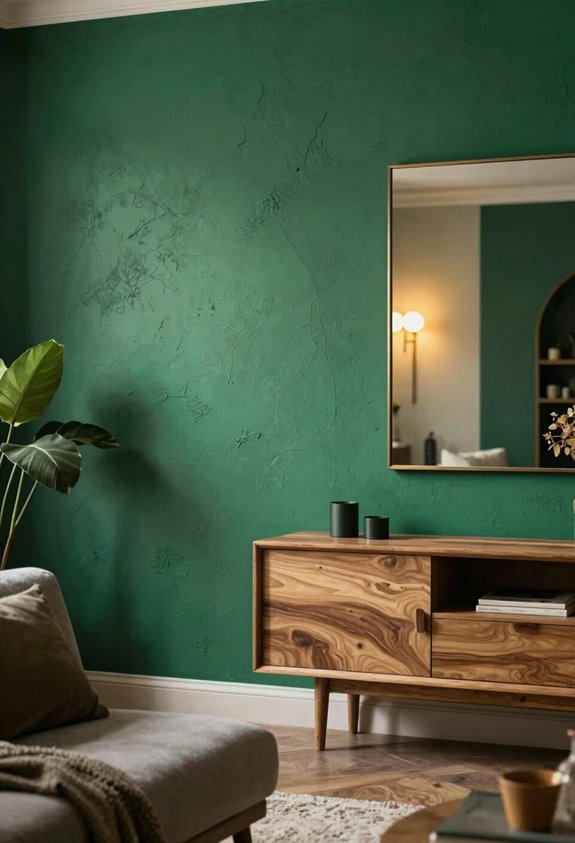
Anyone who has stared at a flat, forgettable room and wondered why it feels like a waiting area has probably considered an accent wall. Instinct serves you well here. I’ve watched this design trend evolve over years, and accent walls remain a reliable technique.
In December 2025, The Spruce confirmed what designers observe firsthand: interior designers unanimously agree this technique stays chic when done right. The key is choosing your focal wall thoughtfully. Behind a bed, fireplace, or media console works beautifully. Balance it with neutral surroundings. Layer lighting to add depth, and you’ll create personality without overwhelming the space. This approach delivers a designer-approved look through straightforward execution.
The 3 Best Walls for an Accent in Any Room
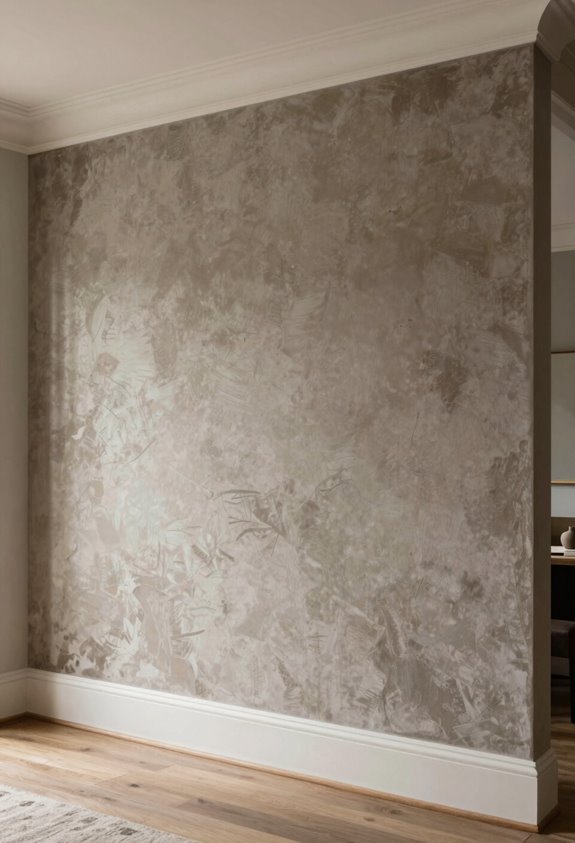
I’m going to walk you through the three walls that’ll give you the biggest payoff for your effort. I’ve chosen the wrong wall several times and had to repaint, so this guidance is worth following. The wall behind your bed is easiest. It creates instant focus without overwhelming your sleep space, and you barely need to move furniture. You’ll also want to hit the wall facing your room’s entrance, such as a foyer, living room or primary bedroom, or any architectural features you already have, such as alcoves and wainscoting. Those details do half the work for you.
Behind the Bed
Where exactly should you place an accent wall so it actually works? The wall behind the bed is your safest bet for maximum impact. This focal wall naturally draws the eye when you enter the room, and choosing the right wall matters significantly.
Here’s what makes behind the bed ideal:
- It’s typically uninterrupted (no doors or windows to break the visual)
- Your headboard already signals “this is the important spot”
- It anchors your entire room’s design
For finishes, navy, forest green, or charcoal gray work beautifully in paint, wallpaper, or paneling. Keep your other walls neutral. This balance ensures your bed area remains the focal point while being straightforward to execute.
Facing the Entry
Three walls consistently deliver the best accent wall results, and once you’ve nailed the bed wall, the wall facing your entry is my second favorite choice. This feature wall greets everyone who walks in, setting the tone immediately. It transforms how guests perceive your entire space.
Here’s what makes this accent wall placement work:
- Maximum visibility — it’s the first thing people see when they enter your entryway
- Natural focal point — no furniture fights for attention here
- Dramatic impact — dark paint or wallpaper creates instant depth
This accent wall delivers measurable results. Choose a clean wall without doors or windows, then pair your bold choice with neutral surrounding walls and layered lighting. The result feels intentional and welcoming while remaining simpler to execute than other accent wall placements.
Highlight Architecture
Architectural quirks are the third wall I’d put my money on every single time. I’m talking about alcoves, wainscoting, or angled ceilings; those built-in features you’ve got that deserve the spotlight.
Accent wall architecture works best when you let the structure lead. I’ve unfortunately done this several times, fighting against weird angles instead of embracing them. Don’t make that mistake.
Your three best bets for a focal point wall treatment:
- Behind your bed, fireplace, or media console
- The wall facing your entrance (hello, first impression)
- Any wall with existing architectural detail
Pick a clean surface with minimal doors and minimal windows. Balance it with neutral surrounding walls, then layer in lighting for depth. This approach creates visual interest and is easier to execute than most assume.
Where Should You Put an Accent Wall?
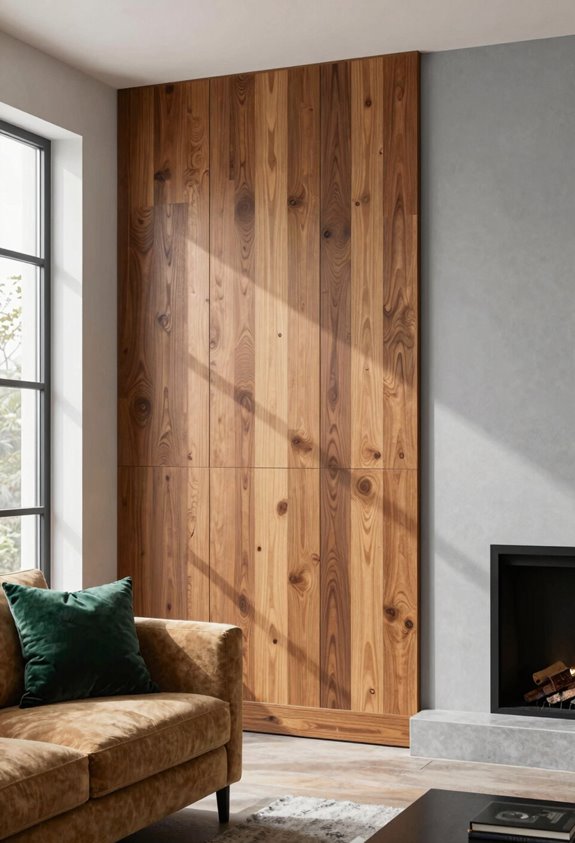
So you’ve picked your perfect bold color, and now you’re staring at the room wondering where this dramatic swipe of paint should actually land. I have unfortunately done this several times, standing there with a roller in hand, completely paralyzed by choice. Here’s how to figure out accent wall placement.
- Anchor your focal point — Put the accent wall behind the bed, fireplace, or media console so your eye lands exactly where you want it.
- Hunt for architectural details — Alcoves, wainscoting, or angled ceilings add instant depth and drama you can’t fake.
- Face the entrance — When guests walk in, that wall greets them first, making the whole room feel intentional and pulled together.
Keep it clean, skip the doors and windows, and the placement will work.
Paint, Wallpaper, or Wood? Choosing Your Material
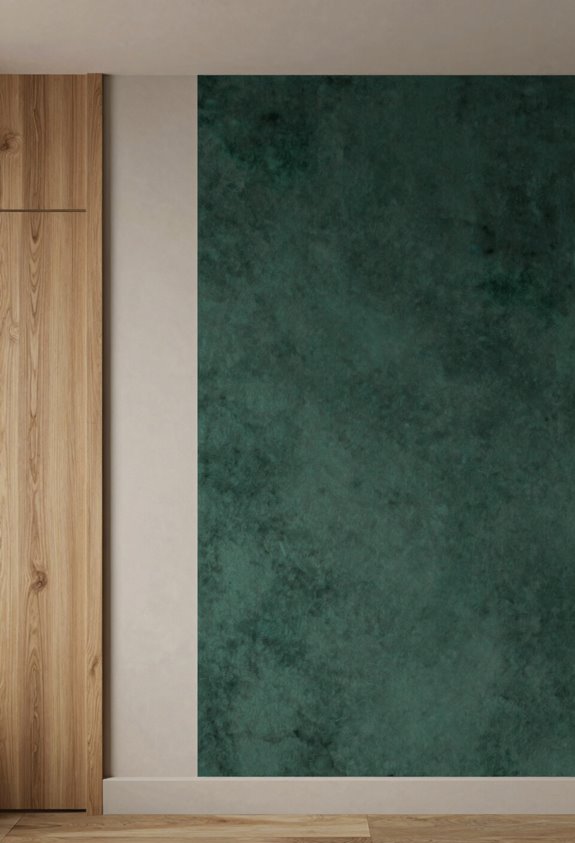
Why limit yourself to basic paint when a single slat wall can completely transform a room? Accent walls thrive on material variety, and you’ve got three solid paths to explore.
| Material | Best For |
|---|---|
| Dark paint | Quick, budget-friendly drama |
| Wallpaper | Pattern lovers, rental-friendly peel-and-stick |
| Wood accents | Warmth, texture, that designer feel |
| Limewash/Venetian plaster | Tactile, old-world character |
| Ceiling treatment | Vertical space, unexpected impact |
Picking wallpaper that’s too busy for a small space diminishes the effect. Balance bold materials with neutral surrounding walls. Check your lighting first, because wood accents can go muddy in dim corners, and test samples where furniture will sit. This approach prevents costly mistakes.
How to Pick an Accent Wall Color That Works

Where exactly should you start when staring at four blank walls and uncertain about picking the right shade? The easiest way is simple: choose the wall behind your bed, fireplace, or media console, or the one facing your entrance. Skip walls chopped up by doors and windows, as these create visual interruptions that undermine the accent wall’s impact.
Here’s my approach:
- Start with the color rule 60-30-10 — keep 60% neutral dominant, 30% secondary, 10% bold accent wall color for instant balance
- Explore 2025’s hottest shades — Deep Navy, Forest Green, Terracotta, Charcoal Gray, or Rustic Red — chosen for mood and sophistication
- Layer lighting and texture — wall sconces, limewash, or reclaimed wood add depth and dimension to your space
This method delivers results.
How to Balance a Bold Wall Without Overwhelming Your Room
Sometimes I walk into a room and the accent wall is screaming at me, not because the color’s wrong, but because nothing else in the space talks back to it. I’ve done this several times, and it’s worth fixing.
The easiest way to nail accent wall balance:
- Pick your bold wall behind a clear focal point, your bed, fireplace, or media console. Skip walls with multiple doors or windows.
- Stick to the 60-30-10 color proportion: 60% neutral dominant, 30% secondary, 10% your bold wall.
- Layer lighting with sconces and lamps to highlight texture.
Consider wallpaper, limewash, or wood paneling for depth without chaos. Deep navy, forest green, or terracotta feel fresh for 2025. Keeping other walls quiet lets your statement piece breathe.
Why Your Ceiling Wants to Be an Accent Wall
I used to ignore my ceiling completely, just painting it flat white and calling it done. Then I discovered ceiling accents, and everything changed. Your fifth wall deserves attention through interior painting that transforms the entire room.
Your fifth wall deserves attention through interior painting that transforms the entire room.
Here’s how to make it work:
- Paint it lighter — I go 75% of my wall color for instant height
- Go darker with intention — it’s counterintuitive, but deep tones add drama and dimension
- Coordinate everything — match textures, add strategic lighting, and you’ve got cohesive magic
I’ve done this several times without planning, and the prep work delivers measurable results. Accent walls aren’t just vertical anymore. The ceiling is your most effective way to elevate a space without overwhelming it.
Small-Space Accent Walls That Actually Work
How do you make a statement when you’re working with barely enough room to turn around. Small-space decor relies on strategic accent placement rather than full walls.
Here’s what actually works:
- Hit partial spaces only. Cover built-in bench shelves, the back of bookshelves, or that awkward zone above your washer/dryer. This delivers impact without overwhelming the room.
- Try wallpaper on built-ins. You get that accent wall effect without the full-room commitment that requires significant planning and execution.
- Claim a 12×12 zone. Keep everything else neutral, and watch that tiny area deliver visual interest.
- Use texture finishes such as limewash, Venetian plaster, or architectural textures. These add depth that paint cannot match and are simpler to apply than most people expect.
Where to Put an Accent Wall in Your Bedroom
So you’ve picked the perfect bedroom color, and now you’re staring at four walls wondering which one deserves the accent treatment.
Here’s where to place your bedroom accent wall for maximum impact:
- Behind your bed – This creates instant drama, frames your sleeping space, and anchors the room naturally.
- Facing the entrance – Guests see it immediately, and you’ll notice the visual impact every time you walk in.
- A partial feature wall – Try built-in shelves or a bench with wallpaper for accent without overwhelming the space.
Placing an accent wall near doors and windows reduces its visual emphasis. For your color choice, navy, charcoal, or forest green keeps things current and cozy. Don’t forget the ceiling as a fifth wall option. It’s easier than most people expect and elevates the whole space.
The Best Lighting for Showing Off an Accent Wall
I’ve learned that the easiest way to make your accent wall actually pop instead of falling flat is to get the lighting right. You’ll want to focus on three things: layered ambient lighting (like a dimmable overhead fixture paired with sconces), focused accent fixtures that highlight texture or artwork, and natural light enhancement using mirrors or sheer window treatments. Once you balance these elements, your wall becomes the star of the room without any harsh glare or shadowy corners.
Layered Ambient Lighting
Where exactly should you position lights to make that accent wall truly pop? Throwing one ceiling light at a feature wall flattens everything out. Layered lighting fixes this, and it’s easier than you think.
- Graze with sconces — Position wall sconces close to the surface so they rake across accent wall texture, creating vertical shadows that enhance plaster or wood panels.
- Mix your layers — Combine ambient ceiling light with dimmable accent lighting to control mood while maintaining dimensional depth.
- Adjust color temperature — Cooler temperatures add drama, warmer ones feel cozy, and either choice complements your wall’s aesthetic.
Focused Accent Fixtures
How exactly do you move from basic layered lighting to fixtures that actually show off your accent wall’s best features? I have unfortunately done this several times, picking gorgeous wall decor, then drowning it in bad light. The solution is straightforward.
First, position your accent wall lighting to highlight what matters:
- Wall sconces flanking textured limewash or Venetian plaster
- Picture lights grazing wallpaper patterns
- Floor lamps adding flexible mood
Combine these lighting layers with your ambient base, keeping color temperatures warm (2700–3000K) for bold navy or forest green walls. Balance task and ambient sources so your accent wall glows without glare. Creating drama that feels intentional rather than accidental requires attention to these specific elements.
Natural Light Enhancement
Once you’ve got your accent wall lit with the right fixtures, daylight becomes your hidden edge for making that color really sing. Natural light reveals depth in textures and makes paint appear truer to hue throughout the day.
To maximize daylight for color accuracy:
- Position shades or sheer curtains to soften harsh glare. Washed-out walls result from unfiltered direct sunlight.
- Filter sunlight through light-filtering coverings to keep brightness without sacrificing color integrity.
- Layer in sconces and floor lamps for when natural light fades, so visual drama stays constant.
Consider your wall’s facing. South- and west-facing walls benefit from diffused daylight, while north-facing ones need extra help from artificial lighting to maintain color vibrancy.
7 Accent Wall Mistakes That Waste Money
Why do so many of us end up pouring cash into accent walls that flop? I’ve done this several times, and understanding these mistakes will save you money. Most accent wall mistakes happen when we skip the basics, like color proportion and placement. I used to apply paint anywhere, ignoring the 60-30-10 rule entirely.
| Mistake | What to Do Instead |
|---|---|
| Wrong wall choice | Pick the wall behind your bed or focal point, facing entry |
| Ignoring color proportion | Follow 60-30-10, balance bold with neutral walls |
| Skipping textured finishes | Try limewash, Venetian plaster, or wood panels for depth |
| Poor lighting | Layer sconces and lamps to enhance drama |
Deep navy, forest green, and terracotta are trending for 2025, but only if you place them right. Avoid walls with multiple doors or windows. These problem areas are easy to spot once you know what to look for.
How to Plan an Accent Wall Project From Start to Finish
Where exactly should you begin when you’re staring at four blank walls and feeling overwhelmed? Accent wall planning doesn’t have to stress you out.
Here’s my three-step approach that works every time:
- Pick your wall — choose one behind a focal point (bed, fireplace) or facing the entrance, but skip walls with multiple doors or windows.
- Select your wall color — 2025’s hottest picks include deep navy, forest green, and terracotta, balanced with neutrals using the 60-30-10 rule.
- Layer lighting and texture — add sconces or picture lights to highlight depth, plus consider limewash, Venetian plaster, or wood slats for dimension.
This approach delivers results.