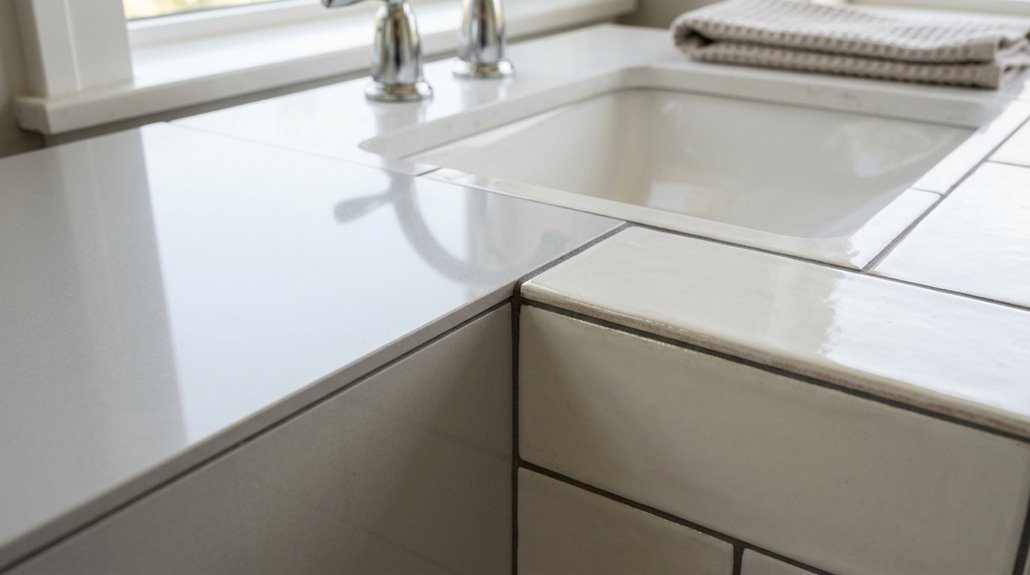
I’ve learned the hard way that porcelain and ceramic aren’t interchangeable, even when they look identical on the shelf. The biggest difference is water absorption: porcelain stays under 0.5%, making it nearly waterproof, while ceramic soaks up 3–7% and invites mold in showers. Porcelain also handles impacts and daily traffic without cracking, thanks to higher firing temperatures that create serious density. Installation takes longer and costs more since you’ll need a wet saw with a diamond blade. This investment pays off for floors and showers. For walls, ceramic cuts easier and saves money. Each tile type serves specific bathroom applications based on moisture exposure and foot traffic demands.
Porcelain Vs Ceramic Water Absorption: the 0.5% Rule That Protects Bathrooms
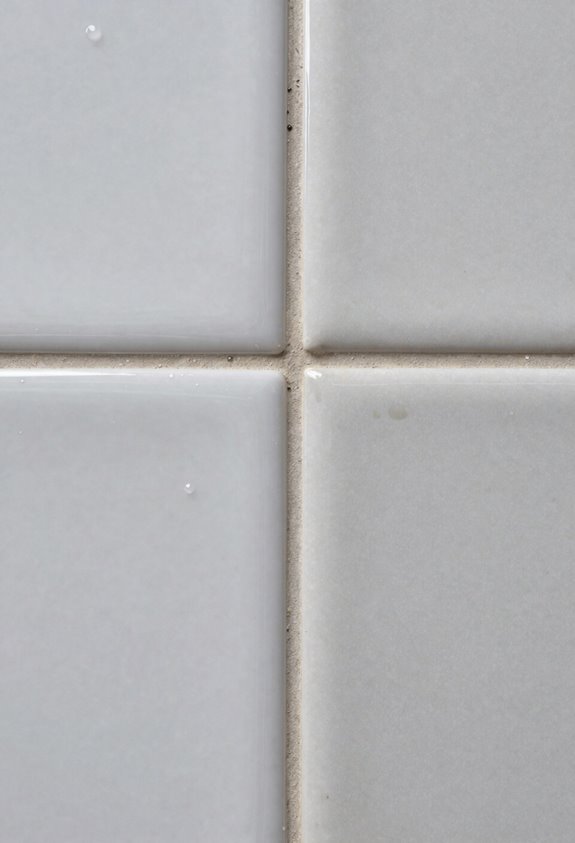
Why does water absorption matter so much in a bathroom? Moisture resistance keeps your space healthy and beautiful, preventing costly damage and mold growth.
Here’s the breakdown you need:
- Porcelain absorbs less than 0.5% water by weight
- Ceramic typically absorbs 0.5% or more (sometimes significantly more)
- That tiny percentage gap creates substantial real-world differences
The PTCA standards call this the 5% rule, and this distinction is worth understanding. In wet environments like showers, that sub-0.5% absorption means porcelain resists mold and mildew while ceramic becomes vulnerable. Ceramic tiles in bathrooms frequently develop mold and mildew within months, while porcelain in identical conditions performs reliably for years.
For moisture-heavy spaces, porcelain’s imperviousness prevents the structural damage, staining, and mold remediation costs that ceramic cannot withstand.
Bathroom Durability Tested: Which Tile Survives Traffic, Impacts, and Moisture
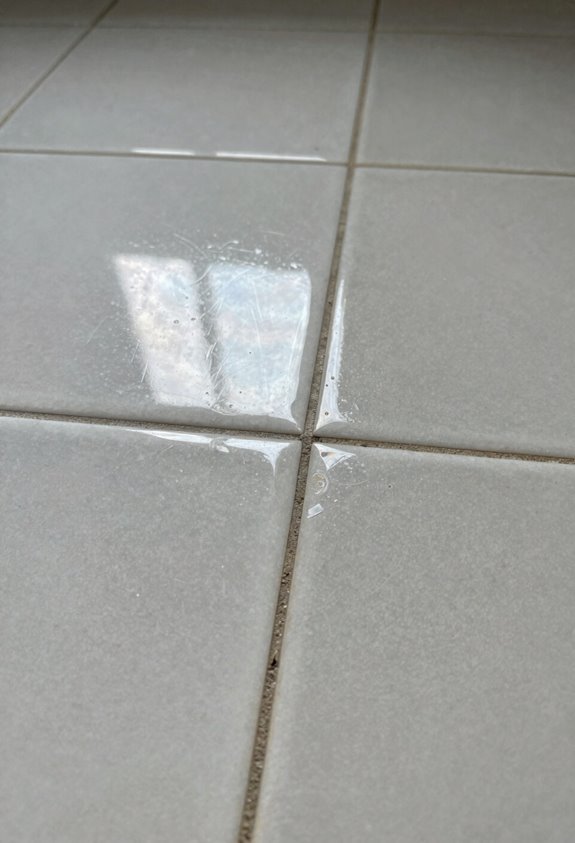
I’ve learned through renovation experience that bathroom tile durability requires careful consideration. Ceramic tile floors that couldn’t handle daily traffic cracked, while porcelain tile would have prevented those problems.
Key durability factors for your bathroom:
- Water absorption: Porcelain clocks in under 0.5%, making it nearly waterproof. Ceramic absorbs 3–7%, which creates problems in wet zones.
- PEI durability: Porcelain earns higher ratings for high-traffic bathrooms where floors take a beating.
- Impact resistance: Porcelain’s density resists dropped hair dryers; ceramic chips more easily.
For flooring versus walls, porcelain tile performs best for floors and shower walls due to its moisture resistance. Ceramic tile works well for decorative wall areas where cutting ease provides an advantage.
Why Porcelain Fires Hotter: The Manufacturing Difference Behind Performance
- Protection against leaks that could damage your subfloor
- Confidence that your tile won’t crack when your kid drops a hairdryer
- The security of choosing a durable material like other quality-focused homeowners
- Reduced vulnerability to grout stains and mold growth
- A bathroom that maintains its appearance years later
That’s the real porcelain vs ceramic difference, and it starts in the fire.
Installation Reality: Why Porcelain Costs More and Takes Longer
So the deal about porcelain that nobody tells you upfront: it’s gorgeous, it’s tough, but it’ll test your patience like a toddler at bedtime.
Porcelain tiles demand specialized tools. You’ll need a wet saw with a diamond blade, no exceptions. Those higher firing temperatures create serious density, and that density means cutting difficulty that will slow you way down. The investment pays off, but consider these factors:
- Expect longer installation time
- Budget for higher installation costs
- Hire skilled labor (don’t skip this)
- Account for waste from precise cuts
Ceramic’s easier. Cut it, slap it down, done. But porcelain fights you every step. The payoff: it stays beautiful forever. Once you know what you’re getting into, the process becomes straightforward.
Which Tile for Which Bathroom Surface: Floors, Showers, or Walls?
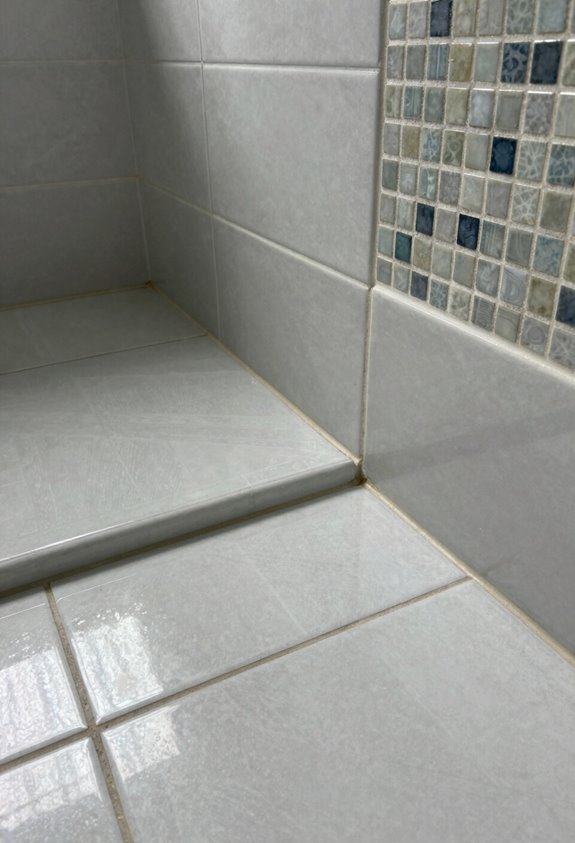
Now that you know what you’re signing up for with installation, let’s figure out where each tile actually belongs in your bathroom.
- Your floors take a beating, so porcelain’s durability and low water absorption prevent damage.
- Showers demand porcelain’s moisture resistance to prevent mold growth.
- Walls welcome ceramic’s easier cutting and lighter weight, making installation less stressful.
- Backsplashes shine with ceramic’s design range, letting your personality show through without difficulty.
- Combining surfaces? Put porcelain on floors and showers, ceramic on walls. This balances performance and budget effectively.