
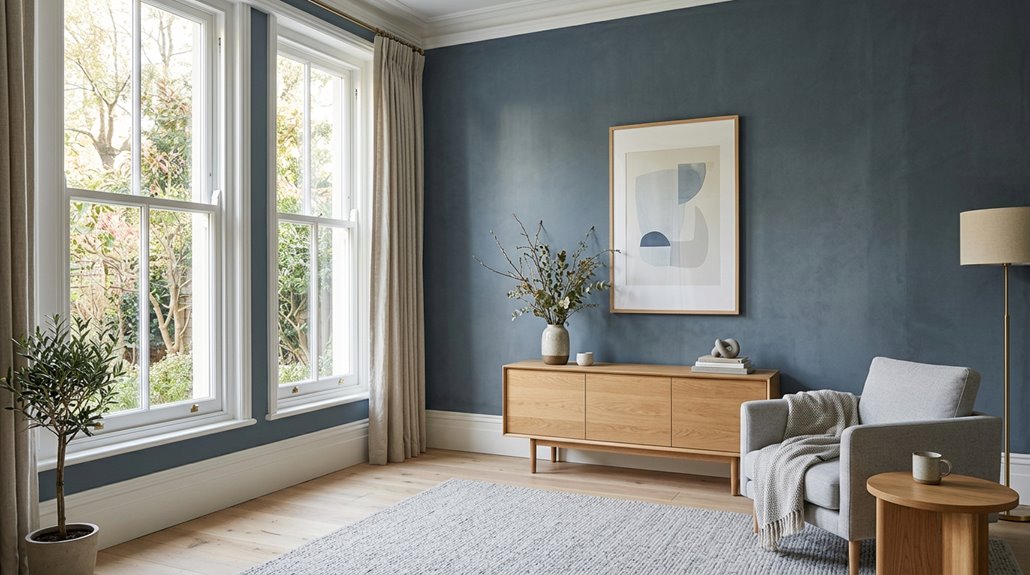
I’ve painted more accent walls than I can count, and the classic one-wall color block is officially tired in 2026, though it isn’t dead entirely if you know exactly where, how, and when to use it. The flat, single-color statement wall now reads as dated and unfinished, especially when it’s just beige walls with one random black rectangle.
What works now is whole-room immersion: color-drenching every surface, layering textures like limewash or wood slats, and treating your ceiling as the fifth wall. Built-ins, architectural paneling, and cohesive storytelling across multiple planes have replaced that isolated pop of color.
Single accent walls still work if you stick to natural focal points, such as behind a sofa, headboard, or fireplace, and use textured, removable materials. The key is starting with your room’s existing architecture and lighting, not just picking a pretty paint chip.
Following these guidelines will help you avoid common mistakes and create something that feels intentional.
Are Accent Walls Out in 2026? Yes: and No
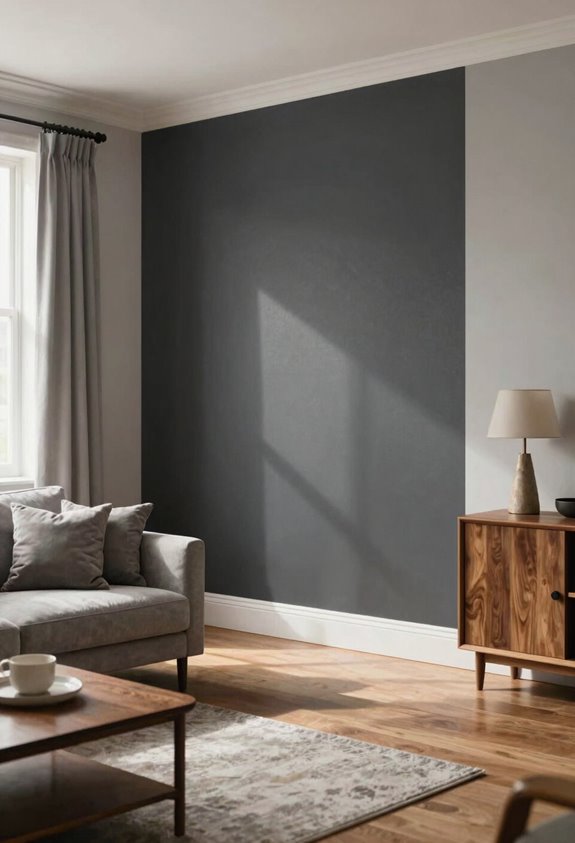
Why do we keep asking if accent walls are dead? I have overthought a single painted wall while missing the bigger picture. The reality is that flat, one-color accent walls feel dated in 2026, but textured walls are absolutely thriving.
Modern wall treatments have evolved. I’m talking wood slat walls, limewash plaster, and stone veneer that add depth you can actually feel. The smartest accent wall trends favor integrated design. Your wall should chat with your architecture, not shout over it.
Modern wall treatments have evolved into tactile, architectural statements—wood slat, limewash, stone veneer—where depth and integrated design replace flat, one-color shouting.
For renters, like I was for years, renter-friendly decor saves the day. Removable textures and wallpaper peel-and-stick transform spaces you don’t own. Focus on highly visible walls, like a kitchen or entryway, for maximum impact with minimal commitment.
Accent walls aren’t out; they’ve just grown up.
Why the One-Wall Wonder Lost Its Edge
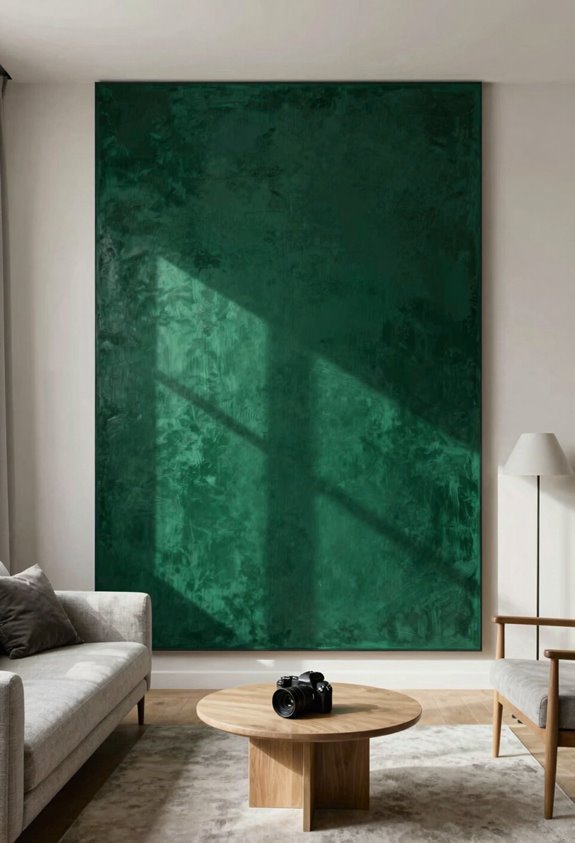
Where exactly did we go wrong with accent walls? I’ve painted that single bold wall myself, convinced I’d created something special. That one-wall approach now feels like a shortcut we all took together.
Design trends 2026 don’t reward the isolated feature wall. We’re craving immersive spaces that wrap around us completely. That awkward fourth wall in black, while three stay builder-beige, reads as unfinished now.
What’s replacing our old habit in kitchens, entryways, or kids’ rooms:
- Multi-surface storytelling across every plane
- Paneled ceilings that draw eyes upward
- Texture layering with genuine depth
- Integrated architectural features, not applied color
Holistic texture delivers what accent walls never could. A fully considered space creates visual continuity and spatial coherence that isolated color cannot achieve.
Whole-Room Immersion: What Replaces the Solo Statement
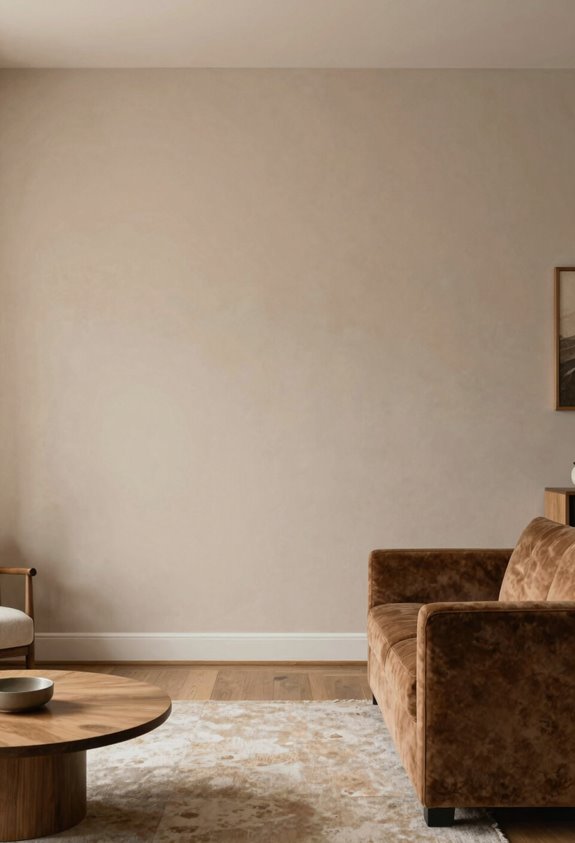
How exactly do we move past that one bold wall we’ve all painted and then stepped back from, feeling vaguely disappointed? I have unfortunately done this several times, and it’s worth reconsidering.
Whole-room immersion is replacing that solo statement. Build a cohesive space this way:
- Color-drenching, coat everything (walls, trim, ceiling) in one hue, easier than you think.
- Layered textures, combine plaster, wood, textile for durable textures that last.
- Ceiling treatments, paint or wallpaper overhead, keeping walls calm.
Architectural features like crown molding get integrated with art for lasting impact. Wall treatments work together through ambient layering: lighting, texture, tone rather than competing.
Choose atmosphere over focal wall. The finished, space-wide look feels intentional and lived-in, not like a DIY mistake we’re hoping nobody notices.
Ceilings, Built-Ins, and Architecture as Focal Points
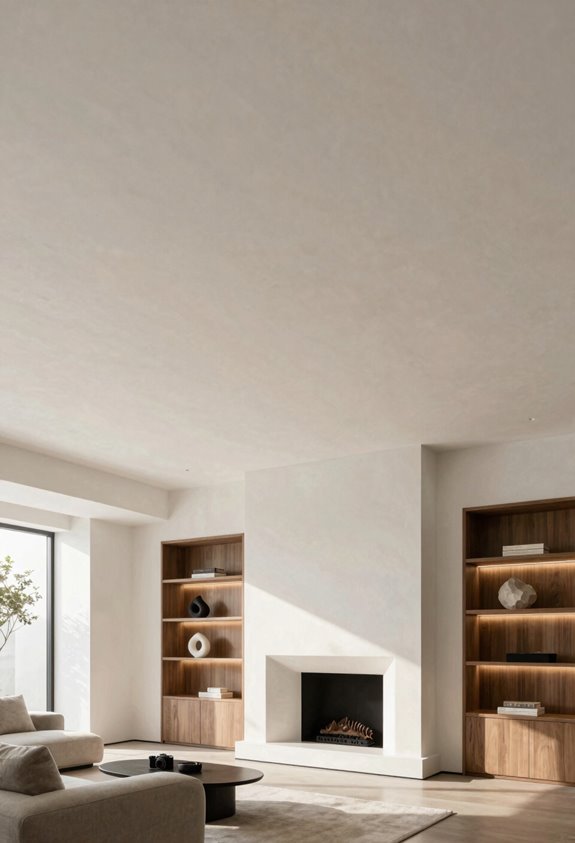
I’ve painted my share of accent walls that felt flat the moment the tape came off, and I’ve learned the real drama lives elsewhere. Designers like me are treating the ceiling as focal point, our “fifth wall”, while keeping other white walls calm and intentional.
I’m seeing four moves that belong in every home:
- Paint or paper your fifth wall, letting coffered ceilings or crown molding draw the eye upward (like a kitchen, entryway, or child’s room).
- Invest in built-ins, because shelves with purpose beat a lonely block of color every time.
- Layer architectural details; paneling, trim, wainscoting create cohesive surfaces that feel collected, not decorated.
- Combine layered textures across multiple planes so your room tells one story, not two.
This approach delivers measurable results.
When a Single Accent Wall Still Works
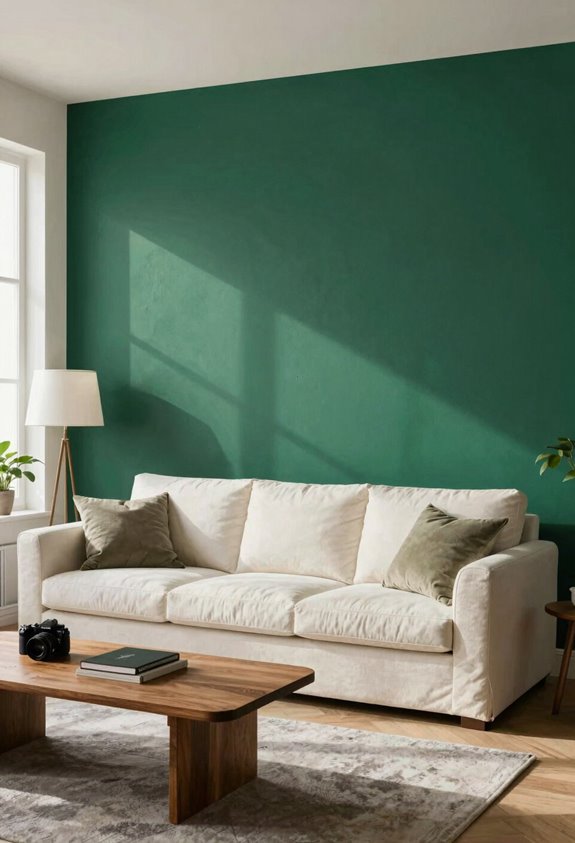
Although a single bold color can feel stuck in the past, accent walls still solve real problems when you get the placement right.
First, consider when a single wall actually works in modern interior trends:
- Start with lighting and architecture. Picking the wrong wall creates regrettable results, so this step matters.
- Choose natural focal points: behind your sofa, your headboard, or a fireplace.
- Got windows or doors breaking things up? Skip the solid paint. Textured materials, removable panels, or peel-and-stick textures work better in kitchens, entryways, and children’s rooms.
For renters, peel-and-stick options keep that focal wall feasible without landlord complications. The right wall materials make all the difference.