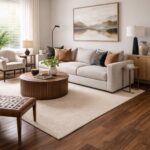
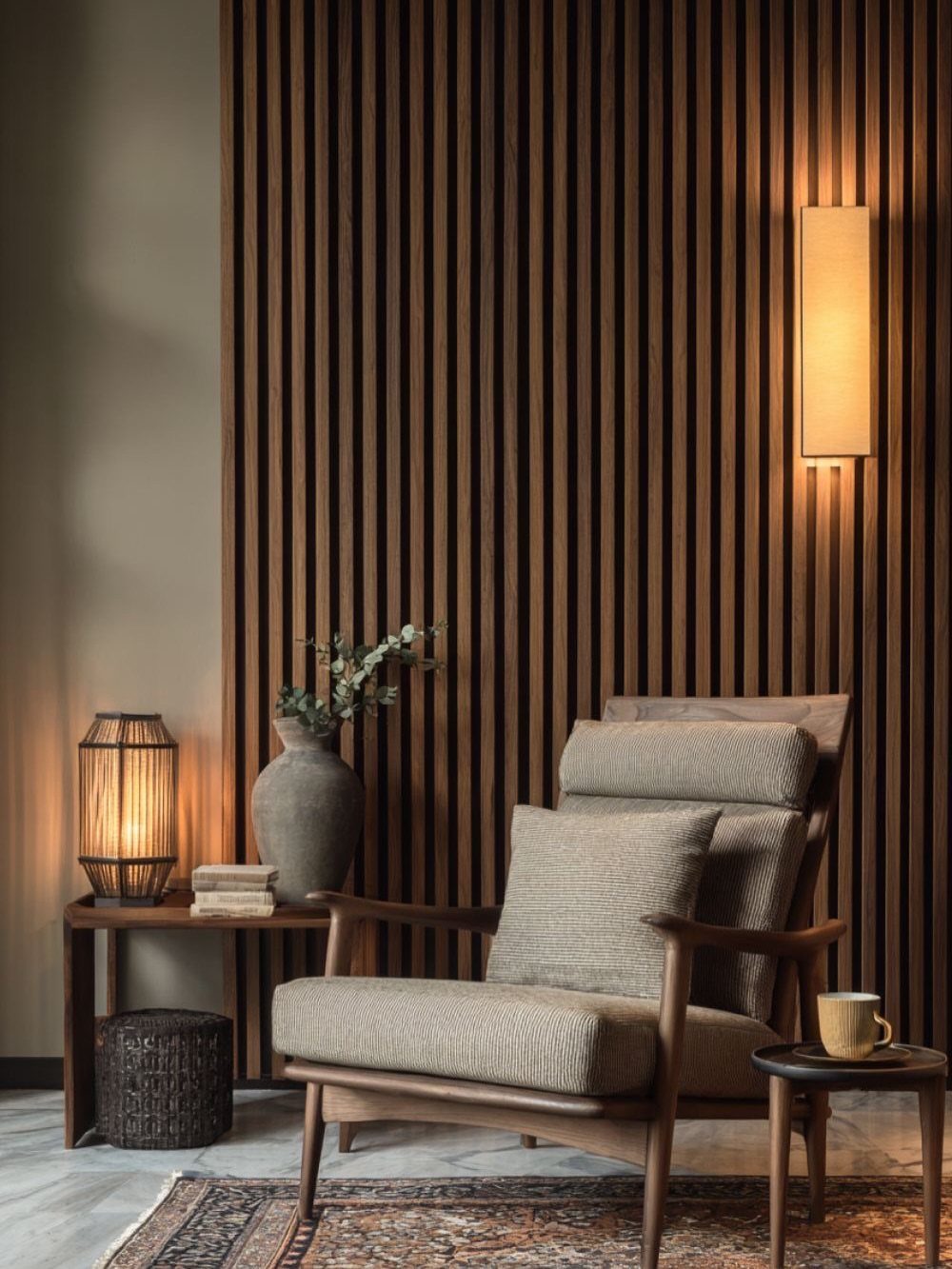
Mid-century wall paneling covers a wide spread, from home center boards you nail up Saturday to full teak systems that cost about the same as a decent sofa.
Which idea fits depends on your ceiling height and whether you want something you can peel off when you leave or something that stays: vertical slats and painted MDF work for the first, built-in shelving in real veneer for the second.
The 1/2 to 1 inch gap between pine slats is the detail that makes the shadow line read as deliberate, not amateur, against black paint behind.
1. Vertical Wood Slats
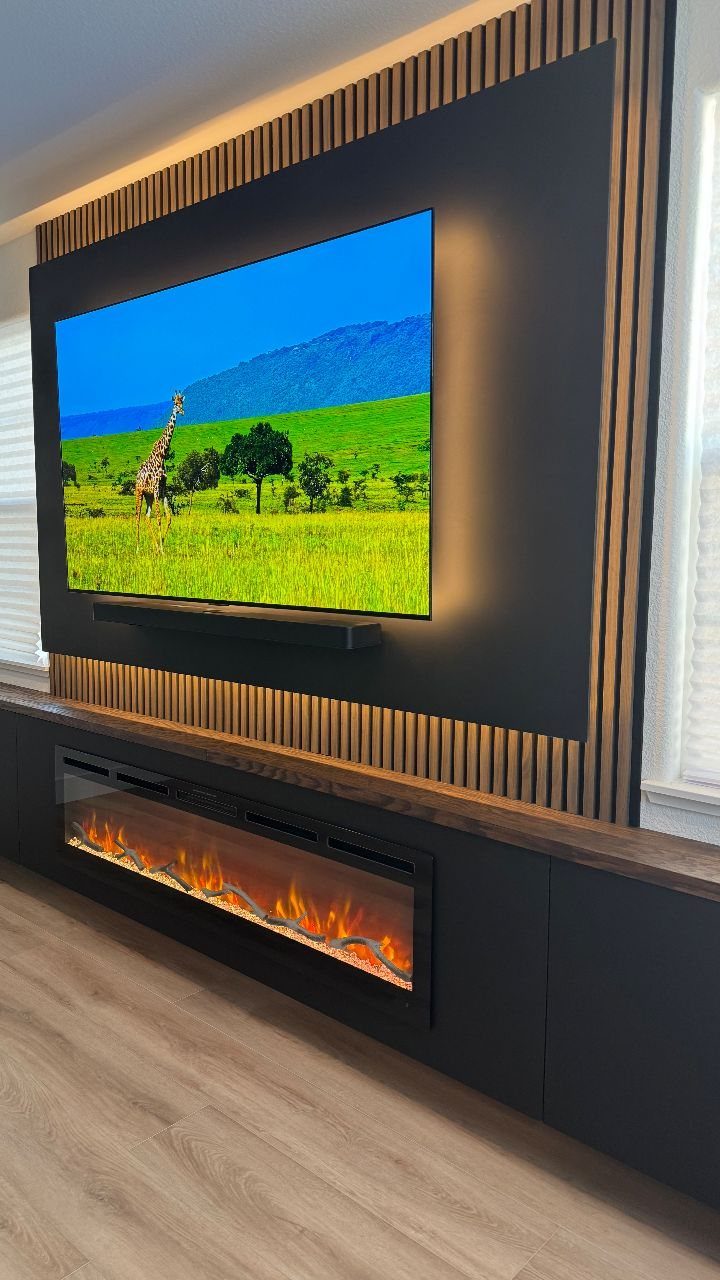
Vertical wood slats with dark recessed grooves between them give a flat wall real depth without crowding a small room.
I like this for renters or first-timers because the slats go up as individual boards, so you work with standard lumber sizes and skip the freight charges on full sheets.
Warm-toned pine or oak reads mid-century without trying too hard. Space the slats 1/2 to 1 inch apart for that recessed shadow line; paint the wall behind black or deep charcoal so the gaps read as deliberate.
Orange upholstery or cognac leather against the wood is classic, but even a gray sofa looks pulled together.
A weekend and boards from the home center is plausible for a standard accent wall.

High-Quality Wall Panels: Our acoustic panel set is crafted with high-density polyester fiber, premium medium-density fiberboard, and a solid wood veneer. This combination provides an elegant look, superior sound damping, and excellent sound deadening, significantly improving room acoustics

Superior Acoustic Performance: It is designed to provide excellent noise-cancellation capabilities, making it ideal for use in homes, offices, studios, and other spaces where acoustic quality is a priority
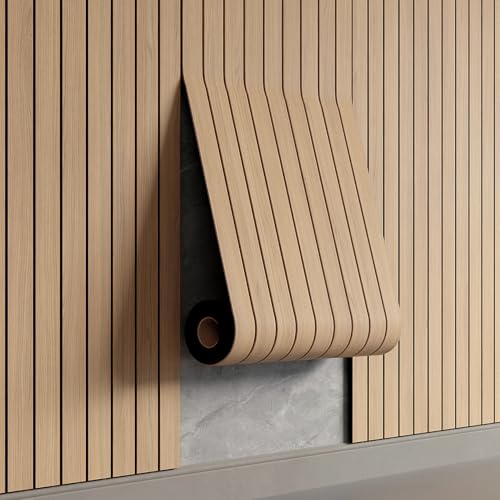
Effortless Peel & Stick Installation--Enjoy hassle-free setup with our self-adhesive PVC slat panels! Just measure, peel off the backing, and press onto any clean, flat surface—no tools or expertise needed. Perfect for DIY beginners and quick home makeovers.
2. Warm Wood Panels
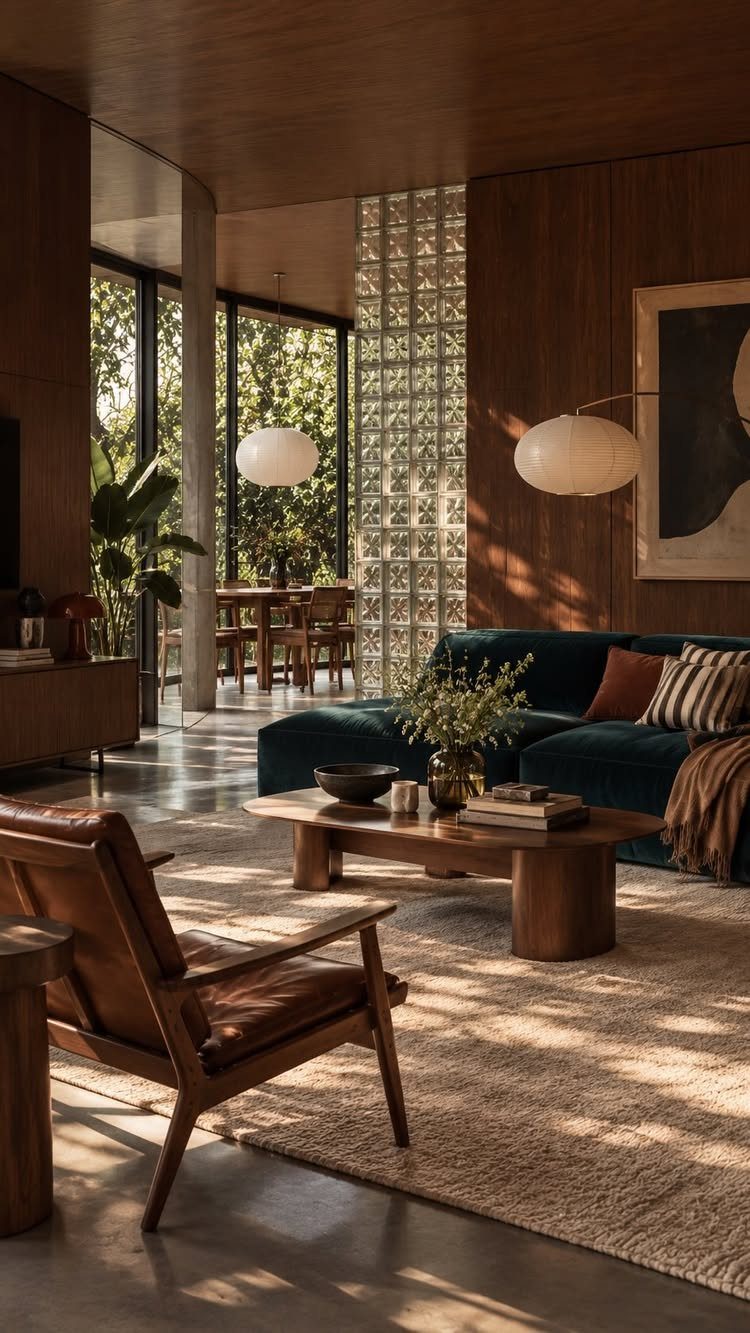
Full-wall wood grain panels are the fastest way to lose that rental-white feeling. Vertical teak veneer needs nothing else behind a low bed or sofa; the wall itself becomes the art.
What makes this practical: panels cover in sheets, not slats, so you finish faster.
Match floating shelves to the same wood and skip visible brackets; built-in cabinets at floor level keep the look continuous. If your walls are textured, thin plywood backer boards flatten things out before the veneer goes on.
Teak runs more than pine, but the cohesion saves money on extra decor. A single wall comes to a manageable amount in materials if you shop veneer over solid stock.

Natural Beauty: Each sheet of teak veneer exhibits the beauty of natural wood, featuring unique wood grain and captivating natural colors, making it an ideal choice for woodworking projects.

ELEGANT NATURAL TEAK WOOD VENEER: Elevate your furniture with the exquisite Natural Teak Wood Veneer Sheets, featuring a rich color and unique grain patterns.

Natural and beautiful: Wood veneer is a thin wooden sheet material produced by rotary cutting or sawing of logs, Has a natural woody feel,Different wood textures and tones can meet various design styles and aesthetic needs.
3. Geometric Patterns
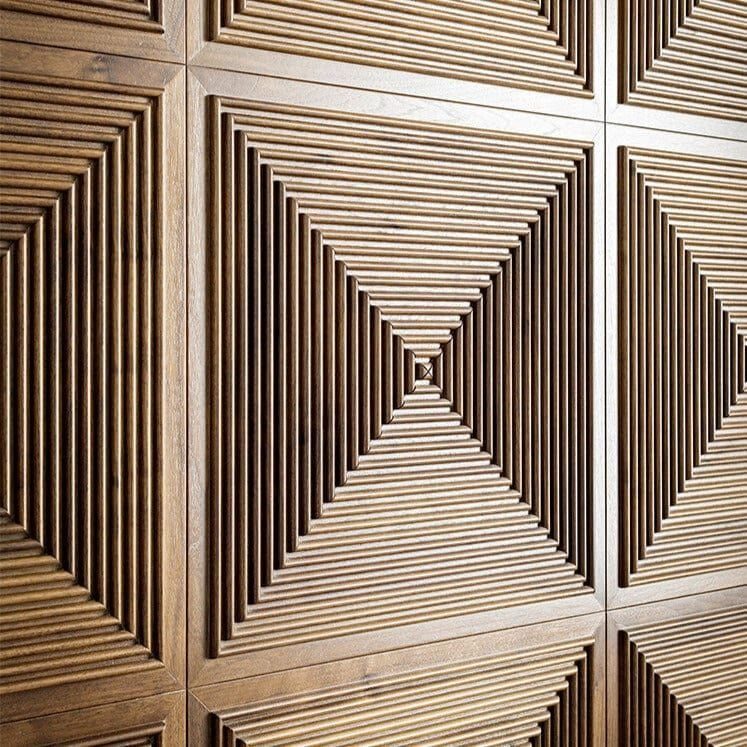
Panels carved with concentric reeding or starburst geometry read as built-in art, which matters when you do not own much. The technique is simple: shallow relief routed into square tiles, then arranged in a grid.
I would choose walnut for the tone and keep the surrounding walls quiet; a navy accent behind works because the geometry already carries the pattern.
Vary the thickness of a few panels per wall so the light catches differently across the day.
Installation is identical to flat panels since the relief faces out.
Add the carved version behind a console or as a headboard zone, not everywhere. A small tile set gets you a focal point without cladding the room.

【Handcrafted Geometric Wood Wall Art – Unique 3D Texture for Modern Spaces】 Elevate any plain wall into a stunning focal point with our hand-assembled solid wood mosaic panels. Each piece features 36 precision-cut natural wood blocks with one-of-a-kind grain patterns, delivering a rich dimensional 3D texture that flat printed art and cheap foam panels cannot match. It pairs seamlessly with mid-century modern, farmhouse, boho, and minimalist interior styles, perfect for living room accent walls, TV backdrops, bedroom headboards, and home office decor.

Vintage Mid Century Vibe: features a realistic dark teak wood grain finish that brings warmth and luxury to your space, perfect for creating a sophisticated " man cave, " home theater, executive office, or a retro inspired living room accent wall

Package Contents: the package includes 8 pieces of 3D wall panels and 32 pieces of round double sided foam tapes, providing mid century and modern atmospheres and classic 70s vintage aesthetics, suitable for decorating, sharing, and more
4. Fluted Wall Panels
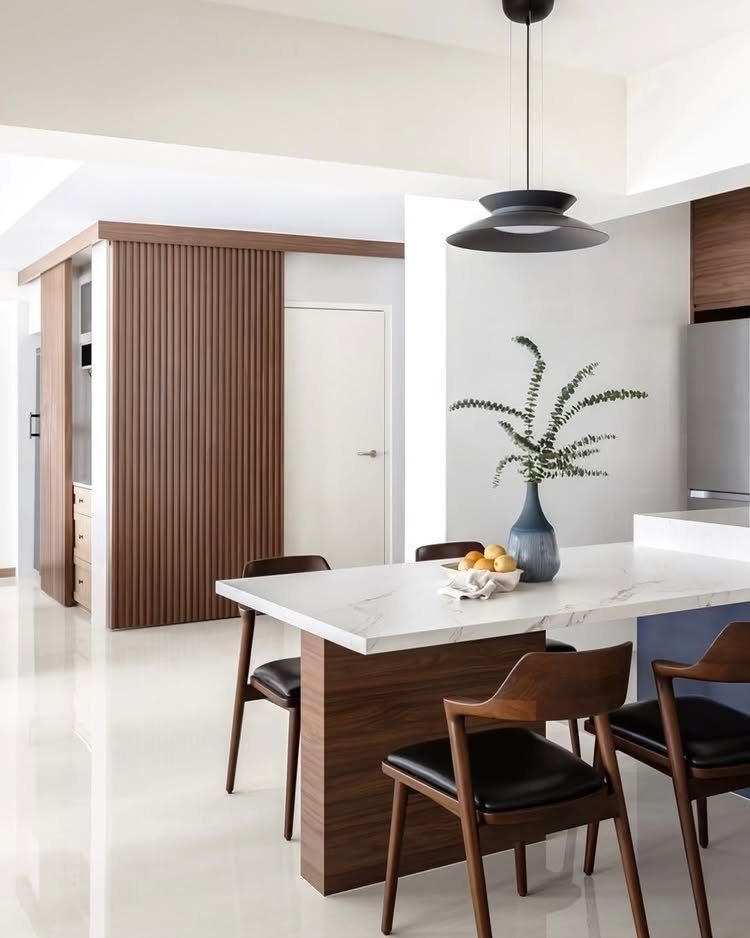
Fluted wood panels catch light as vertical ridges that run floor to ceiling, which makes low ceilings feel taller.
The rounded grooves in the version I looked at cost less than solid wood and machine evenly, so your joints stay clean.
I would use this behind a sideboard or as the back of a dining nook where people sit facing the wall.
Paint reads well on flutes; mustard yellow is period-correct, but sage or warm white keeps it livable for years. Check that your panel edges meet on a stud; the rhythm breaks if one flute lands off-center.
These come in standard sheets from most suppliers, so you can plan the layout by counting what fits. A single wall with 2 sheets and trim runs less than a pre-made system.

Solid Premium Finland made Nordic Knotty Pine Wainscot Kit

Includes Two 48" H-trim for a nice, flat slatwall panel joint! Designed exclusively for use with FRAYSCENT slatwall. Ideal for workshops, garages, tool sheds, gyms, offices, factories, craft rooms, laundry rooms, basements, gardens and more!

2 x 4 ft Slatwall Panels: Each pack has 2 horizontal slat wall panels, 2 ft H x 4 ft W x 3/4 in D, that fit together for a seamless run. Use one panel, stack them or run them in strips.
5. Wall Panels with Built-in Shelves
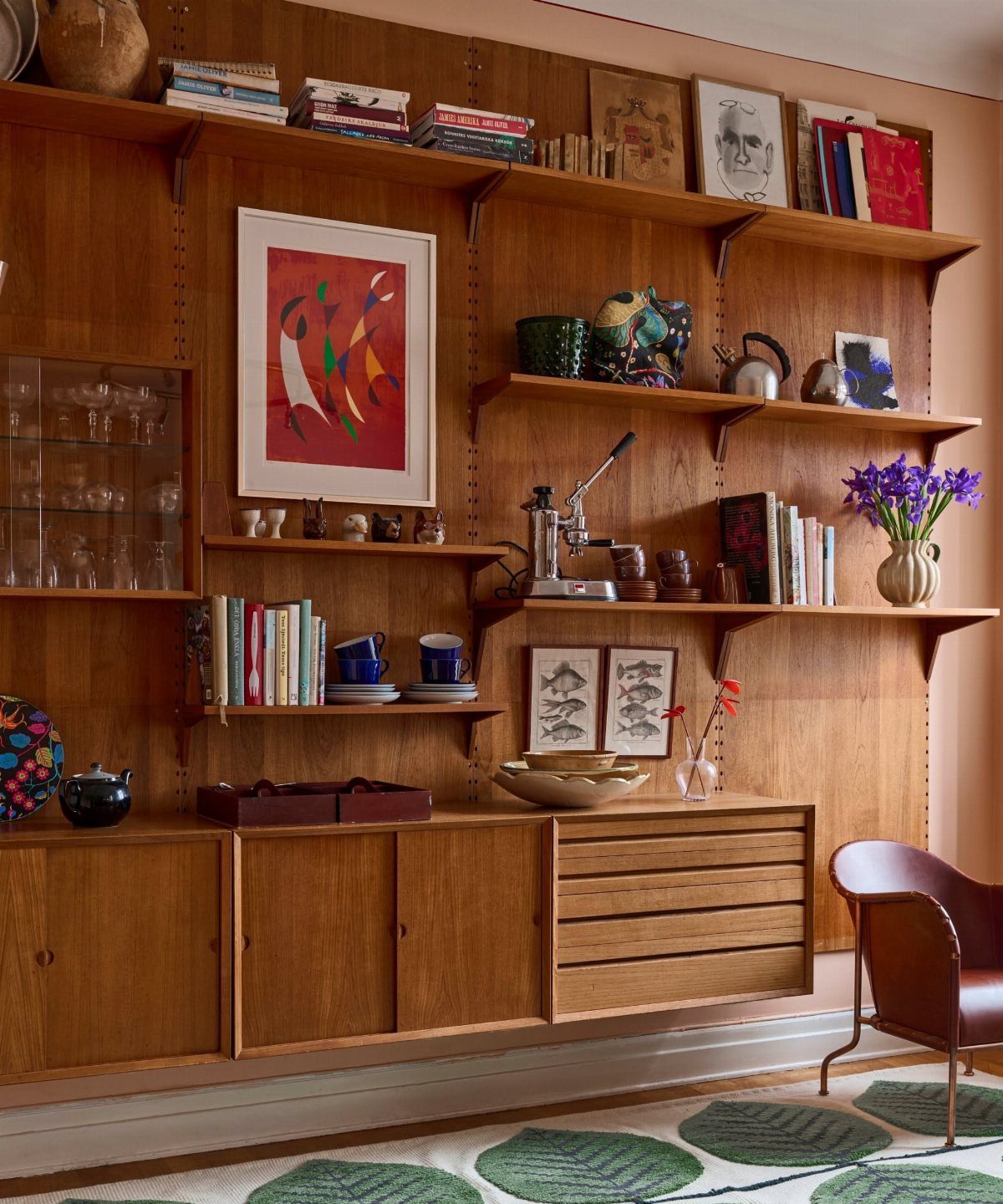
Full-wall teak systems with shelves, cabinets, and drawers replace furniture you would otherwise buy, which is how I would justify the upfront cost. "
For a DIY version, start with flat panels and add floating shelves at heights you already use: low for books, higher for a coffee station.
Match the wood tone on brackets if you use them; paint them the wall color if you do not. Cabinet boxes at the bottom hide clutter that open shelves cannot.
IKEA-era fronts can get close, but real teak joinery starts at a much higher price than painted MDF. This suits someone staying put.

𝐌𝐨𝐝𝐞𝐫𝐧 & 𝐌𝐢𝐧𝐢𝐦𝐚𝐥𝐢𝐬𝐭 𝐒𝐭𝐲𝐥𝐞 - Featuring clean lines and a rustic brown finish, these wall-mounted shelves bring warm farmhouse charm and modern style to any space. Perfect as shelves for room decoration, book shelves display, and rustic farmhouse wall decor — they elevate your bathroom wall art vibe, bedroom aesthetic, living room style, kitchen organization, office setup, and laundry room storage all in one versatile design

Floating Shelves for Wall Storage Set of 6 - The size of the WOPITUES floating shelves for wall is 16.5*6*0.6 inches. WOPITUES Floating Wall Shelves for Bathroom/Bedroom Set of 6 could give you extra storage space in the bathroom, bedroom, guest bathroom, kitchen, and living room. You can install our floating shelves for wall anywhere you like. Let’s make life simpler.
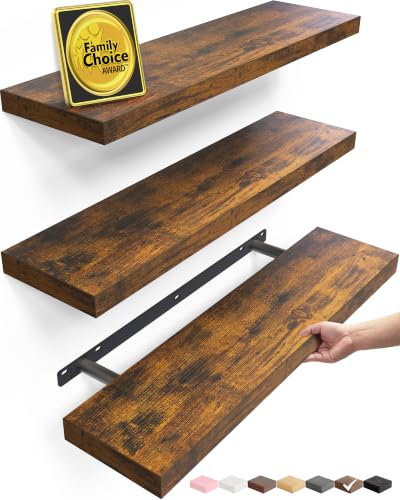
𝐌𝐨𝐝𝐞𝐫𝐧 & 𝐌𝐢𝐧𝐢𝐦𝐚𝐥𝐢𝐬𝐭 𝐒𝐭𝐲𝐥𝐞 - Featuring clean lines and a rustic brown finish, these wall-mounted shelves bring warm farmhouse charm and modern style to any space. Perfect as shelves for room decoration, book shelves display, and rustic farmhouse wall decor — they elevate your bathroom wall art vibe, bedroom aesthetic, living room style, kitchen organization, office setup, and laundry room storage all in one versatile design
6. Sage Green Painted Paneling
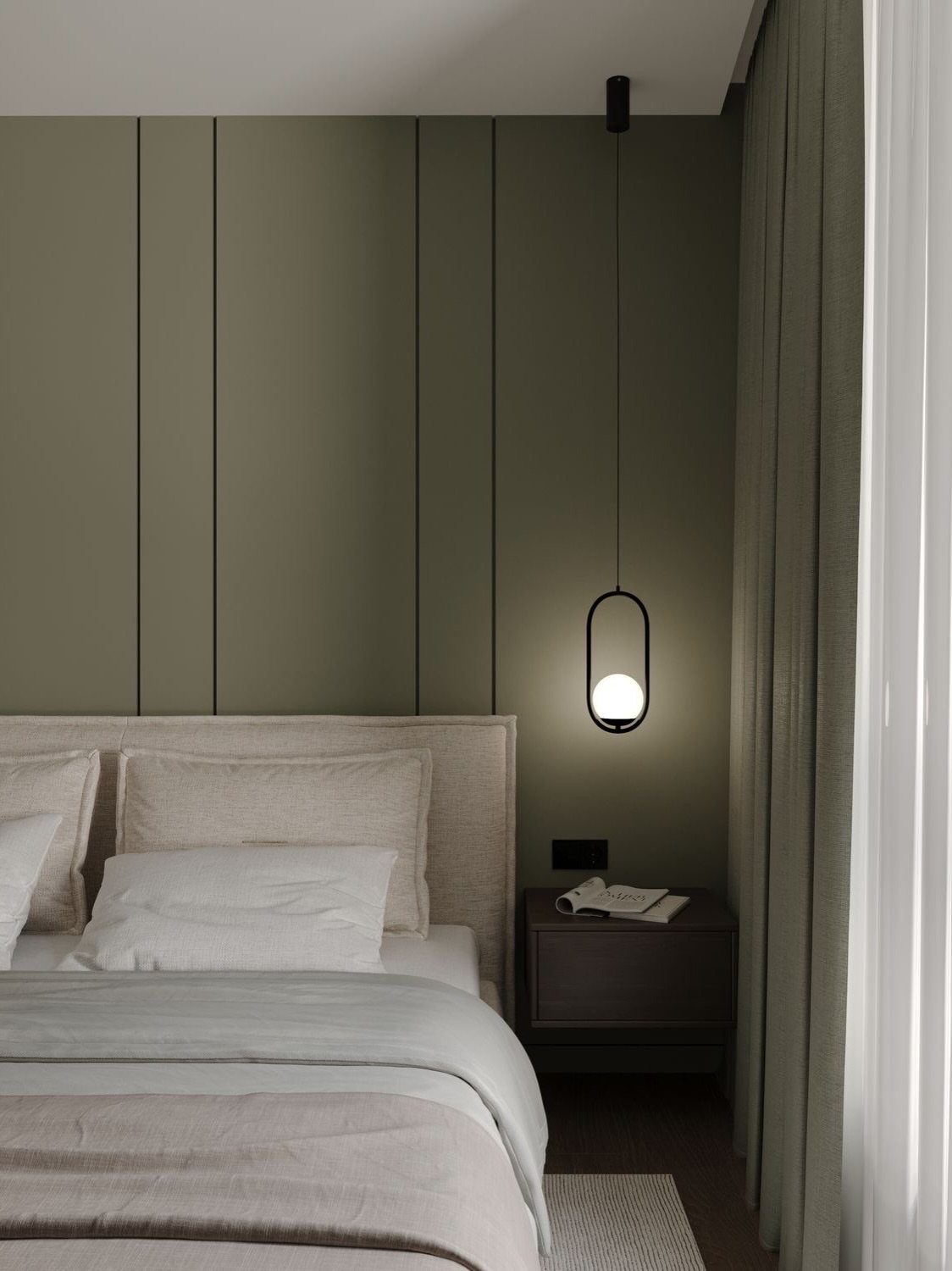
Painted vertical paneling in muted sage softens a bedroom without going full color. The board lines still read as architecture, so the room keeps structure even in a tone that flat paint would turn mushy.
I would use standard MDF boards, not authentic hardwood, since the paint hides the material.
Space them the width of one board apart for even rhythm; the shadow grooves read as texture, not stripes. Pair with brass or black bedside lighting and white linens so the green stays calm, not clinical.
Half-wall paneling with a painted upper wall is another route, but floor-to-ceiling suits lower ceilings better. A queen wall runs a modest amount in boards and 2 gallons of paint with primer built in.

Modern and Elegant Design - The wood slat wall panels have been carefully designed to effortlessly transform any space, enhancing the surroundings both visually and acoustically. The wood panels help to create an environment that is not only quiet but beautifully contemporary, soothing and relaxing. Furthermore, our slat wall panels can be installed horizontally or vertically and cut to any shape allowing for creativity and a unique look to fit your aesthetics.
Effortless Peel & Stick Installation--Enjoy hassle-free setup with our self-adhesive PVC slat panels! Just measure, peel off the backing, and press onto any clean, flat surface—no tools or expertise needed. Perfect for DIY beginners and quick home makeovers.

High-Quality Wall Panels: Our acoustic panel set is crafted with high-density polyester fiber, premium medium-density fiberboard, and a solid wood veneer. This combination provides an elegant look, superior sound damping, and excellent sound deadening, significantly improving room acoustics
7. Half-wall Wood Wainscoting
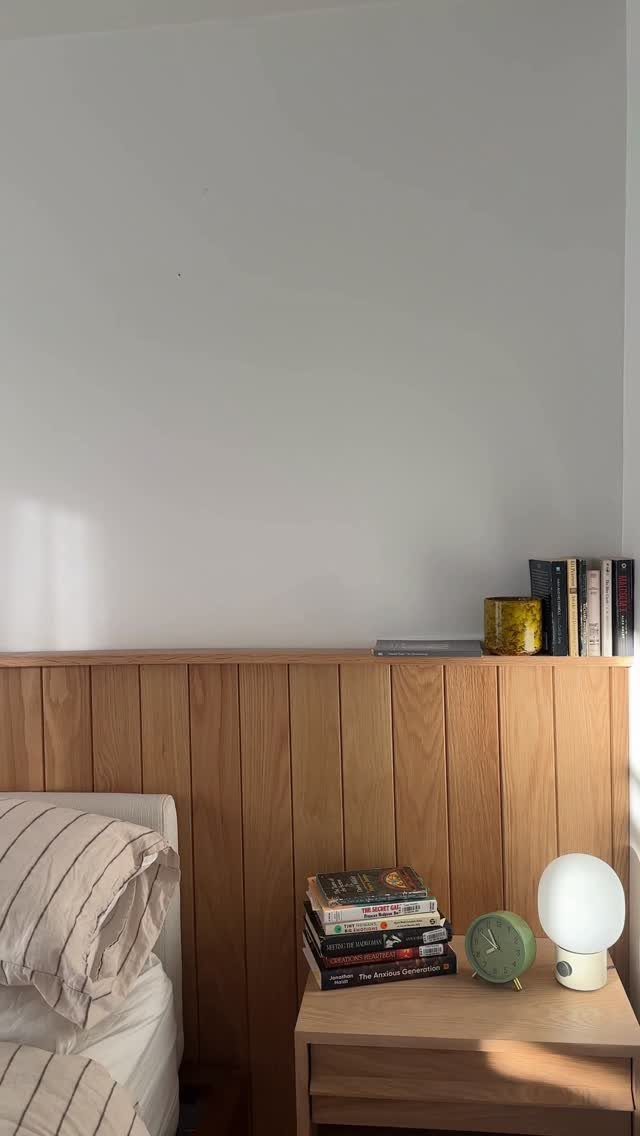
Half-wall wood wainscoting tall enough to sit just above the back of a bed or sofa protects the wall behind it while the upper half stays open for art or a color shift.
Vertical slats read taller than horizontal boards, which matters in a room with standard height ceilings.
Run the slats from finished floor to a thin ledge or cap; the ledge holds a lamp or clock without sticking out past the wall plane.
Paint the upper wall olive green or warm white, but keep the wainscoting bare wood. Walnut slats over pine keep costs down, since only the visible face matters.
A short wainscot is a one-day project if the lumber is already acclimated to the room. Cost stays low because you buy 6-foot boards, not full sheets, and cut the lower half of each.

REAL WOOD VENEER SHEET – ready to stain, real wood veneer sheets which are ideal for using when repairing or refacing furniture, cabinets and fine woodworking. Wood veneer sheets that will stand the test of time.

Sleek wood veneer + sturdy MDF core + high-density sound-absorbing polyester fiber, Art3d fluted wood paneling enhances both the visual and acoustic quality of any space. Seamlessly integrates with various design themes, transforming your space in now!

Effortless Peel & Stick Installation: Enjoy a truly hassle-free upgrade. Our self-adhesive panels require no tools, nails, or messy glue. Simply peel off the backing and press firmly onto any clean, flat surface for an instant transformation—perfect for DIY beginners
8. Dark Wood Grid Paneling
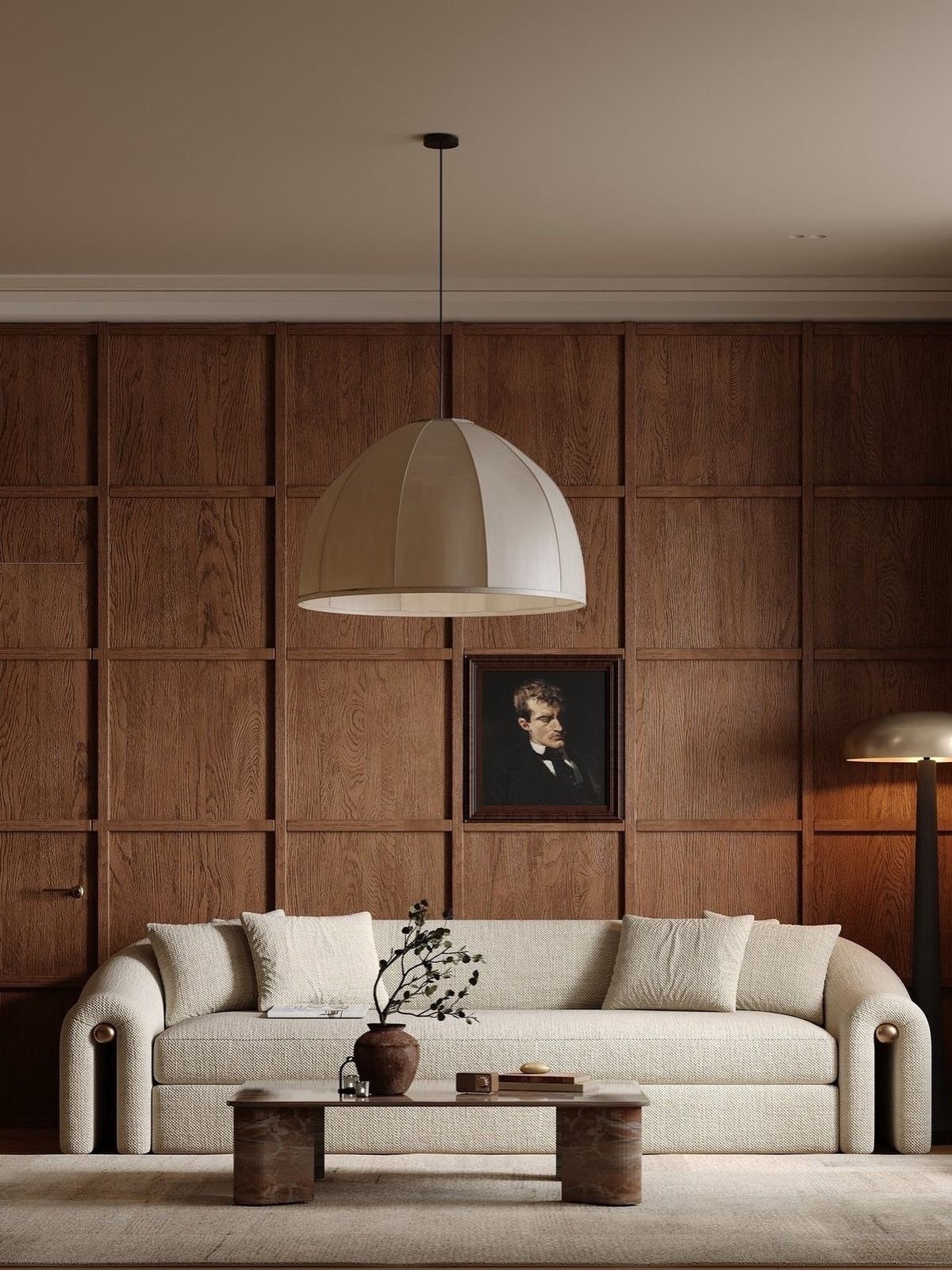
Dark wood grid paneling turns a single wall into architecture without calling for special tools.
Square frames of walnut or stained oak set on flat panels create the grid; the recessed centers catch shadow and read as depth from across the room.
I would build the grid with 1×2 or 1×3 stock, not routed panels, so the joints sit proud. Miter the corners if your saw is accurate; butt joints with a visible nail read fine in this era.
A cream sofa against the dark grid is the classic pairing, but navy or charcoal upholstery also works if the room gets good light.
The grid needs planning: measure the wall, divide by your square size, and accept the remainder as a border.
Plywood sheets and trim lumber from the rack cost less than locked-in pre-fab dimensions and freight. Paint the wall black first so any gaps disappear.
This lives best in a room with a large pendant or portrait, since the grid itself is quiet.

Please note - there may be slight color variations between different batches, so please be sure to purchase the required quantity at once.

UNIQUE WALL DECORATION: Elevate your home decor with our premium wooden hexagon wall decor. Made from high-quality basswood, these wall stickers bring a natural and inviting feel to any room. The different colored panels blend seamlessly, creating a visually appealing and layered effect on your walls.

Authentic Vintage Pine Grain: Features a weathered, distressed wood texture that captures the soulful character of reclaimed timber, adding a nostalgic Mid-Century Modern charm to your space
Installation Tips
A 15–20 kg roller presses the sheets into the bed before the adhesive skins.
For those, a miter saw and brad nailer replace the trowel and float; the level still matters, especially on long slat runs where any bow telegraphs.
Leveling matters more on grid paneling than on slats, since a slat can follow a slightly wavy wall and still look straight in isolation. Grids broadcast their geometry across the whole surface.

Stylish Design & Simple Installation: Elevate your space with these modern wall panels, featuring clean lines and beautiful wood grain finishes. Installation is quick and easy on any wall or ceiling using just glue or screws, making your accent wall project effortlessly stylish.

Strong Load-Bearing Capacity: The slat wall panel can support up to 25 lbs, providing stable and efficient storage for various heavy items such as hammers, drills, ladders, and more, making it ideal for use in garages, workshops, and other spaces.

Solid Premium Finland made Nordic Knotty Pine Wainscot Kit - not a cheap plantation pine imitation sold at box stores.
Material Comparisons
MCM flexible tiles suit dry accent walls; SPC handles wet zones and high traffic.
That split is worth knowing if you are weighing materials outside the wood and MDF options in the list, since every entry above assumes an interior dry wall.
SPC holds up against shower steam and floor mopping, which makes it the practical choice for bathrooms with mid-century ambitions if real wood panels are out of reach.
Teak veneer and walnut slats work best in bedrooms, living areas and dining nooks that stay dry and far from shower steam or splashed floors.
Painted MDF and pine backups fill the cost gap between MCM tile and solid wood veneer without giving up the look.
Where the wall lives matters as much as how it looks, since bathroom humidity and kitchen grease rule out some materials fast.
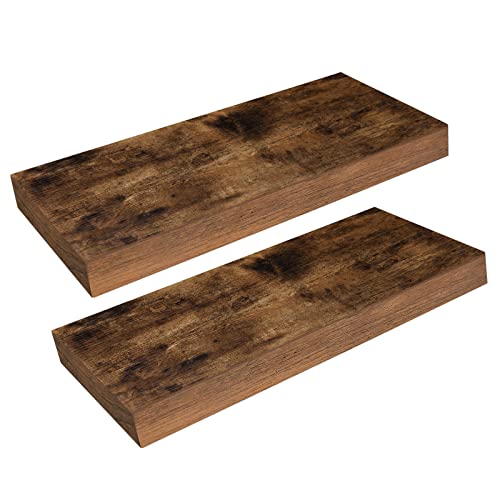
High Quality: Sized in 15.7"L x 7.9"W x 1.5"H. The 1.5" thick floating shelves for wall are fixed with Invisible and enhanced dual-pipe iron Brackets, stable with great load up to 22 lb per wall mounted shelf

Centerpiece of Room Decoration - These shelves boast a distinctive design and an elegant shape, making them a focal point that elevates the style of any room. Ideal for the living room, bedroom, study, bathroom, laundry room, children's room, or office, they reflect the owner's sophisticated taste and blend seamlessly with various decor themes.

Complete Set for Versatile Organization:This pack includes three different-sized organizers (Small, Medium, Large), designed to work together. They offer a flexible storage solution that can be easily customized for various spaces like your kitchen pantry, bathroom cabinet, or office desk, helping you eliminate clutter efficiently.
Design Considerations
Vertical slats in warm pine or oak read lighter and more casual than the dark walnut grids.
Sage green paint on MDF moves furthest from wood’s natural warmth into color as architecture. The atmosphere shifts from earthy to muted depending on which entry you follow.
A room that needs to feel enclosed, library-like, suits the dark wood grid or fluted panels.
One that needs air and height does better with vertical slats or half-wall wainscoting that leaves the upper wall open. The stone option would have added cold weight; the list’s wood focus keeps things warmer, period-correct or not.
Frequently Asked Questions
Is panelling outdated in 2026?
No, and the vertical wood slats, fluted MDF, and geometric carved panels above are plenty of proof.
Warm-toned wood walls show up fresh across rental renovations and first-home updates right now, with homeowners spacing slats and painting grooves rather than installing prefab systems.
The pivot to individual boards and standard lumber sizes has made the look more accessible, not less current.
Is wood paneling mid-century?
Yes, and vertical teak veneer or warm walnut slats were built into the era’s architecture, not added after.
The thin recessed grooves and rhythmic patterns of that period survive in spacing slats for shadow lines and matching floating shelves to the same wood tone.
Starburst geometry and concentric reeding on carved tiles echo the built-in art quality of original installations.
Are paneled walls coming back in style?
They have already come back, enough that standard sheets of fluted MDF and veneer-backed paneling stock most suppliers now. The half-wall wainscoting and sage green painted versions extend the range beyond retro recreation.
Can you buy paneling anymore?
Yes, and the range is wider than the plywood sheets most people picture. Fluted MDF comes in standard sheets, flexible stone veneer handles wet zones, and SPC works for bathrooms where teak cannot go.
For dry walls, veneer over plywood backer boards or 1×2 grid stock from the lumber rack costs less than pre-fab locked-in dimensions plus freight.