These ideas run from under a dollar per square foot up to thirty, and from one evening with a utility knife to a full weekend with a miter saw and patience.
The right choice depends on whether your floor sits on concrete, plywood, or an existing surface you are allowed to cover.
A 12-mil wear layer on luxury vinyl tile will handle an entryway where tracked-in snow is routine, while peel-and-stick rigid tiles ask only that you sweep the grit away first.
1. Laminate Flooring
Laminate runs about $1 to $7 per square foot and clicks together as a floating floor, so you can install it over a weekend without glue or nails.
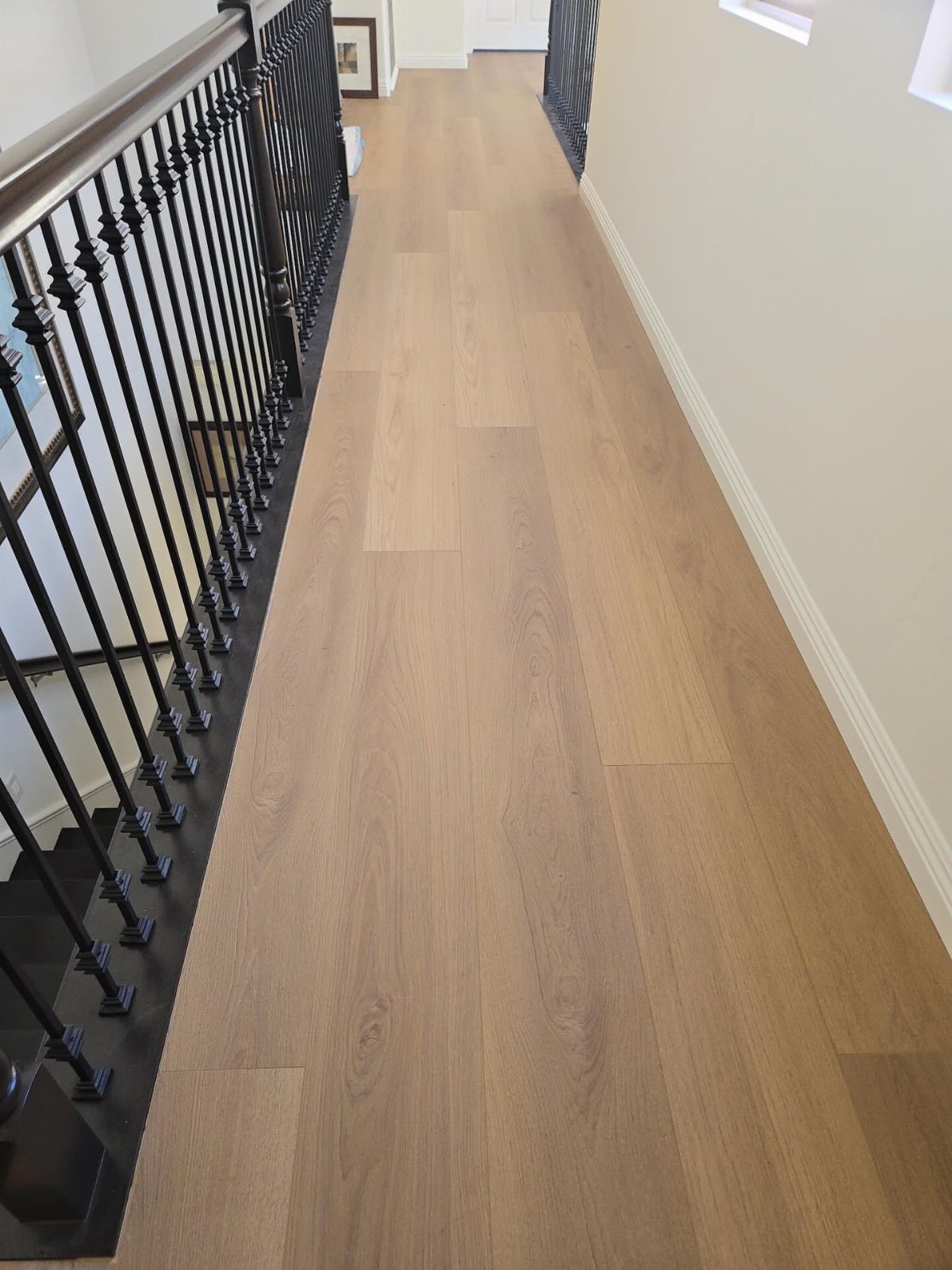
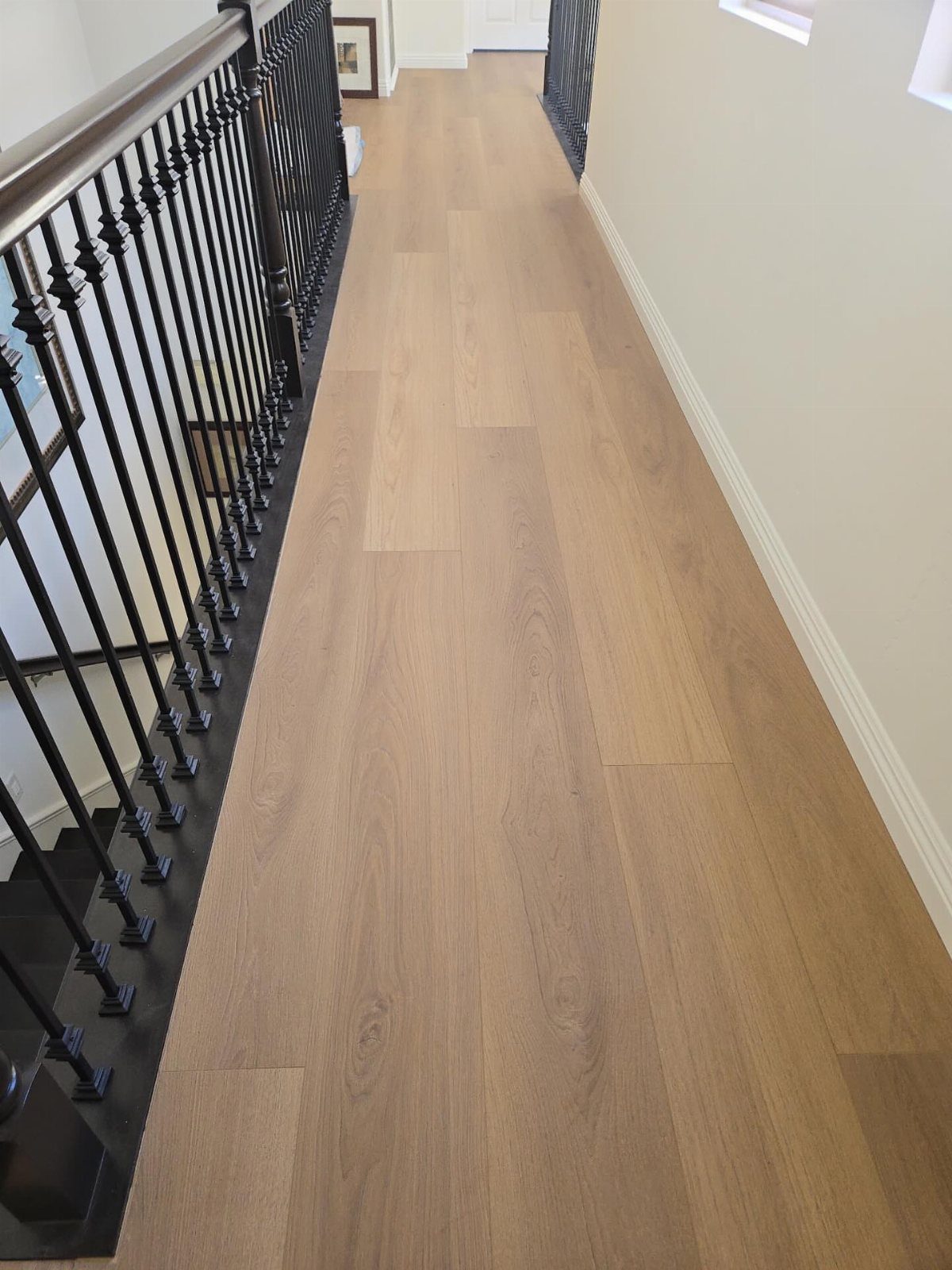
The planks in that hallway show the usual wood-look print layer, warm oak tones with just enough grain variation to read as real from a few steps back.
I would not put this in a kitchen or bathroom. The seams let water in, and the fiberboard core swells once it does.
Spills need wiping up fast. For bedrooms, hallways, or a living room you refresh before a bigger renovation, it lasts 10 to 15 years and looks respectable doing it.
Modern water-resistant options exist now, but I would still hesitate near a tub or sink.

Ideal to fill gaps, nicks and scratches on wood, laminate and vinyl flooring

🏠DETAILS: 15.8x78.8 Inch, total 8.65 sq.ft (40cmX2m) Made of durable thin vinyl, thickness: 0.015 In (0.4MM). Peel and stick wood planks vinyl flooring roll, brown shiplap planks color. Waterproof. Removable.

Nexus Wood Look Floor Planks: Transform your floor for a low cost and no hassle with the Nexus Vinyl Floor Planks. Our planks can be used in any room in your home from the foyer to the bathroom. No messy glue or adhesives needed. Includes 10 vinyl planks.
2. Luxury Vinyl Tile
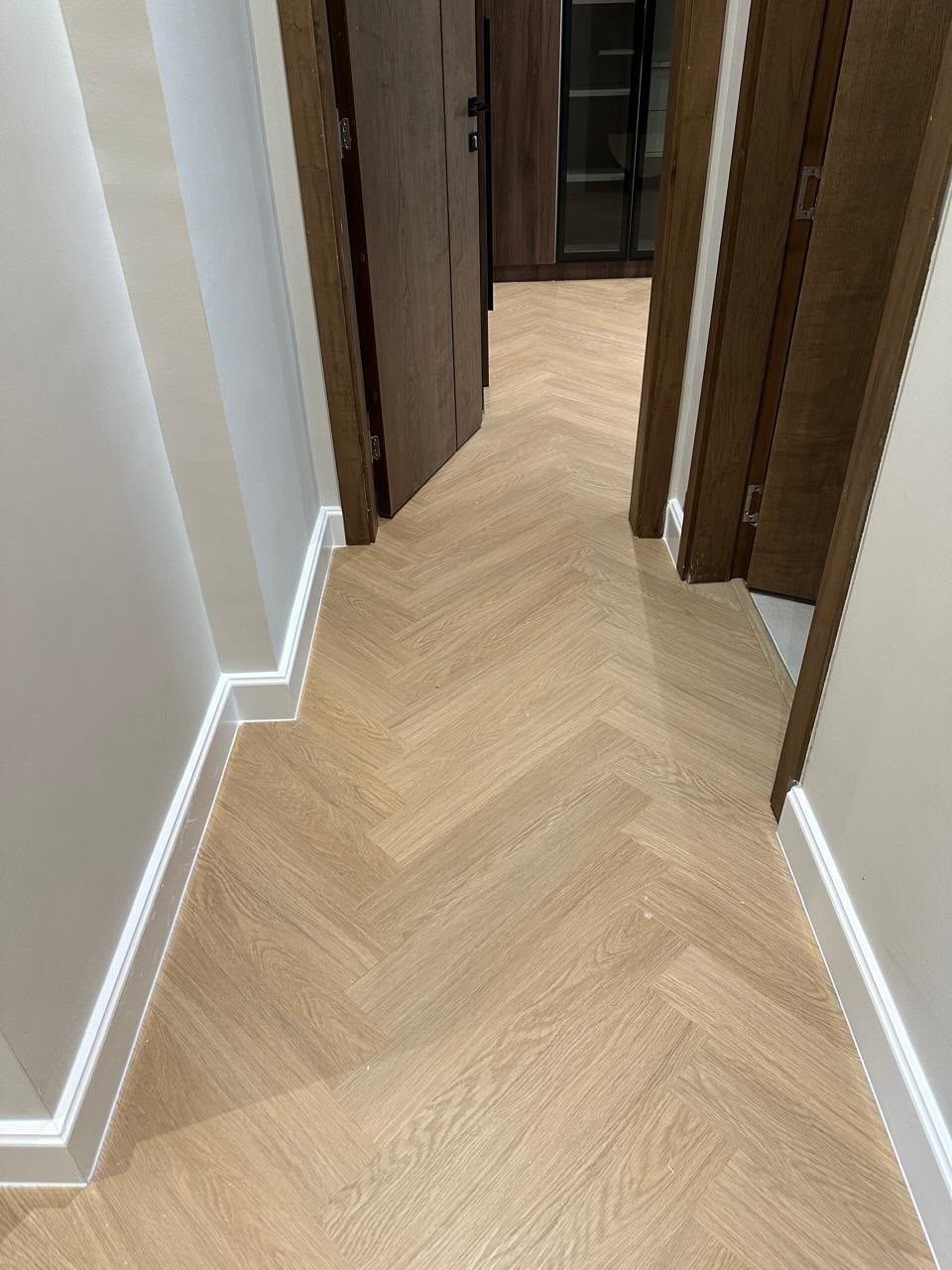
Luxury vinyl tile hits that sweet spot where guests kneel down to check whether it is real stone. LVT planks lay down in a herringbone pattern, or you can buy square tiles and grout them for a ceramic look.
Runs $2 to $5 per square foot, and the thicker wear layers, 12-mil or above, handle entryways and kitchens without showing scratches.
The PVC construction makes it fully waterproof, so tracked-in snow or a dropped glass of juice does not phase it. Grouting is optional but sells the illusion if you want stone.
I would spring for the thicker wear layer anywhere with heavy traffic; bedrooms can manage thinner. Expect 15 to 25 years out of it.

Sample Dimensions & Details: Each plank measures 29.5 in. x 5.9 in., and the sample pack includes 2 individual planks. This option allows you to evaluate the texture, thickness, and appearance of the material within your own space before committing to a full-sized project.

Tile Wallpaper :💎 Size: 17.5x80 inch per wallpaper roll, total 9.58 sq.ft(44.5cmx2m). Luxury off white gold black dark marble chevron herringbone brick with metallic gold grout tiles in modern contemporary design. Stunning designs with perfect pattern matching.

Realistic Visual Effects: SULSUMIC flooring faithfully replicates authentic wood grain and natural hues, offering a look and feel that rivals solid wood. It instantly elevates your home’s aesthetics, creating a warm and comfortable living space
3. Cork Flooring
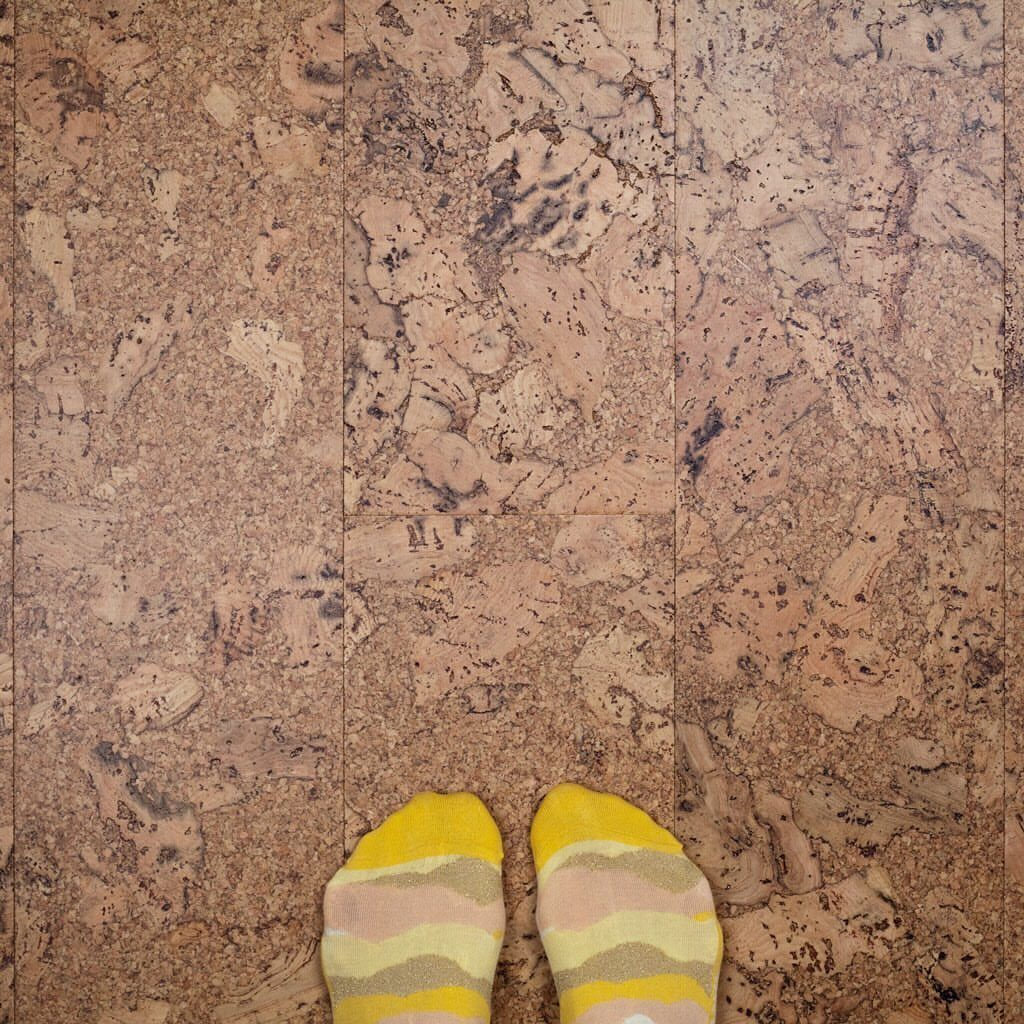
Cork feels warmer and quieter underfoot than anything else on this list, and the natural texture hides small dents better than a glossy surface would.
The tiles run a few dollars per square foot on the low end and cut easily with a utility knife, so one person can handle the install over a weekend.
Water is the problem. Basements, living rooms, offices, and bedrooms suit it fine, but bathrooms will swell and stain the material.
Sealing helps, though it adds maintenance. Under good conditions it can last up to 40 years, which is remarkable for something this forgiving to stand on.
I would pick this for a home office or a bedroom where cold feet on winter mornings matter more than showroom flash.

100% Waterproof & Pet-Friendly Surface: Rigid core luxury vinyl tile flooring fully resists water, spills, and pet accidents, suitable for kitchens, bathrooms, basements, and high-traffic areas

100% Waterproof & Pet-Friendly Surface: Rigid core luxury vinyl tile flooring fully resists water, spills, and pet accidents, suitable for kitchens, bathrooms, basements, and high-traffic areas

Premium Design-Led Aesthetic: Authentic wood visuals in extra-wide 9” x 72” planks deliver a high-end, modern finish that elevates any space. Enhanced-Beveled edges highlight each plank for a premium look.
4. Peel and Stick Tiles
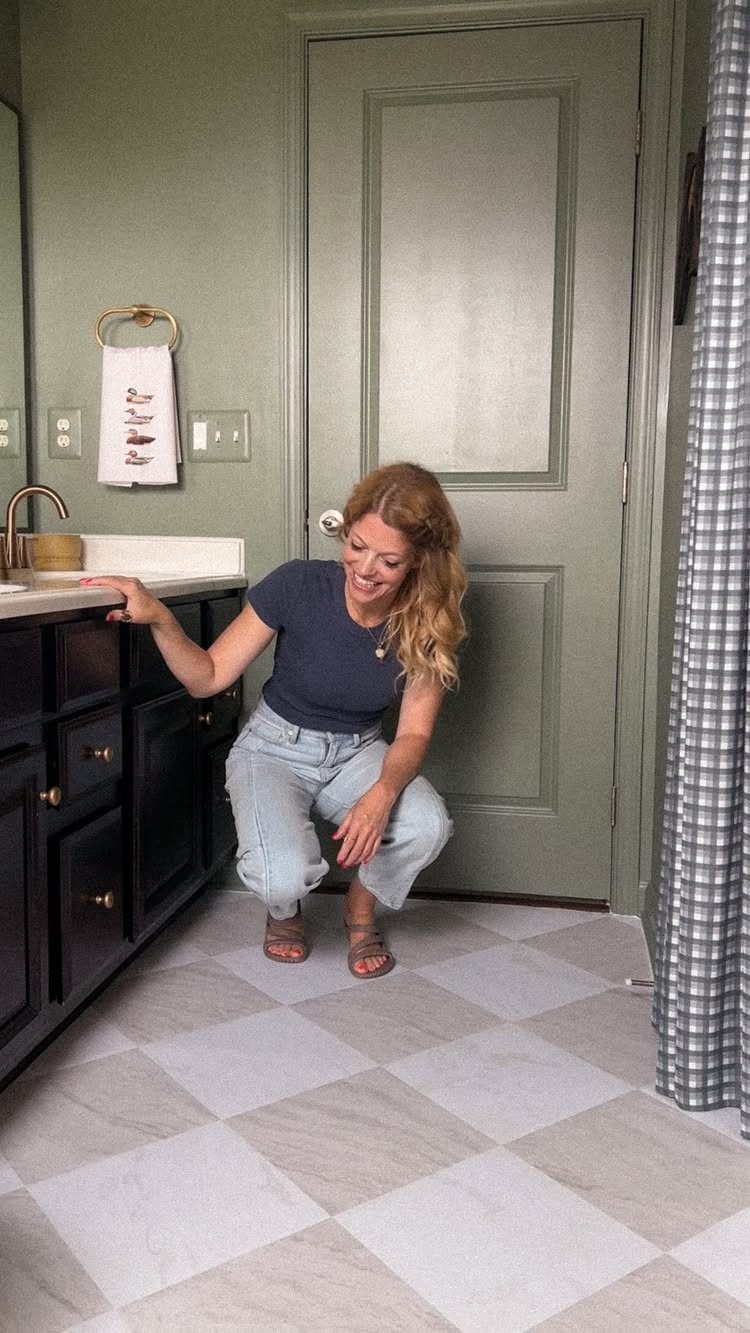
Peel and stick tiles work over any level existing floor, which makes them the fastest path from grimy to presentable. Graphic patterns read as deliberate design rather than a cover-up.
Rigid vinyl holds up better than the thinner sticker sheets, and you can cut it with a utility knife.
Surface prep is the whole job. Fill gouges, sweep grit, and check for high spots; the tile telegraphs every bump underneath.
I used a rigid version in a laundry room once and the install took an evening, no special tools. For a rental you cannot modify deeply, or a bathroom you want to refresh before listing, this is hard to beat.

Peel and stick floor tiles designed by Chris Loves Julia with beige and white marble checker board pattern
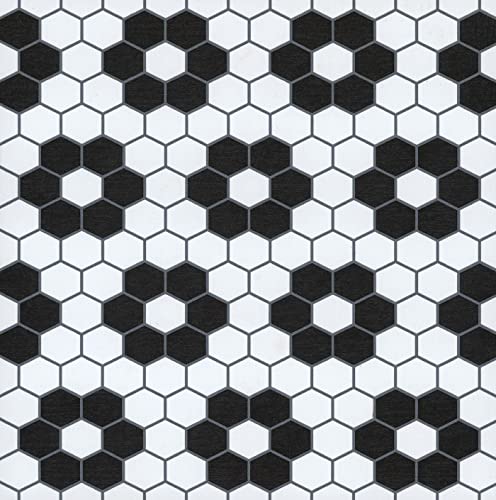
Black and white geometric floral peel and stick floor tiles

Stylish - Authentic wood looking and grain texture, adding timeless feature for your home!
5. Plywood Flooring
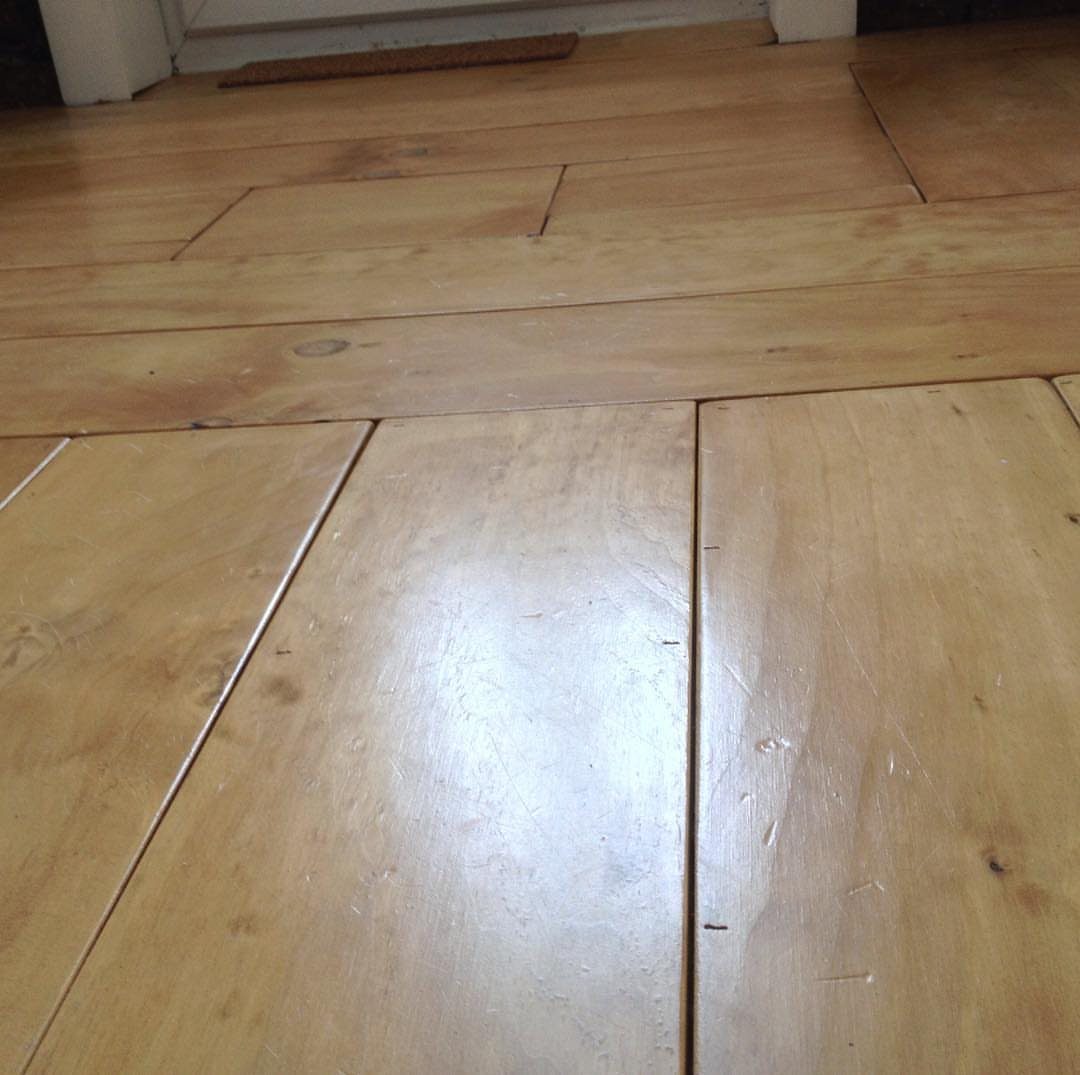
Plywood subfloors hide under most houses already, and painting or staining them turns that structure into the finish. Nail seams and a light gloss finish read as intentional board flooring, not a temporary fix.
Costs shift based on your paint or stain choice and whether you add a sealer.
Cut sheets into planks, nail them down, sand the seams flush, then finish. Some people stain for a weathered look; others paint bold colors and seal over.
I would prime heavily if you paint, since plywood drinks the first coat. For a cabin, a workshop, or any space where perfect is not the goal, this is the cheapest real-wood look you can get.

STYLISH - Design any size or shape bulletin board or cover an entire wall with the 12" x 12" x 3/16" natural cork tiles
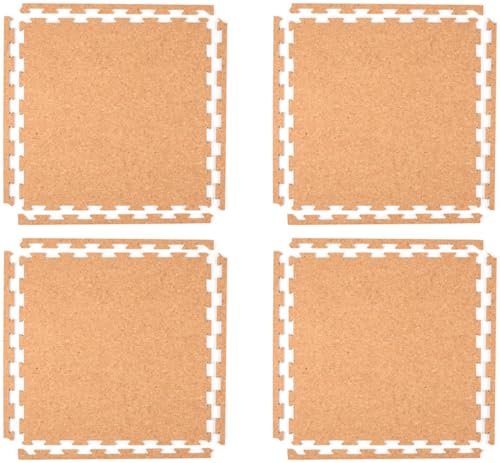
[Eco-Friendly Cork Flooring Solution]: Transform your space with eco-friendly interlocking cork floor tiles, designed for a seamless 10' x 10' area with a natural, sustainable touch.
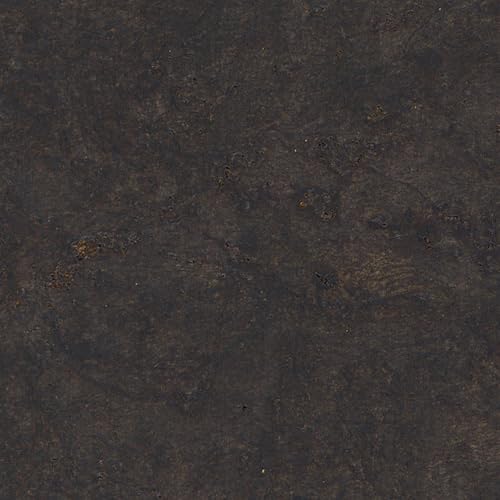
PREMIUM CORK FLOORING: Our PVC-free cork flooring delivers lifetime performance with the natural touch & feel of cork; the floating floor combines the realistic elegance of natural stone with the warmth & softness of cork
6. Porcelain Tile
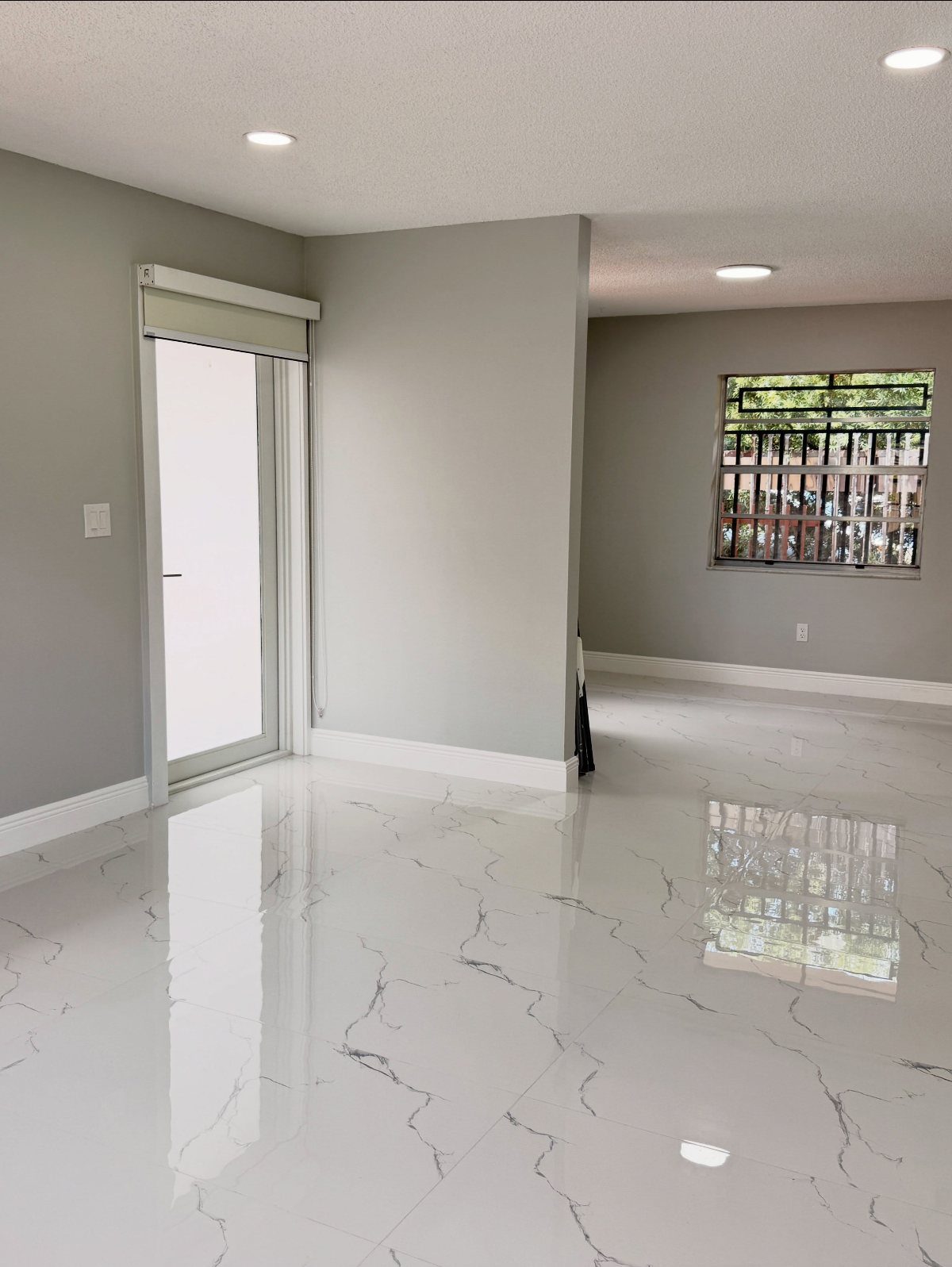
Porcelain tile outlasts every other option here by decades. That glossy marble-veined finish ages slowly enough that it still looks current decades later.
Costs swing wide, $2 to $30 per square foot, depending on size and print quality. The water resistance is unmatched; bathrooms, mudrooms, and entryways are its native habitat.
The tradeoffs are real. It is cold, hard on dropped phones, and hard on feet during long cooking sessions.
Grout needs annual sealing or it stains. I would not attempt self-installation unless you have experience; crooked tiles are permanent and obvious.
For a forever bathroom or a high-traffic entryway where you want to forget the floor exists, this is the one.

Use on Hardwood, Laminate, LVT-Luxury Vinyl Tile, LVP-Luxury Vinyl Plank, Tile or Stone floors

Ideal to fill gaps, nicks and scratches on wood, laminate and vinyl flooring

EASY TO USE| READY TO USE: Squirt and spread Quick Shine Multi-Surface Pure Wax on freshly cleaned and dried floors with damp mop or sponge. Second or third coat may be applied depending on floor condition
7. Concrete Flooring
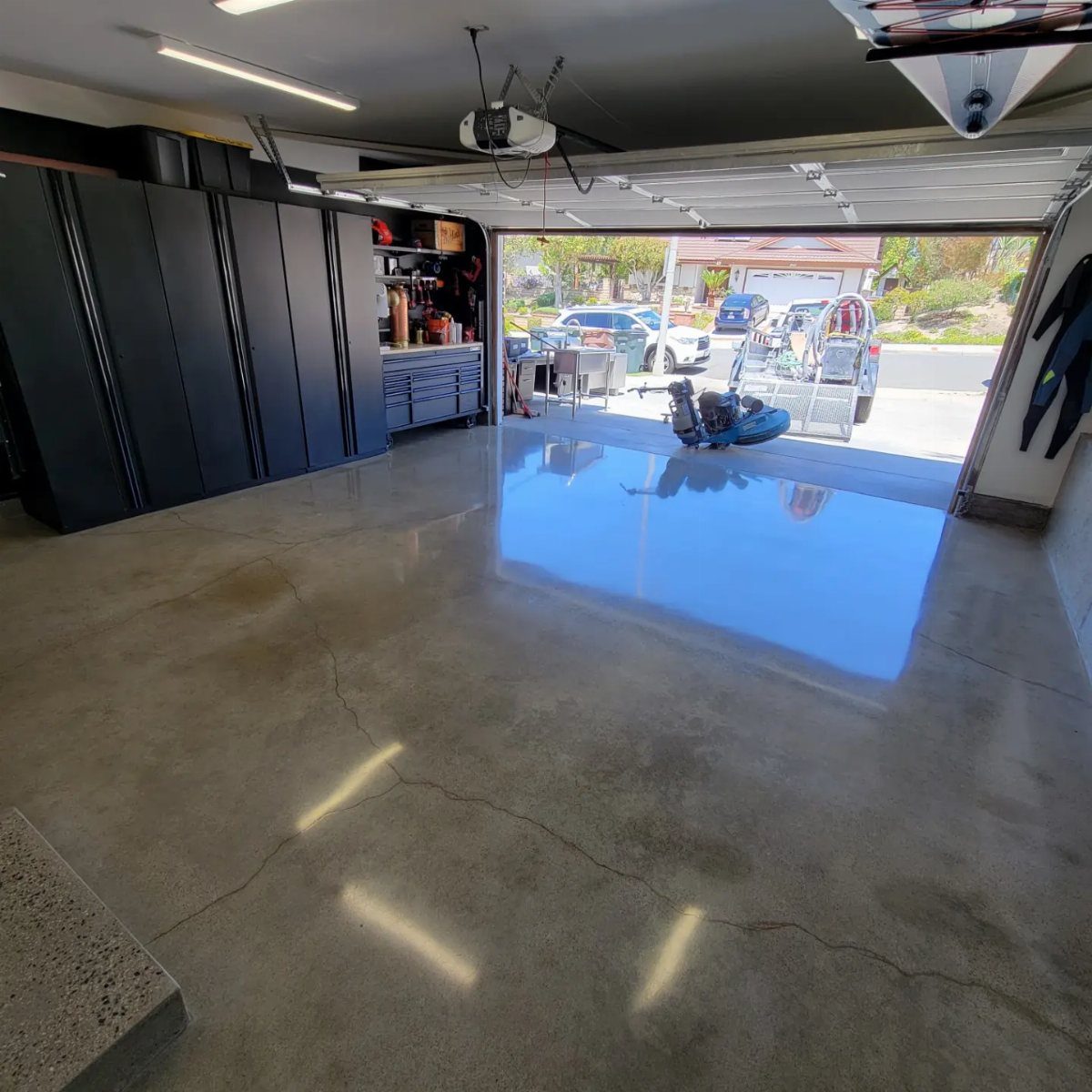
A concrete floor starts as bare slab and ends up looking intentional, not leftover. Stain it warm brown or polish it to a soft sheen, and it fits a modern kitchen as easily as a rustic mudroom.
The finish is what matters: acid stain soaks in and won’t peel, while a topical sealer can wear through in busy spots. I’ve seen polished concrete hold up in a workshop and still clean up fine for company.
It suits anyone working with an existing slab, since pouring new concrete is not a weekend job. Basements, garages, and ground-level additions are the natural homes.
The cold underfoot is real; plan for rugs or radiant heat if you’re walking barefoot.

Chic Design & Wood Texture - Classic herringbone pattern with realistic wood grain texture, combining classic charm with the rustic beauty of natural wood, add a touch of earthy warmth to your interiors.
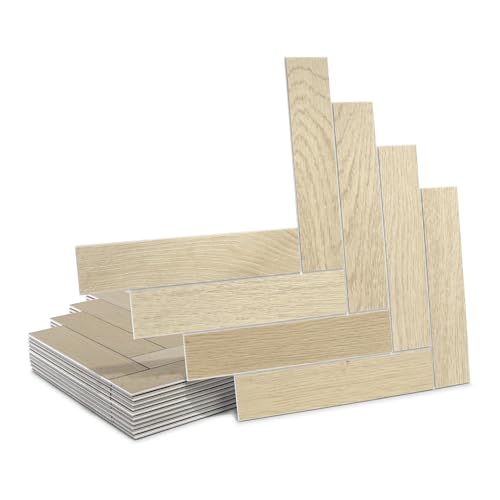
𝗨𝗽𝗴𝗿𝗮𝗱𝗲𝗱 𝗠𝗮𝘁𝗲𝗿𝗶𝗮𝗹 - Crafted from durable stone composite, these floor tiles feature a 4mm rigid core and a 0.3mm wear layer. Each tile measures 10.8" x 9.3", with 12 tiles per box covering 8.4 sq. ft. Experience the authentic feel and stability of real ceramic tile, without the hassle—truly a step up from standard peel-and-stick vinyl flooring.

Textured & Versatile: Available in popular wood look with a natural matte finish that replicates the authentic feel of natural materials. The luxury vinyl plank flooring seamlessly complements Nordic, modern minimalist, industrial and other trending decor styles, instantly elevating the overall aesthetic of any space. Ideal for living rooms, bedrooms, kitchens and more.
8. Carpet Tiles
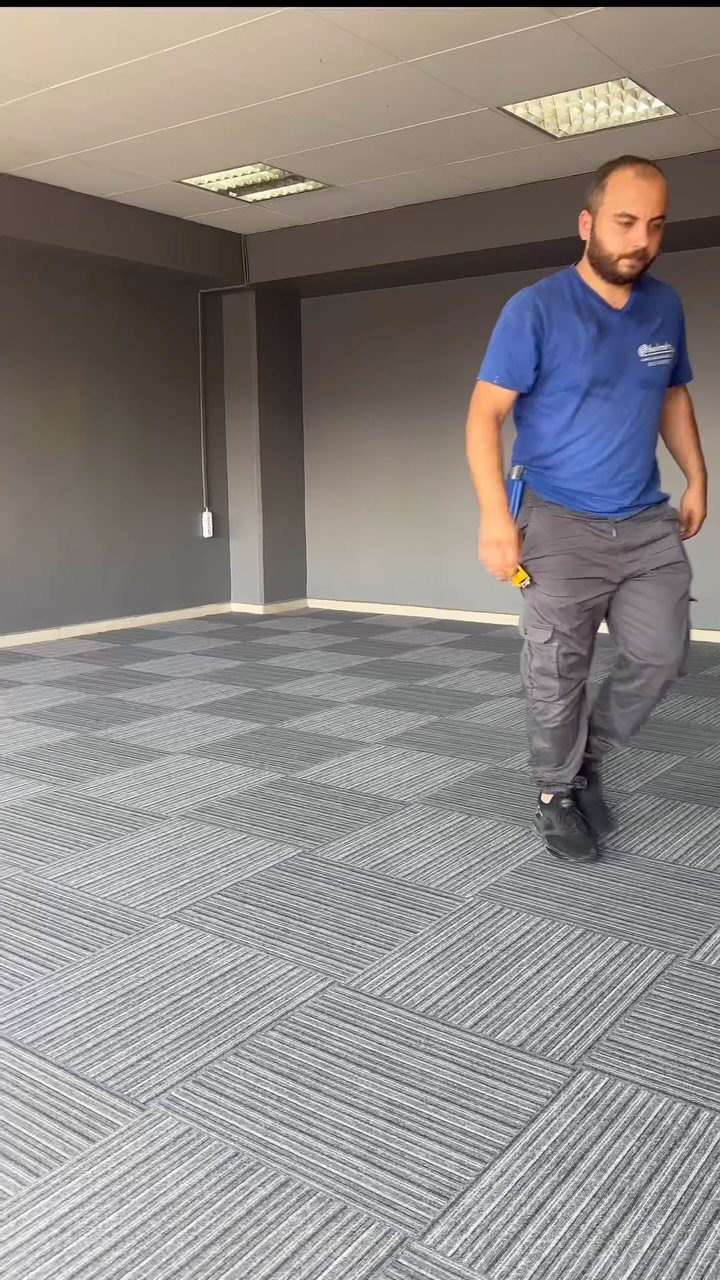
Carpet tiles let you build a floor like a mosaic and replace pieces instead of the whole room.
The backing is built-in, so you skip pad and tack strips; most squares peel and stick or lock together with a dab of adhesive at the corners.
A checkerboard of two greys, or a stripe that runs the length of the room, takes no more skill than laying them straight and trimming the edges with a utility knife.
One stained tile lifts out in minutes. My friend swaps paint-spattered squares from her craft room monthly and keeps the rest looking new.
They’re thin, so transitions to other flooring need planning. Basements, rentals, kids’ spaces, anywhere you want change without commitment.

Multi-layer SPC rigid core with Uniclic locking system in four marble visuals
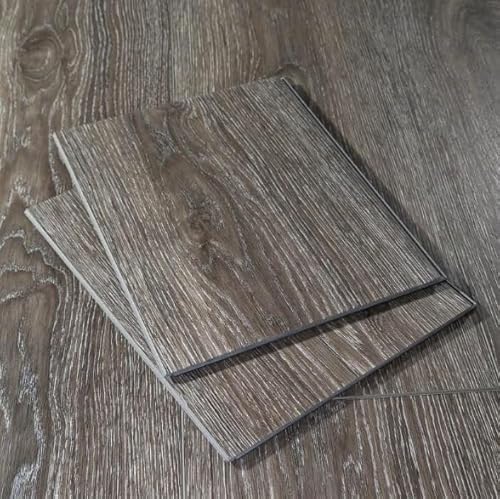
Premium Design-Led Aesthetic: Authentic wood visuals in extra-wide 9” planks and 72” lengths deliver a high-end, modern finish that elevates any space. Enhanced-Beveled edges for a clean, seamless look.

40 Mil Wear Layer - Twice the commercial standard thickness
9. Epoxy Floor Coating
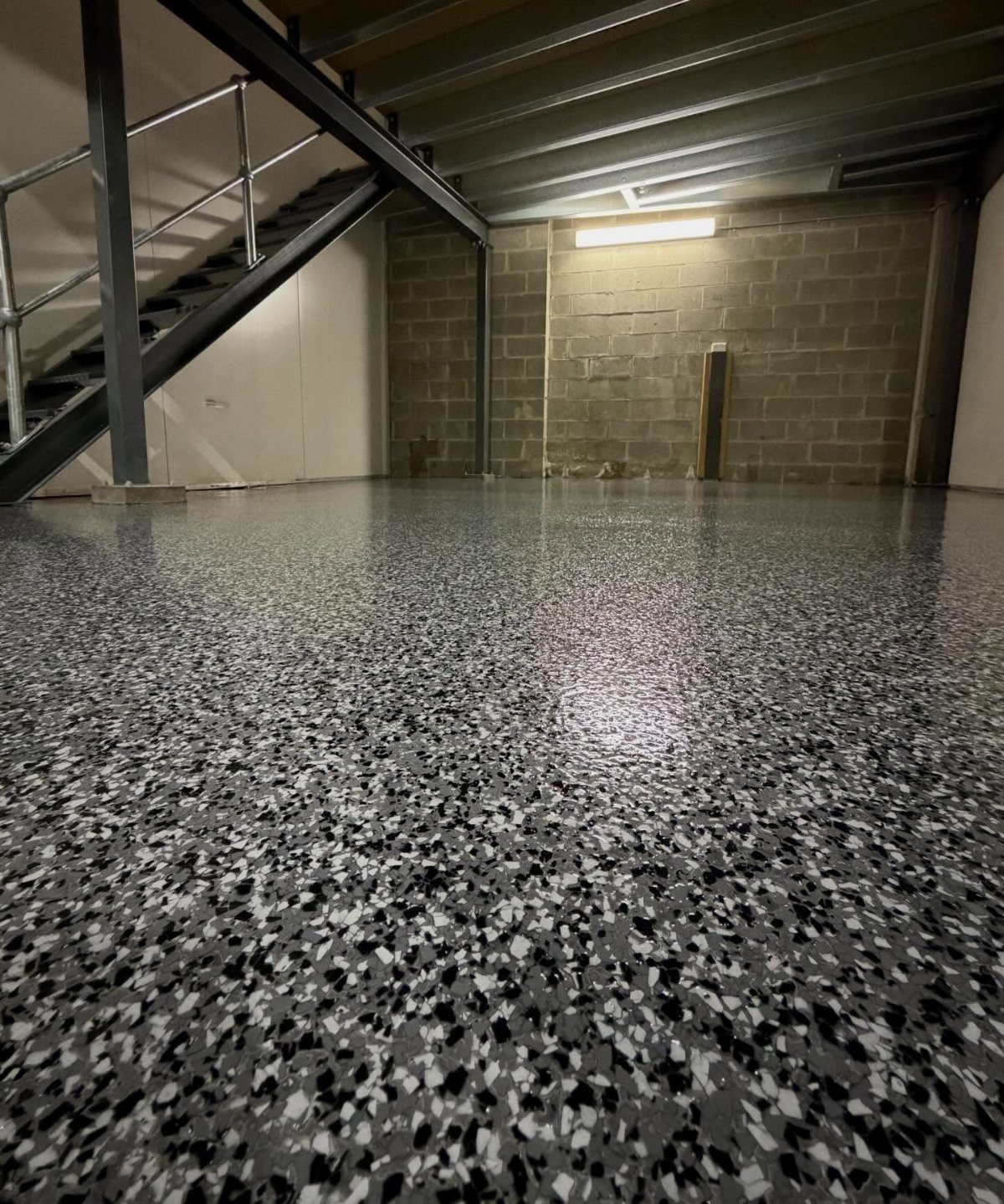
Epoxy coating turns an existing concrete floor into something that looks finished and wipes clean.
You mix resin and hardener, pour, and roll it across the slab; color flakes broadcast on top hide dust and imperfections while the clear coat locks them in.
The gloss is high, almost mirror-like, and the surface resists oil, chemicals, and the scrape of a toolbox.
Prep is the work. The concrete must be clean, patched, and often etched so the epoxy bites.
Skip that step and it peels in sheets. A basement, garage, or utility room with good ventilation is the right stage; living spaces feel industrial and the fumes demand timing.
Epoxy needs a full cure before you move back in; plan to stay elsewhere.

Red and white marble peel and stick floor tiles by Chris Loves Julia x FloorPops

DESIGNER COLLABORATION - CHRIS LOVES JULIA - A Grey and White Marble colorway; highlights the Bonneville design; with recognizable Chris Loves Julia collection details.

Black and white peel and stick floor tile with a traditional twist
10. Herringbone Pattern Flooring
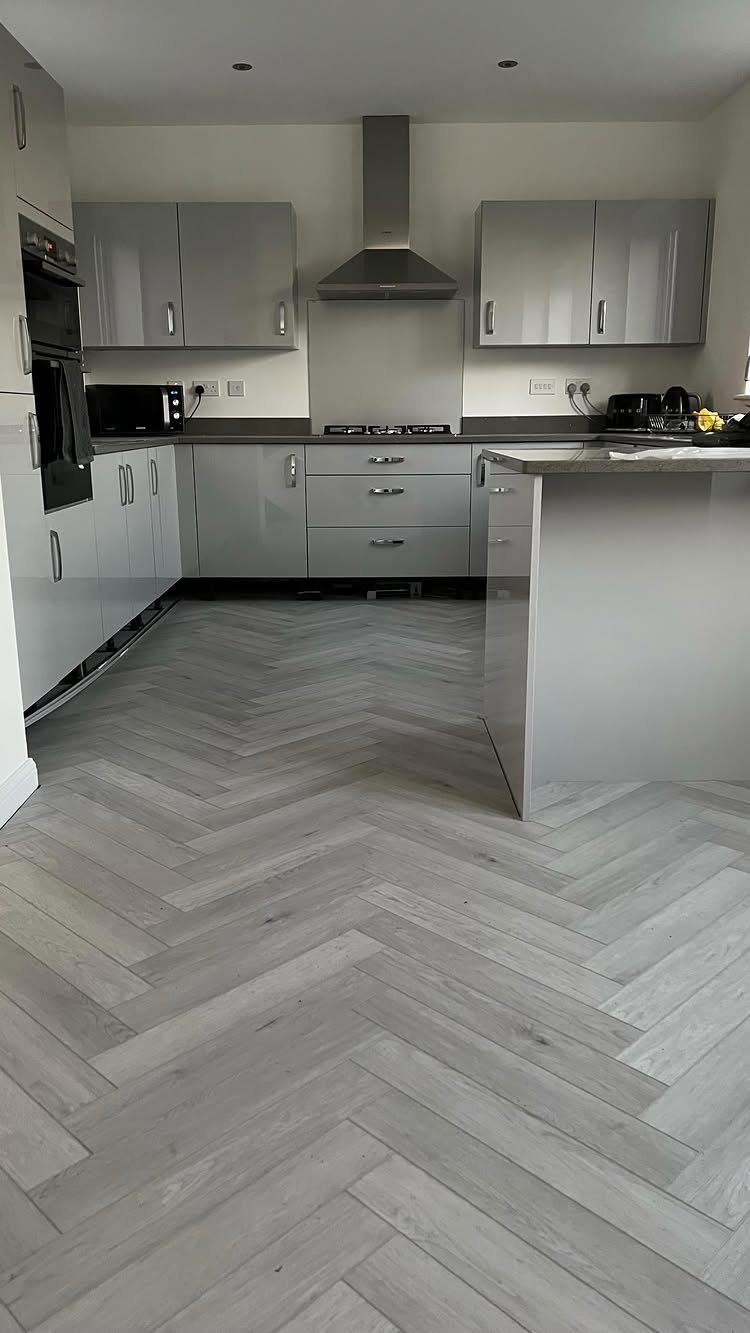
Herringbone reads as custom because of the labor, not the material. Standard planks laid diagonal to the walls create the zigzag; the cut at every end is what eats time and wastes a little stock.
Luxury vinyl or laminate handles the pattern at low cost, and a grey tone keeps it quiet enough for a kitchen you actually cook in.
The pattern suits rectangular rooms where the points draw the eye lengthwise. Small, chopped spaces fight the geometry and look busy.
If you’re handy with a miter saw and patient with spacing, this is a weekend that pays off in looks. Hire it out and the labor doubles the bill; the savings live in doing the cuts yourself.


Premium Material: Our Square cork sheets are made from oak, non slip surface, odorless, Durable and soft, not easily broken. The back has strong self-adhesive properties.

SAFETY THAT LOOKS THE PART: Build a space that looks as good as it feels. With 5/8" of closed cell EVA foam rubber to offer loads of grip and a balanced impact profile, our printed fitness mat tiles are activity appeasing and aesthetically pleasing.
Installation Tips for DIY
Peel and stick tiles and laminate are the two places to start if you want to keep labor money in your pocket. Both are floating or semi-floating systems, so you skip the nail guns and the wet saws.
A utility knife is the only tool you need, and if you can measure twice and cut once, the pattern work opens up from there.
Laminate clicks together at the edges and needs no adhesive. The locking system varies by brand, so buy all your material from the same run and open a few boxes at once for color mixing.
I would lay out a dry run before locking anything permanent; the last row almost always needs a ripped strip, and seeing that coming saves the headache of a 1-inch sliver against the baseboard.
Cost Considerations
The cheap options cluster between $0.65 and $5 per square foot for the material itself. Sheet vinyl starts cheap, about $1 or $2 per square foot for the thin stuff, and runs closer to $5 if you want the heavier rolls with sharper printing.
Carpet tiles run $2 to $4, luxury vinyl plank or tile lands at $2 to $5, and laminate spans $3 to $7. Porcelain and ceramic climb to $4 to $8, bamboo the same, and engineered hardwood tops the affordable tier at $6 to $12.
Installation is the swing vote. Hiring out adds roughly $2 to $9 per square foot for vinyl work, and similar ranges apply across other materials.
Doing it yourself cuts the total by 30 to 50 percent, though sheet vinyl at 6 or 12 feet wide is awkward solo; the savings live in the simpler formats.
Durability and Maintenance
Vinyl and laminate ask the least of you long-term. A damp mop, no abrasive pads, and the floors keep their surface for years.
Cork and carpet tiles want more attention. Cork needs sealing to block dirt and moisture, and without that barrier it stains.
The comfort is real, but the maintenance is scheduled, not occasional.
Moisture is the separator. Vinyl handles snow and spills without swelling.
Cork, laminate, and standard carpet backings all suffer in wet rooms. Match the material to the room’s habits, not just its looks.
Aesthetic Upgrades
Nothing costs less or changes the look faster than painting a floor you already have.
Peel and stick tiles bring pattern without permanence. In a rental or a room you want to stage before listing, the change happens in an evening.
The impact is out of proportion to the cost. Flooring occupies more visual real estate than any wall color or single piece of furniture.
Shifting it shifts the whole room, and these two methods do that on a paint-can budget rather than a renovation one.
Flooring is one expense that can eat up a large portion of a remodel budget, but you don’t have to sacrifice style for cost.
Frequently Asked Questions
What is the cheapest option for flooring?
Sheet vinyl sits at the bottom of the price range, with carpet tiles close behind. Both skip the interlocking or nail-down steps that raise labor costs.
Sheet vinyl holds up fine against water and costs less than just about anything else; nobody’s going to mistake it for hardwood, but it works.
What is the new trend for flooring?
Luxury vinyl tiles and painted or stained plywood floors are both trending for how they stretch a small budget.
LVT planks now come in herringbone patterns and stone-look tiles you can grout, while plywood subfloors turned into plank flooring with paint or stain give a real-wood look for the cost of a gallon and a weekend.