French wall molding runs from a weekend of miter cuts with quarter-inch plywood backing to contractor-priced boiserie that stretches most first-home budgets past their limit.
The deciding factor is how much wall you have to work with and what that wall needs to hide: cracked plaster, uneven corners, or simply the flatness of an unbroken surface.
1. French Moulding Wall
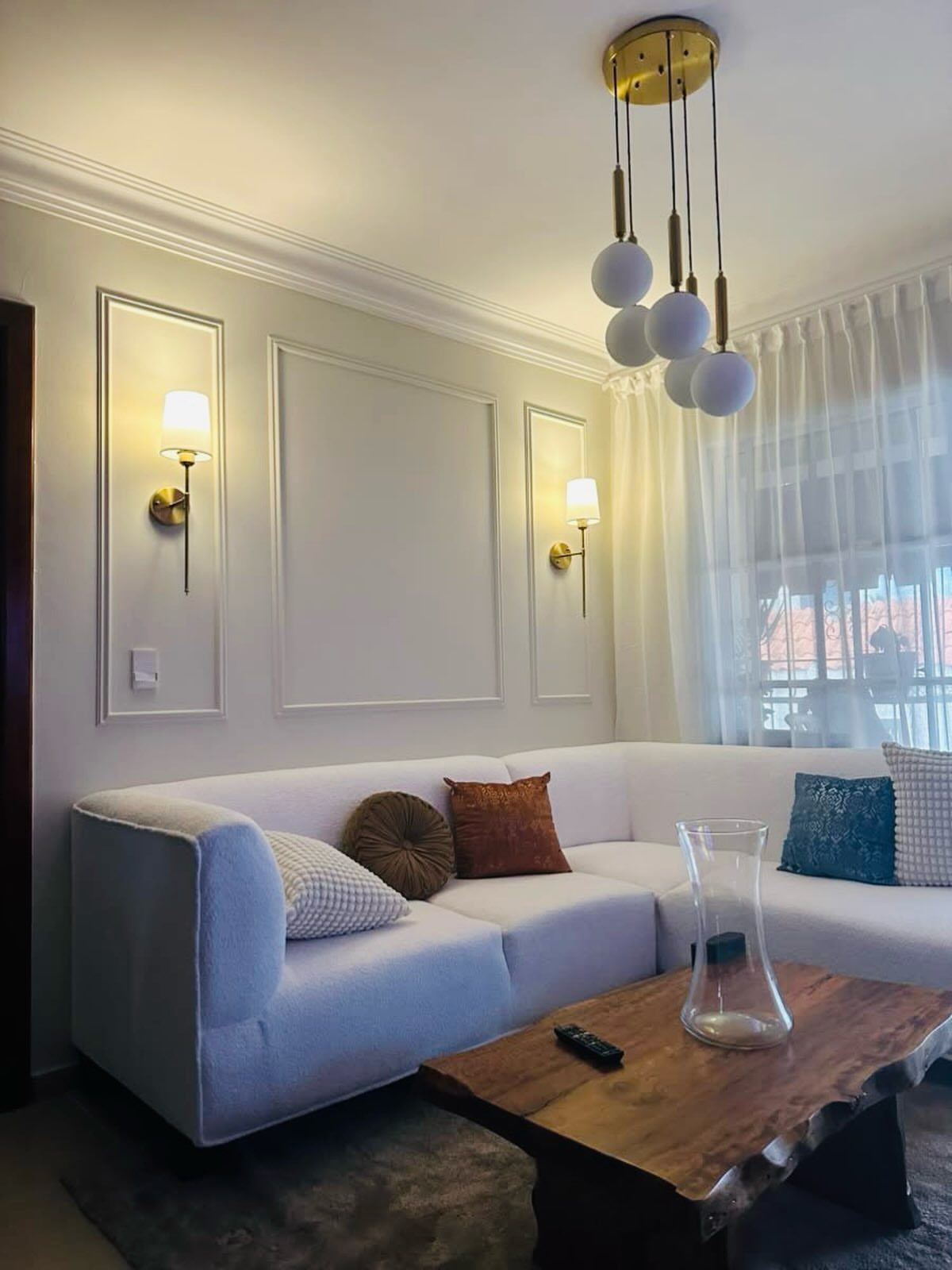
French wall molding starts with crown trim where ceiling meets wall and builds downward from there. Layered, back-cut profiles throw deep shadows and make the wall look carved rather than applied.
Polyurethane copies the 18th-century plaster look without the weight; I’d go that route for anything above head height.
White keeps it quiet, gold pushes it toward luxury, and a bold color turns the whole thing modern. A neutral palette lets the architecture read without shouting.
This one suits renters in older apartments with good bones and cracked plaster: the molding draws the eye to the structure, not the surface behind it.
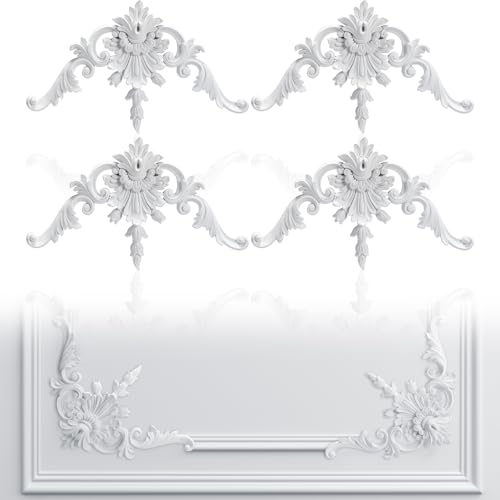
Decorative Corner Molding Set: you will receive 4 pcs French style corner wall molding panel, offering various pairing options to suit your home decor needs; These easy-to-install decorations add a refined touch to any door or wall

French-style Corner Molding Set: this corner molding trim set includes 12 corner molding panels in a French-inspired design; Each panel is white and can be painted to match your decor; They can be arranged in different layouts for wall, door, or ceiling accents

Decorative Corner Molding Set: you will receive 4 pcs French style corner wall molding panel, offering various pairing options to suit your home decor needs; These easy-to-install decorations add a refined touch to any door or wall
2. Install Your “picture Frames
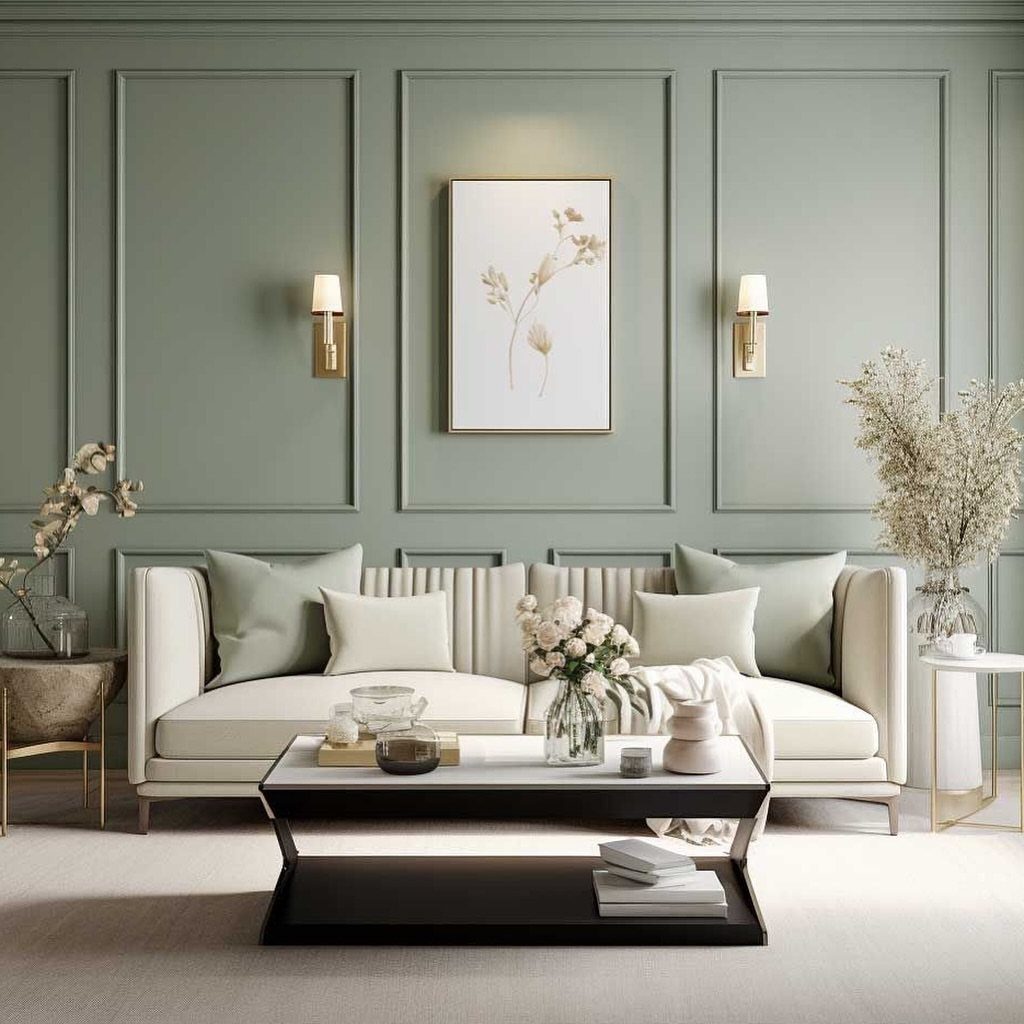
Picture frame molding is the entry point most people actually finish in a weekend. The 45-degree miter cut sounds fussy until you’ve done four of them; after that, it’s repetitive, not difficult.
Quarter-inch plywood backing lets the trim sit flush without fighting the wall’s own irregularities.
I like crown molding at the top for hiding the gap where wall meets ceiling, especially in houses that settled before you moved in. Boxes, rail, and a single color carry it off simply.
Menards stocks the trim with the groove already routed, so you’re not improvising with a router table on Sunday afternoon.

Coverage - Includes 10-pack ceiling crown molding trim, each measuring 56.4" in length, providing an impressive coverage of 564 inch (47 feet) length. Perfect for enhancing both residential and commercial ceiling designs with an elegant touch

Seamless Application - Peel and stick design ensures hassle-free installation, no tools required

3 Rolls Wallpaper Borders: Crown molding trim about 265.8"L(22.12Ft) x2"W(3 rolls 88.6"x2") thickness: 0.23in, white color. Easily trimmed to the desired length according to needs (please do not pull it hard, the foam will shrink back)
3. Boiserie Paneling
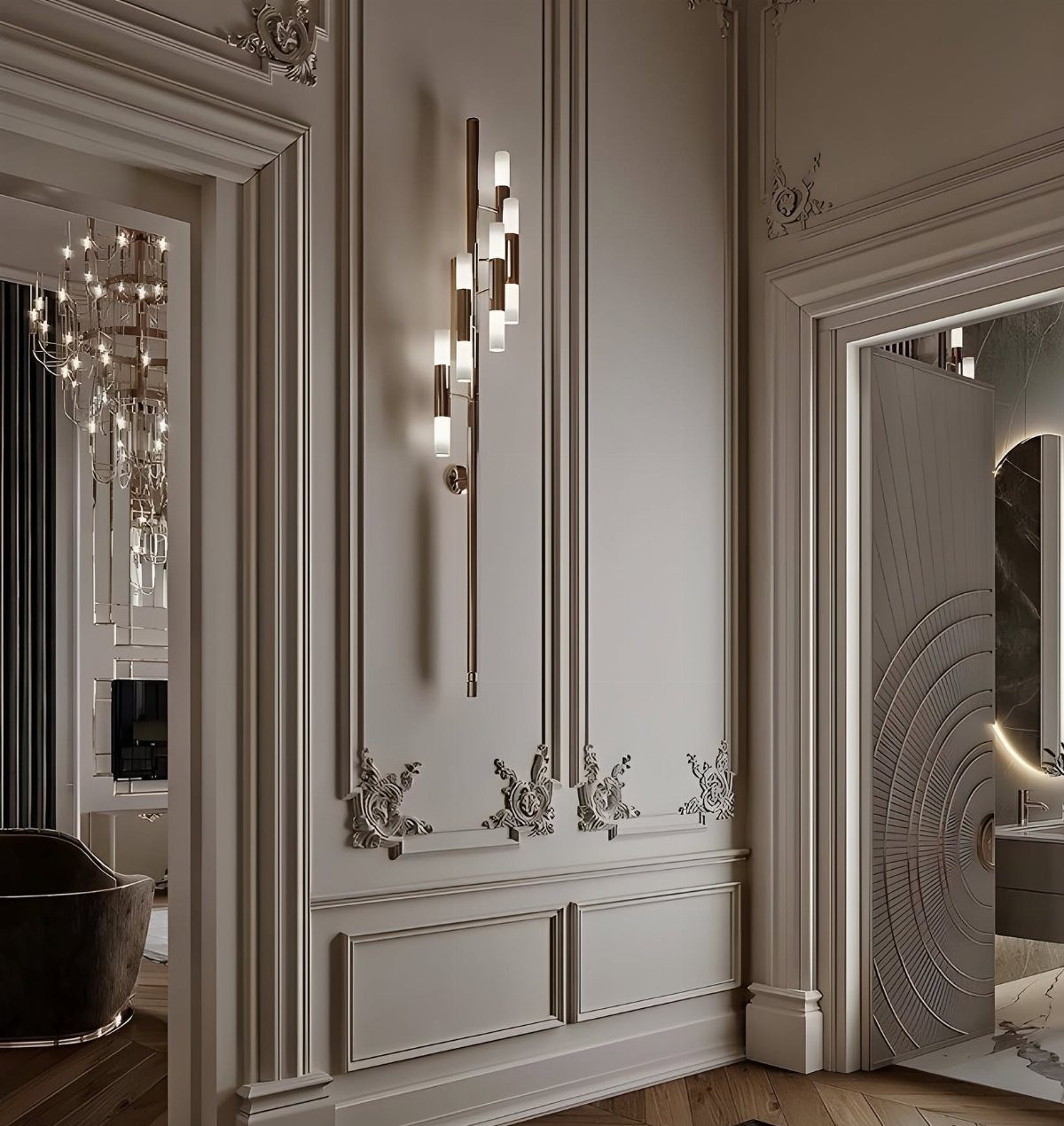
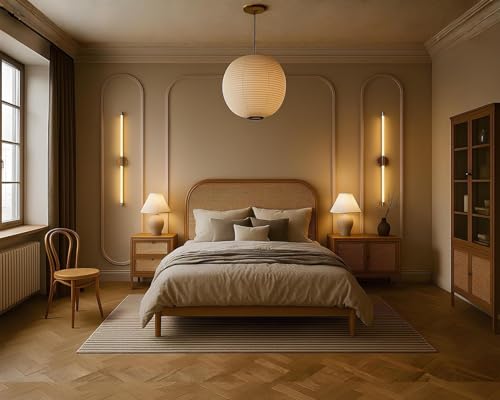
Boiserie paneling runs floor to ceiling, symmetrical, and raised; carved corner ornaments and a vertical sconce read more jewelry than hardware. The 17th- and 18th-century originals were furniture-grade woodworking.
Today’s version is achievable with picture-frame molding layered over itself for that double-depth look.
The adjacent rooms visible through the doorways matter as much as the wall itself. This treatment wants space to breathe; I’d skip it in a small room where the walls feel close already.
Do it yourself if you’re patient with repetition and own a nail gun. Contractor prices for full boiserie start where most first-home budgets end.

SPECIFICATIONS:Flexible crown molding trim 118" L x 0.6" W x 0.6" H. Unique winged, porous interior makes it softer and more flexible for around curved stairs, columns and walls

【SUPERIOR MATERIAL】Flexible crown molding trim for walls is crafted from high-quality materials, When faced with plane corners, our products exhibit remarkable flexibility and can easily adapt to them.

.75" x .75" and 96 inches long Flexible Quarter Round Molding with a light oak grain texture for stain and paint applications.
4. Chair Rails
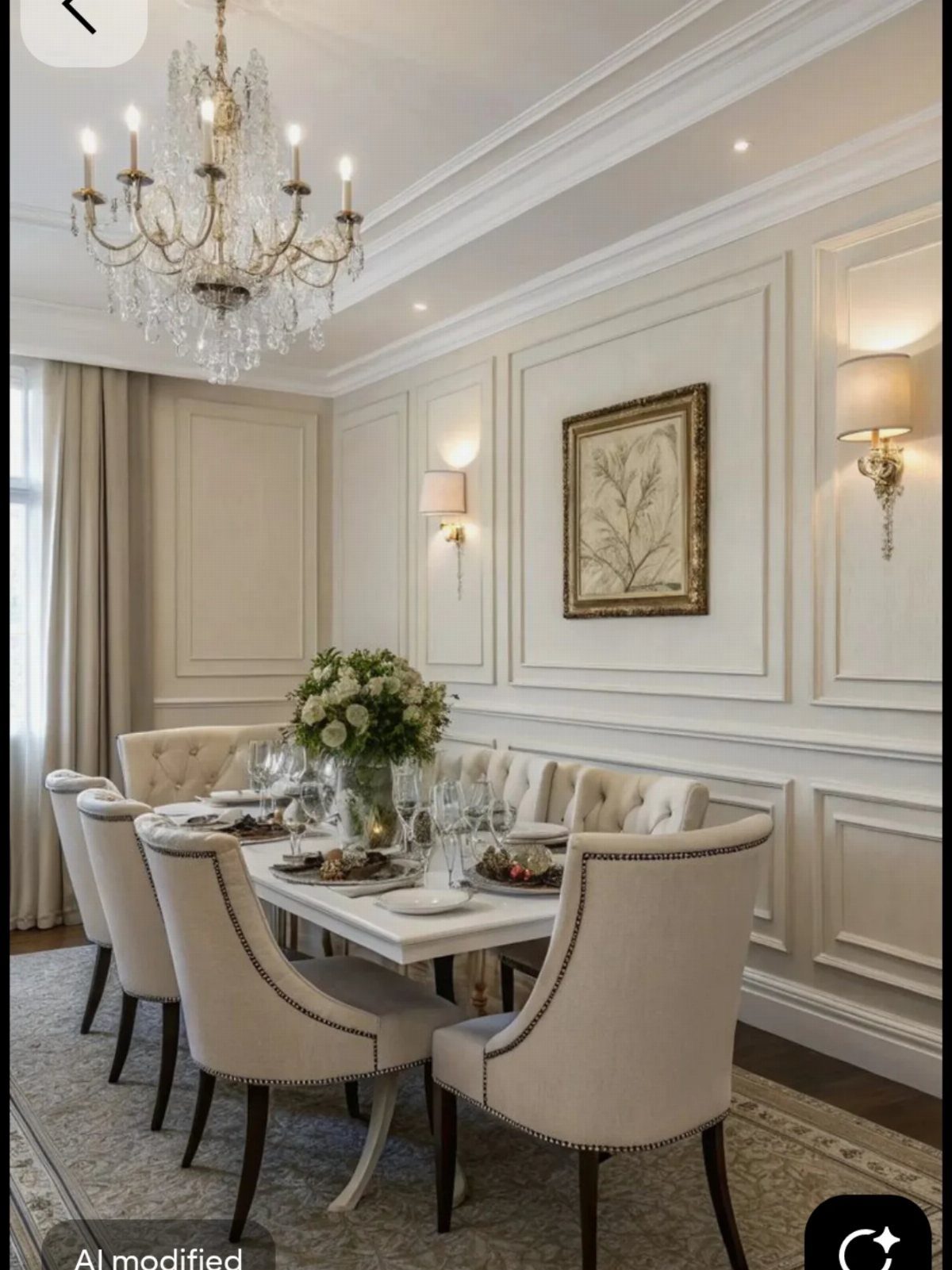
Chair rails split the wall at roughly 1/3 height, though I nudge mine to align with nearby furniture backs rather than measuring blind.
Using the rail as one horizontal in a larger grid, not as a lone strip, keeps it from looking like a dated builder upgrade.
On a standard wall, landing the rail a bit above waist height puts it where people actually notice it. Simple stock works, or you can build a ledge depth with a second decorative piece for plates or nothing at all.
In a kitchen, I’d paint the lower section darker and let the rail mark the transition.

MDF Material for Lasting Use: this board and batten wall panel kit is made from MDF, offering sturdiness and water resistance; The surface is smooth, providing a comfortable touch for interior wall applications
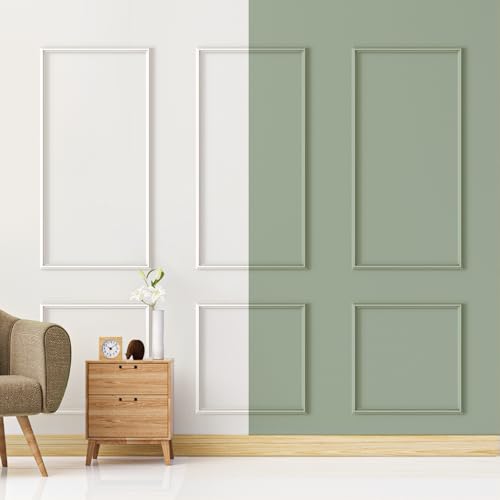
[Transformative Interior Decoration]: Our pre-made wall moulding kit effortlessly adds depth and character to your wall, blending contemporary minimalism with classic design. Elevate your interior wall with timeless elegance

DIY Installation - Installation is a snap with our simple 3-step process: cut, peel, and stick. It's quick, effortless, and requires no special tools
5. Ornate Corner Appliques
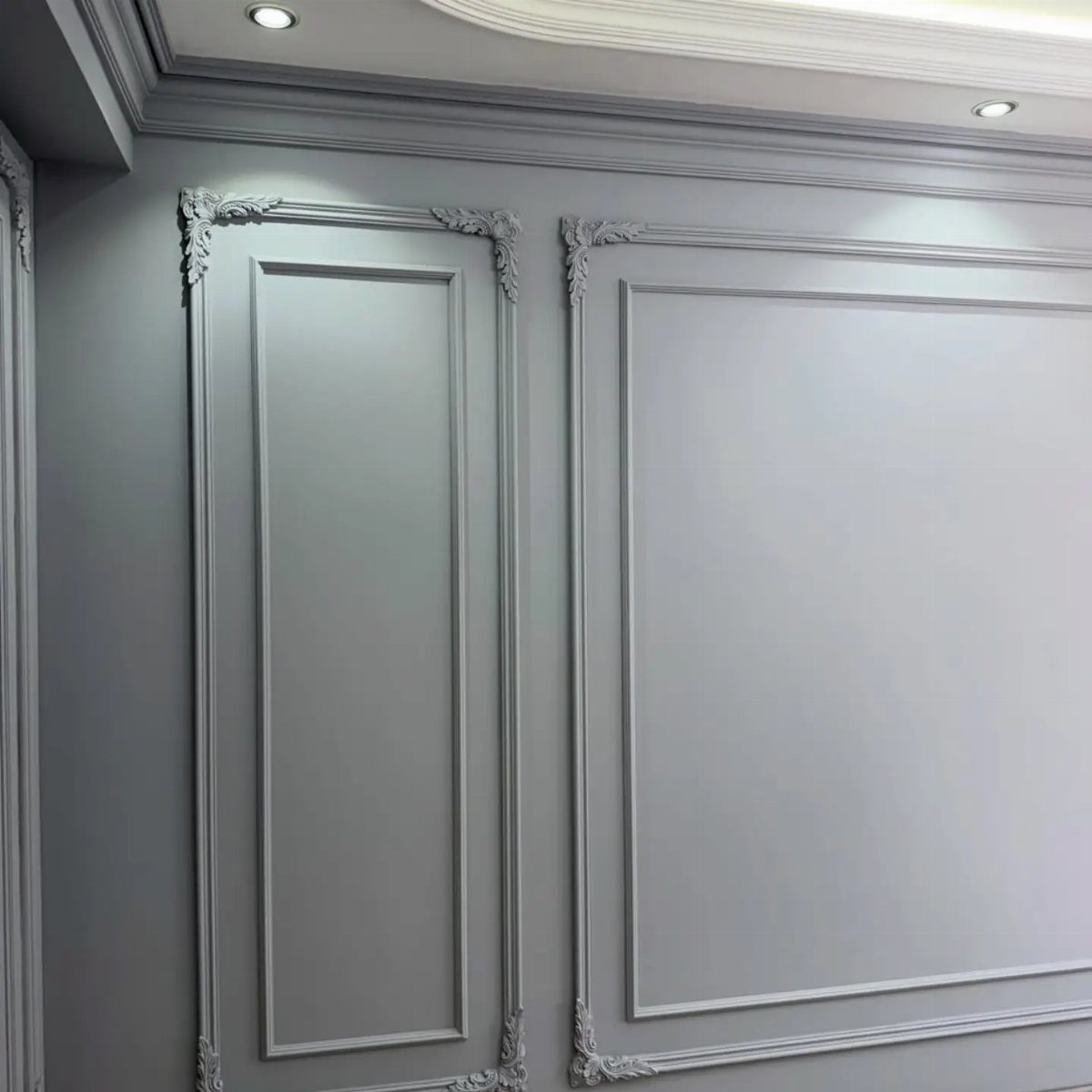
Corner appliques save you from cutting perfect miters at every joint. Acanthus scrolls cover where the molding meets itself, which is forgiving and ornate at once.
This is the detail that reads expensive from across the room even when the material is lightweight resin.
Recessed lighting tucked into the crown does real work; without it, the upper detail disappears in daylight and the room goes flat at night.
Check your ceiling height before you commit: the full stack of crown, frame, and corner ornament needs room or the wall starts to feel padded rather than proportioned.
Best for walls with something to hide: old plaster cracks, uneven corners, a door you regretted installing.

DIY Installation Made Easy: Cut, peel, and stick in just 3 simple steps. No special tools required. Effortless installation for a quick and hassle-free experience.

【Extra Long Size】Measuring 23ft x 1.1" in length, our peel and stick wall molding offers perfect coverage for various applications. The ultra-soft material cuts easily with scissors, allowing you to customize the perfect fit for any project - whether you need short sections for cabinet edges or long runs for wall applications.

【Long lifespan】Wall decoration molding trim is made of excellent TPE material, which are soft, elastic and reliable. It can be used for a long time and not easy to detach or fade after installation
6. Fluted Pilaster Accents
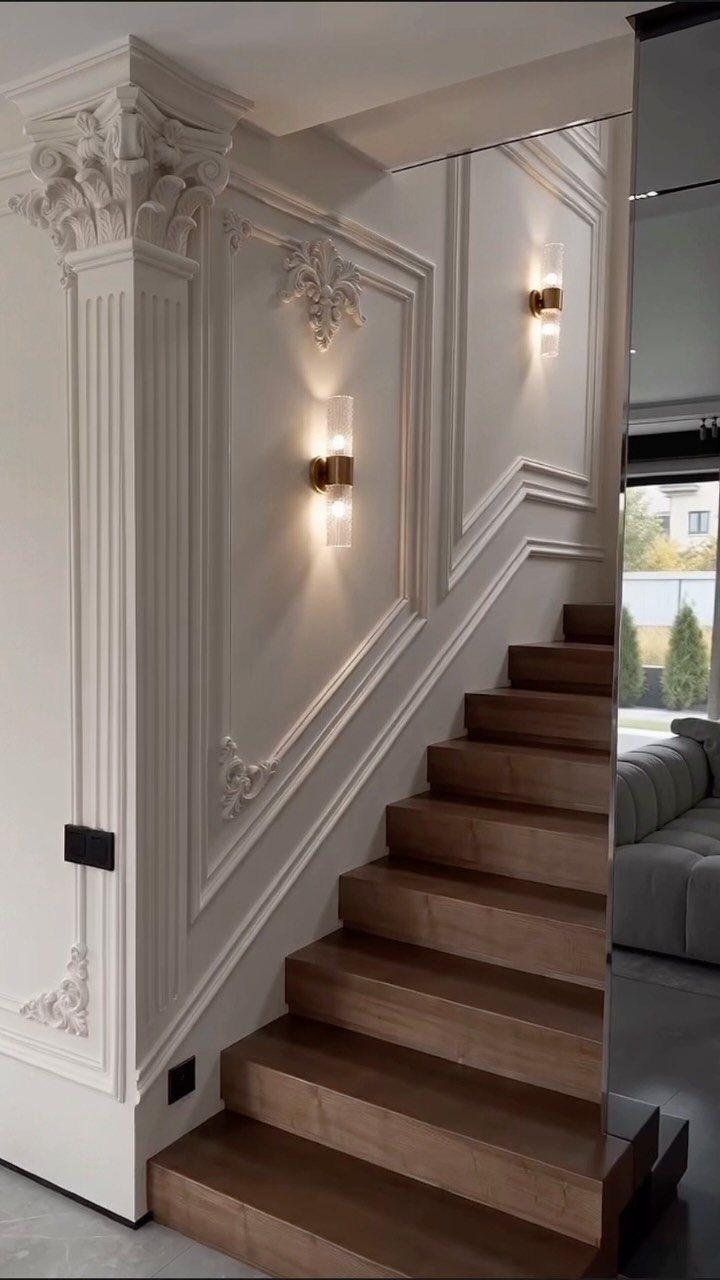
Fluted pilasters frame whatever sits between them. One fluted pilaster used as a vertical anchor beside a mirror catches light differently than flat molding would.
Corinthian capitals at the top signal that this is architecture, not trim; the scale is deliberate and a little fearless.
You need wall width to pull this off. A single pilaster reads as a column; two create an implied doorway.
The sconces sit at eye level between them, which tells you the intended viewing angle: coming up the stairs, not standing at the base.
I’d reserve this for a transitional space where you pass through rather than linger. Living with that much carving full-time exhausts the eye.

【Elegant French-Style Complete Set】: This set includes 8 exquisite French style corner wall molding panel, each measuring 5.1 x 5.1 inches / 13 x 13 cm. Featuring unique floral patterns and delicate carvings, they instantly add an artistic and elegant touch to any living room, bedroom, or hallway.

🔮Exquisite Interior Decorative Corner Molding Set – Includes 4 French style corner moldings, each trim has intricate patterns that bring soft elegance and timeless French style. Mix Butterfly, Angel, Rose, or Baroque designs for a layered, sophisticated look. Instantly adds classic European elegance and refined home décor charm.

【French Style Accent】 Metlead corner wall molding adds elegant floral detail to picture frame molding, accent walls, cabinets, and mirror frames for a refined decorative finish.
7. Framing Botanical Wall Murals
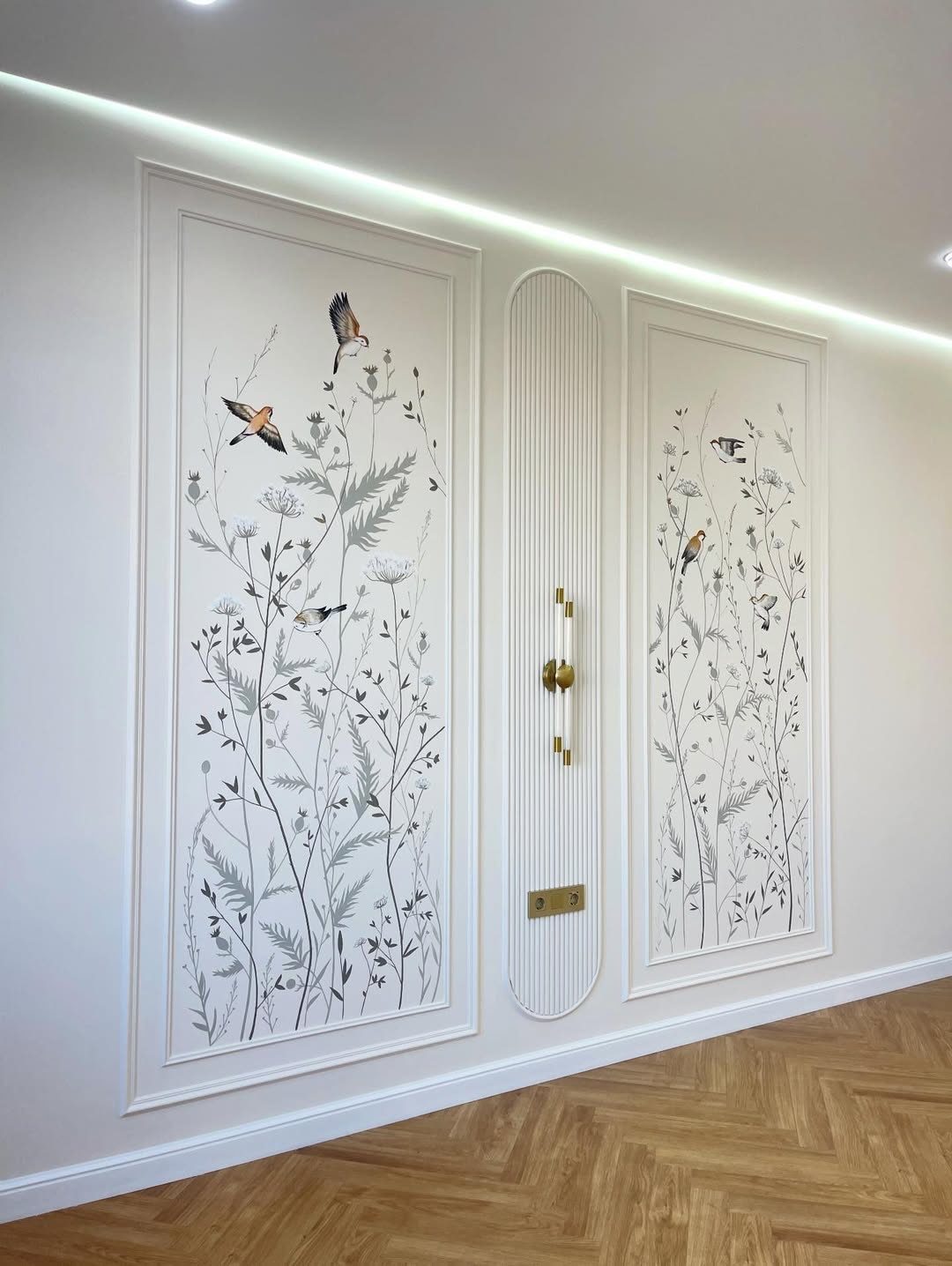
Botanical prints inside molded frames give you the gallery look without hunting down matching vintage frames at antique-shop prices.
Size the molding so the print fills most of the inner space, not floating in a sea of white. Thicker molding suits larger prints better, while narrow molding works for smaller pieces you want to keep delicate.
The fluted divider panel between frames adds rhythm, but one centered piece with molding built around it works for tighter budgets.
Paper matters more than you’d think. Standard botanical prints on matte paper go flat behind glass; a lightly textured watercolor stock reads richer from across the room.
Source the art yourself from digitized museum collections, or buy prints from artists who specialize in this style.
Skip the glass if the room gets humid; sealed frames trap moisture and wrinkle paper within 2 seasons.

Wadile Moulding Trims:With a size of 180 inches by 3.1 inches and a thickness of 0.3 inches. It can be easily cut to fit your desired length, making installation a breeze. Note: 180 inches consist of 2 rolls 90 inches.

【Wallpaper Borders】90" x 3.1", Thickness: 0.3". Can be cut and spliced to the length you need.

【Premium Polystyrene Material】Constructed from high-impact polystyrene, our ceiling molding trim is more rigid for precise alignment and features a surface that can be painted. It resists moisture, reducing the risk of warping and cracking compared to flexible PVC, making it a durable and long-lasting option for your ceiling decor.
8. Molding with Integrated Wall Sconces
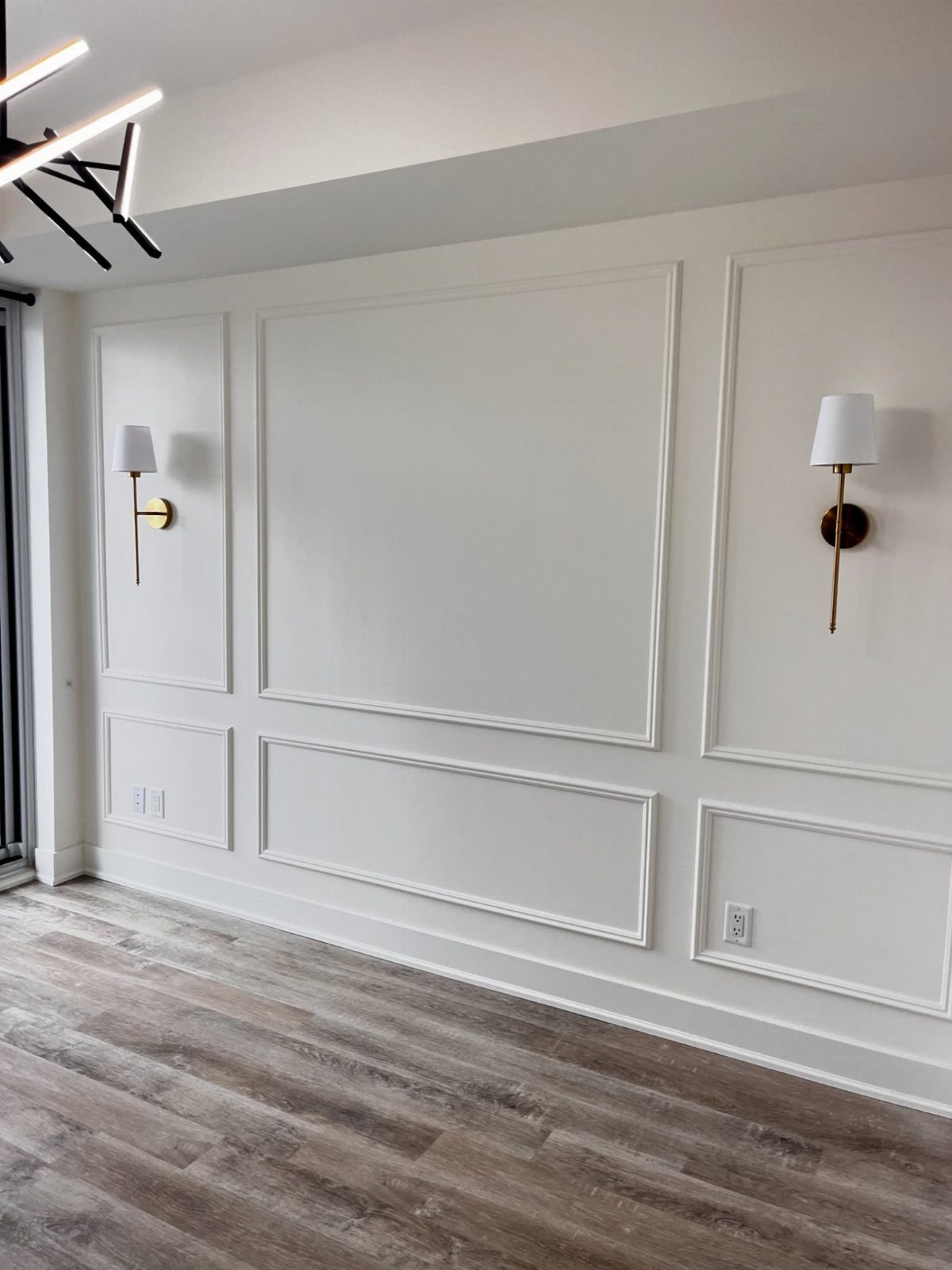
Sconces mounted straight onto the molding turn the wall into the fixture instead of hanging something separate.
The sconce base plate needs to sit entirely within the upper panel, which means your electrician should cut the molding before install, not after.
Retrofitting this look into existing molding means either a base plate large enough to cover a repair, or pulling a strip and replacing it. I have done both; replacing the strip costs more upfront but reads cleaner forever.
Brass against white is the safe choice, but black iron on cream or oil-rubbed bronze on sage both work if your floors run warmer than gray laminate. The white shades keep it rental-friendly; colored shades make it yours.
Budget half a day for wiring if sconces do not already exist, or less time per fixture if you are swapping locations.

Product Size : Flexible molding trim 0.6" W x 0.6" H. Unique winged, porous interior makes it softer and more flexible for around curved stairs, columns and walls

Ultra-Slim Design: 0.25" × 0.25" low-profile quarter round trim,40FT,– designed specifically for small gaps and fine finishing where bulky trims don’t belong
Ultra-Slim Design: 0.25" × 0.25" low-profile quarter round trim – designed specifically for small gaps and fine finishing where bulky trims don’t belong
Versatility of French Moulding
French moulding lands differently depending on which room receives it. Living rooms take feature walls well; bedrooms shift toward something more atmospheric.
Dining rooms frame the gathering itself. Even ceilings and doorways become opportunities rather than afterthoughts.
The vertical lines in some panel styles do perceptible work. They draw the eye upward and suggest more height than the tape measure confirms.
A gray-green with hairline cracking through it reads as found texture, not damage; the room gains gravity without turning solemn.
Modern and classic are not opposites here. I’d decide based on what the room already contains: spare furnishings favor ornament, busy rooms want restraint.
BOLD ARCH DESIGN – CREATE A STATEMENT WALL | Curved and straight pre-cut MDF pieces let you build elegant arch patterns and frame-style layouts that give any room a custom, high-end look without hiring a carpenter. Made in Türkiye

【Pre-cut Wall Molding Kit】 You will receive 3 sets of pre cut wall molding panels, each set has 10 pcs, each set includes 6pcs 24in and 4pcs 27in, total 30 pcs, which can be freely matched according to your needs, bringing an elegant finished appearance to doors or walls

Stylish Wall Upgrade: This wainscotting wall panel kit adds texture and charm to any space. The 37.8” tall beadboard panels create a beautiful decorative accent for living rooms, bedrooms, kitchens, studies, and more
Choosing the Right Style
Crown, panel, cornice, and chair rail each answer a different problem. Crown handles the ceiling joint.
Panel frames empty wall. Cornice caps the composition.
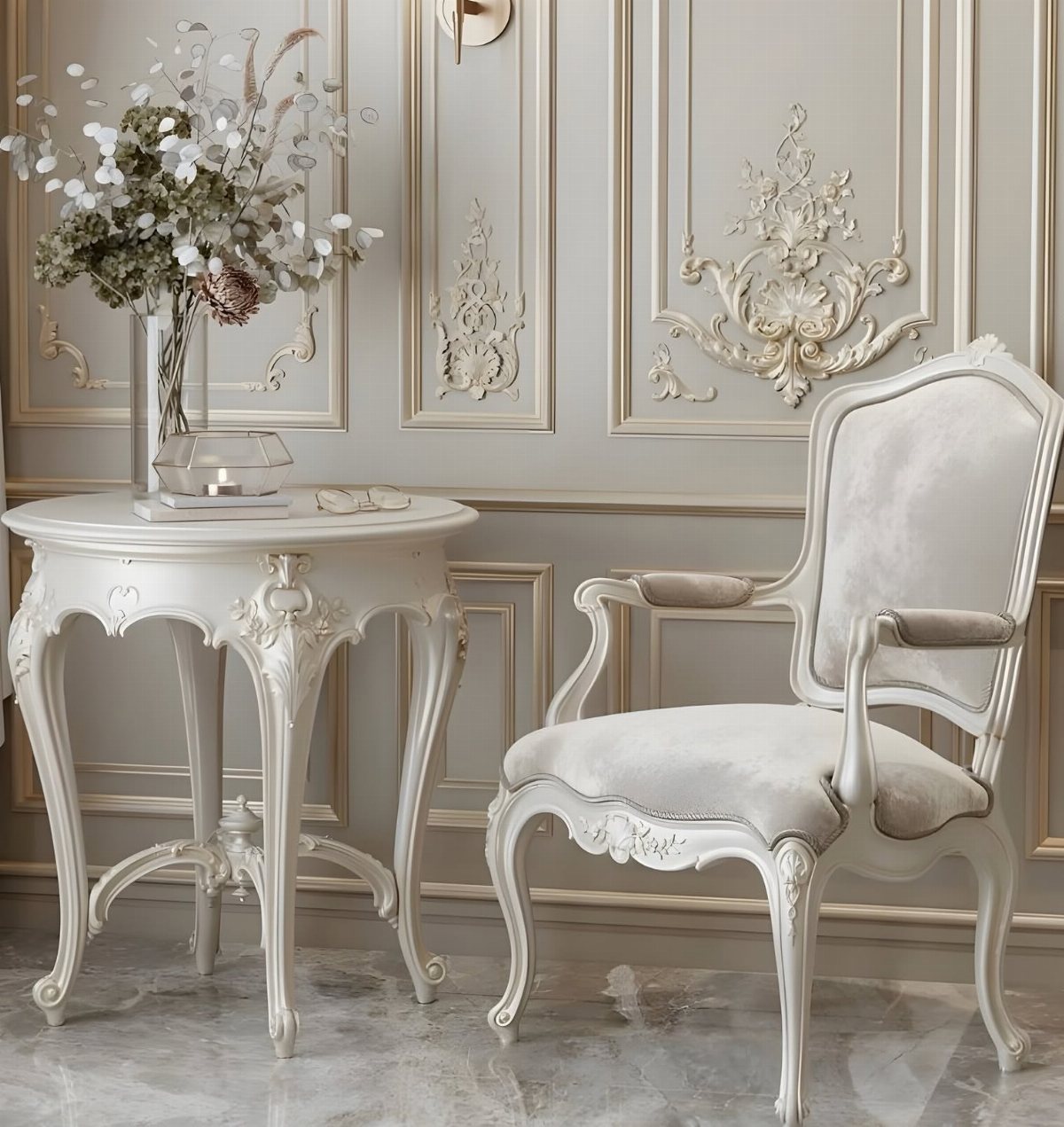
The Louis XV style runs more curvilinear, with scroll and shell motifs that read feminine and rococo. Louis XVI straightened the lines, added fluting, and moved toward the neoclassical.
One feels like conversation; the other like statement. Neither is objectively better, but mixing them on the same wall looks uncertain rather than eclectic.
White, gold, or bold color each redate the reference. White is 18th-century plaster.
Gold is 19th-century wealth. A saturated modern color is the choice that admits you live now.

Effortless Installation — Experience the simplicity of our 3-step installation process: simply cut, peel, and stick. It's a swift, hassle-free process.
DIY Installation Made Easy: Cut, peel, and stick in just 3 simple steps. No special tools required. Effortless installation for a quick and hassle-free experience.
DIY Installation Made Easy: Cut, peel, and stick in just 3 simple steps. No special tools required. Effortless installation for a quick and hassle-free experience.
Enhancing Property Value
Molding occupies a narrow position in renovation math. It costs less than structural change, reads as more intention than paint alone, and photographs well.
For first-home sellers, that combination matters; the detail survives a buyer’s 20-minute walkthrough when your tile grout choice does not.
The property value argument assumes competent installation. Gaps at mitered corners, visible nail holes, or caulk ridges telegraph the opposite: a project started and not quite finished.
I’d rather see no molding than sloppy molding on a listing.
Rental properties benefit differently. Quality molding signals that the landlord maintains the place, which justifies the asking rent and reduces turnover.
The investment amortizes across years of tenancy, not months of ownership.
Finishing Touches
Spackling, caulking, sanding, and painting consume more time than the carpentry and determine whether the wall reads as built-in or applied afterward.
Color-changing spackle removes the guesswork about dryness; it shifts from pink to white and tells you when to sand.
320-grit paper is the right finish grade. Anything coarser leaves scratches that telegraph through paint; anything finer wastes effort on a surface that caulk and primer will obscure.
Paintable caulk demands a wet finger or damp sponge while still fresh. The excess wiped away now saves sanding cured ridges later.
Two coats of paint minimum; satin finish carries light across the relief without the glare of semi-gloss.
Classic French paneling traditionally runs to soft neutrals, muted pastels, or deep saturated tones. All one color unifies the architecture.
Slightly different tones on panel and field add dimension but double your cutting-in time.
Frequently Asked Questions
Which type of wall moulding is best?
Picture frame molding is the most practical starting point for a weekend project, with 45-degree miter cuts that become repetitive rather than difficult after the first few.
For full wall coverage, boiserie paneling demands patience and a nail gun but achieves the double-depth look of 18th-century originals. I’d pick polyurethane over wood or plaster for anything above head height; it copies the period look without the weight.
What are the different types of molding called?
Crown molding runs where ceiling meets wall, chair rails split the wall at roughly one-third height, and panel molding builds decorative frames on the flat surface. Boiserie is the full floor-to-ceiling treatment with symmetrical raised panels and carved corner ornaments.
Sculpted cornices cap the wall where it meets the ceiling, and fluted pilasters run vertically to frame a doorway or mirror with the weight of built-in architecture.
What do you call the molding that goes around the ceiling?
Crown molding is the trim that bridges ceiling and wall, and most French treatments start there and work down.
What is French moulding wall?
French wall molding takes its shapes from classical French buildings, originally carved wood or cast plaster, though polyurethane copies are what most of us actually install now. It ranges from simple picture-frame boxes to full boiserie paneling with furniture-grade detail.