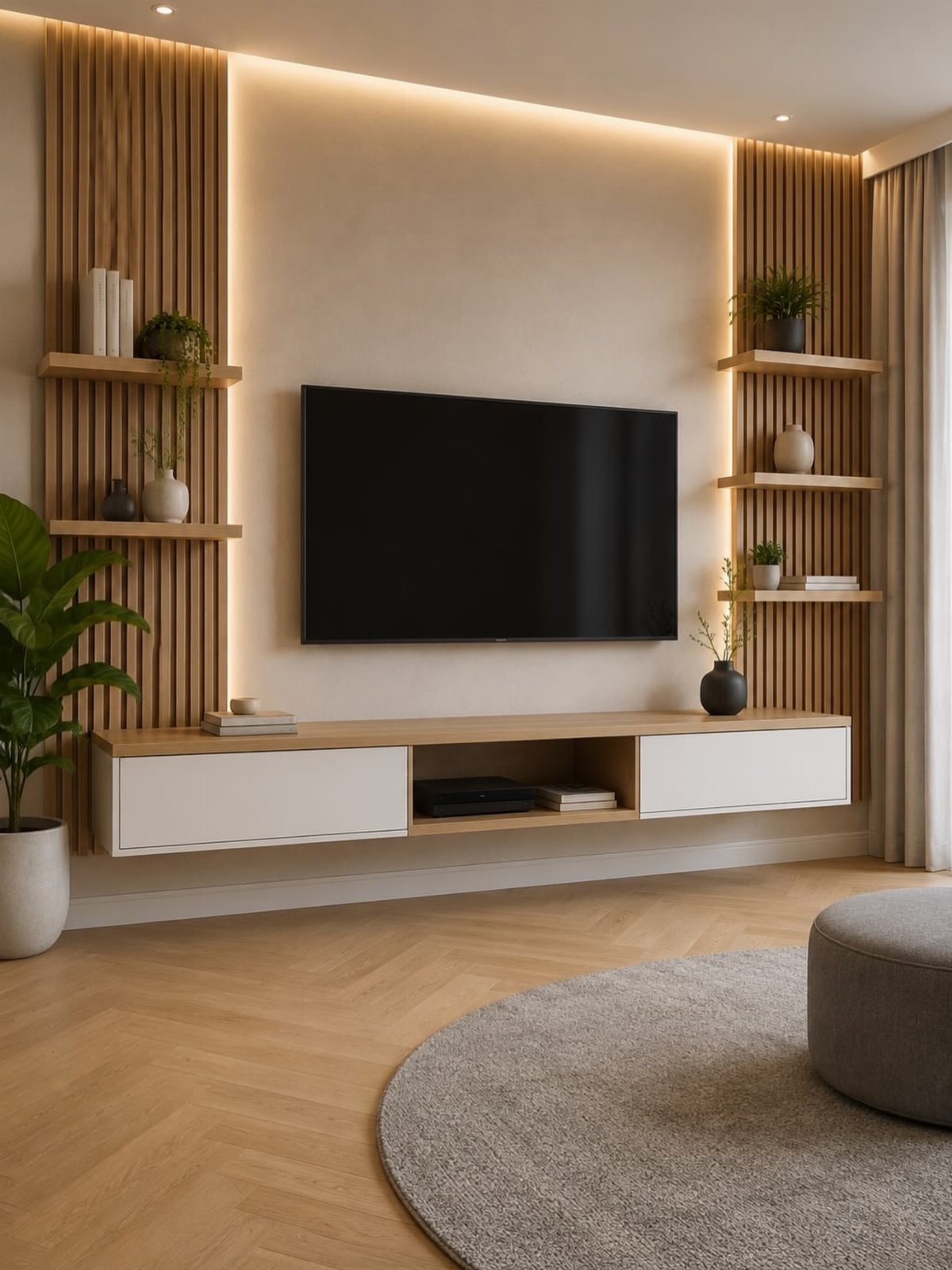
These wood wall ideas for a living room run from an evening of string art to a weekend building geometric frames or a full reclaimed plank display, with the deciding factor being how much wall you are allowed to alter.
A renter drilling into one permitted wall gets the backlit driftwood feature or modular crate shelving; someone ready to nail directly into studs can take the full reclaimed plank wall or the wood squares grid.
The common thread is that 2 inch or 3 inch wood blocks, a jigsaw and a brad nailer appear more than once, because most of these projects start with tools you probably already own.
1. Geometric Wood Art
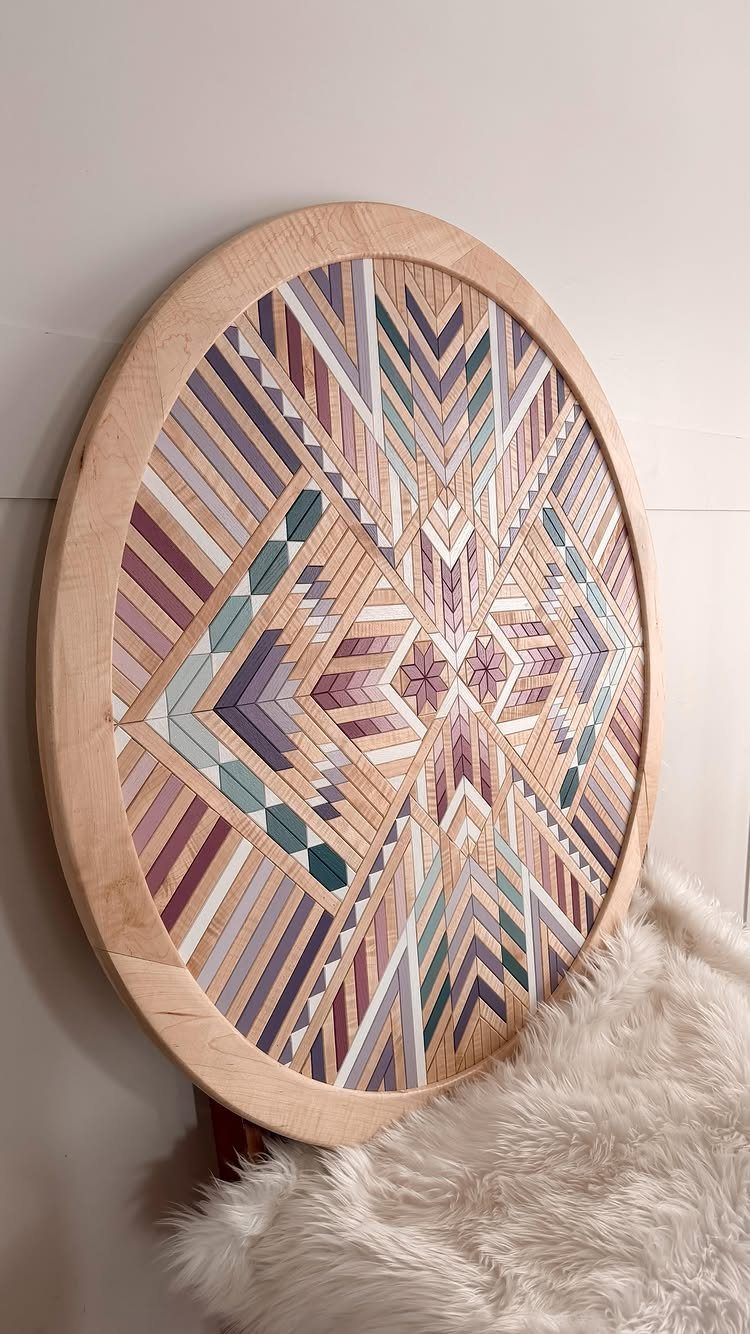
Circular frames filled with angled wood slats catch light differently through the day, so the pattern seems to shift each time you look.
Stain or paint your pieces warm or cool; purple, teal, tan and white are one direction, not the only one. Thin plywood strips, a jigsaw and wood glue are enough to start.
Lay out the pattern on paper first, then cut pieces to fit like a puzzle. One frame takes a weekend.
Two matching pieces, hung as opposites, give a living room the feel of a deliberate series rather than a single accent.
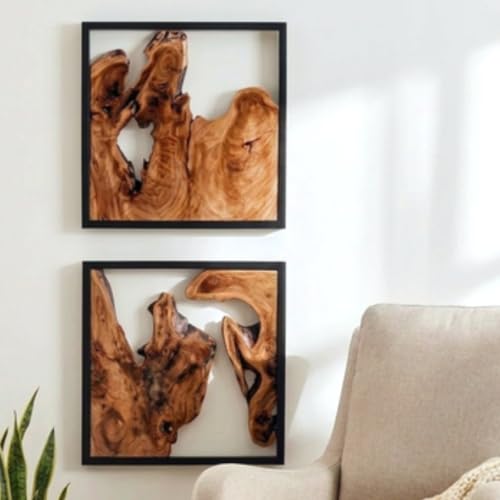
FRAMED CEDAR WALL SCULPTURES: Handcrafted from genuine cedar wood and set within sleek black frames, each sculpture creates a striking blend of natural beauty and modern...
2. Reclaimed Wood Wall Display
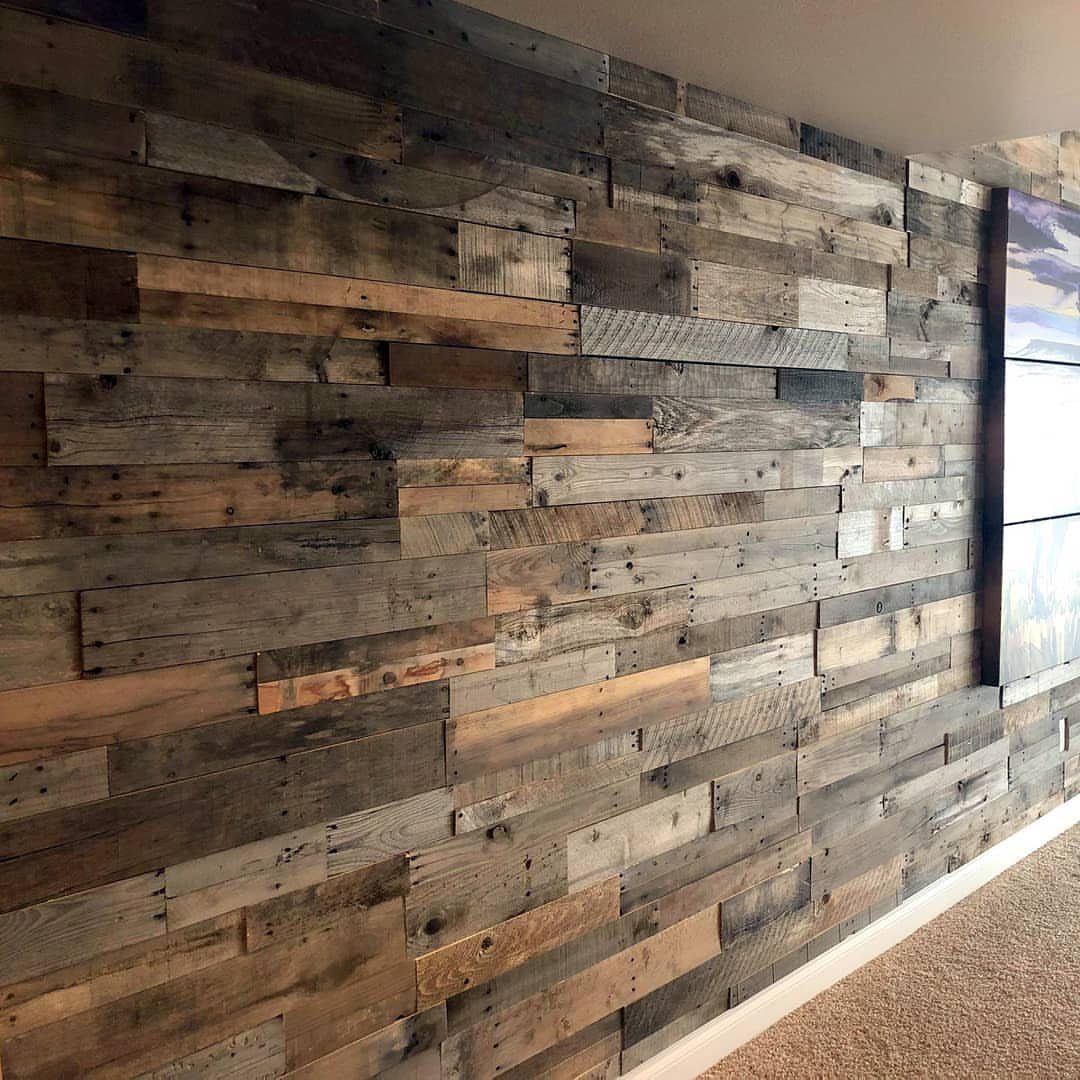
A wall of mismatched boards works best when the planks vary enough to look gathered over time, not bought in a set. Hit salvage yards, demolition sales or your own garage for weathered pieces.
Leave the original finish alone and you get the mix of grey, tan and brown that makes reclaimed wood worth using. Nail them up with the gaps uneven, some boards overlapping, and the texture does the work.
This suits renters only if the landlord agrees to a feature wall, since removal is labor. For a lighter commitment, mount boards on a plywood sheet you can hang and take with you.

【REAL WOOD】– Made of 100% dried fir wood imitating vintage reclaimed barnwood appearance for interior finish. The colors will vary from browns to grays depending on the batch.

REAL WOOD – Made of 100% dried fir wood imitating vintage reclaimed barnwood appearance for interior finish. The colors will vary from browns to grays depending on the batch.
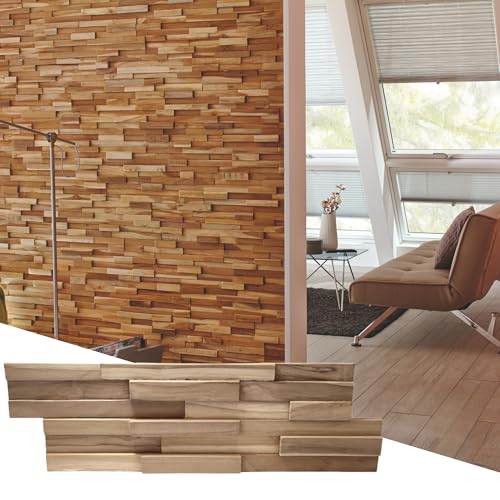
Premium real wood wall panels: beautiful hand-selected reclaimed and upcycled Asian teak wood wall panels
3. Oversized Wood Wall Art
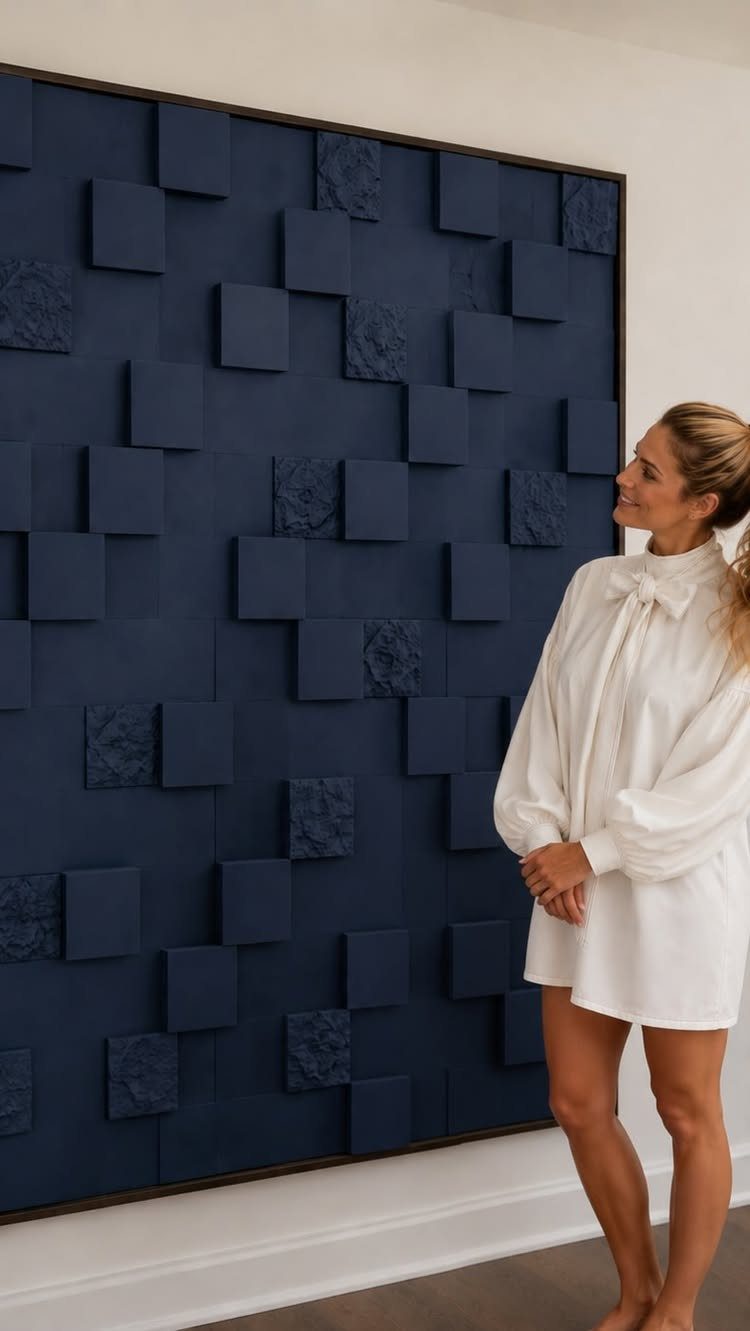
Big panels need bold texture to read from across a room, and raised squares of wood cast small shadows that keep the surface alive.
Deep blue is one route; bare wood stained dark, or a pale wash, changes the mood entirely. Build a simple frame, attach blocks at staggered depths, then sand the faces flush or leave them proud for more shadow.
A single oversized piece over a sofa replaces a gallery wall with one decisive move. This one rewards patience: cutting and spacing the squares evenly takes time, but the result looks commissioned.

Package Include: 1 Piece x 8 inch Hexagon Shaped Photo Frame + 1 Piece x Peg (Photo NOT included),Diagonal length 22cm/ 8.66in, Side width 2 cm/ 0.8in.

gpt-5.5 [Framed Wall Art]: This set of 3 large framed abstract wall art pieces features modern geometric line patterns in sage green and neutral tones. Each panel measures 24 x 36 inches and comes with a sturdy frame with a 1.38-inch frame thickness, creating a calm and balanced visual statement for contemporary interiors

🖼️ [ELEVATE YOUR DECOR WITH TIMELESS ELEGANCE] : Transform your space with captivating modern wall sculptures designed to enhance any room. Crafted with meticulous attention to detail, these pieces effortlessly combine artistry and sophistication, creating a stunning focal point for your home decor.
4. DIY Scrap Wood Wall Art
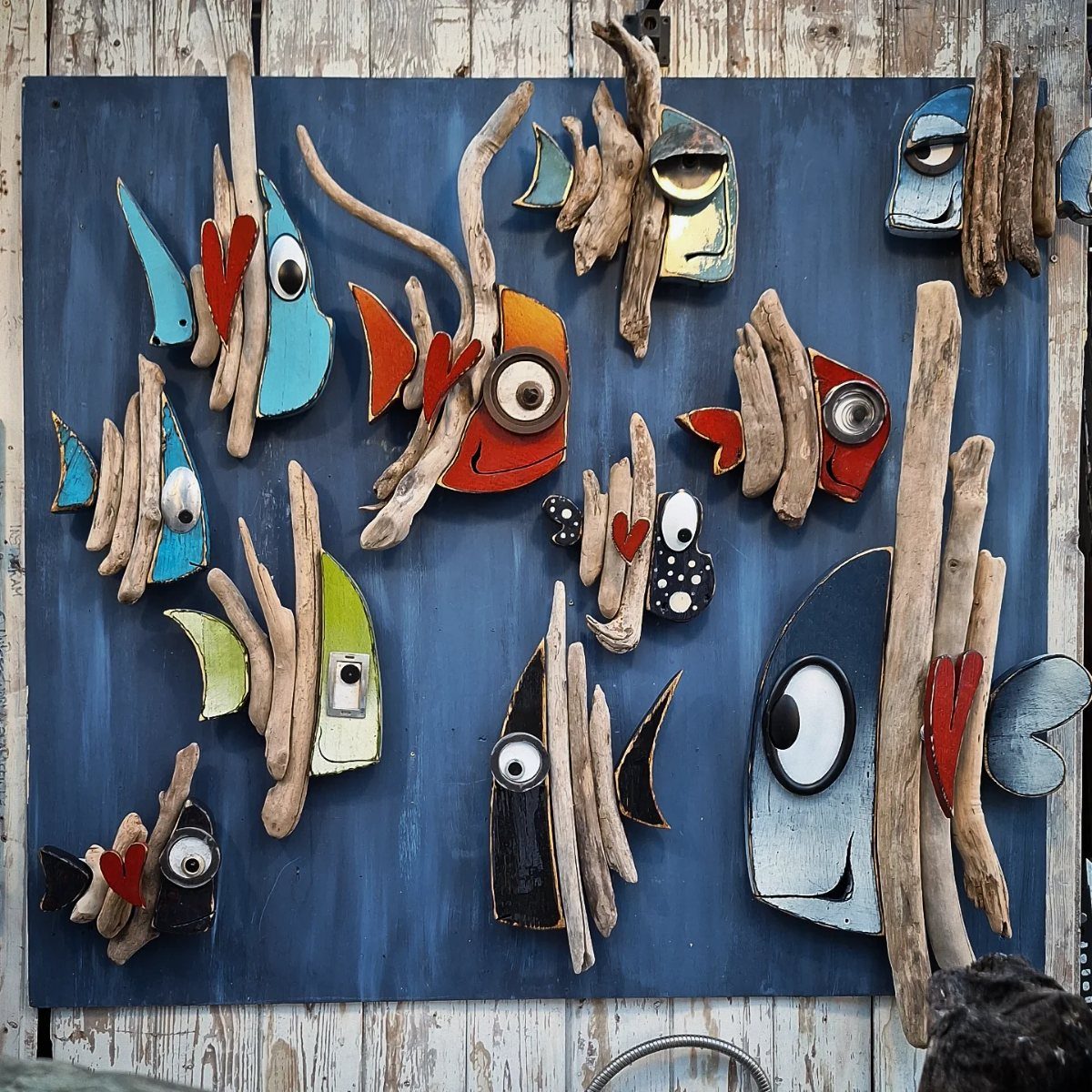
Leftover plywood or lumber from another project becomes wall art faster than most beginners expect. Cut fish shapes freehand or trace from a template, then paint or leave them raw against a colored backing board.
A jigsaw, sandpaper and a scrap of thin plywood are the core tools; the rest is arrangement. I like this for gifts because the scale flexes to your scraps, and flaws read as character.
One afternoon of cutting and an hour of assembly. If fish feel too literal, the same technique builds trees, birds or abstract shapes.

[Oversized Floral Wall Art]: This 48x48 inch extra large framed wall art features layered botanical flowers in black, gold and muted neutral tones. The vintage floral composition creates a moody, rustic and retro statement for living room, bedroom, dining room, office or hallway

[Oversized Tree Landscape Wall Art]: This 48x48 inch extra large framed wall art features a vintage countryside landscape with a large tree, winding path and rolling hills. The rustic scenery and warm neutral tones create a timeless statement piece for living room, bedroom, dining room, office or hallway

[Oversized Floral Wall Art]: This 48x48 inch extra large framed wall art features a vintage floral bouquet with blooming flowers and rich greenery against a dark moody background. The botanical composition and warm retro tones create an elegant statement for living room, bedroom, dining room, office or hallway
5. DIY Wood Squares Wall Decor
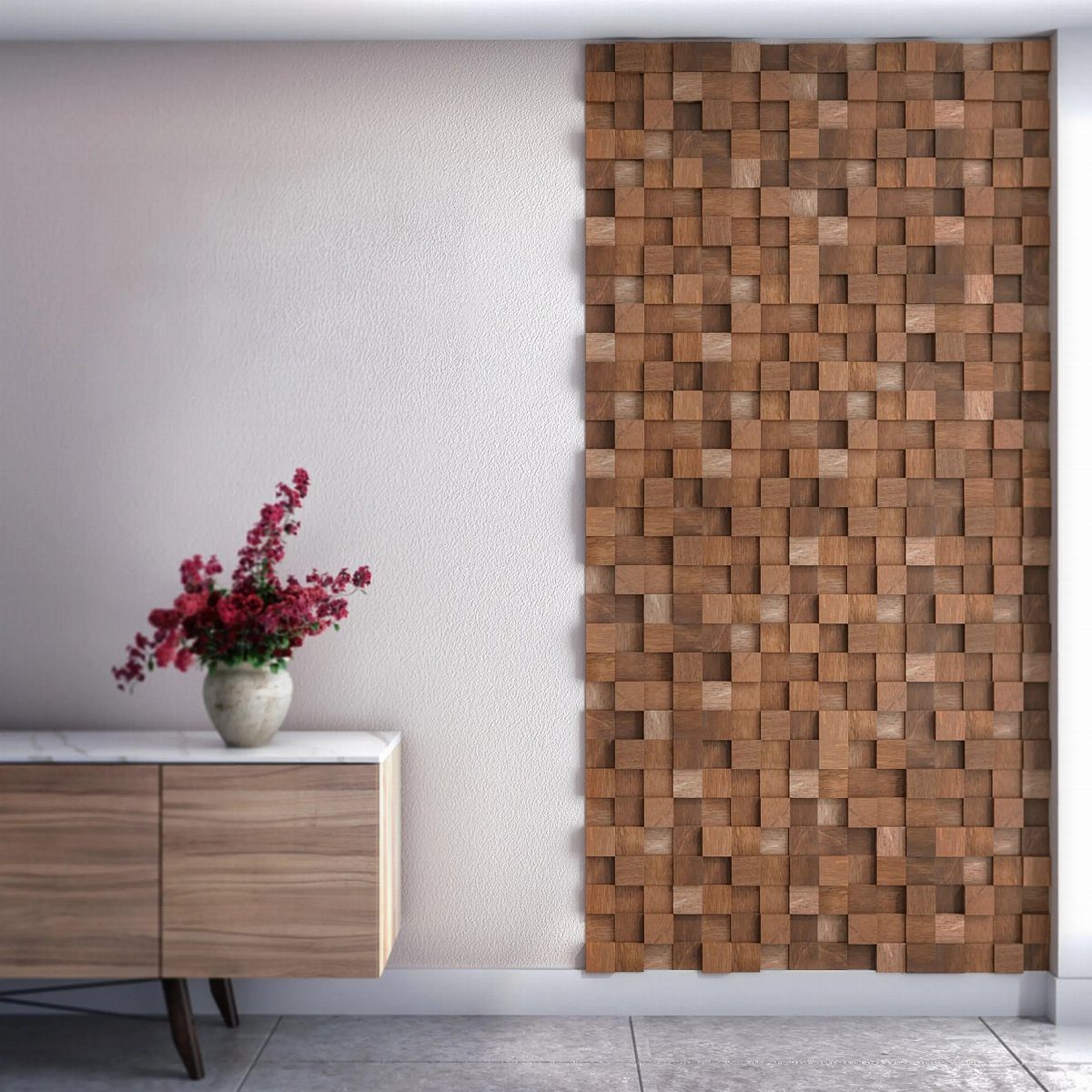
Small cubes of wood, hung in a field, make a wall feel architectural without building an actual wall. Dozens of squares at varying depths, all the same tone, create a quiet grid that reads as texture more than object.
Cut 2 inch or 3 inch blocks, paint or stain them, then attach to a backing or directly to the wall with a brad nailer. Spacing matters: tight clusters read as dense pattern, scattered squares as individual points.
I would keep one room’s installation to a single wood tone; mixing finishes here turns busy fast.

The fishnet decoration is made of cotton line; hand-carved wooden fish sculptures are made from solid wood; The rustic wooden fish set with decorative fishnet, natural wood color. Light weight and long-lasting nautical wall decoration. The hand-woven fishnet wall decor is soft and comfortable to touch, creating a cozy and romantic atmosphere for your room easily.

HANDCRAFTED SOLID WOOD CONSTRUCTION: Set of 3 wooden fish ornaments handcrafted from solid wood with vintage distressed finish, each measuring 1.8 x 7.5 inches for authentic rustic charm.

Size Information:This home decor includes 2 small fish, each measuring about 7.87 inches (20 cm). The moderate size fits perfectly in nautical decor scenarios, whether hung on the wall or placed on the table, seamlessly blending into your home style.
6. Modular Shelving Wooden Crates
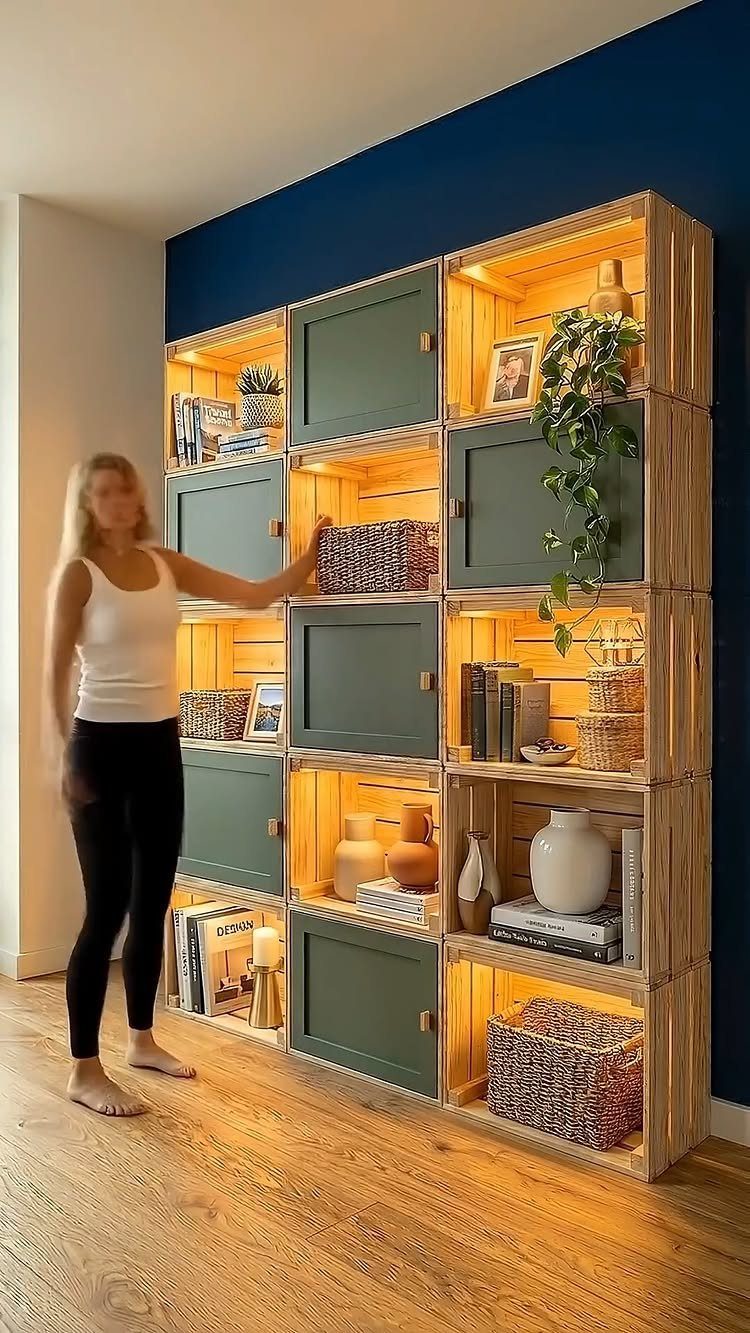
Wooden crates, stood on end and fixed in place, give you shelving that adjusts as your stuff changes. A floor-to-ceiling run with some crates lit from within is one approach; a smaller cluster above a desk or sofa is another.
Asymmetry is the key; a perfect grid looks like a store display, but a deliberate gap here and there makes it feel collected.
Screw crates to wall studs and to each other; they are light empty, but books add weight fast. Paint the back panels or leave them raw.
I would add small puck lights to every third crate if the wall is dark, skip them entirely in a bright room.

Pure Natural Wood: Made from genuine cedar root, each wall décor piece showcases natural grain, organic texture, and distinctive wood character.


{Boho Solid Wood Frame}:Each piece features a premium solid wood frame, offering natural durability and a rustic charm that seamlessly complements boho, farmhouse, and vintage-inspired interiors.
7. Backlit Driftwood Wall Feature
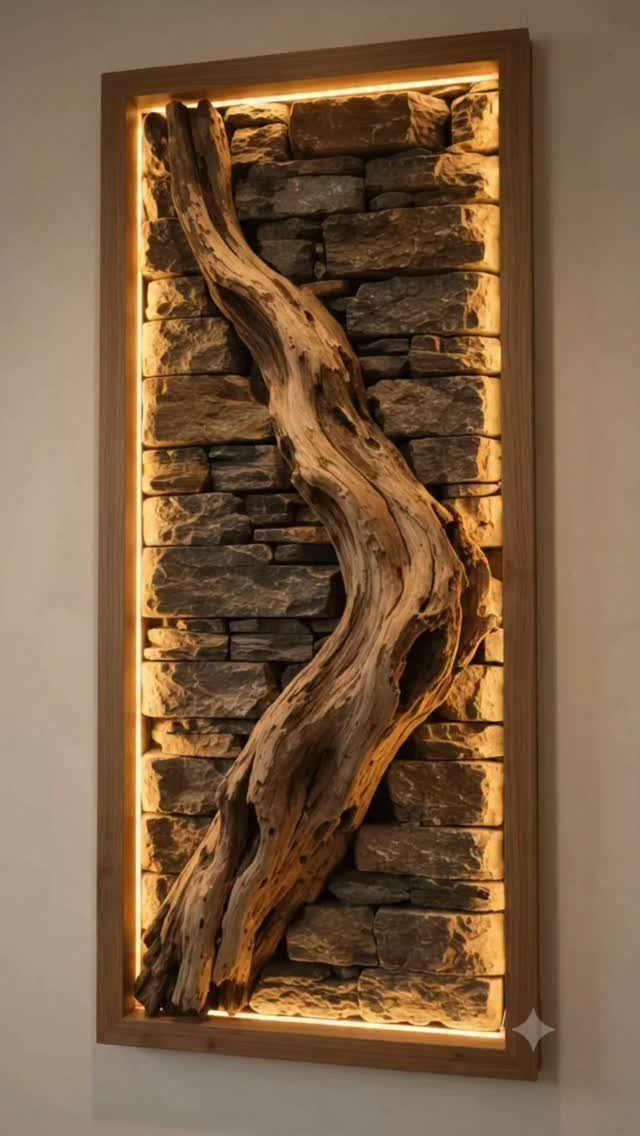
A single piece of driftwood, backlit inside a shallow box, turns a found object into something that reads like a gallery installation.
Frame depth matters more than width; a few inches of clearance lets LED strips sit along the inner edge without casting hard shadows.
I would build the box from 1×4 pine, paint the interior matte black so the light stays on the wood, and use 2700K strip lighting for that amber glow that makes driftwood look like it is still catching sunset.
Stone backing adds weight and texture, though painted drywall or burlap works if the wall already carries enough visual mass. The driftwood itself should be dried, sealed, and checked for hidden insects before it comes inside.
This one suits renters with one wall they are allowed to drill into, or anyone who wants statement art without the statement price. Time replaces money on this one; the assembly is simple, but finding the right branch takes patience.

Reclaimed Wood Panels: Reclaimed wood paneling for walls is designed to create accent walls, feature walls, and interior spaces; these wall board panels feature a barnwood look with rustic color variations, reflecting the unique story of each piece

REAL WOOD – Made of 100% dried fir wood imitating white vintage reclaimed barnwood appearance for interior finish. Solid wood planks may warp, this is inherent to the product.
Reclaimed Wood Panels: Reclaimed wood paneling for walls is designed to create accent walls, feature walls, and interior spaces; these wall board panels feature a barnwood look with rustic color variations, reflecting the unique story of each piece
8. String Art
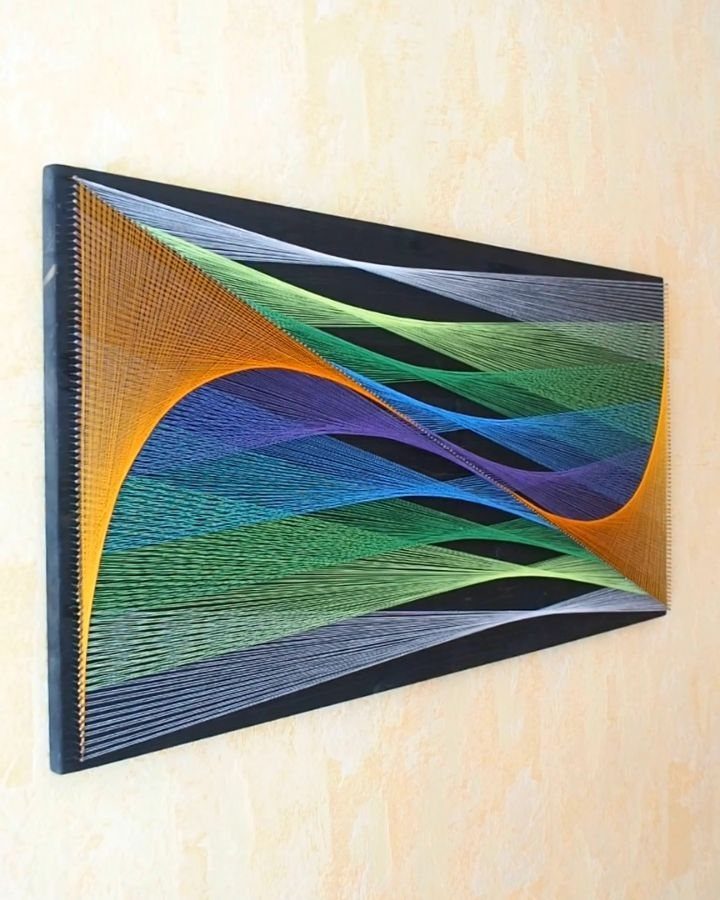
String art on a painted board costs almost nothing and forgives every wobble in the design.
Spacing is what makes it work: nails close enough together, all hammered to the same height, so string tension stays even and the pattern does not sag.
I use finishing nails with small heads; upholstery tacks look cleaner but the string slips.
A printed paper template, taped to the board, lets you nail straight through it and tear the paper away after.
For the string, embroidery floss gives matte color, crochet thread gives sheen, and thin yarn covers faster if the pattern is large. A limited palette keeps it from looking like a camp project.
Black boards make bright thread pop; raw wood softens the geometry into something that reads more Scandinavian.
The whole thing takes one evening and a short hardware store run, which is why it works for a Saturday reset or a gift you forgot to plan for.

【AUTHENTIC CITY PULSE】 Capture the organized complexity of the urban landscape with this high-definition system map. Featuring clean lines and vibrant official color coding, it transforms daily transit into a sophisticated piece of modern art.

Modern Geometric Design & Artistic Appeal - This set of 3 wooden wall art panels features a clean geometric pattern with layered lines and sculptural depth. The minimalist design blends natural textures with modern aesthetics, creating a calm yet eye-catching visual effect that elevates any wall space.

Colorful Bird Artwork: Bring movement, creativity, and natural beauty to your home with this bird wall art featuring a flock of colorful flying waterbirds soaring across a soft geometric landscape. Inspired by folk art, Scandinavian design, and contemporary illustration, the artwork showcases richly patterned wings, elegant silhouettes, and harmonious colors that create a sense of freedom, adventure, and tranquility. The unique composition adds artistic character while celebrating the beauty of nature and migratory birds in flight.
DIY Project Tips
A brad nailer helps with the crate shelving and square installations, but a drill and screws will do if that is what you already own.
Buy blades meant for finish work; the cheap ones wander and cost you time in sanding later.
Lay everything out on the floor before you cut. Measure twice sounds tired because it is true: even a small gap in a geometric pattern shows from across the room.
For paint or stain, test on scrap from the same batch of wood; grain absorbs differently even within one board.
Weekend timelines slip when drying gets rushed. Stain needs real curing time before you call it done, and paint often needs two light coats with breathing room between.
Start Saturday morning if you want to hang something by Sunday night.

[Oversized Floral Wall Art]: This 48x48 inch extra large framed wall art features blooming roses, delicate daisies, leafy branches and fluttering butterflies on a warm neutral brown background. The vintage botanical composition creates a soft, elegant statement for living room, bedroom, dining room, office or hallway

【Perfect 30x30 Large Square Frame】: Designed specifically for 30x30 inch photos, textured oil paintings, oversized posters, jigsaw puzzles, photo collages, diamond art prints, vintage maps, architectural blueprints, or abstract canvas prints without a mat. This 1-pack black frame offers a seamless, full-bleed display that maximizes your viewing area, perfectly matching modern retro and Nordic minimalist home decor styles.

[Framed Wall Art]: This contemporary large abstract wall art features black and white tones layered with soft neutral beige and gray shapes in a balanced square composition, sized 40x40 inches, creating a strong and composed visual presence that anchors living rooms and spacious interior wall areas
Wood Types for Decor
Pine is the easy default: cheap, soft enough to cut without fighting, and it takes stain evenly if you condition it first. I would use it for the geometric frames, the backing boxes, anything painted or hidden.
Check for nails with a magnet before you run any piece through a saw; old fasteners hide deep. The grey and tan tones come from weathering, not a product.
That is what makes them feel honest.
The amber, worn surface is worth the wait for the backlit feature, but it is not a same-day material.
Carved panels, upcycled from antique headboards or furniture, give you detail without learning relief carving. Hunt estate sales and salvage yards; the wood is often hardwood, heavy and stable, with patina that reads as intentional history.
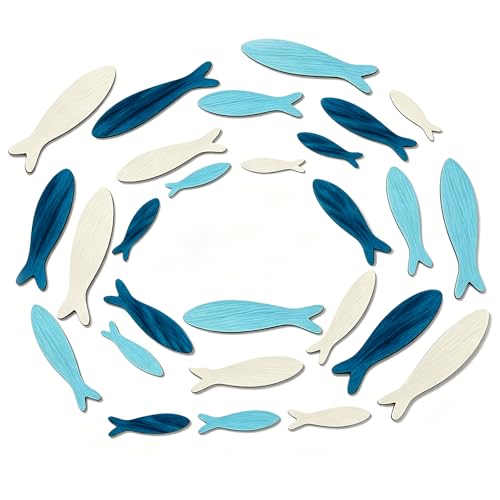
Wooden Wall Decor: You will receive 24 pieces wooden fish wall decor, 6 large, 9 medium, and 9 small.A generous quantity to meet your needs, allowing you to make different arrangements at will, infusing your home with a rich oceanic ambiance

Creative Fish Sculpture: This fish wall decoration is painted in different bright colors, which looks layered and vibrant. It is an ideal wall art ornament for any coastal, nautical and beach decor themes, lake house, seaside house, ocean bathroom, etc

Package Includes : This fish wall art set includes 20 MDF fish styles, each ranging from 5~10 in/13~25 cm length. Each piece features a distinct tropical fish design, offering a rich variety to create your own underwater scene
Seasonal Decor Ideas
Wood wall art shifts with the season more easily than most people assume. For winter, I would string white thread in snowflake geometry on a charcoal board; the contrast reads cold without any literal snowmen.
Come spring, the same nail holes could hold pale green or yellow floss in a branching pattern.
The driftwood feature already carries sunset tones; in darker months, swap the 2700K strip for 3000K and the glow turns slightly cooler, more like winter window light.
The geometric wood pieces respond to where you place them: near a lamp in October, the shadows stretch longer and the whole wall feels like it is leaning into the shorter days.
Small moves matter. A bare wood piece stained darker in fall, lighter in spring, costs nothing but an hour and reads as a deliberate change.
Wall Art Aesthetics
Rustic is the obvious fit for reclaimed boards, but the same material, cut to identical squares and sanded smooth, turns modern fast. The difference is tolerance: rustic lives with gap and warp, modern edits it out.
Geometric pieces read contemporary no matter the stain color; the precision does the work. I would push them toward Scandinavian by keeping the palette to 2 tones, one warm and one cool, with plenty of raw wood showing.
The string art sits in a middle space. Your nail spacing matters more than your color choice for which direction it takes.
Oversized panels with raised squares can go either way. Flush, even faces and a single dark stain feel commissioned and quiet.
Uneven depths and a pale wash feel handmade and approachable.
Frequently Asked Questions
What is the new trend for walls?
Wooden wall art is trending for its warmth and how it shifts with light through the day.
Geometric pieces with angled slats are one direction, but reclaimed boards, backlit driftwood and modular crate shelving all share that same move toward texture you can build yourself rather than buy finished.
What are some good wall decor ideas for a wooden wall?
Geometric frames with angled slats, a collage of mismatched reclaimed boards, or a single oversized panel with raised squares all read well against wood.
String art on a painted board also works, especially in matte black or raw wood that lets bright thread or pale string do the contrast.
What are popular wood types for wall decor?
Technique and finish matter more than species; thin plywood strips, 1×4 pine for frames and backing, and whatever weathered boards you salvage are the materials that keep showing up.
Reclaimed pieces with their original grey, tan and brown mix carry the look without staining.