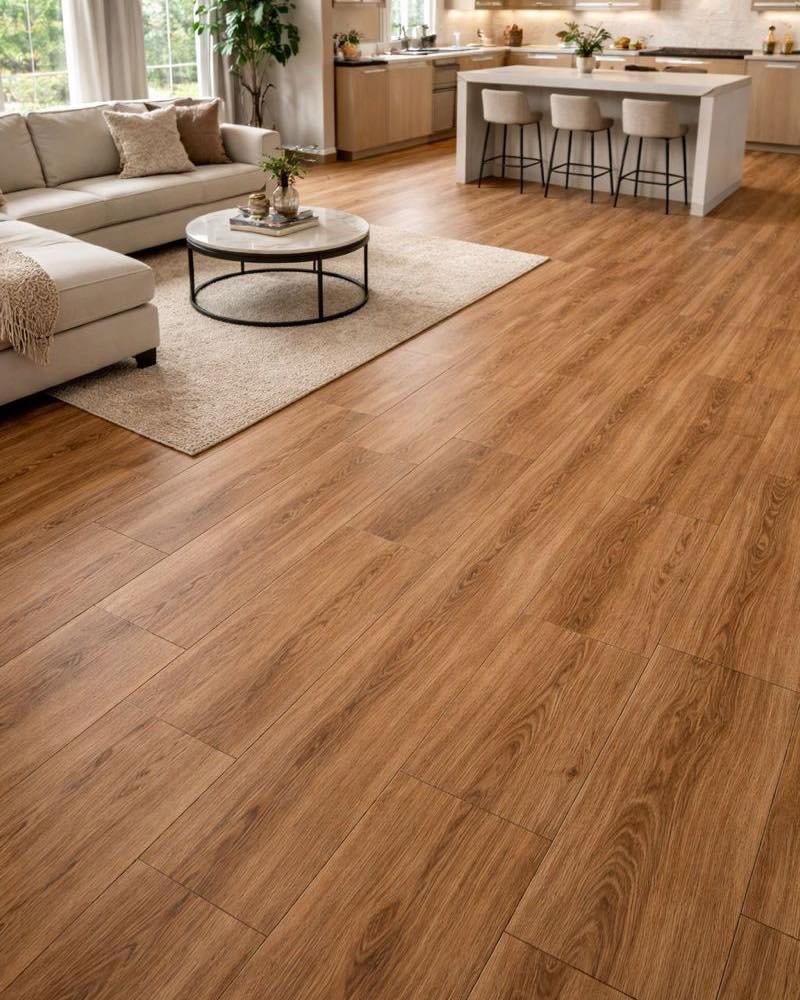
Wood-look tile ranges from a ceramic wall accent you set in an afternoon to a herringbone porcelain floor that eats extra square footage in diagonal cuts.
The deciding factor is what the room does to real wood: traffic, water, or both send you to porcelain; dry walls and quiet corners let ceramic trim the budget.
A 1/3 offset, never half bond, keeps large format planks flat once the leveling clips come off.
1. Accent Walls Tile That Looks Like Wood
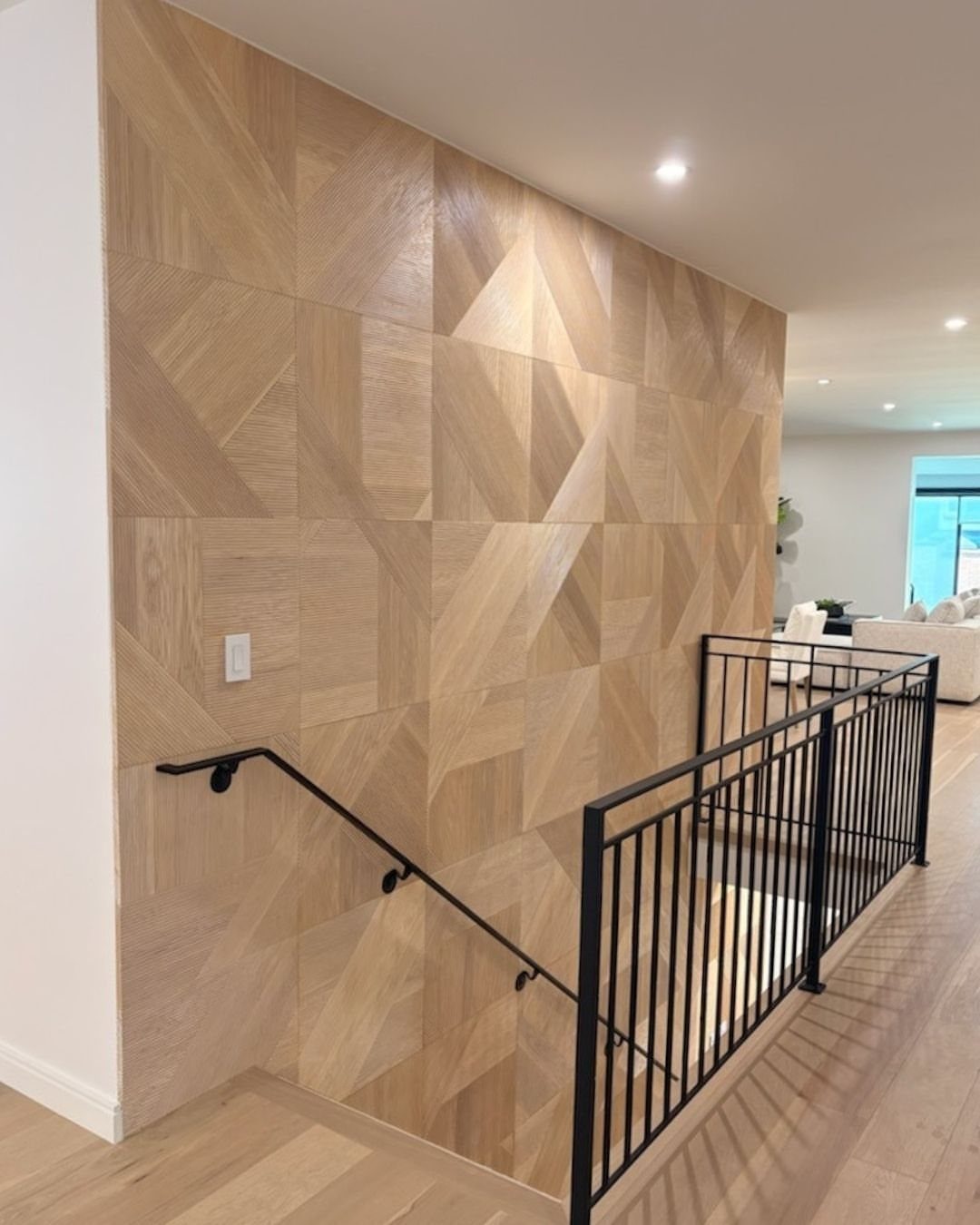
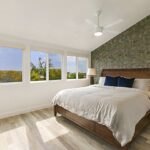
An accent wall in wood-look tile reads as paneling with more texture than paint and less fuss than actual boards.
Porcelain holds up anywhere, but for a wall that never meets a shoe or a splash, ceramic trims the budget without giving up the grain.
The pattern matters more here than on a floor; a geometric layout turns the wall into the room’s focal point instead of background.
Check that your tile is rated for vertical installation before you buy. Thinset coverage and wall prep run stricter than floor work, and a heavy porcelain plank needs the right backing to stay put.

Available in a modern 8 x 48 plank and 1 x 24 mosaic in a matte finish

Plank Porcelain Tile Dimensions: 6" x 24" plank porcelain tile suitable for kitchen backsplashes, walls, and floors

Premium Quality Plank Porcelain Tile: 5"x24" premium quality plank porcelain tile with matte finish for floor and wall applications
2. Wood Look Porcelain/ceramic
Porcelain and ceramic wood-look tile splits the difference between wanting hardwood and needing something that survives real life. Porcelain takes the beating: dropped pots, wet boots, kids dragging furniture.
Ceramic costs less and carries the same visual warmth, but it absorbs more water and chips easier under impact.
The style range runs from reclaimed barn look to gray-washed modern, so the choice starts with what your room already holds.
I’d default to porcelain for any floor that sees traffic, moisture, or both; ceramic earns its place on walls and in rooms that stay dry and quiet.

Easy DIY, Just Peel & stick, cut with tin snip , utility knives or hand saws, saving large amount on labor.

Includes 10 Pieces per Case | 6.46 Square Ft. Per Case | Case Weight 38.8 lb |TILE SIZE: 6 in. W x 16 in. L x 0.59 in. T

100 sheets solid PVC tiles, 2.95"x5.9"x0.12" each, cover 12.11 square feet. This simple subway pattern is easier to install and plans the layout freely to your imagination.
3. High-Traffic Kitchens and Bathrooms
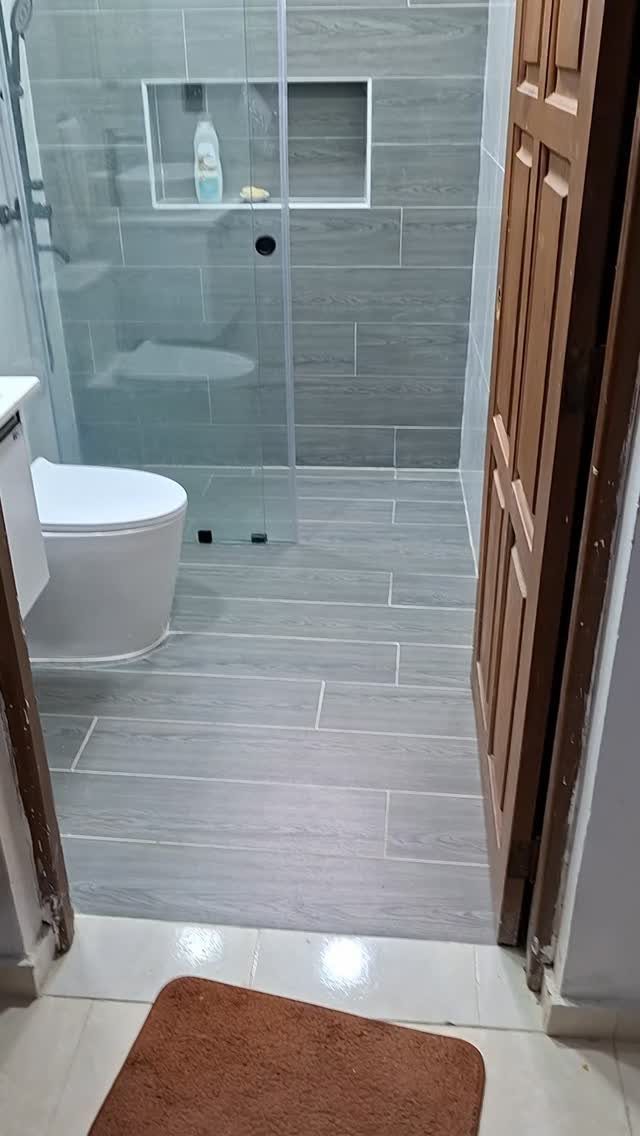
Kitchens and bathrooms kill real wood. Water warps it, dropped pans dent it, and the maintenance never stops.
Wood-look tile gives the same warm surface with none of the vulnerability; porcelain specifically shrugs off moisture, stains, and the scratch of a dragged chair.
The grout lines make or break the illusion, so choose ones that let the tile read as real wood instead of announcing themselves.
A narrow joint in a tone close to the tile keeps the eye reading "plank" instead of "square."
I’d check the slip rating for bathroom floors, wet porcelain can skate under bare feet, and a matte or textured finish buys safety without losing the look.

100 sheets solid PVC tiles, 2.95"x5.9"x0.12" each, cover 12.11 square feet. This simple subway pattern is easier to install and plans the layout freely to your imagination.
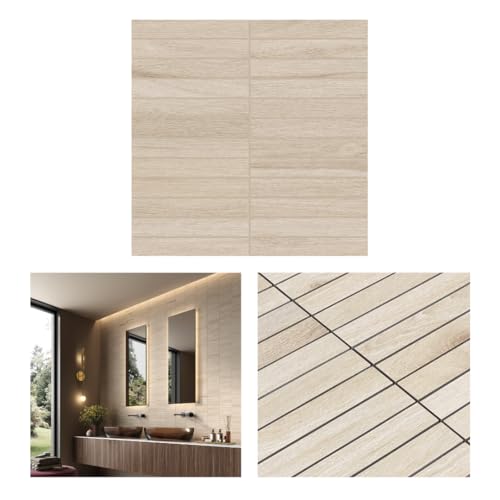
Premium Porcelain Mosaic Tile: Crafted from high-quality porcelain with a matte beige finish, delivering a stunning wood-look design that complements any home or office décor.

4. Herringbone Layouts
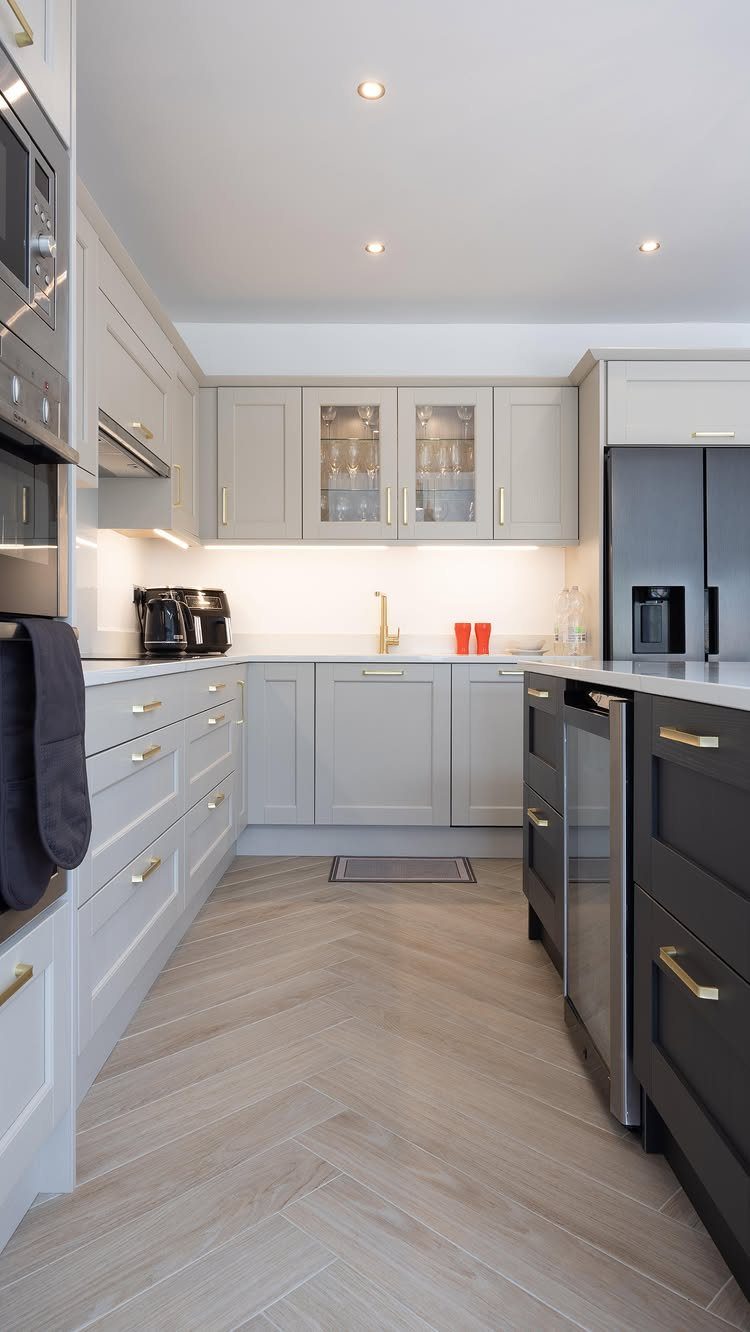
A herringbone floor signals intention. The pattern reads custom, and with wood-look tile it costs only patience, not a craftsman’s day rate.
Staggered planks look like standard hardwood; herringbone and chevron step into something more deliberate, more European kitchen than suburban builder grade.
Waste is the problem. Diagonal cuts eat more tile than a straight run, and the layout demands a dry run before any adhesive touches the floor.
Not every plank tile is sold in a shape that herringbone accepts cleanly; the box or spec sheet has to confirm the length works with the pattern.
I’d practice the layout on a sheet of plywood first, mistakes there are free.

10 sheets mosaic PVC tiles mixed metal chips, 12"x12"x0.12" each, covers 7.7 square feet.

Elegant Herringbone Design: Features metal gold accents and multi-toned stone-look deep textures create a chic chevron pattern that pairs beautifully with white, gray, and natural wood cabinets.

Texture & Durability: Want to refresh your space fast but tired of peel and stick floor tiles that look fake or peel up after days? This one delivers realistic texture and stays put. With upgraded matte craftsmanship, the vinyl flooring replicates authentic wood grain to fit any home decor. and its high-quality multi-layer reinforced PVC makes it 100% waterproof, flame-retardant, scratch and abrasion resistant
5. Modern Living Room Flooring
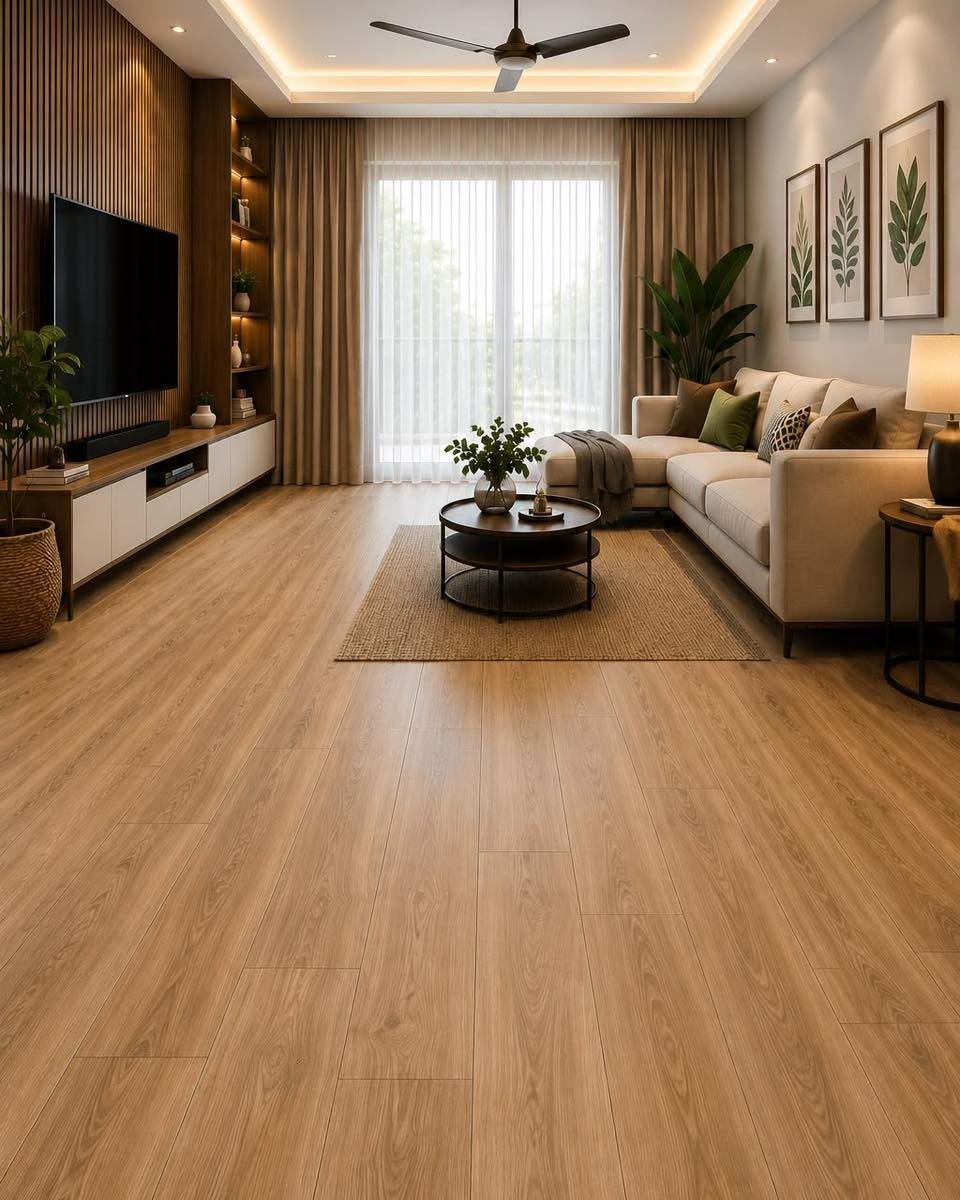
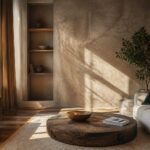
A living room floor sets the temperature for everything above it.
Light brown wood-look tile warms the space without the amber heaviness of older hardwood styles; beige or ash opens up a smaller room and catches whatever natural light the windows give.
The real win is the upkeep. No refinishing, no water rings from a spilled drink, no panic when the dog comes in muddy.
The trade is sound; tile clicks and echoes more than wood, and area rugs become necessary for comfort, not just style. I’d lay the planks running the long dimension of the room, it stretches the space and costs nothing extra.
Many people dream of having hardwood flooring in their home, but the cost and upkeep of hardwood floors can be a challenge. Wood tile flooring is the ideal alternative.

LOOK BRAND NEW: Skip scrubbing tiles and use GROUT PEN to paint and recolor your grout for a bright clean appearance

LOOK BRAND NEW: Skip scrubbing tiles and use GROUT PEN to paint and recolor your grout for a bright clean appearance

Efficient Grout Restoration: Say goodbye to worn-out, discolored grout lines with our Magic Chems Grout Repair Kit. Specifically formulated for grout repair and tile grout, this kit efficiently restores grout lines, rejuvenating the appearance of your bathroom tiles. Elevate your DIY game with professional results. The Magic Chems Grout Repair Kit empowers you to achieve a polished finish without the need for costly professional assistance. Enjoy a bathroom or kitchen makeover on your terms.
6. Bright Hallway Planks
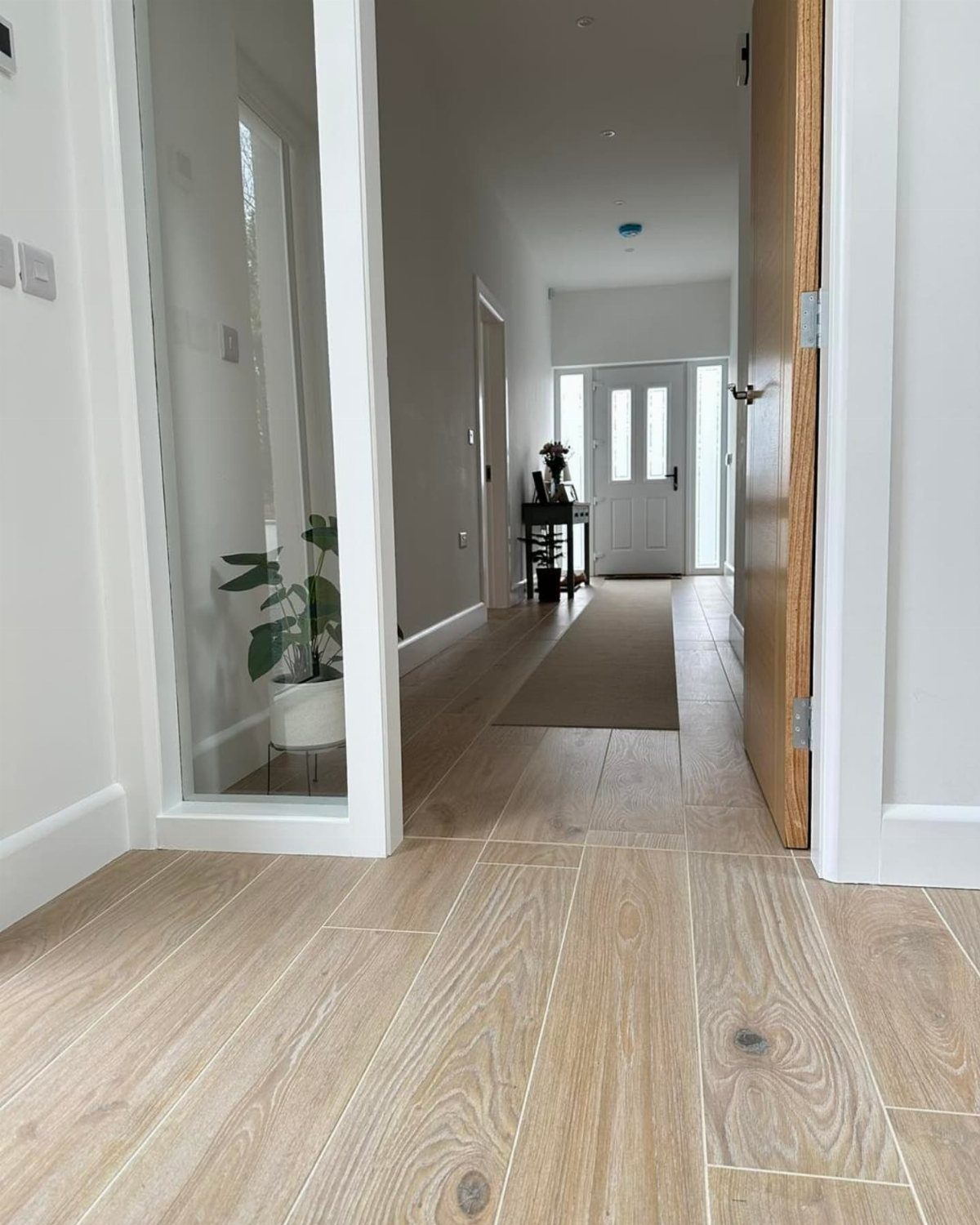
A hallway is a tunnel until light and direction fix it.
Running plank tiles lengthwise pulls the eye toward the far end and stretches the distance; light tones bounce what light there is back into the space instead of drinking it.
Grout lines show in a hallway, every one of them, because the view is long and uninterrupted. I’d pick a tone that matches the tile body rather than contrasting; the goal is reading continuous plank, not grid.
Luxury vinyl plank runs softer underfoot and quieter, worth considering if this is a morning path before coffee or a midnight route to the bathroom.

3.14" x 18" Top Quality Heavy Duty Porcelain

Combines a timeless style and an enhanced color palette

Combines a timeless style and an enhanced color palette
7. Wood Look Tile Installation Process
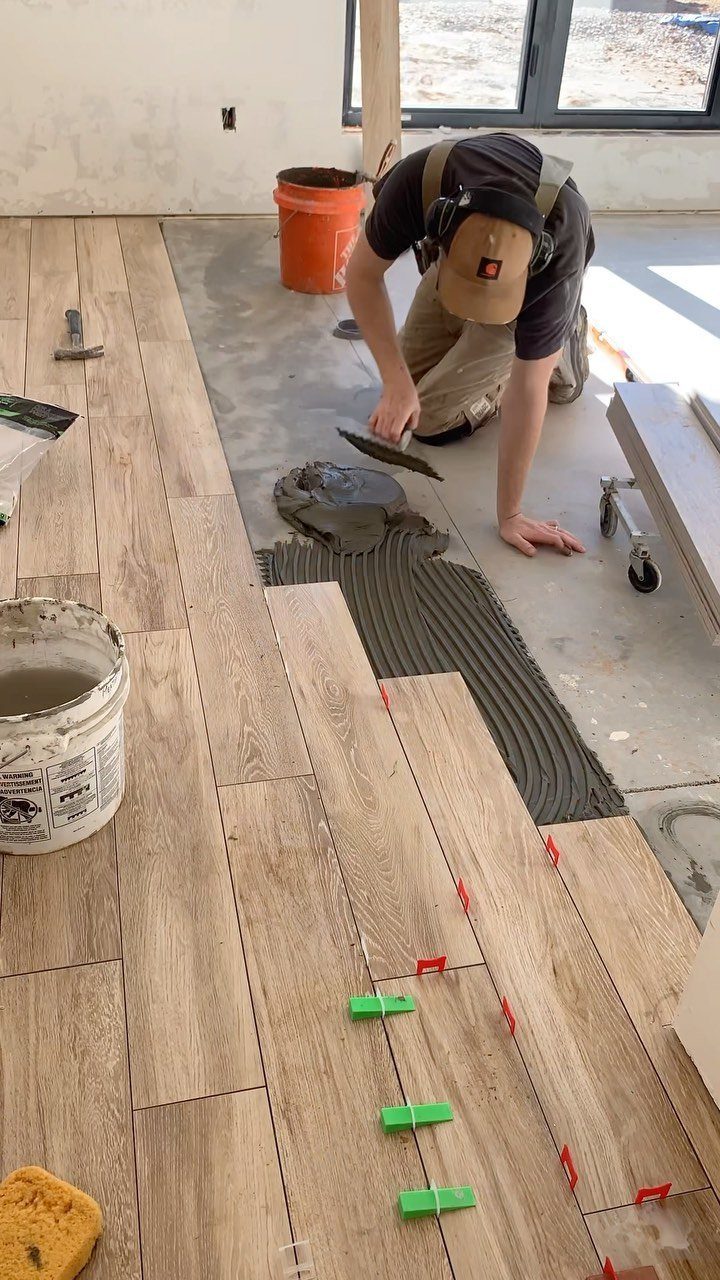
A notched trowel and leveling clips make the difference between a floor that looks like wood and one that actually looks like wood.
The clips keep long plank tiles flat while the thinset cures, which matters because these tiles bow more than square ones. I check that the subfloor is level before I start, or the planks telegraph every bump.
Large format wood-look tiles need a 1/3 offset, never half bond, or the ends will lip. I dry-lay the first three rows to check my cuts at doorways.
Grout color matters almost as much as the tile; medium gray hides the joints without pretending they aren’t there. If the room gets direct sun, I let the tile acclimate inside so it doesn’t expand after I set it.

20 sheets solid PVC mixed metal tiles, 11.7"x5.9"x0.12" each, cover 9.6 square feet.

100 sheets solid PVC tiles, 2.95"x5.9"x0.12" each, cover 12.11 square feet. This simple subway pattern is easier to install and plans the layout freely to your imagination.

20 sheets solid PVC mixed metal tiles, 11.7"x5.9"x0.12" each, covering about 9.6 square feet.
8. Wood Look Tile Bathtub Niches
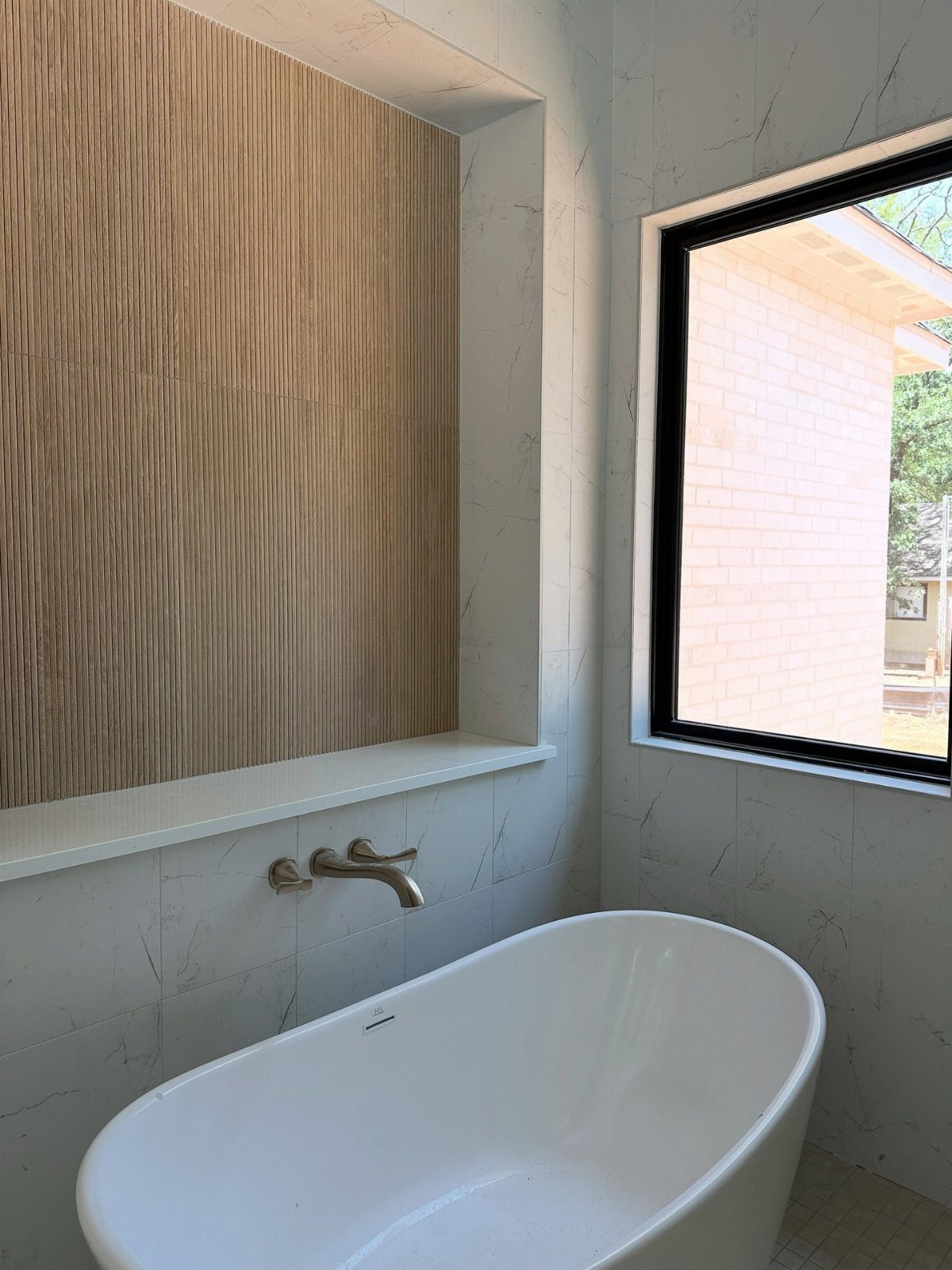
A niche lined in vertical wood-look tile reads as a recessed panel rather than a storage hole, which is the point of building it in the first place.
Vertical planks draw the eye up, good for a wall that already has a freestanding tub as its main event. I keep the niche deep enough for bottles without eating into wall cavity I might need for plumbing.
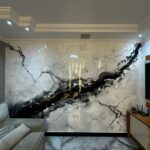
The surrounding marble-look tile needs a grout joint that matches its own pattern, not the niche, or the transition looks like a mistake.
I order extra on the wood-look tile for this kind of detail cut; the mitered corners waste more than you’d think. Brass fixtures against warm brown planks work because both share a yellow undertone.
Chrome would float there, disconnected.
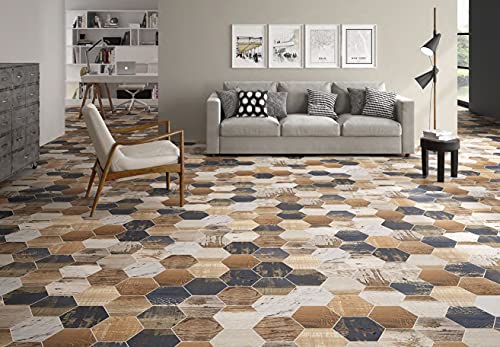
8.75" x 10" Made In Italy, Heavy Duty Porcelain Tile With Vintage European Mix Oak Look

Coverage and Packaging: 10.88 square feet, 16 pieces per case; Case weight is 45.76 lbs
9. Entryway Wood Look Floor Tiles
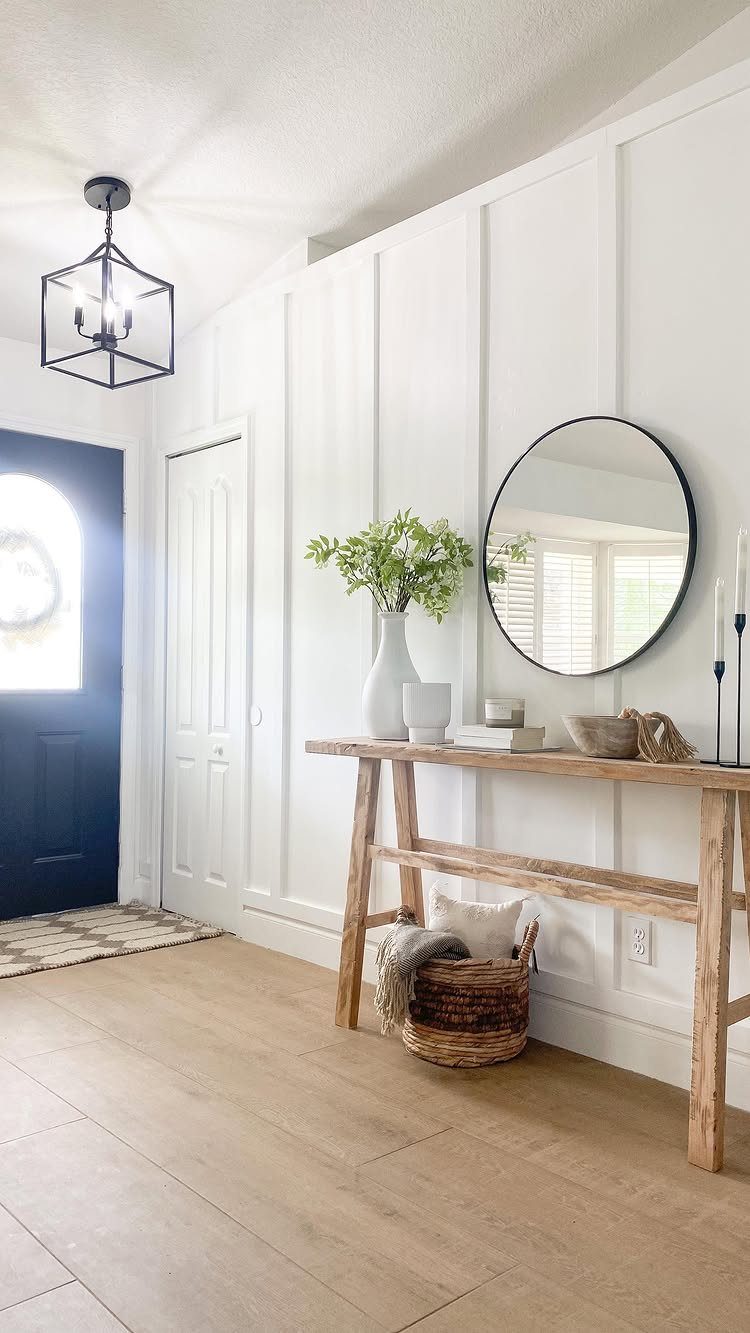
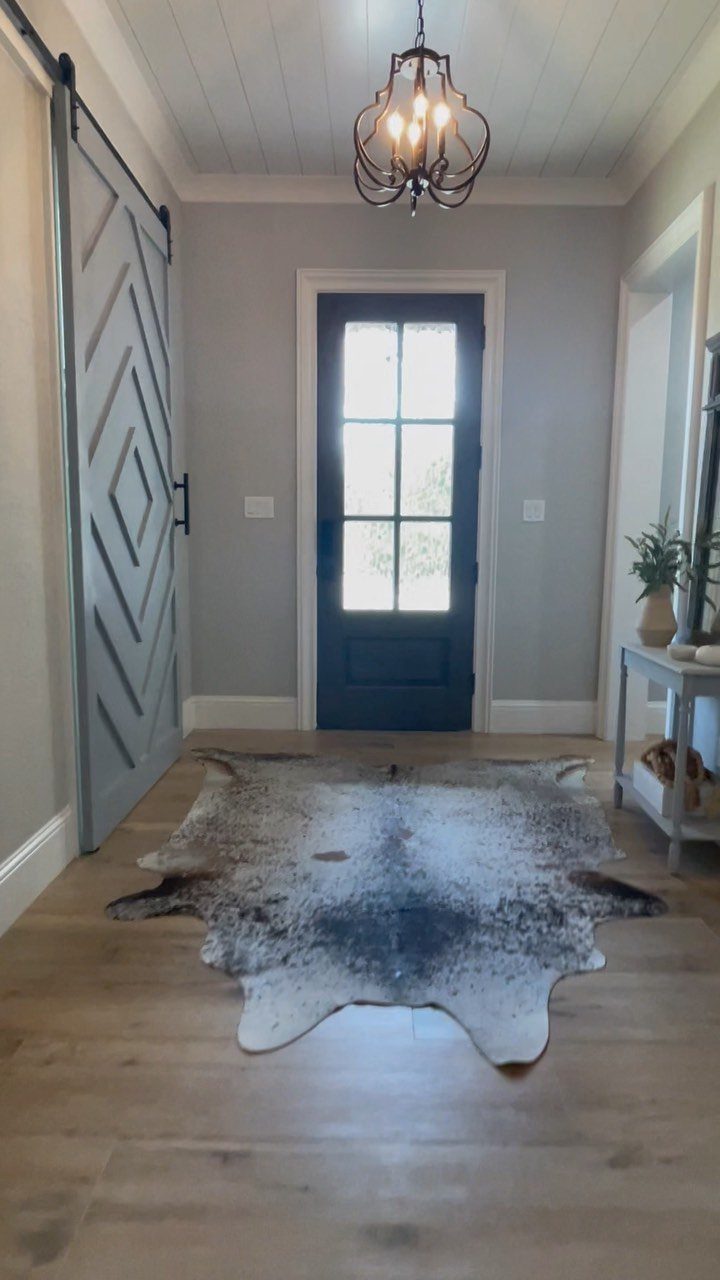
Light planks in an entry bounce the daylight back up into paneled white walls, which is how a narrow space reads larger than it is. The board-and-batten and the tile share a matte finish, so neither out-shouts the other.
I run the planks lengthwise toward the door, not across, or the room feels like a hallway even when it isn’t.
Wood-look tile here trades the warmth of real oak for the ability to ignore wet boots and road salt. I specify rectified edges and a narrow grout joint so the floor reads almost as continuous planks.
If the house has radiant heat underneath, this tile conducts it better than engineered wood ever would.
A dark door and pale floor is a combination I keep coming back to; the contrast hides the traffic pattern that will eventually darken the tile near the threshold anyway.
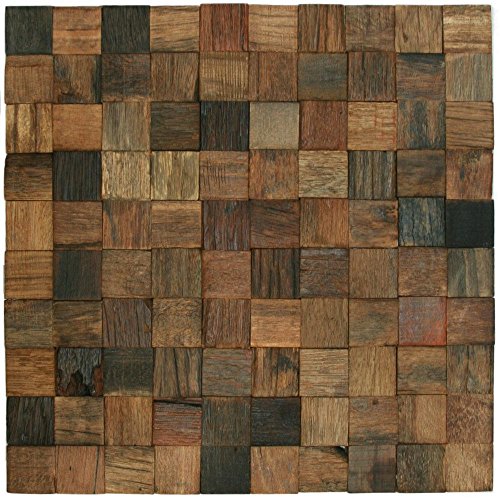
Unique Reclaimed Material: Crafted from repurposed Southeast Asian boats, each tile tells its own unique story. The use of reclaimed boat wood adds history and character to your home decor, making it a standout feature in any space. Ideal for wall decor, bathroom décor, and bedroom decor.

▶ Herringbone Tiles ◀ Peel and stick backsplash for kitchen, each tile is 12"x11.8"x0.05" and covers 0.983 sq.ft. 16 sheets per box, cover a total area of approximately 15.73 square feet. Light wood look herringbone tiles, distressed and retro, glossy finish, realistic tile effect with 3D texture, but light weight
Choosing the Right Tile
Porcelain belongs anywhere water or weight shows up: mudrooms, basements, kitchen floors, the bathroom you just tore out. Ceramic saves money on walls and in bedrooms that stay dry.
The plank shape sells the hardwood illusion; parquet or chevron turns the floor itself into the statement.
Color runs white, beige, gray, black, natural, and brown, with brown and beige moving fastest. Sizes start at 2 x 18 inches and top out at 24 x 48, though plank formats cluster in the 6 x 24 to 9 x 48 range.
I’d order a sample before committing to a whole room; the tone shifts under your actual light, and the photo never warned you.

LOOK BRAND NEW: Skip scrubbing tiles and use GROUT PEN to paint and recolor your grout for a bright clean appearance

READY TO USE GROUT REPAIR - NO MIXING, NO MESS: Skip the hassle of powder grout and buckets. This premixed grout repair kit dispenses easily through the tip. A practical grout pen alternative.

INSTANT GROUT REFRESH: Make your tiles look brand new in minutes! This smart grout marker effortlessly covers up old, stained, and dirty grout lines, instantly restoring the pristine, clean look of your entire room.
Cleaning and Maintenance
Glazed porcelain and ceramic need no wax. The glaze is already the protective layer, and adding wax builds a maintenance cycle you didn’t sign up for.
Worse, the shine works against the illusion; real hardwood doesn’t glow like a gym floor, and your eye catches the wrong kind of reflection.
If you still want the wet look, use a wax rated safe for your specific tile. Check the tile type first; porcelain and ceramic tolerate different products.
I’d skip it entirely and mop with a pH-neutral cleaner made for tile. The faux-wood finish looks more convincing dull than glossy.
Design Inspiration
Wood-look tile fits modern farmhouse, Scandinavian, rustic, traditional, coastal, and contemporary rooms without fighting what is already there.
I’d pull samples and live with them for a day against your cabinets and wall color. The same tile reads warm in morning light and flat by evening bulb.
The visualizer tools help narrow the field, but your hand and your room do the final cut.
Installation Considerations
Check the box for where the tile is rated to go. Wall-rated tile on a floor will crack; floor-rated tile on a wall may pull loose under its own weight.
Frequently Asked Questions
What is the tile that looks like wood called?
Manufacturers press and print porcelain or ceramic into planks that carry grain, knots, and color shifts borrowed from oak, maple, walnut, and weathered barn wood.
You will find it cut into long planks, smaller squares, chevrons, and parquet layouts that work on floors, shower walls, backsplashes, and around fireplaces. The plank format is what most people picture when they hear the term.
Is wood look tile a good idea?
Wood-look tile is a solid choice for anyone who wants the warmth of hardwood without the maintenance headaches. Porcelain shrugs off moisture, stains, and scratches that would ruin real wood in kitchens and bathrooms, and it never needs refinishing.
Is tile that looks like wood going out of style?
Wood-look tile is still trending, with manufacturers continuing to release new styles in brown, beige, gray-washed, and reclaimed barn looks.
The printing and surface texture keep getting sharper, so the newest planks fool the eye more convincingly than the early generations did.