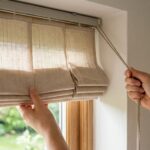
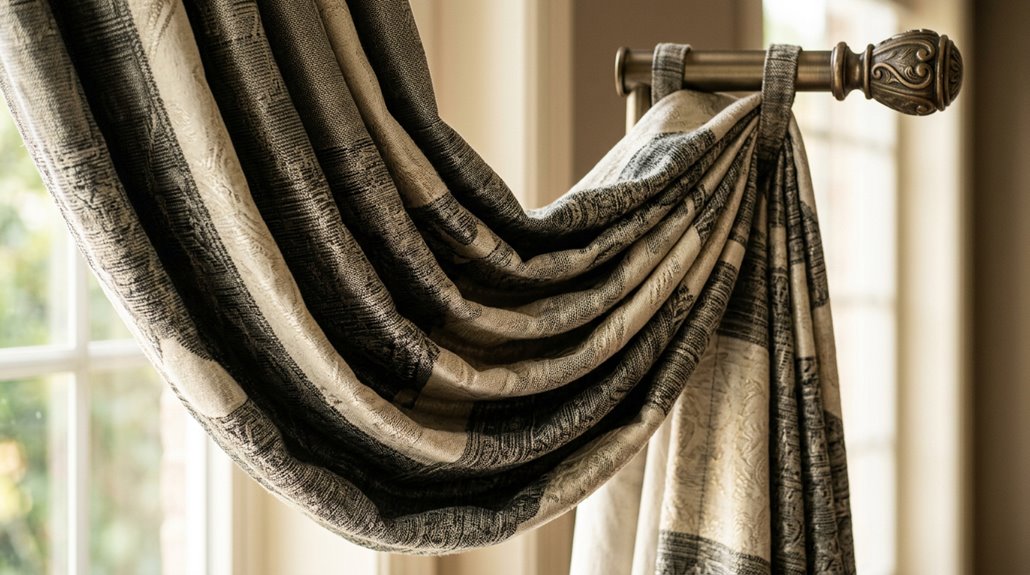
Curtains cost more than you’d expect because you’re paying for fabric weight, customization, and labor that actually matters. Heavy linen or velvet runs significantly pricier than thin cotton, and custom fabrication, including professional measurements, precise pleating, and quality lining, doubles the cost of ready-made panels.
You’re also buying longevity; cheap curtains last 2-3 years while quality ones last 10-15 years, which changes the cost calculation substantially.
Curtains are an investment rather than merely decoration, and your purchasing decisions directly affect long-term value.
Why Curtains Cost More Than You’d Think
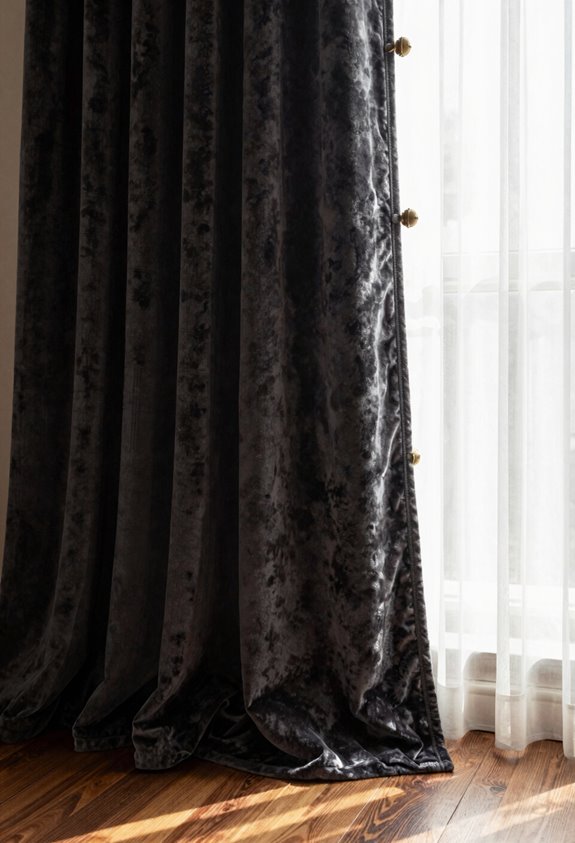
How exactly did a few panels of fabric turn into a $400 receipt? I asked myself this standing in my living room, receipt in hand, wondering where I’d gone wrong.
$400 for fabric panels? I stood in my living room, receipt in hand, wondering where I’d gone wrong.
Custom curtains aren’t just fabric. They’re made-for-you fabrication. Every choice drives the price:
- Fabric weight significantly affects cost. Heavy linen or velvet costs more than lightweight cotton, and premium textiles like silk increase expenses substantially.
- Customization costs accumulate quickly. Personal measurements, specific pleats, and blackout lining can add significant expense. I’ve added “just one more upgrade” multiple times until the cart total became shocking.
Ready-made panels save money, but you’ll compromise on fit and style. Understanding this tradeoff before shopping is essential.
How Much to Budget for Quality Curtains
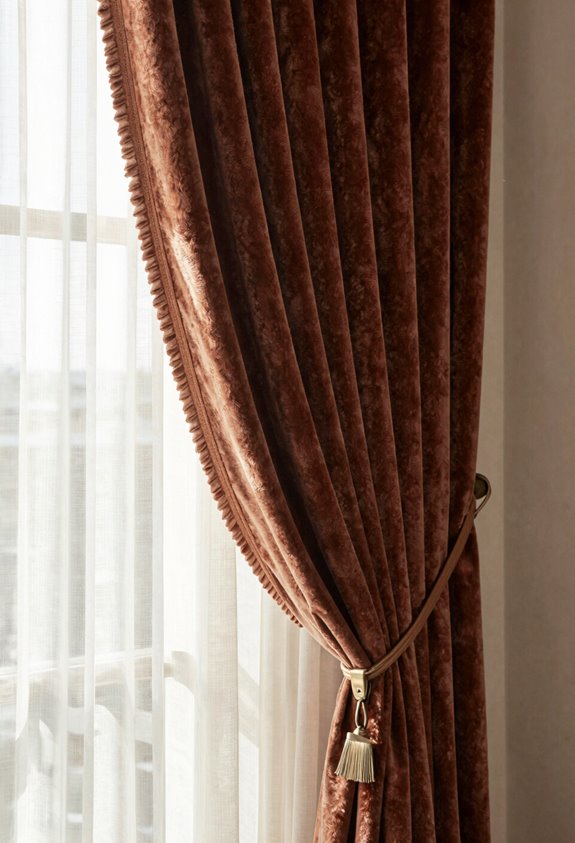
Once you understand why curtains cost what they do, the next question becomes obvious: how much should you actually set aside. I’ve underestimated the price and scrambled mid-project more than once. Here’s what I’ve learned.
For quality curtains, budget $1,500 to $2,500 as your baseline. Drapery runs higher than shades because fabric requirements and labor add up fast.
Your final cost depends on:
- Fabric choice (linen, velvet, or synthetic blends vary widely)
- Window size and lining options
- Pleating, fullness, and hardware
Simple linen panels start under $500 per pair. Roman shades begin around $450. Add-ons like blackout lining or automation push prices higher, sometimes by hundreds.
Planning ahead reduces project delays, and quality pieces last approximately a decade.
Custom vs. Ready-Made Curtains: What to Know
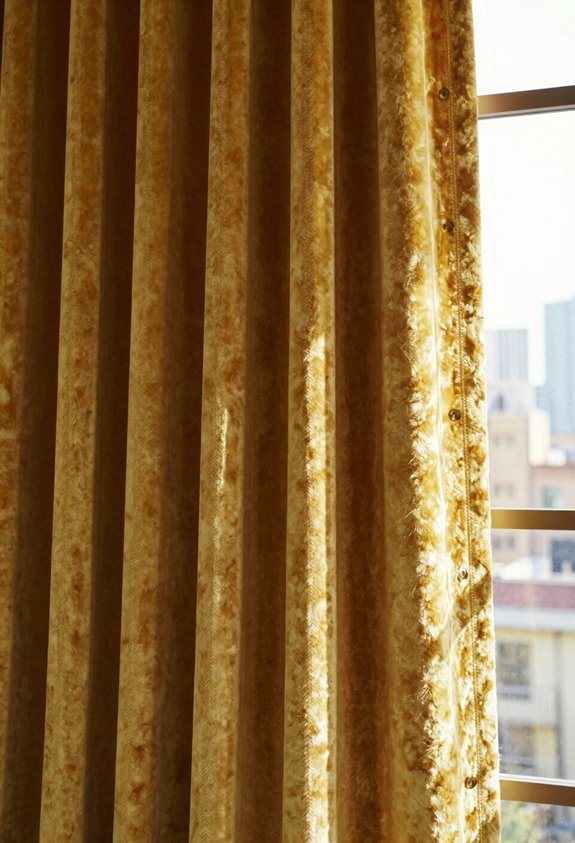
I’ve overpaid for curtains more than once by grabbing ready-made panels that “sort of” fit, and this comparison is worth examining. Let’s look at the basics first: custom curtains cost more because you’re paying for made-for-you fabrication, personal measurements, and design consultations (like having a tailor for your windows), while ready-made options cost less and ship faster but leave you with limited sizes and less control. The real trade-off comes down to value. Custom pieces require a larger upfront investment, yet they eliminate the “close enough” problems I’ve experienced, especially in tricky spaces like a kitchen, entryway, or child’s room where standard sizes rarely work.
Price Comparison Basics
Why does one set of curtains cost $50 while another runs $500? The gap comes from several key factors.
Custom curtains require made-for-you fabrication, personalization, and design time including fabric selection, style choices, and possibly a design consultant. Ready-made panels keep costs low with wider color ranges, but you sacrifice that perfect fit and tailored look.
What drives those price differences:
- Fabric weight and quality (linen offers superior durability and appearance)
- Lining type: blackout, muslin, or none
- Pleating style and fullness ratio
- Size and hardware requirements
Ready-made curtains work for temporary solutions. However, starting around $450-$500 for custom options makes financial sense when you factor in energy savings and extended durability that offset the initial investment over time.
Customization Value Trade-off
How exactly do you decide whether custom curtains are worth the splurge? I’ve stood in that store aisle, holding a ready-made panel that’s two inches too short, and this decision deserves careful consideration.
Here’s the breakdown:
- Customization means made-for-you fabrication — personalized fabrics, professional measurements, and design consultations that ready-made simply can’t match.
- Labor adds up fast — drawings, precise measuring, and hardware installation all take skilled time.
- Materials matter — silk, linen, and premium velvets with proper linings cost more upfront but deliver serious durability.
The value question really depends on your space. I’ve bought cheap panels for tricky windows like kitchens, entryways, or children’s rooms and regretted it. Thermal liners actually save energy long-term, improving the price-to-durability trade-off significantly compared to standard panels.
Cut Curtain Costs Without Losing Style
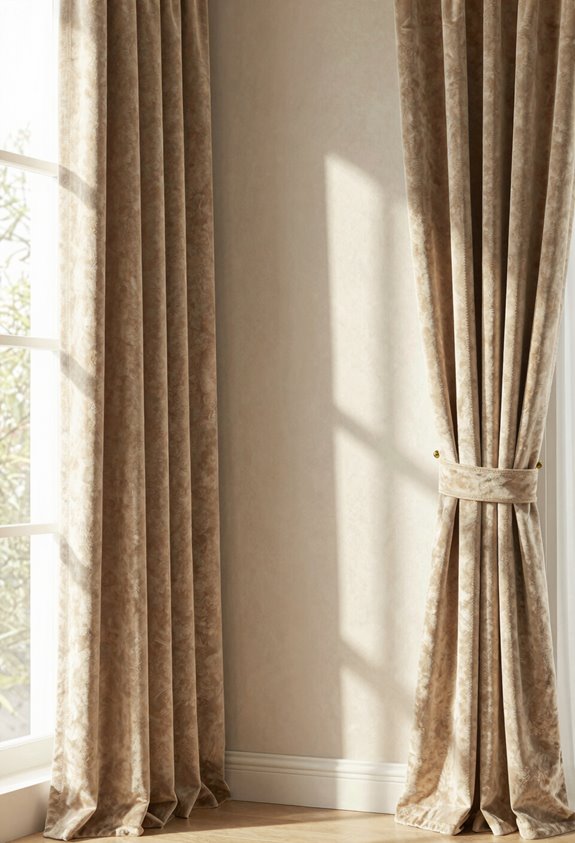
Where exactly does all that money go when you’re staring down a $1,500 drapery quote? I’ve asked myself this countless times, and I’ve learned you don’t need custom drapery in every room to achieve that pulled-together look we all want.
Here’s how I cut costs without sacrificing style:
- Mix and match strategically – I splurge on curtains for my living room, then use ready-made panels in spaces like my guest room or home office where traffic is lighter.
- Add your own lining – I’ve sewn blackout fabric behind affordable panels. This approach is worth the effort for bedrooms.
- Embrace alterations – Hemming store-bought drapery with iron-on tape takes ten minutes. I’ve done this several times after misjudging lengths.
- Skip the extras – Standard fullness looks elegant. Double-width panels aren’t always necessary.
DIY Curtain Ideas That Look Professional
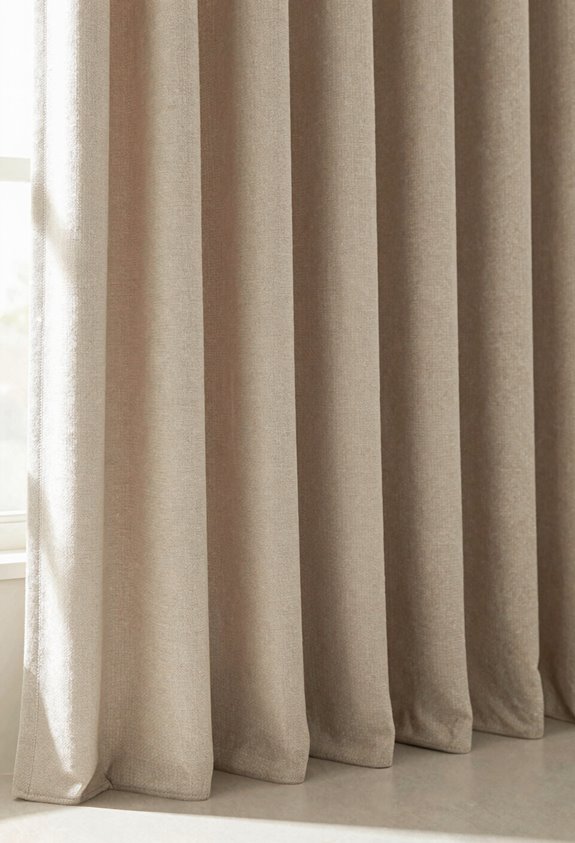
What if I told you that some of my best-looking curtains cost under $30 and took an afternoon to make? DIY curtains don’t require fancy equipment, just smart choices.
The easiest approach:
- Grab unlined top-sheets or tablecloths from discount stores
- Attach ring clips for instant drapery, no sewing required
- Hang them high and wide, eight inches past your window frame
For a pinch pleat look without the price tag, pinch and steam fabric sections, then secure with hidden stitches. Test your pleating with two yards first. Skipping this step wastes time and materials.
Local seamstresses offer quick, affordable alterations. Clean mounting (floor-length kiss, proper height) transforms even basic DIY curtains into something that looks custom.
When Pricier Curtains Are the Smarter Buy
I’ve learned the hard way that buying cheap curtains usually means I’m replacing them within a couple of years, and that’s money I could’ve spent once on something that lasts. When you factor in durability, better fabric drape, and energy savings from thermal lining, pricier custom options often pay for themselves over time. This is worth considering, especially for rooms you use daily, like a bedroom or living room, where quality differences become visible and measurable.
Long-Term Value
Most of us have stood in the curtain aisle, staring at two price tags and wondering if the expensive option is just a ripoff. I have done this several times, and the investment is worth it.
Here’s how pricier curtains actually save you money:
- Customization – Tailored measurements and fabric selection mean fewer replacements down the road.
- Energy efficiency – Thermal and blackout liners slash heating and cooling bills year after year.
- Durability that lasts – Premium fabrics like linen and dense velvets outlive cheap ready-made sets.
- Resale boost – Professional installation and cohesive design make your whole home feel intentional.
Cheap curtains wear out fast, especially in high-traffic spaces like kitchens, entryways, or children’s rooms. Spending more upfront prevents the need for frequent replacements and reduces long-term expenses.
Quality Over Cost
Sometimes you just have to spend more to get it right, and curtains are one of those purchases where I’ve learned this lesson through repeated mistakes. I have unfortunately done this several times: buying cheap panels that faded, sagged, or let drafts sneak through before realizing that custom fabrication and energy efficiency actually save money in the long run.
| Feature | Cheap Curtains | Quality Investment |
|---|---|---|
| Fabric | Thin, synthetic blends | Silk, linen, velvet |
| Construction | Factory-standard | Custom fabrication |
| Installation | DIY, basic hardware | Professional fitting |
| Energy Efficiency | Minimal insulation | Thermal liners, reduced bills |
| Lifespan | 2-3 years | 10-15 years |
When you calculate price-per-year, quality curtains win every time. The math is straightforward: a ten-year lifespan at a higher initial cost costs less annually than replacing cheap curtains every two to three years. The right curtains reduce heating and cooling costs through thermal efficiency, block light to protect furnishings from fading, and maintain their appearance without sagging or deterioration. This represents actual financial savings, not just aesthetic preference.