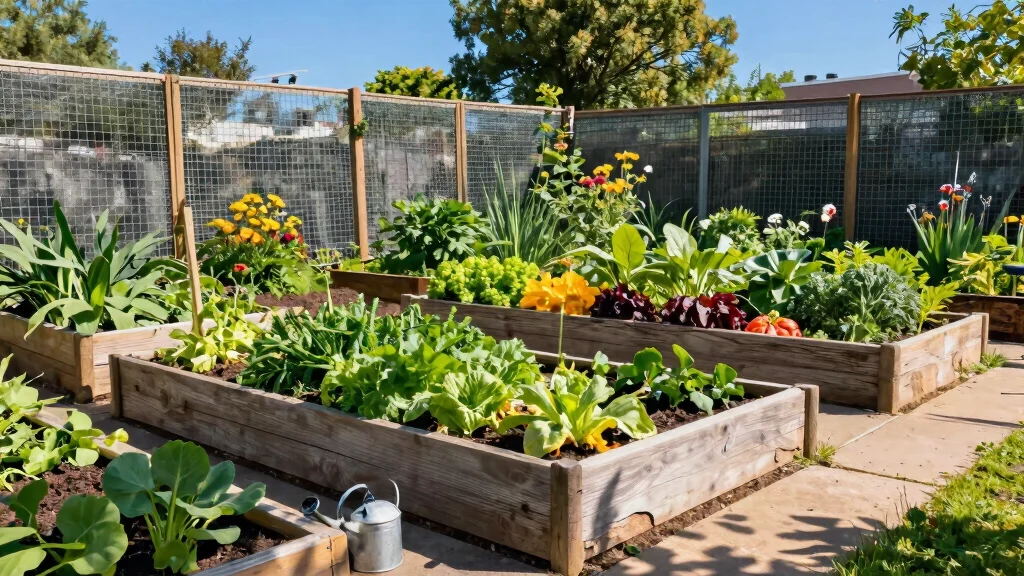
Gardening is a cherished activity that brings both joy and nourishment into our lives. If you’ve ever tried to grow your own vegetables, you know how frustrating it can be to deal with pesky pests and relentless weeds. That’s why I created this guide on 18 vegetable garden beds that keep rabbits and weeds out. I want to share practical solutions that can help you cultivate a thriving garden while keeping those unwanted critters and invasive weeds at bay.
This post is for anyone passionate about urban gardening, whether you’re a seasoned pro or just starting out. If you’re looking for ways to maximize your small space and protect your precious plants, you’ll find valuable insights here. I’ve gathered a list of creative garden bed designs, raised garden beds, and effective weed control methods that will make your gardening experience not only possible but enjoyable.
By the end of this article, you’ll have access to a wealth of ideas that are both practical and fun. From unique structures that deter rabbits to innovative ways to manage weeds, these tips will empower you to create a flourishing vegetable garden that you can be proud of. Let’s dive in!
Key Takeaways
– Discover 18 different vegetable garden bed designs that effectively keep rabbits and weeds out, ensuring a healthy growing environment for your plants.
– Learn about raised garden beds that provide better drainage and access for urban gardeners with limited space.
– Explore rabbit-proof fencing options that protect your vegetables from hungry critters while adding to the aesthetics of your garden.
– Gain insights into various weed control methods that help maintain garden health without using harsh chemicals.
– Find vegetable gardening tips tailored for urban settings, making it easier for you to grow fresh produce right at home.
1. Elevated Wooden Garden Beds
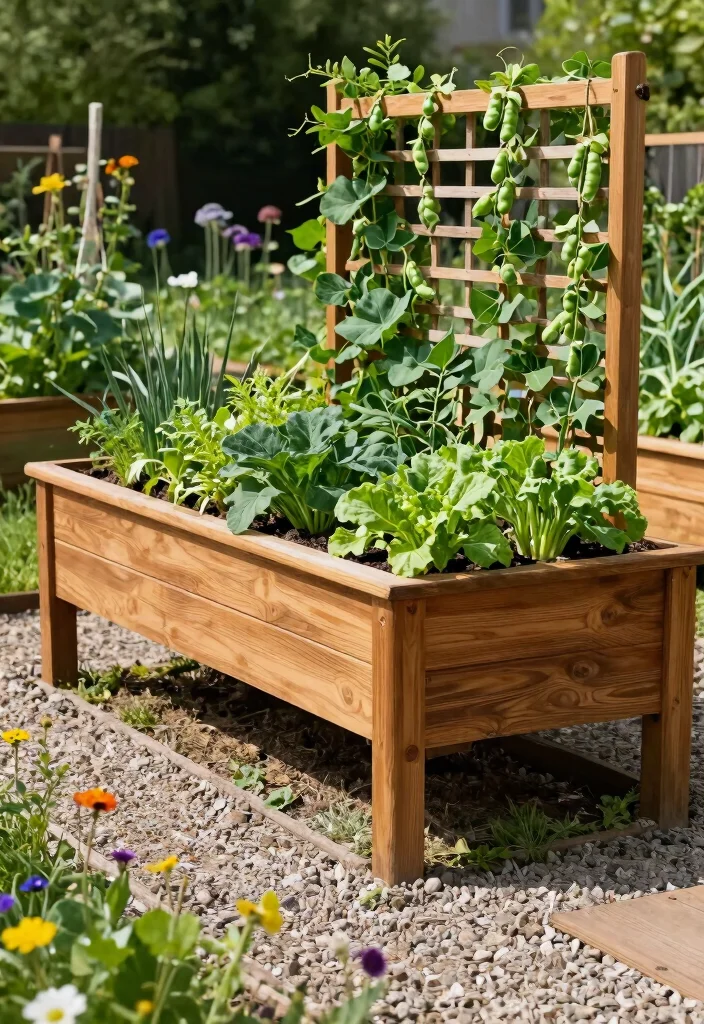
Are you looking for a way to enjoy gardening without the hassle of back pain? Elevated wooden garden beds are your answer, offering comfort and easy access. These beds not only help you maintain a beautiful garden but also keep pesky rabbits away from your precious plants.
Using rot-resistant woods like cedar or redwood enhances durability and adds a touch of elegance to your garden. For an added twist, consider incorporating a trellis for climbing plants, allowing your tomatoes and peas to flourish skyward in style!
Maintenance Tips:
– Regularly inspect the wood for any signs of wear.
– Apply a natural sealant for moisture protection.
– Cover with mulch to suppress weeds and retain moisture.
This design is perfect for urban gardeners who want to maximize comfort while keeping their gardens thriving.

Elevate Your Garden - Opt for a brilliantly engineered raised garden bed to revolutionize your gardening. Its spacious design, measuring 48x24x30 inches, allows for the cultivation of multiple vegetable varieties alongside a plethora of herbs, optimizing your gardening space for ease and diversity.

Multifunctional Design: This garden planter is separated into two growing areas for different plants or planting methods. The baffle can be removed to form a bigger growing area.

BUILT TO LAST: Made of natural Chinese Fir wood to provide a gardening solution constructed to last through every season without discoloring or breaking down over the years
2. Galvanized Metal Planters
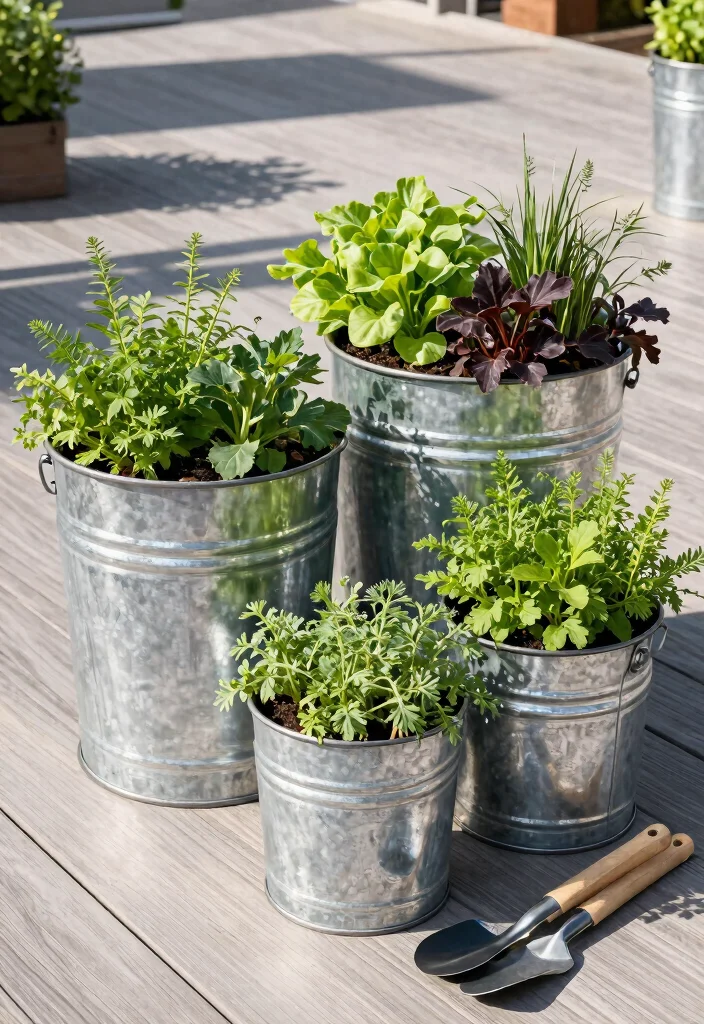
Craving a modern touch for your urban garden? Galvanized metal planters offer a sleek style while providing excellent drainage, making them a favorite among city gardeners. Their height acts as a barrier, keeping rabbits from munching on your plants.
Keep in mind that these containers can heat up quickly under the sun. A simple way to cool them down is by painting them lighter shades to reflect heat.
Gardening Tips:
– Line the bottom with landscape fabric to keep soil in place.
– Opt for smaller plants due to limited soil depth.
– Incorporate a drip tray for hassle-free watering.
These planters can be grouped for a stunning effect, creating a visually appealing space in your garden.
Galvanized metal planters turn city gardens into rabbit-free, modern vegetable garden beds. They drain beautifully and raise roots away from trouble, but they heat up fast—paint them light colors to reflect the sun and keep soil cooler.

【Upgraded Garden Fence】 Classic arch shape design garden fencing single piece size height is 22 inches(5'' stakes in soil), length is 12.6 inches, and the fence gap is 1.9 inches, total 10 pieces of fence, overall length about 11 ft. Equipped with 11 Pcs height of 17 inches metal stakes. More convenient installation. This fence will be the best choice for your beautiful garden, yard & patio!

32 PANELS, 45FT LONGER SIZE: Classic arch shape design garden fence have 32 panels total 45.33ft, each fence panel 17" wide by 13" high, with a clearance of 1.5". The metal fence is also equipped with 33 sturdy 16.54" metal stakes to securely anchor it to the ground, the maximum depth for inserting into the soil is 7 inches. Provided 32 panels plus longer length 17in could cover larger areas to prevent animals from entering & leaving, and keep rabbits away from your sunflowers.

3. Tiered Garden Beds
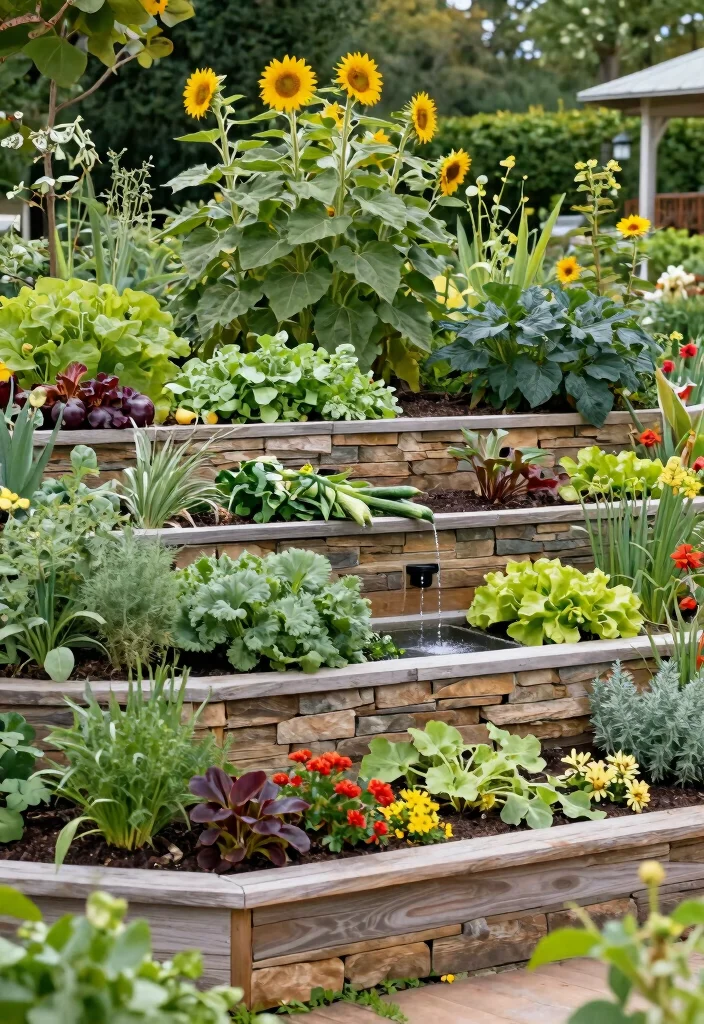
Want to elevate your gardening game? Tiered garden beds are a fantastic way to maximize space and create a stunning visual display. They allow for a variety of vegetables to thrive while ensuring easy access to each tier.
This design not only increases your planting area but also helps in effective weed control. You can plant different vegetables on each level, catering to their unique sunlight and water requirements.
Tips for Success:
– Use native plants on the top tier to attract beneficial insects.
– Implement a drip irrigation system for uniform watering.
– Incorporate decorative stones between tiers for added charm.
These beds make a bold statement while remaining practical and productive.
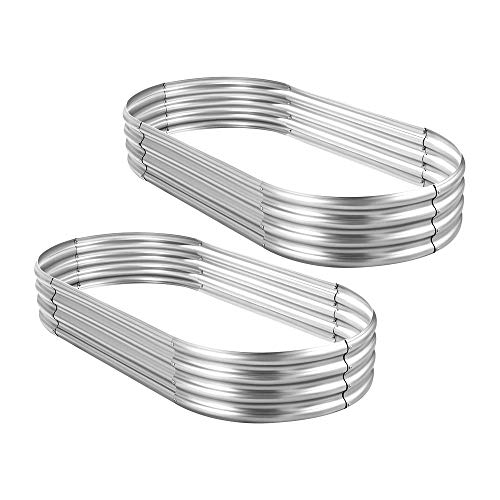
Each raised metal garden bed size: 4×2×1ft , 7Cu
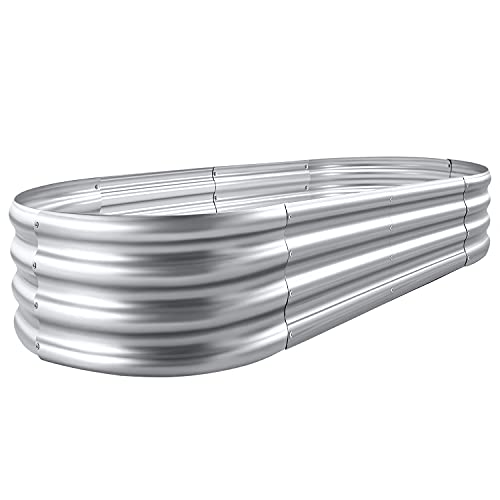
Each raised metal garden bed size: 4×2×1ft ,7.14Cu

What You Get: we have included Galvanized raised garden bed kit with detailed assembly instructions, rubber edge strips, safety gloves , wrench tools and with galvanized nuts and bolts in the box .These essential tools elevate your overall planting and gardening adventure
4. Vertical Garden Frames
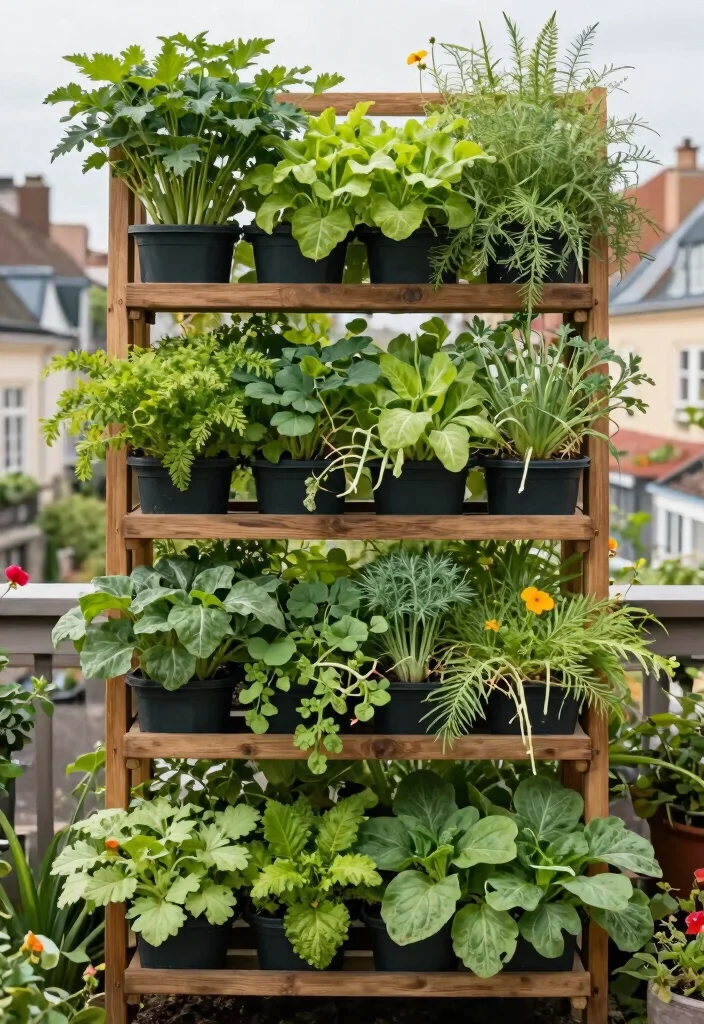
Short on space but still want a lush garden? Vertical garden frames are your perfect solution! These innovative structures allow you to grow vegetables upward, creating a beautiful and productive display.
Not only do they save space, but they also deter rabbits with their built-in fencing or mesh. This setup attracts beneficial insects while ensuring your veggies bask in the sun.
Gardening Tips:
– Mix trailing and climbing plants for a vibrant look.
– Attach various containers for herbs, which need extra protection from pests.
– Regularly check for moisture, as vertical beds can dry quickly.
Customize your frame to fit your aesthetic and space, making it a trendy addition to any garden.
Did you know? Vertical garden frames can double your harvest per square foot in urban vegetable garden beds, while their mesh deters rabbits and invites beneficial insects.

Upgraded Self-Watering System: Tired of daily watering? Our self-watering planter features a built-in reservoir and a unique bottom grid design that utilizes the siphon effect for consistent hydration—preventing both root rot from overwatering and drought stress. Ideal for busy homeowners and frequent travelers who need low-maintenance planters.

【Upgraded Tower Design】The tomato planter box height is 58in, features a unique 4 corner tower design, provide strong support for the plants,vine,vegetables,flowers in your garden, reduce the situation that the branches break due to heavy weight. This design maximizes the vertical space, allowing plants to grow taller and spread out.

Self-Watering System for Effort Saving: Designed for tomatoes and incorporating a trellis, this tomato planter maintains consistent hydration through a self-contained reservoir. The innovative base grid of tomato cage uses a movable panel, allowing the roots to draw water as needed and effectively balance drainage. Simply add water via the side inlet to the planting compartment—daily watering is not required
5. Lattice-Backed Garden Beds
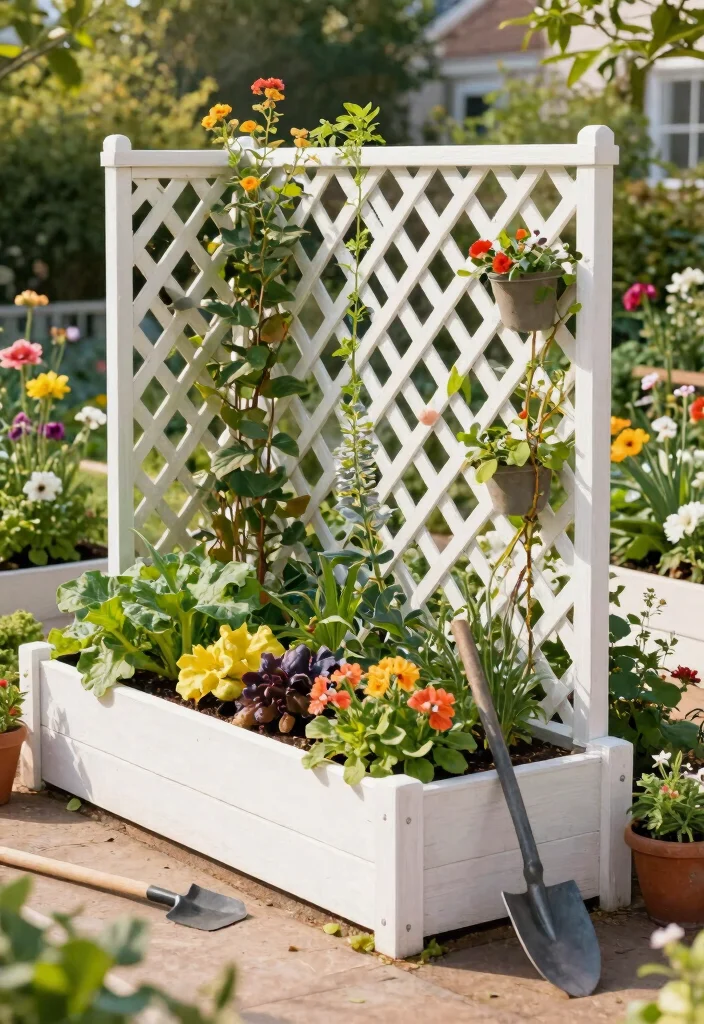
Looking for charm and functionality? Lattice-backed garden beds are the perfect combination! They serve as planters while supporting climbing vegetables and flowers, creating a lush, vibrant backdrop.
The lattice acts as a natural barrier against rabbits while allowing air and sunlight to circulate freely. This design maximizes your growing area, making it an excellent choice for compact spaces.
Implementation Suggestions:
– Use strong, treated wood for durability.
– Grow beans or cucumbers up the lattice for added shading.
– Paint or stain the lattice to blend with your garden theme.
This design adds vertical interest, keeping your garden both beautiful and functional.

Professional Grade Weed Barrier: LAVEVE weed barrier fabric is made of woven polypropylene material. Its high-density and permeable characteristics effectively stop weed growth and protect soil health so your plants can grow well.

Signing Checklist: You will receive 1 roll of 4 x 50 feet of biodegradable paper weed barrier landscape fabric, which can be naturally degraded during use, effectively control the growth of weeds, improving the soil environment, and promoting better growth of crops

Multifunction: The felt mulch pathway is mainly used for landscaping and gardening, which can be used as a decorative addition to your outdoor garden and as a weed barrier to help you reduce yard work.
6. Raised Beds with Rabbit-Proof Fencing
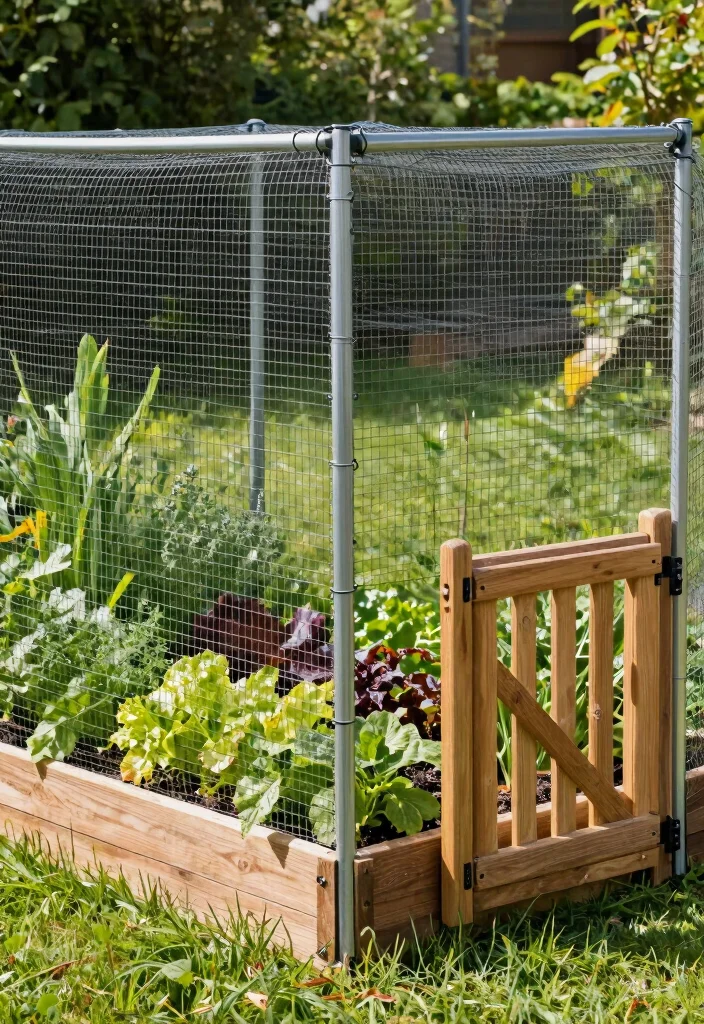
Worried about rabbits ruining your garden? Raised beds with rabbit-proof fencing offer a practical solution to protect your vegetables. This combination not only keeps rabbits at bay but also clearly defines your garden space.
Using garden mesh or wire fencing that stands three feet tall will deter any curious critters from entering. When paired with raised beds, this setup allows your plants to thrive without worry.
Implementation Advice:
– Bury the fencing a few inches underground to prevent digging.
– Design easy-access gates for maintenance.
– Regularly check for any holes or weaknesses in the fencing.
This strategy is essential for urban gardeners facing rabbit issues, blending functionality with appealing design.

Spacious and Practical Design: 8-foot garden bed provides ample space for plants to grow with an included liner to separate the wood from the soil and keep it in excellent condition

Winter gardening and raised bed gardening

【Upgraded & New Design】 Raised garden beds for vegetables new design for load bearing 132lbs, very tight between wood and wood ensures the durability and solidness, and a little more screws on this raised garden planter. So you need a hammer and an electric drill would be better for raised garden planter box with legs, it's not quick assembly, but will be long lasting.
7. Companion Planting Beds
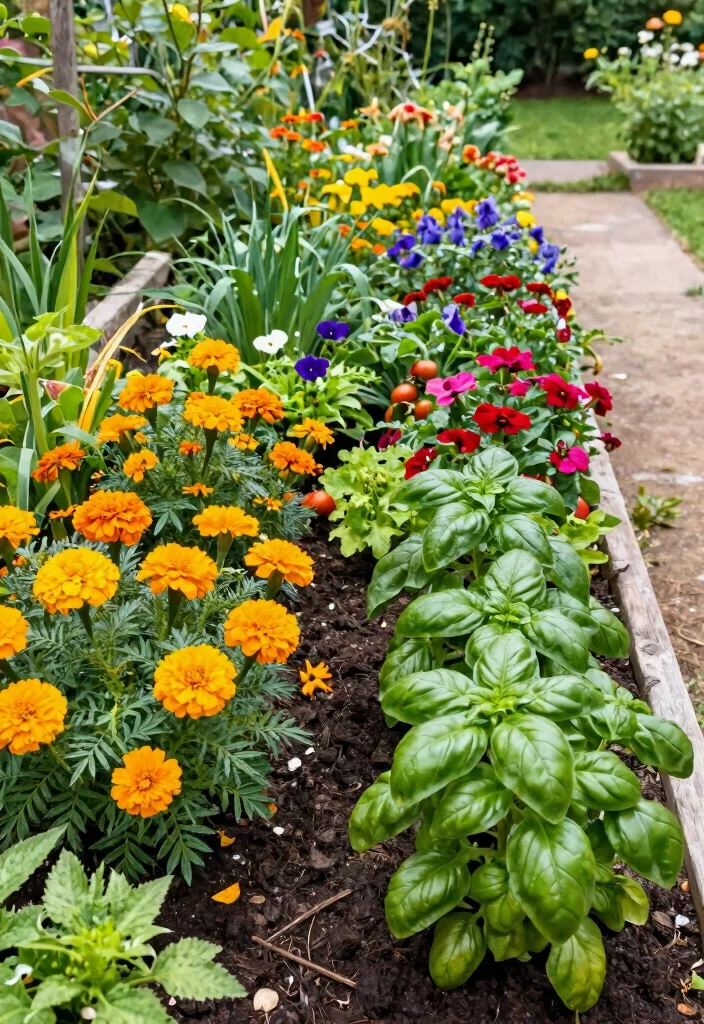
Interested in boosting your garden’s productivity? Companion planting beds allow you to grow different plants close together for mutual benefits. This technique enhances growth, repels pests, and improves soil health.
For instance, planting marigolds with tomatoes can keep harmful insects away, while basil near peppers can enhance their flavor. This approach not only works well but also adds beauty to your garden.
Companion Planting Tips:
– Research compatible plants for optimal benefits using online guides.
– Monitor plant heights to ensure shorter plants thrive.
– Rotate plants each season to maintain soil vitality.
These mixed beds create a visually stimulating and ecologically beneficial garden experience.

【Reminder】This fence is suitable for small dogs and animals, not for large dogs.

UPGRADED 1.25IN GAP SPACING GARDEN FENCE ANIMAL BARRIER - Upgraded 1.25-inch gap spacing design can fill gap in the bottom of the origin fence more efficiently, extend the protection range of the original fence, prevent the dogs from digging out of the fence, keep small animals out of your yard, protect your garden, yard and patio

Perfect Fit: A complete plant protector from animals kit, including a roll of 11.8ft x 16in green chicken wire mesh, 4 metal supports, 20 zippers, and 10 U-shaped garden stakes to help you firmly secure. Designed specifically for 4 * 2 * 1ft raised garden beds, planters.
8. Straw Bale Garden Beds
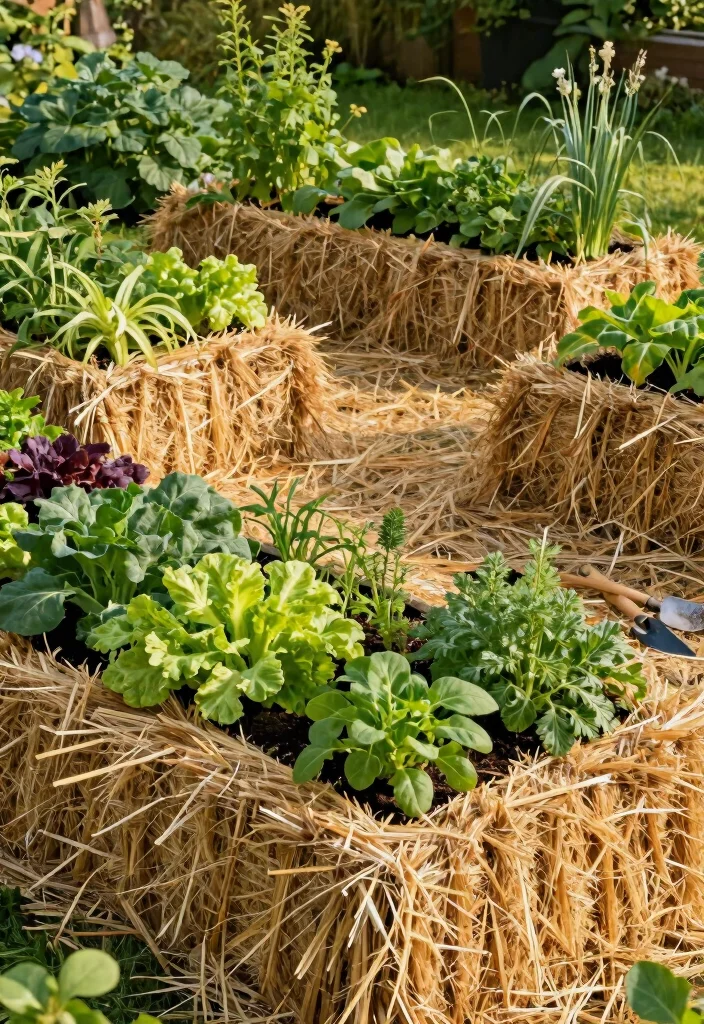
Want to try something different? Straw bale gardening is an innovative, eco-friendly method that uses bales of straw as your primary growing medium. Each bale acts like a raised bed, with decomposing straw enriching your plants over time.
This technique effectively suppresses weeds and elevates the growing area, making it challenging for rabbits to access. As the straw breaks down, it becomes excellent compost for your plants.
Gardening Tips:
– Soak the bales in water before planting to kickstart decomposition.
– Choose fast-growing plants for the first season to utilize nutrients.
– Keep an eye on moisture levels, as straw can dry out quickly.
This unique gardening style allows you to experiment while keeping rabbits and weeds at bay!

What You Get: we have included Galvanized raised garden bed kit with detailed assembly instructions, rubber edge strips, safety gloves , wrench tools and with galvanized nuts and bolts in the box .These essential tools elevate your overall planting and gardening adventure

4X2X1FT GROWING SPACE: This oval raised garden bed measures 4 x 2 x 1 ft, providing 7+ cu. ft. of organized growing space for vegetables, herbs, flowers, strawberries and selected root crops. Its compact footprint fits naturally into backyards, lawns and small outdoor gardens while keeping plants easy to reach and maintain.

SIZE: The plant bed measure is 23.6"L x 23.6"W x 11.8"H. This round planter box provide ample growing space to raise vegetables, flowers and plants.
9. Repurposed Pallet Gardens
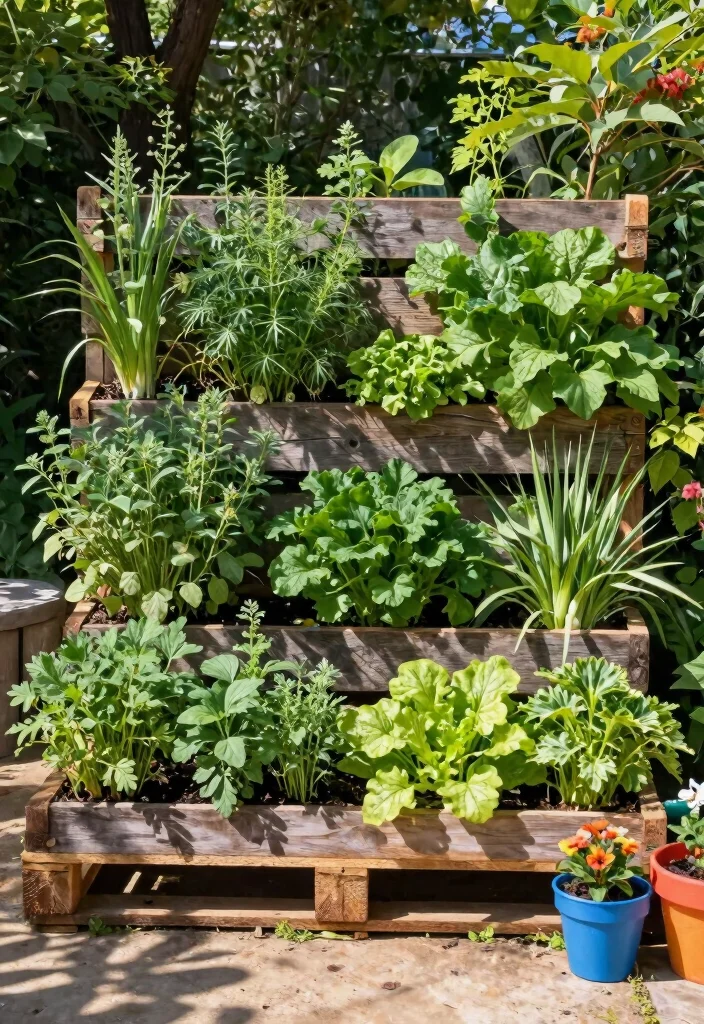
Looking for a sustainable gardening solution? Repurposing wooden pallets into garden beds is a creative way to enhance your urban garden. These pallets can be laid flat or stood vertically for a striking design.
This economical method also deters rabbits from reaching your plants. Remember to clean and seal the pallets to ensure longevity and safety.
Success Tips:
– Opt for heat-treated pallets for a safer growing environment.
– Fill them with quality soil for optimal growth.
– Use landscape fabric to retain soil while allowing drainage.
Pallet gardens can spark conversations, adding rustic charm to your urban landscape.

EASY MOBILITY:This tomato planter comes with 5 sturdy wheels (four with brakes), making it easy to move around. Tomatoes love sunlight but should avoid excessive exposure. The optimal growing temperature is between 64-95°F. By moving the planter, you can easily adjust the sunlight exposure duration and intensity based on the weather and daily temperature, ensuring your plants grow healthy and produce more fruits.

Sturdy Trellis Support: As a perfect addition to your traditional vegetable garden, this raised bed planter is constructed of a 6.1 Gal capacity planter box with a 43.6" trellis on top which offers great support and ample space to grow a variety of your favorite vine flowers or climbing vegetables while eliminating the need for constant staking and tying also adds an impressive and decorative effect

【STURDY SUPPORT】- Qaobo 2 Pack raised garden beds can provide strong support for the plants or vegetables in your garden, which will help those plants grow strongly and healthily, reduce the situation that the branches break due to heavy weight. Tomato cages create a sturdy support and enough growing space for vine plants and vegetables without destroying wall or ground.
Key Trade-offs & Our Top Pick
When choosing the right vegetable garden bed to keep rabbits and weeds out, it’s important to weigh your options carefully. Each type of garden bed comes with its pros and cons. Here’s a breakdown of some popular choices:
1. Elevated Wooden Garden Beds
– Pros:
– Easy to access for planting and maintenance, reducing strain on your back.
– Aesthetic appeal that complements your garden space.
– Good for drainage and root growth.
– Cons:
– Wooden beds can rot over time, especially if not treated.
– They may require more effort to build than other options.
– Cost can be higher compared to other materials.
– Best for: Gardeners looking for a stylish and ergonomic solution.
2. Galvanized Metal Planters
– Pros:
– Very durable and resistant to pests and rot.
– Can be placed in any location without worrying about soil quality.
– Quick to set up and maintain.
– Cons:
– Can heat up quickly in the sun, potentially harming roots.
– Limited aesthetics compared to wooden options.
– Initial cost may be higher than traditional wooden beds.
– Best for: Urban gardeners with limited space and a desire for low-maintenance solutions.
3. Raised Beds with Rabbit-Proof Fencing
– Pros:
– Combines height for easy access with protective fencing to keep rabbits out.
– Can be customized to fit any garden layout.
– Reduces weed issues by elevating plants above ground level.
– Cons:
– More complex to build, requiring skills for fencing installation.
– May take more time to set up initially.
– Limited mobility if the fencing is not removable.
– Best for: Gardeners in areas with high rabbit populations looking for a dual solution.
4. Vertical Garden Frames
– Pros:
– Maximize space, making them perfect for urban gardens.
– Great for herbs and small vegetables.
– Easier to protect from pests like rabbits.
– Cons:
– Limited growing space for larger plants.
– May require more frequent watering.
– Initial setup can be tricky depending on design.
– Best for: Those who want to maximize a small area while keeping plants safe.
5. Companion Planting Beds
– Pros:
– Natural pest control through strategic planting combinations.
– Enhanced growth and yield from compatible plants.
– Reduces weed competition through dense planting.
– Cons:
– Requires knowledge of plant compatibility.
– Can be complex to plan and plant effectively.
– Not a standalone solution for rabbits.
– Best for: Organic gardeners interested in eco-friendly pest management.
Best Overall: Elevated Wooden Garden Beds
Elevated wooden garden beds are our top pick. They offer a perfect blend of accessibility, aesthetic appeal, and durability. While they may require more maintenance compared to metal options, their visual charm and ergonomic design make them ideal for every gardener. You’ll find that the investment pays off with healthier plants and a more enjoyable gardening experience.
Why We Picked This:
We chose elevated wooden garden beds as the best overall option because they cater to a wide range of gardeners. If you’re looking for something that blends into your yard while providing comfort and functionality, this is the way to go. However, if you need something more budget-friendly or mobile, consider galvanized metal planters. For those facing significant rabbit issues, the raised beds with rabbit-proof fencing are a fantastic alternative. Each option has its unique strengths, so choose what fits your gardening style best!

Professional Grade Weed Barrier: LAVEVE weed barrier fabric is crafted from woven polypropylene material. Its high-density and permeable properties effectively inhibit weed growth and protect soil health, allowing your plants to flourish.

【Superior Weed Control】Vanver 3.2 oz heavy-duty landscape fabric is designed to be sturdy and durable to inhibit weed growth, allowing you to eliminate tedious weeding, save more time and labor, and enjoy a hassle-free gardening experience!

Upgraded Felt Tear Resistance: The upgraded non-woven fabric material is not easy to tear and will not be chipping and peeling like traditional rubber mats everywhere. There is no unpleasant odor
10. Concrete Block Garden Beds
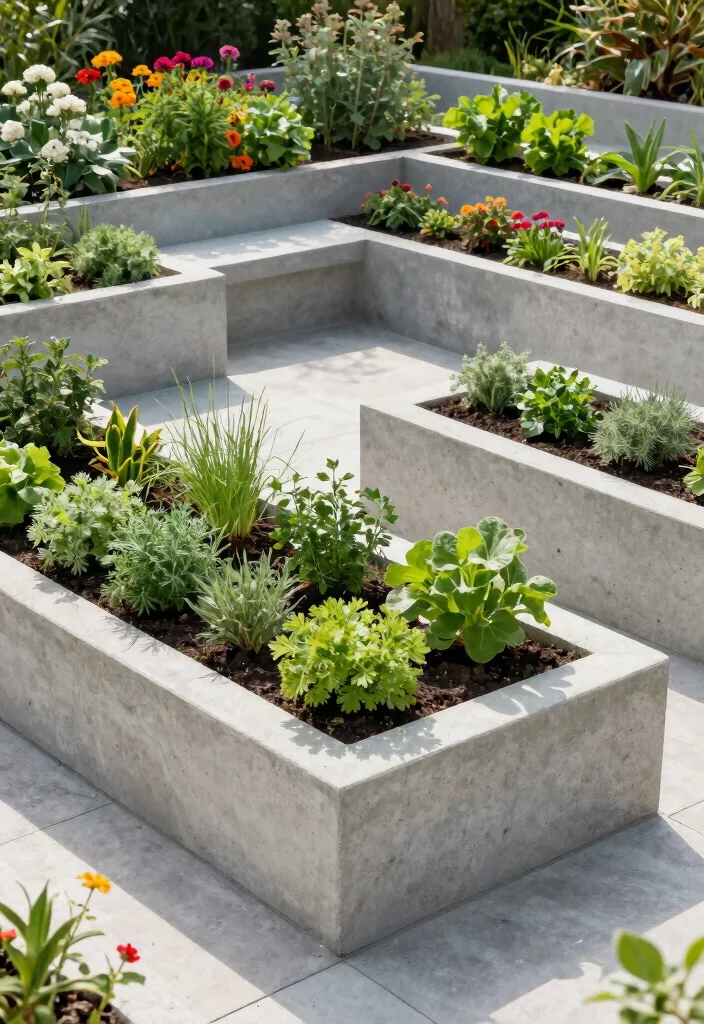
Need sturdy garden beds? Concrete blocks make for reliable, durable garden structures that can be arranged in various shapes. They provide excellent support and keep rabbits out while allowing for effective drainage.
This option is especially appealing for modern urban settings, as concrete complements contemporary architecture beautifully. You can even use the holes in the blocks to plant herbs or flowers, adding greenery to your garden.
Benefits of Concrete Blocks:
– They retain heat, creating a warm environment for your plants.
– Easy to build and customizable in shape and size.
– Long-lasting with low maintenance requirements.
With the right plants, concrete block beds can serve as a stylish focal point in your garden.
11. Garden Bed Borders
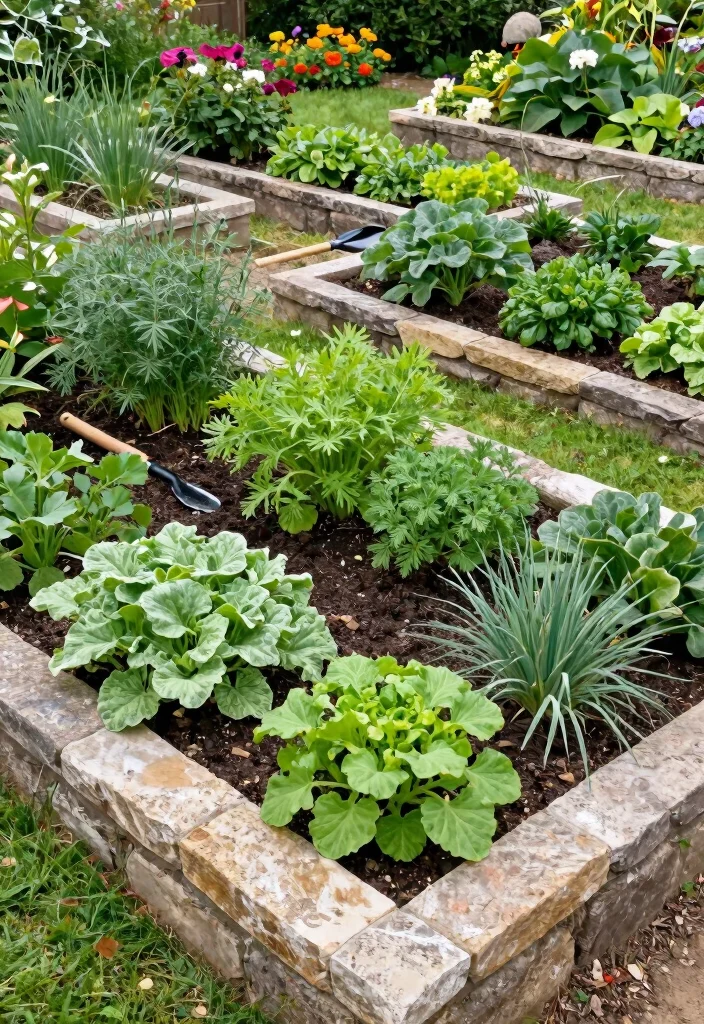
Looking to protect your plants? Garden bed borders effectively prevent rabbits and weeds from invading your space. Made from wood, stone, or metal, these borders add decorative flair while providing a barrier.
Creating defined spaces for your vegetables minimizes pest risks and helps control weeds efficiently. This design choice also adds structure, enhancing the overall aesthetic of your garden.
Implementation Tips:
– Choose materials that suit your garden style.
– Ensure borders are at least six inches high for maximum rabbit deterrence.
– Keep up with regular weeding to maintain plant health.
Garden bed borders are practical and can also serve as beautiful design elements.
12. Cover Crop Beds
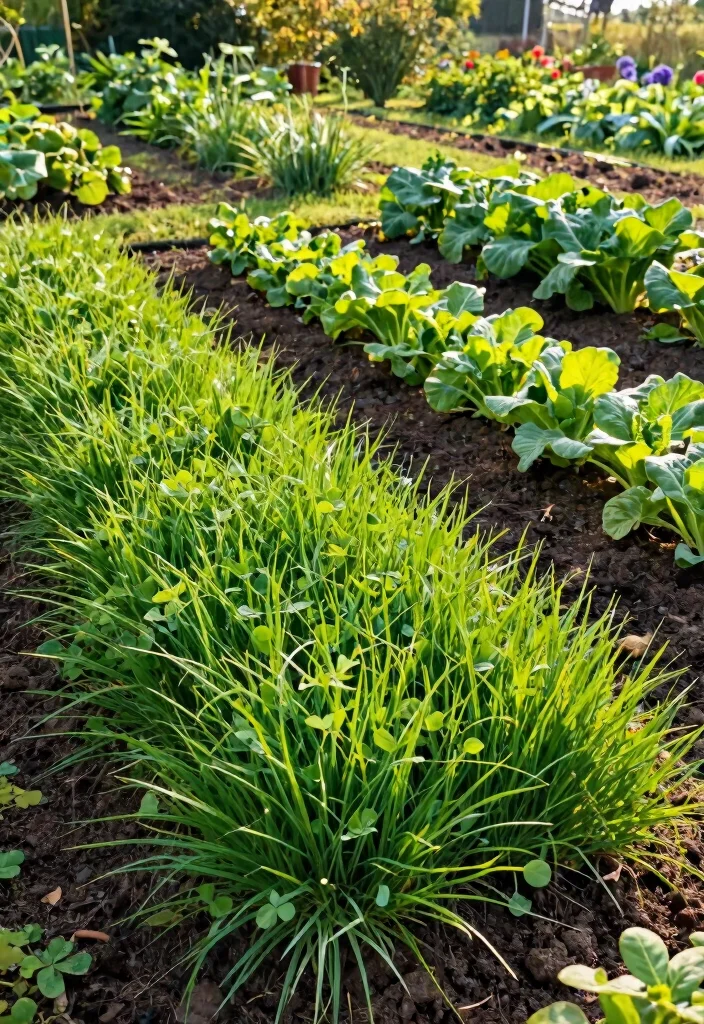
Interested in maintaining healthy garden beds? Cover crops are a brilliant way to keep your soil nourished during off-seasons while naturally controlling weeds. These crops prevent soil erosion and improve nutrients when turned back into the soil.
Using cover crops creates a natural barrier against weeds and discourages pests like rabbits from invading your beds. Common options include clover, vetch, and winter rye.
Gardening Advice:
– Plant cover crops in autumn for optimal results.
– Turn them into the soil a few weeks before spring planting.
– Monitor growth to ensure they don’t compete with your main crops.
Cover crop beds promote sustainable practices while protecting your primary vegetable beds.
13. Multi-Functional Garden Beds
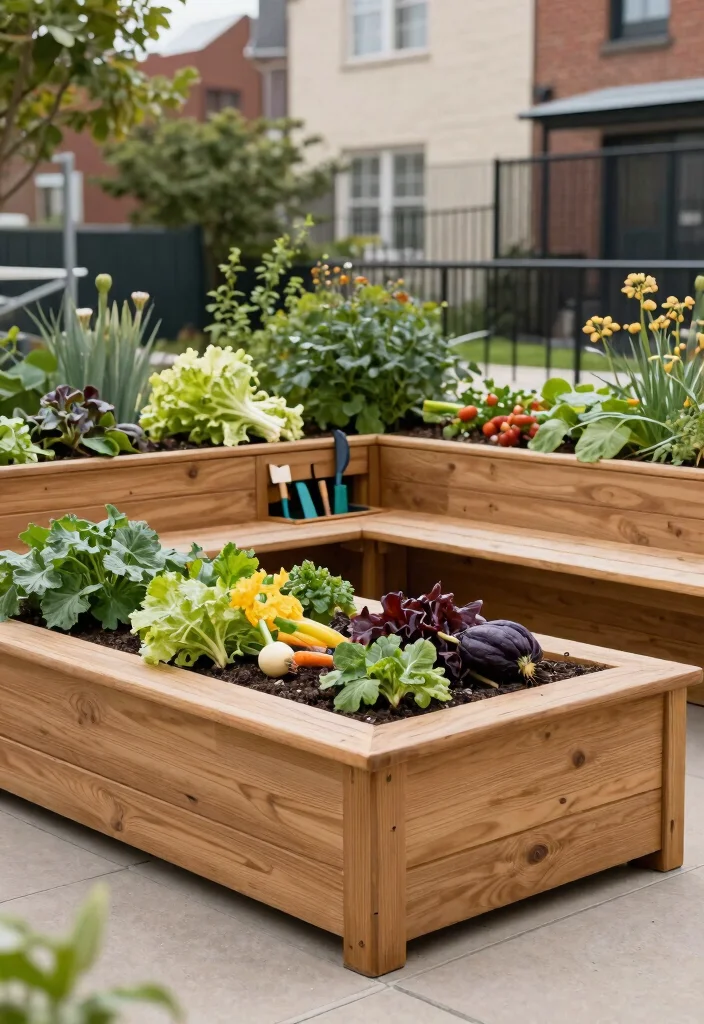
Looking to maximize space in your garden? Multi-functional garden beds serve various purposes, such as seating, storage, or composting, while also growing vegetables. This dual-purpose design is perfect for urban gardeners in tight spaces.
These beds can include built-in seating or storage for tools, enhancing practicality. Their versatility allows you to create layouts that deter rabbits and keep weeds at bay.
Design Suggestions:
– Use sturdy materials to support seating areas.
– Create storage compartments for neat gardening supplies.
– Consider removable dividers for flexible planting spaces.
This approach turns your garden into a functional and aesthetic living area.
Did you know multi-functional garden beds can triple usable space by combining seating, storage, and vegetable beds? In tight urban gardens, smart, built-in features deter rabbits and suppress weeds while you grow—start with sturdy materials and a simple bench plan.
14. Composting Garden Beds
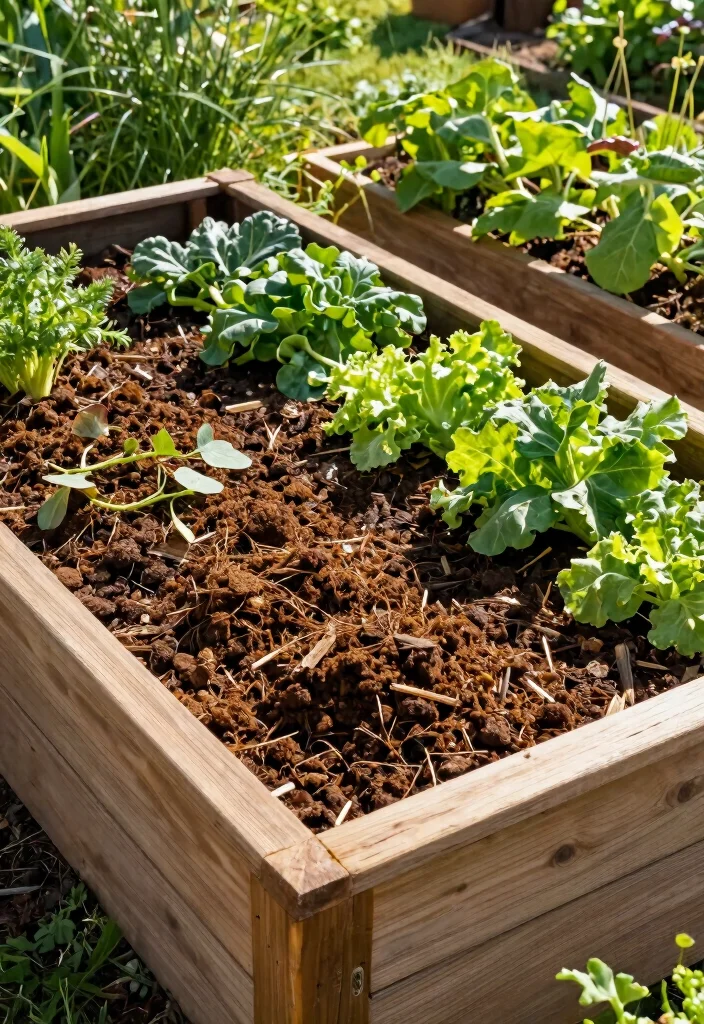
Want to enrich your soil while gardening? Composting garden beds allow you to grow vegetables while recycling organic materials. These beds are designed for composting, turning materials into nutrient-rich soil for your plants.
Not only do they provide excellent nutrition, but the composting process also deters rabbits, who tend to avoid these spaces. Mixing green and brown materials jumpstarts the composting process and keeps your bed fertile.
Composting Tips:
– Layer materials correctly to ensure a balanced mix.
– Regularly turn the compost for aeration.
– Keep an eye on moisture levels for optimal composting.
With patience, these beds can become thriving ecosystems.
15. Intuitive Herb Spiral Beds
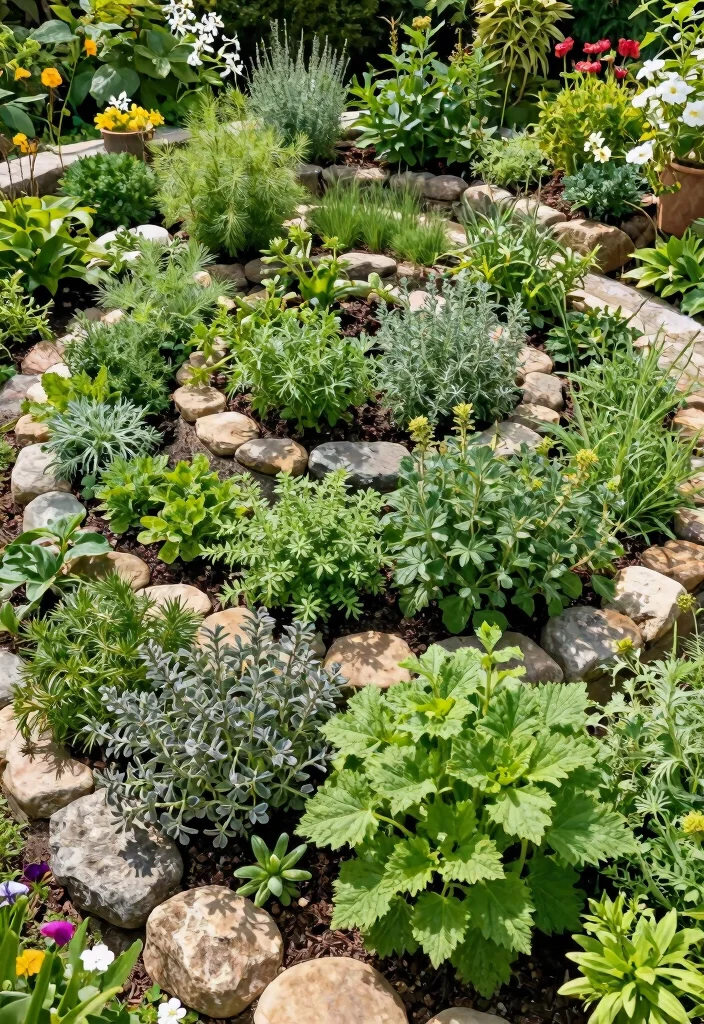
Craving a unique gardening experience? Herb spiral beds are an innovative choice for urban gardeners, providing a vertical environment perfect for various herbs. This design maximizes space and encourages biodiversity while naturally keeping pests and weeds at bay.
The spiral structure creates different microclimates, ideal for herbs requiring varying sunlight and moisture levels. This setup also discourages rabbits from venturing into your spiral.
Gardening Insights:
– Position the spiral to receive maximum sunlight exposure.
– Plant trailing herbs at the top and bushy varieties at the base for visual appeal.
– Water the top regularly to maintain consistent moisture.
These beds create a stunning centerpiece, enhancing your garden’s beauty with fragrant herbs.
16. Raised Garden Beds with Built-In Seating
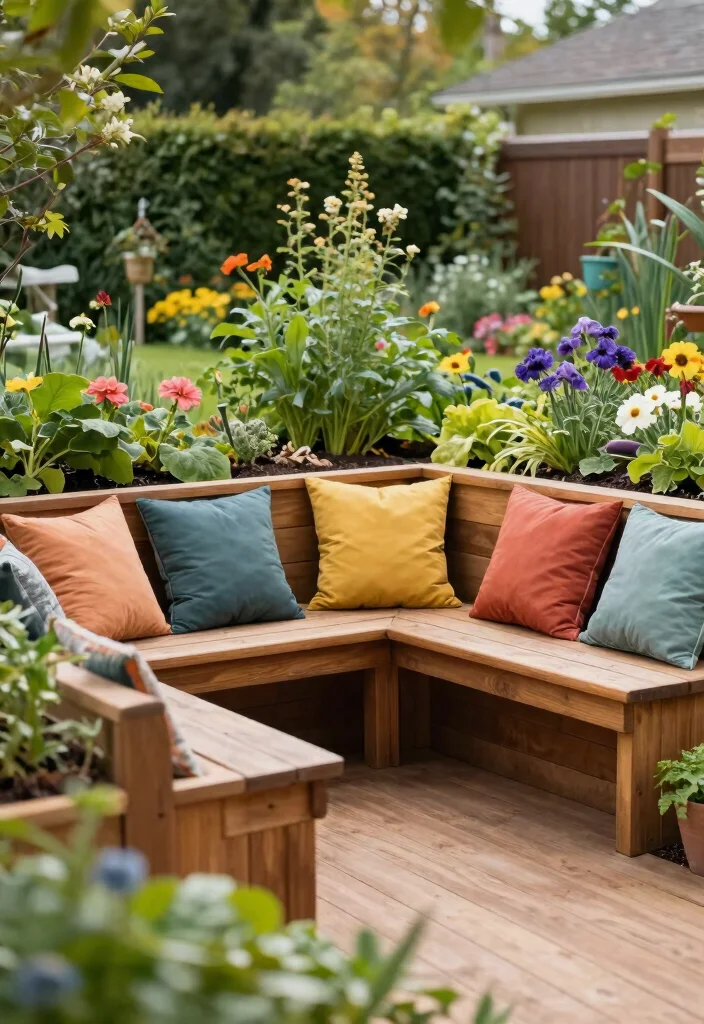
Looking for comfort in your garden? Raised garden beds with built-in seating create an inviting atmosphere that encourages relaxation and enjoyment of your gardening space. These beds protect your vegetables from pests while providing a cozy spot to tend to them.
This design allows you to sit comfortably while gardening, making it a delightful experience. The elevated beds also keep rabbits away, fostering a nurturing environment for your plants.
Design Tips:
– Use weather-resistant materials for durability.
– Position seating to offer a good view of your garden.
– Add cushions for extra comfort.
This design element enhances usability while adding a warm touch to your vegetable gardening.
17. Built-In Watering Systems
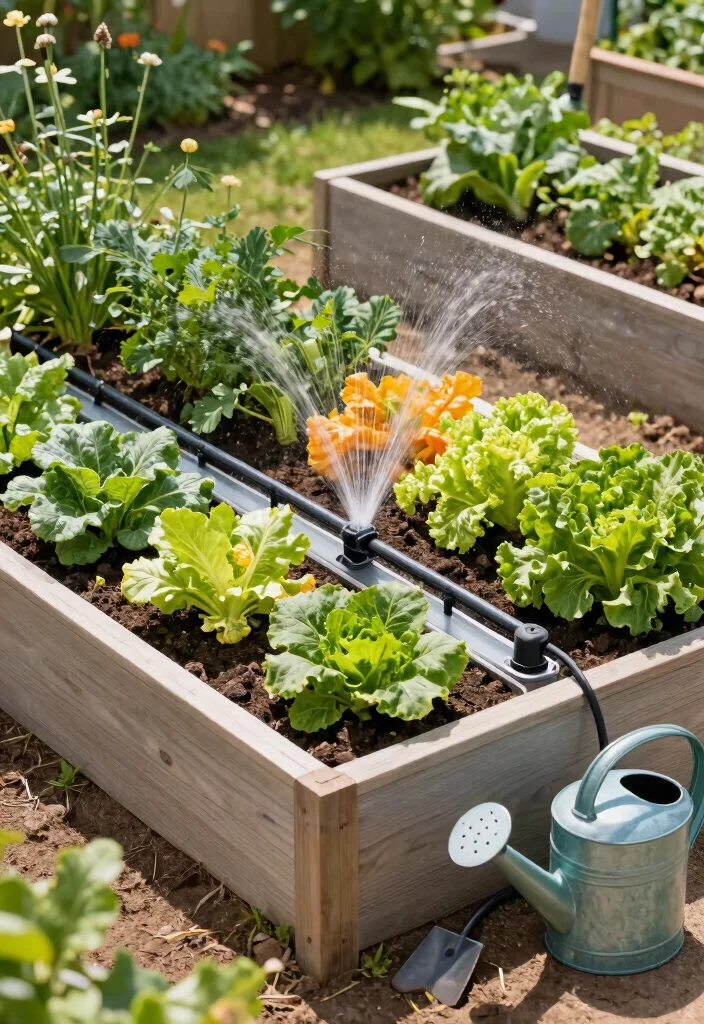
Want a hassle-free gardening experience? Raised vegetable garden beds with built-in watering systems simplify urban gardening significantly. Drip irrigation or self-watering setups ensure your plants receive consistent moisture without the need for manual watering.
This technique helps control weeds and significantly reduces water waste. Strategically placed systems provide optimal moisture, protecting your vegetables during dry spells.
Implementation Tips:
– Select a system suitable for your garden’s size and plant types.
– Regularly check for blockages to ensure efficient watering.
– Consider using timers for automated watering schedules.
This practical approach helps maintain healthy plants while saving you valuable time!
18. Community Garden Beds
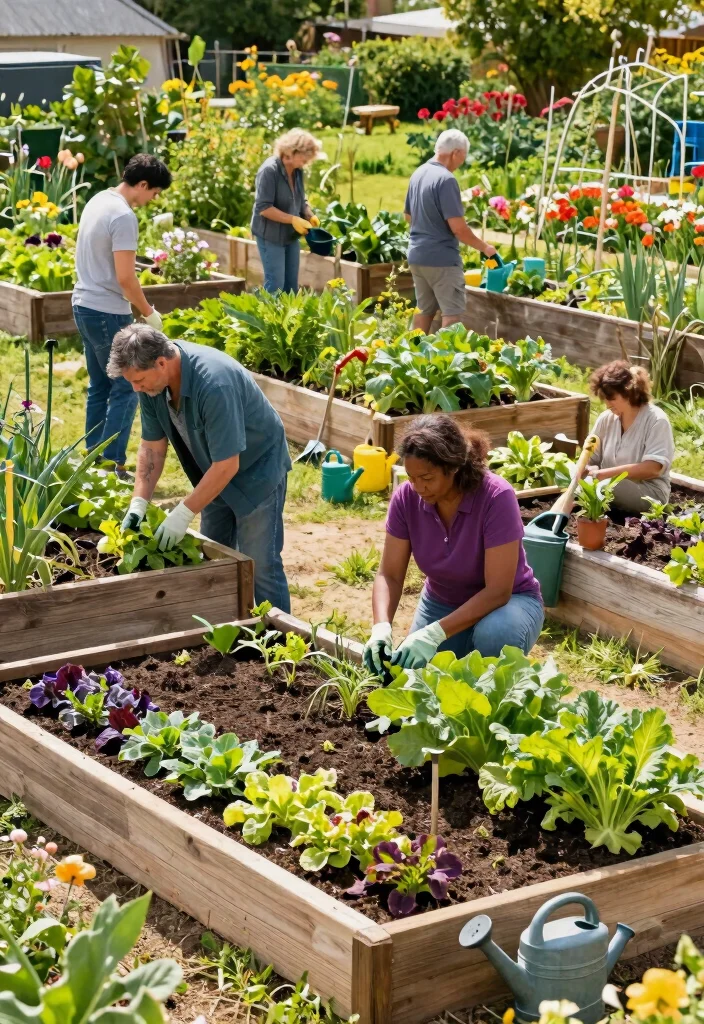
Looking to connect with fellow gardeners? Creating community garden beds fosters collaboration and knowledge sharing while growing vegetables together. These raised beds can be designed collectively, promoting teamwork and a sense of belonging.
In community gardens, shared insights on rabbit-proofing and weed control enhance everyone’s gardening skills. These beds can also reflect the group’s personality, making them visually appealing to attract all types of gardeners.
Community Gardening Tips:
– Set clear guidelines for shared maintenance.
– Organize workshops to teach gardening techniques.
– Create a welcoming environment for new gardeners.
Community garden beds provide fresh produce and nurture social connections among urban dwellers.
Conclusion
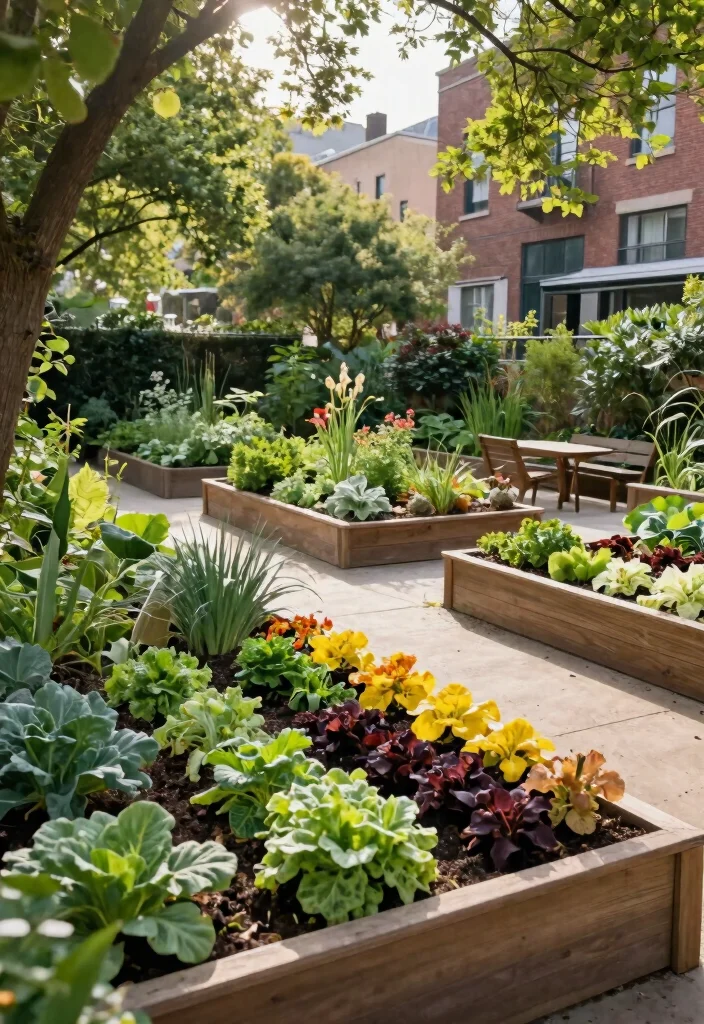
With these 18 unique vegetable garden bed ideas, your urban garden can become a thriving oasis free from rabbits and weeds.
From elevated designs to multi-functional setups, there’s a perfect solution for every gardener out there. Embrace the joy of gardening with these tips, and watch your vegetable garden flourish with creativity, health, and community spirit!
Frequently Asked Questions
What features make vegetable garden beds effective at keeping rabbits out in urban settings?
Urban rabbits are persistent, so start with rabbit-proof fencing around your raised garden beds and a sturdy, elevated setup. Bury the fencing 6–12 inches below soil and extend it at least 6 inches above ground with a tight mesh (1/2 inch or smaller) to stop burrowers and escape routes. Install a secure gate, keep vegetation away from the fence line, and consider a skirt of hardware cloth around the bed base to block digging from underneath. These steps create a practical, low-maintenance barrier that works in compact urban spaces.
Pair with clean paths, tidy edges, and smart plant placement to minimize attractants for rabbits without turning your yard into a fortress.
How can I choose the right raised garden beds and garden bed designs to fit a small urban space while blocking rabbits and weeds?
For small spaces, look for modular or compact raised garden beds that fit your layout, such as shallow 12–18 inch depth for most greens, or deeper beds for root crops. Choose durable materials like rot-resistant wood or metal, and consider corner supports to hold fencing in place. A classic design is a 2×4 or 3×6 bed with a surrounding frame that keeps soil in and pests out. Add built-in weed barriers under the soil and a top mulch to suppress weeds. Use overhanging trellises or vertical planters to maximize space without inviting rabbits. In short: prioritize garden bed designs that are easy to shield with rabbit-proof fencing and simple to maintain in urban yards.
What are the best weed control methods for raised beds in urban environments?
A practical toolkit includes mulching with straw or wood chips, laying a weed barrier fabric under the soil in the bed, and using dense planting or square-foot spacing to shade the soil. Hand-weed regularly, and use shallow cultivation to avoid damaging roots. After planting, apply a 2–3 inch layer of organic mulch; refresh as needed. In the off-season, solarize or plant cover crops to suppress weeds. With durable raised garden beds and good weed control methods, you’ll spend less time weeding and more time harvesting.
Tip: choose weed-control methods that are compatible with edible crops and your climate.
How can I design vegetable garden beds to maximize yield while keeping rabbits out?
Think in dimensions that fit your space, keep healthy soil, and choose high-yield and compact varieties. Use garden bed designs that place highly attractive crops out of reach or behind a simple fence. Implement succession planting so you harvest all season, rotate crops each year, and use companion planting to deter pests. Install rabbit-proof fencing around the perimeter, and consider a skirt or buried barrier. Add vertical support to grow trellised crops upward, saving ground space. Finally, keep irrigation efficient and soil rich with compost for robust yields.
What beginner-friendly vegetable gardening tips should I know before starting raised beds?
Start with good soil: mix compost with garden soil to create a light, fertile bed. Ensure full sun (6–8 hours) and excellent drainage. Choose compact or fast-growing vegetables suited to your climate, and plan for succession planting. Build your raised garden beds at a comfortable height to reduce bending, and install rabbit-proof fencing if rabbits are a problem. Keep a simple maintenance routine: water deeply, weed lightly, mulch, and rotate crops yearly. With these vegetable gardening tips, you’ll be harvesting sooner and enjoying a tidy, productive urban bed.
Related Topics
vegetable garden beds
raised garden beds
rabbit-proof fencing
weed control methods
urban gardening
garden bed designs
beginner gardening
sustainable gardening
easy gardening tips
container gardening
seasonal vegetables
small space gardening