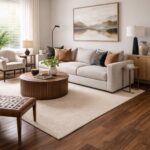
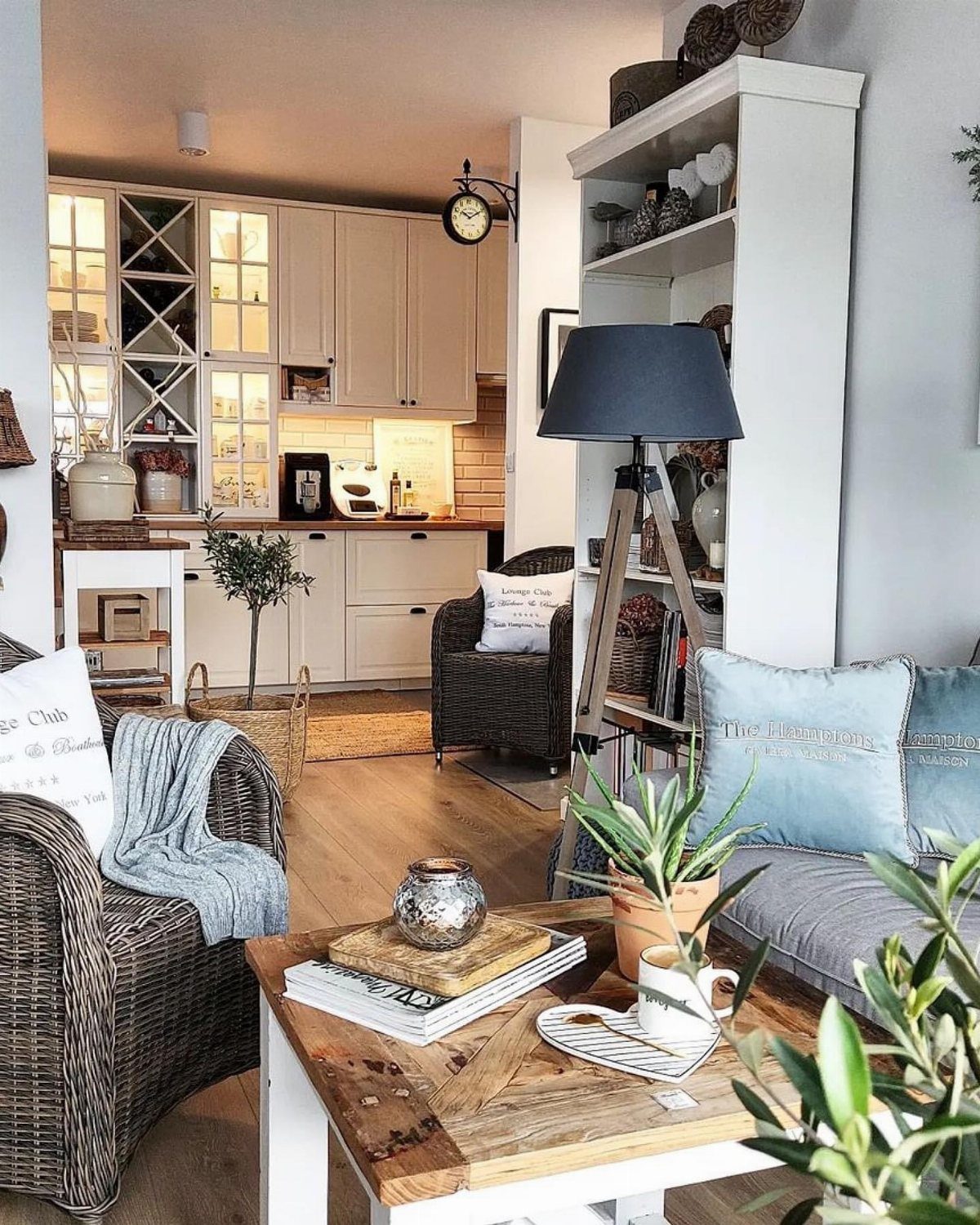
How the room gets used decides which of these ideas is yours: a family room with young kids needs curved-edge furniture and baskets, a TV room wants one large, comfortable sofa, and a tight space does better with a loveseat than a full-size sofa.
The list covers a wide range of effort, from swapping a few pillows or draping a throw to building a bigger feature like a layered stone TV wall.
1. Create Conversation Areas
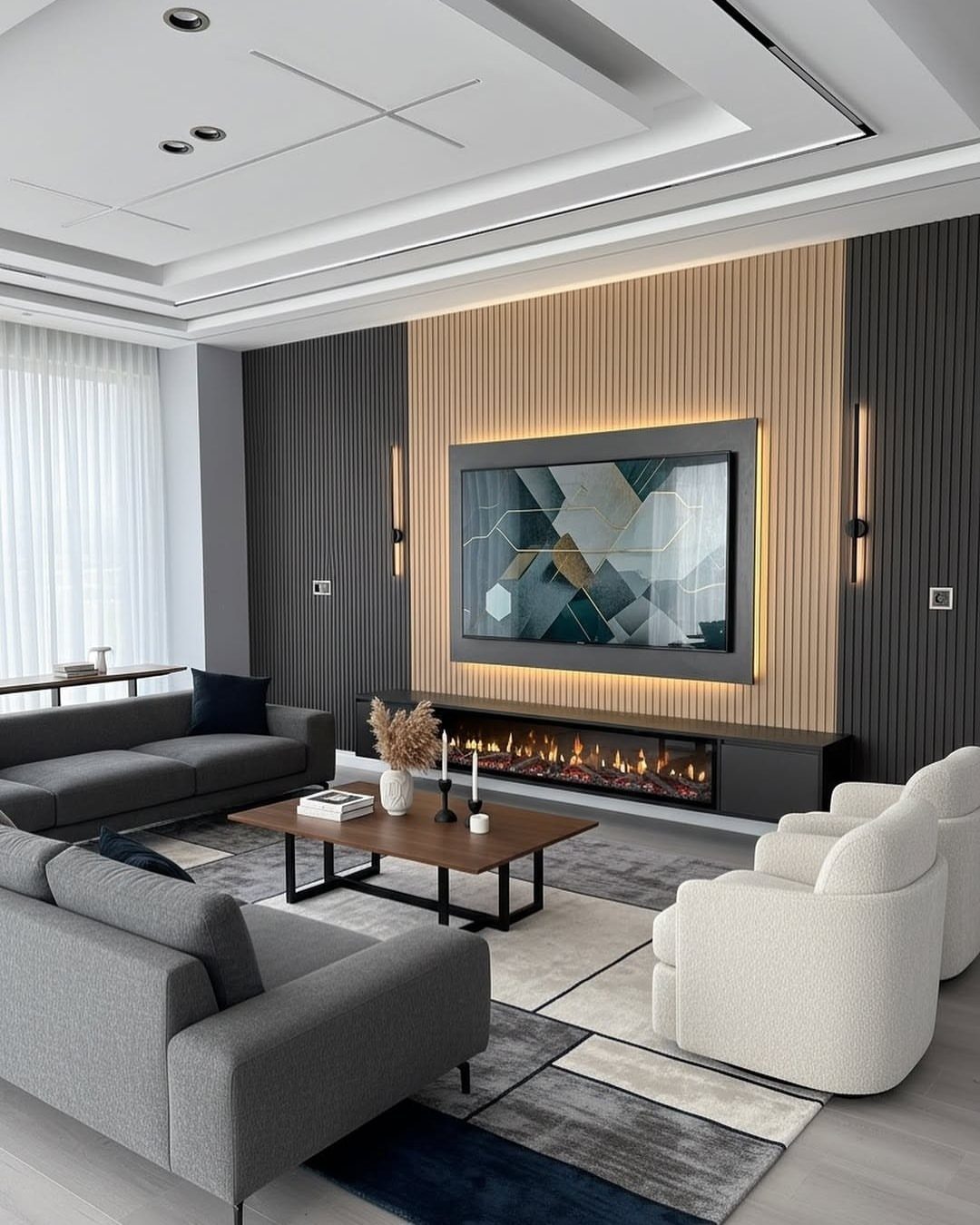
2 sofas facing each other with an armchair on each end make a room people actually talk in. Everyone sits within easy earshot of the coffee table, and nobody has to twist toward a screen.
Pull the seating inward before anything else. Pushing sofas against the walls is the common mistake, and it leaves a gap in the middle that kills conversation.
Keep the coffee table within arm’s reach of every seat. If the TV shares the room, the seating can still face the table first and the screen second.

【A MATCHING PAIR MAKES YOUR SEATING AREA FEEL COMPLETE】: Two coordinating lounge chairs create an instant conversation zone for couples, family members, or guests. Place them beside a coffee table, across from a sofa, or near a fireplace for a more balanced and intentional room layout.


【A COORDINATED PAIR CREATES A PLACE TO CONNECT】: Two matching chairs make it easy to build a comfortable conversation zone for couples, family, or guests. Place them around a small table or across from a sofa and give people a natural place to sit together.
2. Make Small Rooms Feel Spacious
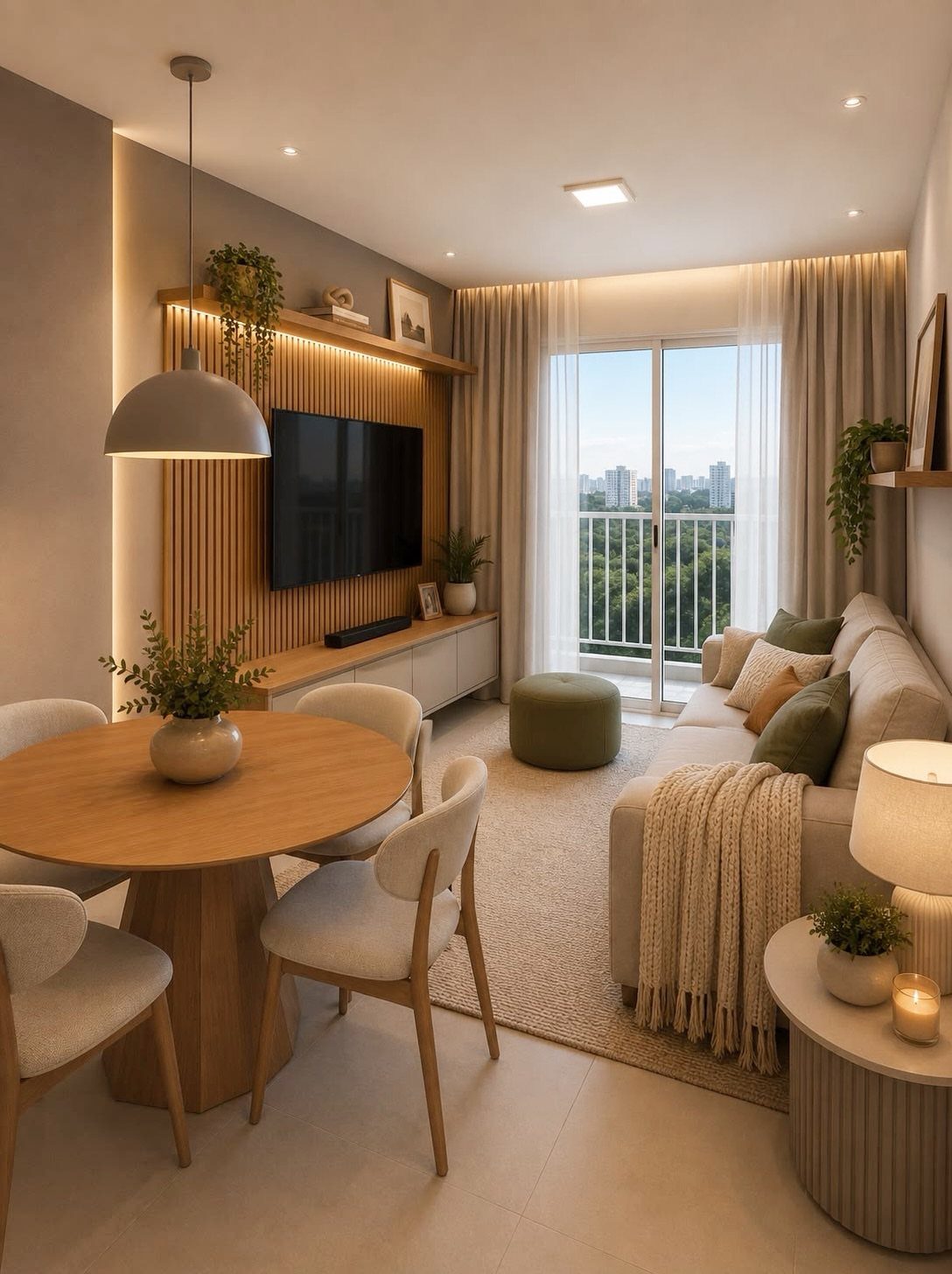
Keep the furniture low, light and pale, and a compact living room reads as bigger than its square footage. Light wood and a beige sofa keep the eye moving instead of stopping at heavy dark pieces.
A round table is my pick for a tight dining corner, since it has no corners to bump and tucks closer to the sofa.
Keep the path to the balcony door clear, because that view is the best extra square footage you have.
Mounting the TV on the wall frees the floor below it. In a small room, that matters more than any decor.

YOUR SIDE TABLE, ALWAYS WITHIN REACH: Enjoy added convenience with the built-in foldable side table, designed to keep your coffee, drinks, snacks, books, tablet, or laptop within easy reach. Fold it away in seconds whenever you need more seating space. This loveseat couch combines everyday comfort with smart functionality, making it ideal for apartments, living rooms, offices, bedrooms, and other small spaces

【Full-body Boucle Fabric Settee: Our small love seat is wrapped in luxurious Boucle fabric, offering a soft and cozy touch that elevates your seating experience; This high-quality fabric adds a touch of elegance to your living space, making it a perfect choice as an office couch for small spaces or a stylish small office c

Compact 50" 2-Seater Design with Matching Throw Pillows:Space-saving 50-inch loveseat works well in apartments, small living rooms, bedrooms and lofts. It comes with 4 matching throw pillows to enrich your relaxing experience.
3. Neutral Living Room
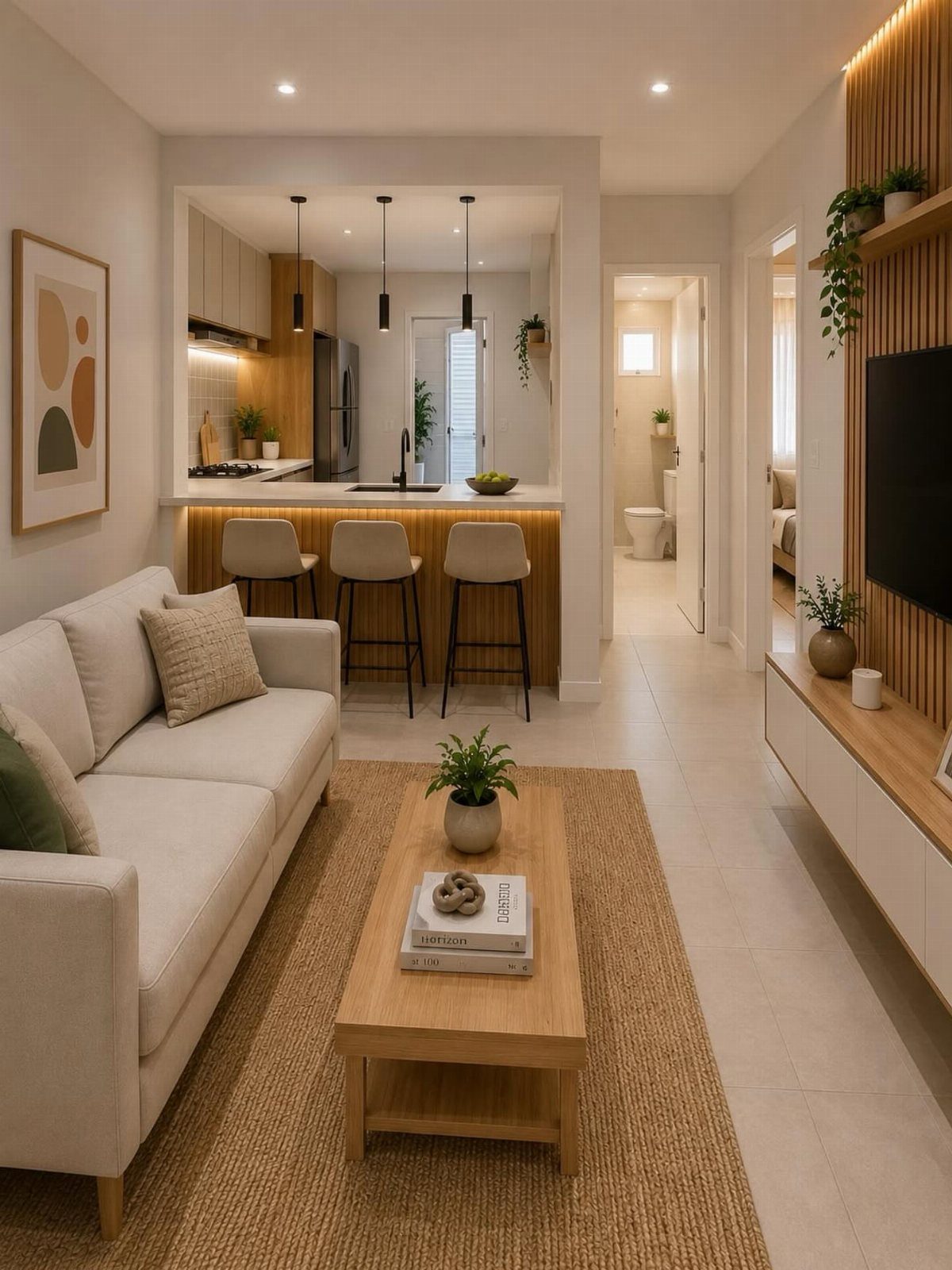
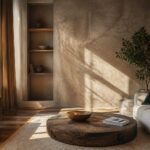
Soft beige, warm wood and a jute rug add up to a room that rarely looks dated. Neutral colors cost you nothing in trend risk, and you can change the mood later with pillows or a throw.
Texture does the work that color would. The woven rug against a smooth sofa and a wood coffee table keeps the palette from going flat.
If you rent, this is an easy base to build on. Start with the sofa and rug, then add color in pieces you can swap out cheaply.

TV Mount Compatibility - The swivel TV wall mount is compatible with most LED LCD flat or curved 13″-43″ TVs/Monitors up to 44 lbs with VESA mounting patterns 75x75 to 200x200mm. The single TV mount for 24 30 32 39 40 42 43 Inch can be installed on single wood studs, concrete, or brick walls, perfectly compatible with SAMSUNG, SONY, LG, VIZIO, TCL, ELEMENT, SCEPTRE, HISENSE and other TV brands. Please confirm your screen size and TV/monitor VESA before ordering.
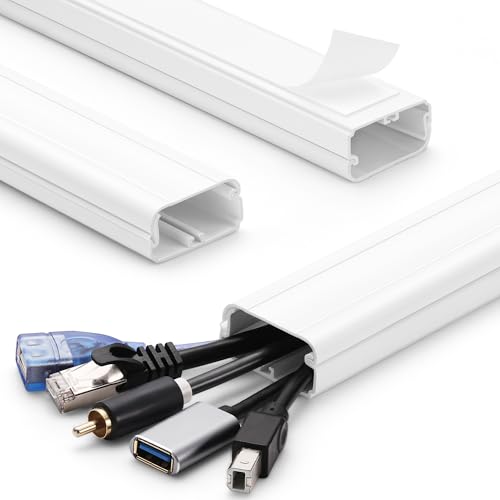
Large Capacity TV Wall Cord Hider: Can hide 3 to 6 cables, perfect for multi-cable hiding scenarios; Size: W 1.5 inches x H 0.75 inches; Capacity: 4 HDMI or 6 Cat 6 Ethernet cables. Upgraded one-piece hinge design, easy to add or remove cables at any time.

Bye bye messy TV wires! Hung your TV up but the HDMI and Internet cords are dangling down. The clutter of wires is really hard to look at. The wires are directly exposed and inadvertent touch can be easily tangled with the cords, a potential electrical hazard. Don't want something bulky and not in a position to put the wires behind the wall, so the Yecaye TV cord hider is a good option
4. Blue Accents
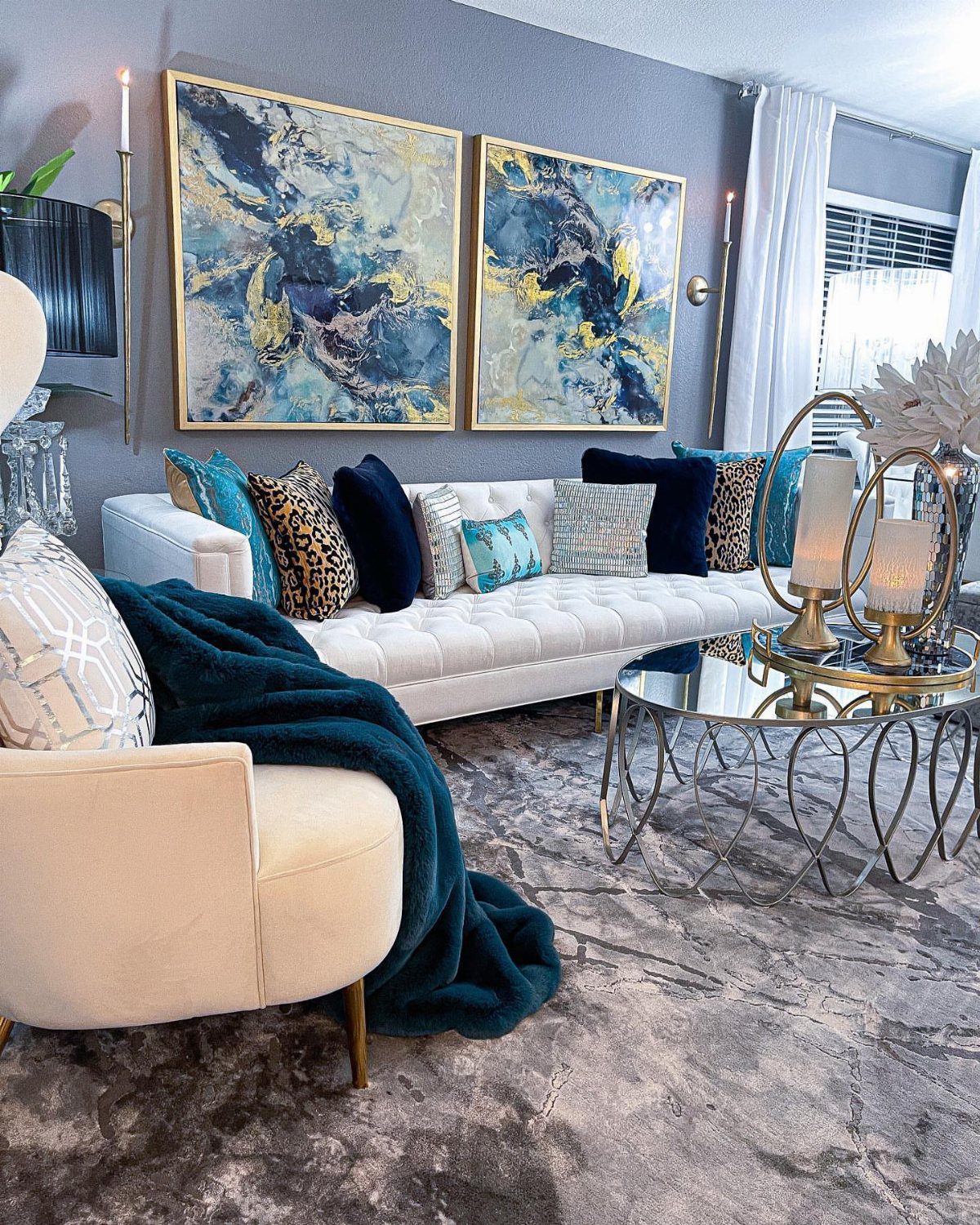
Blue looks richest against white and gold, and a single teal throw on an armchair is the cheapest way to try it. Pillows and one or two large abstract pieces on a grey wall carry the color without painting anything.
Repeat the blue at least 3 times around the room so it reads as a plan, not an accident. Gold on the coffee table ties the cool tones to something warmer.
Start with pillows. If you like how they look after a week, buy the art.

CLASSIC VINTAGE AESTHETIC BEIGE RUG: The area rug 8x10 features a harmonious blend of beige tones that evoke a timeless vintage charm, making it an ideal addition for any room in your home—from retro bohemian and rustic farmhouse to modern minimalism. Perfect rugs for living room, bedrooms, dining room rugs for under table, entryways, playrooms, or home offices, this 8x10 rug serves as the finishing touch to your interior flooring decor

PET FRIENDLY & NON-SLIP BACKING: 8x10 area rugs featuring simple of colors while promising a luxurious feel underfoot. The blend of a hexagon pattern and a stylish design. Non-slip TPR backing makes the covering for bringing your space together. Make the most of your time at home with our pet-friendly and easy-to-clean area rugs. Elevate the floors of your home with this show-stopping and detailed rug

DURABLE AND PLUSH: Crafted from 100% Polypropylene, Long lasting and sturdy jute backing (rug pad recommended), 0.31 inch rug thickness, meant for indoor use, perfect for high traffic areas, ideal for homes with children, rug can fit under most doors
5. Consider Unique Character
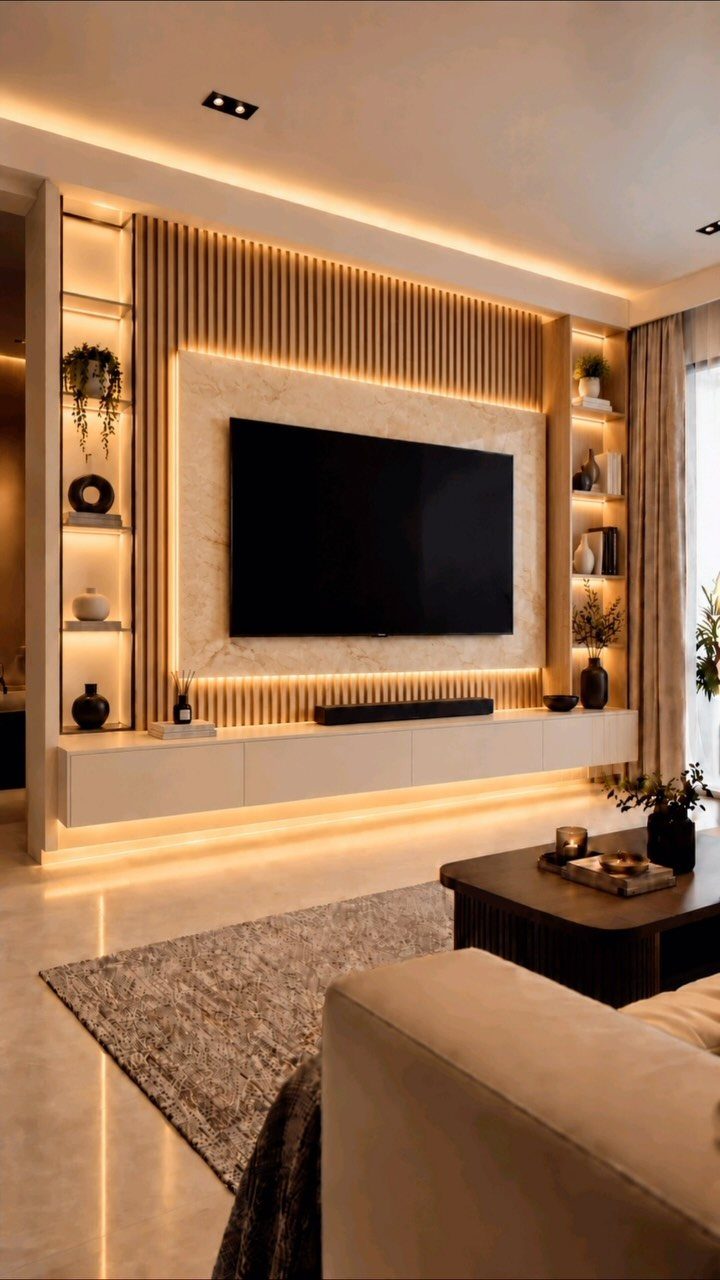
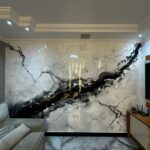
A TV wall becomes the room’s focal point when you give it layers: stone, wood slats and a floating cabinet below. Warm backlighting adds depth, and it makes the wall look good even when the screen is off.
I like this when the TV has to go on a wall anyway. Dressing that wall costs less than buying art for every other surface.
Floating cabinets keep the floor visible, which helps the room feel larger. For a lighter project, vertical wood slats alone give much of the same effect.

PVC Materials Gray 3d wallpaper peel and stick panels are made of PVC material, safe use. is 11.81x11.81 inches, The thickness of the 3D wall panel is 0.161 inches, 10 tablets per pack. Easy to install and remove, and can be used to decorate living rooms, bedrooms, kitchens, offices, etc.

Installation Tips & Easy Daily Maintenance.Extra construction adhesive is required for installation (adhesive NOT included). These decorative panels for walls withstand splashes and mild humidity, but are intended solely for indoor dry areas — do not use in shower enclosures with constant running water. Featuring waterproof surfaces, they repel moisture buildup. Simply wipe away dust and spills with a damp cloth for hassle-free upkeep. Offered in 4-Pack and 6-Pack sizes. Each panel measures 23.62"×23.62", 0.23 in thick to suit different renovation needs.

Immersive 3D Depth & Realistic Texture: Transform your space with dramatic cement-like texture and deep dimensional relief. Our panels create captivating focal walls in living rooms, bedrooms, offices, or entertainment areas—instantly elevating any interior with modern character
6. Pick Seating and Large Furniture
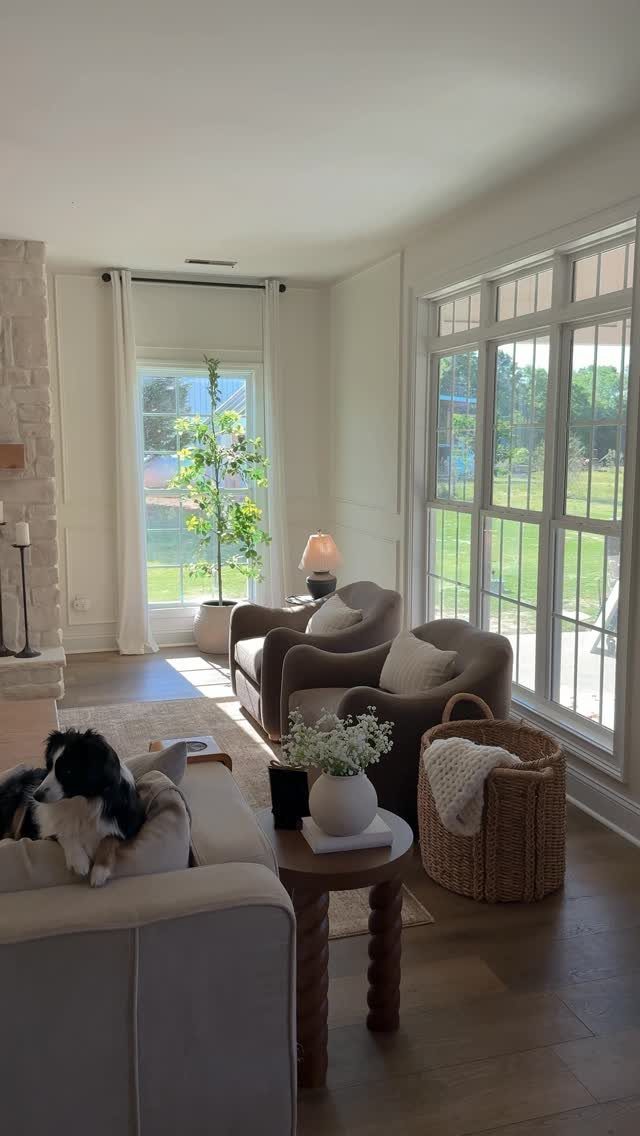
Pick the big pieces last, after you know where the walkways and windows are. A beige sofa with two armchairs works because each one leaves room to pass and keeps the view of the yard open.
Measure the room and mark the footprint of each piece with painter’s tape on the floor. Live with the tape for a day before you buy anything.
Add a side table within reach of the sofa, and keep a plant near the window. Furniture is the priciest part of a living room, so a wrong guess costs the most.
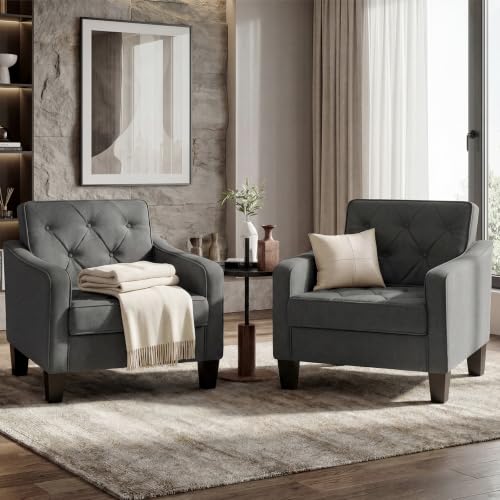
【Mid-Century Modern Design 】The accent chair has a tufted backrest and seat cushion. Handcrafted with buttons and upholstery, every detail shows superb quality. Matches all home styles.

Floral Vintage Charm: Layers of lush botanical florals framed by an ornate border bring timeless American vintage elegance to your home. The soft cream base and warm floral tones create a welcoming mood—like stepping into a sunlit garden filled with stories.

Set of 2 Accent Chairs: This set includes 2 matching upholstered accent chairs, perfect for creating a balanced conversation area, reading nook, bedroom seating setup, or living room accent arrangement. Use them together or place them separately throughout your home.
7. Black Accents
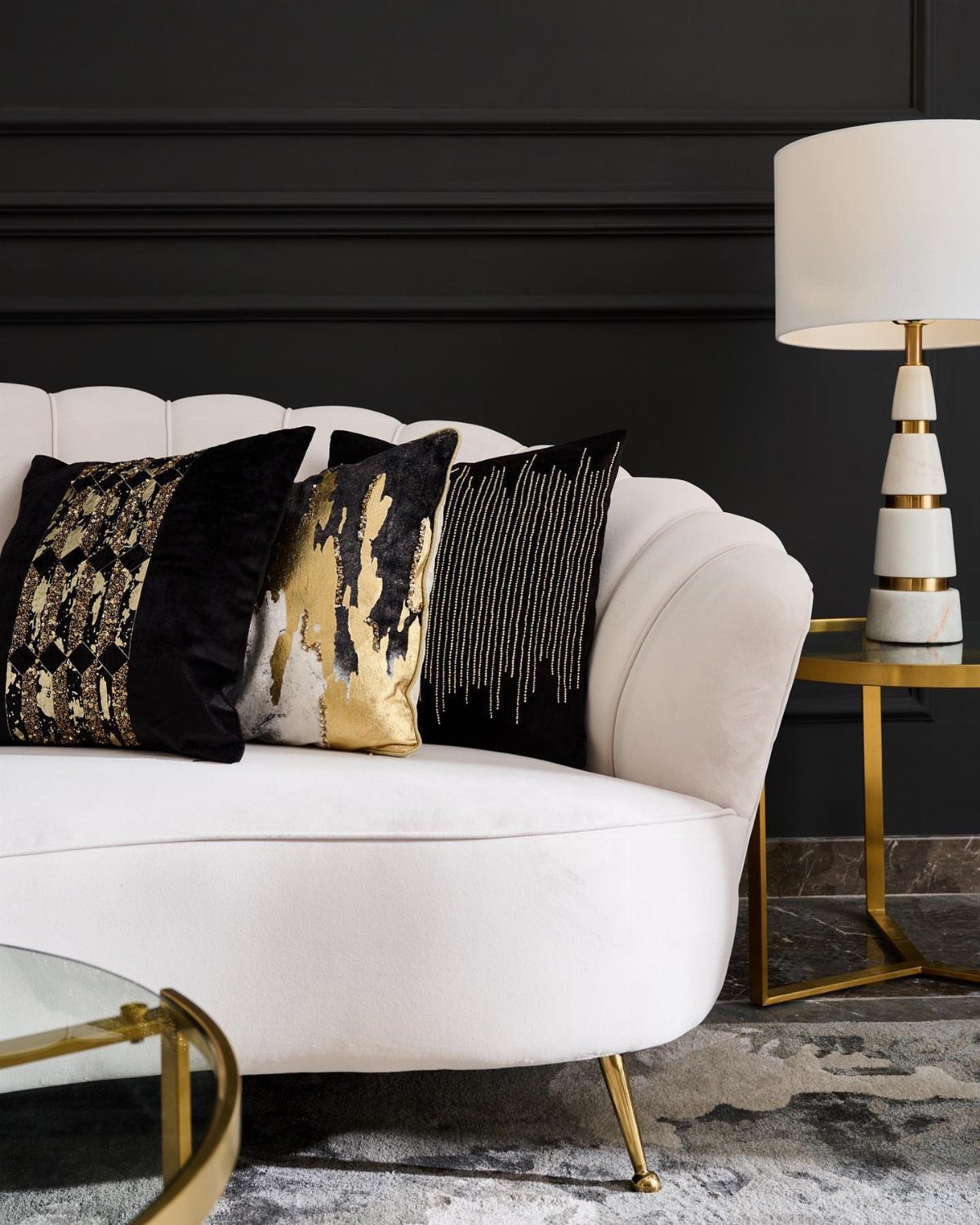
A little black goes a long way in a sitting area, and the contrast is strongest against a light sofa.
Pick one or two pieces, like a dark accent wall, a pair of frames, or a metal-legged side table, then repeat the shade once more across the room so it reads as a choice and not an accident.
The pillows in black and gold keep the contrast from feeling harsh, and the gold side table repeats the warmth.
Keep black to a few pieces so it reads as a choice. 3 pillows, a lamp base and a frame are plenty.
Pillows are the cheapest place to start, and they come off easily if you tire of them.

Flexible Seating for Everyday Living: This versatile loveseat sofa is designed for flexible living in modern homes and offices. Place it in your office seating area to welcome guests and create a professional yet comfortable waiting space. After a long day, set it in a cozy corner of your bedroom where you can relax, read a book, or enjoy a quiet moment before bed. It also works beautifully as a small couch for living room gatherings. This loveseat fits perfectly in apartments, studios, and compact rooms. Need more seating? Simply pair it with one or two matching chairs to create a seating set that suits your layout.
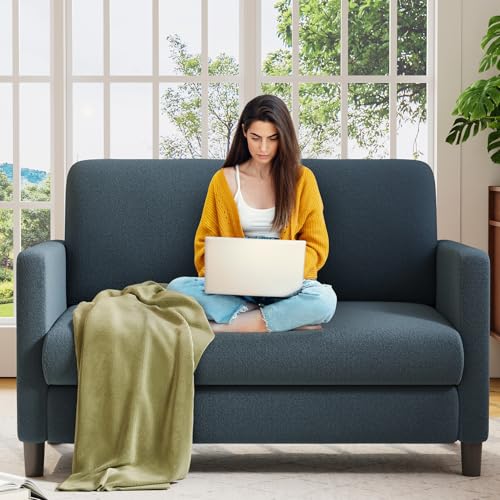
SITTING ON A CLOUD: Welzona small sofa couch features a 7.5" spring seat cushion that provides excellent support and elasticity for your body. The 7.1" backrest and 22" seat depth offer extra support and waist comfort. You can sit down and feel the small couch for bedroom backrest fit and support, enjoying unparalleled comfort. Whether you're watching TV, reading books, or chatting with family, this small loveseat sofa will provide you with the ultimate comfortable experience.

【6.5 Inch Comfy Seat Cushion and High Backrest】This small loveseat features a soft, high-density sponge that offers an exceptional seating experience. The 20 inch tufted back cushion provides excellent support for your back and waist. Whether you are watching television, reading, or engaging in conversation with family, this small couch ensures the ultimate comfort experience.
8. Draped Throws
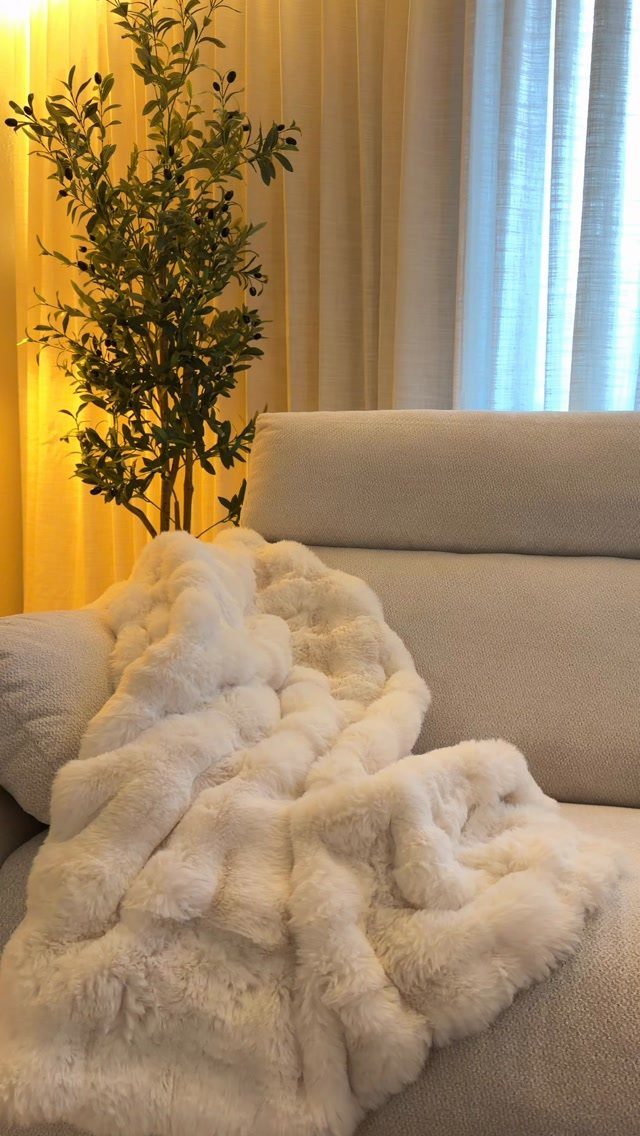
A white faux-fur throw on a gray sofa looks finished with almost no effort. The soft texture breaks up a flat sofa, and the pale color stands out against the gray.
Drape it over one arm or across a corner of the cushions instead of spreading it flat. A loose fall looks relaxed, while a tidy fold can look stiff.
I prefer faux fur over a thin knit here, since it gives the sofa some body. One throw is enough.

Kit Content: Each cable raceway comes with dimensions of 0.57 inch inner height, 0.96 inch inner width, ensuring a total length of 116 inches. The cable cover channel kit includes 6 couplings, 2 L-elbows, 1 T-fattings & 1 instruction, for maximum cable concealment

Wall Mounted TV Stand with Power Outlets: With 4 standard plugs, the floating TV stand is suitable for use with TVs, game consoles, WiFi router, DVDs, CD players, etc., simplifying power access for your components

Passing the UL94 V-0 Rating test, a plastics flammability standard released by Underwriters Laboratories of the United States, UL94 V-0 Rating is defined as Burning stops within 10 seconds on a vertical part allowing for drops of plastic that are not inflames, which means it's safer than ordinary materials because of the higher flame retardancy and brings greater security to your daily use
9. Trays on Coffee Tables
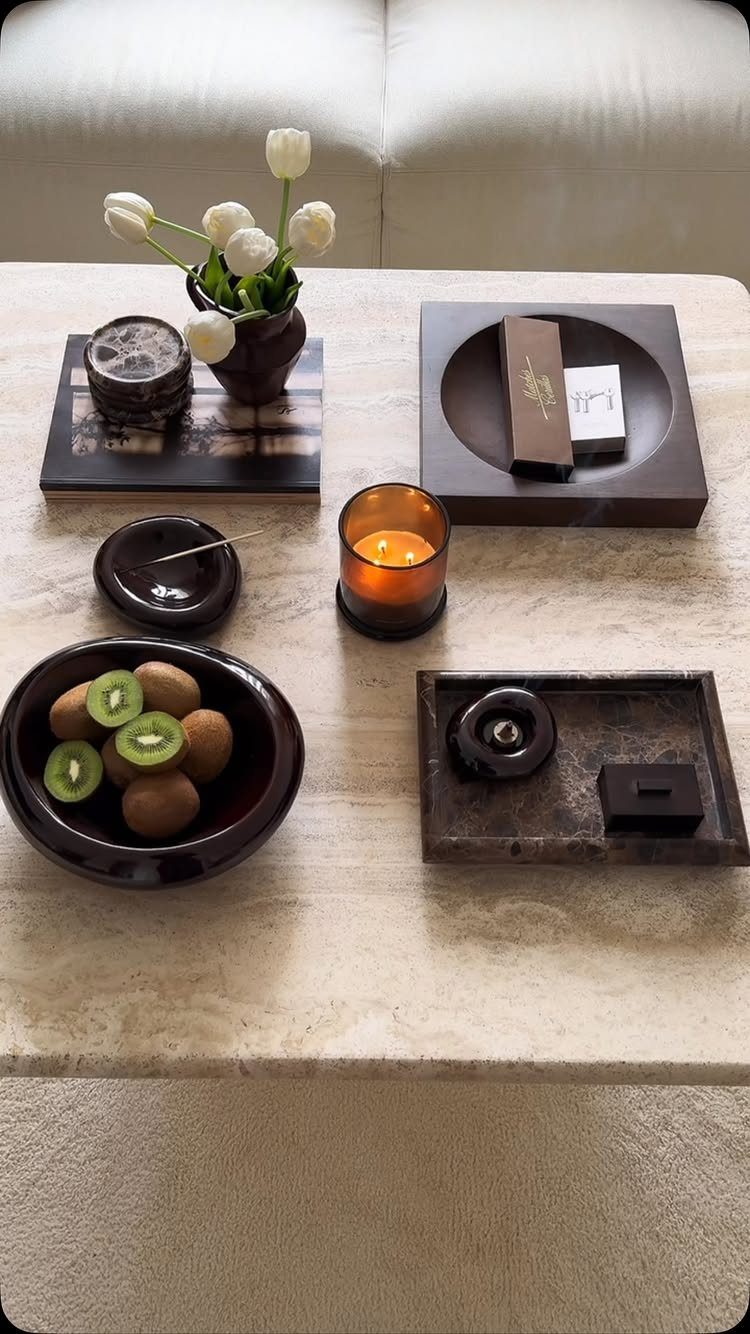
Trays turn a loose pile of coffee table items into a few tidy groups. Each tray holds one small idea: flowers on one, a candle on another, a snack on the third.
Group odd numbers, and vary the heights so the table has some rhythm. A marble top pairs well with trays because the edges set each group apart.
Leave open space between the trays for drinks. A crowded table stops being useful.

Conceptualized in collaboration between DIY experts Chris & Julia Marcum and the award winning Loloi brand.

Ultra-thin & Safe Kitchen Rugs: Our entryway rug is a super cozy crystal pile that is not only super soft, but also fade resistant.The 0.166-inch thick, low-pile runners for hallways is easy to place in entryways and under furniture, and won't block doorways
10. Plush Cushions, Throws, and Warm Rugs
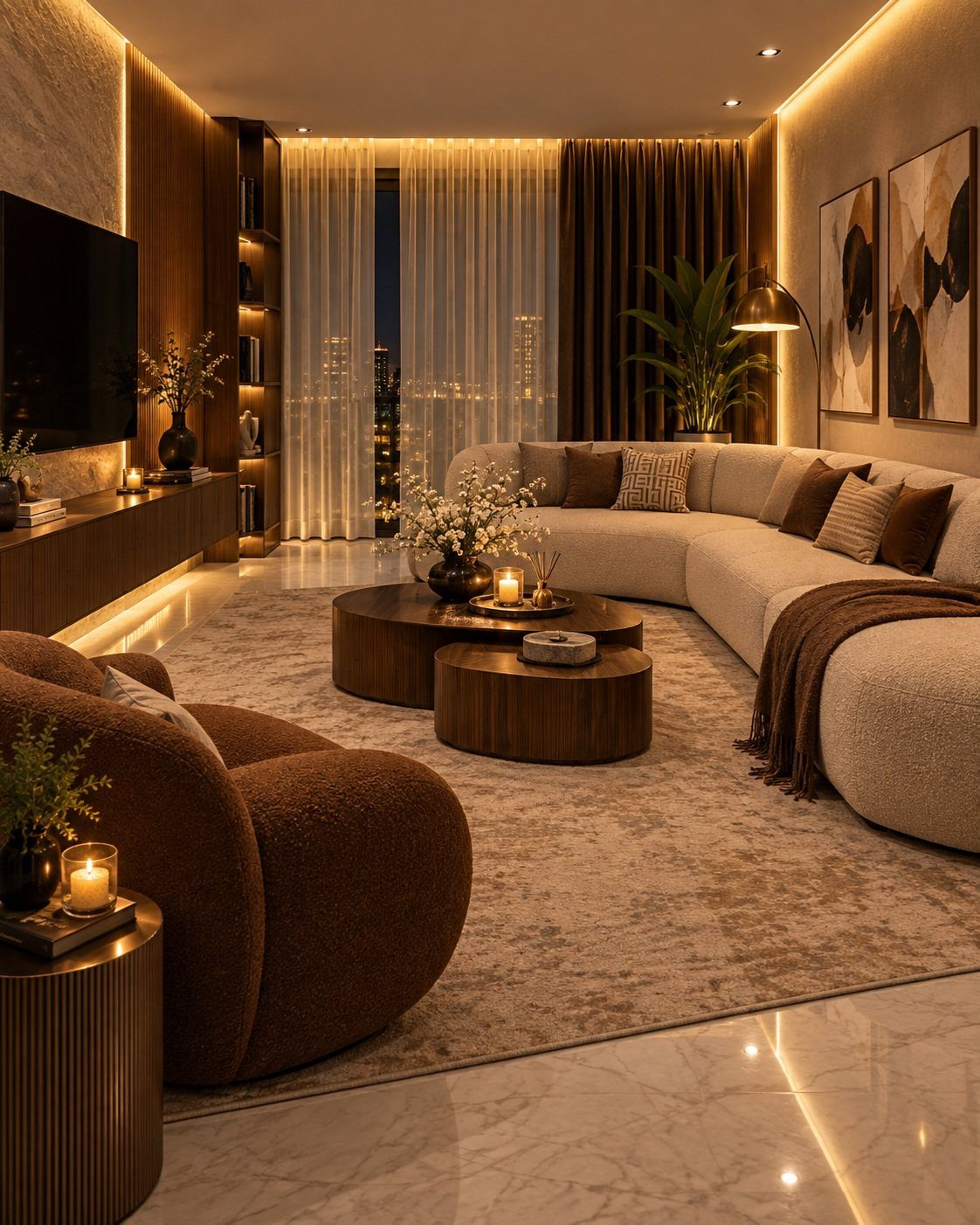
Layer softness in warm tones, and a living room invites you to sit down. A large textured rug is the quickest way to pull separate seating into one zone.
Size it so at least the front legs of the sofa and chairs sit on it, which usually means an 8×10 ft rug for a standard living room, and pick a cream or oatmeal wool-blend or jute for warmth underfoot.
Choose a rug big enough that the front legs of the furniture rest on it. A small rug looks like a patch.
Add pillows and a throw in beige and brown shades to keep it calm. Start with the rug, since it sets the mood for everything above it.

[3D Faux Stone Textures] Commomy 3D stone wall panels have a beautiful texture. Upgrade interior wall tile quickly and stylishly!

Immersive 3D Depth & Realistic Texture: Transform your space with dramatic cement-like texture and deep dimensional relief. Our panels create captivating focal walls in living rooms, bedrooms, offices, or entertainment areas—instantly elevating any interior with modern character

➤ REMOVABLE WALL PANEL: The faux stone wall panel can be removed. Heat it by a hair dryer with low temperature to soften its adhesive. Peel the aluminum foil layer off from corners, then you can remove it with ease.
11. Add a Fireplace
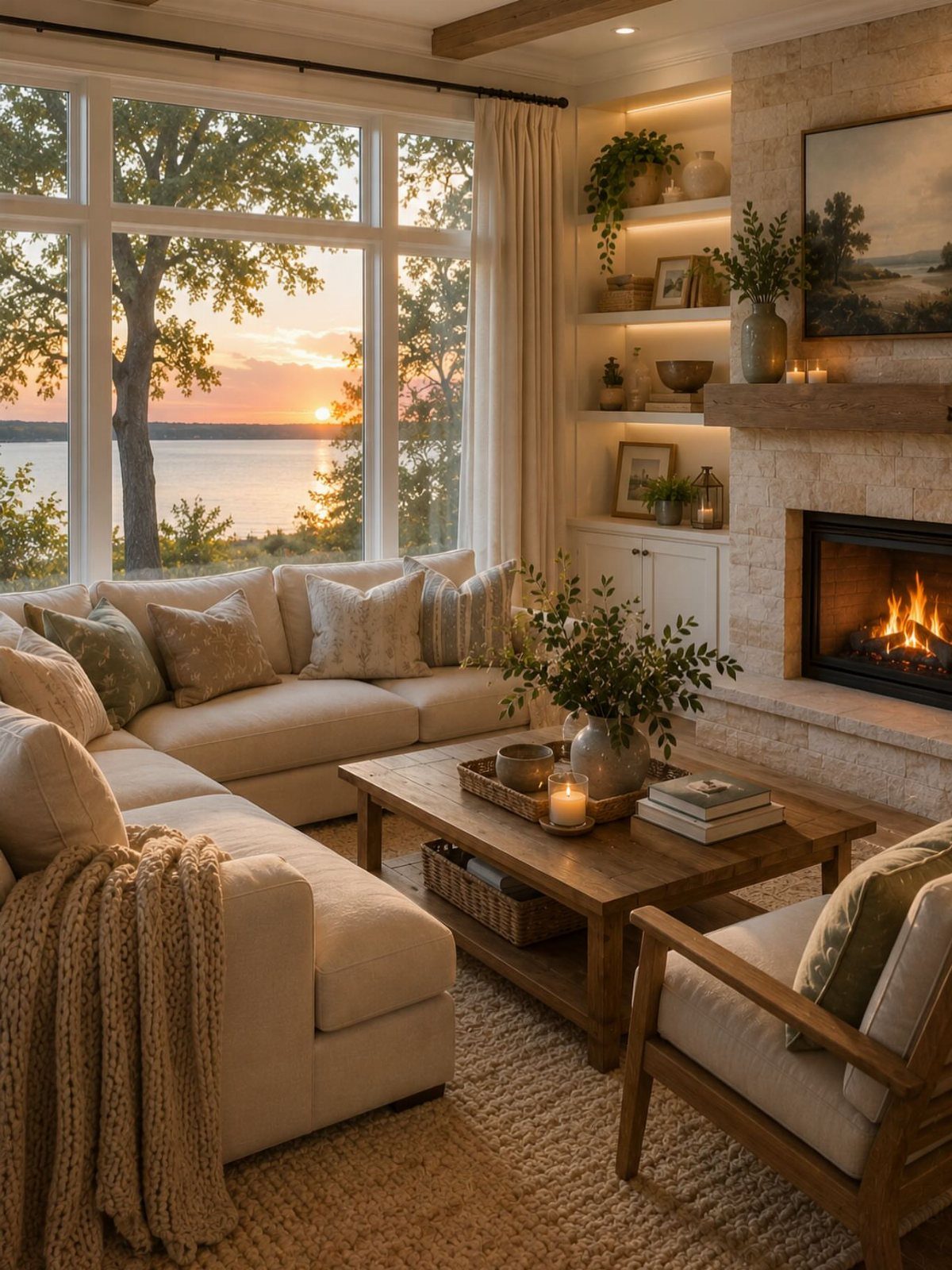
A stone fireplace gives a room a natural focal point, and the seating can simply face it. Placing the sectional and a wooden coffee table in front makes the hearth the center of the room.
I like stone because it adds texture without needing decor on top. Keep the mantel simple so it does not compete with a window view.
If you can’t build one, aim the furniture at whatever your strongest feature is, such as a big window.
12. Plants, Sculptures, and Unique Vases
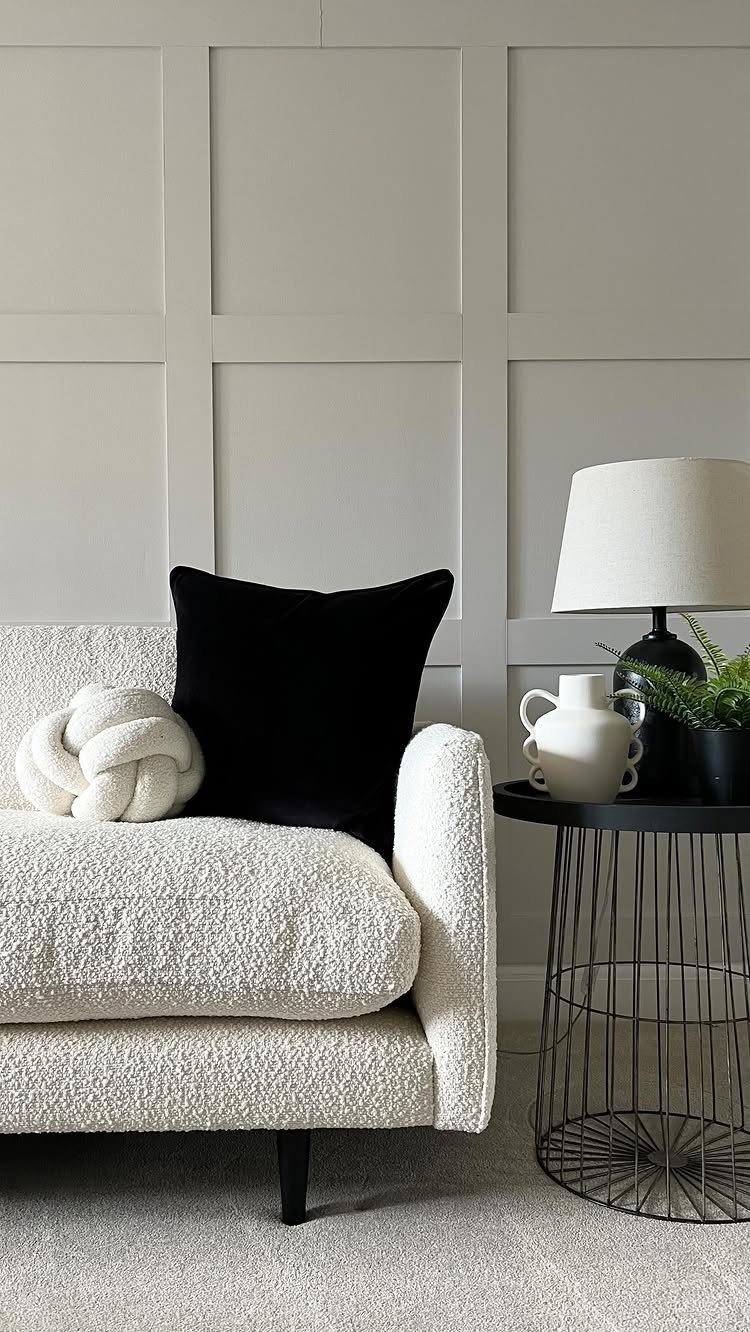
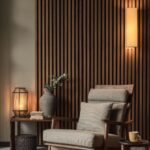
One small vignette on a side table can finish a corner. A white vase, a black lamp and a little plant beside a textured chair give you height, shape and something living in a single spot.
Mix the heights: tall lamp, medium vase, low plant. Keep the colors to two or three, here black and white, so the grouping reads as deliberate.
A single sculpture or an unusual vase works as well as a plant if you lack light.
13. Overhead, Table, and Floor Lamps
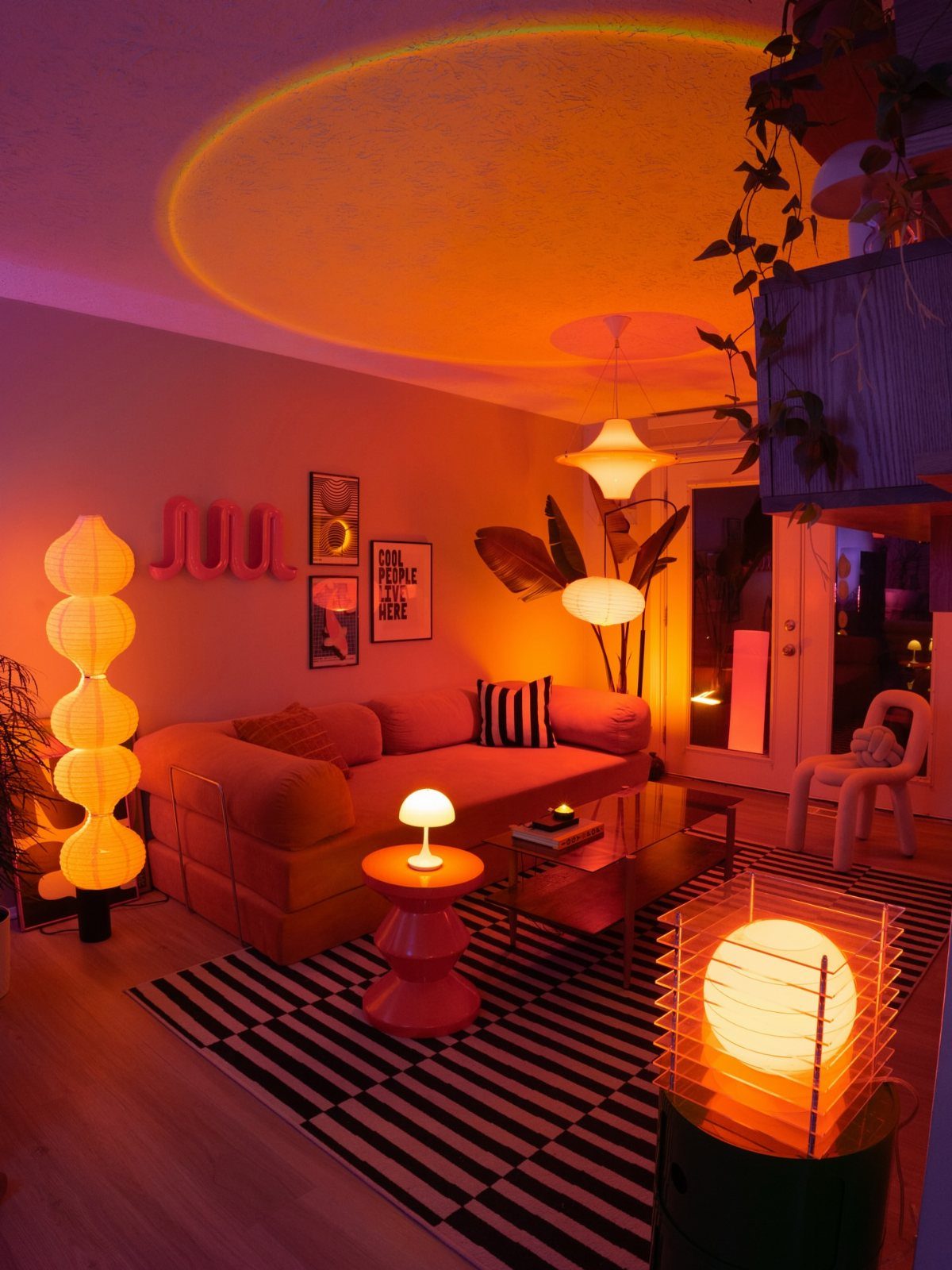
Three light sources at three heights make a sofa corner glow instead of sitting under one harsh ceiling fixture. Here the lamps spread warm light across the pink sofa and the striped rug, and the room stays lively after dark.
Aim for a floor lamp beside the sofa, a table lamp on a side surface, and the overhead light on a dimmer if you have one. Use warm bulbs so the light stays soft.
Switch the ceiling light off in the evening and let the lamps do the work.
14. Rugs and Furniture to Create Zones
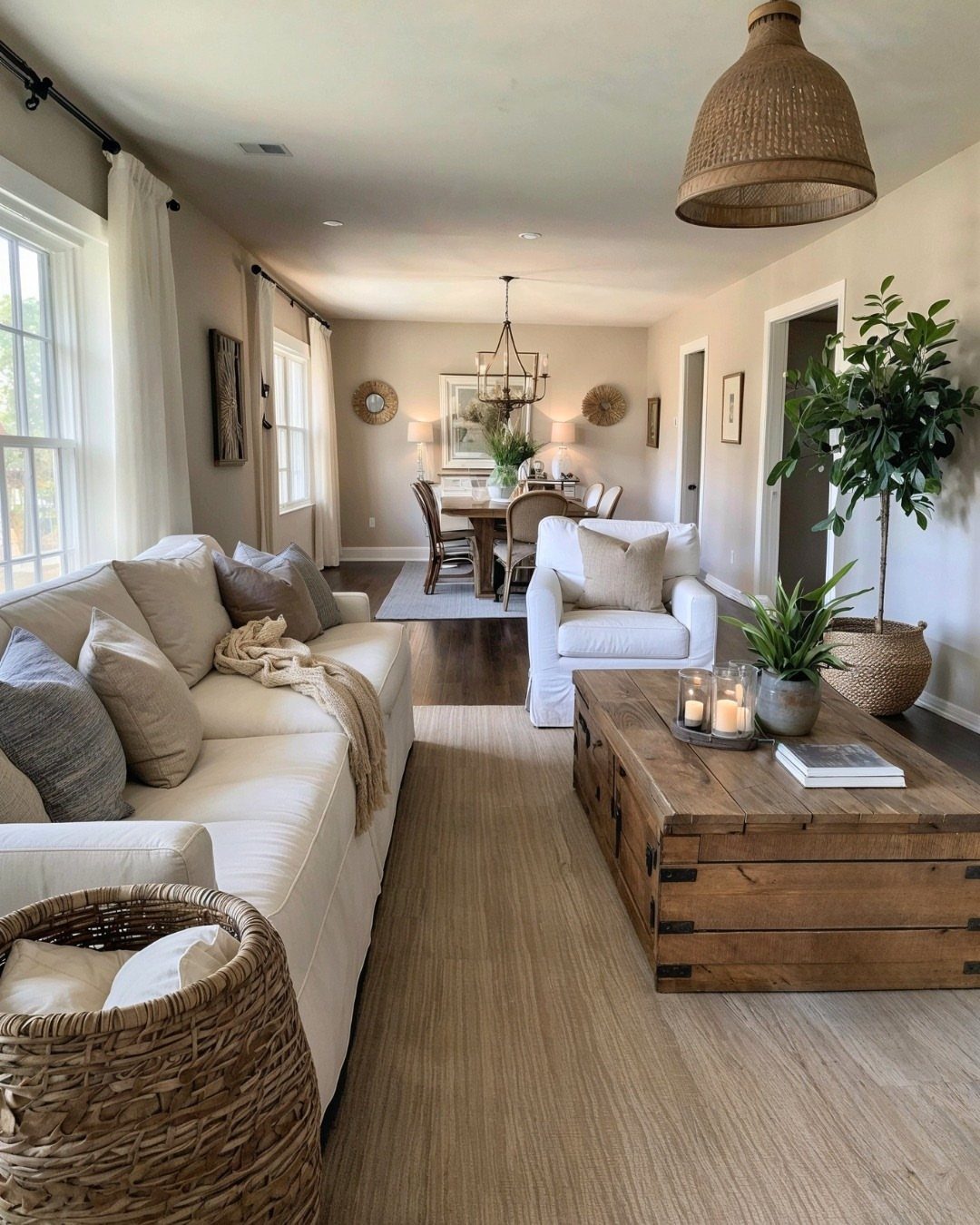
2 rugs can split an open-plan room into a living zone and a dining zone without a single wall.
Pick rugs that relate but don’t match, such as the same tones in different patterns. Leave a few inches of bare floor between them so each zone reads as its own.
Float the sofa so its back faces the dining area. That alone marks the boundary better than any decor.
15. Make Your Sofa the Star
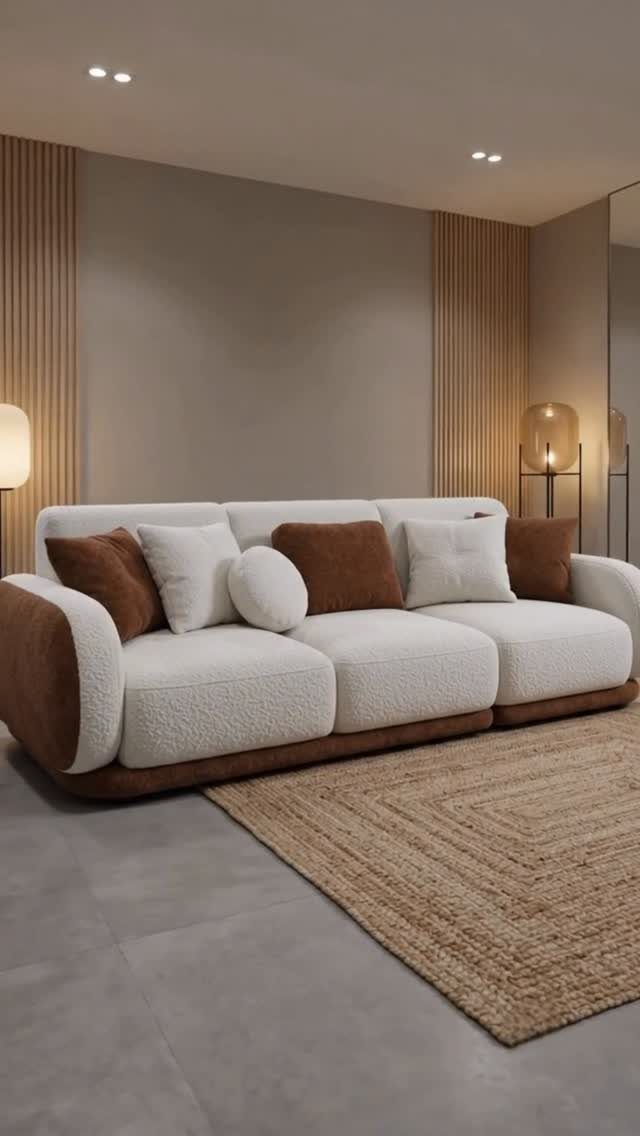
A curved modular sofa in white and brown can anchor a whole room, and the quiet surroundings let its shape do the talking.
Matching pillows and a tan rug keep the look calm, while the paneled wall stays out of the way.
I would spend the budget on the sofa and keep everything else simple. Modular pieces also let you rearrange the layout later, which helps if you move.
Pick the shape first, then choose a rug and pillows in the same tones.
16. Maximize Storage with Shelving
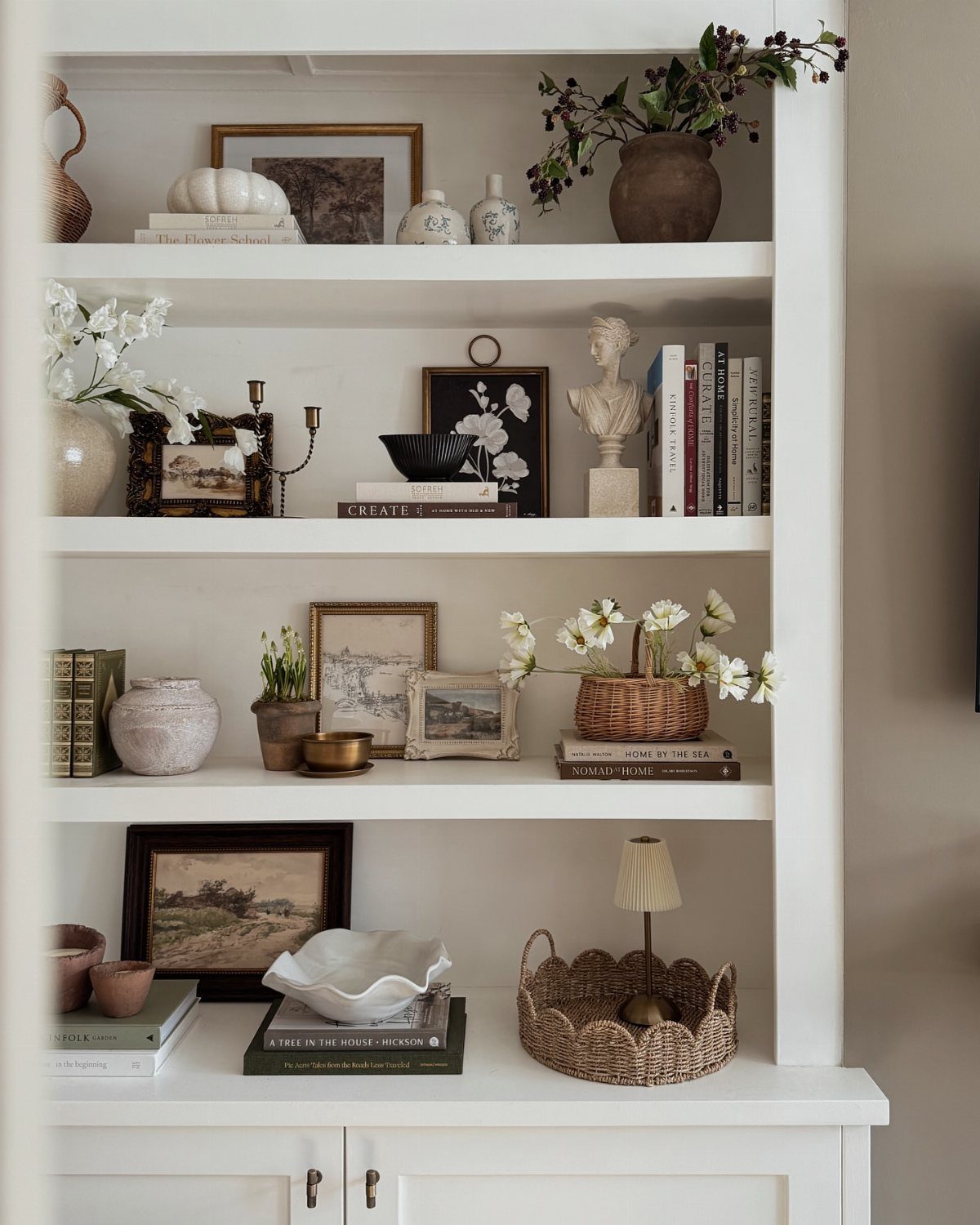
Built-in shelves hold books, art and a few vases, and white paint keeps all of it looking tidy. Closed storage below and open shelves above is a combination I like, because clutter can hide while favorites stay out.
Mix the heights: stack some books flat, stand others upright, and lean framed art against the back. Leave a few gaps so the shelves can breathe.
A small lamp on a shelf adds evening light without taking up floor space.
Considerations for Layout
Start with what the room is for, because that decides the layout before any furniture does. A family room with young kids needs curved-edge furniture and baskets that toys can be thrown into.
A room used mostly for TV wants a large, comfortable sofa. A bar cart and a sofa with a tall back can mark off the entertaining end of the room, so guests settle there and the rest stays quiet.
Leave ample walkways so people can cross the room without squeezing past knees.
Larger rooms can handle a U-shaped or L-shaped arrangement. One sofa and two accent chairs make an easier layout in tight quarters, because you can walk around everything without turning sideways.
Importance of Lighting
Lighting fails a room more often than furniture does, and the fix is to use several sources instead of one.
Overhead light can come from a pendant, a chandelier or spotlights. Put table lamps and floor lamps beside the seats where you read, then run an LED strip along a niche or beam to pick out the detail.
Mixing lamp heights pulls the eye up and down, and spreading two or three lamps around the room keeps the light even.
The lamps can differ in style as long as they share a color, so avoid buying a matching pair of everything.
Put dimmable bulbs or a dimmer switch on the main fixtures, so you can adjust the mood for a movie night or a dinner.
With enough lamps, you can turn the overhead light off at night and the room feels calmer.
Choosing Furniture Wisely
Match the furniture to how the room is used before you think about style. A TV room needs a large, comfortable sofa.
A room with small kids does better with curved edges. A dual-purpose room may need a high-backed sofa to mark off the entertaining area.
People usually see the sofa before anything else, so pick its style on purpose. A deep, plush sectional is built for sprawling out, but a sleek mid-century frame with slim legs looks tidier and more finished.
In a compact living room, a loveseat or a narrow armless settee fits better than a full-size sofa and leaves floor space open. They keep the seating you need and leave space to walk around.
If your living room is cramped, there’s still no reason to sacrifice style. With a focus on creativity and well-curated furnishings, you can design a space that truly speaks to your design aesthetic.