
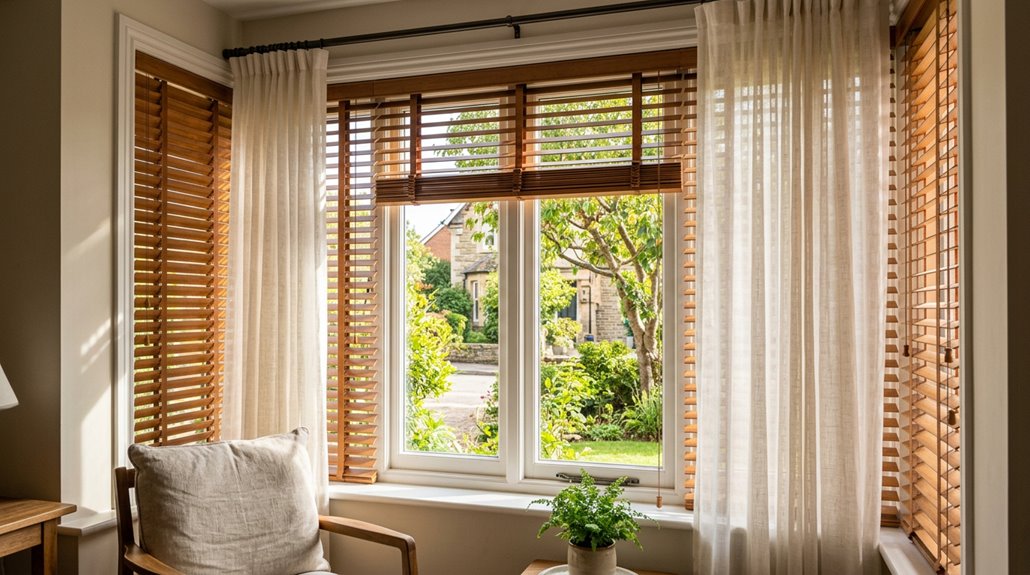
You don’t *need* both, but layering blinds with curtains gives you the most control. I started with just blinds in my living room, and it always felt bare, like something was missing. Now, I install blinds first (they handle the light and privacy basics), then add curtains for warmth and texture. It’s easier than you think, and the finished look feels intentional.
For small spaces like a kitchen or entryway, blinds alone work fine. For bedrooms and living rooms, the combination provides superior light control, privacy, and aesthetic appeal.
Do You Need Blinds, Curtains, or Both? (Decision Framework)
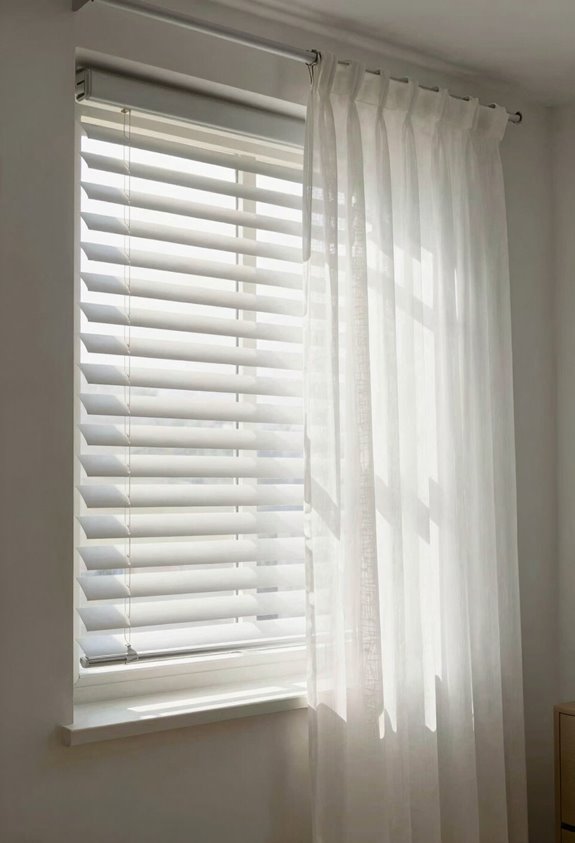
When standing in front of a bare window, the first question is: what do I actually need this space to do for me. This decision framework addresses that question.
Here’s how to break it down:
Start with your window size, consider your room’s personality, and don’t overlook the power of layering.
- Start with your window size. For standard or small windows, blinds provide a clean, minimalist look in tight spaces. When dealing with wide openings over 72 inches, curtains work better, specifically drapery on a track system, because they’re easier to operate and create visual impact.
- Consider your room’s personality. Blinds work well in moisture-prone spots like kitchens or bathrooms since they’re simpler to wipe down. Curtains add warmth and texture to spaces where coziness matters.
- Don’t overlook layering. Combining blinds with curtains offers practical benefits. Sheer curtains provide daytime privacy while blackout drapery blocks light when needed.
What Blinds Do Best vs. What Curtains Do Best
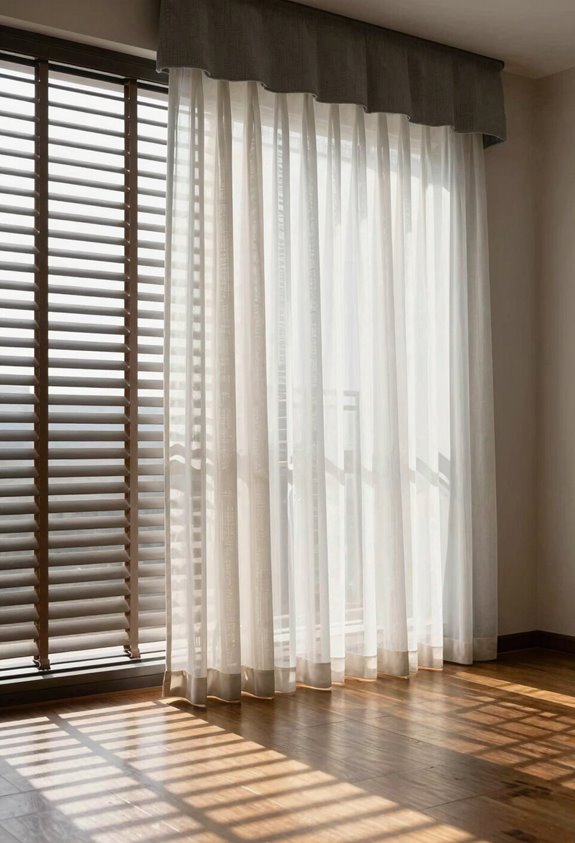
How do you decide which one actually wins for your specific window? It comes down to what you actually need that window to do for you.
Blinds excel at light control. You can tilt, raise, or lower them throughout the day, getting exactly the brightness you want without commitment. They’re slim, clean, and perfect for tight spots like bathrooms or kitchens where moisture fights fabric every time.
Curtains provide superior insulation. Heavy drapes block winter drafts or summer heat effectively. Blackout panels turn bright bedrooms into caves, and that thermal layer reduces energy bills.
Layering window treatments gives you both benefits. Start with blinds for precision control, then add curtains for insulation and coziness. You get flexibility, efficiency, and a finished look that feels intentional and complete.
When to Use Blinds and Curtains Together
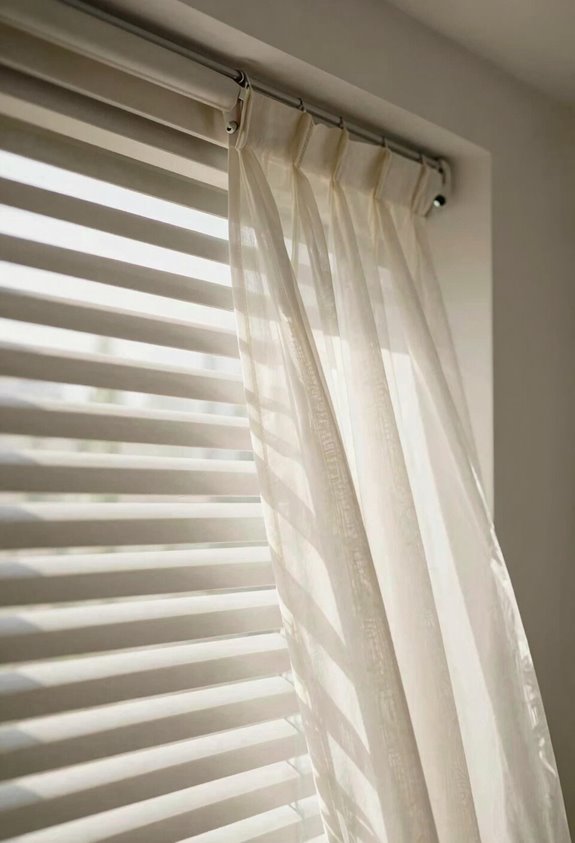
Why combine blinds and curtains? Layering them provides flexible light control and privacy while blending sleek function with cozy warmth.
Layering blinds and curtains gives you flexible light control, privacy, and the perfect blend of sleek function with cozy warmth.
Here’s how to do it:
- Start with blinds to establish your base color and style.
- Add curtains for texture, fullness, and extra options.
This combination works best in large or formal spaces, like a living room or dining room, where blinds alone feel too bare. For maximum darkness, pair blackout curtains with heavy-duty blinds. The insulation boost is an added benefit. Skipping this layered approach often leads to regret; the layered look delivers superior results every time.
Rooms That Work With Blinds Alone

Kitchens and utility spaces work well with blinds alone, especially when dealing with steam, splashes, and daily wear. Fabric curtains near a stove deteriorate quickly from heat and moisture exposure. These rooms benefit from moisture-resistant materials like faux-wood or aluminum, which wipe clean and resist warping when humidity increases. For minimalist modern interiors, blinds alone provide a sleek, uncluttered aesthetic without competing layers that disrupt clean lines and open sightlines.
Kitchen and Utility Spaces
Where exactly should you start when outfitting the room where you chop onions and wash soccer jerseys? Start with blinds.
Kitchens and utility spaces demand moisture resistance and easy cleaning. Fabric curtains fail in these environments. Grease, steam, and splatters damage linen panels near stoves repeatedly.
What actually works:
- Faux wood blinds, they handle humidity effectively
- Metal blinds, temperature changes won’t warp them
- Full wipe-clean surfaces, no fabric to trap cooking odors
Blinds provide practical light control and privacy without the damp, musty problems curtains bring. Sheers should be avoided entirely in these spaces.
Keeping your kitchen fresh requires choosing materials built for real-world conditions rather than decorative ideals. The durability and cleanability of blinds in moisture-prone areas will reduce maintenance and extend the life of your window treatments.
Minimalist Modern Interiors
Strip down your window treatments and you’ll discover how much visual clutter you’ve been living with. This change is worth the effort.
In minimalist modern interiors, blinds alone create that clean, linear look. Here’s why they work:
- Roller or aluminum shades give you strong light control without the bulk
- Electric or cordless operation keeps things sleek and cord-free
- Large windows stay streamlined, not swamped
I typically skip fabric-heavy options, but I’ll layer with light filtering sheers if I need softness. For bedrooms, I’ll add linen blackout blinds behind standard shades. Function comes first. Minimalist curtains can work as deliberate texture accents, though they’re rarely necessary. The uncluttered aesthetic delivers practical results.
Rooms That Need Curtains
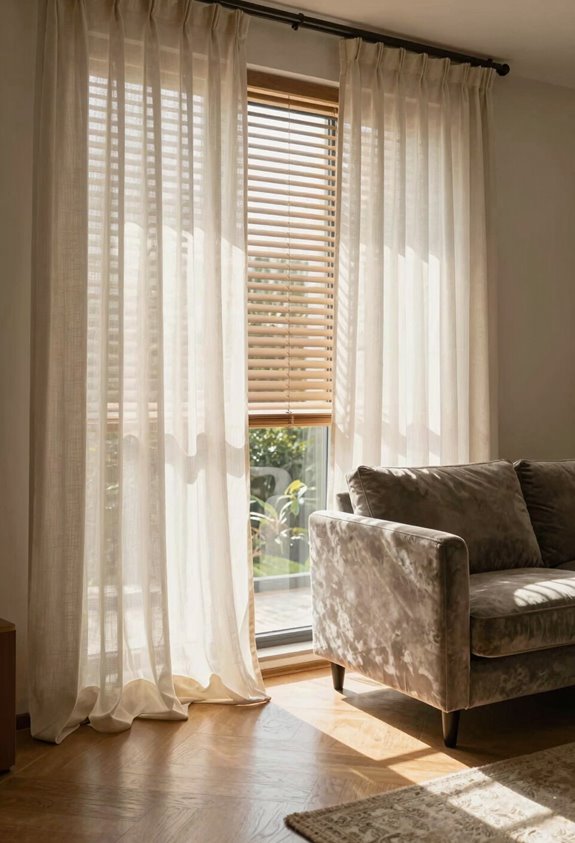
Where curtains truly shine:
- Living rooms — linen curtains provide warmth, texture, and an elegant, pulled-together feel.
- Bedrooms — blackout drapery delivers deep privacy and strong light control.
The practical exceptions:
- Kitchens, back doors — skip curtains; moisture and grease make blinds or shades the most practical option.
- Small spaces — shades preserve square footage.
Layered treatments for tricky rooms:
Sheer curtains plus blackout drapes let you adjust privacy and light control throughout the day. This combination works well in offices, entryways, and children’s rooms, providing flexible light and privacy management.
Which rooms are you tackling first?
Matching Blinds and Curtains to Your Style
Now that you’ve got a handle on which rooms need what, let’s talk about making these treatments actually look like they belong in your home.
I have unfortunately done this several times: picking blinds and curtains that fight each other instead of working together. Getting this right will improve your space.
Here’s how I match them to my style:
- Start with your vibe. Modern? I pair roller blinds with solid curtains. Cozy? I grab linen drapery with soft patterns.
- Build layered treatments. I love light filtering sheers over blackout blinds. This combination is flexible, visually appealing, and easier than you think.
- Match the mood. Heavy drapes feel formal. Light linen keeps things casual and airy.
The easiest way is to let your blinds handle the clean lines and let your curtains bring the warmth. This approach makes every room feel cohesive.
Light Control: When Blinds Aren’t Enough
How much light keeps sneaking through your blinds when you’re trying to sleep? I’ve been there, lying awake at 6 AM because my “room darkening” shades failed to block the light. Most blinds, even expensive ones, leave gaps that disrupt your rest.
Layering solves this problem. I pair my blinds with blackout curtains, and suddenly I control every ray. The blackout lining quality directly affects results. A dense lining creates pitch black conditions instead of just reducing light.
| Problem | Quick Fix | My Go-To Combo |
|---|---|---|
| Side light leaks | Mount curtains wider | Blinds + blackout panels |
| Morning glare | Add sheer layer | Sheers under drapes |
| Streetlights | Check lining density | Double-lined curtains |
| Shift work sleep | Eliminate all gaps | Layering with Velcro sides |
| Flexible needs | Adjust throughout day | Blinds plus tie-back drapes |
Light control requires understanding which gaps remain after a single window treatment. One layer typically allows unwanted light to enter. Strategic layering blocks light leaks at all angles.
Small Rooms vs. Large Windows: What Fits
Matching your window treatment to your room size requires careful consideration. For space-saving solutions in compact areas, sleek shades that hug the frame tight work best, as bulky curtains can overwhelm small bedrooms. When facing grand window options in a bright, open living room, wide drapery panels, often 70 to 100 inches, bring fullness and warmth that make the space feel finished rather than bare.
Space-Saving Solutions
Often, the trickiest part of choosing window treatments isn’t picking the color; it’s figuring out what won’t swallow your room whole. In tight spaces, shades beat curtains every time.
Go-to breakdown for space-saving wins:
- Cordless roller shades—clean, minimal, zero bulk
- Honeycomb cellular shades—insulating and slim (like a kitchen, entryway, or child’s room)
- Skip heavy drapes that eat 6 inches of precious interior space
Curtains in small rooms visually shrink everything.
For large windows, you need more. Blinds alone struggle with wide spans and weight, so pair sheer curtains with blackout shades for soft daytime privacy without sacrificing scale. Track-mounted drapery adds the fullness you’re craving, and motorization makes operating wide spans easier and more convenient.
Grand Window Options
Choosing window treatments for your space means knowing your room’s size before you fall in love with a style that fights it. I have unfortunately done this several times, and avoiding this mistake is essential.
For small rooms, blinds work best. They’re sleek, save precious space, and operate smoothly without crowding your walls. Curtains can overwhelm unless you use narrow tracks or light, sheer layers.
Large windows are where curtains truly shine. I add drapery (70–100 inches wide) for warmth and luxury, with minimal price jumps between styles. At 100+ inches, motorized track systems are easier than wrestling cordless blinds.
Layering is effective for large windows: sheer curtains plus blackout panels give you control without sacrificing style. Panel tracks work beautifully for sliding doors too.
Energy, Noise, and UV: How Your Windows Block It
Why does a window always feel like the coldest spot in the room, even when the heat’s cranked up? I’ve battled that draft myself, and this is what I’ve learned about keeping your space cozy.
Layering transforms how your windows perform. I pair sheer curtains with blackout panels, like in a kitchen, entryway, or child’s room setup, and the difference in insulation is immediate. Heavy drapery with proper lining blocks drafts far better than blinds alone, which prove disappointingly thin against winter chill.
For UV protection, thicker fabrics matter. Velvet or wool with blackout lining protects your floors and furniture from fading. I’ve unfortunately done this several times. I skimped on lining and watched my rug bleach. This investment is worth making.
Here’s what proper window treatment gives your home:
- A sanctuary from street noise that lets you finally relax.
- A sense of belonging in a space that feels intentionally yours, not exposed.
- Visible comfort in your rooms that guests will notice.
Install Blinds First, Then Curtains (Here’s Why)
Blinds should be installed first, then curtains layered on top. Starting with blinds locks in the base color, style, and light control needed for the space. Curtains then add warmth, texture, and a finished designer look.
Installing in the reverse order creates unnecessary complications. Getting that foundational layer right first makes the entire project smoother and prevents the need to readjust later.
Install Blinds First
Where should you actually begin when layering window treatments? I always start with blinds-first, and this approach is worth it.
When I installed blinds before curtains in my living room, kitchen, entryway or child’s room, I discovered three emotional rewards:
- Confidence – You finally feel like your space has direction, not chaos.
- Relief – No more second-guessing if colors clash; your base is set.
- Pride – Watching neighbors admire your intentional, pulled-together look.
Blinds establish your light control foundation immediately. I have done this several times in reverse, and it’s harder than you think. Starting minimal lets you test privacy needs, then layer fabric for warmth. Track-mounted options align cleanly, especially cordless styles. This approach also simplifies budgeting since blinds cost less upfront, so you’re not overwhelmed.
Layer Design Benefits
The real magic happens when you start adding curtains over those blinds, and this layering sequence matters significantly.
Installing blinds first establishes your base color and style, which makes choosing curtains feel manageable instead of overwhelming. The blinds give you that clean, minimalist foundation, and then you can layer in warmth and texture without clashing.
This approach offers several advantages:
- Flexible light control: blinds handle daily privacy, curtains add blackout when you need it
- Track-mounted curtains pair smoothly with blinds, especially with motorization
I have done this several times backwards, and this sequence is worth following. Choose tall, broad curtains after your blinds are up, like in a kitchen, entryway, or child’s room. This creates visual balance throughout your space.
Practical Installation Order
Why do I always end up preaching about installation order? Because I have unfortunately done this several times, and getting it wrong means drilling twice, patching holes, and feeling like an amateur. The easiest way to avoid that headache is to follow this order.
- Anchor your foundation. Blinds establish your base color, privacy, and light control, so you know exactly what fabric warmth you’re layering on top.
- Measure with confidence. Your blind stack (like in a kitchen, entryway or child’s room) determines where curtain tracks go, preventing slat interference.
- Build belonging through beauty. Proper installation order creates that cohesive, intentional look that makes guests ask, “Did you hire a designer?”
This approach is worth the effort. Nailing the installation order means your layering feels effortless, not accidental.
What Layered Treatments Cost and How to Maintain Them
How much should you realistically budget when you’re layering blinds with curtains? Layered window treatments cost more upfront, but the investment pays off. Blinds keep things affordable, while custom drapery and motorized tracks add to the expense. Track systems, especially motorized ones, operate smoother than old rod-and-ring setups for kitchens, entryways, and children’s rooms.
Layering blinds with curtains costs more upfront, but the investment pays off with style, insulation, and flexible light control.
For maintenance:
- Dust blinds weekly with a microfiber cloth.
- Vacuum curtains monthly using a low-suction attachment.
- Spot-clean fabrics promptly to prevent staining.
When you’re prioritizing insulation, thick drapery with blackout lining outperforms blinds for blocking drafts. Large windows benefit from full drapery; compact spaces work better with slim blinds. Layering provides flexible light control and requires minimal maintenance compared to single-treatment options.