Bathtubs aren’t disappearing, but they’re definitely shrinking to make room for smarter, more practical spaces that match how we actually live. Our tub sat unused for months while we rushed through showers. Walk-in showers solve real problems: easier cleaning, better safety, and more floor space. 2026 trends favor light-filled, spa-inspired designs. You’ll want to keep at least one tub if you’ve got kids or plan to sell to families, but luxury buyers often prefer a sleek shower. The key is matching your setup to your actual routine, not some outdated idea of what a bathroom should look like. Below you’ll find guidance on how to decide what’s right for your space and budget.
Is Your Tub Outdated or Just Underused?
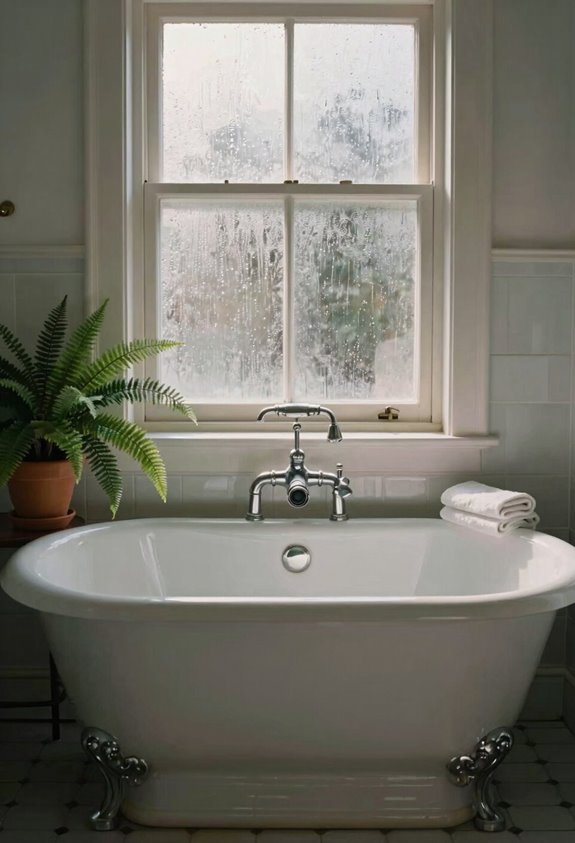
When exactly did you last use your bathtub?
I have unfortunately done this several times: let my tub become a dust-collecting monument to good intentions. Your tub’s not necessarily outdated; it’s probably just underused.
Let’s break down what’s actually happening:
- Daily washing habits changed (like a kitchen, entryway or child’s room, our routines evolve)
- Bathroom trends now favor spa-inspired spaces with natural light
- Walk-in showers solve real problems: easier cleaning, better safety, more floor space
Freestanding tubs still carry nostalgia, especially for kids’ splash time or that edge-seat soak after a difficult day. But if you’re scanning Instagram at 11 PM wondering why your bathroom feels cramped, the trend is clear: versatile, open bathing spaces offer better functionality and aesthetics.
Converting isn’t harder than you think. The easiest way starts with measuring your footprint.
2026 Bathroom Trends: Tubs Shrink, Showers Rise
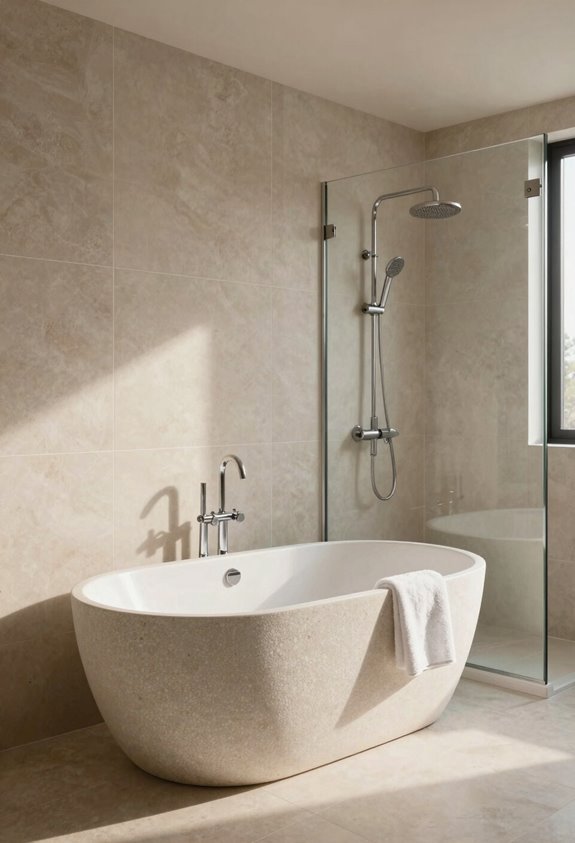
Tubs are shrinking to make room for smarter, space-saving alternatives. Conservatory-style showers, those glass enclosures with metal frames inspired by greenhouse design, represent the premium upgrade for 2026. These installations are easier to plan than many homeowners assume. You’re trading a bulky tub you’ll rarely use for a light-filled, spa-like experience that pairs beautifully with vintage tile, greenery, and brass hardware.
Space-Saving Alternatives
Where exactly do you turn when your bathroom feels more like a closet than a retreat? This space-saving solution is straightforward to implement.
The glass shower works well for cramped bathrooms for these reasons:
- Vertical configurations free up precious floor space
- Floor-to-ceiling glass partitions create openness without sacrificing privacy
- Hybrid enclosures offer flexibility for awkward layouts
Swapping that bulky tub for a streamlined shower transforms your daily routine. The spa-inspired design approach puts your shower front and center, making it the highlight rather than an afterthought. Your bathroom will feel larger, and you’ll gain functional space you didn’t know was possible.
Glass Conservatory Showers
Why settle for a basic shower when you could step into something that feels like your own private greenhouse?
Glass conservatory showers are gaining popularity in bathroom design. These stunning glass enclosures with metal frames transform your bathroom into a spa-worthy retreat, much like showering inside a sunlit greenhouse.
Here’s what you need to know:
- Go full-height if you’ve got space. Floor-to-ceiling glass gives that true standalone room feel, and it’s easier than you think to plan.
- Work with smaller layouts. Can’t go full conservatory? Hybrid enclosures blend charm with practicality, similar to a kitchen nook instead of a full dining room.
- Mix vintage vibes. White or black framing pairs beautifully with retro tile. This combination creates a cohesive aesthetic.
Glass conservatory showers are expected to be a significant design trend in 2026.
What Is a Conservatory-Style Shower: and Should You Want One?
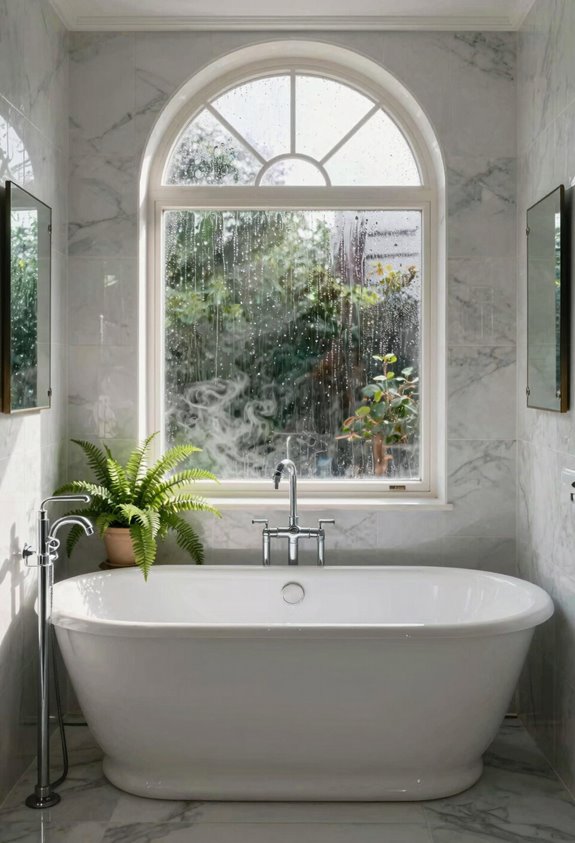
Maybe you’ve never heard the term “conservatory-style shower” before, but you’ve likely seen one without realizing it had a name. This design offers something special beyond basic functionality.
A conservatory-style shower brings 19th-century greenhouse aesthetics into your bathroom. It features a floor-to-ceiling glass enclosure, black or white framing, and a spa-inspired design that mimics bathing in a garden pavilion.
A glass-enclosed sanctuary that bathes you in light, evoking the romance of a 19th-century garden pavilion.
What makes it work:
- The glass walls — full height, room-defining, with solid lower panels for privacy
- The standalone structure — a permanent alternative to curtains
- The vintage vibe — brass hardware and plants deliver old-school charm
Creating that luxurious, light-filled escape requires straightforward design choices.
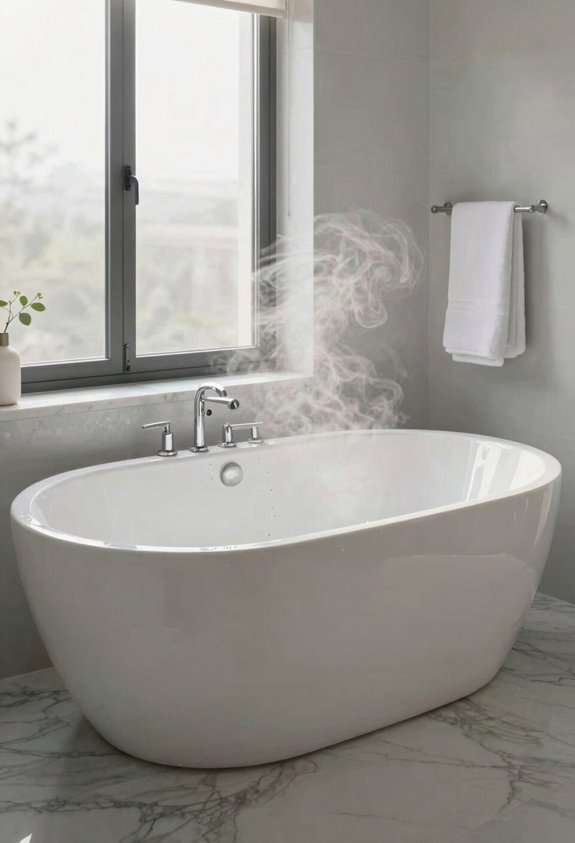
Freestanding vs. Built-In Tubs: Which Suits Your Space?
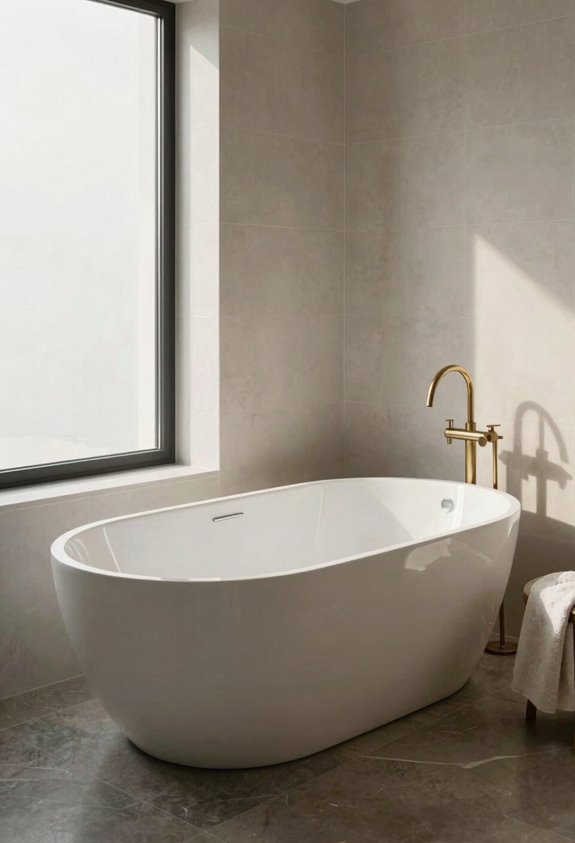
Space Efficiency Comparison
- Built-in tubs hug your walls, using cabinets and ledges for storage. This approach works well for tight layouts.
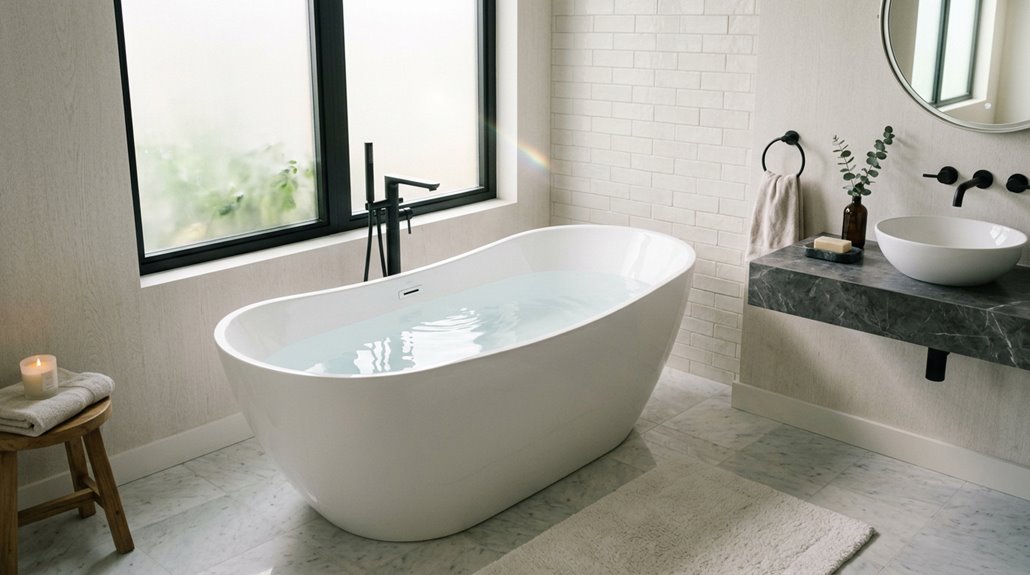
- Freestanding tubs need extra floor space around them, like a kitchen island, though they can trick your eye into seeing a bigger room.
Aesthetic Versatility Factors
- Built-ins blend with your vanity and tile for a seamless, calm look. Mismatching finishes creates visual inconsistency you’ll want to avoid.
- Freestanding units act as sculpture, giving you that spa vibe. Hybrid options, such as drop-ins with fancy aprons, split the difference without the plumbing complications.
Space Efficiency Comparison
When you’re staring at cramped blueprints or a tiny bathroom that feels more like a closet, space efficiency decisions made early prevent years of inconvenience. Every square inch counts in compact layouts.
Here’s what maximizes your layout:
- Built-in tubs tuck against walls, working with existing plumbing and shrinking your footprint dramatically (like fitting a dresser in a corner instead of the room’s center).
- Freestanding tubs demand open floor area all around, making them impractical for compact spaces.
- Hybrid options split the difference. Deck-mounted styles give you that airy feel without consuming precious room.
Built-in tubs are the practical choice for tight spots, while freestanding tubs work when you have space to spare.
Aesthetic Versatility Factors
How do you want your bathroom to feel when you walk in? Consider this before every remodel.
- Start with your layout:
- Open floor plan? Freestanding tubs create that sculptural centerpiece you’re looking for.
- Tight quarters? Built-in tubs hug walls, saving precious space.
- Match your vibe:
- Modern, spa-like retreat: freestanding tubs deliver pure aesthetic versatility.
- Traditional charm: built-in tubs blend with vintage tile seamlessly.
Freestanding tubs require solid floor support and accessible plumbing, which can become costly if you’re unprepared. Built-ins simplify cleaning with integrated surrounds and are easier on your budget.
Measure twice, dream once. Choose a bathroom layout that fits your actual space and lifestyle rather than your design inspiration board.
Are Jacuzzi Tubs Worth the Money for Home Hydrotherapy?
Why exactly are we shelling out thousands for a tub with jets when a regular bathtub gets us clean? I’ve asked myself this, too, before discovering what Jacuzzi tubs actually deliver.
Hydrotherapy isn’t just a buzzword. It’s the difference between sitting in hot water and getting real muscle relief at home. When you feel the jets hit your shoulders after a long day, the investment becomes clear.
Here’s what makes Jacuzzi tubs stand out:
- Multiple therapy modes — Heated Soak, Whirlpool, and Pure Air target exactly where you hurt
- Serious durability — That silver ion-infused acrylic fights mold and cleans easier than standard tubs
- Speedy installation — One day, and you’re soaking; many kitchen projects drag on for weeks
The limited lifetime warranty provides long-term protection for your investment.
Bathing With Kids: Tub Types That Make Life Easier
Jacuzzi tubs might feel like a personal luxury, but once kids enter the picture, your priorities shift fast. Bathroom design isn’t just about looks; it’s about surviving bathtime without throwing out your back.
What actually works for family-friendly tubs:
- Built-in or alcove styles beat freestanding options for accessibility. You can kneel beside your kids, reach the shampoo, and not worry about them slipping off a curved edge.
- Edge seating is worthwhile. Washing hair becomes easier when your child isn’t sliding around.
- Skip the oversized soakers. Regular-sized, versatile models (like a standard 60-inch tub) handle splashing toddlers and growing kids without dominating your space.
Walk-in tubs work for multi-generational homes, but standard soaking tubs remain the practical choice for most parents.
Tub Replacement vs. Shower Upgrade: Cost Breakdown
When you’re staring at a dated tub and dreaming of a sleek shower instead, the first question that hits is always the same: what’ll this actually cost me? This is worth understanding, as several variables significantly impact your final expense.
Your bathroom design hinges on three main factors:
Three factors shape your bathroom design: space requirements, enclosure type, and finish selections.
- Space needs — Floor-to-ceiling glass enclosures require more room and custom work, which drives up your installation cost fast.
- Enclosure type — Hybrid options, like a kitchen or entryway adaptation, give you that open, airy feel without the premium price tag.
- Finishes — Pairing brass hardware or gloss tile with your new shower elevates cost but creates cohesion that’s easier than you think to achieve.
Spa-like durability delivers measurable long-term value in either option you select.
Will Removing Your Tub Hurt Your Home’s Resale Price?
Your home’s resale value depends on more than just square footage, and this becomes clear after renovating multiple bathrooms. When you’re weighing a bathroom renovation, the tub-to-shower conversion question requires careful consideration based on your market.
| Market Type | Tub Removal Impact | Best Approach |
|---|---|---|
| Family-oriented buyers | May reduce resale value | Keep at least one tub in home |
| Luxury/empty-nester buyers | Can boost resale value | Install spa-like walk-in shower |
| Small homes, tight spaces | Often increases value | Prioritize usable square footage |
Modern buyers prioritize usability and safety, including grab bars and non-slip surfaces, over tub abundance. Maintaining a freestanding tub elsewhere, or choosing a hybrid enclosure, protects your resale value while delivering the open, luxurious feel you want.