Backyard wood fences run from split rail at roughly one-third the lumber of a board fence to solid black horizontal slats that erase grain entirely, and the deciding factor is whether you need to contain a dog and toddler or simply mark a boundary the wind can pass through.
Cedar privacy fences hold natural oils that fight moisture and rot without any pressure treatment, while open rail styles let snow and pine needles drift on through instead of stacking up against the boards.
Choose based on what your yard actually does, not how you want it to look from the curb.
1. Cedar Privacy Fence
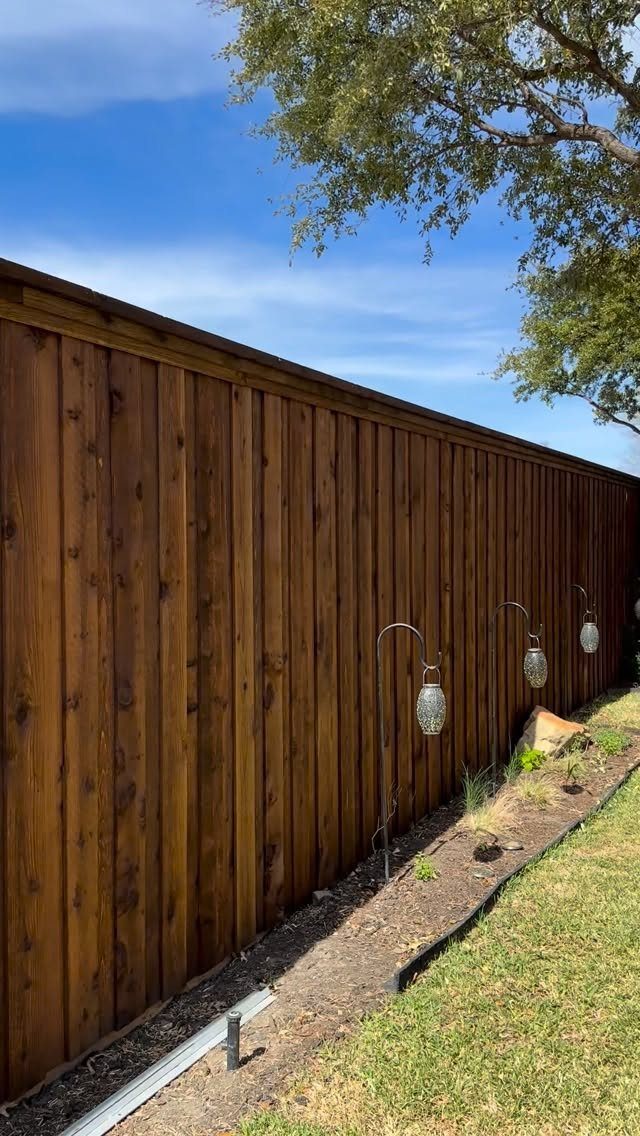
Western red cedar carries natural oils that resist moisture, decay and insect damage without pressure treatment.
That built-in protection means less shrinkage, cupping or warping over years of sun and rain than most softwoods. The pickets take stain evenly, so you can run anything from a warm natural tone to near-black if your house leans modern.
Height and picket width are both open choices; most yards I see run tall for backyard privacy, though going higher is common where local code allows.
Top accents like lattice or a cap rail add cost but break up the flat line of a long run.
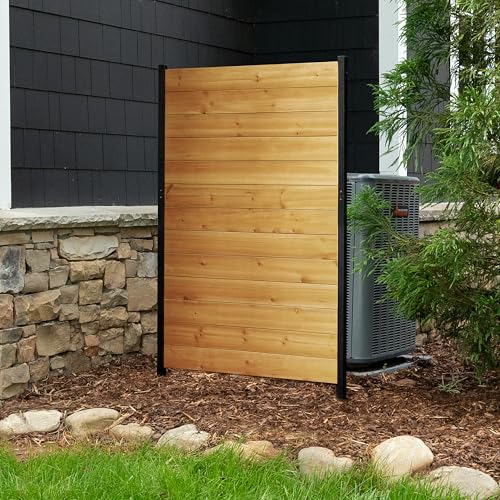
STYLISH NATURAL WOOD: This FSC certified wood screen is made with real wood meaning no two boards have the same grain color, finish, or wood knots differing it from vinyl outdoor privacy fence screen panels.

STYLISH NATURAL WOOD: This FSC certified wood screen is made with real wood meaning no two boards have the same grain color, finish, or wood knots differing it from vinyl outdoor privacy fence screen panels.

STYLISH NATURAL WOOD: This FSC certified wood screen is made with real wood meaning no two boards have the same grain color, finish, or wood knots differing it from vinyl outdoor privacy fence screen panels.
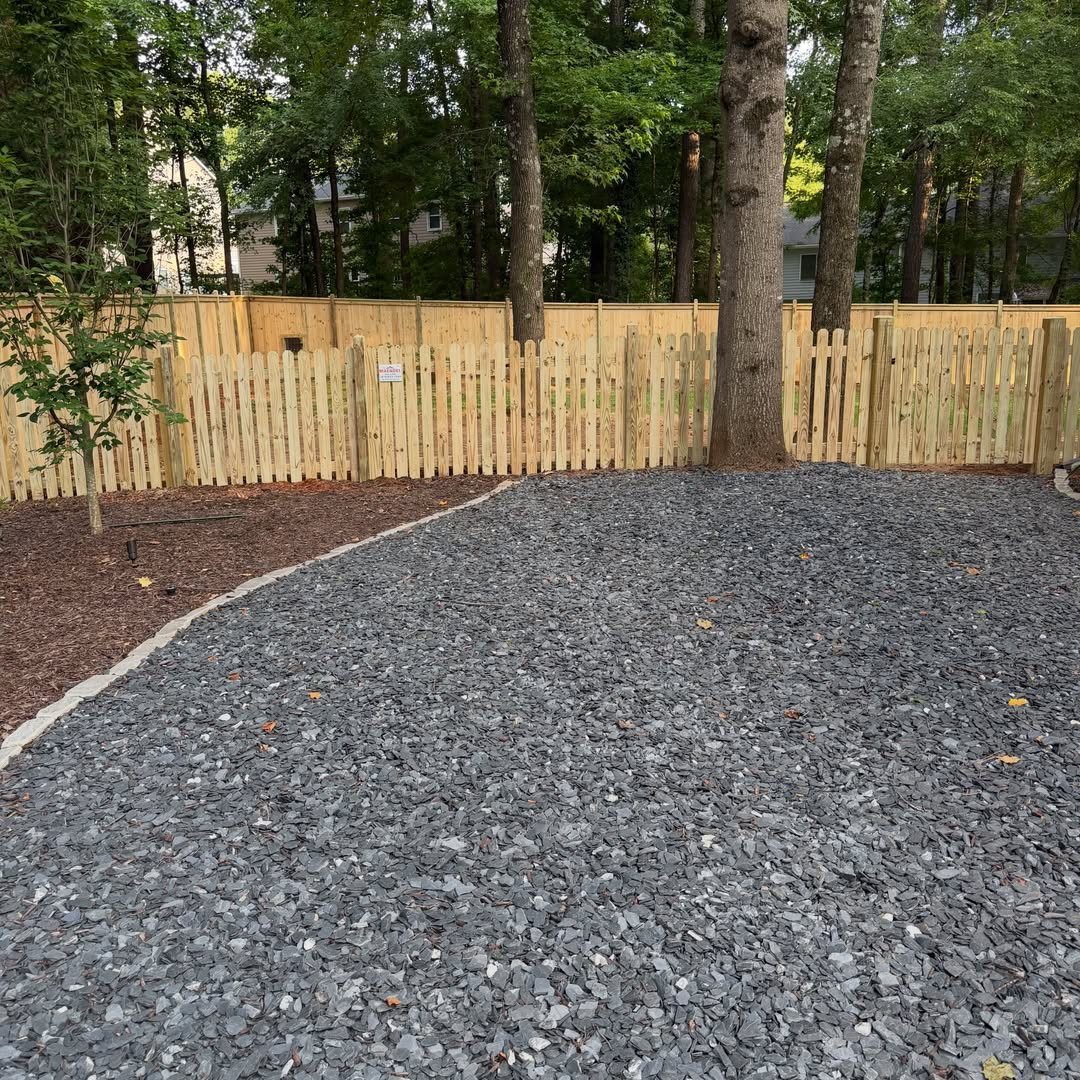
2. Picket Fence
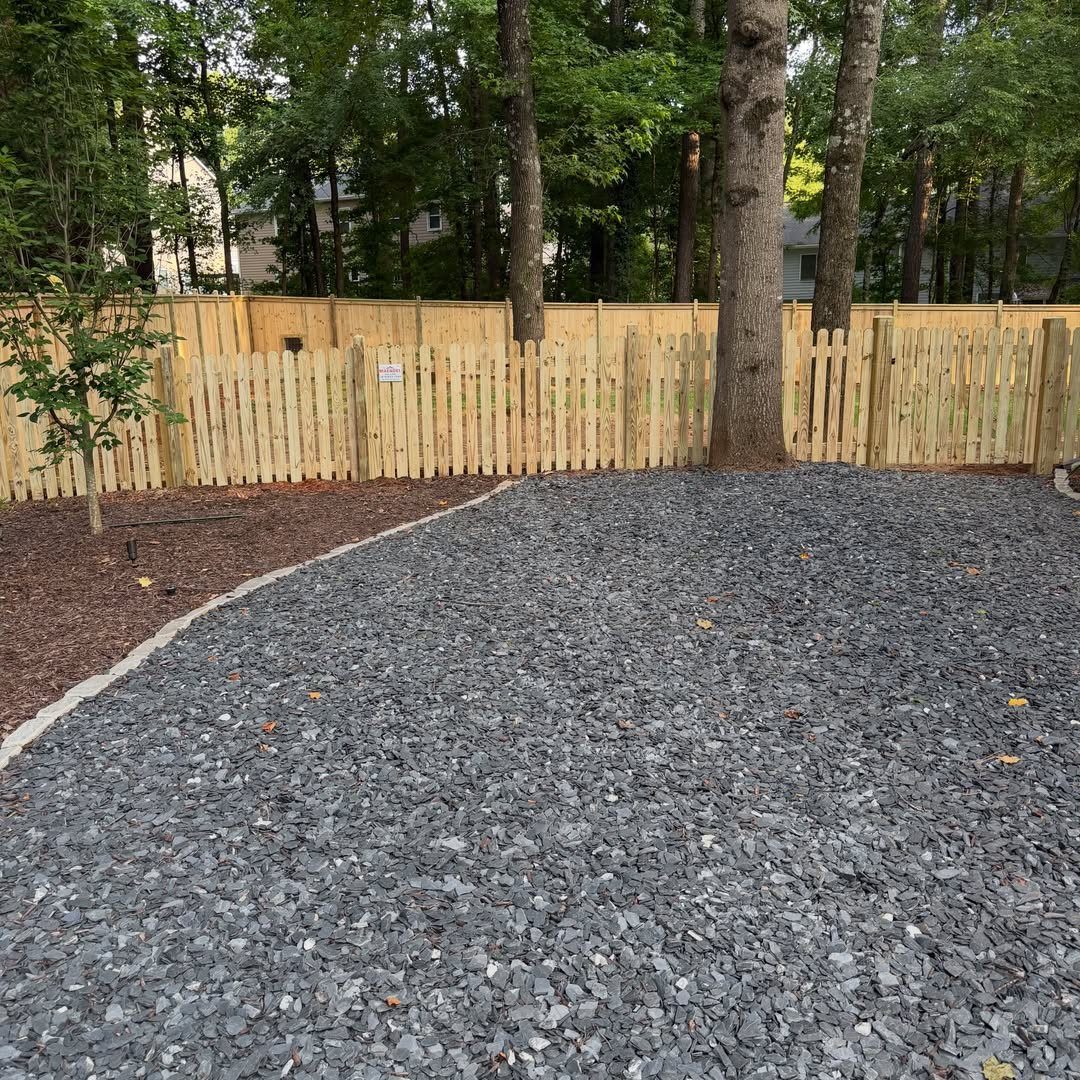
A picket fence frames rather than hides. The spacing between pickets lets light through and keeps the front yard visible from the street, which matters if your house sits close to the sidewalk or you want to show off plantings.
Heights run low enough to step over or tall enough to corral a determined retriever; the style shifts just as much, from squared dog-ear tops to pointed Gothic ones.
A penetrating stain holds up better than paint on thin pickets, but both need a refresh every few years.
For actual containment, pair it with a taller privacy fence in back rather than stretching the picket height past what looks proportional.


90% ultraviolet protection from transoxide pigments virtually eliminates fading due to sunlight

NO LAPS, RUNS OR STREAKS: Goof Proof, oil-based formula now equipped with the powerful Turbo Spray System; ideal for exterior wood projects
3. Horizontal Fence with Wood Posts
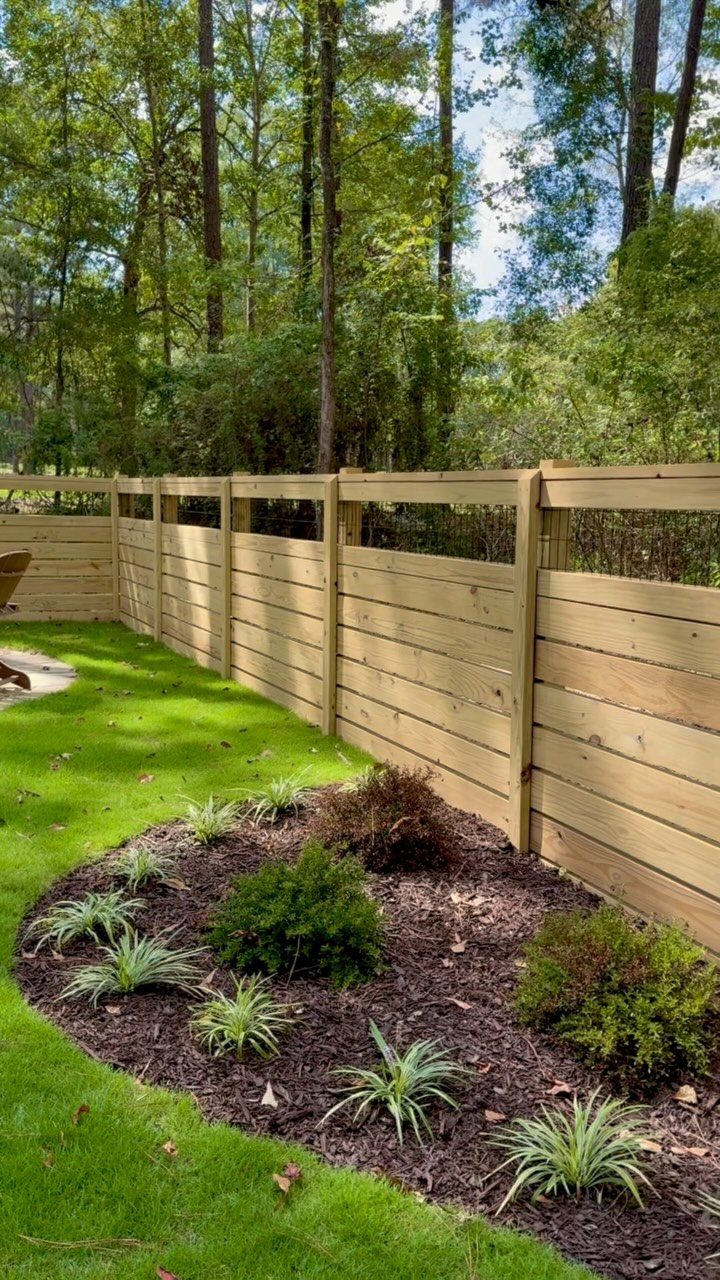
Boards run left to right instead of bottom to top, which reads as modern the instant you see it. Tight placement blocks sightlines completely, and wood posts keep the material palette unified if you are staining both to match.
The horizontal orientation does collect debris on the rail tops, so a slightly pitched cap or annual scraping keeps water from pooling. Wire mesh sections can fill gaps above the solid boards for climbing vines or just airflow.

PET & CHILD SAFE: Create a safe outdoor play area for fur babies and children. Rest assured that this fence will create a sturdy barrier to protect your family.

DIMENSIONS: Each panel measures 32” H x 48” W

4. Split Rail Fence
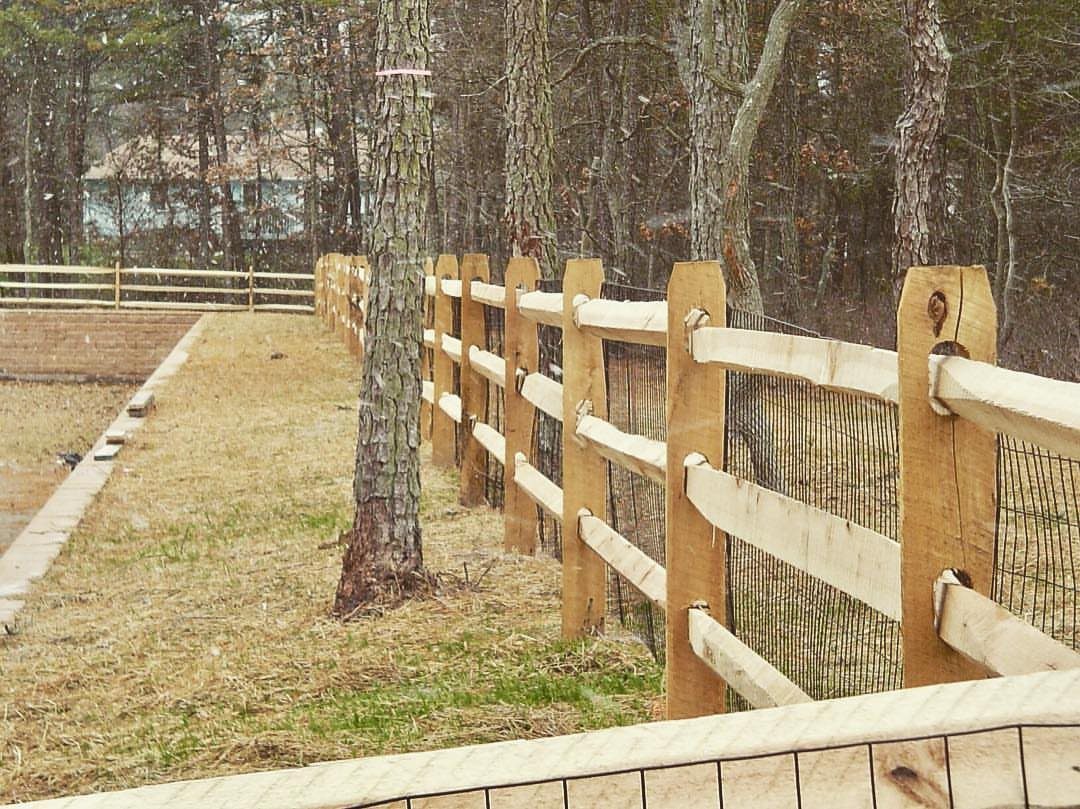
2 rough-hewn rails slot into notched posts, using roughly a third the lumber of a board fence.
That economy scales well; farmers have fenced acreage this way for generations, and the same math works for a homeowner with a large corner lot or a long driveway edge to mark.
The gaps between rails offer no containment for small dogs or determined rabbits, so wire mesh backing solves that without changing the look from the road.
Snow, pine needles and field grass all blow through rather than piling against it, which matters if you are maintaining fence line on a half-acre or more.

Innovative Design: The wooden fence panels posts features a U-channel design—simply attach the brackets to the posts and slide in (3/4" x 5.5") wood planks to lock. Easy DIY installation and plank replacement, even for one person, saving time, effort, and labor costs in the short and long term

SOLID CARBON STEEL CONSTRUCTION: Made from heavy-duty carbon steel with a rustproof black powder-coated finish, this privacy screen delivers exceptional durability and weather resistance for long-lasting outdoor use in your yard and garden.

【 Friendly reminder 】: The pillar anchor is inside the pillar. Please refer to the installation video below to take out.
5. Shadowbox Fence
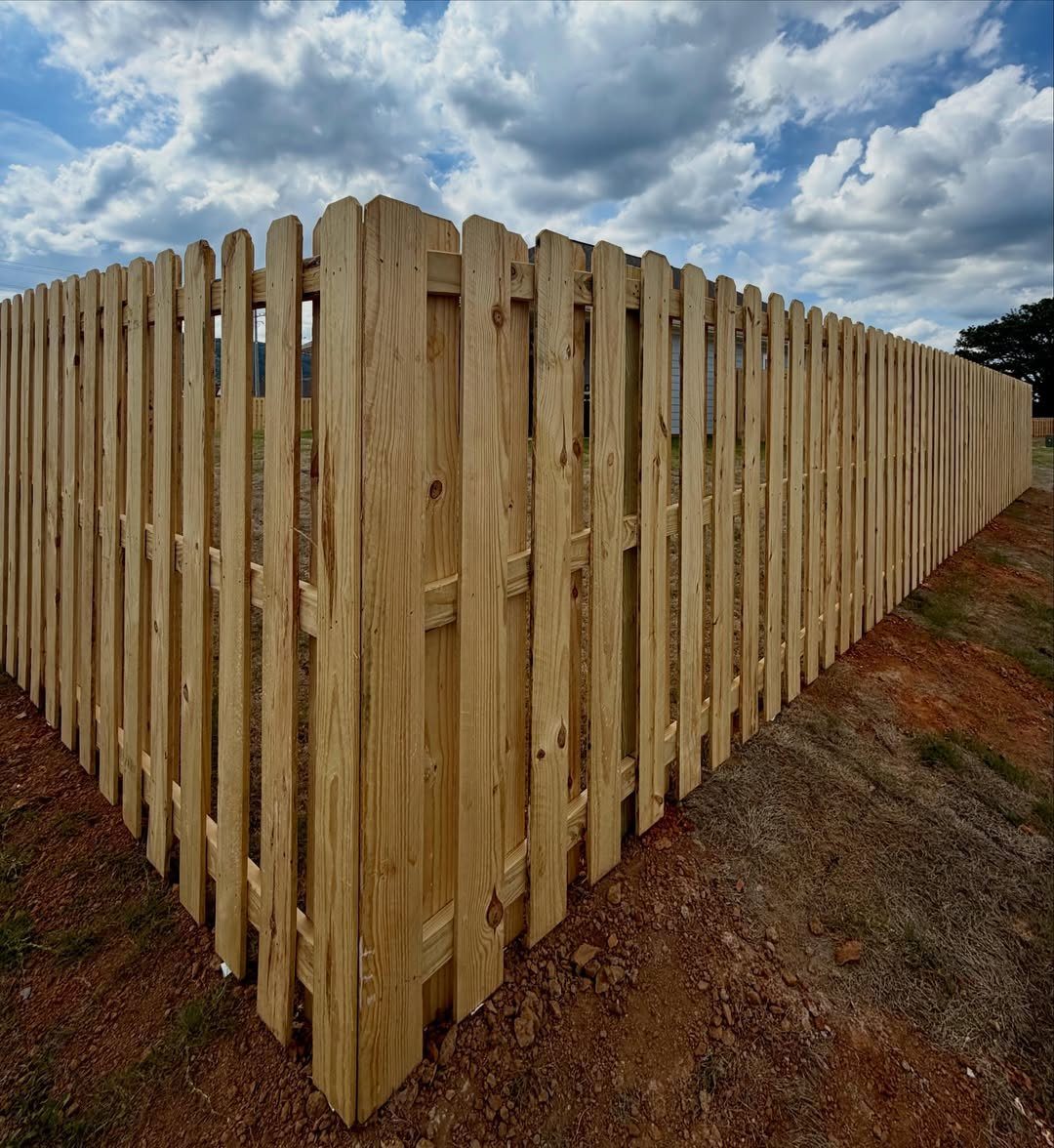
Pickets alternate sides of the rail, so each board casts its shadow on the next. From straight on you see solid coverage; from an angle, light slips through the staggered gaps.
Both sides look finished, which helps if the fence faces a neighbor’s yard or a public path. The partial transparency keeps a front yard from feeling walled off, and the rhythmic light-dark pattern reads as detail rather than bulk.
Stain darkens the contrast; a lighter tone softens it. Over years the boards will shrink and the gaps widen slightly, though never as much as a single-sided fence where all boards face the same direction.

⚡ 220 Pcs Pro-Grade Kit - 10% More staples than average packs , covers 150+ linear feet fence repair. Bulk savings for pros & DIYers.

[𝗛𝗔𝗠𝗠𝗘𝗥-𝗙𝗥𝗘𝗘 𝗜𝗡𝗦𝗧𝗔𝗟𝗟𝗔𝗧𝗜𝗢𝗡]► Easily install or remove the fence post screws with a power drill, no pre-drilling required, you can finish your fence work quickly and they will last a long time on the stakes. The perfect combination of iron parts and screws. 𝑻𝒉𝒓𝒐𝒘 𝒂𝒘𝒂𝒚 𝒕𝒉𝒆 𝒐𝒍𝒅 𝒏𝒂𝒊𝒍𝒔, 𝒖𝒔𝒆 ?𝒕!

【Brand-new design】304 Stainless Steel Fence Alternative to Common Wire Fencing Staples Stop wasting time with traditional wire staples that require hammering and lead to finger-crushing frustration. Through quick drilling, these fasteners deliver safe, simple, and pain-free installation—letting you focus on the task at hand, not the tools. no prepunched holes required, quick installation using an electric drill, reusable fence fasteners. (The included screws can not screw the metal columns)
6. Vertical Board Fence
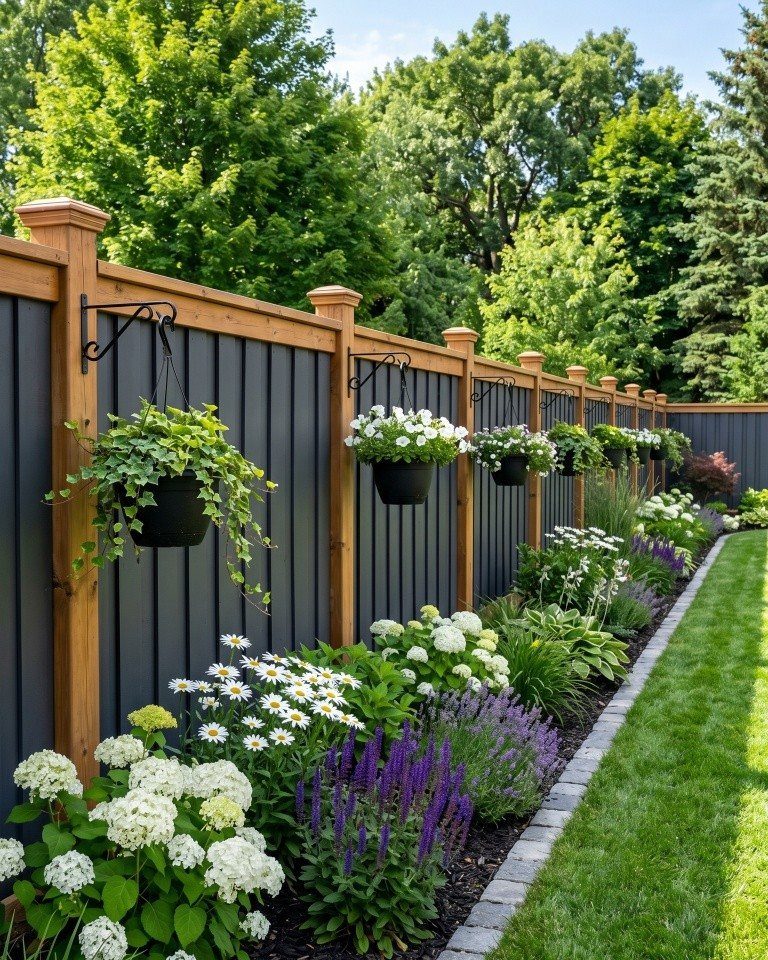
Boards run bottom to top, the way fences have been built for centuries, with minimal spacing that starts tight and loosens slightly as boards season.
The vertical grain sheds water better than horizontal runs, and the traditional profile suits older neighborhoods where a modern fence might read as out of place.
Heights can run high for true seclusion; standard residential limits depend on where you live and what local code allows.
Dark stain on the boards, natural posts, and hanging planters at intervals turn the flat plane into a garden feature rather than just a boundary.
Check local setback rules before building tall; some cities measure from the sidewalk, others from the property line.

STYLISH NATURAL WOOD: This FSC certified wood screen is made with real wood meaning no two boards have the same grain color, finish, or wood knots differing it from vinyl outdoor privacy fence screen panels.

Privacy & Aesthetic Enhancement: This stylish wooden privacy fence effectively conceals outdoor items like AC units, trash bins, and pool equipment while keeping children and pets at a secure distance.

1 SCREEN PURCHASE: You will receive preassembled materials to construct 1 cedar wood outdoor privacy screen in a charcoal finish with your purchase
7. Wood and Wire Mesh Fence
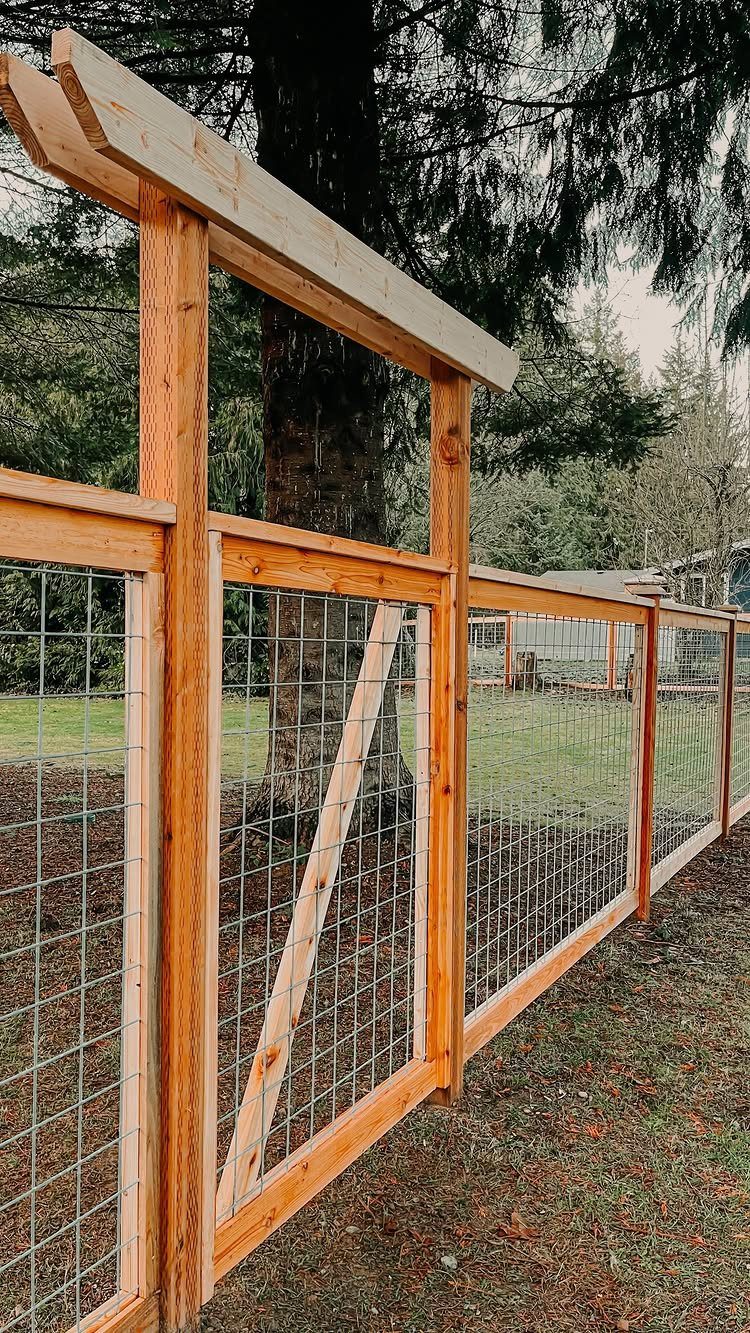
Wood posts and rails frame galvanized wire mesh panels instead of solid boards, so air moves through and you still see the yard beyond it.
That openness keeps a front yard welcoming while the mesh stops a determined beagle or toddler from slipping past.
Pressure-treated pine for the frame resists rot where the metal mesh might corrode over time; stain the wood to match your house or let it silver.
Add an overhead arbor frame at the gate if you want climbing roses or shade coverage down the line, though the open structure stands on its own without it.
For tighter containment, line the lower run with a finer grid that rabbit paws cannot negotiate; the rough look stays the same from the street.

READY-TO-USE DECK STAIN & SEALER: Olympic WaterGuard woodland cedar semi-transparent wood stain and sealant combines color and waterproofing in one water-based, ready-mix coat.


PROTECT WOOD - Cabot Wood Toned Stain + Sealer is specially formulated with a unique blend of resin and oil to provide a superior natural finish for bare wood. It’s a wood protector against the sun and weather elements.
8. Horizontal Wood Fence with Metal Posts
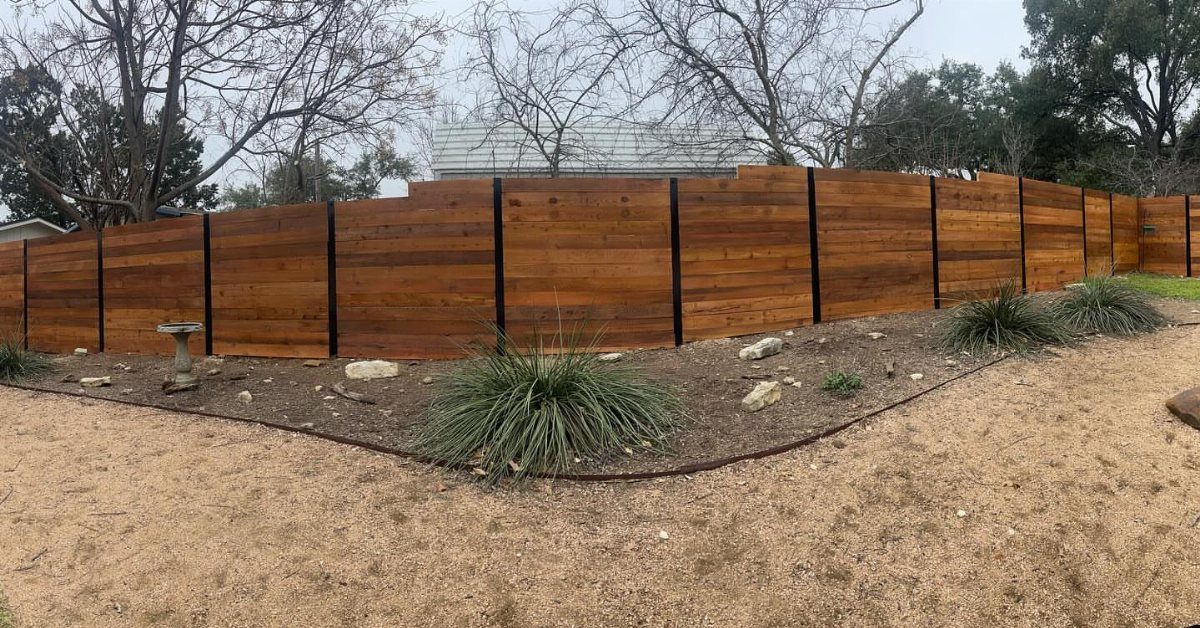
Horizontal boards carried by metal posts split the difference between warm wood grain and the clean line of steel.
The black posts read as shadow gaps at a distance, so the boards seem to float; up close the contrast is deliberate and modern.
Metal posts outlast wood in ground contact and will not twist or check, which matters if your soil stays damp or freezes hard.
A lighter stain on the cedar or pine boards plays the 2 materials against each other; go darker and the posts disappear entirely.
Because the rails run flat, debris settles and water can pool at the joints.
A slight pitch or annual pass with a putty knife keeps the gaps clean and the stain intact. Stepped installation down a slope follows the grade board by board rather than racking the whole panel at once.

DIMENSIONS: Each panel measures 24" W x 24" H. One box comes with 6 total linear feet of white vinyl picket fence for your garden.

【Specifications】 Color: Brown; Materials: varnished fir wood, metal hardware; Quantity: 5 x fence panel; 6 x ground stake; Assembled Dimensions:177.5” L x 21.7” W; Panel dimension: 35.5” L x 11.5” W; Stake dimension: 21.7” H x 1.7” L x 1.7” W

【Package Included】You will receive one mini fairy garden fence. With its realistic shape and excellent workmanship, this wooden fence decoration is an essential accessory for creating a miniature garden.
9. Black Horizontal Wood Slat Fence
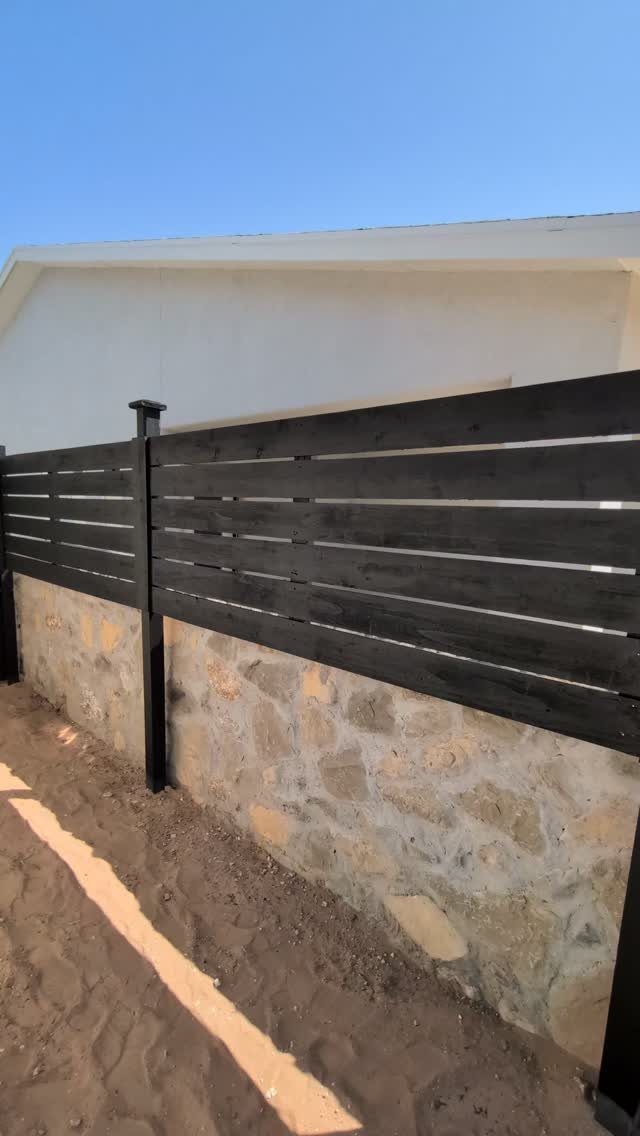
Solid black stain on horizontal slats erases wood grain and turns the fence into a shape and a shadow, which suits a white or stucco house the way a black window frame does.
Slats set tight with almost no visible gap give complete privacy once the boards swell.
Cedar or another stable softwood takes the opaque finish without the blotching you get on cheaper pine; the black will show dust and water spots more readily than a natural tone, so plan on a more frequent refresh.
Build on flat ground and a gravel bed or concrete curb serves the same purpose.

Premium Material🌱 The panels are crafted from wood-plastic composite (WPC) with realistic wood grain texture, while the posts are made of high-strength aluminum alloy. The WPC material resists cracking and requires no maintenance, completely overcoming the drawbacks of natural wood. The aluminum alloy posts offer excellent weather resistance. Together, they create a more durable and premium outdoor solution compared to traditional products.

Privacy Decoration & Animal Separation: Fence panels conceal trash bins, air conditioner units and pool equipment to beautify spaces, while separating pets and wildlife from bins and machinery to avoid mess and injuries

Brown Fence Slat - Designed for a 4' high fence, slats are approximately 44.5" in length to accommodate the bottom locking channel and to prevent the slats from being above the top of the fence. (Available Colors: Beige, Black, Brown, Gray, Green, Redwood, Royal Blue, Sky Blue, White)
Wood Fence Installation Benefits
A wood fence buys you structure that does not shout for attention.
Cedar wood fence boards offer natural dimensional stability that matters if you are running 50 pickets across a backyard; a warped board in the middle of that span is the one you will notice first.
Privacy and property value move together here.
A tall cedar run or a tight horizontal slat wall turns the yard into usable square footage you actually inhabit. The fence itself becomes architecture: black posts against warm boards, or a shadowbox that reads as detail from the sidewalk.
Neither extreme costs the premium of stone or iron for the same linear foot, and both sit better with plantings that soften the edges over time.
Transform your yard into an extension of your living space with a traditional preserved wood fence. A quality fence installed by Long® Fence can dramatically increase both the curb appeal and property value of your home!

Secure & Durable Fencing Staples – Made from heavy-duty galvanized steel, these C-clip fasteners provide a rust-resistant, long-lasting hold for wire mesh panels, ensuring sturdy connections for fences, cages, and enclosures.

WELDED WIRE FENCE ROLL FOR ANIMAL ENCLOSURES AND GARDEN PROTECTION – 2 in. x 3 in. mesh welded wire fence roll designed for animal enclosures, rabbit fencing, chicken runs, garden protection, and property boundaries, providing secure containment while maintaining visibility and airflow.

# 2'' x 4" Opening Square Mesh Weave; With 2 inch by 4 inch mesh, the welded wire is flexible and tight enough to leave out large ground crawling arachnids
Customization Options
Height is the first decision and the most regulated.
Cities set their own maximums for back fences, and the measuring point might be the sidewalk edge or the lot line, not where you think it is, so pull the local code before you buy a post.
Once you know that number, a picket fence can sit ankle-high or shoulder-high for privacy; the same posts take either picket.
Color follows from material choice. Horizontal fences gain a cap and trim piece across the top that protects the board ends from rain and gives a finished line.
Maintenance Considerations
Staining or painting is optional, not required for structural life. Left unfinished, both will silver to gray.
If you do finish, match the maintenance to the look. Black stain on horizontal slats shows dust and water spots readily and needs more frequent refresh than a natural tone.
A horizontal fence wears a cap strip across the top, and that one board does more work than it looks like; it throws rain off the end grain, which is where boards start to drink water first.
Cost-effectiveness
Wood fencing competes on price for large areas.
Split rail burns through timber at about one-third the rate of a board-to-board run, and it still reads as a boundary across a field or down an approach; the math gets better the more ground you have to cover.
For solid privacy, pressure-treated pine costs less upfront than cedar though it may check or twist more in damp or freezing ground.
Long-term cost turns on material quality and installation detail. High-grade lumber that resists waterlogging and breakage shrinks your future maintenance, whether or not you ever stain it.
A wooden frame around wire mesh gives you chain link durability with a face you can live next to, and the wood portions are the customizable part if budget runs tight.
Frequently Asked Questions
What is the best wood for a backyard fence?
Western red cedar holds up longest without help from factory treatments, thanks to natural oils that fight rot and bugs.
Its built-in oils resist moisture, decay, and insects without pressure treatment, and it shrinks and warps less over time than most softwoods.
Cedar also takes stain evenly, which matters if you want a specific color rather than letting it silver to gray.
What is the cheapest option for a backyard fence?
Split rail is the least lumber-hungry style, using about a third of the wood that board fences require, and the savings grow with longer runs.