
Warm oak flooring covers a lot of ground, from the Lorenzo line that gets pinned on repeat to the practical questions of cost, installation, and whether it can handle the dog and the kids.
The right choice depends on whether you need the landlord’s approval or your own floor to stand up to wet boots and piano casters.
The numbers that matter shift depending on which section you’re in: cost per square foot, Janka hardness for the high-traffic areas, or the wear layer thickness that determines if you’ll be refinishing or replacing.
1. Lorenzo Warm Oak
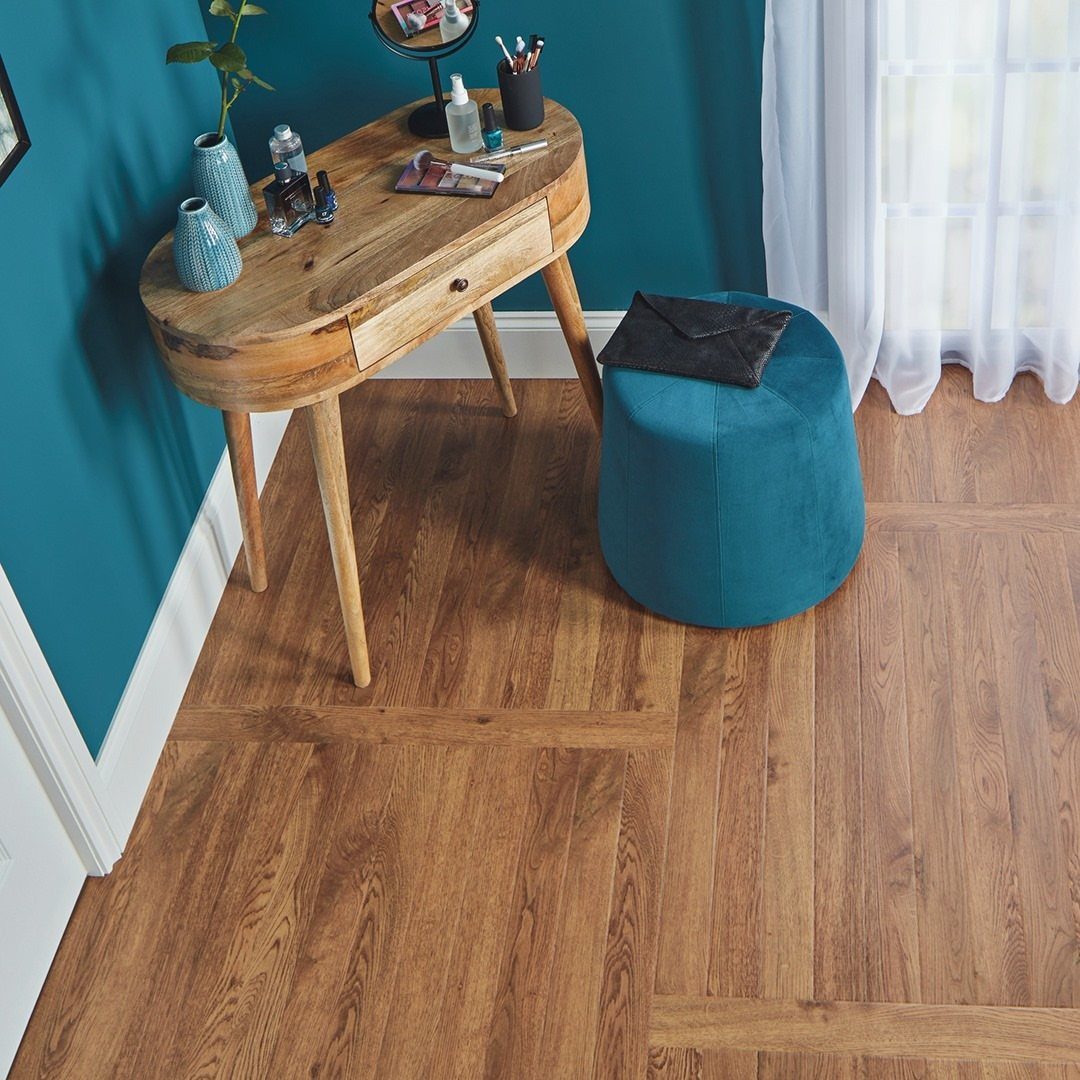
Lorenzo Warm Oak is luxury vinyl with a parquet panel pattern in a mid-brown tone that reads as real wood from a few steps back.
The 30 mil wear layer handles the kind of traffic that ruins thinner vinyl fast, so it suits rentals where you want the look without the landlord’s permission or the refinishing bill.
Installation floats over most existing floors, which saves a weekend and the cost of tear-out. I’d pick this for a small room where the panel pattern becomes a feature, not a busy distraction.
With a hardwearing 30 mil wear layer, Lorenzo Warm Oak delivers excellent durability for commercial environments.

REALISTIC WOOD LOOK: Featuring luxury wood-grain texture, micro-bevel edges, and HD film prints, these luxury vinyl planks perfectly replicate real hardwood floors with a fraction of cost of wood flooring.
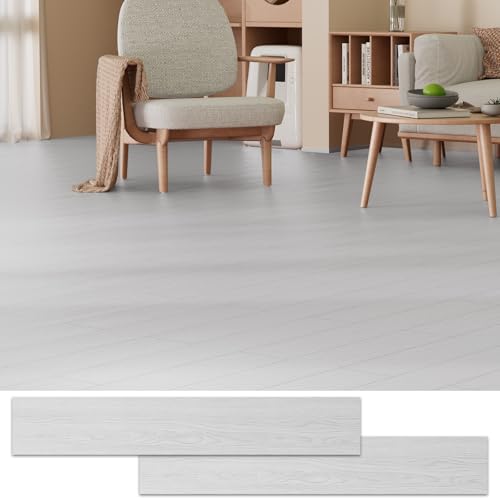
Textured & Versatile: Available in popular wood look with a natural matte finish that replicates the authentic feel of natural materials. The luxury vinyl plank flooring seamlessly complements Nordic, modern minimalist, industrial and other trending decor styles, instantly elevating the overall aesthetic of any space. Ideal for living rooms, bedrooms, kitchens and more.

Realistic Visual Effects: SULSUMIC flooring faithfully replicates authentic wood grain and natural hues, offering a look and feel that rivals solid wood. It instantly elevates your home’s aesthetics, creating a warm and comfortable living space
2. Oak Hardwood Flooring
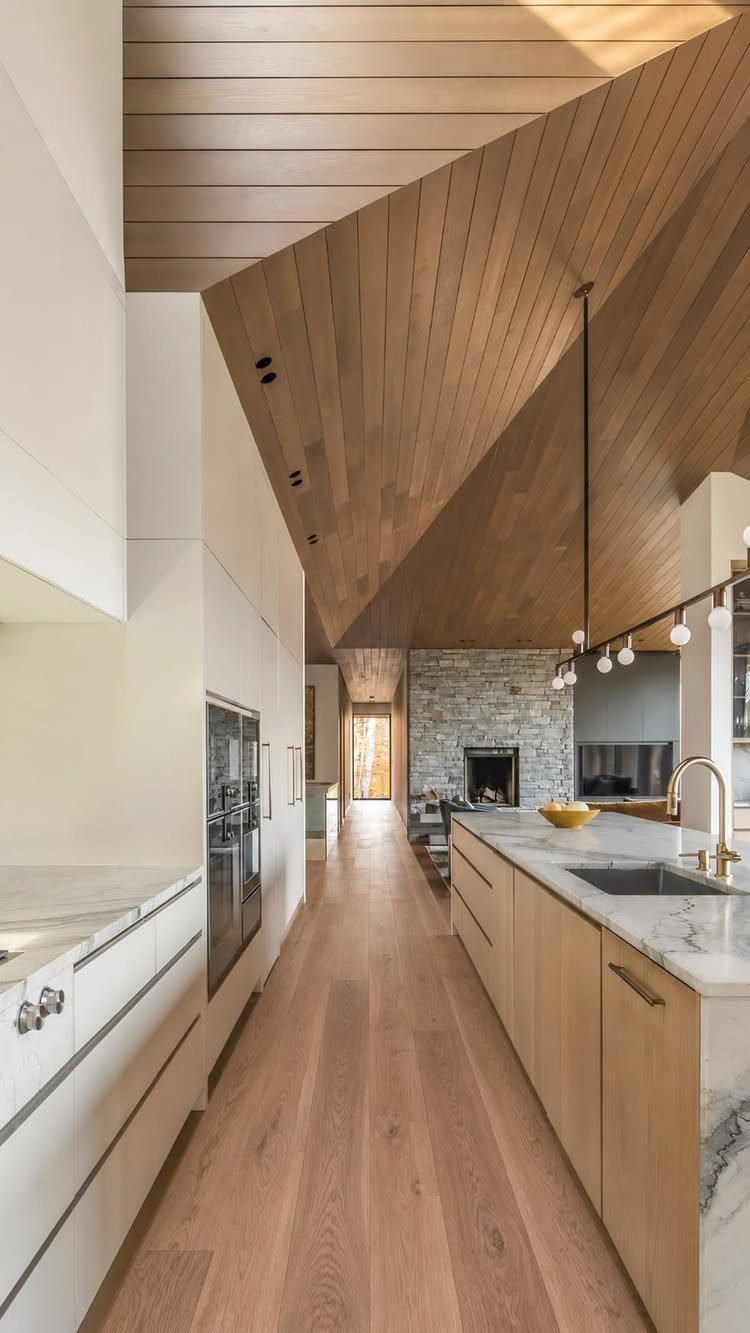
Oak hardwood earns its keep through density that resists the dents and dings of daily life better than softer species.
White oak holds up harder against scratches and moisture than red oak, though red oak carries that warmer, more traditional tone people picture when they think of old houses.
The grain takes stain evenly, which matters if you are matching existing trim or changing your mind later. Check the Janka hardness yourself if you have large dogs or piano casters; the number changes what you should expect.

Timeless Elegance: Parquet flooring adds a touch of sophistication and warmth to any room with its intricate patterns and rich wood tones.

Wood inspired peel and stick floor tiles with a parquet design
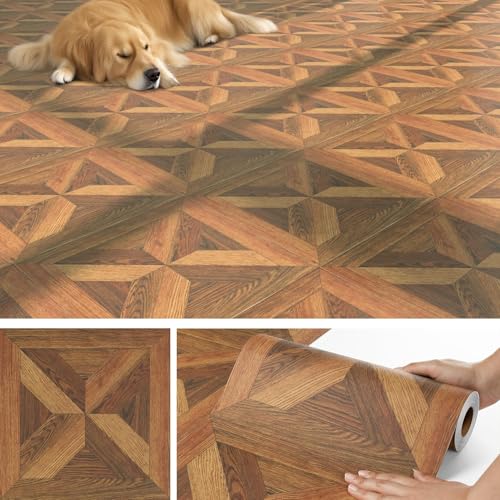
🏠 Vinyl flooring roll: Thickness is 0.045inch (1mm). Size 12x47 inch included 4 tiles (12x12") connected, total 4 sq.ft, made of vinyl. Roll sheet vinyl flooring wood tiles, Waterproof, Removable, Thick.
3. Oak Wood Flooring for High-Traffic Areas
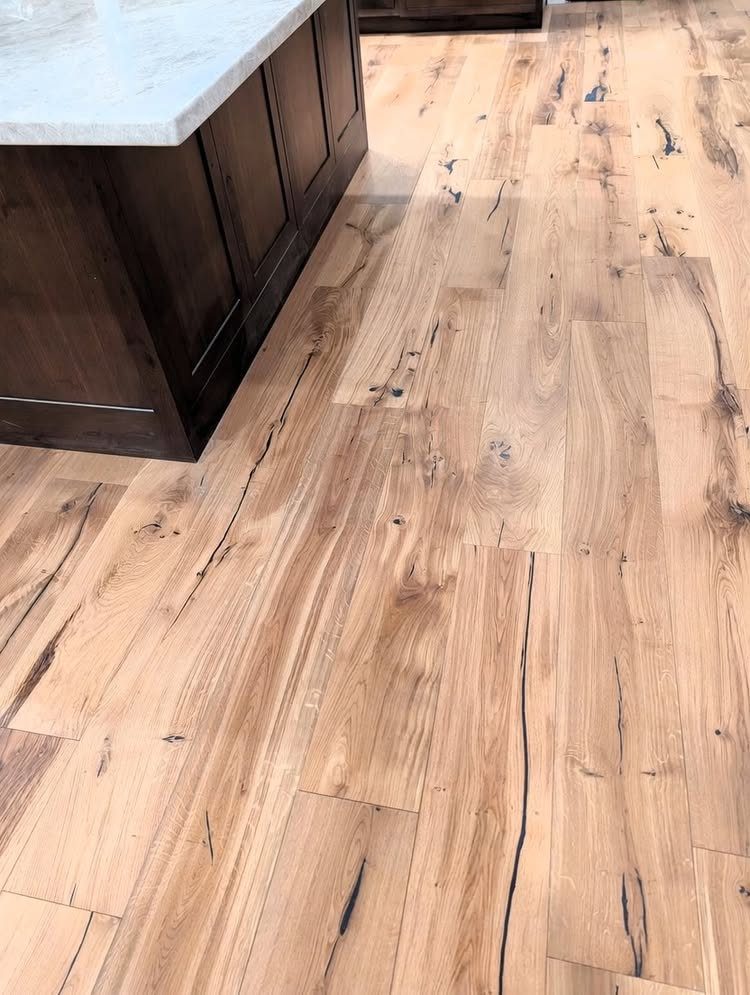
Oak’s density makes it the species I point to for entryways, kitchens, and the path between them.
The grain hides the small scratches that high traffic accumulates, and the color variation between boards keeps the floor from looking tired as fast as a uniform surface would.
Red oak for warmth, white oak for hardness and moisture resistance; the choice depends on whether your household runs wet boots or dry paws.
Commercial warranties run to 20 years on the heavy-duty products, residential to lifetime, so the price gap between grades is worth the math if you plan to stay put.

Premium European Oak Construction: 7” wide samples from Flooret’s Silvan Resilient Hardwood Collection—crafted from sustainably sourced European white oak for timeless character and strength.

Premium European Oak Construction: 6” wide samples from Flooret’s Silvan Resilient Hardwood Collection—crafted from sustainably sourced European white oak for timeless character and strength.

Premium European Oak Construction: 7” wide samples from Flooret’s Silvan Resilient Hardwood Collection—crafted from sustainably sourced European white oak for timeless character and strength.
4. Cleaning Oak Flooring
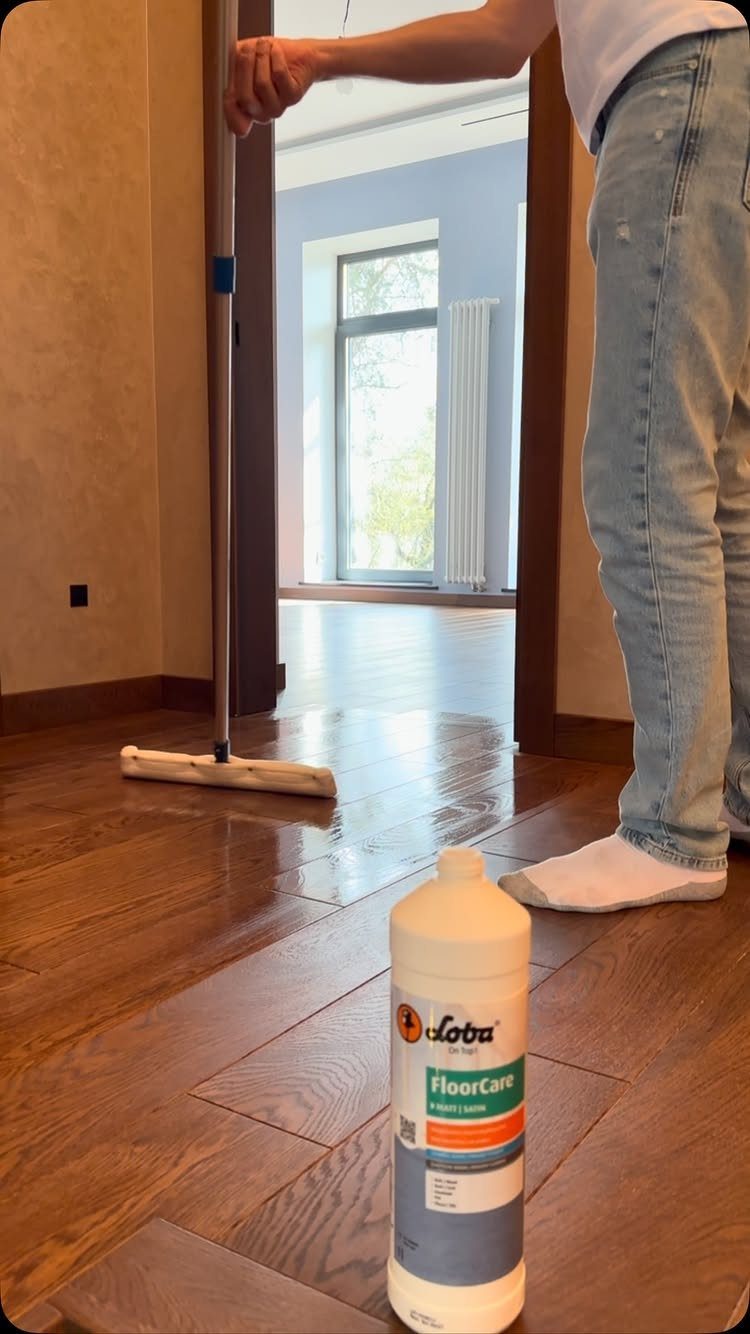
A damp microfiber mop and a pH-neutral cleaner made for finished wood handles weekly care without the residue that attracts more dirt.
I skip the steam mop entirely; the heat and pressure push moisture through seams that the top coat cannot seal.
Felt pads under furniture matter more than the cleaner brand, though I keep a bottle of the maintenance-grade product the floor finisher recommends for when the sheen starts looking patchy.
The real work is grit control: a mat at the door and a no-shoes rule save more labor than any product in the bottle.

Craft Wood — Thin-sawn, 100% pure hardwood planks designed for crafts; Natural wood blanks for laser cutting & engraving machines; Durable & strong, this Glowforge ready material won’t break easily

Mohawk Basics laminate wood flooring offers style and performance with the natural look of wood. Blonde Red Oak alternates light and medium wheat tones for variation from plank to plank, adding interest to any room.

Durable Construction: Crafted from high-quality parquet wood for long-lasting performance and timeless beauty.
5. Warm Neutral Oak Flooring
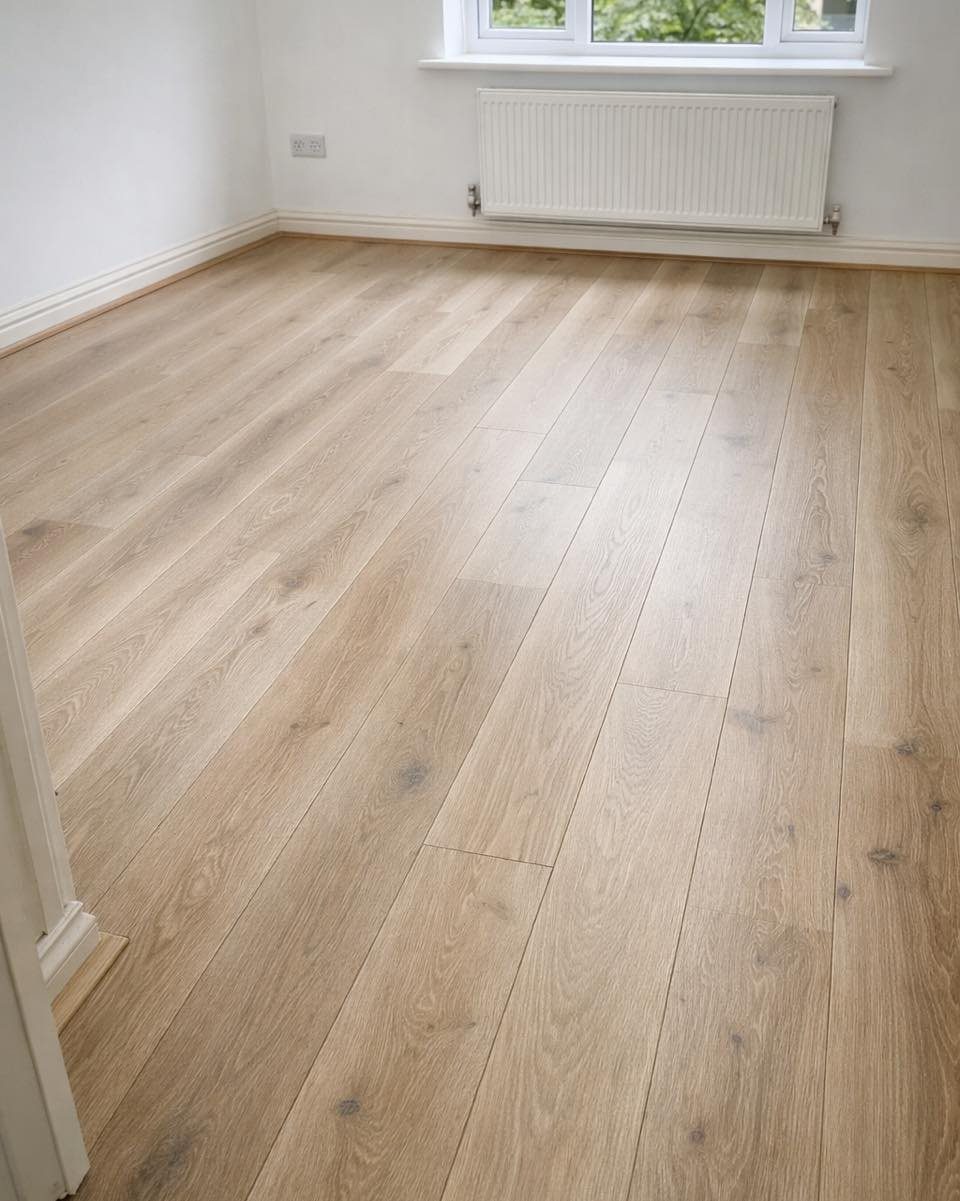
Light oak with warm undertones brightens a room without the coldness that ash or maple can bring, and the neutral tone shifts with your wall color instead of fighting it.
Natural grain gives the floor enough texture to hide dust between cleanings, which matters more than people admit until they live with a dark, flat surface for a month.
This is the choice for someone who wants the floor to recede and the furniture to stand forward; it trades drama for flexibility, and the win depends on whether you keep your rooms longer than your sofas.

Refillable spray mop kit: Complete floor cleaning supplies set includes a premium spray mop with a precision fine mist spray, 1oz cleaner concentrate pouch, floor cleaner cartridge, and a reusable microfiber cleaning pad for immediate use out of the box

Premium hardwood floor mop: Complete wood floor cleaning system includes a premium spray mop, 1 oz hardwood floor cleaner concentrate pouch, refillable 34 oz cartridge, and an extra-large reusable microfiber cleaning pad; Simply add water to create ready-to-use cleaner

HARD SURFACE CLEANING: Microfiber spray mop kits is designed for hard surface cleaning.
Benefits of Oak Flooring
Oak’s grain pattern gives a floor enough visual texture that it does not read as flat or manufactured, which is why it has stayed current through decades of shifting tastes.
The warmth sits in the wood itself, not in a stain that might look dated later.
In a high-traffic house, that practical benefit shows up within the first year.
Oak works across the color range, from pale natural finishes to deep browns, so it does not lock you into one palette. The floor becomes a foundation you can build around rather than a statement you have to match.

18.68 square feet per carton, 8 planks

Luxurious Wood Look & Timeless Design: Featuring realistic wood grain texture and elegant finishes, these luxury vinyl planks bring natural warmth and sophisticated charm to any room, elevating your home decor with a timeless aesthetic.
Textured & Versatile: Available in popular wood look with a natural matte finish that replicates the authentic feel of natural materials. The luxury vinyl plank flooring seamlessly complements Nordic, modern minimalist, industrial and other trending decor styles, instantly elevating the overall aesthetic of any space. Ideal for living rooms, bedrooms, kitchens and more.
Cost Considerations
Oak hardwood lands in the middle: pricier than laminate, cheaper than exotic imports like Brazilian cherry. Solid oak runs higher than engineered, though you can sand it down and refinish it more times down the road.
Price moves with grade, plank width, and finish. The grade you need depends on whether you want clean, consistent boards or can live with knots and color variation.
Wider planks cost more per square foot and can be harder to source in some markets.
The long-term value calculation should include refinishing potential. Solid oak can be sanded down several times; engineered can be, once or twice, depending on the thickness of the top veneer.
If you are planning to stay put long enough, that gap in upfront cost starts to close.

🟤【Decorative Vinyl Flooring】 Enhance the aesthetic appeal of your space with our brown wood grain vinyl flooring tiles. The realistic wood grain design adds a touch of elegance and sophistication, perfect for any interior decor style. Each vinyl tile is 36x6 inches, 4 PCS of tiles per box , so one box of vinyl floor tiles can cover 5.9 square feet. The thickness of the wood look vinyl tile is about 0.02 inch. Thickened and scratch resistant.

Tips:Due to the different screen materials of different devices, the color of the product you see and the actual product may be inaccurate. Color appearance may vary due to screen calibration, lighting conditions. Please refer to the actual product

🏠 Wood flooring: Thickness is 0.06inch (1.5mm). Size 12x12 inch included 4 Tiles, made of vinyl. Light brown beige tan Laminate wood flooring, waterproof, removable, groutable, non slip, no special tools needed.
Style Trends
Warm wood floors are the current default in new builds and renovations, and oak’s natural tone fits that preference without forcing a specific look. The trend is toward livable warmth rather than the gray washes that dominated the previous cycle.
What keeps oak from feeling like a trend itself is the grain. It gives enough texture that the floor reads as material, not as color alone.
That distinction matters when a room needs to feel grounded.
Light and dark interiors both work with oak, which is part of why it has outlasted narrower trends.

Premium European Oak Construction: 7” wide samples from Flooret’s Silvan Resilient Hardwood Collection—crafted from sustainably sourced European white oak for timeless character and strength.

Gap-Lines Disappear Fast: Fill floor gaps, dark seams, narrow joints, and exposed edges on wood floors. Fill, smooth, and turn unsightly floor lines into a seamless finish for homeowners, renters, and DIY floor touch-ups.

Premium European Oak Construction: 7” wide samples from Flooret’s Silvan Resilient Hardwood Collection—crafted from sustainably sourced European white oak for timeless character and strength.
Installation Recommendations
Professional installation is worth the cost for oak hardwood because subfloor preparation determines how the floor behaves in year five. An uneven subfloor telegraphs through as squeaks and gaps; moisture that should have been addressed first warps boards later.
For the vinyl option in the list, floating installation is designed for the homeowner, but the subfloor still needs to be flat and clean. The time saved skips tear-out, not prep.
If you hire out, get the scope in writing: who handles the subfloor, whether old flooring removal is included, and how they manage transitions to adjacent rooms. The cheapest bid often skips steps that show up as problems.

Seamless Transition Solution: Our 2M flat floor transition strip creates a smooth for bridge between different flooring types like laminate, vinyl, for tile, or hardwood, eliminating unsightly gaps and a professional finish.

Transition strip is made of PVC material, which is lightweight but strong, resistant to compression, waterproof, moisture-proof, durable, not easy to fade, and has a long service life.
Frequently Asked Questions
What color is warm oak?
From across the room, warm oak reads as honest wood: a true mid-brown that never washes out to blonde or sinks to espresso.
Red oak carries the warmer, more traditional cast that people picture in old houses, while white oak runs cooler and harder against scratches.
Because the grain drinks stain evenly, you can nudge the shade later if your trim changes or you want a slightly different mood.
Are warm wood floors in style?
Warm wood floors are holding steady because they solve a real problem: they brighten a room without the coldness that ash or maple can bring, and the neutral tone shifts with your wall color instead of fighting it.
A floor with some life in the grain forgives the dust that shows up instantly on dark, flat finishes; most people figure this out only after living with both.
What are the downsides of oak flooring?
Oak’s density resists dents, but it is not immune to them; check the Janka hardness yourself if you have large dogs or piano casters, because the number changes what you should expect.
White oak scores higher for hardness and moisture resistance, though red oak brings more of that honey warmth people picture when they say warm oak.
What type of flooring feels warm?
Oak wins over tile or stone the moment you step on it barefoot in January, and the warm tone keeps a room from reading sterile without trying too hard.