High-end flooring ranges from luxury vinyl you can handle yourself to exotic hardwood or stone that demands professional installation, and that labor gap usually decides what actually ends up on your floor.
A herringbone oak layout needs a dead-flat subfloor and extra material for the cuts, while epoxy resin sends you out of the house until the fumes clear.
The one detail that stuck with me: cork grows back on the same tree, but a heavy chair leg will still crush it.
1. Hardwood Flooring
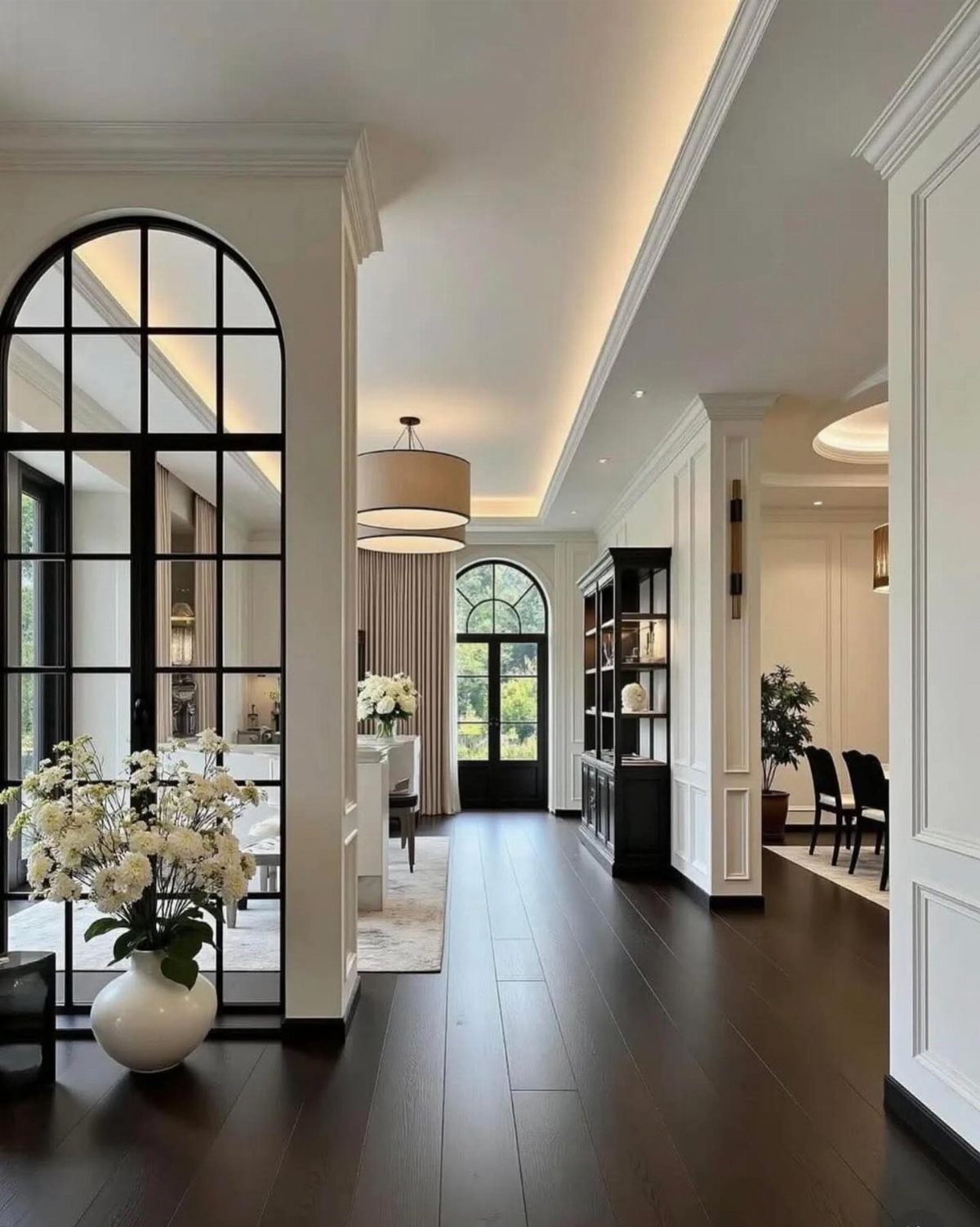
Solid hardwood puts a veneer of actual tree between you and the subfloor, and that changes everything about how a room ages.
Oak and walnut handle refinishing three or four times across decades, while Brazilian cherry or tigerwood bring grain patterns you will not find in domestic lumber.
Sourcing drives the price: limited supply and long shipping distances add cost, and illegally harvested stock still moves through some channels.
I would stick with Forest Stewardship Council or Sustainable Forestry Initiative certification when I am buying exotic species, and I would budget for a floor that needs that kind of oversight.
For heavy-traffic rooms, hickory earns its keep with scratch resistance that softer woods cannot match.

Chic Design & Wood Texture - Classic herringbone pattern with realistic wood grain texture, combining classic charm with the rustic beauty of natural wood, add a touch of earthy warmth to your interiors.

Timeless Elegance: Parquet flooring adds a touch of sophistication and warmth to any room with its intricate patterns and rich wood tones.

This listing is for 2 pieces of wood floor samples 8"
2. Natural Stone Flooring
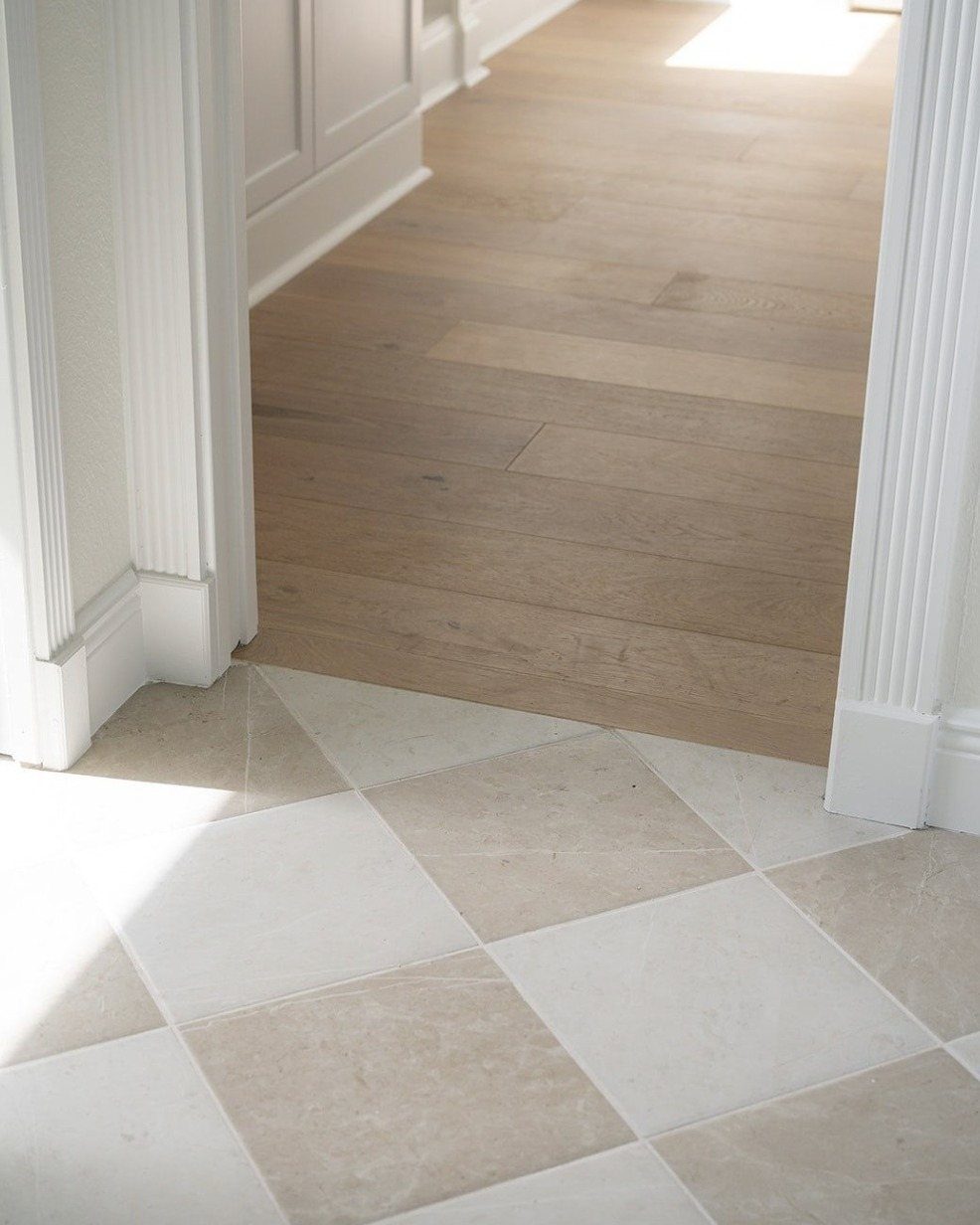
Marble, granite, travertine, quartzite, sandstone: each stone carries weight literally and figuratively. The material demands extra structural planning from quarry to truck to finished room, and anyone walking on it reads that effort as intentional investment.
I like marble in bathrooms and foyers where its veining gets the lighting it deserves, granite where knives or chair legs will test the surface daily, travertine for entryways that bleed into patios.
Stone runs cool, which matters in warm climates and hurts in cold ones. The same density that makes it last a lifetime also makes it unforgiving underfoot; area rugs are not a compromise here, they are part of the design.

Each package contains TWO 9"-long sample pieces (maximum allotment of 2 orders per customer)

Reddish/orange
Reddish/orange
3. Designer Ceramic Tiles
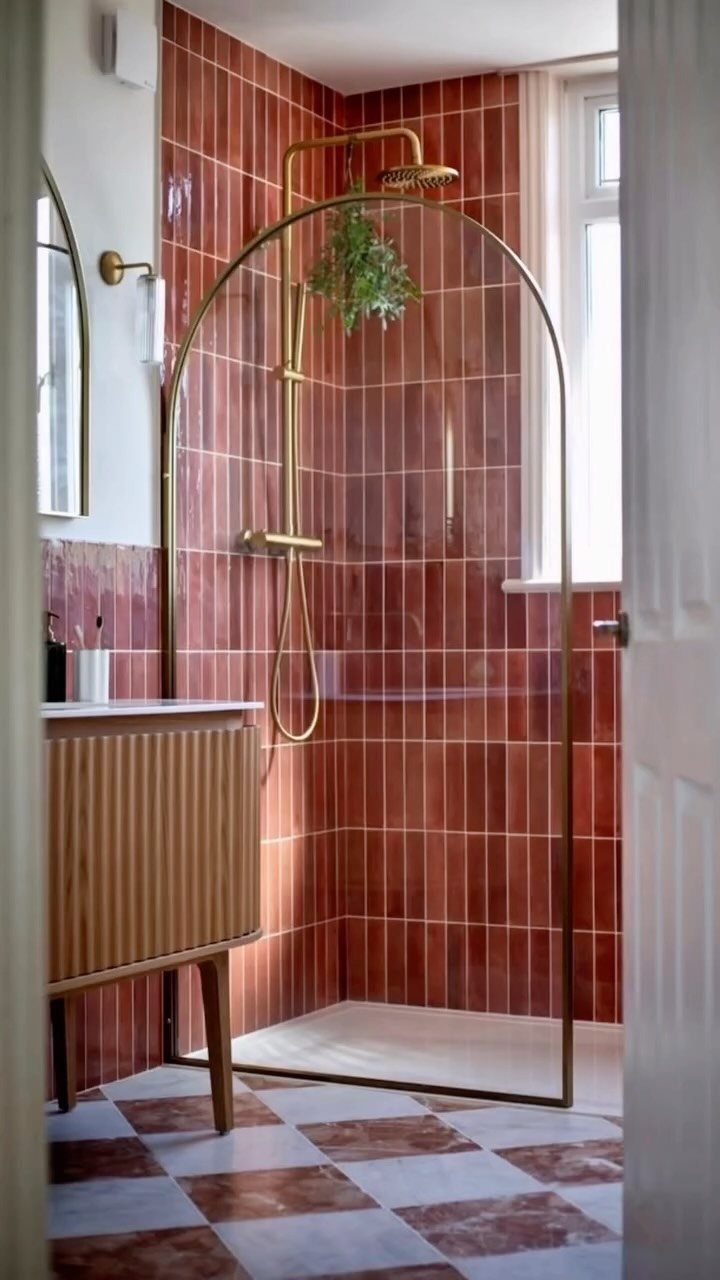
Ceramic has moved past the white subway tile default into terracotta walls and checkered floors that carry real warmth. Handmade-look tiles with uneven edges and subtle glazes now come in earthy, warm tones that read as intentional rather than accidental.
Glossy surfaces bounce light around small bathrooms; matte finishes hide the water spots and dust that glossy shows.
I would mix sizes or lay a custom mosaic if the budget allows, but even standard stock plays well with paint and texture when you choose deliberately.
Sweep or vacuum before the grit scratches, then mild soap and water for the rest. The real limit is decision fatigue: too many good options, and the project stalls on choice.

CONCENTRATED FLOOR CLEANER – Granite Gold Stone and Tile Floor Cleaner is a cleaning solution specially formulated for your stone, slate and tile floors. It comes in a cost-saving, concentrated 32 ounce bottle.

NATURAL STONE FLOOR CLEANER – Granite Gold Squeeze and Mop Floor Cleaner is a cleaning solution specially formulated for your stone floors, and is proudly made in the USA

SAFE ON GRANITE, MARBLE, QUARTZ & NATURAL STONE: Includes one 32oz spray bottle; pH-balanced formula cleans granite, limestone, marble, slate, travertine, quartz, and all other natural-stone countertops without the harsh chemicals in everyday cleaners that can dull or etch your stone
4. Cork Flooring
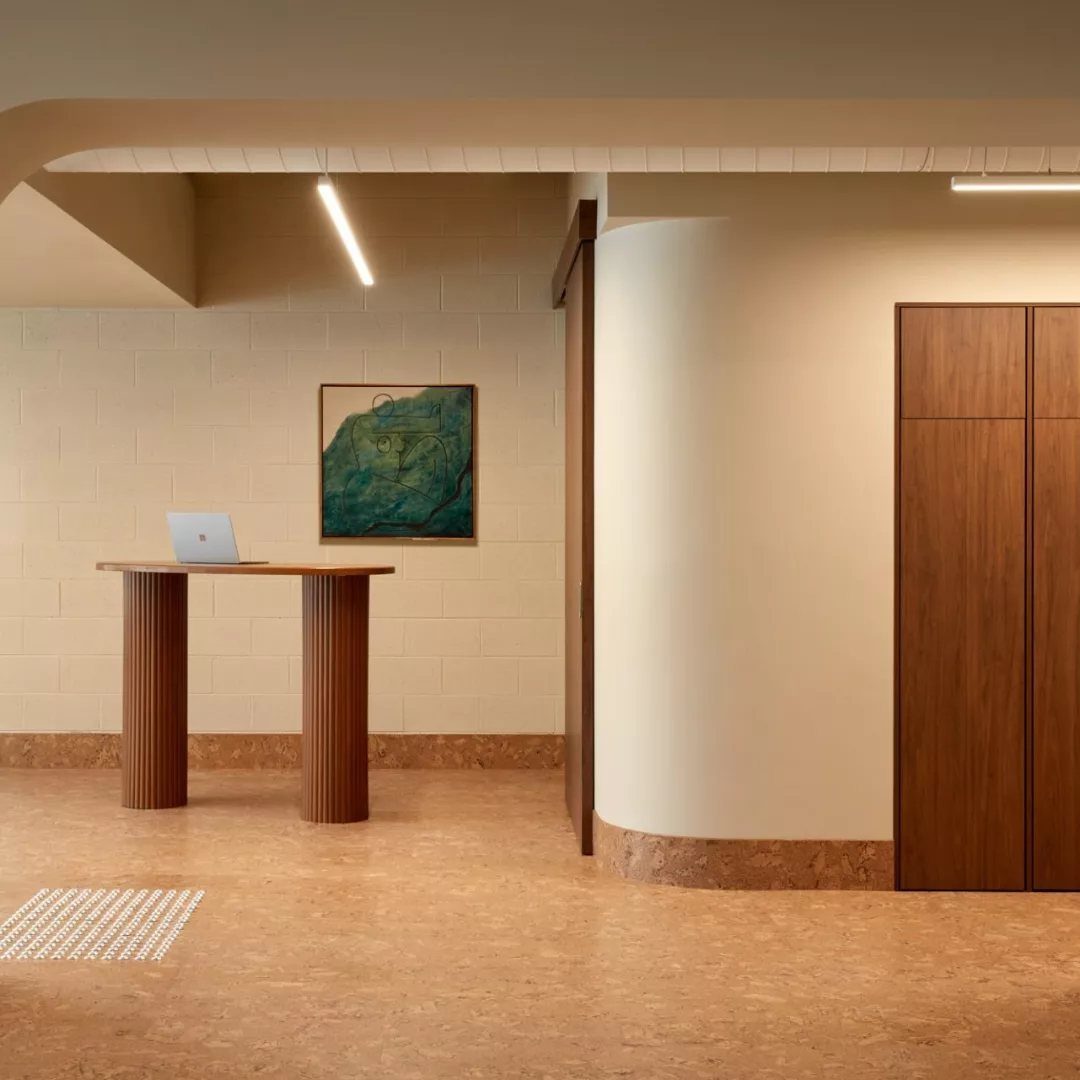
Cork starts with a tree left standing; bark strips off and grows back over years, which matters if renewable harvest ranks high on your list.
The beige, almost neutral surface reads quiet and organic, and the material itself absorbs sound and foot stress in ways that harder floors refuse.
I would seal it with polyurethane at install, then accept that heavy furniture will still leave impressions. That softness is the tradeoff: comfortable for hours of standing, vulnerable to a piano leg or a kitchen island that never moves.
For basements, home offices, or any room where you are on your feet making things, cork makes sense. For rental properties or high-turnover spaces, I would look elsewhere.

On very porous surfaces like Travertine, use 511 Porous Plus.


Safe For Everyday - Perfect for everyday cleaning
5. Luxury Vinyl Tiles
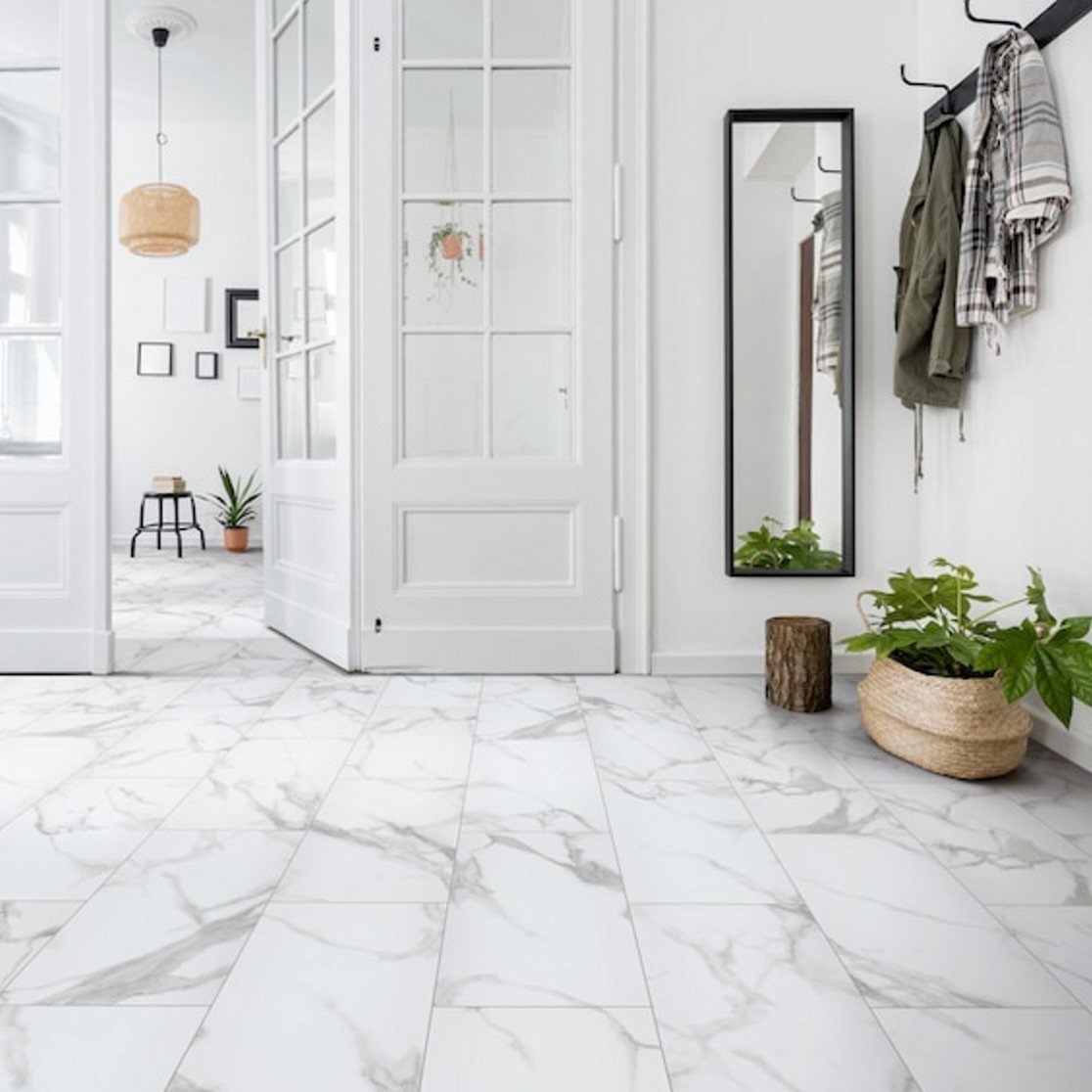
Luxury vinyl tile has become the honest option for rooms where real stone or wood would be foolish. Luxury vinyl reads as stone until you step on it and feel the warmth that ceramic or quartz never offers.
Manufacturers now print wood grains and veining that survive scrutiny at entry level, and the material shrugs off the water that warps hardwood and stains natural stone.
I would use it in laundry rooms, home gyms, any space where function should not fight pretension. Maintenance is almost none; the cost is lower than what it mimics.
The tradeoff is longevity: twenty years, not fifty, and no one refinishes vinyl.


Size: 3" W x 6" L.

3"x6" Essential White Matte Ceramic Tile Matches our other Essential White items such as 2"x2" Tiles; Color Code 0790
6. Engineered Hardwood Flooring
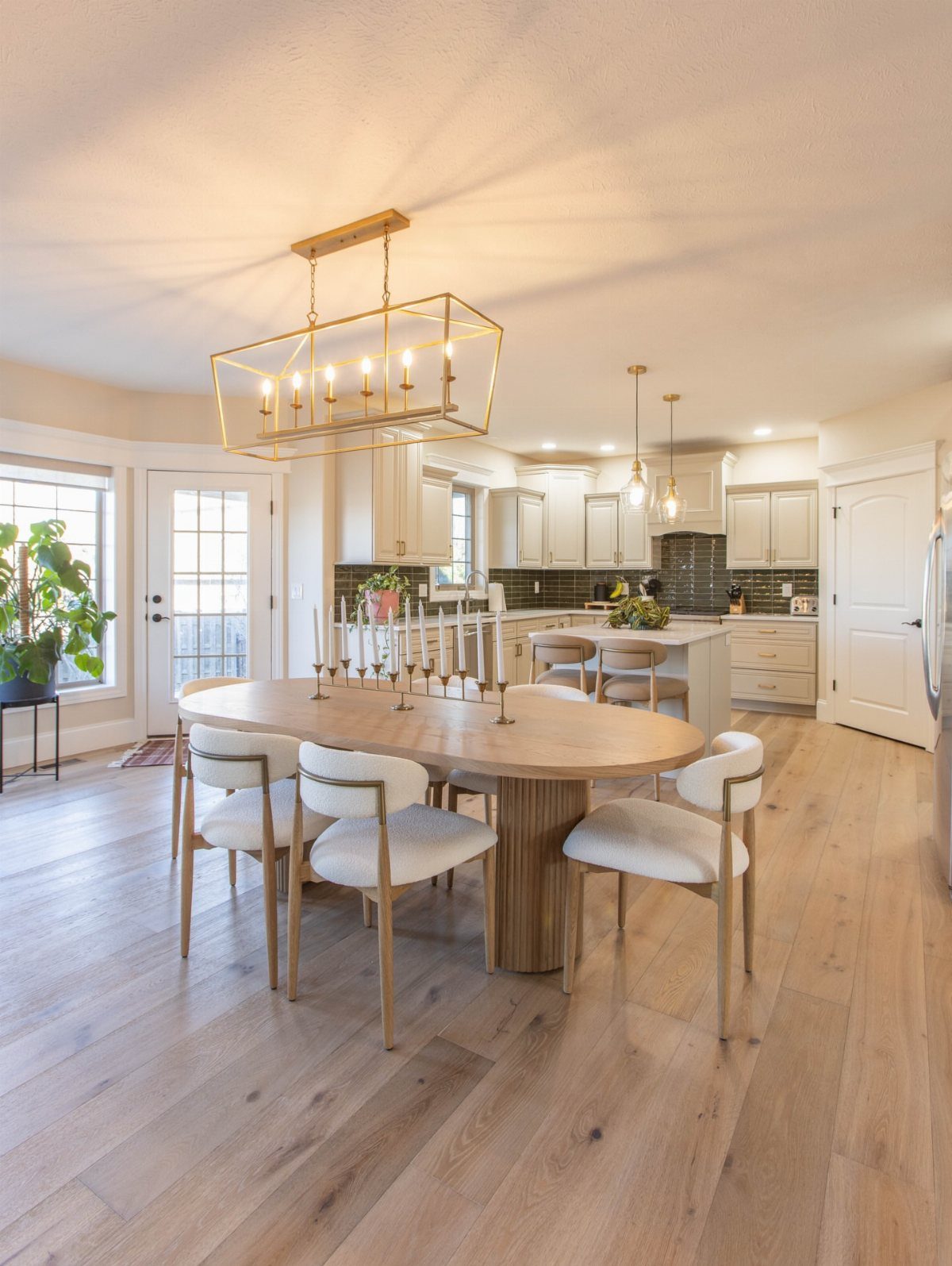
Engineered hardwood solves the problem solid wood cannot: humidity swings and below-grade installs.
A thin hardwood veneer over plywood core gives you the species and grain you wanted, oak or maple or mahogany, with less tendency to warp or crack when the seasons change.
I would put it in basements that want to feel finished, in kitchens where steam and spills are routine, anywhere the climate would punish solid boards.
Clean with a dry mop or vacuum; avoid the wet swabbing that seeps through seams and swells the core.
The veneer layer limits how many times you can refinish, so I would choose a factory finish I can live with rather than plan to change.

THIS IS A FLOORING SAMPLE - Cut from an actual full-size Chalet Herringbone White Oak plank so you can see the true color, warm natural oak tone, and wire-brushed texture before purchasing.

𝐏𝐫𝐨𝐝𝐮𝐜𝐭 𝐃𝐞𝐭𝐚𝐢𝐥𝐬: Peel and stick floor tile, red mahogany color, authentic oak wood look vinyl flooring, slightly textured, 6 in. width x 36 in. length, 1.8mm thick, 16 planks each box, covers 24 Sq. Ft.

THIS IS A FLOORING SAMPLE - Cut from an actual full-size Ivory Herringbone White Oak plank so you can see the true color, soft, warm ivory tone, and wire-brushed texture before purchasing.
7. Herringbone Flooring
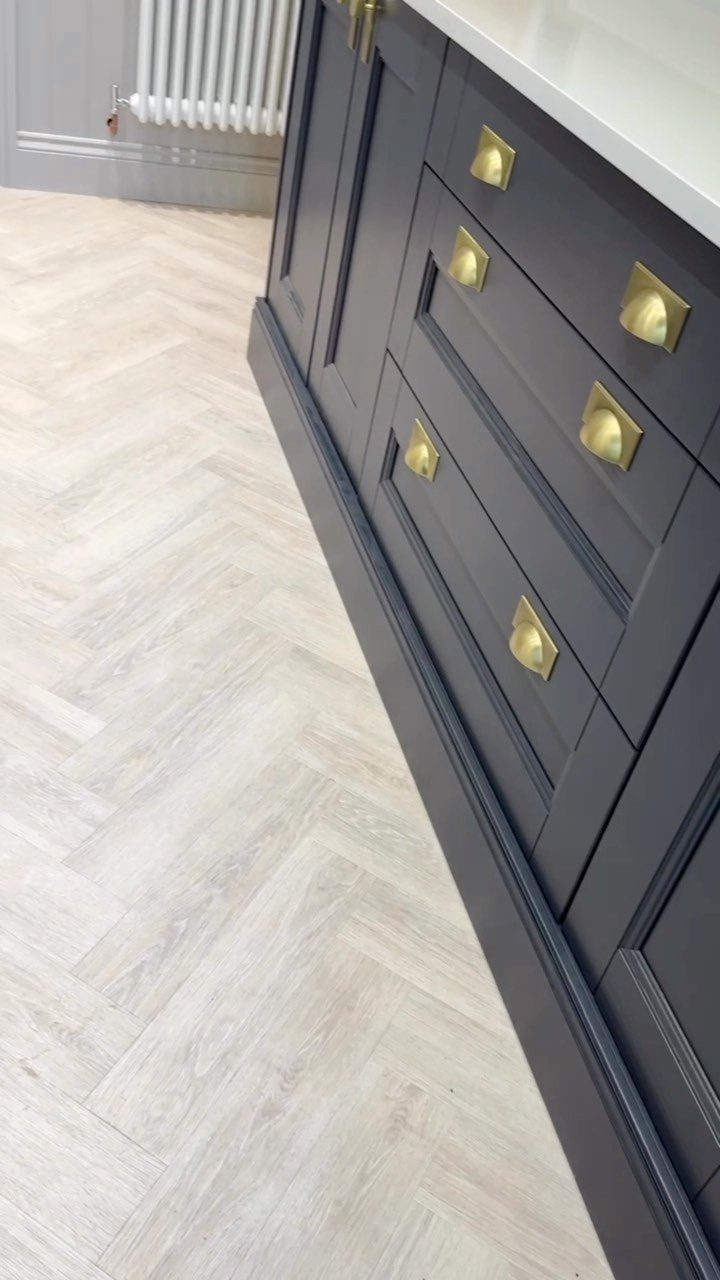
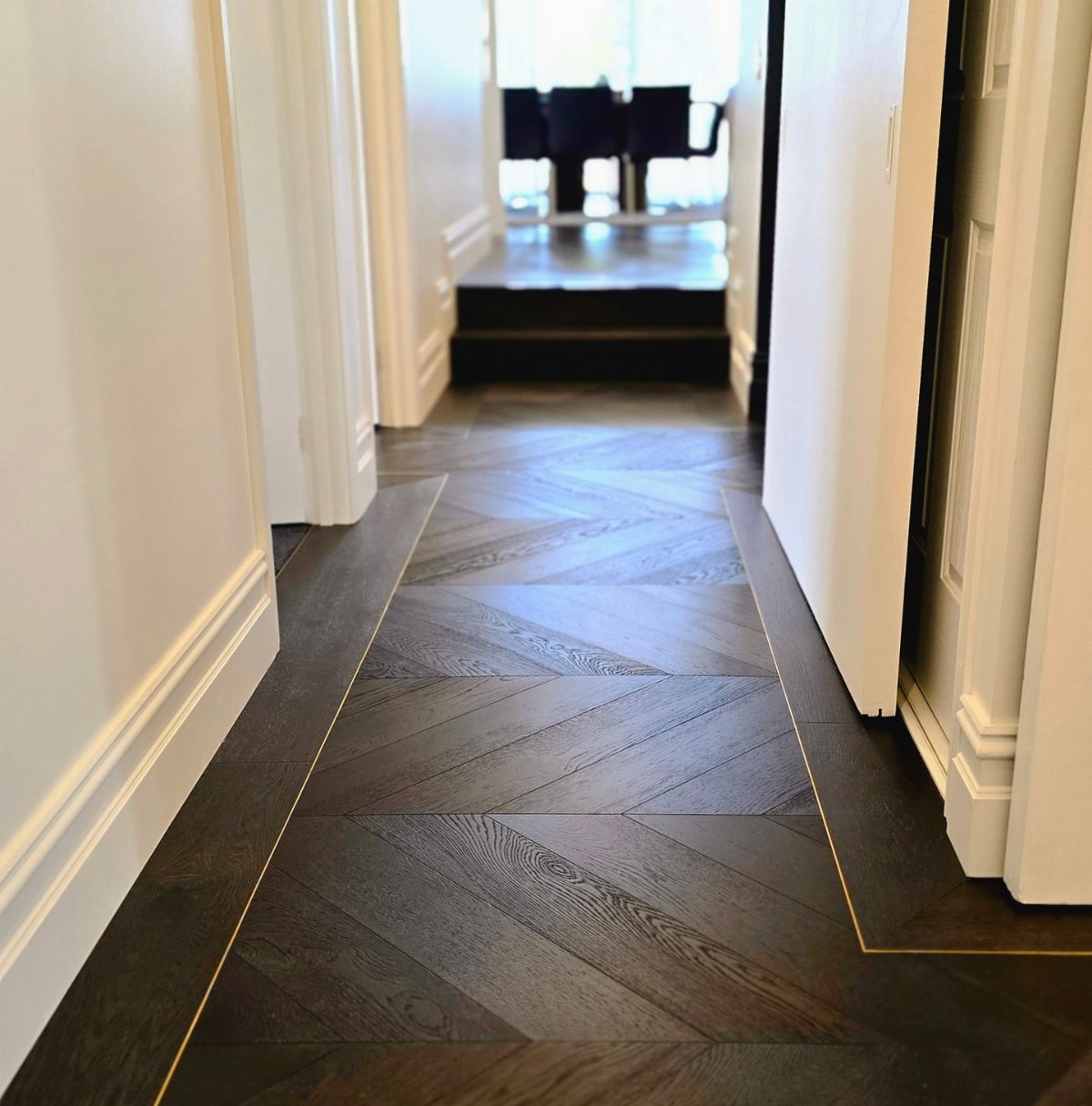
Herringbone flooring turns plain oak planks into a floor that moves.
The zigzag pattern catches light differently across a room, which is why it works so well in open living areas and dining spaces where people actually stand and look down.
Installing it yourself means buying extra material for the cuts, and the subfloor has to be dead flat; any warp telegraphs through the pattern.
A professional install runs higher than standard plank because the layout takes longer and the cuts are unforgiving.
The grooves collect dust faster than straight planks, so a soft broom or vacuum with a hard-floor head beats a beater bar. Skip abrasive cleaners; they round the edges and the pattern goes soft.
I’d put this in a row house or any long, narrow space that needs visual width. It reads as effort and money spent, which is exactly what high-end flooring is supposed to do.
Reddish/orange

Each package contains TWO 9"-long sample pieces (maximum allotment of 2 orders per customer)

Ready to use wood putty - Fills cracks, nail holes, gouges, and broken edges
8. Epoxy Resin Flooring
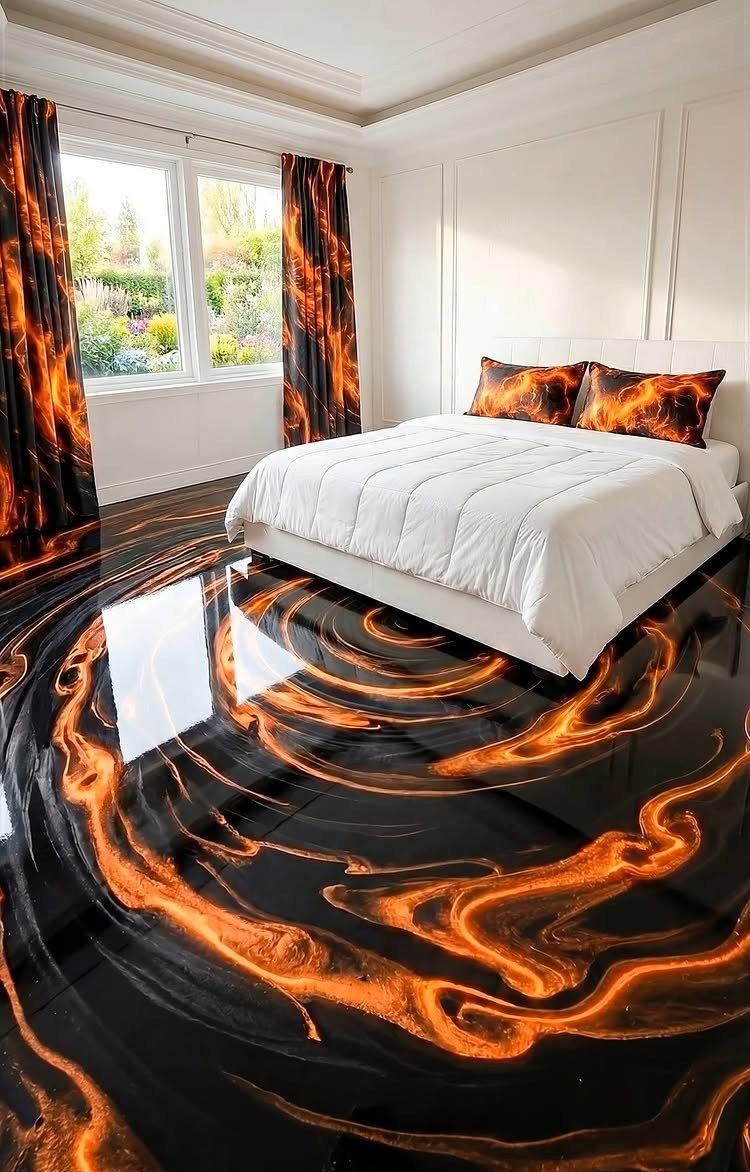
Epoxy resin flooring is what happens when you treat a floor like a poured countertop.
Black base resin with orange and gold metallic powders swirled in while the material is still wet, then sealed to a mirror gloss, reflects the curtains and the window light.
Timing and ventilation are the real hurdles. Resin gives you a short working window once mixed, and the fumes mean sleeping elsewhere for a couple of days.
A bedroom install also needs baseboard removal; the resin wants to flow to the walls and be trimmed clean after cure.
Cost swings hard on whether you DIY the pour or hire an installer familiar with metallic effects. The pigment ratio changes the look completely; too much metallic and the swirl turns muddy, too little and you get scattered specks.
This suits someone who wants a floor that is literally the conversation piece. It trades away softness underfoot and any ability to patch seamlessly later.

Safe for All Natural Stone Floors: Specially formulated for limestone, travertine, marble, granite, slate, sandstone, quartzite, flagstone, and all other sealed and unsealed natural stone flooring

Safe for All Natural Stone – Gently cleans marble, travertine, granite, slate, limestone, ceramic, and porcelain tile without damage or dulling the surface.

Safe Deep Cleaning – Gently removes dirt and grime from polished and honed natural stone and tile without damage.
9. Luxury Textured Carpeting
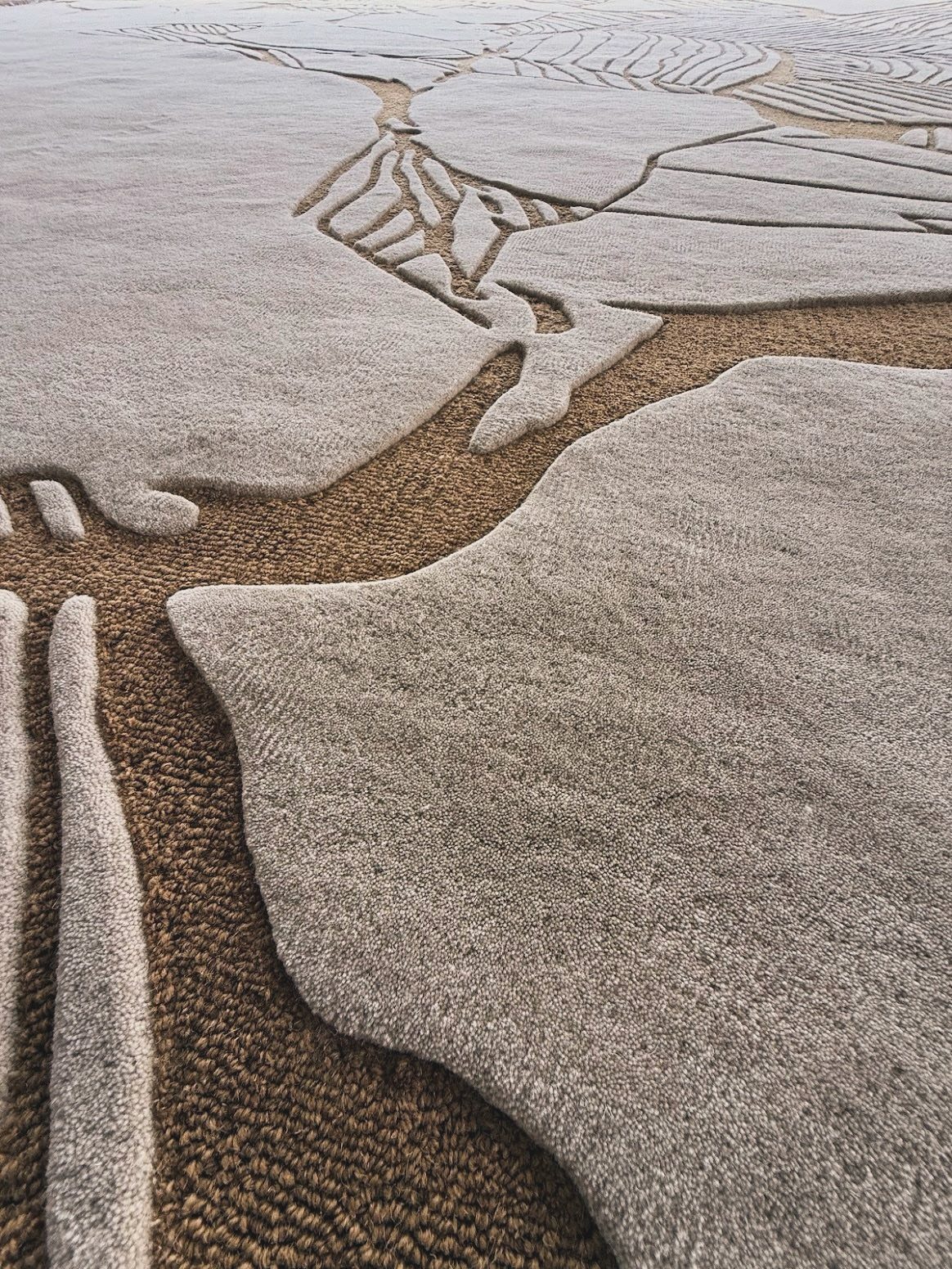
Luxury textured carpeting builds the pattern into the pile itself, not just the dye. Grey raised shapes against a darker woven base, cut at different heights, shift slightly as you walk across and the fibers compress.
The sculptural quality comes from combining cut pile and loop pile in the same carpet, which takes a denser tufting machine and more passes.
That density also means better sound absorption and actual warmth underfoot, unlike the hard surfaces that dominate this list.
Maintenance is the tradeoff. The height differences trap more than flat carpet; a vacuum with adjustable height and no beater bar is essential, and professional cleaning on a regular schedule keeps the texture from matting permanently.
I’d steer this toward bedrooms and sitting areas, not hallways. It reads quiet money rather than flashy money, which some rooms need more.

POWERFUL CLEANING: Removes everyday spills, dirt, and grease easily from natural stone, tile, grout, and masonry surfaces, leaving them fresh and spotless without harsh chemicals

SAFE ON GRANITE, MARBLE, QUARTZ & NATURAL STONE — Includes two 24oz spray bottles plus one 64oz refill. pH-balanced formula cleans granite, marble, travertine, quartz, and all other natural-stone countertops without the harsh chemicals in everyday cleaners that can dull or etch your stone

Choosing the Right Flooring
Start with the room’s actual job, not its mood board. Kitchens and mudrooms punish anything porous or high-maintenance; bedrooms reward warmth underfoot when you step out of bed.
Open-concept spaces need material transitions that read as intentional, not accidental. A stone foyer bleeding into hardwood living space works when the joint is a deliberate threshold, not a sloppy seam.
Private rooms can break from the main run entirely; a cork home office against engineered hardwood hallways is coherent if both share undertone or grain direction. Builder-grade defaults to whatever is cheapest to install fast.
Replacing that means knowing your own daily patterns: where water lands, where chairs drag, where you stand longest.

Coverage and Quantity: Listing is for 12.5 square feet, which is 100 pieces of 3x6 tiles

Delicate Artisan Texture:Subtle surface irregularities evoke a handmade feel while maintaining a polished aesthetic.

Warm Terracotta Look: Features rich earthy tones with natural variation, creating a rustic yet modern aesthetic.
Maintenance Tips
Water is the enemy of seams in engineered wood and the enemy of stone sealers alike; a barely-damp mop, wrung hard, cleans both without inviting swelling or haze.
Skip the all-purpose spray that smells like a hospital; pH-neutral cleaner costs more per bottle and saves the finish.
Stone needs resealing on a schedule the installer should have named; if they did not, pick a date you will remember and test a drop of water in a corner.
If a drop of water darkens the stone, the sealer is gone. Cork reseals when the surface starts looking thirsty, not on a calendar.
Vinyl asks almost nothing; that is part of what you paid for.
Investment Value
Hardwood holds value because buyers know it can be refinished instead of replaced. The 25%–80% return range on quality flooring at resale depends on material, region, and whether the choice looks deliberate or eccentric.
Stone in the right climate and neighborhood performs toward the upper end; vinyl, however convincing, does not. The investment case is strongest where the flooring is visible from the entry and runs through the main living space.
Bedrooms matter less to appraisers than to daily life. Exotic species with proper certification carry the same visual weight and better resale story than mystery wood of unknown origin.
Design Cohesion
Transitions between materials need planning before the first board or tile lands. A T-molding strip can read as failure if the heights do not match; better to design the subfloor buildup so stone and hardwood meet flush.
Open-concept areas share light and sightlines, which means they share color temperature too. Warm oak against cool grey stone fights itself; pick one dominant undertone and let the other nod toward it.
Private spaces allow more departure: a bedroom carpeted in sculptural texture against the home’s harder surfaces is a choice, not a mistake, when the door frames the shift. The architecture should lead.
A bungalow wants different continuity than a loft; respect the bones and the flooring looks like it belongs.