LVP flooring runs from soft white planks that show every crumb to high-contrast dark woods that hide scuffs and carry a room without wall art.
The right color depends on your light more than your taste; a warm honey plank goes orange in golden afternoon sun, and coastal whitewash turns flat under lamps alone.
Herringbone patterned wood alone eats extra material per square foot before you even price the vinyl itself.
1. Taupe, Greige, and Creamy Neutrals
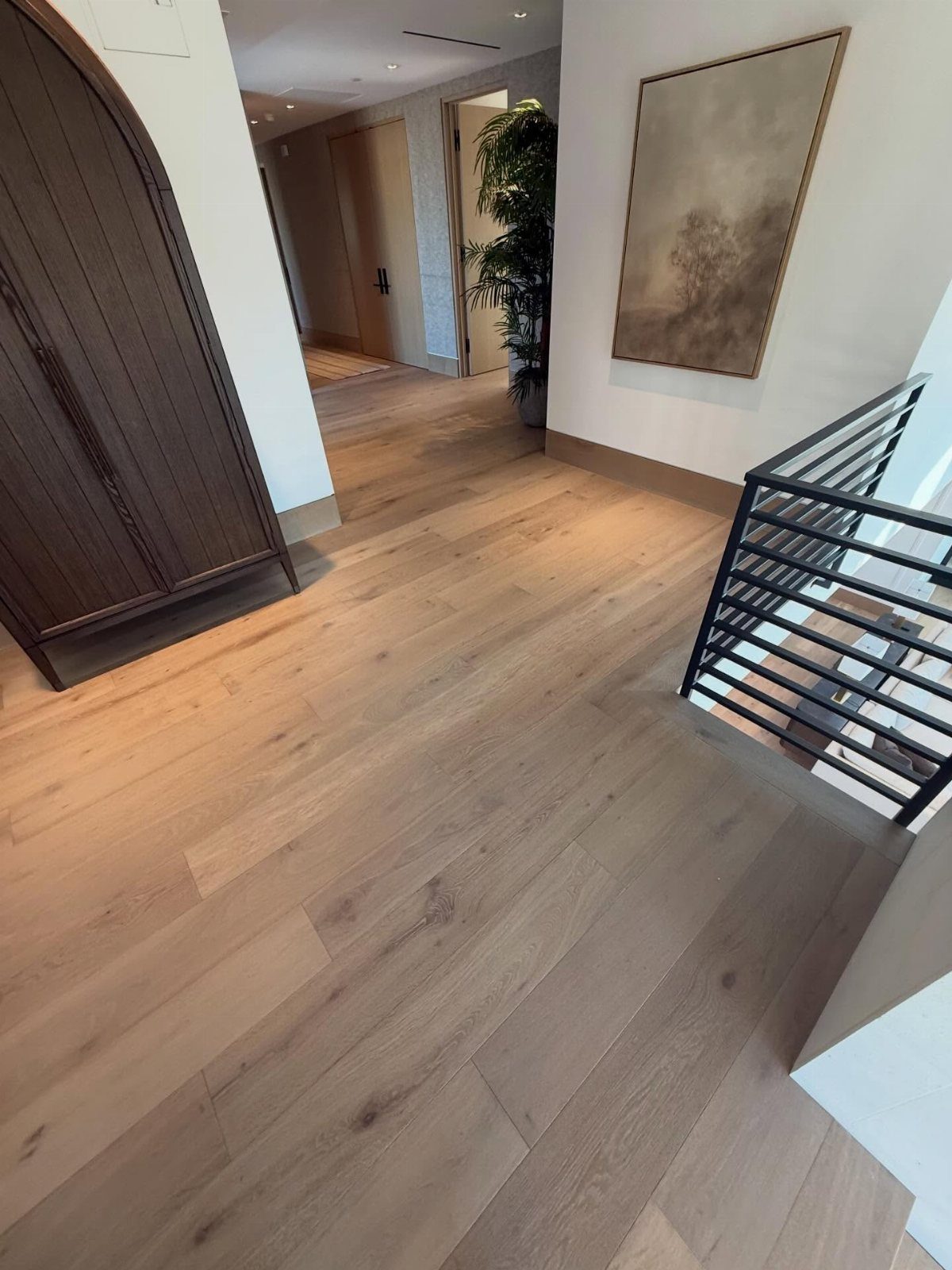
Taupe and greige sit in that useful middle space, warmer than gray without the yellow push of beige.
I like them for renters who own their furniture but not their walls; the tone bridges white trim and whatever wood pieces you already have.
Matte black hardware or a dark metal railing sharpens the softness without fighting it. If your place gets good natural light, creamy neutrals stay airy.
In a darker room they can go flat, so check your exposure before you commit.

Polished and refined taupe peel and stick floor tile

REALISTIC WOOD LOOK: Featuring luxury wood-grain texture, micro-bevel edges, and HD film prints, these luxury vinyl planks perfectly replicate real hardwood floors with a fraction of cost of wood flooring.
2. High-Contrast Dark Woods
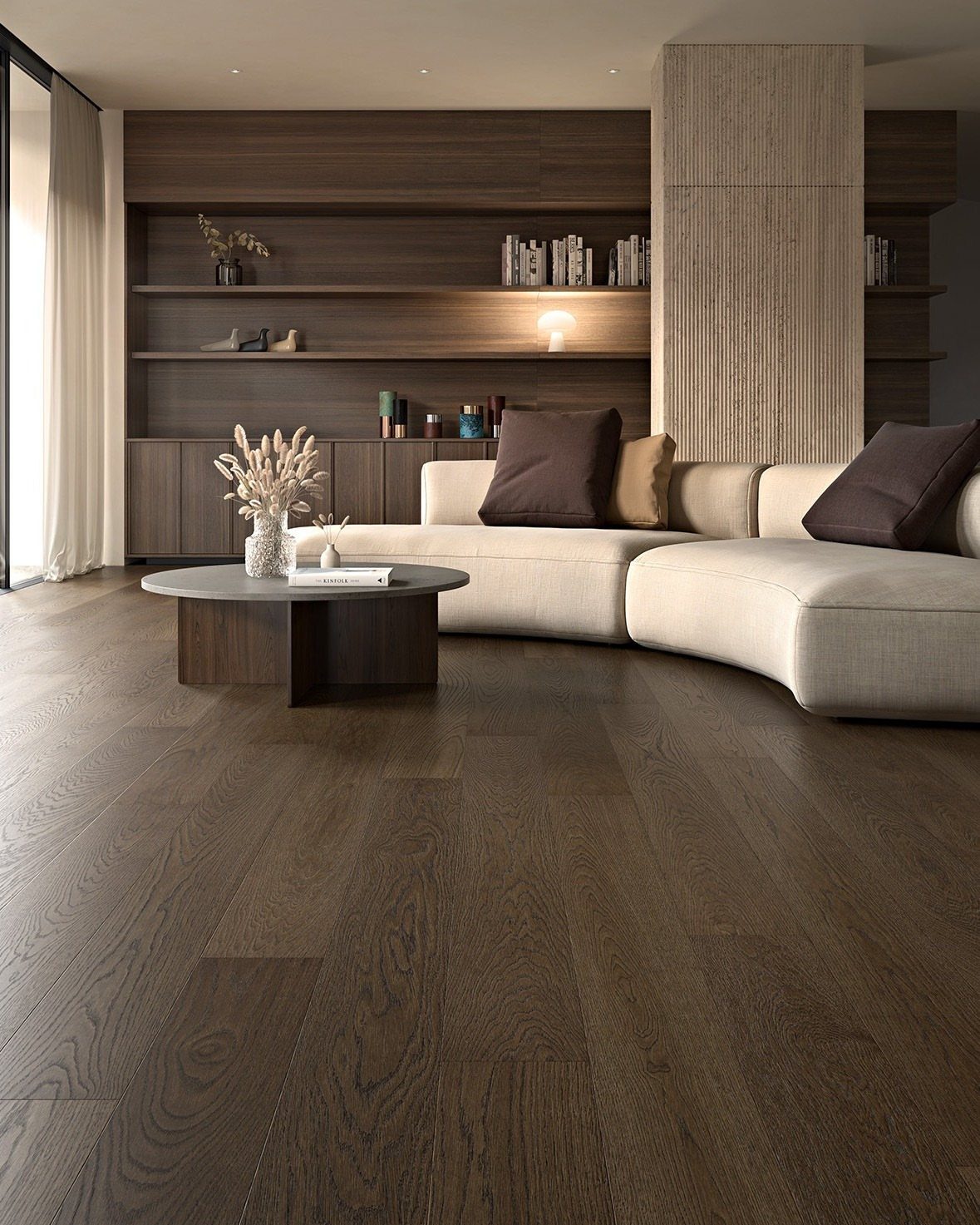
Dark walnut or charcoal planks turn the floor into the statement piece, which saves money on wall art. Light walls and a pale sofa keep the room from feeling like a cave.
I have seen this work best in open-plan spaces where the dark flooring runs wall to wall and the eye has room to travel.
In a small closed room the same tone can feel heavy, so size matters more than style here. Built-ins in a matching stain help the floor read as intentional rather than oppressive.

Luxury Vinyl Floor Tiles for DIY Projects: Lucida USA’s BaseCore collection brings peel-and-stick flooring to the next level, offering strong core performance with a stylish wood-look surface, perfect for any home improvement or remodeling project

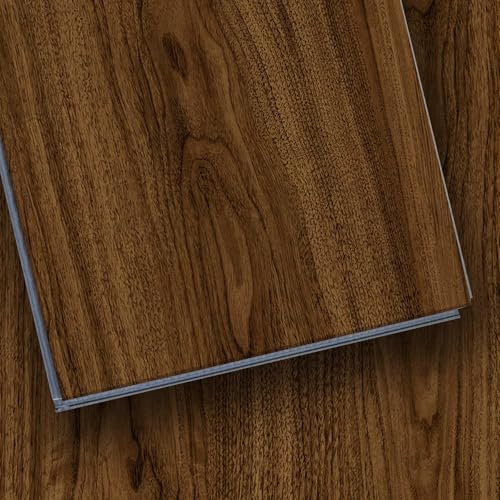
🏠DETAILS: 15.8x78.8 Inch, total 8.65 sq.ft (40cmX2m) Made of durable thin vinyl, thickness: 0.015 In (0.4MM). Peel and stick wood planks vinyl flooring roll, brown shiplap planks color. Waterproof. Removable.
【Ultra-Durable & Pet-Friendly】With a 0.3mm wear layer tested over 15,000 abrasion cycles, this luxury vinyl plank flooring resists scratches, dents, and spills. Ideal for busy homes with pets and kids, it stays beautiful for years even in high-traffic areas.
3. Seaside Grays
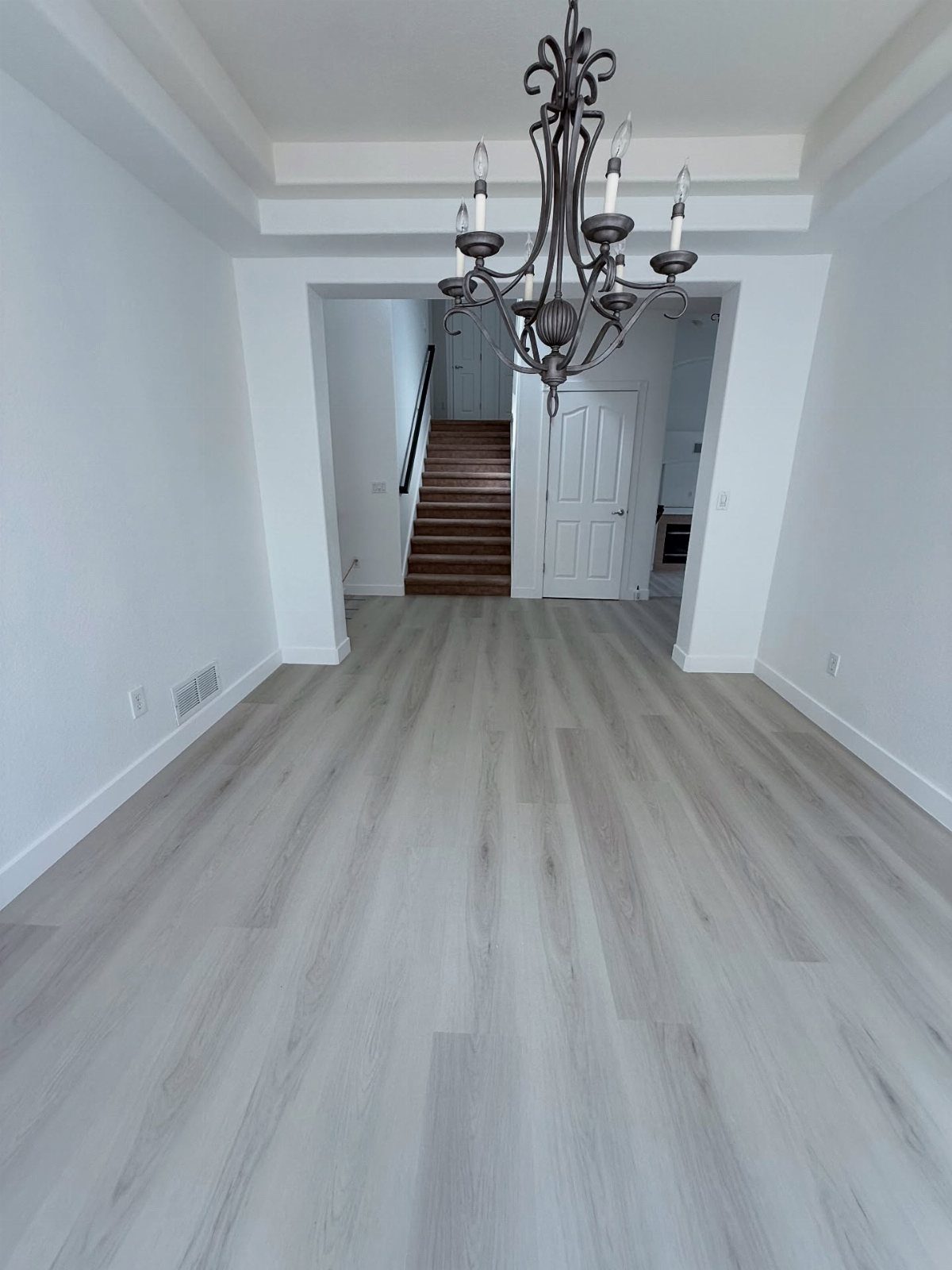
Gray Ash or Breakwater Oak carry that particular coastal mood, cool but not cold.
The gray works because it hides the dust that shows on white and the scuffs that show on dark; for a household with pets or kids, that is a genuine weekly relief.
Pairing depends on what you want from the room. White walls keep it serene, dusty blue layers in depth, and a warm accent like mustard or blush keeps the space from feeling like a showroom.
I would test a few paint swatches against the plank sample in your actual light before deciding.

Textured & Versatile: Available in popular wood look with a natural matte finish that replicates the authentic feel of natural materials. The luxury vinyl plank flooring seamlessly complements Nordic, modern minimalist, industrial and other trending decor styles, instantly elevating the overall aesthetic of any space. Ideal for living rooms, bedrooms, kitchens and more.

Textured & Versatile: Available in popular wood look with a natural matte finish that replicates the authentic feel of natural materials. The luxury vinyl plank flooring seamlessly complements Nordic, modern minimalist, industrial and other trending decor styles, instantly elevating the overall aesthetic of any space. Ideal for living rooms, bedrooms, kitchens and more.

𝐍𝐎𝐓𝐄: Since the length of the peel and stick floor tile wood look is 36Inch (91.44cm), we ship them on a roll to avoid damages. But this bending during shipping will not affect the installation, or you can kindly place heavy objects on the wood vinyl plank flooring for two hours before installation.
4. Warm Wood Tones
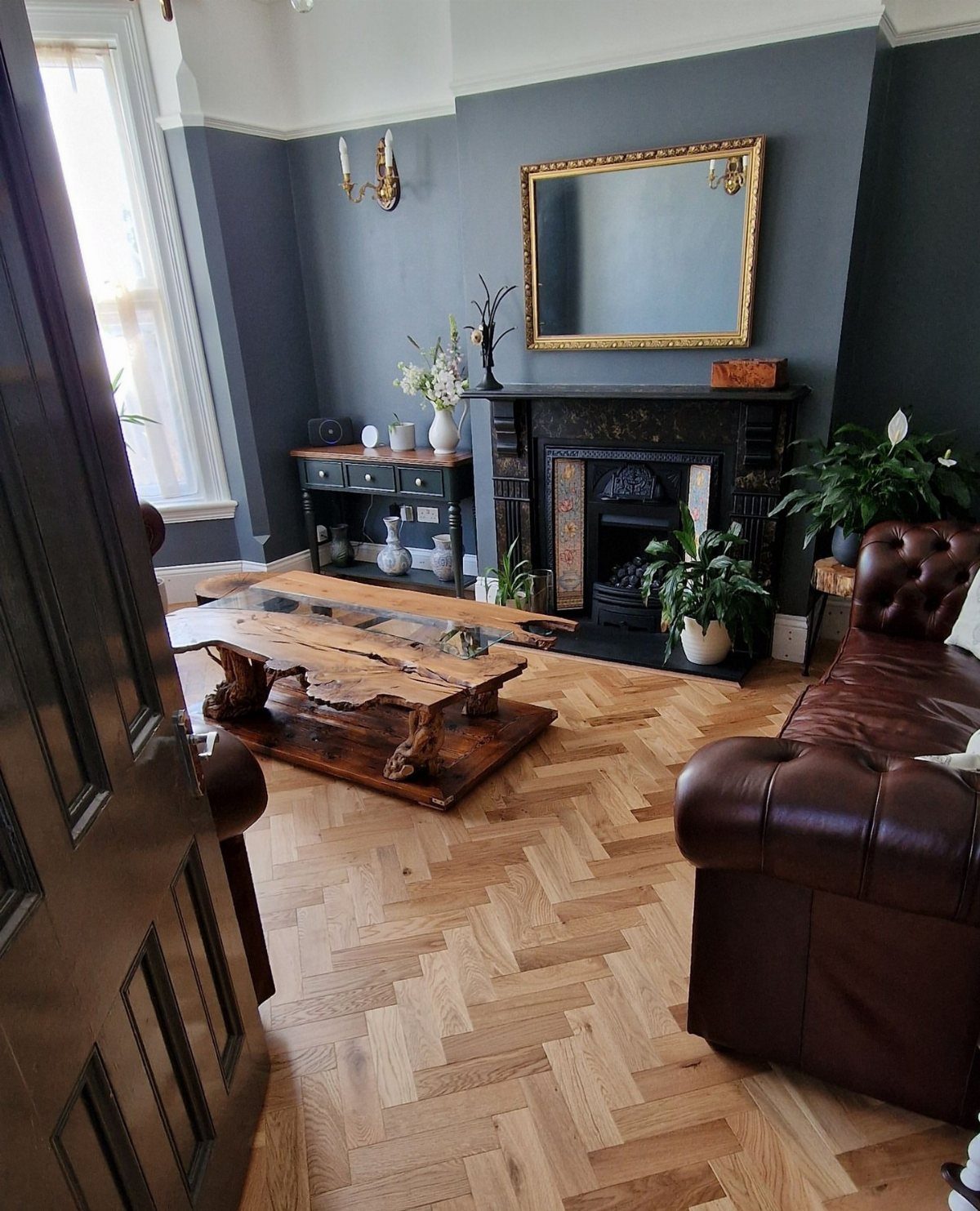
Honey and caramel tones bring back the warmth that gray flooring stripped out of a lot of homes over the last decade.
A herringbone pattern pushes it further toward the traditional end, though the same color in a straight plank reads more modern.
This is the choice for anyone with wood furniture they do not want to fight. The tone harmonizes with oak tables, walnut chairs, even painted pieces in cream or sage.
In a north-facing room the warmth helps; in a space that already gets golden afternoon light, it can go orange, so sample during your brightest hour.

Grey peel and stick vinyl floor tile with a antique rug-inspired look

SAMPLE RECOMMENDATION: To see the item's color and texture in person, we recommend purchasing a sample before placing your order.

【Ultra-Durable & Pet-Friendly】With a 0.3mm wear layer tested over 15,000 abrasion cycles, this luxury vinyl plank flooring resists scratches, dents, and spills. Ideal for busy homes with pets and kids, it stays beautiful for years even in high-traffic areas.
5. Stone and Tile Looks
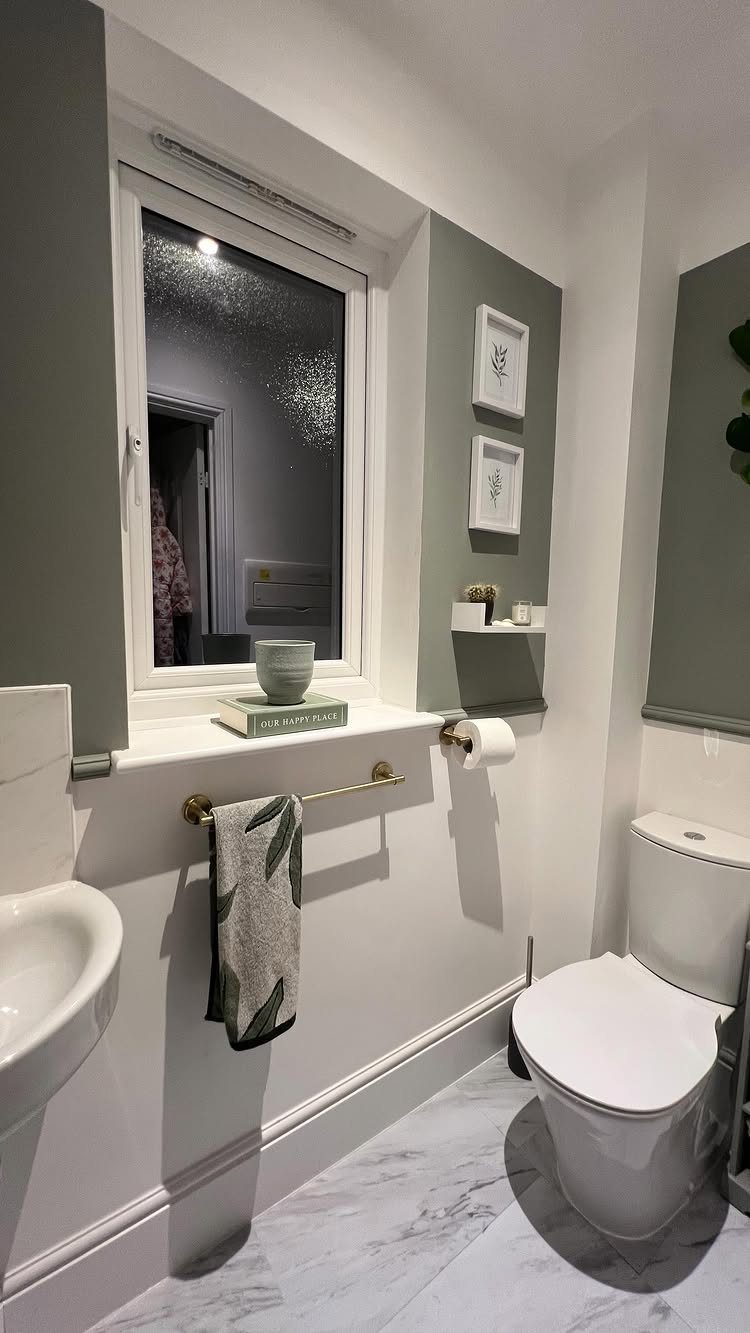
Stone-look vinyl solves the bathroom and kitchen problem: you want the elegance of marble or slate, but the cold hardness of real tile underfoot on winter mornings is not negotiable.
You get the visual heft of ceramic with the slight give and warmth that vinyl carries.
Soft veining in a marble pattern reads clean without being sterile. In a small bathroom the light color bounces light around; in a kitchen it handles drips and dropped utensils without the crack risk of actual stone.
I would use this anywhere water meets bare feet.

【Premium Thickened Vinyl Flooring Roll】Experience our 1.5mm thick vinyl flooring roll with 5 layers for enhanced quality. It's non-slip, non-fading, and provides thermal insulation. Measuring 23.6" x 118", it covers 19 sq ft without snap-lock installation, making it hassle-free and stylish.
【Premium Thickened Vinyl Flooring Roll】Experience our 1.5mm thick vinyl flooring roll with 5 layers for enhanced quality. It's non-slip, non-fading, and provides thermal insulation. Measuring 23.6" x 196", it covers 32 sq ft without snap-lock installation, making it hassle-free and stylish.
6. Soft Whites and Creams
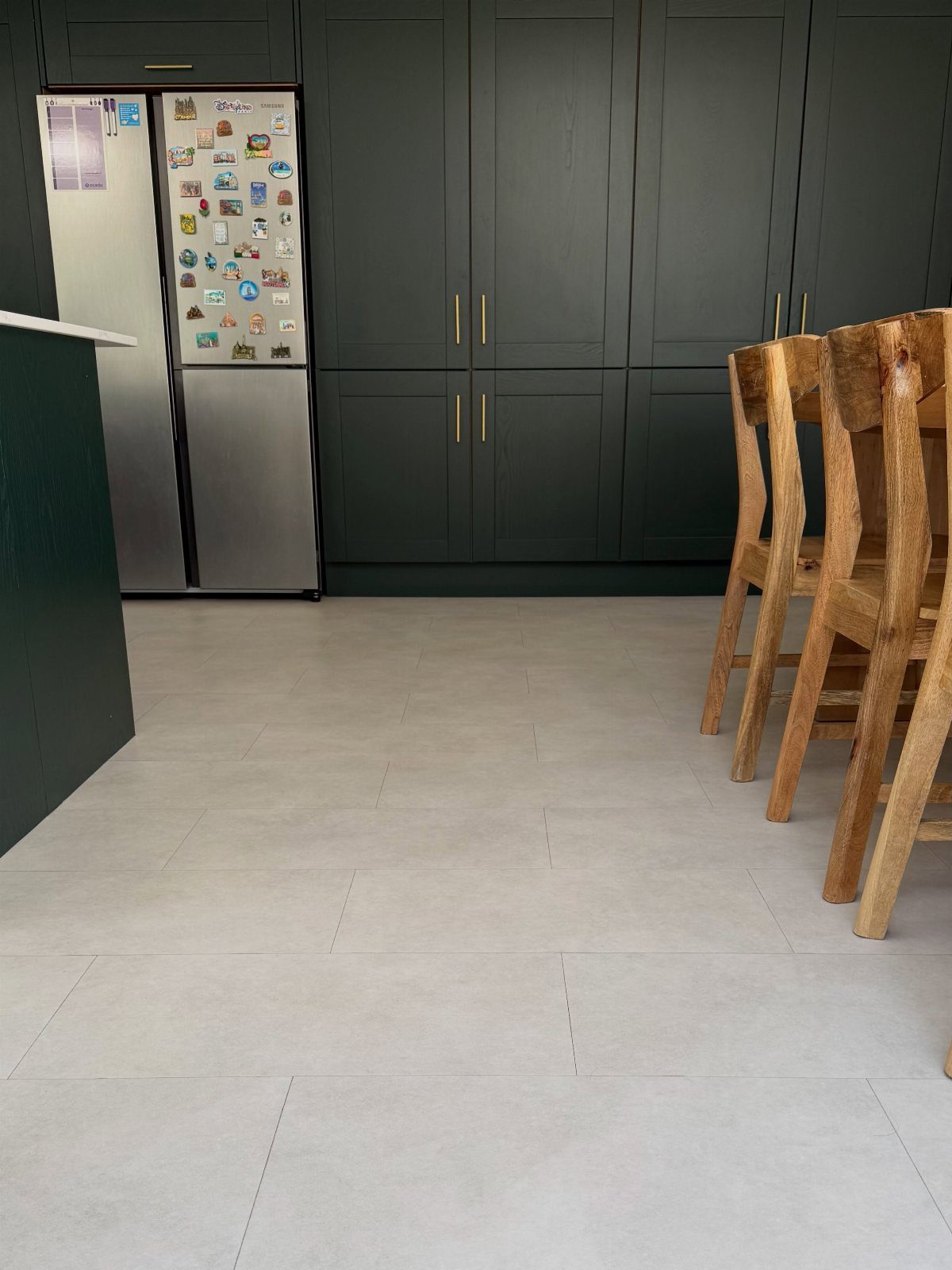
Soft white or cream planks reflect light back into a room, which matters when you cannot add windows. Dark green cabinets play against them well when the floor stays warm rather than stark.
The maintenance reality is what you would expect: every crumb shows, and pet hair stands out rather than blending in. For a household that cleans as it goes, the brightness is worth it.
For anyone who lets Saturday morning arrive before the vacuum does, the same visual effect in a warm taupe hides a lot more living.

🏠 Wood flooring: Thickness is 0.06inch (1.5mm). Size 12x12 inch included 32 Tiles, made of vinyl. Peel and stick floor tile wood plank look, waterproof, removable, groutable, non slip, no special tools needed.
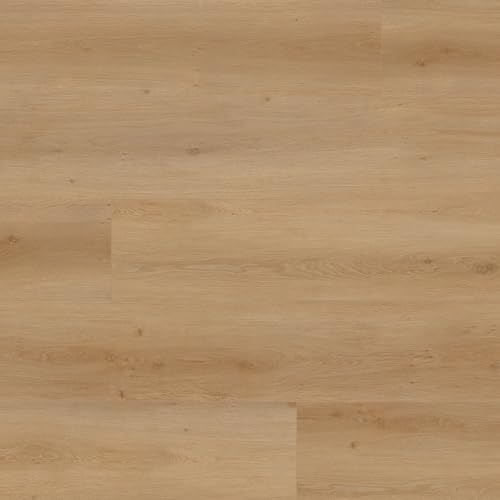
100% Waterproof & Ultra-Durable Construction: Premium rigid-core vinyl planks with a 22 mil wear layer resist scratches, stains, and spills for kitchens, living rooms, bathrooms, and high-traffic areas

Uniform 12-inch size facilitates neat splicing and quick large-area pavement,
7. Coastal Whitewashed Planks
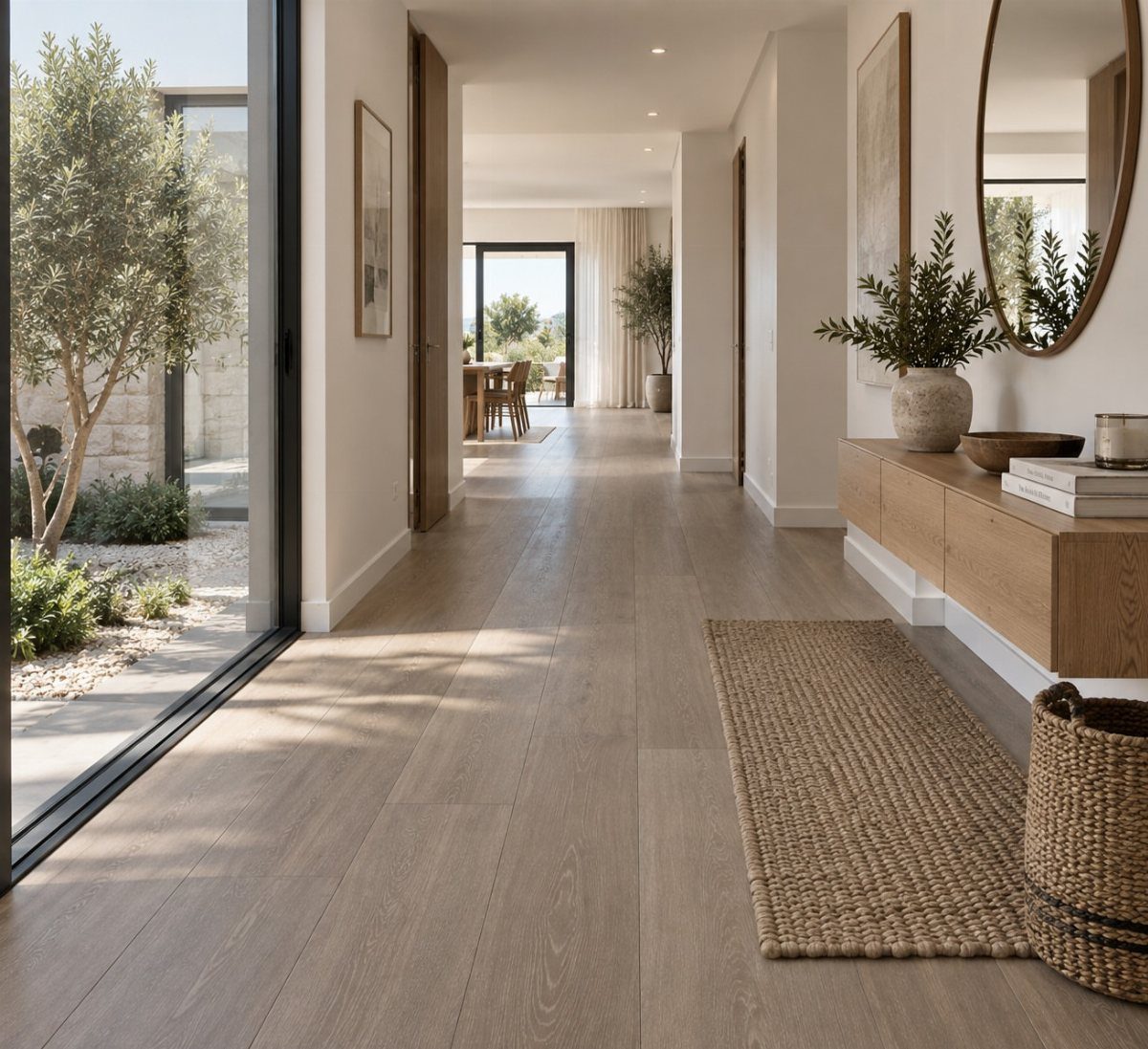
Coastal whitewashed planks borrow from the same bleached-wood look you’d find in a Cape Cod rental, and they work because the pale finish bounces light back into the room instead of swallowing it.
That makes them a solid pick for narrow hallways or any space that only gets sun for part of the day.
A beachy tone does not need rope accents or shell collections; warm wood furniture and a woven runner keep it grounded. I’d check the plank width before ordering.
Wider boards feel more modern, but in a small entry they can look like you’re trying to hide the floor rather than show it off.
A word of caution: the airy, relaxed finish that brightens a room can also turn flat and cold under artificial light alone.
If your hallway or living area relies on lamps after dark, bring home a sample and look at it in evening light before you commit.

Enhanced Thickness for Durability - The upgraded vinyl flooring is made with a five-layer process, molding and compressing high-quality PVC materials. This creates a thicker and more durable flooring option that will last longer. Each roll measures 40cm x 300cm, providing ample coverage for your space.

🏠Thick peel and stick floor tile: Thickness is 0.06inch (1.5mm). Size 12x12 inch included 4 Tiles, made of vinyl. White wood peel and stick floor tile waterproof, renter friendly, groutable, non slip, no special tools needed.

🏠Upgrade thickness: Size 12x12 inch included 4 tiles,thickness is 0.06in/tile (1.5mm), made of vinyl, solid matte white peel and stick floor tile waterproof, renter friendly, groutable, non slip, no special tools needed.
8. Light Natural Oak Planks
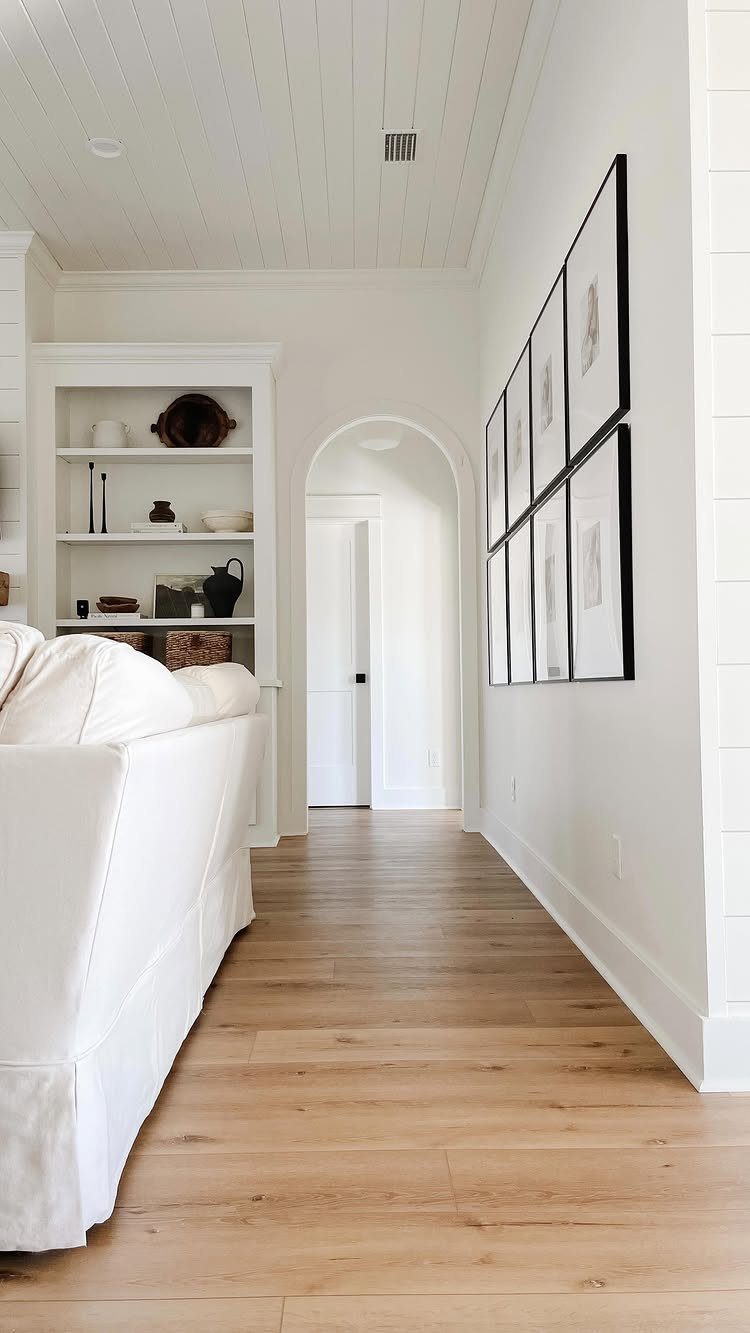
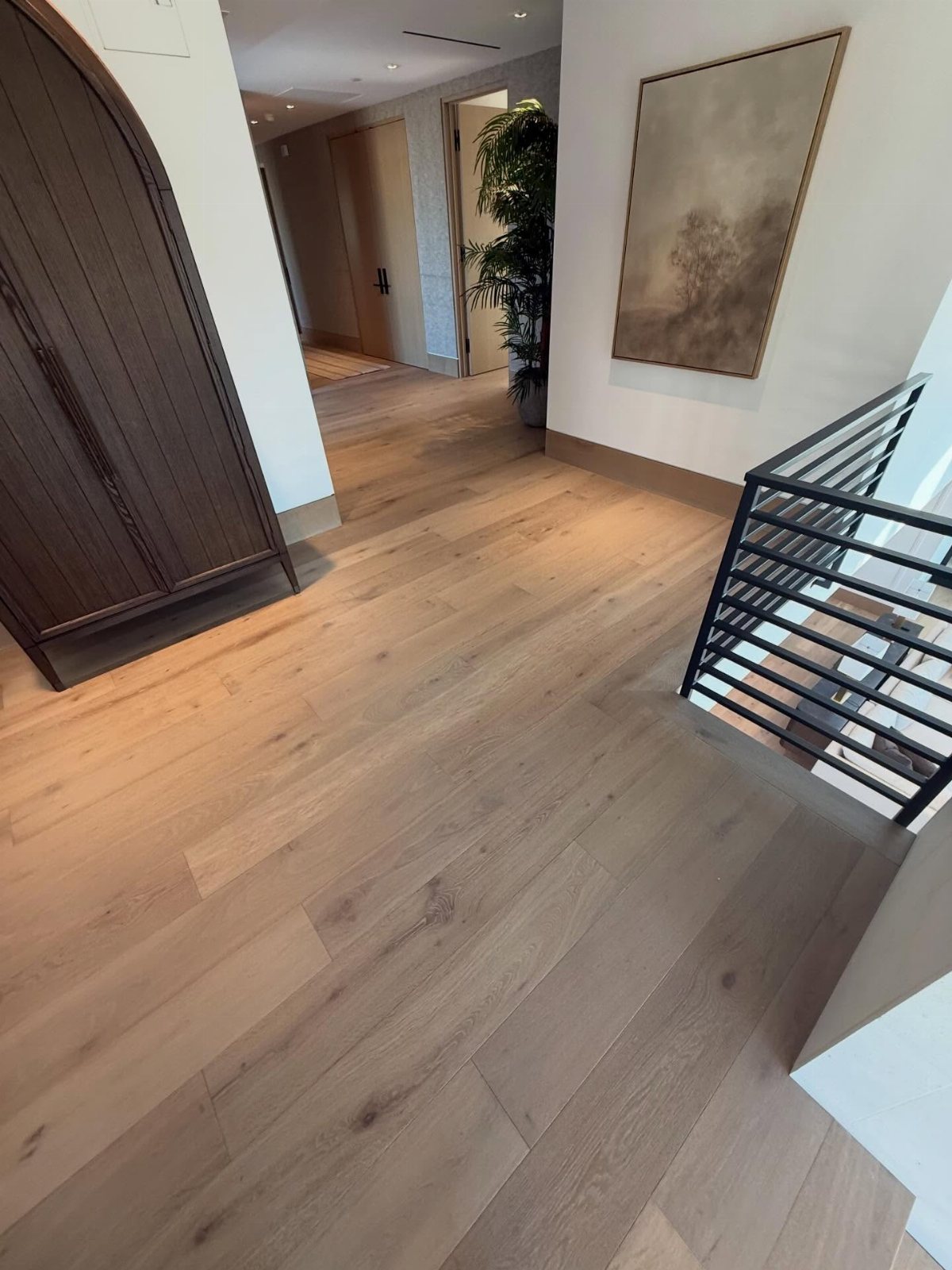
Sunlight changes natural oak LVP by wall. Warm southern light pushes it toward honey; the same plank in a dimmer northern bedroom reads closer to raw timber.
That shift is worth planning for, since you’re buying the floor for how it lives, not how it looked in the store under spotlights.
Light natural oak carries enough grain to hide the scuffs that come with actual life, which matters when you’re laying it yourself on a Saturday and walking on it Sunday night.
The blonde tone also forgives dust between cleanings better than anything darker or redder.
For a rustic character without going full farmhouse, I’d look for visible knots and pronounced grain, the kind Seaboard Oak builds its whole look around. It adds texture underfoot without demanding the rest of the room go shabby-chic to match.

【Dimensions & Coverage】Vinyl flooring tile each tile measures 36"×6", with 32 pieces covering 48 sq ft in total – enough for most small to medium spaces like kitchens, bathrooms, hallways, or utility rooms.

Nexus Wood Look Floor Planks: Transform your floor for a low cost and no hassle with the Nexus Vinyl Floor Planks. Our planks can be used in any room in your home from the foyer to the bathroom. No messy glue or adhesives needed. Includes 10 vinyl planks.

𝐄𝐟𝐟𝐨𝐫𝐭𝐥𝐞𝐬𝐬 𝐃𝐈𝐘 𝐈𝐧𝐬𝐭𝐚𝐥𝐥𝐚𝐭𝐢𝐨𝐧:Achieve a seamless upgrade with our peel and stick floor tiles. No grout, glue, or special tools needed. Simply peel the self-adhesive backing and stick the vinyl flooring directly onto clean, smooth subfloors. Easily trimmed with scissors for a perfect fit around corners and edges. The flexible planks allow for custom splicing patterns, making it the ultimate renter-friendly and easy flooring to install solution for any DIY enthusiast
9. Herringbone Patterned Wood
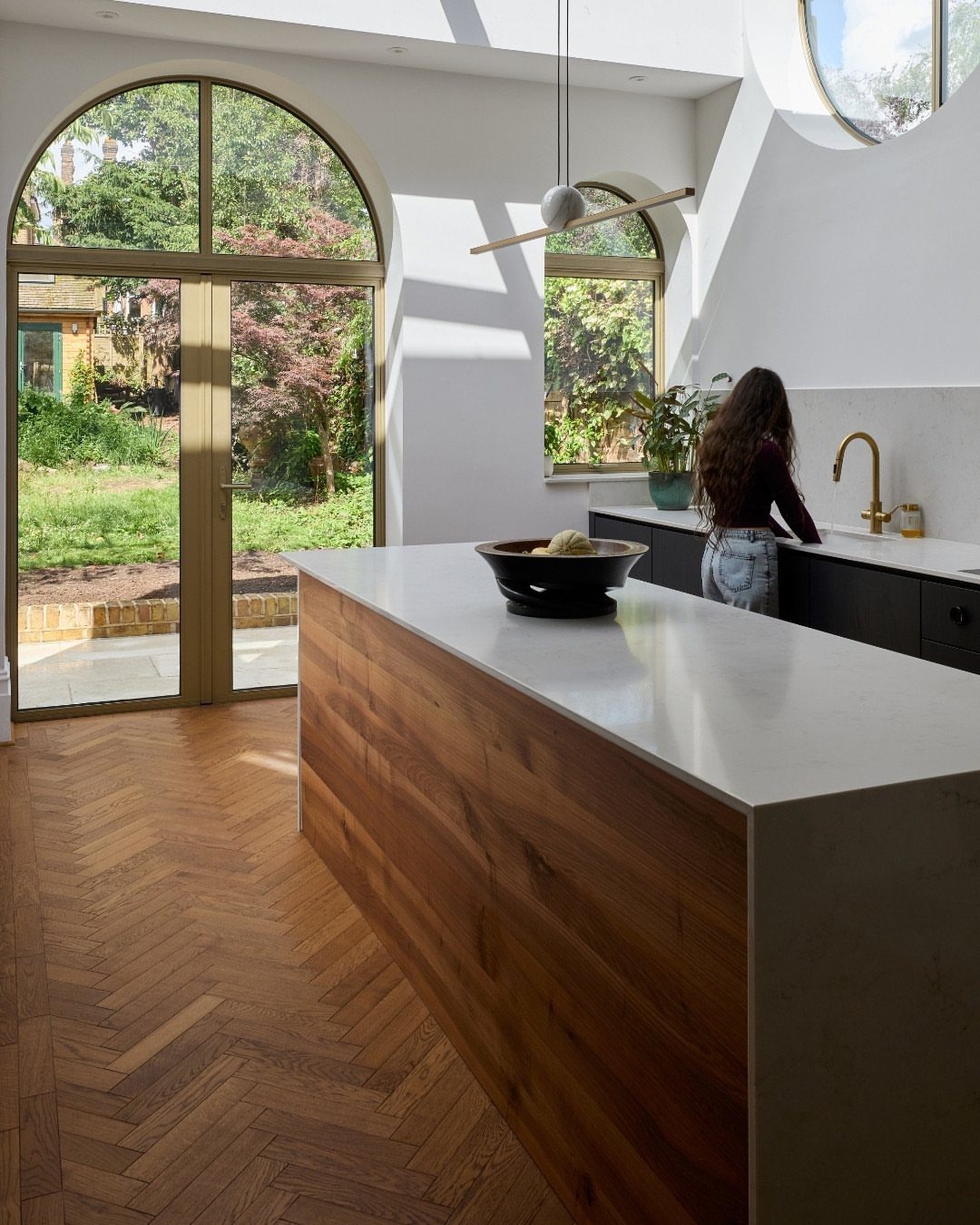
Herringbone eats more material per square foot than straight plank, and the angled cuts waste what a standard install would not, so add extra to your material order before you price the vinyl itself.
The zigzag draws the eye through a room and makes a kitchen feel designed rather than finished.
LVP handles the pattern better than actual hardwood because the planks lock uniform and won’t gap or cup the way wood does when humidity swings.
That stability matters in a kitchen, where steam from the stove and tracked-in rain test a floor daily.
I’d reserve this for a space that already has strong architecture; arched windows and a waterfall island can hold their own against a busy floor.
In a plain box of a room, herringbone can feel like you’re dressing up a rental tuxedo. If your walls and cabinets are quiet, straight plank keeps the peace.

[Widely applicable] This products is specially customized by us,high-quality vinyl floor roll have realistic wood grain textures and semi matte surfaces, providing slip resistance and barefoot comfort. By enhancing moisture resistance with a thick aluminum layer, its durable structure is more resistant to wear and moisture than ordinary vinyl stickers, ensuring long-term use without frequent replacement. If you need to purchase better quality products, I believe this vinyl flooring will not disappoint you.Suitable for flooring in bedrooms, living rooms, kitchens, lounges,offices, school classrooms.Of course, you can also DIY it for wall, cabinet, and countertop decoration.

[Widely applicable] This products is specially customized by us,high-quality vinyl floor roll have realistic wood grain textures and semi matte surfaces, providing slip resistance and barefoot comfort. By enhancing moisture resistance with a thick aluminum layer, its durable structure is more resistant to wear and moisture than ordinary vinyl stickers, ensuring long-term use without frequent replacement. If you need to purchase better quality products, I believe this vinyl flooring will not disappoint you.Suitable for flooring in bedrooms, living rooms, kitchens, lounges,offices, school classrooms.Of course, you can also DIY it for wall, cabinet, and countertop decoration.

LUXURY VINYL FLOOR TILES: For use indoors and in temperature-controlled environments only, MSI brings adhesive flooring up a notch with Glue-Down floor planks – stylish at the surface with the authentic look of real wood plank flooring
Choosing the Right Color
Your overall design style should lead the color choice, not follow it. If you already own wicker furniture and lean toward a coastal feel, bleached light wood vinyl will fit without forcing you to buy new pieces.
If your rooms run toward jewel tones, velvet, and darker antiques, an earthy brown plank grounds the mood without competing.
Warm tones pull a room inward and make it feel intimate; cool tones push the walls back and read more modern.
A bedroom where you want to relax at night favors warmth; a home office that needs to feel alert and open favors cool.
Neutral creams, light grays, and medium browns stay flexible if you change your mind every few years. They adapt to new paint and furniture without demanding a full floor replacement.
Maintenance Tips
Matte finishes hide scratches and dust better than anything with shine, which means less time chasing the appearance of wear. Low-sheen textures carry the same advantage and read contemporary without trying for it.
High-gloss flooring is fading for exactly this reason. The light catches every scuff and footprint, so the floor looks older faster.
For active homes with kids or pets, the difference is weekly maintenance versus daily touch-ups. The finish matters as much as the color when you are living with the floor, not just looking at it.
Installation Considerations
Click-lock and peel-and-stick formats let you install many vinyl floors without hiring out. A weekend is enough for most rooms, and renters can pull the planks up when they leave.
Waterproof LVP or luxury vinyl tile belongs in kitchens, bathrooms, and laundry rooms. Bedrooms and living spaces call for comfort underfoot and noise reduction instead.
Heavy traffic means 12 mil on the wear layer, minimum. Scratch and stain resistance matters with pets, kids, or just the normal scraping of shoes and chairs.
Texture gives you traction and catches light the way real plank does. For air quality, FloorScore or GreenGuard certification marks products with lower emissions; some include recycled content.
Durability and Performance
Spills, steam, and tracked-in dampness sit on the surface instead of soaking through.
Comfort underfoot separates it from tile or stone; you can stand at a stove or a bathroom sink longer without the fatigue that harder surfaces cause. The plank format adds warmth that sheet vinyl does not quite match.
Deeper embossing and wood visuals that actually fool the eye are where the manufacturers put their effort this year. The printing has improved enough that the difference from actual timber is harder to spot at a glance.
Improved waterproof technology continues to close the gap with tile in wet spaces.
Frequently Asked Questions
What color LVP is timeless?
Warm wood tones and classic oak shades hold up best over years of style shifts.
Before you order, hold the sample in your actual room light; the same plank that glows honey under southern sun can flatten to raw timber in a dim northern space.
What is trending in LVP flooring?
Warm neutrals are replacing the cool grays that dominated the last decade, with honey and caramel tones leading the shift.
Matte finishes keep the look modern rather than glossy, and bold patterns like herringbone are showing up in kitchens where homeowners want the floor to read as designed.
Thicker embossing and sharper wood grain details are closing the gap between vinyl and real hardwood, enough that you have to look twice to tell them apart.
What color flooring never goes out of style?
Greige, taupe, and soft brown-grey blends stay safe through décor changes because they bridge warm and cool without committing to either. These mid-tone neutrals work with white trim, wood furniture, and painted pieces in almost any shade.
I’d pick one of these if my taste in wall color or sofa fabric tends to shift every few years.
What are the hottest laminate flooring colors in 2026?
Warm wood tones and creamy neutrals are the colors showing up most in new installs.
Blonde and honey shades open up a space, while textured neutrals like warm gray and greige carry softness without the coldness that plain gray brought in earlier years. The move is toward floors that feel organic rather than showroom-perfect.