
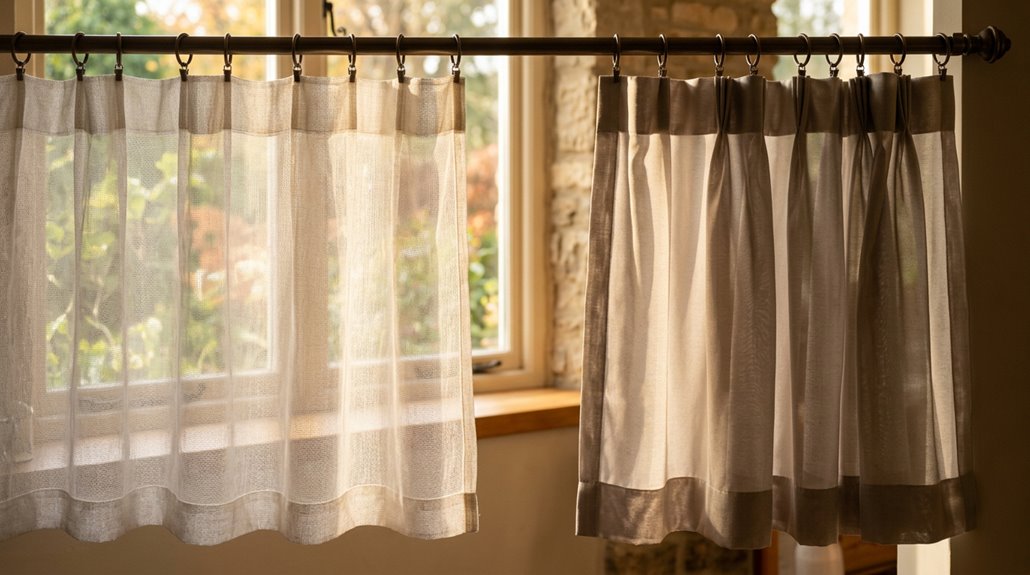
I’ve learned the hard way that sheer and voile curtains aren’t interchangeable. Sheer lets in brighter light with 30–50% transmittance, while voile creates a dreamy, filtered glow at 70–90%. You’ll get minimal nighttime privacy from sheers; I learned this in my first apartment.
Voile reduces visibility substantially. Sheers are machine-washable workhorses; voile demands gentle hand-washing.
Voile drapes in swooping, uninterrupted panels with fewer seams, perfect for romantic spaces. Sheers suit modern, high-traffic areas like kitchens or entryways.
Layer them together, sheer behind voile, for depth, privacy, and optimal light control. The differences significantly impact functionality and aesthetics, so selecting the right option prevents costly replacement.
Sheer or Voile: Start With Your Priorities

A few years back, I stood in the curtain aisle of a big-box store, completely frozen. I’d grabbed what looked pretty without thinking about my actual needs, and I have unfortunately done this several times. Don’t be me.
Start with these priorities:
Light control, lifestyle, layering plans: the three decisions that separate dreamy spaces from buyer’s remorse.
- Light control — Sheer lets in more brightness for workspaces (like a kitchen or home office), while Voile creates that dreamy, filtered glow for relaxing spaces.
- Your lifestyle — Sheer’s machine-washable durability handles busy households; Voile needs gentler care but rewards you with romantic movement.
- Layering plans — Voile practically begs for pairing with heavier panels, while Sheer often stands alone.
Five minutes of planning prevents buyer’s remorse. Match the fabric to your daily routine, not just your Pinterest board.
Privacy Levels: What Each Fabric Reveals From Outside
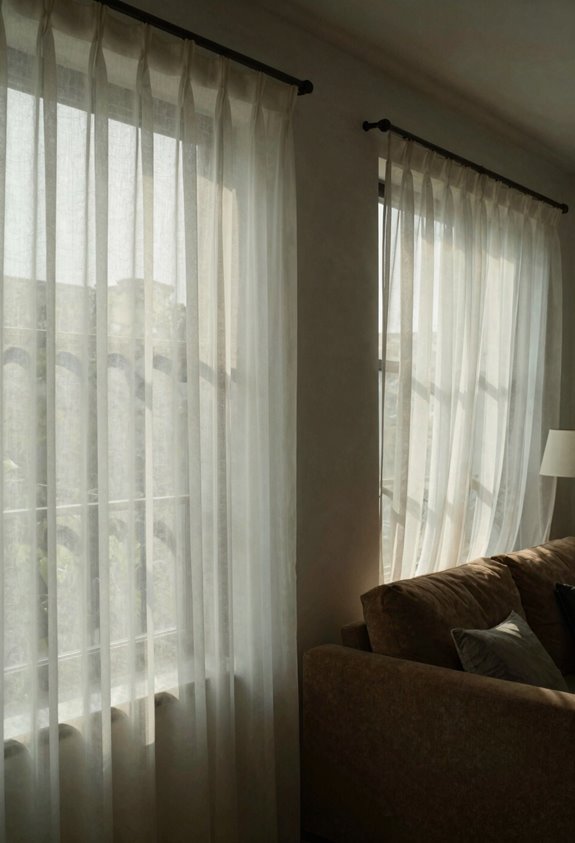
Once you’ve sorted your priorities, you’ll encounter the privacy question. I have unfortunately done this several times, hanging sheer curtains and realizing my living room became a fishbowl at night.
Here’s the visibility breakdown:
- Sheer curtains offer minimal privacy. During the day, they filter light beautifully, but at night, anyone outside sees straight in. This requires planning.
- Voile fabric reduces visibility substantially while still letting light through. It’s not complete privacy, which spaces like kitchens, entryways, or children’s rooms might need, but it’s noticeably better than sheer.
For spaces requiring real privacy, layer either fabric with solid-colored drapes. This increases privacy without killing that soft, diffused light. The easiest way is to install a double rod system, which is simpler than you might expect.
Light Filtration: Why Sheer and Voile Feel Different
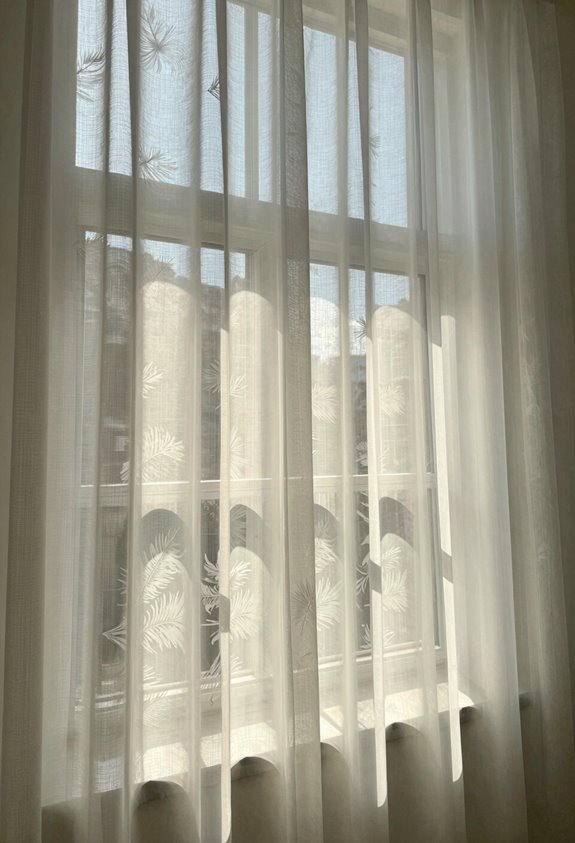
How differently light moves through your windows can transform a room’s entire mood. I learned this after hanging the wrong fabric in my south-facing bedroom.
What I’ve figured out about light filtration:
- Sheer curtains let in 30%–50% light, keeping things bright and open
- Voile curtains offer 70%–90% transmittance, giving you that softer glow
- Sheer preserves more outdoor detail, so you stay connected to the view
- Voile diffuses everything into a romantic, textured haze
- Sheer feels airier, while voile wraps your space in warmth
I’ve picked sheer when I wanted cozy, or voile when I needed clarity. To choose correctly, picture your mornings. Do you want transparency, or that gentle, filtered light? Both options deliver their intended effect with proper selection.
Layering Techniques: Creating Depth and Solving Privacy

I’ve found that layering sheer behind voile is the easiest way to add instant depth to a window, since the sheer softens sunlight while voile brings tighter texture and a bit more coverage. For real drama, voile swags draped over sheer panels create a layered effect that combines romance with adequate daylight. Color mixing also transforms a space. Pair coral sheer under neutral voile in a kitchen, entryway, or child’s room, since unexpected color combinations shift the mood of a space without requiring major changes.
Layering Sheer Behind Voile
Why settle for flat, one-dimensional windows when you can build layers that actually work for your space? I have unfortunately done this several times, skipping the planning, and ended up with curtains that fought each other instead of working together. Layering sheer behind voile fixes this completely.
Here’s what works best:
- Sheer goes closest to the glass for soft diffusion
- Voile sits forward to add structure and gentle weight
- You get depth without blocking that glow you love
- Pair with blackout panels (like a bedroom or media room) for nighttime privacy
- Color experiments, say coral accents, become low-risk with this setup
This approach is worth implementing. The sheer handles daylight, voile adds polish, and together they create an intentional layered effect rather than an accidental one.
Voile Swags for Drama
Where exactly do you turn when a window feels too plain, but heavy drapes feel like overkill. Voile swags layered behind sheer curtains create instant drama without the weight.
This combo works because of three practical benefits:
- Depth without darkness – The voile adds substance while the sheer keeps things airy
- Privacy solved – Together they blur the outside view but still glow with natural light
- Fewer seams – Voile’s generous width means less piecing together. I’ve done this several times with narrower fabrics, and it’s maddening.
For maximum impact, drape voile in deep, sweeping curves in formal dining rooms or bedrooms, then add sheer panels underneath. The layered textures feel intentional and welcoming, and cost significantly less than they appear.
Color Mixing Strategies
How exactly do you keep layered curtains from looking flat or muddy? I’ve learned this the hard way, and this approach is worth the effort.
- Layer sheer behind voile for depth that still feels airy and light
- Mix coral accents with either sheer or voile to boost visual impact without darkening your room
- Add voile swags to sheer curtains for instant drama and better window framing
- Pair light voile with darker sheer layers to balance brightness and create dimension
- Layer voile with solid drapes or blackout panels when you need privacy plus diffusion
I have unfortunately done this several times: picking colors too close in value kills the whole effect. The easiest way to avoid this is to test your combinations in natural light first, like a kitchen or entryway, before committing.
Material Breakdown: Synthetic Blends vs. Natural Fibers

When standing in the curtain aisle and checking fabric labels, fiber content reveals what you’re actually purchasing. Sheer curtains typically use polyester and cotton blends for durability, while voile uses cotton or lighter weaves for airiness.
| Fabric | Common Materials | Best For |
|---|---|---|
| Sheer | Polyester, cotton-linen, silk blends | High-traffic areas (like a kitchen, entryway or child’s room) |
| Voile | 100% cotton, cotton blends, polyester | Bedrooms, spaces needing gentle movement |
Polyester gives sheers their wrinkle-resistant qualities. Cotton voile feels luxurious but requires gentler handling. Matching fiber content to your lifestyle prevents maintenance problems down the line.
Texture and Drape: Flowing Softness vs. Stiffer Structure
Fiber content is only part of the story, because once you hang those curtains, what really matters is how they move and feel in your space. I’ve learned this after installing fabrics that looked perfect on the bolt but fell flat on my windows.
What you need to know about texture and drape:
- Sheer chiffon offers a soft drape that floats and billows with every breeze
- Voile delivers a crisp hand with slightly more structure and control
- Chiffon’s airy weave creates romantic, layered movement
- Voile’s wider widths (often 120 inches) mean fewer seams for large panels
- Sheer fabrics resist wrinkles better, while voile holds its shape with more body
Choose chiffon for dreamy, flowing effects, or voile when you want substance without heaviness.
Price and Longevity: Budget Picks vs. Investment Pieces
I know you’re weighing whether to grab budget-friendly sheer options or spring for premium voile investments, and I’ve done this several times, so let me break this down into the easiest way to decide what’s actually worth your money.
1. Start with your budget and your room’s daily wear:
- Sheer curtains are your practical, cost-effective pick (like a kitchen, entryway or child’s room), usually machine-washable and built to handle real life
- Voile demands gentler hand-washing and careful handling, so you’ll spend more upfront and replace them sooner if you’re rough on fabrics
2. Think about what “investment” means for your space:
- Sheer wins if you want versatility because you can layer with blackout panels and switch looks seasonally
- Voile’s pricier, but it’s an investment in pure atmosphere, giving you that soft, romantic diffusion (70–90% light) that sheer’s crisp transparency cannot replicate
Choosing between these fabrics becomes straightforward once you match the fabric to your actual lifestyle rather than just your Pinterest board.
Budget-Friendly Sheer Options
Why spend more than you need to? Smart shopping starts with knowing your options, and sheer curtains deliver serious value without the premium price tag of Voile.
Budget-friendly sheers offer practical advantages:
- Lower upfront cost than Voile, perfect for first apartments or temporary spaces
- Machine-washable durability saves you money on dry cleaning
- Reusable across rentals, so you’re not rebuying with every move
- Layer-friendly design lets you pair with affordable solids for privacy without splurging
- Day-to-day practicality means they handle busy rooms, like kitchens or kids’ bedrooms, without fuss
Sheer curtains keep your wallet happy while still looking pulled together.
Premium Voile Investments
Where exactly does your money go when you upgrade to voile? This investment delivers visible results in how your space looks and feels.
Premium voile gives you that softer, flowing drape and romantic ambiance you see in design magazines. The lighter weight and finer texture create those swooping, uninterrupted swags that make rooms feel expensive, transforming kitchens, entryways, and children’s rooms.
What you’re paying for:
- Aesthetic appeal; voile layers beautifully for elegant events
- Large-scale draping with fewer visible seams
- Premium visuals that sheer simply can’t match
Voile requires gentler care than sheer fabrics. You’ll hand-wash rather than machine-wash, and it’s more fragile. For special spaces where you want beauty and an elevated look, premium voile delivers the results.
Cleaning and Care: Machine-Washable vs. Hand-Wash Only
How exactly do you keep these delicate window treatments looking fresh without ruining them. Fabric type dictates everything.
- Machine-washable sheers make life easier. Buckle hooks first before washing, a step I’ve failed to do multiple times.
- Hand-wash only voiles need gentle care due to their fragile, loosely woven yarns.
- Vacuum sheers every 3 months, dust voiles monthly.
- Avoid prolonged sun exposure for both, it degrades fibers fast.
- Shade-dry both fabrics, keep away from glass to reduce moisture and dust adhesion.
Smooth wrinkles while damp to skip ironing entirely. Proper care extends the lifespan of these window treatments significantly.
Best Uses: Home Rooms and Special Events for Each Fabric
I want to help you figure out exactly where each fabric belongs in your home and at your events, because choosing wrong means either too much glare or curtains that look flat and lifeless. We’ll break this down into three clear areas: which rooms suit sheers versus voiles, how to pick the right fabric for weddings and parties, and the smartest ways to layer them without creating a bulky mess. Getting these placements right transforms a space from “almost there” to exactly what you pictured.
Home Room Applications
Why choose the wrong fabric for your space when selecting curtains can be easier than you think? I’ve done this several times, and the right choice makes a measurable difference. Here’s where each fabric works best in your home.
- Sheer curtains work beautifully in living rooms with ample windows, keeping brightness flowing throughout your day
- Voile curtains create that soft, romantic feel perfect for classic or whimsical spaces you want to feel cozy in
- Pair voile with blackout curtains in bedrooms, like a guest room or master suite, for layered privacy without losing light
- Use sheer curtains in modern minimalist spaces where you want an open, airy backdrop
- Choose voile for media rooms where you need light diffusion plus the option for complete darkness
Both fabrics solve specific problems. Finding your match means understanding your room’s daily rhythm.
Event Decorating Choices
Where exactly do these fabrics shine when you’re hosting something special?
Choosing the right curtain makes your event feel intentional, not thrown together.
Sheer curtains create that ethereal, modern atmosphere you’re seeing everywhere right now. Use them for gallery openings and contemporary weddings where you want light flooding in, that open, airy vibe guests remember. They’re machine-washable too, so cleanup is easier than expected.
Voile curtains work well for romantic, classic themes; think garden parties, anniversary dinners, anything warm and intimate. That softer light diffusion (70–90% transmittance) wraps the room in a gentle quality.
Both work beautifully in double-layer setups, though those specifics come later. Start with your event’s mood. Modern and bright, or romantic and soft. You’ll know exactly which fabric belongs in your space.
Layering Strategies Explained
Layering these fabrics is where you can stop guessing and start creating looks that actually work. Sheer curtains and voile curtains each bring something special when you combine them right.
- Layer sheer curtains behind voile curtains for soft depth and gentle privacy
- Use sheer panels for weddings, add voile swags for that extra romantic punch
- Drape voile over thicker solid curtains to keep light without losing coziness
- Mix colors, like coral sheer curtains with matching voile, to shape any mood
- Choose sheer curtains for bright daytime events, switch to voile for warm evening intimacy
Picking one fabric and hoping for magic rarely works. The most effective approach is combining both fabrics. This layering method delivers results.
Sheer Voile Options: When You Want Both in One
Sometimes I find myself staring at fabric samples, wondering how I’m supposed to choose between airy sheers and practical voile when I want a combination of both. Sheer voile options provide exactly that middle ground.
Here’s what I’ve learned:
- The width advantage – Voile comes in 120-inch widths, so you’re dealing with fewer seams than standard 60-inch sheers. I’ve wrestled with too many seams before, and this reduces installation complexity.
- Light balance – You get 70%-90% light transmittance for that soft glow.
- Privacy protection – Layer voile with solid curtains or blackout linings, and you achieve meaningful coverage for bedrooms, living rooms, and home offices.
- Safety certified – NFPA 701 flame-retardant rating keeps venues protected.