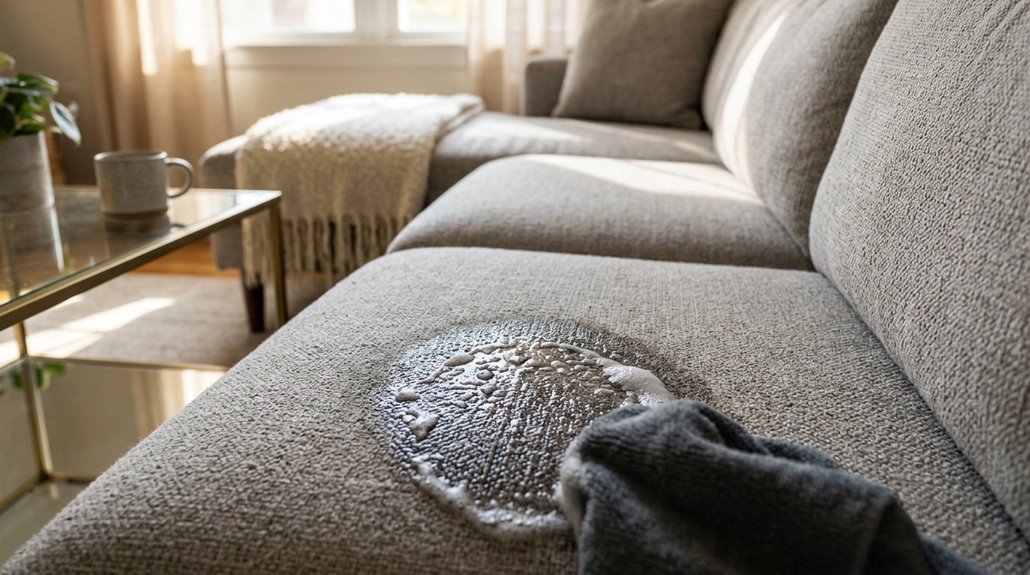
I wouldn’t recommend using carpet cleaner on your sofa. Carpet formulas are too harsh for upholstery fabric, and they leave behind sticky residue that attracts dirt. The excess moisture soaks deep into cushions where mold grows and smells linger for weeks.
Check your furniture’s cleaning code tag first. Look under cushions or along seams for W, S, WS, or X codes, and match your cleaner to that label. Spot-test any product in a hidden corner, wait for it to dry, and blot stains gently rather than scrubbing. For delicate fabrics or anything labeled X, call a professional instead of risking permanent damage. Following these steps protects your furniture from the damage that ignoring them can cause.
Why Carpet Cleaner Can Ruin Your Sofa
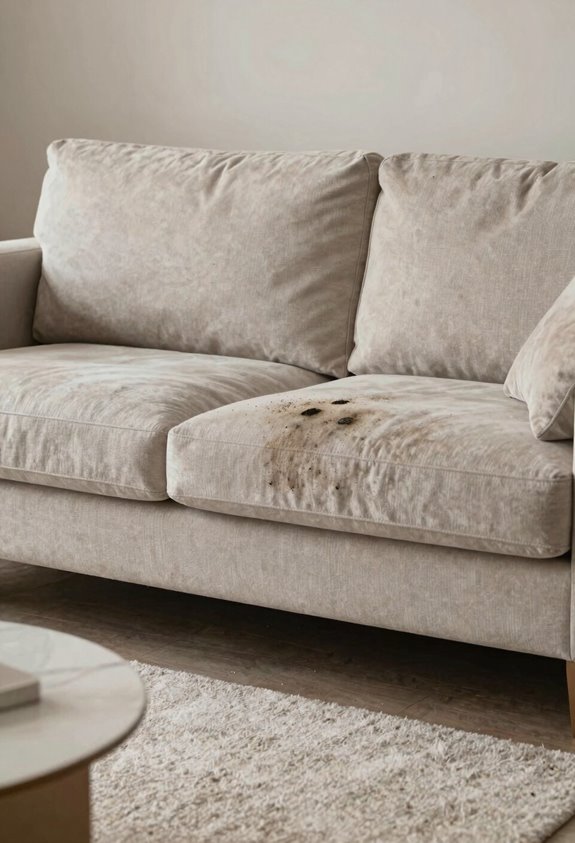
Why exactly do we reach for carpet cleaner when the couch looks grimy. I’ve unfortunately done this several times and learned that carpet cleaner damage is real.
Three big problems emerge:
- Over-wetting soaks deep into cushions (like a kitchen, entryway or child’s room sofa), causing mold and lasting odors
- Fabric-safe incompatibility means many formulas stain or discolor your upholstery
- Residue leaves a sticky film that attracts more dirt
You might think, “I’ll just use less,” but the easiest way to avoid disaster is choosing the right product from the start. Avoiding this mistake prevents costly damage to your furniture.
Check Your Cleaning Code Before You Start
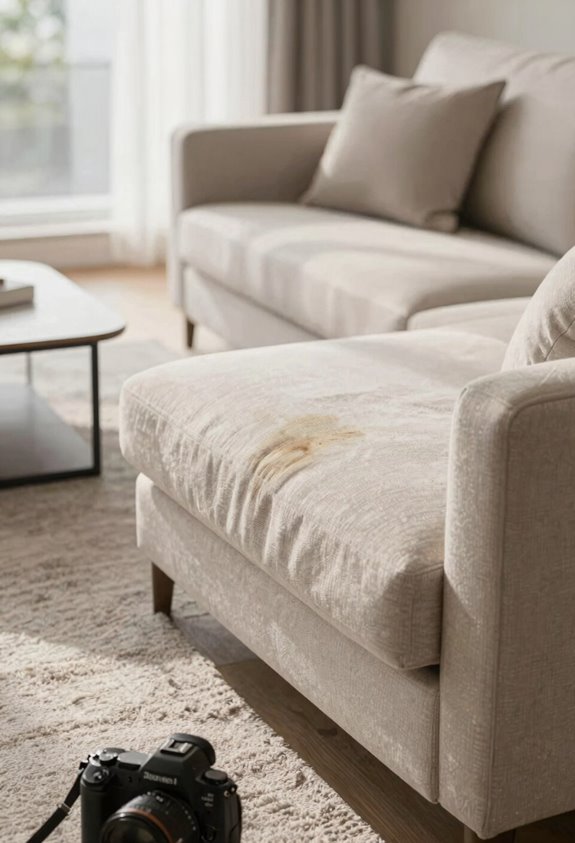
I always start by hunting down that little tag tucked under the cushions or along the frame, because guessing leads to disaster. You’ll find a code—W, S, WS, or X—and that single letter tells you exactly what your sofa can handle, no exceptions. Let me break down what each one means.
Locating the Tag
Where exactly should you look for that little tag. I’ve spent way too long hunting for these things, and I’m going to save you that hassle.
Most sofas tuck their cleaning tags in sneaky spots:
- Underneath seat cushions, along the side or back edge
- Near the bottom rear of the couch frame
- Sometimes along a side seam where cushions meet the arm
I have unfortunately done this several times: flipped every cushion, checked twice, then spotted the tag hiding in plain sight. It’s easier than you think once you know where manufacturers typically place them.
Your tag holds the fabric code and cleaning instructions you’ll need before attempting anything with carpet cleaner. Finding that tag first prevents damage to your couch from inappropriate cleaning products.
Interpreting Code Meanings
Once you’ve found that tag, you’ll need to crack its code. Upholstery cleaning codes tell you exactly what your sofa can handle. W or WS meaning is your green light: W means water-based cleaners only, while WS lets you use either water or solvent-based products. S requires dry-cleaning solvents, and X means vacuum only, no liquids at all.
I have unfortunately done this several times. Carpet cleaner codes don’t automatically match your upholstery. Even with a W or WS label, that powerful carpet machine can over-wet cushions or leave sticky residue behind.
- Finding that tag gives you control over your furniture’s care
- Decoding letters allows you to make informed decisions about your furniture
- Spotting W or WS indicates you have suitable cleaning options
- Seeing X prevents damage and costly mistakes
- Testing first on a hidden area ensures the cleaner won’t harm visible surfaces
Spot-Test Any Cleaner in a Hidden Area
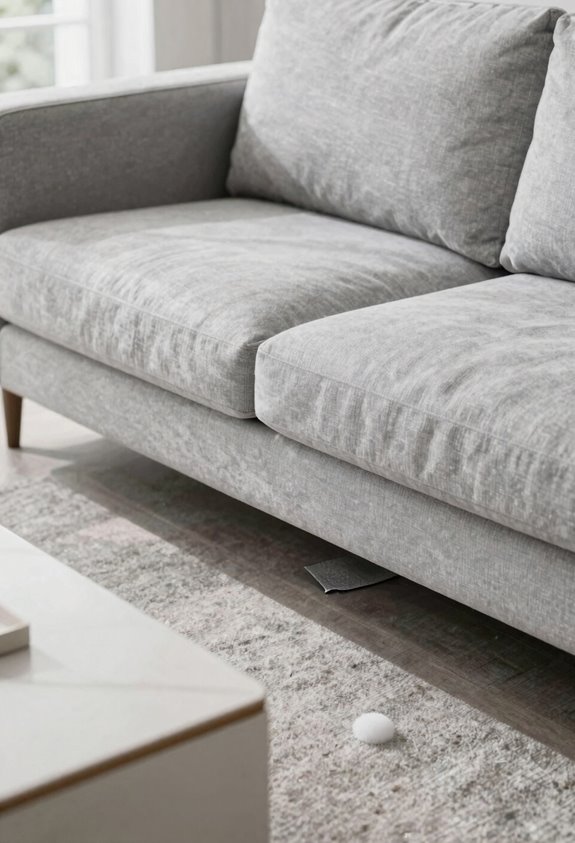
Before applying any cleaner to your sofa, spot-test it first. Skipping this step can result in faded or stiffened upholstery.
- Pick a hidden spot (under a cushion, behind the skirt)
- Apply a tiny amount of cleaner
- Wait for it to dry completely
Check for color transfer, texture changes, or any damage. If the fabric looks off, don’t use that cleaner and find a fabric-safe option instead. Keep a small notebook documenting what you’ve tested so you have a reliable reference for future cleaning needs.
What Happens When You Ignore These Warnings
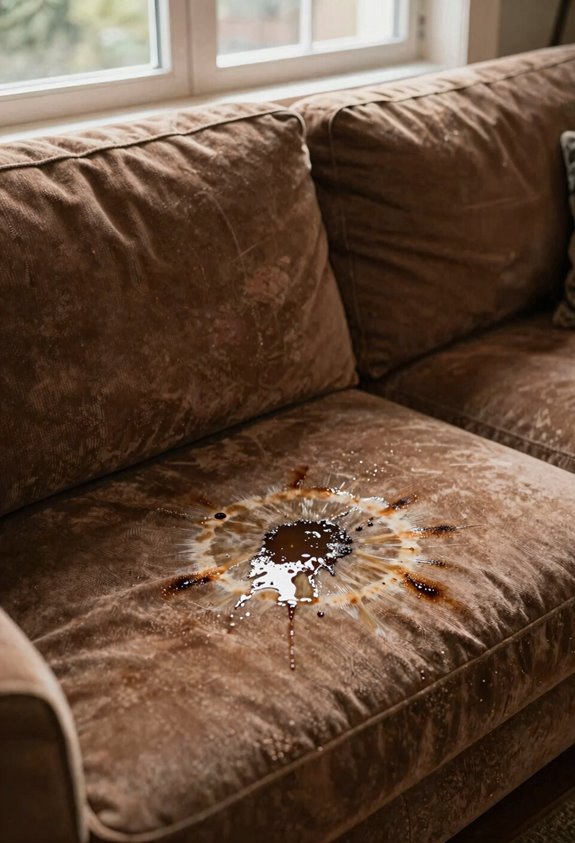
Why risk your sofa when the consequences are so easy to avoid. I have unfortunately done this several times, and this is worth learning from my mistakes. When you grab that carpet cleaner, you’re inviting trouble that hits harder than you’d expect.
- You stain your favorite spot, the one where everyone gathers for movie night
- You smell musty odors creeping from cushions you can’t fully dry
- You watch fibers fray and fade, losing that cozy feel you loved
- You feel sticky residue attracting every crumb and pet hair
- You discover fabric warranty risk means no help when you need it most
Over-wetting turns your sofa into a mold risk. Suddenly you’re not just fixing a cushion, you’re replacing furniture you can’t afford. The damage is avoidable with proper cleaning techniques.
Remove Stains With Safer DIY Methods
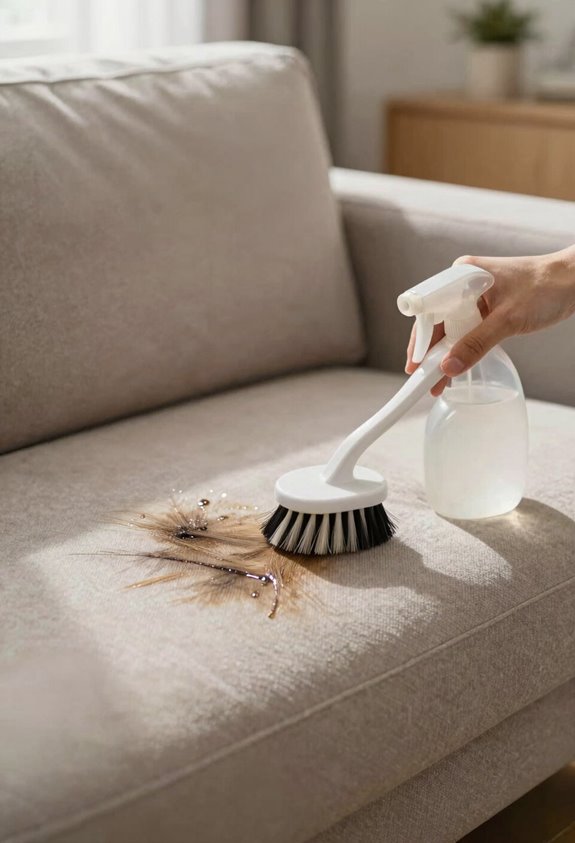
I’ve learned the hard way that safer methods are easier than you think, and I’m going to walk you through exactly what works.
For stain removal, I always check my sofa’s cleaning code first (W, S, WS, or X). I’ve unfortunately done this several times without checking, and this step prevents costly damage.
If you’ve got a W or WS tag, water-based cleaners are your friend. My go-to approach:
- Test any upholstery cleaner on a hidden spot first.
- Use minimal moisture to avoid mold, odors, or cushion damage.
- Blot upward gently with an attachment. Never scrub, as scrubbing embeds dirt deeper, whether in a kitchen or child’s room.
For removable covers, wash them separately per the tag. This prevents over-saturation and eliminates guesswork entirely.
Deep Clean Your Sofa the Right Way
When deep cleaning your sofa, start by checking the cleaning code tag. This step is essential and should not be skipped. Then stick to safe cleaning methods that match your fabric type, whether that’s W, S, or WS. If you’re dealing with delicate fabrics like silk or velvet, or an antique piece, call in professional alternatives instead of risking damage with your carpet cleaner. The decision between DIY and professional help depends on your fabric type and comfort level. Follow a step-by-step routine when tackling the job yourself.
Safe Cleaning Methods
Although I’ve made plenty of cleaning mistakes over the years, I’ve learned that deep cleaning your sofa safely comes down to a few simple rules you can follow without stress. First, check your care tag. Only use water-based cleaners if you see W or WS, and always test colorfastness in a hidden spot first. I have tested this approach several times, and it prevents costly damage.
For proper upholstery cleaning, remember:
- Use minimal solution to prevent water damage, mold, or odors
- Extract moisture thoroughly with upholstery attachments
- Lift stains gently; never scrub aggressively
- Try pro-enzymatic formulas for pet messes, with spot tests first
- Wash removable covers separately per tag instructions
Protecting your furniture requires following these steps consistently.
Professional Alternatives
Sometimes your sofa needs more than a quick spot clean, and that’s where professional-grade tools come in. I have rented machines without checking attachments first multiple times, and this step matters for results.
For deep cleaning at home, you’ll want:
- A portable deep cleaner with an upholstery tool (not just carpet attachments)
- Upholstery cleaner solution, never standard carpet formula, which leaves sticky residue
- Spot-checking in a hidden corner first, like behind cushions
Rentable upright machines handle larger sofas well, but always follow the manual. Open windows, run fans, and ensure complete drying to prevent mildew.
For antique fabrics or stubborn odors, professional upholstery cleaning provides fabric-safe solutions and in-home assessment. Knowing your limits prevents damage to the sofa and unnecessary expenses.
When to Rent an Upholstery Cleaner
Why rent an upholstery cleaner instead of grabbing your carpet cleaning machine? Fabric codes matter significantly, and this approach prevents costly mistakes.
Always check your sofa’s tag first. W or WS codes mean you’re good with water-based solutions, but X means vacuum only, with no exceptions. Renting an upholstery cleaner ensures you follow proper techniques.
What can go wrong without proper care:
- Colors bleeding and ruining Grandma’s chair
- Velvet matting into a shiny mess you cannot fix
- Bleached spots that damage your cushion’s appearance
- The reassurance that other DIYers test spots first, just like you
- The satisfaction of removing years of pizza-night stains with the right equipment
Before renting, test spot in a hidden corner. Blot with a white cloth, wait for drying, and check for texture changes. For silk, wool, or mystery blends, call a professional for an in-home assessment first. This prevents damage that’s difficult or impossible to reverse.
When Pros Beat Carpet Cleaner for Your Sofa
I learned the hard way that knowing when to call a pro saves more than just your sofa; it saves you from costly mistakes. I’ve stared at mysterious “X” codes on tags, uncertain of what to do, and this decision matters. Sometimes, you need professional help.
Here’s when pros win:
- Your fabric’s labeled X (vacuum only) or you’re unsure about water-based cleaning
- You’ve got delicate antiques or silk blends that need specialized fabric care
- Previous DIY attempts left residue attracting more dirt
Even with the right upholstery attachment, over-saturation happens fast. I’ve done this several times, thinking “extract promptly” meant the job was done. Professionals control moisture, chemistry, and drying, which directly prevents shrinkage, water stains, and mold growth that can cost hundreds to fix.