Creating a small house layout with two bedrooms is not just a smart choice; it’s a lifestyle decision. As more people embrace the beauty of small space living, the demand for designs that maximize efficiency without sacrificing comfort has soared. This post aims to explore 17 small house layout 2 bedroom ideas that offer smart, efficient design solutions. Whether you’re downsizing, looking to simplify your life, or just dreaming of a cozy retreat, these layouts will inspire you to create a space that feels both functional and welcoming.
If you’re someone who values modern interior design, sustainability, or just the charm of a compact living space, you’ve come to the right place. This guide is tailored for homeowners, renters, and anyone interested in transforming their living space into a haven of comfort and style. We’ll dive into practical tips and creative ideas that prioritize style, space, and sustainability. You’ll discover how to create the perfect two-bedroom layouts, whether you’re working with a small footprint or a sizable yard to play with.
Get ready to unlock a world of compact house ideas that will help you optimize your space. Each of these 17 ideas is designed to inspire creativity while providing practical applications for your home. From open concept living spaces to ingenious storage solutions, you’ll learn how to design a small house that meets your needs and fits your lifestyle, all while adding personal touches that make it truly yours.
Key Takeaways
– Open Concept Living Space: Discover how open layouts can create a sense of spaciousness and allow for fluid movement between areas.
– Ingenious Storage Solutions: Learn about innovative storage options that help keep your space organized and clutter-free.
– Flexible Room Arrangements: Explore how to arrange furniture and rooms in a way that adapts to your changing needs.
– Sustainable Materials: Find out how to incorporate eco-friendly materials into your design for a greener home.
– Cozy Nooks and Multi-Use Spaces: Uncover ideas for creating inviting nooks and versatile areas that serve multiple purposes, enhancing comfort and functionality.
1. Open Concept Living Space
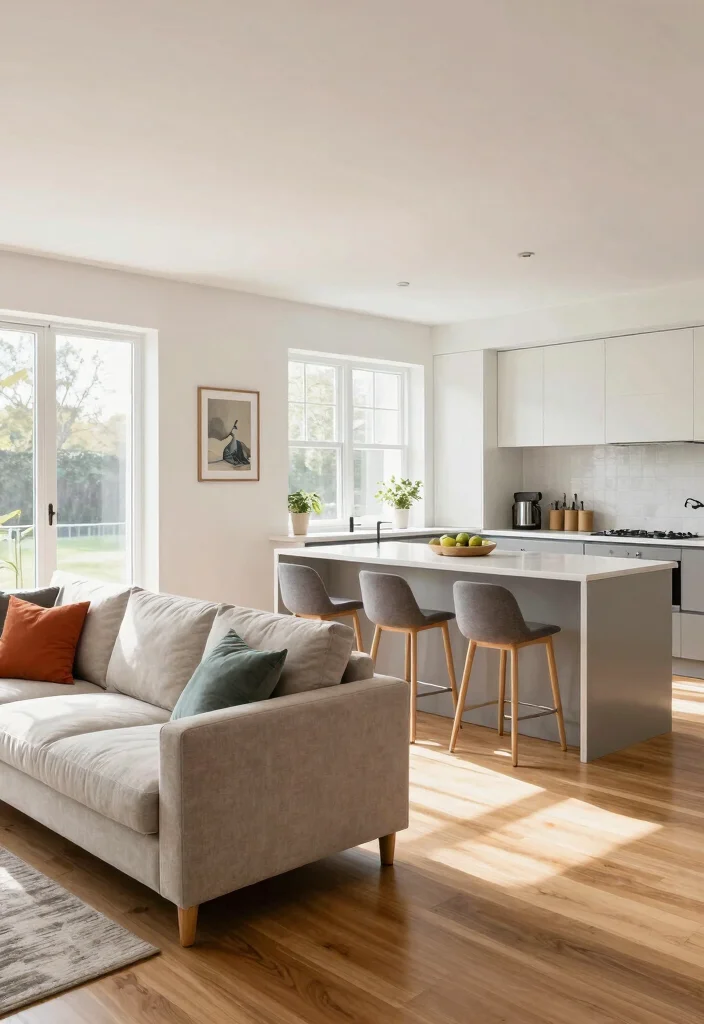
Embracing an open concept living space can transform the way you experience your home. This layout beautifully merges the kitchen, dining, and living areas, fostering interaction and a sense of togetherness. Imagine a cozy kitchen island that doubles as a dining table, surrounded by natural light streaming through large windows, creating an inviting atmosphere.
To maximize the functionality of this design, consider strategically placing furniture to define spaces without barriers. Opt for budget-friendly options like second-hand furnishings or DIY projects that promote a cohesive look. This layout aligns with current trends that celebrate spaciousness and connection among family members.
Here are a few ways to enhance your open concept:
– Define spaces with varying paint colors to create distinct zones.
– Invest in multifunctional furniture that serves dual purposes.
– Install shelves that utilize vertical space for both storage and decor.
– Choose light shades for walls and furnishings to maintain an airy feel.
This design invites a warm, social environment while the thoughtful use of textures and materials adds depth and interest.
Open concept living isn’t about removing walls; it’s about clear, intentional flow. In a small house layout 2 bedroom, a kitchen island can double as a dining table, while smart furniture defines zones and invites natural light to do the rest.

Natural & Textured Fabric: Crafted from 250GSM thick linen fabric blended with polyester, featuring a distinctive slub texture for natural depth. The linen provides a delicate look, while polyester ensures wrinkle resistance, making them both stylish and long-lasting


2. Ingenious Storage Solutions
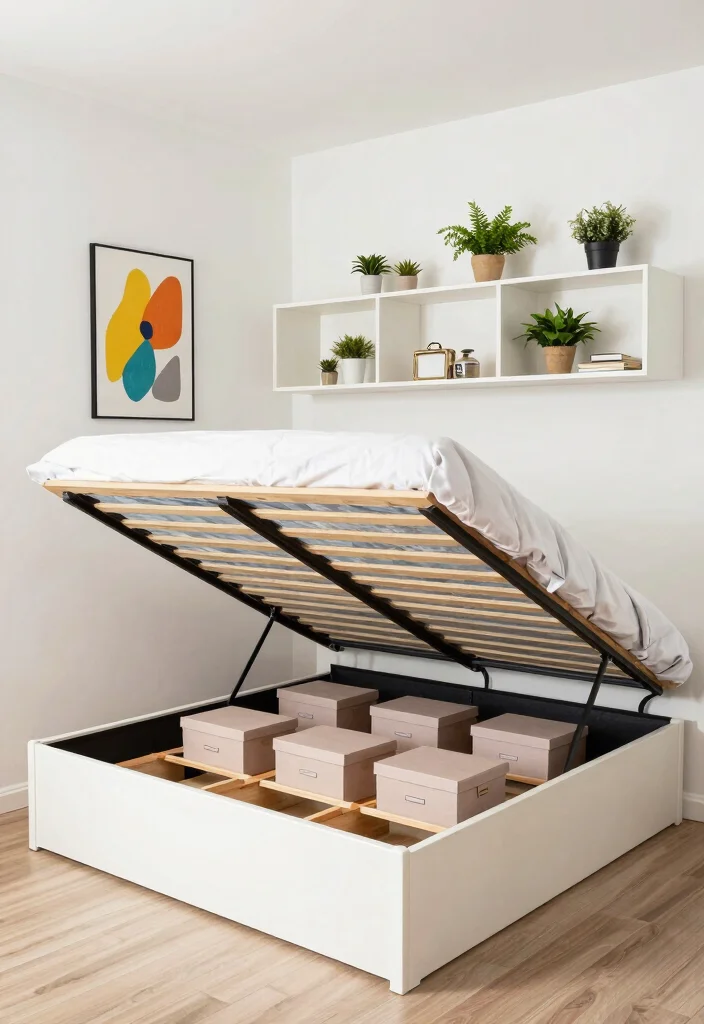
In small house layouts, clever storage solutions are essential for maintaining a tidy space. Every nook and cranny can be transformed into a storage opportunity, ensuring your home remains organized and functional. Think of under-bed storage, built-in shelves, and multi-purpose furniture, all designed to maximize your living area.
Consider incorporating budget-friendly options like thrifted furniture that can be repurposed for storage. Look for vertical storage solutions that align with current trends in minimalism and functionality, allowing you to create a serene environment without compromising style.
To optimize your storage:
– Create custom cabinetry that reaches the ceiling for added space.
– Use hidden compartments in furniture for discreet storage.
– Install wall hooks in entryways for easy access to bags and coats.
– Choose furniture that serves as storage, like stylish ottomans.
– Incorporate benches or window seats that offer hidden storage.
These solutions not only keep your home organized but also add to its aesthetic appeal, ensuring every piece serves a purpose.
Fun fact: clever storage can reclaim up to 20% more usable space in a small house layout 2 bedroom. Under-bed drawers, built-in shelves, and vertical storage turn every nook into a practical, budget-friendly solution for a tidy, livable home.


Comprehensive Design: Includes floor plan, elevations, window and door schedule, building section, wall section, compiled onto two sheets
3. Flexible Room Arrangements
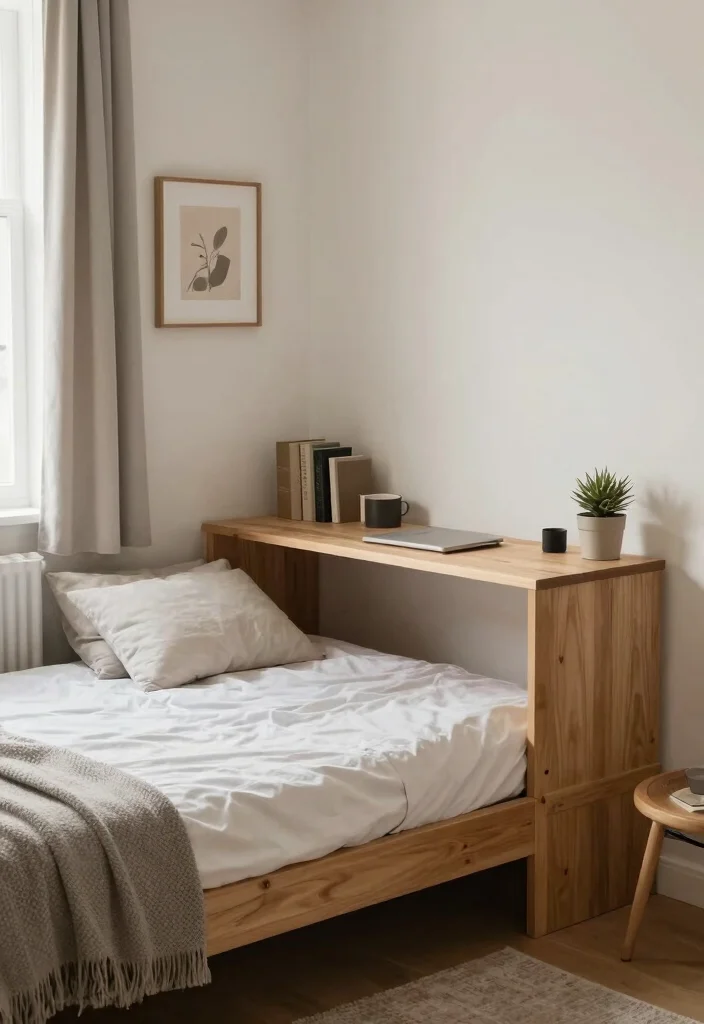
The charm of small house layouts lies in their adaptability. Designing spaces that can easily shift from one function to another is crucial for maximizing efficiency. For instance, a guest room that doubles as a home office can be elegantly realized with a fold-out desk or a Murphy bed, allowing for seamless transitions between uses.
Think about adding budget-friendly room dividers that can be easily moved or reconfigured. This approach aligns with modern design trends that prioritize versatility and functionality, allowing you to make the most out of your space.
Here are some tips for flexible arrangements:
– Use sliding doors to separate spaces while maintaining an open feel.
– Incorporate decorative room dividers like bookshelves for added interest.
– Ensure strong lighting solutions to define different areas effectively.
– Choose furniture that serves multiple purposes, such as daybeds for lounging and sleeping.
This design strategy caters to contemporary lifestyles, making it easier to adapt your home to your ever-changing needs.

Sturdy Dog Crate: Made from thick iron pipes and high-quality particleboard, this dog cage furniture ensures robust durability. The dog kennel furniture is separated from the upper level by a partition, creating a stable and comfortable resting space for your pet

4. Nature-Inspired Designs
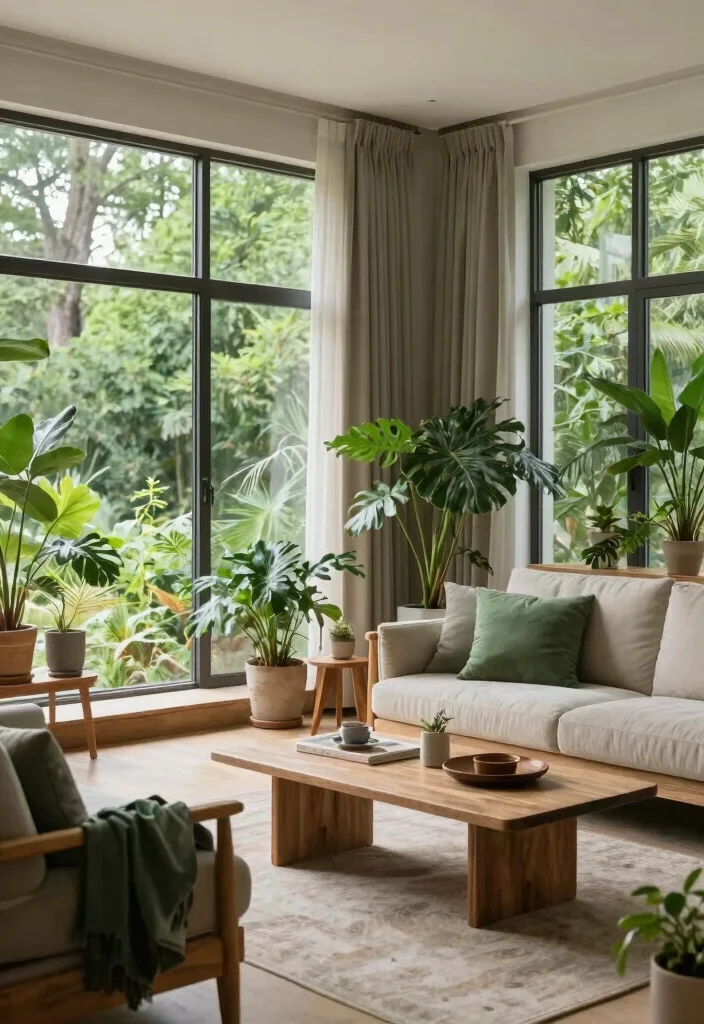
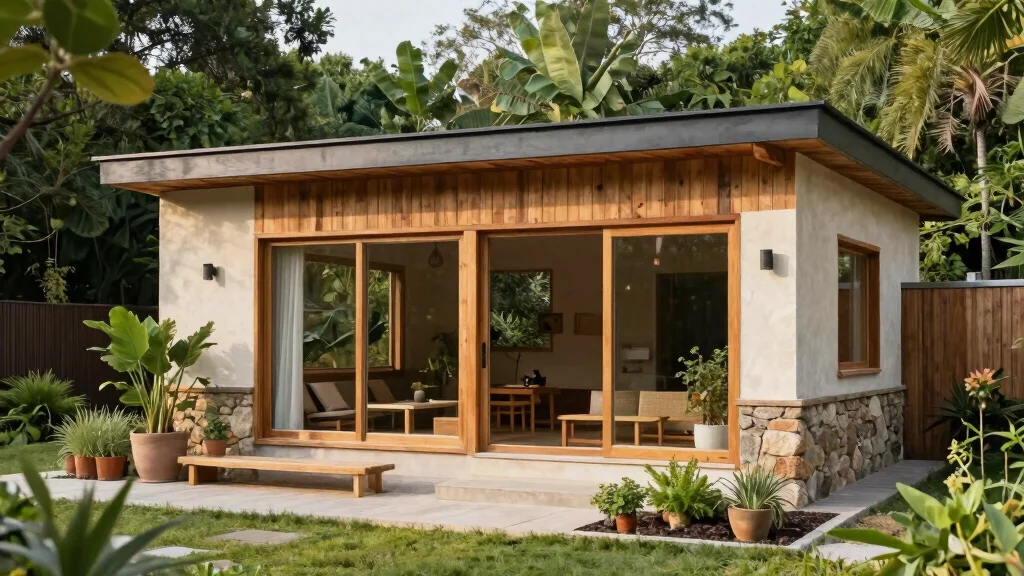
Infusing your small space with nature-inspired designs can create a soothing and airy atmosphere. Elements like indoor plants, natural wood finishes, and earthy color palettes help to establish a serene environment. Imagine large windows or glass doors that effortlessly connect your living space to the outdoors, promoting a sense of peace.
Consider incorporating budget-friendly plants that thrive in various lighting conditions, as well as reclaimed wood elements that enhance your home’s warmth. This approach not only aligns with sustainability trends but also revitalizes your small space, making it feel expansive and inviting.
To embrace nature in your design:
– Utilize reclaimed wood for furniture to add rustic charm.
– Select a soft color palette featuring greens, browns, and whites for cohesion.
– Incorporate biophilic design with living walls or vertical gardens.
– Choose natural fabrics for upholstery to enhance comfort.
This aesthetic promotes tranquility while bringing the beauty of the outdoors inside, enhancing both your living space and well-being.

Unleash Imagination with Modern Style:Our modern furniture-style dollhouse encourages open-ended pretend play and helps nurture creativity, storytelling skills, spatial awareness, and early problem-solving abilities. This three-story dollhouse boasts 6 rooms and is beautifully furnished with 31 pieces of modern furniture, encouraging endless creativity and role-play. It also gently supports early STEM-related thinking and problem-solving skills, making it the perfect gift for any little princess!

5. Smart Home Technology Integration
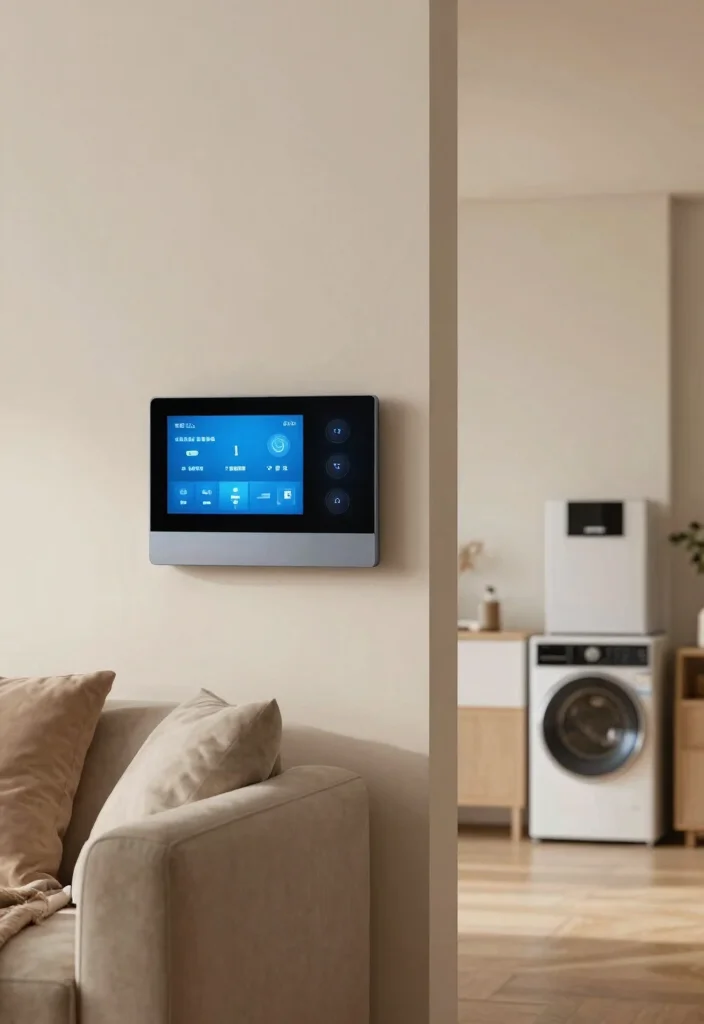
Integrating smart home technology can significantly enhance the efficiency of your small house layout. Devices like programmable thermostats and smart lighting systems can streamline your daily routines, making life easier and more comfortable. Imagine adjusting your home’s ambiance with just a tap on your smartphone, all while conserving energy.
Explore budget-friendly options such as DIY smart home kits that allow you to customize technology to fit your lifestyle. This integration not only supports modern conveniences but also aligns with sustainability trends that emphasize resource management.
Here are some benefits of smart technology:
– Automate daily tasks to save valuable time.
– Monitor your energy usage for informed decisions.
– Enhance security with smart locks and surveillance systems.
– Create customizable environments with smart lighting.
Embracing technology in small homes allows for better resource management, enhancing your living experience while keeping your home comfortable and efficient.

✔️⭐ Plush Thick Cotton Sofa Slipcover: Crafted from premium soft chenille fabric, this farmhouse style black striped geometric sofa cover blanket features classic ethnic tribal geometric patterns in warm neutral beige and taupe palette. The well-weighted woven texture delivers cozy warmth while staying lightweight and breathable for all-season use.

【Comfortable Sitting】:Curved Backrest with fluffy faux fur and thick cushion seated design to fit in your body better and relax yourself,you'll get an excellent sitting experience.With a touch of fluffy,these arm chair set of 2 will be your favourite place to sit on.
Tranquil Retreat for Classroom: The Nestled Nook offers a quiet spot for children in a busy classroom, featuring clear acrylic portholes for visibility and privacy
6. Minimalist Aesthetic
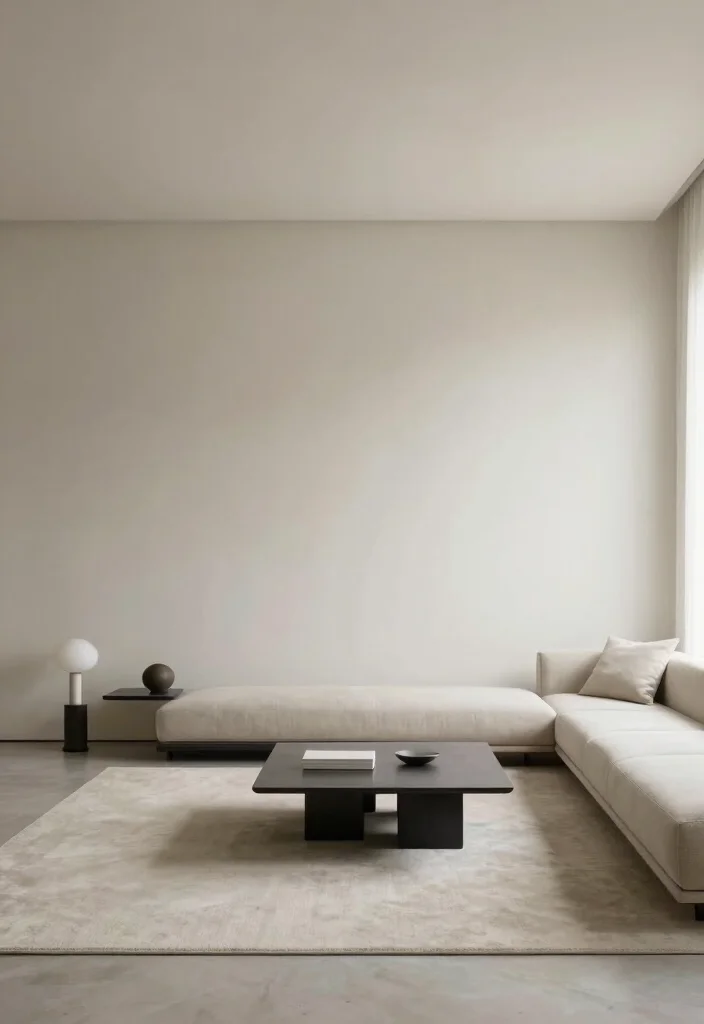
Minimalism is more than just a design choice; it embodies a lifestyle centered on simplicity and sustainability. This aesthetic promotes functionality and encourages mindful living, making it an ideal approach for small house layouts. By focusing on fewer, high-quality pieces, you can create a serene and uncluttered environment.
Consider incorporating budget-friendly items that embody minimalist principles, such as second-hand furniture or DIY decor. This design philosophy aligns with current trends that prioritize quality over quantity, encouraging you to appreciate the space you occupy.
Key elements of an effective minimalist design include:
– Neutral color palettes that foster calmness and serenity.
– Simple, functional furniture without excessive decoration.
– Ample natural light and open spaces for a spacious feel.
– Thoughtful decor that conveys a story without overwhelming the senses.
This approach promotes mindfulness and appreciation for your living space while contributing positively to sustainability efforts.

EASY INSTALLATION :Clean the dust from the window frames, stick the curtains on the window frames,No need for any tools or curtain rods. Anyone can do it


EASY INSTALLATION :Clean the dust from the window frames, stick the curtains on the window frames,No need for any tools or curtain rods. Anyone can do it
How To Choose The Right Small House Layout for 2 Bedrooms
Choosing the right layout for a small two-bedroom house can make a significant difference in how you utilize space. With smart planning, you can create a functional and stylish home. Here are some key factors to consider when selecting your small house layout.
1. Size and Dimensions
Before finalizing your layout, consider the overall size of your house. Aim for a layout that maximizes space while providing enough room for comfortable living. Measure each room to ensure it accommodates your furniture and lifestyle needs. Look for layouts that efficiently use corners and alcoves to add more usable space. For example, a 1,000-square-foot layout can work wonders if designed thoughtfully, allowing for open living areas and cozy bedrooms.
2. Room Arrangement
Think about how you want to arrange the rooms in your small house. A well-thought-out arrangement enhances flow and functionality. Decide if you prefer an open concept layout, where the living and dining areas blend, or if you want more delineated spaces. Open layouts often make a small space feel larger, while defined areas can provide privacy and a sense of structure. Ensure bedrooms are positioned for peace and quiet, ideally away from the main living areas.
3. Storage Solutions
In small house layouts, efficient storage is essential. Look for designs that incorporate built-in storage, such as cabinets under stairs or shelving above doorways. Multi-functional furniture, like ottomans with storage or beds with drawers, can also help keep clutter at bay. Aim for layouts that include closets in both bedrooms to maximize organization. You can also consider using vertical space with wall-mounted shelves to keep floors open and spacious.
4. Natural Light and Ventilation
Maximizing natural light can make your small house feel more inviting. Choose layouts that have large windows, skylights, or sliding doors to bring in sunlight. Positioning the bedrooms on the side of the house that gets ample morning light can create a warm atmosphere. Ensure that each room has adequate ventilation to maintain airflow. This will not only enhance comfort but also contribute to a healthier living environment.
5. Personal Style and Aesthetic
Your small house layout should reflect your personal style. Whether you prefer a modern, minimalist look or a cozy, rustic vibe, choose fixtures, finishes, and colors that resonate with you. Consider how your chosen layout can accommodate your desired aesthetic. For example, if you love a contemporary design, sleek lines and a neutral color palette might work well in an open layout. For a more traditional feel, think about incorporating natural wood finishes and classic furniture arrangements.
6. Budget Constraints
Finally, keep your budget in mind when selecting a small house layout. Certain designs may require more materials or involve complex construction, leading to higher costs. Stick to layouts that fit your financial plans. Explore cost-effective solutions such as repurposing furniture or using cost-efficient materials. If you find a layout you love but it exceeds your budget, consider modifying it to meet your needs without overspending.
Pro Tip: Before making a final decision, create a mock-up of your chosen layout. Use graph paper or design software to visualize the space. This will help you see how everything fits together and allow for adjustments before construction begins. By taking the time to think through these aspects, you can ensure that your small house layout will be both practical and aesthetically pleasing, setting the stage for a comfortable living environment.


Soft Material & Modern Abstract Design: The BILEEHOME area rugs are power loomed with polyester making the rug ultra soft,durable with affordable budget.The subtle printing aesthetics details match well with your modern room decor and can not be replicated by hand woven rug.The elegant grey infused with a hint of greenish cast, adding depth without overpowering your space.(Not easy shedding against sun,but recommended rotating the rug for evenly fading if you put it in direct sun)
7. Colorful Accents
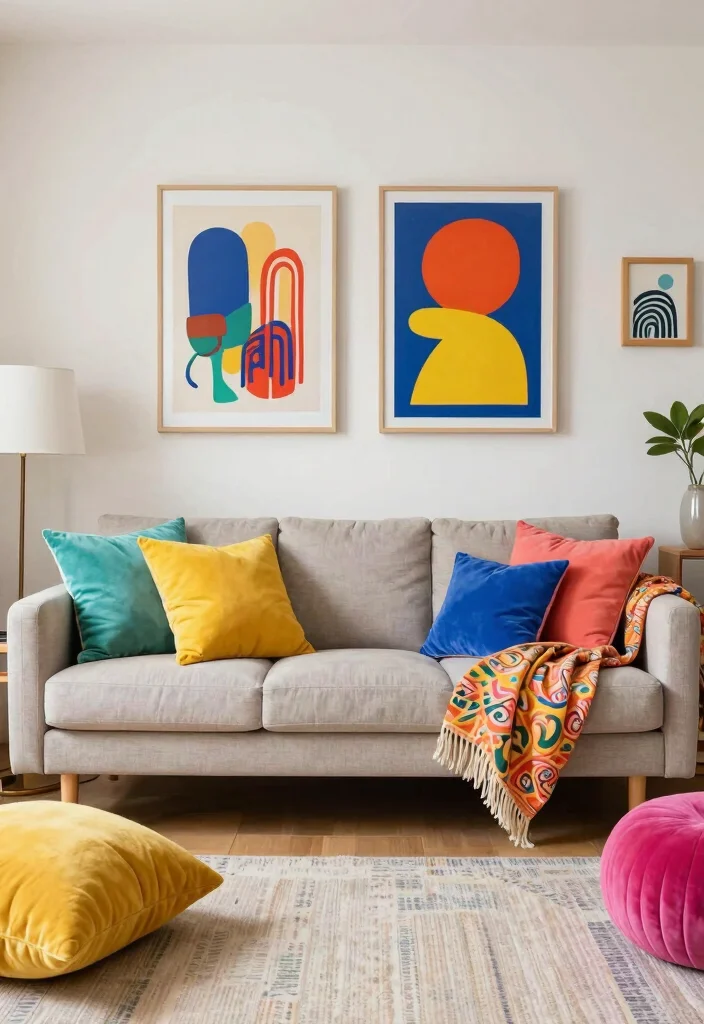
While small spaces often benefit from a neutral foundation, incorporating colorful accents can inject personality and warmth into your home. Bright hues in decor, textiles, or artwork can create inviting focal points that energize the space. Imagine a vibrant statement wall or cheerful cushions that instantly uplift your mood.
Explore budget-friendly options like colorful thrift store finds or DIY art projects that reflect your style. This approach allows you to personalize your space while keeping it lively and inviting, aligning with current design trends that celebrate individuality.
To add color effectively:
– Choose a statement wall with bold paint or wallpaper.
– Use vibrant cushions, throws, and rugs to add warmth.
– Incorporate playful artwork that resonates with your personality.
– Select decorative objects like vases or books in lively colors to enhance shelves.
These accents breathe life into your home, creating a joyful atmosphere that feels uniquely yours.
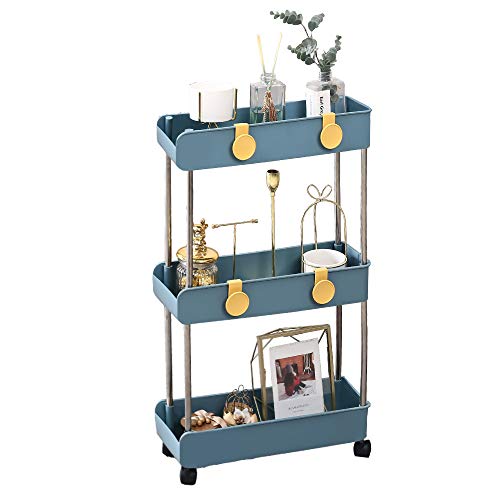
👍【Multifunctional Slim Storage Cart】The 3-tier slim storage cart is 5.1 in design which can be used in tight spaces in your home for storage. This slim rolling storage shelf can be used as a kitchen storage shelving unit, bathroom trolley, cart organizer, bedroom/living room cart. Perfect for small spaces such as closets, kitchens, bathrooms, garages, laundry rooms, offices or in-between your washer and dryer.

Hide the Litter, Elevate Your Home: Designed to discreetly hide the litter box while blending seamlessly with your home décor. Keeps your living space clean, stylish, and free from litter box clutter—no more visual mess.

8. Cozy Nooks
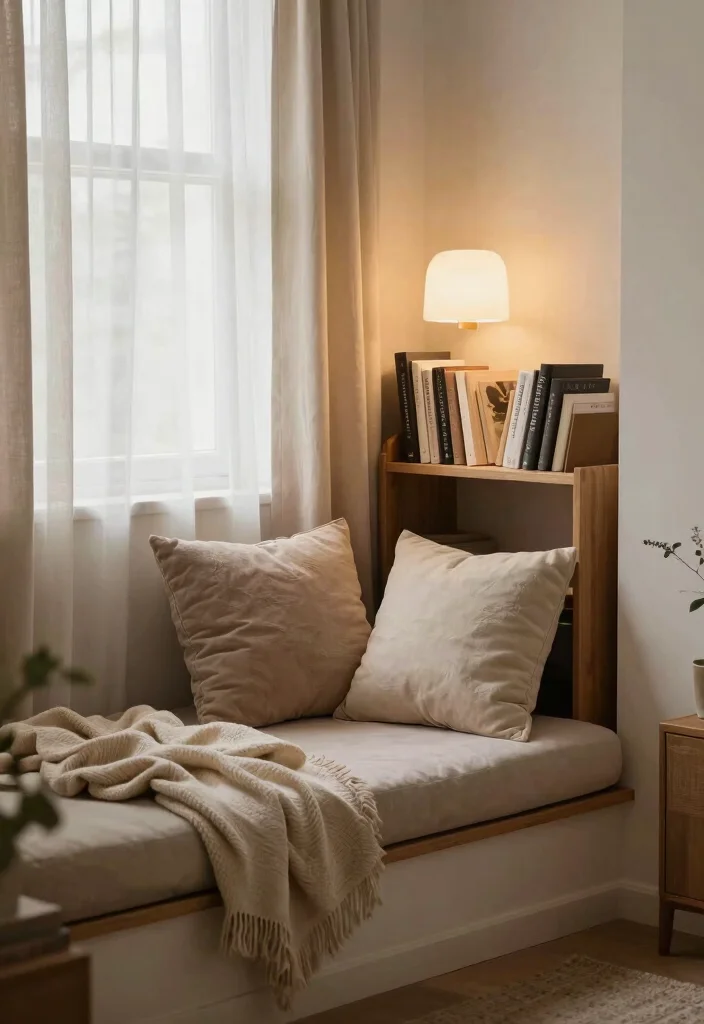
Creating cozy nooks within your small home can significantly enhance comfort and functionality. These inviting spots can serve as reading areas, workspaces, or relaxation zones, making the most out of every square inch. Imagine a corner transformed into a charming nook with soft seating and gentle lighting, perfect for unwinding.
Consider budget-friendly options like repurposed furniture or DIY cushions to make your nook inviting. This design aligns with trends that emphasize comfort and personal space, allowing you to create a sanctuary within your home.
Here are some ways to create cozy nooks:
– Use soft throws and cushions to enhance comfort.
– Install shelves or a small desk for added functionality.
– Incorporate plants for warmth and a touch of nature.
– Ensure good lighting with stylish lamps or lanterns.
These cozy nooks become personal retreats, perfect for focusing on projects or simply unwinding after a long day.
A cozy nook turns a small house layout 2 bedroom into a daily retreat—perfect for reading, work, or simply unwinding. Use repurposed furniture and DIY cushions to create inviting corners that maximize space without sacrificing comfort.



TINY POTS: A Pack of 24 Unfinished Wood Miniature Flower Pots! These tiny wooden vases are designed to enhance fairy gardens, dioramas, and other miniature displays.
9. Multi-Use Spaces
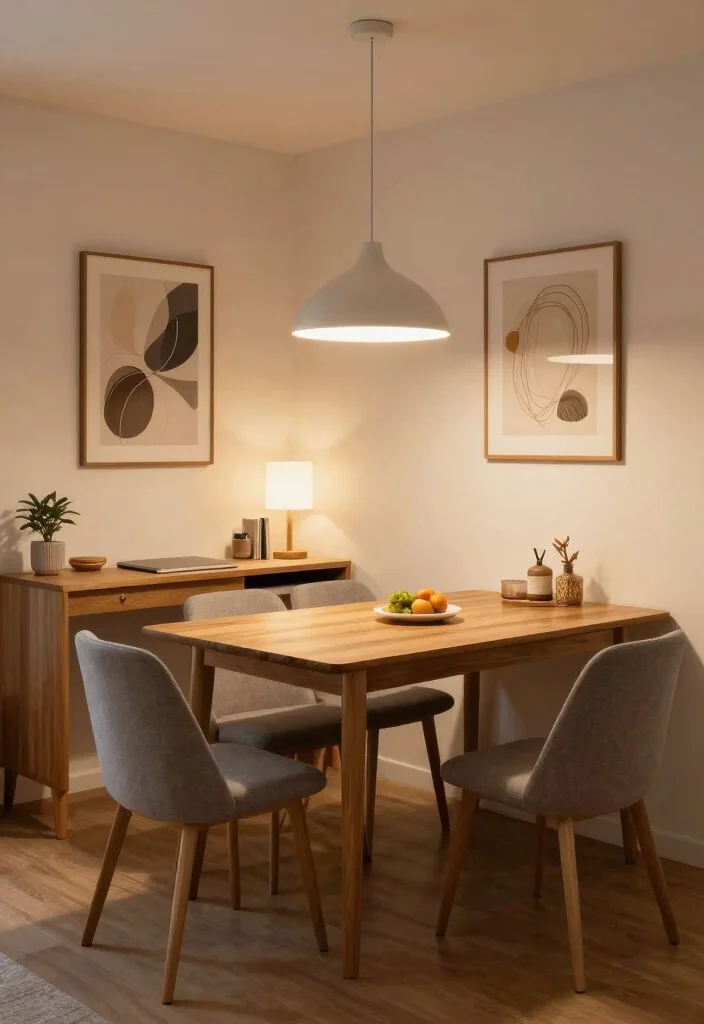
Small house layouts thrive on multi-use spaces that serve various functions without clutter. Designing a room that can switch easily between uses is a smart way to maximize your area. For example, envision a dining table that transforms into a workspace or a guest room that doubles as a playroom.
Consider budget-friendly foldable furniture that can be easily stored when not in use. This approach is in line with modern design trends that prioritize versatility and adaptability, ensuring your home meets your lifestyle needs.
To create effective multi-use spaces:
– Use foldable furniture that can be tucked away when not needed.
– Incorporate modular pieces that can be rearranged for different functions.
– Designate zones with rugs or lighting to create distinct areas.
– Use sliding doors or curtains to separate spaces as required.
These designs ensure versatility, allowing you to adapt your home effortlessly to fit your changing lifestyle.
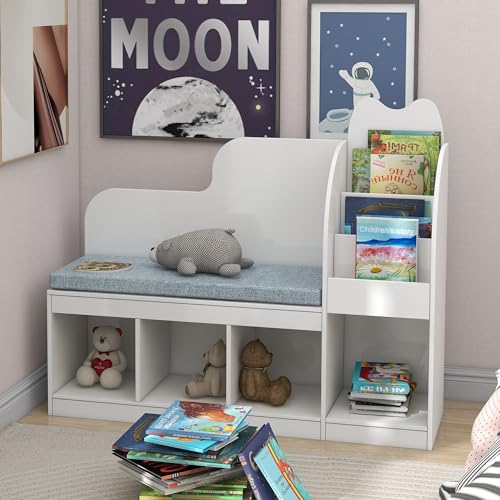
TaoHFE reading nook for kids features a stylish and minimalist design. The back panel, adorned with cat ears and a wavy outline, renders the book shelf for kids rooms even more endearing and brimming with a sense of childlike charm. It is an ideal choice as a gift for children.

LOADS OF STORAGE: Kids reading nook has 5 storage cubbies for loads of board books, coloring books, art supplies and more.

【Comfortable Sitting】:Curved high Backrest with elegant velvet and thick cushion design to support your body better and relax yourself,you'll get an excellent sitting experience. With a touch of smooth,these soft cushion chairs will be your favorite place to sit on.
10. Sustainable Materials
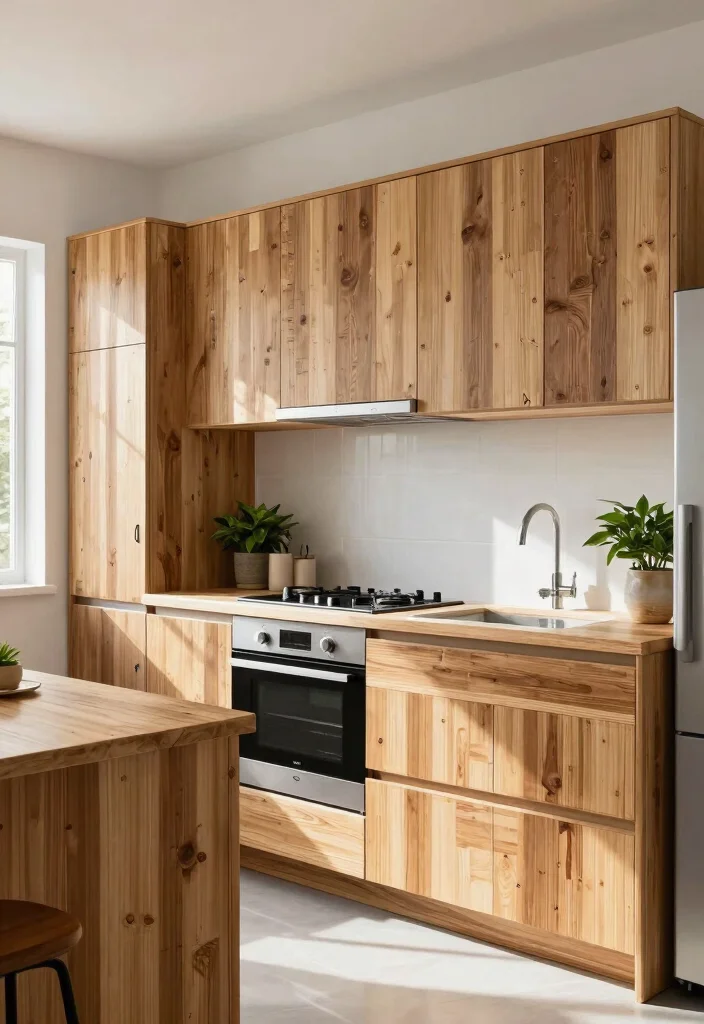
When designing small house layouts, selecting sustainable materials can significantly contribute to a greener lifestyle. Eco-friendly options not only reduce your environmental footprint but also offer unique aesthetics that enhance your home’s charm. Picture reclaimed wood, bamboo, and recycled metal bringing character and sustainability to your space.
Consider budget-friendly sustainable materials that can be sourced locally or through eco-conscious retailers. This approach aligns with current trends emphasizing environmental responsibility and beauty in design.
Here are some sustainable choices to consider:
– Use low-VOC paints to improve indoor air quality.
– Opt for furniture made from sustainable sources like FSC-certified wood.
– Choose energy-efficient appliances to reduce water and energy consumption.
– Incorporate solar panels or green roofs for added sustainability.
By making conscious choices, you can create a beautiful home that supports both your lifestyle and the planet.
11. Bright and Airy Bedrooms
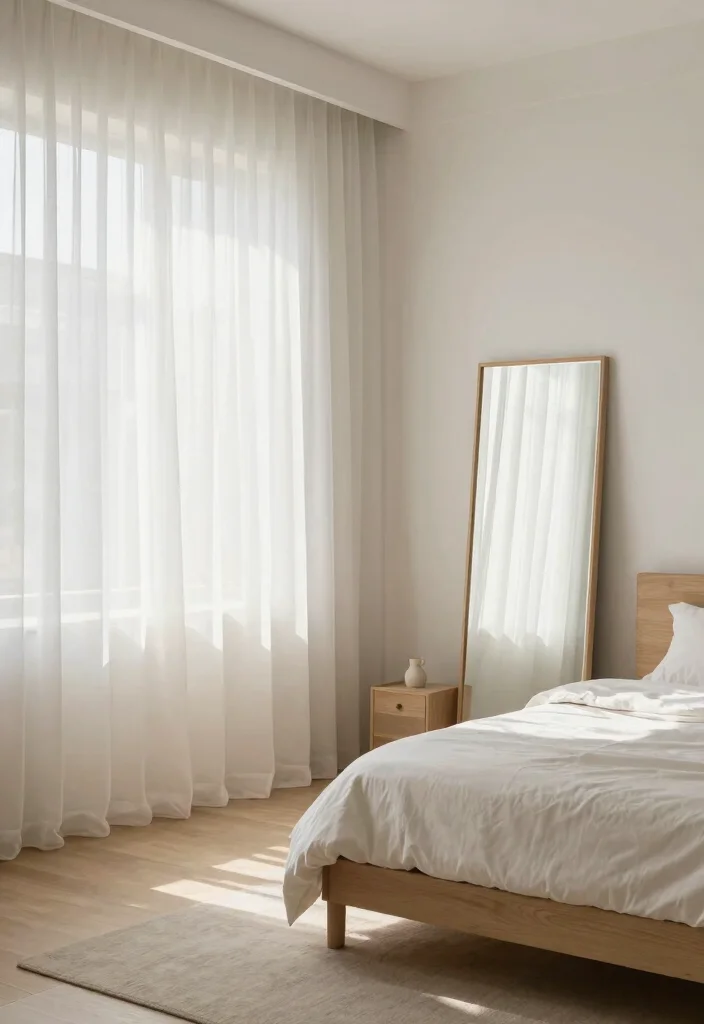
A small bedroom can feel expansive with the right design choices. Prioritizing brightness and lightness can make a significant difference, transforming a cramped space into a serene retreat. Consider using light-colored bedding and curtains while minimizing furniture to achieve an airy ambiance.
Utilize budget-friendly light-reflecting mirrors and sheer window treatments to enhance natural light flow. This approach aligns with current design trends that emphasize tranquility and simplicity, creating a relaxing sanctuary for rest.
Here are some tips to maximize brightness in your bedroom:
– Use sheer curtains to allow natural light while ensuring privacy.
– Choose light-toned walls and bedding to maintain a fresh look.
– Incorporate smart lighting solutions, like compact bedside lamps.
– Keep decor minimal to avoid a cluttered feel.
This design creates a calming environment where you can unwind and recharge, making your small bedroom a peaceful haven.
12. Efficient Bathroom Layouts
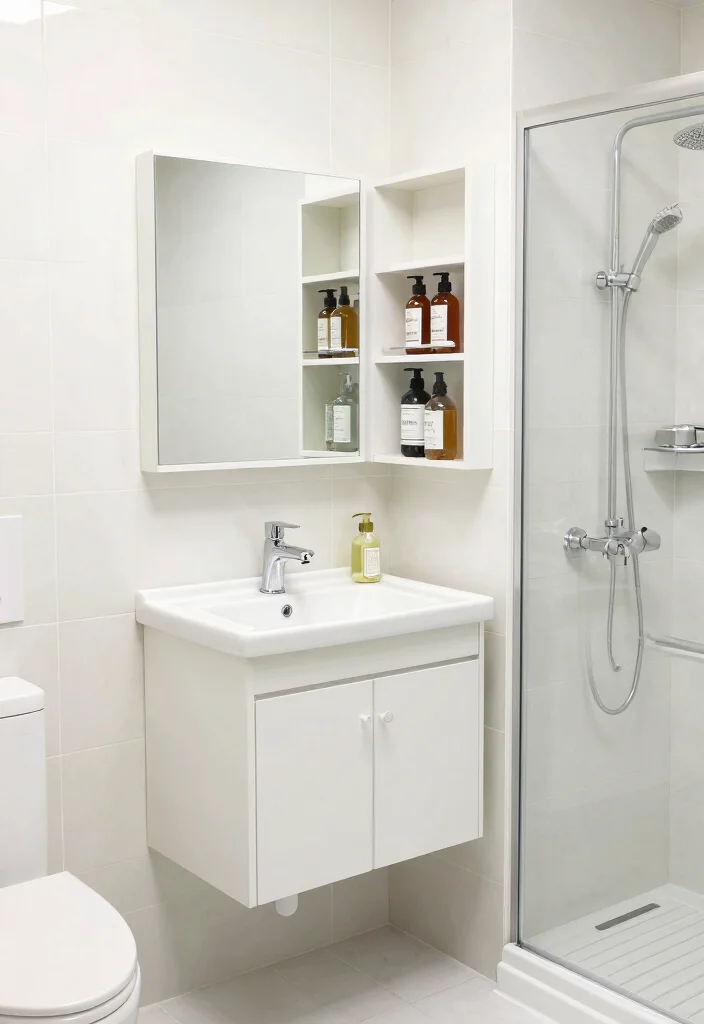
Bathrooms in small homes require thoughtful design to maximize space and efficiency. Incorporating compact fixtures without sacrificing style is vital for creating a functional and attractive bathroom. Imagine wall-mounted sinks and toilets that free up floor space, paired with clever storage solutions.
Consider budget-friendly options like DIY shelving or refurbished fixtures to enhance your bathroom’s functionality. This design approach aligns with trends that prioritize efficiency and minimalism, allowing you to create a stylish and practical space.
Here are some design ideas for efficient bathrooms:
– Use over-the-toilet shelving to utilize vertical space effectively.
– Choose light tiles and colors to create the illusion of a larger area.
– Incorporate mirrors strategically to reflect light and enhance space.
– Opt for built-in shelves for toiletries to keep counters clear.
With these tips, you can create a stylish and functional bathroom that feels spacious despite its size.
13. Outdoor Living Spaces
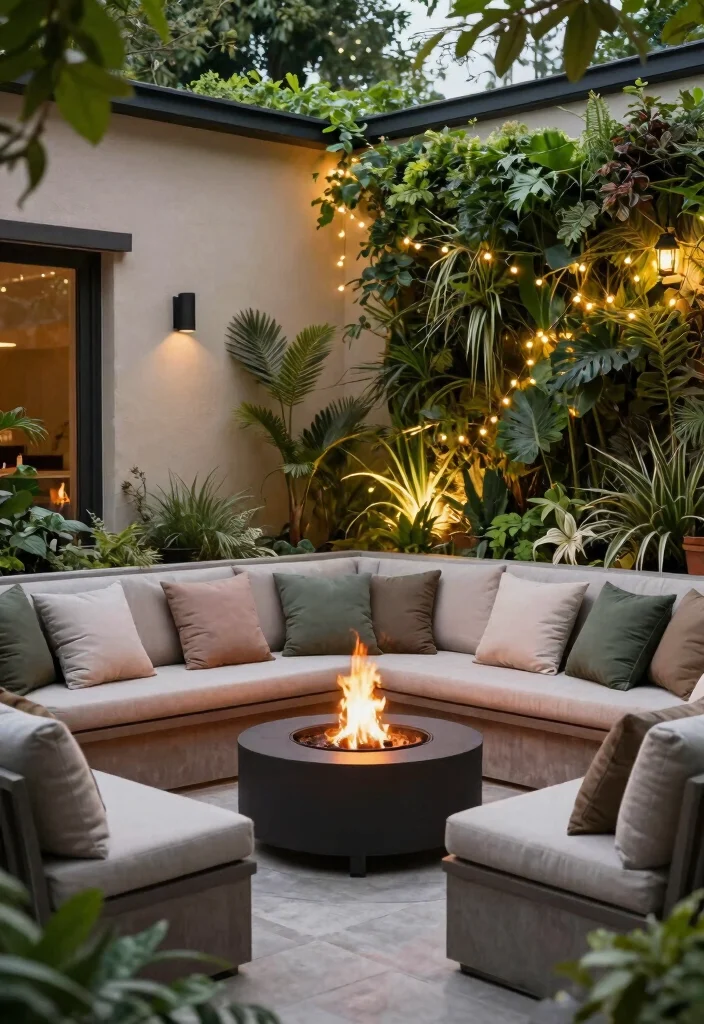
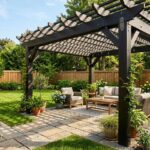
Maximizing outdoor living spaces can beautifully complement your small house layout. Creating an inviting outdoor area extends your living space and provides opportunities for relaxation or entertaining guests. Picture a small patio adorned with comfortable seating and charming decor, perfect for enjoying warm evenings.
Consider budget-friendly outdoor furniture that can withstand the elements while enhancing your space. This design approach aligns with trends that emphasize outdoor living as an extension of your home, creating a seamless connection with nature.
Here are some suggestions for enhancing your outdoor areas:
– Incorporate vertical gardens to add greenery without occupying ground space.
– Use foldable furniture to save space when not in use.
– Add outdoor lighting to create ambiance for evening gatherings.
– Design a cozy fire pit area for socializing under the stars.
These outdoor spaces enrich your home, providing a serene escape right outside your door.
14. Personal Touches
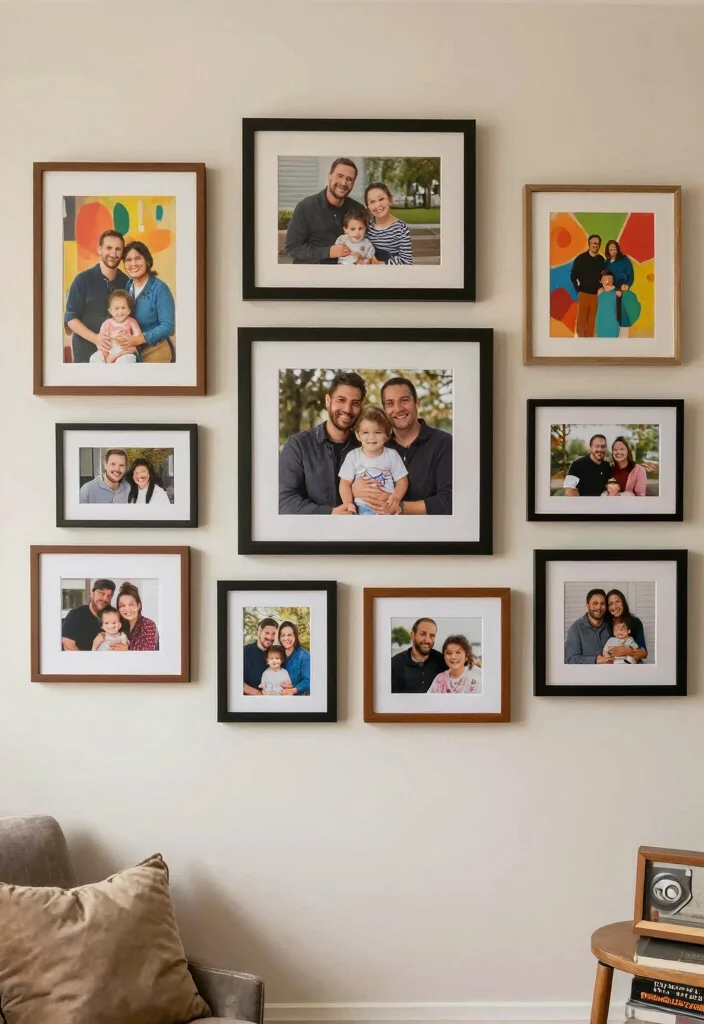
Finally, let your personality shine through in your home design. Small spaces allow for unique decor elements that reflect your style without overwhelming the area. Imagine displaying family photos, travel souvenirs, or handmade crafts that tell your story and add warmth to your home.
Incorporate budget-friendly DIY projects or thrifted items that resonate with your personal aesthetic. This approach aligns with current trends that celebrate individuality and authenticity in design, making your home feel truly yours.
Here are some ways to add personal touches:
– Create thoughtful displays for artwork and photographs that invite conversation.
– Choose decorative items that showcase your interests and experiences.
– Layer textures with soft throws or interesting fabrics for depth.
– Maintain balance so personal touches enhance rather than clutter the space.
This creates a home that feels uniquely yours, enriching your living experience.
15. Seasonal Versatility
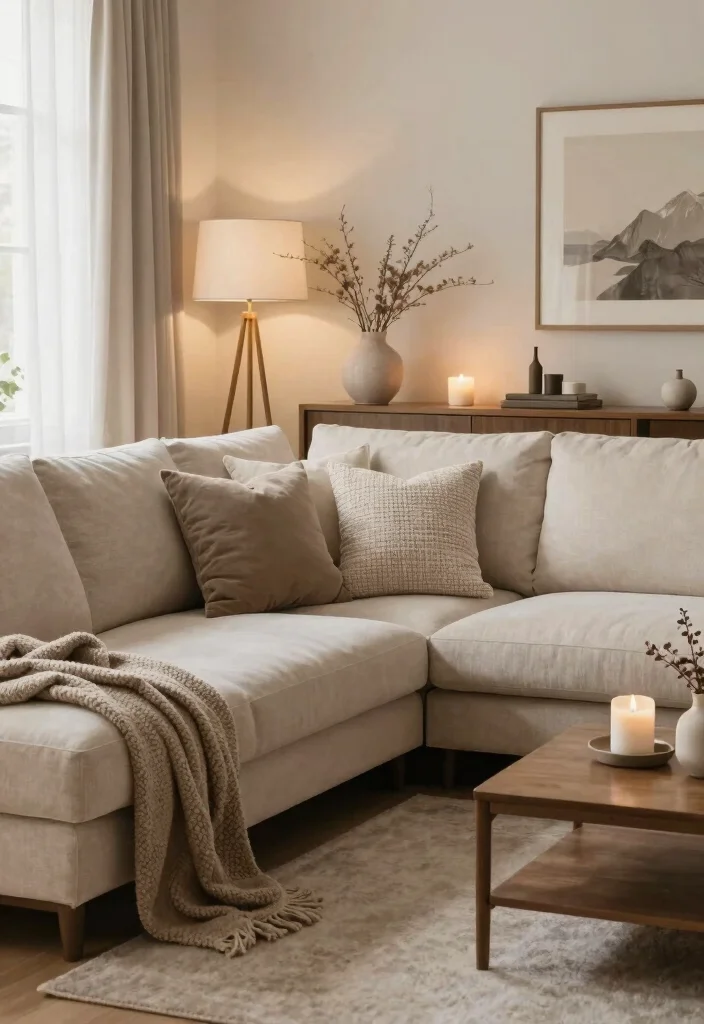
Designing your small house layout with an eye towards seasonal versatility can enhance comfort throughout the year. Think about how your space can adapt to changes in weather and different occasions. For instance, use breathable fabrics in summer and plush materials in winter to adjust the feel of your home.
Consider budget-friendly seasonal decor that reflects the time of year without creating clutter. This approach aligns with trends that prioritize comfort and adaptability, allowing your home to feel fresh and welcoming all year round.
Here are some ideas for seasonal versatility:
– Invest in removable and washable slipcovers for furniture.
– Use seasonal decor that reflects the current time of year.
– Consider temperature-control window treatments for comfort.
– Arrange furniture to accommodate gatherings or cozy nights based on the season.
Planning for seasonal changes can create a welcoming atmosphere, ensuring your home feels comfortable and inviting all year.
16. Enhanced Lighting Solutions
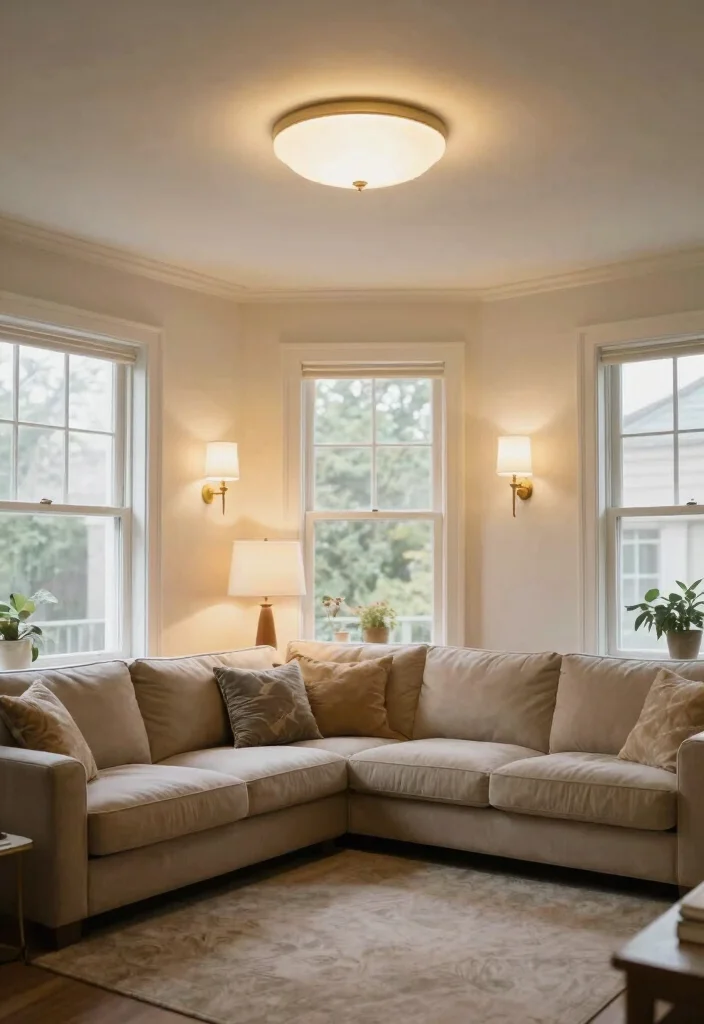
Good lighting can profoundly transform a small house layout. Employing a mix of different lighting types can create a flexible and pleasant atmosphere throughout your home. Think of layering ambient, task, and accent lighting to add depth and warmth to every room.
Explore budget-friendly lighting options, such as energy-efficient bulbs and affordable fixtures, to enhance your home’s ambiance. This design approach aligns with contemporary trends that emphasize the importance of lighting in creating inviting spaces.
Here are effective lighting tips:
– Use ceiling fixtures for overall illumination and include dimmers for versatility.
– Incorporate table and floor lamps for task lighting in cozy corners.
– Use wall sconces to save table space while adding style.
– Add mirrors to reflect natural light and open up the space.
Thoughtful lighting choices can make your home feel brighter and more inviting, enhancing your everyday living experience.
17. Community-Inspired Designs
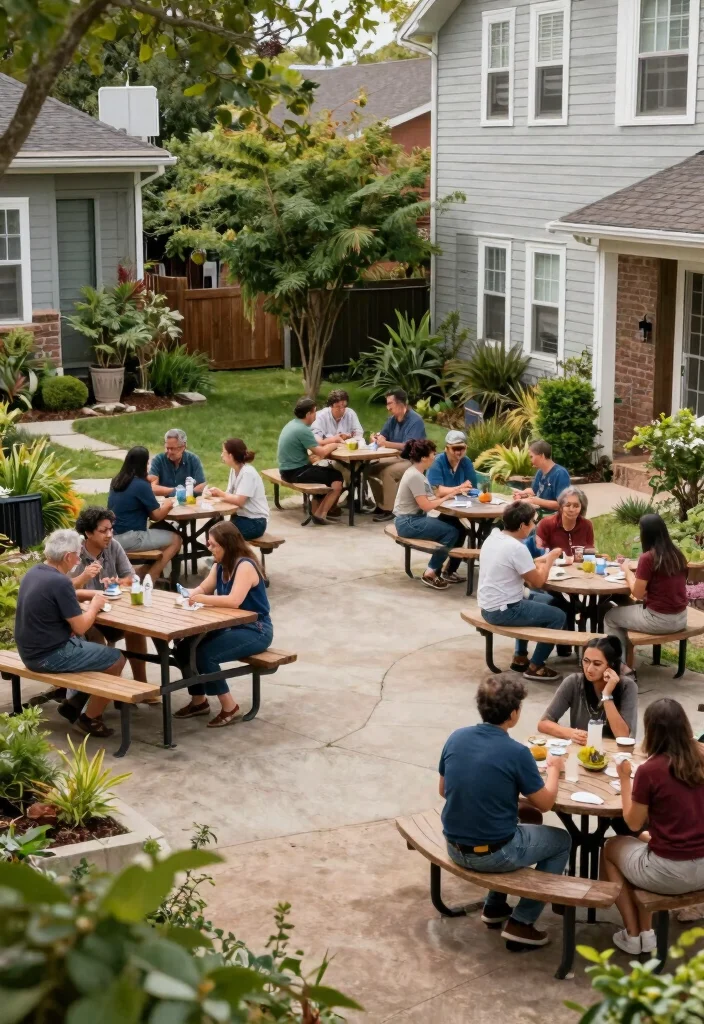
Lastly, consider incorporating designs that foster a sense of community and connection in your home. Small houses can be designed with communal spaces that encourage interaction among neighbors. Imagine shared gardens or cozy outdoor areas where you and your community can gather and enjoy each other’s company.
Think about budget-friendly landscaping and seating options that promote socialization while maintaining privacy. This design approach aligns with trends that emphasize community values and relationships, creating a welcoming environment for all.
To inspire community in your layout:
– Create shared spaces like picnic areas to bring neighbors together.
– Incorporate seating options that encourage conversation and connection.
– Use landscaping to enhance interaction while ensuring privacy.
– Design common areas that reflect the values and styles of your community.
Emphasizing community in your layout fosters connections, creating a warm and inviting atmosphere for both you and your neighbors.
Conclusion
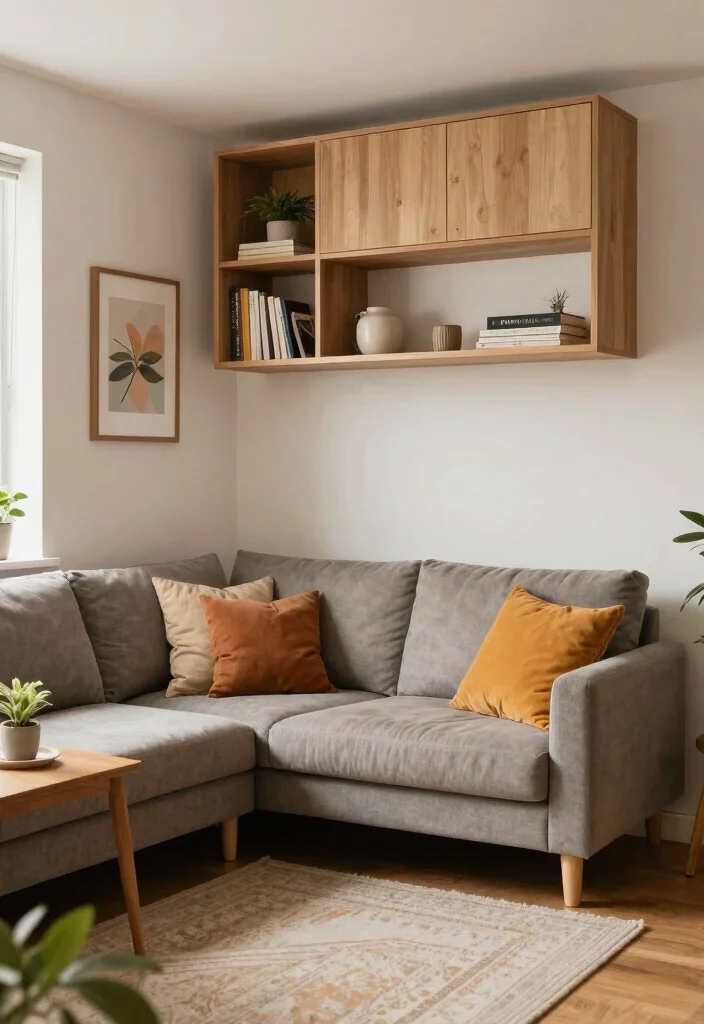
As you explore these 17 small house layout 2-bedroom ideas, the potential for smart and efficient design comes to life. Each concept not only maximizes space but also enhances comfort and style.
By adopting some of these sustainable and creative solutions, you can transform your compact living area into a welcoming, functional home that reflects your personality. Start envisioning how you can implement these ideas into your own space, and enjoy the journey of creating a home that’s both beautiful and practical.
Frequently Asked Questions
What are the best small house layout ideas for a 2 bedroom home to maximize space?
For a small house layout 2 bedroom, maximize space by creating an open plan for living, dining, and kitchen. Use compact house ideas like a slim kitchen island with seating and hidden storage.
Place the two bedrooms on opposite sides of a quiet corridor and use a pocket or barn door to save space. Choose multi-purpose furniture such as a sofa bed or wall bed, and add under-bed drawers or built-in wardrobes. Favor vertical storage with tall cabinets and wall shelving to keep floors clear.
Opt for light, neutral modern interior design palettes and energy-efficient appliances to support efficient home design. Consider natural daylight with large windows and, if the layout allows, a small mezzanine loft to add sleeping or storage space without expanding the footprint. These steps help you achieve flexible, functional two bedroom layouts in a compact footprint.
How can I design an efficient home with a small space living 2 bedroom layout?
Start with small space living principles: define clear zones for living, dining, and work; keep circulation paths short. Use sliding doors to separate bedrooms when needed and to hide a home office in a pinch. Choose built-in storage and floating furniture to reduce visual clutter.
In the kitchen, pick a compact house ideas layout: tall cupboards, a shallow island with integrated seating, and integrated appliances for efficient home design. For sustainability, choose energy-efficient lighting, low-flow fixtures, and FSC-certified materials. With careful planning, a small house layout 2 bedroom becomes comfortable, functional, and stylish in any lot.
What are clever storage ideas for a small house layout 2 bedroom to avoid clutter?
Smart storage is the secret sauce of small space living. Build built-ins along walls, use floor-to-ceiling wardrobes, and install storage in the bed frame. Use under-bed drawers and a bed with a headboard with shelves.
Put a coat closet in the entry with organizers, and hang pegboards for tools and decor. Create a hidden pantry behind doors and a slim hall unit with baskets.
Use multi-purpose furniture like an ottoman that opens for towels and linens. With compact house ideas, you can keep surfaces clean and maintain an airy feel.
Are there modern interior design styles that work well for small space living with two bedrooms?
Absolutely. Modern interior design for small space living favors light colors, reflective surfaces, and clean lines. Try Scandinavian or Japandi palettes—soft neutrals, warm wood, and natural textures that visually expand spaces.
Use a few Statement pieces rather than clutter. Employ large mirrors, glass partitions, and furniture with slim profiles to maintain openness. Choose sustainable materials and efficient home design practices: LED lighting, heat-recovery ventilation, and energy-smart appliances. These styles suit a two bedroom layouts approach that values calm, function, and modern interior design while keeping small space living comfortable.
How can I maximize natural light and ventilation in a compact two-bedroom house design?
Maximize light first: position the living area near the widest window, use large windows, and consider a skylight or roof light if possible.
Use light, neutral color schemes and reflective surfaces to bounce daylight. For ventilation, create cross-ventilation by placing windows on opposite walls and include operable vents.
Use compact house ideas like a courtyard or light well if the lot allows, and plant greenery to improve indoor air. Add ceiling fans or energy-efficient mechanical ventilation to maintain air movement without sacrificing energy efficiency, aligning with efficient home design in a small house layout 2 bedroom.
Related Topics
small house layout
2 bedroom design
efficient home design
compact living
modern interior design
sustainable decor
space-saving solutions
minimalist style
two bedroom layouts
small space living
design tips
home organization