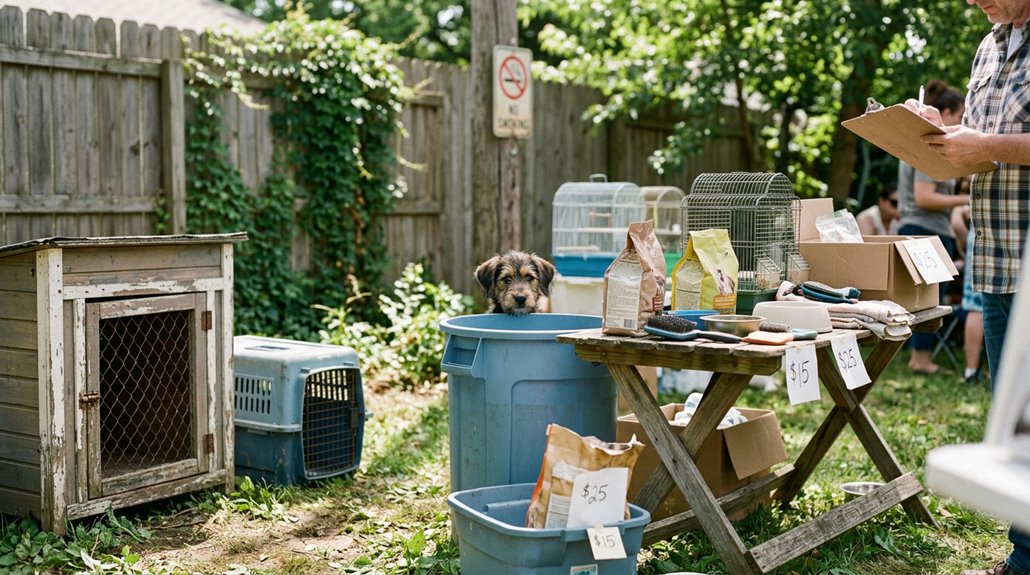
Backyard breeders are individuals who produce puppies for quick profit without health testing, buyer screening, or long-term support. You can identify them by their constant puppy supply, vague health promises, and pressure to make immediate decisions, such as same-day sales with no questions about your home. They skip vet records, breed multiple breeds simultaneously, and disappear after payment.
A legitimate breeder, by contrast, shows you parent dogs, shares verifiable health test results, and asks about your lifestyle before allowing you access to a puppy. Demand documentation, visit in person to see their kitchen or whelping area, and walk away if they rush you.
Spotting red flags early prevents heartbreak, expensive veterinary bills, and years of complications. You can verify breeder claims by requesting specific health certifications, contacting previous buyers, and observing how they interact with their animals and facilities.
What Is a Backyard Breeder?
I want you to think about the last time you saw a puppy for sale online, maybe in a Facebook group or on Craigslist. This topic deserves your attention.
Backyard breeders are people who deliberately breed and sell puppies for profit without doing the hard work that protects dogs and buyers like you. I’ve encountered this several times, and it’s easier than you think to spot once you know what to look for.
What defines them:
- They skip breed-specific health testing (like hip or eye exams) before breeding.
- They don’t screen buyers carefully. They just want your payment.
- They often disappear after the sale, leaving you with zero support.
- They prioritize selling lots of puppies over proper care, socialization, and vet support.
These folks aren’t always easy to label. They might seem like hobby breeders, trend-chasers jumping on popular breeds, or casual online sellers. The common thread is they’re cutting corners that hurt dogs and leave buyers like you with serious problems after purchase.
Backyard Breeders vs. Responsible Breeders: Key Differences
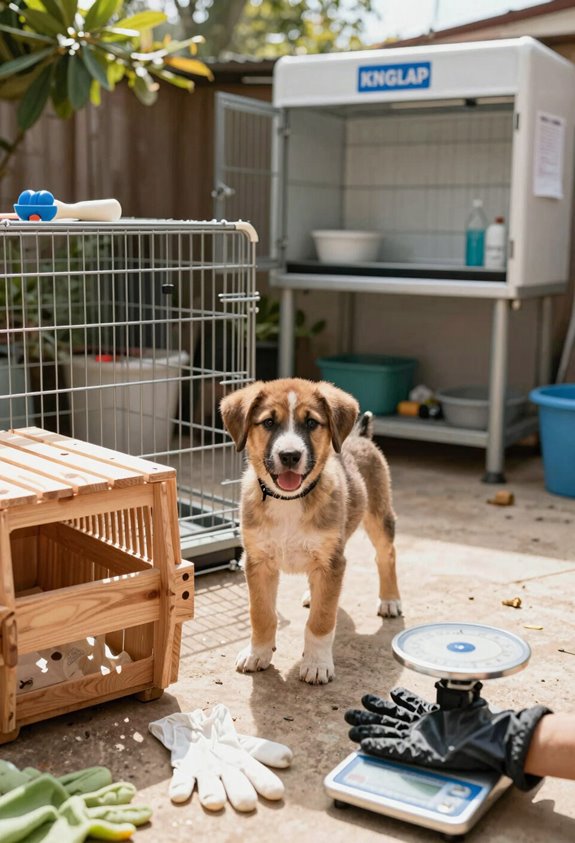
When comparing backyard breeders with responsible breeders, you can spot the difference in several key ways.
– Backyard breeders prioritize profit. Some neighbors breed continuously with no health testing, no screening, and puppies produced solely for cash. This approach is worth avoiding.
Responsible breeders operate differently. They conduct breed-specific tests, plan purposeful pairings, and assess temperament. They show you the parents, share health records, and answer all your questions.
– Backyard breeders rarely inquire about your home. Ethical breeders ask about your space, your life, and your yard, including where the puppy will sleep.
The most reliable indicator is asking who takes the dog back if things go wrong. Responsible breeders always accept this responsibility.
How to Recognize a Legitimate Breeder
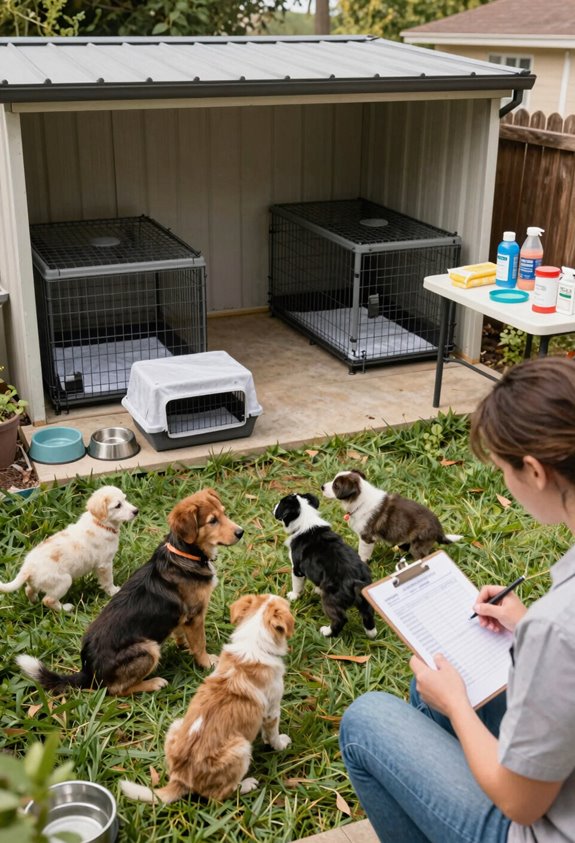
When you’re hunting for a legitimate breeder, you need to focus on two critical areas: health testing standards and buyer screening practices. Taking time with these checkpoints is essential. Here’s what to watch for:
– Health Testing Standards
- Breed-specific tests (like OFA hip evaluations, cardiac screenings, or genetic panels) with documentation you can verify
- Proof of registration with reputable clubs (AKC, UKC, CKC; not just a certificate, but active participation)
- Transparent records of the parents’ results, not vague assurances like “they’re healthy”
– Buyer Screening Practices
- Detailed questions about your lifestyle (work schedule, activity level, experience with the breed)
- Home environment discussions (like a kitchen, entryway or child’s room; where the puppy will actually live)
- Follow-up requirements, including a contract stating they’ll take the dog back if needed
A legitimate breeder screens you as carefully as you’d screen them. This mutual vetting protects both the breeder’s reputation and the dog’s welfare.
Health Testing Standards
Distinguishing legitimate breeders from backyard operations starts with understanding what real health testing looks like. Legitimate breeders conduct breed-specific health testing to catch conditions common to that breed, not just basic checkups. “Vet checked” promises are insufficient on their own.
Here’s what you should expect to see:
- Transparent documentation of screenings for both parents and puppies
- Open discussion of health histories, genetics, and potential risks
- Planned matings with purpose and temperament in mind, not random breedings
Real health testing means breeders will show you the parents, explain the results, and stand behind their dogs. Legitimate breeders provide the paperwork proving they prioritize your future companion’s wellbeing. Request documentation rather than accepting generic assurances.
Buyer Screening Practices
Legitimate breeders invest in buyer screening because they want their puppies in committed homes. Proper screening includes:
- They ask about your lifestyle and experience with dogs
- They want to know about your available play space (like a fenced yard or nearby park)
- They show you the puppy’s parents to demonstrate temperament
- They provide references and clear answers about their practices
Backyard breeders skip this entirely. No questions means no accountability, and that’s the easiest way to spot trouble.
The Accidental Litter Excuse
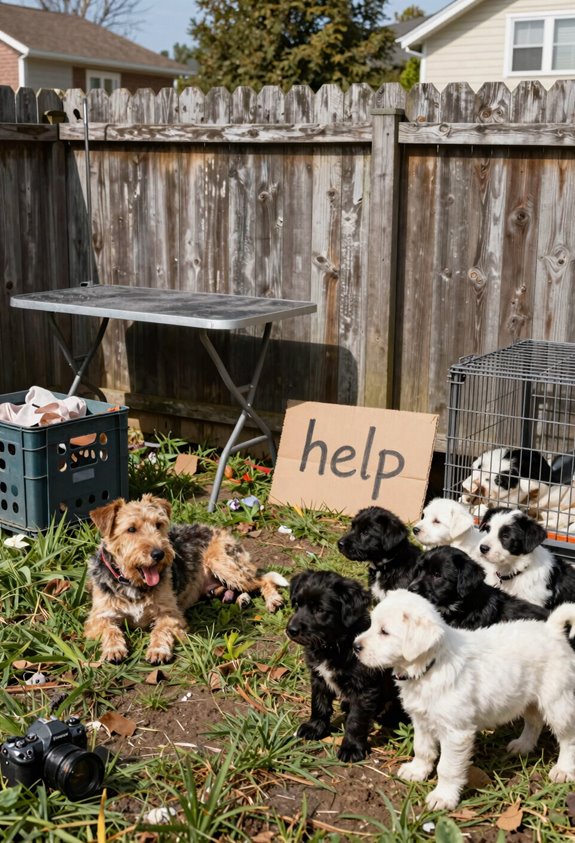
Although I’ve heard “it was an accident” more times than I can count, this excuse rarely holds up under scrutiny. What actually happens is someone skips spaying or neutering, lets their dogs roam, and suddenly there’s a “surprise” litter. I have unfortunately seen this several times in my own neighborhood, and it’s easier than you think to spot the pattern.
These puppies get sold cheap online or given away at grocery stores, parking lots, community boards, or social media groups, with zero follow-up care. No health records, no contracts, no support. The BackyardBreeder label fits here because accidental litters blur into intentional breeding fast; same lack of vet care, same profit motive, same heartbreak for families who trusted the seller.
Responsible ownership means fixing your pets.
Hobby Backyard Breeders and “My Dog Is Cute” Types
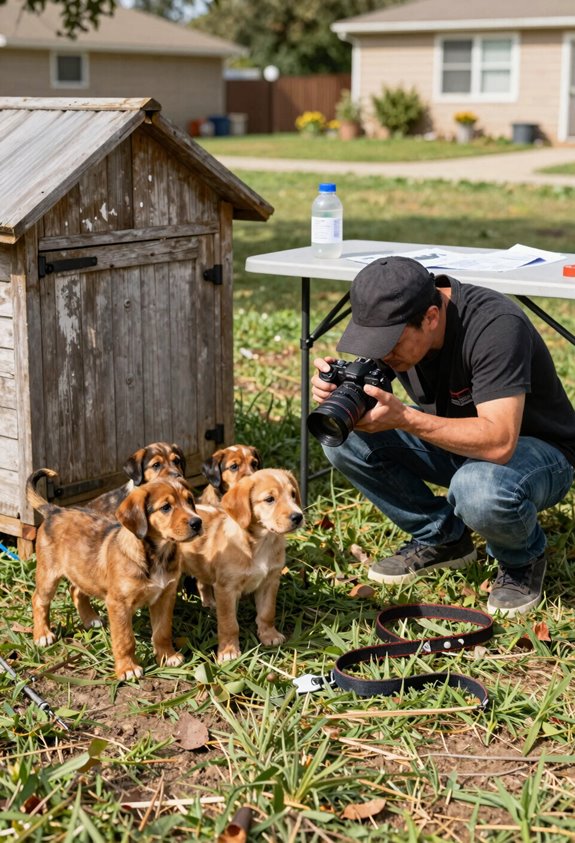
I’ve met plenty of folks who started breeding simply because they loved how their dog looked, or thought it would be fun to let their kids experience “the miracle of birth.” I get the impulse. I fell for the “my dog is so cute, the puppies would be adorable” trap myself, years ago, before I knew better.
These hobby backyard breeder types aren’t malicious, just misguided. Here’s what typically trips them up:
- They skip genetic health testing (like hip evaluations or eye exams)
- They breed without checking breed-specific risks, saying “our vet said she’s healthy”
- They rely on emotional appeal, posting cute puppy photos with “family raised” captions
- They don’t prove temperament through structured evaluation or socialization protocols
I’ve done this several times, assuming love equals expertise. A backyard breeder driven by passion still produces dogs needing lifelong medical care. The resulting health problems persist across the dog’s entire lifespan.
Profit-Driven Backyard Breeders: Trend-Chasers and Volume Sellers
I’ve unfortunately fallen for this myself, and it’s easier than you think to spot once you know what to look for. Profit-driven backyard breeders chase whatever designer cross or viral breed is trending (like doodles, teacups, or “rare” color variations), and I’ve seen how they push volume through staged photos, slick websites, and little to no screening of buyers. They prioritize profit over welfare consistently, so here’s exactly how that breaks down:
- They jump on trends fast, breeding whatever sells.
- They cut corners on vet care, space, and socialization.
- They vanish after sale, leaving you with the problems.
Trend-Chasing Motivations
A quick look at today’s most-shared dog photos will show you exactly what trend-chasing breeders are cooking up next. Backyard breeders pivot overnight from doodles to pocket bullies, chasing whatever hashtag is blowing up. Here’s what they’re really after:
- Maximum profit with minimal investment
- Viral appeal over genetic soundness
- Rapid turnover before trends fade
- Cute marketing that hides health shortcuts
These backyard breeders skip health testing, push exhausted mothers, and dump breeds when popularity drops. You’ll see the same patterns: trendy crosses, slick ads, zero follow-through. Spotting them prevents you from purchasing from irresponsible operations that harm animals. It’s easier than you think once you know the signs.
Volume Selling Tactics
Where do all those puppies keep coming from? Backyard breeders using volume-selling tactics are often the answer, and spotting them saves you heartache.
These operations run multiple litters simultaneously, sometimes several breeds at once, prioritizing sales over everything else. I have fallen for slick online listings with staged photos multiple times, only to discover the truth too late.
What volume selling looks like:
- Constant puppy availability, like a kitchen always stocked rather than seasonal
- Rapid-fire social media posts pushing quick sales
- Designer crosses jumping on whatever breed is trending
- Minimal veterinary support or health documentation
The volume approach overwhelms any chance of proper care. Check parent visibility, ask about health testing, and demand post-sale support. Responsible breeders simply don’t operate this way.
Profit Over Welfare
Volume selling isn’t the only red flag you’ll encounter. Learning to spot profit-driven backyard breeders before you commit is essential.
These operations prioritize cash over care. In practice, this means:
- Zero health testing on parent dogs
- Multiple litters running simultaneously (like a kitchen, entryway or child’s room, chaos everywhere)
- No veterinary records or vaccination proof
- Puppies shipped or sold within hours of contact
Backyard breeders in this category chase designer crosses for quick profit, skip buyer screening, and avoid showing you their facilities. Dirty, cramped conditions are common in these operations. The most effective way to protect yourself is demanding transparency. Request references from previous buyers, veterinary records, and facility photos. Breeders who refuse to provide these documents should not be trusted with your purchase.
When Backyard Breeding Becomes Neglect or Puppy-Mill Conditions
How quickly can casual breeding slide into something far darker? This happens more often than it should, and understanding it is essential.
When profit drives every decision, corners get cut fast. Here’s what that slide looks like:
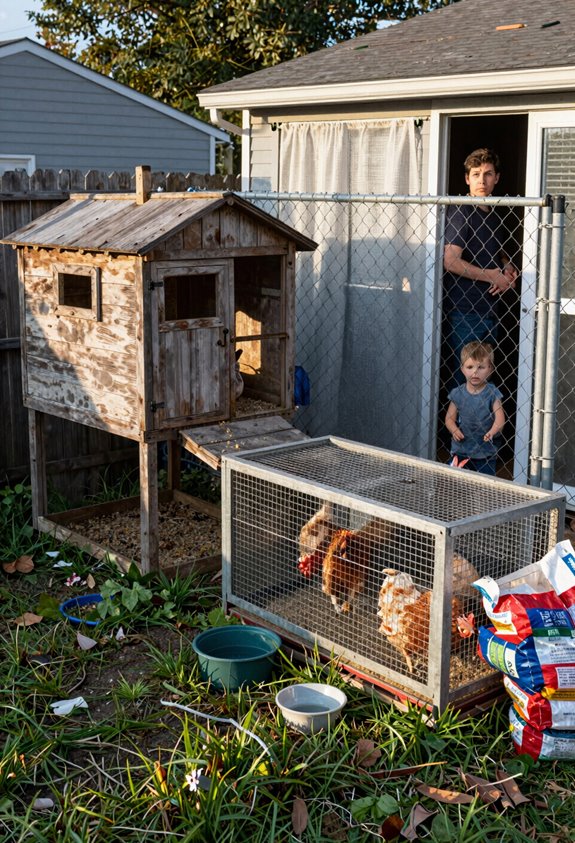
- Dogs packed into dirty, cramped spaces (like a garage, basement, or shed)
- Mothers bred repeatedly without recovery time
- Little to no vet care or socialization
The line between backyard breeding and puppy mill conditions blurs when volume trumps welfare. This pattern appears repeatedly; the warning signs are easier to miss than most people expect.
Protect yourself and these animals by demanding transparency. Visit the premises, meet parent dogs, and ask for health documentation. The most effective way to avoid supporting neglect is choosing reputable breeders or adopting from shelters instead.
Why Backyard Breeders Can’t Answer Breed Questions
Why do so many backyard breeders go quiet when you start asking the tough questions? I’ve unfortunately done this several times, and the pattern is consistent: backyard breeders simply don’t know the answers.
They lack genuine breed expertise, and it shows fast. Here’s what exposes them:
- They can’t name common genetic health conditions (like hip dysplasia in large breeds)
- They offer vague temperament descriptions instead of specific behavioral traits
- They stumble when you ask about breed standards or working purposes
- They redirect to “cute puppies” rather than substantive discussion
Real breeders welcome detailed questions. Backyard breeders will rush you off the phone once you know the signs.
Backyard Breeders Who Don’t Screen Buyers
I have seen this happen several times when first learning about responsible breeding, and it deserves careful attention. Backyard breeders who don’t screen buyers focus on a quick sale over a good match, asking zero questions about your living space, experience, or readiness for a long-term commitment. This absence of screening creates serious mismatch risks; puppies end up with owners who can’t handle breed needs, which leads to frustration, surrender, and heartbreak for everyone involved. The easiest way to spot these sellers is that they hand over puppies with no contract, no follow-up plan, and no care instructions whatsoever.
Buyer Screening Absence
Where exactly does a responsible breeder draw the line on who takes home one of their puppies? Buyer screening practices reveal a breeder’s actual priorities.
Responsible breeders ask tough questions. They want to know you’re ready. When I see these four things missing, I walk away:
- No questions about your living space (like a kitchen, entryway or child’s room)
- Zero follow-up about prior dog experience
- Complete silence on your daily schedule and lifestyle
- No discussion of long-term plans or support
A breeder’s failure to ask these questions indicates misplaced priorities. I’ve seen this pattern repeatedly. The easiest way to spot a problematic breeder is noticing they care more about your wallet than your fit.
Quick Sale Focus
Buyer screening, or the lack of it, tells you everything you need to know about where a breeder’s heart actually lies. Backyard breeders want one thing: your money, fast. They won’t ask about your yard size, your work schedule, or whether you’ve ever raised a puppy before. This approach is worth avoiding.
What quick-sale backyard breeders actually do:
- Hand over puppies with zero questions asked
- Push for same-day decisions with pressure tactics
- Skip contracts or health guarantees entirely
They don’t care if you live in a studio apartment or have three toddlers. Once your payment clears, the puppy’s welfare becomes entirely your responsibility.
Long-Term Mismatch Risk
How does a breeder know you’re ready for a puppy if they never ask. I have done this several times, and proper screening is essential. Backyard breeders who skip screening put you and the dog at risk.
When they don’t ask about your lifestyle, prior ownership, or home environment (like a kitchen, entryway or child’s room), they’re chasing quick sales, not good matches. Here’s what proper screening prevents:
- Placing high-energy dogs with sedentary owners
- Matching large breeds to small apartments
- Sending nervous pups to chaotic households
- Setting up first-time owners with challenging breeds
Without these questions, you’re on your own. Backyard breeders won’t offer long-term support when problems arise, and that mismatch often leads to returns or worse. The easiest way to spot trouble is silence from the seller.
Backyard Breeders Who Hide the Parents
Why do some breeders keep the parents out of sight? Backyard breeders who hide the parents prevent you from assessing potential temperament and genetic health risks. They may refuse or hesitate to show the dogs’ lineage or allow meeting the sire and dam, signaling lack of transparency. This makes it difficult to predict adult health outcomes and breed-specific issues.
Fraudulent or evasive behavior around parents is a red flag for unregulated or low-welfare breeding operations. Watch for these warning signs:
- Quick sales pressure
- Minimal health testing offered
- Poor post-sale support
Hiding parental dogs is commonly paired with all three. Recognizing these patterns is the most effective way to protect yourself.
Backyard Breeders With Vague Health Records
Where do you even begin when the paperwork doesn’t add up? I’ve unfortunately done this several times, and it’s frustrating every single time. Backyard breeders love handing you vague health records that leave you guessing about your puppy’s future.
What missing documentation looks like:
- No proof of genetic testing for breed-specific conditions
- Vaccination dates that don’t line up or seem copied
- Missing veterinarian contact information for follow-up questions
- Promises of “healthy parents” without actual screening results
They’ll claim expertise they don’t have, skip asking about your home situation, and show you pretty photos while hiding the real conditions. Catching these red flags early prevents costly health issues and heartbreak. Demand transparency about parent dogs, health testing, and post-sale support before you commit.
Backyard Breeders Who Pump Out Multiple Breeds
When you see a breeder advertising everything from French Bulldogs to Golden Retrievers to teacup Poodles, pause and reconsider. Backyard breeders who pump out multiple breeds aren’t focused on your future pup’s wellbeing. They’re chasing profit.
What appears in typical backyard breeding operations:
- No breed expertise — They can’t tell you about herding instincts or brachycephalic health issues because they’re juggling too many types
- Assembly-line operations — Multiple litters across breeds means minimal vet care and zero temperament screening
- Social media urgency — “Going fast.” posts pressure you into skipping research
A responsible breeder dedicates years to one breed. They know bloodlines, genetic testing, and whether that puppy fits your lifestyle.
Waiting for a focused breeder prevents serious health and behavioral problems down the road. Your perfect match exists. Finding them requires patience and thorough vetting of credentials.
When Rescue Makes More Sense Than Any Breeder
Although I’ve spent years learning to spot responsible breeders, choosing rescue remains the stronger choice. Those shelter animals deserve homes.
Years spent spotting responsible breeders, yet rescue remains the stronger choice—those shelter animals deserve homes.
We’re in this together, and choosing rescue is action. Rescues and shelters house 6–8 million animals yearly (about 150,000 in Washington State alone), yet only 15 percent of us adopt. This choice makes a measurable difference.
When rescue makes sense:
- You want a vetted, vaccinated companion without supporting puppy mills
- You’re open to adults with known personalities, which is easier than you think
- You’re ready to ease shelter overcapacity directly
- Breed-specific rescues match you with the dog you actually need
Backyard breeders flood markets, stealing homes from rescues and shelters already overflowing. Choosing rescue directly addresses this crisis and creates belonging for animals in need.